
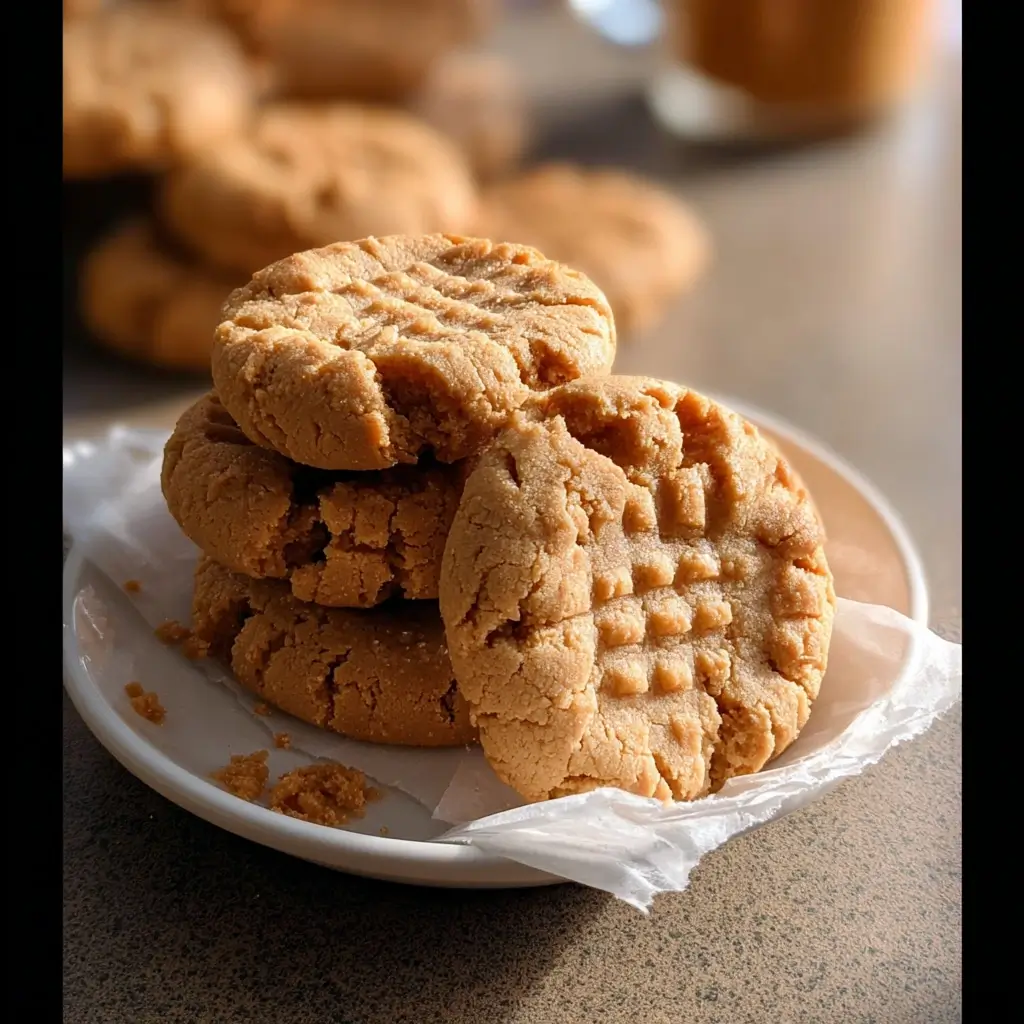
There are some recipes that just feel like a warm hug, and these 1-Bowl Vegan Peanut Butter Cookies are the epitome of kitchen comfort. I’ve been on a mission for years to perfect a vegan peanut butter cookie that wasn’t just “good for a vegan cookie,” but was genuinely, undeniably, a fantastic cookie in its own right. This is it. The first time I pulled a batch of these from the oven, the aroma alone was intoxicating—a rich, toasty, sweet peanut butter scent that filled the entire house. My kids, usually my toughest critics when it comes to my vegan baking experiments, came running. The verdict was unanimous: these were the best peanut butter cookies they had ever had, vegan or not. They have a truly magical texture—crispy, caramelized edges that give way to a soft, incredibly chewy, and densely peanut-buttery center. They don’t crumble into a dry mess like so many others I’ve tried. They hold their shape, pack a powerful flavor punch, and the fact that they come together in a single bowl with minimal fuss makes them a certified weeknight miracle. This recipe has become my go-to for potlucks, bake sales, and simple after-dinner treats, consistently winning over even the most skeptical non-vegan friends and family.
The Ultimate 1-Bowl Vegan Peanut Butter Cookies
This recipe is designed for simplicity, flavor, and texture. By using a single bowl, we minimize cleanup without sacrificing quality. The key is using the right kind of peanut butter and understanding the role of each ingredient in creating that perfect chewy-crisp balance. Before you begin, read through the ingredient notes to ensure you have the best possible components for cookie success.
Ingredients
- 1 cup (250g) Creamy Natural Peanut Butter: This is the most crucial ingredient. For the best texture, use a natural-style “drippy” peanut butter where the only ingredients are peanuts and salt. Brands like Smucker’s Natural or Whole Foods 365 are excellent choices. Avoid conventional, no-stir peanut butters (like Jif or Skippy) as they contain hydrogenated oils and extra sugar that will make the cookies greasy and prevent them from spreading correctly. If you enjoy texture, you can use crunchy natural peanut butter.
- ½ cup (115g) Vegan Butter, softened: Use a good quality vegan butter that comes in a stick form, like Miyoko’s Kitchen Cultured Vegan Butter or Melt Organic Vegan Butter. These have a higher fat content and behave more like dairy butter in baking. Soften it to room temperature, but do not melt it completely. Melted butter will lead to cookies that spread too much and become thin and greasy. You can also use refined coconut oil, but the butter provides a richer flavor.
- ¾ cup (150g) Packed Light Brown Sugar: Brown sugar is a key player in creating a chewy, moist cookie. The molasses content adds moisture and a slight caramel flavor that pairs beautifully with peanut butter. Make sure to pack it firmly into the measuring cup.
- ¼ cup (50g) Granulated White Sugar: The white sugar contributes to the crispy, golden-brown edges. The combination of brown and white sugar is what creates that perfect textural contrast between the chewy center and the crisp exterior.
- 1 Flax Egg: This is our vegan binder, replacing a traditional chicken egg. To make it, combine 1 tablespoon of ground flaxseed meal with 2.5 tablespoons of water. Whisk them together in a small bowl and let it sit for 5-10 minutes to thicken into a gel-like consistency. This simple step is vital for binding the dough and adding moisture.
- 1 ½ teaspoons Pure Vanilla Extract: Vanilla doesn’t just add its own flavor; it enhances and deepens the other flavors in the recipe, particularly the nutty and sweet notes. Use pure vanilla extract for the best, most authentic flavor.
- 1 ¼ cups (150g) All-Purpose Flour: Standard all-purpose flour provides the structure for the cookies. The most important tip for measuring flour is to use the “spoon and level” method. Use a spoon to fluff up the flour in its container, then spoon it into your measuring cup until it’s overflowing. Use the back of a knife to level it off. Scooping directly from the bag compacts the flour, resulting in up to 25% more flour than needed, which leads to dry, dense cookies.
- ¾ teaspoon Baking Soda: This is our primary leavening agent. It reacts with the acidity in the brown sugar to help the cookies rise and spread, contributing to their tender texture.
- ½ teaspoon Baking Powder: We use a little baking powder in addition to baking soda to give the cookies an extra lift, ensuring they aren’t overly dense.
- ¼ teaspoon Fine Sea Salt: Even if your peanut butter is salted, a little extra salt in the dough is essential. Salt is a flavor enhancer that balances the sweetness and brings out the roasty, nutty depth of the peanut butter. If using unsalted peanut butter, increase this to ½ teaspoon.
Step-by-Step Instructions
Follow these detailed instructions carefully for perfect cookies every time. The process is simple, but technique matters!
Step 1: Prepare the Flax Egg and Preheat Oven
First things first, make your flax egg. In a small bowl, whisk together 1 tablespoon of ground flaxseed meal and 2.5 tablespoons of water. Set it aside to gel for at least 5 minutes. While it’s gelling, preheat your oven to 350°F (175°C). Line two large baking sheets with parchment paper. This prevents the cookies from sticking and ensures even browning on the bottom.
Step 2: Cream the Fats and Sugars
In a large mixing bowl, combine the softened vegan butter, natural peanut butter, packed light brown sugar, and granulated white sugar. Using an electric hand mixer or a stand mixer fitted with the paddle attachment, beat the ingredients together on medium speed for about 2-3 minutes. The goal is to get the mixture light, fluffy, and pale in color. This process, known as creaming, incorporates tiny air pockets into the dough, which is fundamental for a light and tender cookie texture. If you don’t have an electric mixer, you can do this by hand with a whisk and some elbow grease, but it will take longer.
Step 3: Add the Wet Ingredients
Once the butter and sugars are creamed, add your now-gelled flax egg and the pure vanilla extract to the bowl. Beat again on medium speed for another minute until everything is fully incorporated and the mixture is smooth. Scrape down the sides and bottom of the bowl with a spatula to ensure everything is evenly mixed.
Step 4: Combine the Dry Ingredients
Add the all-purpose flour, baking soda, baking powder, and fine sea salt directly into the same bowl on top of the wet ingredients. Start mixing on the lowest possible speed (or mix by hand with a spatula) until the dry ingredients are just combined. Be very careful not to overmix at this stage. Overmixing develops the gluten in the flour, which will result in tough, dense, and rubbery cookies instead of soft and chewy ones. Stop mixing as soon as you no longer see streaks of flour. The dough will be soft and a little sticky.
Step 5: Chill the Dough (Highly Recommended)
This step is optional if you’re in a hurry, but highly recommended for the best results. Cover the bowl with plastic wrap and chill the dough in the refrigerator for at least 30 minutes, or up to 24 hours. Chilling the dough does two wonderful things:
- It prevents spreading: The cold fat solidifies, meaning the cookies will spread less in the oven, resulting in thicker, chewier cookies.
- It deepens the flavor: As the dough rests, the flour has more time to hydrate, and the flavors meld together, resulting in a more complex and intensely peanut-buttery taste.
Step 6: Scoop, Shape, and Press
Once the dough has chilled, use a medium cookie scoop (about 1.5 tablespoons) to portion out uniform balls of dough. Roll each portion between your hands to create a smooth ball and place them about 2-3 inches apart on the parchment-lined baking sheets. For the classic peanut butter cookie look, take a fork and gently press down on the top of each dough ball, then press again from the opposite direction to create a crisscross pattern. This not only looks beautiful but also helps to flatten the cookie slightly for more even baking. If the fork sticks to the dough, dip it in a little granulated sugar between presses.
Step 7: Bake to Golden Perfection
Bake the cookies in the preheated oven for 10-12 minutes. The exact time will depend on your oven. The cookies are done when the edges are set and golden brown, but the centers still look slightly soft and a little underbaked. Do not overbake them! They will continue to cook and firm up on the hot baking sheet after you take them out of the oven. This is the secret to a perfectly chewy center.
Step 8: Cool and Enjoy
Let the cookies cool on the baking sheet for 5-10 minutes. They will be very fragile right out of the oven, so this allows them to set. After 5-10 minutes, use a thin spatula to carefully transfer them to a wire rack to cool completely. The texture will be at its absolute best once they have cooled to room temperature.
Nutrition Facts
- Servings: This recipe makes approximately 24 cookies.
- Calories per serving (1 cookie): Approximately 165 kcal.
Disclaimer: The nutritional information provided is an estimate and will vary depending on the specific brands of ingredients used, especially the type of peanut butter and vegan butter.
Preparation Time
- Active Prep Time: 15 minutes
- Chilling Time (Recommended): 30 minutes
- Bake Time: 10-12 minutes
- Total Time: Approximately 55-60 minutes
How to Serve Your Vegan Peanut Butter Cookies
These cookies are phenomenal on their own, but they can also be the star of a more elaborate dessert. Here are some creative and delicious ways to serve them:
- The Classic Duo:
- Serve warm with a tall, cold glass of your favorite plant-based milk. Oat milk is particularly creamy and complementary, but almond, soy, or cashew milk are also excellent choices.
- As a Decadent Ice Cream Sandwich:
- Take two completely cooled cookies and sandwich a generous scoop of vegan vanilla bean or chocolate fudge ice cream between them.
- For an extra touch, roll the exposed sides of the ice cream in mini vegan chocolate chips or chopped peanuts.
- Wrap them individually in plastic wrap and freeze for at least 30 minutes to firm up before serving.
- Drizzled and Dipped in Chocolate:
- Melt a cup of high-quality dairy-free dark chocolate chips in the microwave or over a double boiler.
- Dip half of each cooled cookie into the melted chocolate and place it back on the parchment paper.
- While the chocolate is still wet, sprinkle with flaky sea salt or colorful sprinkles. Let the chocolate set completely before serving.
- The Ultimate Dessert Platter:
- Arrange the cookies on a large board alongside other vegan treats like fresh berries, slices of apple, other vegan cookies (like chocolate chip or oatmeal), and a bowl of vegan chocolate hazelnut spread for dipping.
- As a Crumble Topping:
- Crumble one or two cookies over a bowl of vegan yogurt, a smoothie bowl, or a scoop of “nice cream” (frozen banana ice cream) for a delightful crunch and flavor boost.
Additional Tips for Cookie Perfection (5 Tips)
Here are five pro tips to take your vegan peanut butter cookies from great to absolutely unforgettable.
1. Don’t Skip the Chill
I mentioned it in the instructions, but it bears repeating because it makes such a significant difference. Chilling the dough is the number one way to control spread and enhance flavor. A short 30-minute chill is good, but if you have the time, chilling the dough for 2-4 hours (or even overnight) will yield a cookie with an even chewier texture and a deeper, more developed peanut butter flavor.
2. The Peanut Butter Choice is Non-Negotiable
Using the right peanut butter is the foundation of this recipe. Natural, drippy peanut butter (ingredients: just peanuts and salt) has a higher oil content and is less processed, which interacts perfectly with the flour and sugar to create the ideal texture. Using a conventional, stabilized peanut butter like Jif or Skippy will result in a dough that is drier and cookies that are puffy, cakey, and don’t spread properly. The oils in natural peanut butter are what help create that desirable crisp-edge, chewy-center dynamic.
3. Master the Art of Not Overbaking
The line between a perfectly chewy cookie and a dry, hard one is very thin. The visual cue you are looking for is golden, set edges and a center that looks puffy and slightly pale or “wet.” It will seem underdone, but trust the process. The cookies will firm up significantly as they cool on the baking sheet (this is called carryover cooking). Pulling them out at the right moment is the key to preserving that soft, melt-in-your-mouth center.
4. Make Them Gluten-Free!
This recipe adapts beautifully to be gluten-free. For the best results, swap the all-purpose flour for a high-quality “cup-for-cup” or “measure-for-measure” gluten-free all-purpose flour blend that contains xanthan gum. Brands like Bob’s Red Mill 1-to-1 Baking Flour or King Arthur Measure for Measure Gluten Free Flour work wonderfully. Simply substitute it in the same quantity (150g). The texture will be slightly different—a little more delicate—but still incredibly delicious.
5. Perfecting the Signature Crosshatch
The classic crisscross pattern can sometimes be tricky if the dough is sticky. The secret is to create a small barrier between the fork and the dough. Keep a small bowl of granulated sugar nearby and dip the tines of the fork into the sugar before pressing each cookie. This not only prevents sticking but also adds a lovely, slightly crunchy, sugary crust to the top of the cookie.
Frequently Asked Questions (FAQ)
Here are answers to some of the most common questions about making these vegan peanut butter cookies.
1. Why did my cookies turn out dry and crumbly?
There are a few common culprits for dry, crumbly cookies:
- Over-measuring Flour: This is the most likely reason. Scooping flour directly from the bag compacts it, leading you to use too much. Use the “spoon and level” method for accuracy.
- Overbaking: Even one or two extra minutes in the oven can bake all the moisture out, turning a chewy cookie into a hard biscuit. Pull them when the centers still look soft.
- Wrong Peanut Butter: Using a no-stir, processed peanut butter can create a drier dough from the start, as it lacks the natural oils needed for moisture.
- Overmixing: Mixing the dough for too long after adding the flour develops too much gluten, resulting in a tough, dry cookie.
2. Can I make these cookies with less sugar or use a sugar substitute?
You can reduce the sugar slightly, but it will affect the final texture and flavor. Sugar does more than just sweeten; it contributes to moisture (brown sugar) and crispness (white sugar), and it helps the cookies spread. Reducing the total sugar by more than ¼ cup may result in cakier, less flavorful cookies. You can experiment with replacing the white sugar with coconut sugar for a more unrefined option, but the texture will be softer. Liquid sweeteners like maple syrup are not recommended as a direct substitute as they will throw off the liquid-to-dry ingredient ratio and make the dough too wet.
3. Can I use a different nut or seed butter?
Absolutely! This recipe is a great base for other butters.
- Almond Butter: Works very well as a direct substitute. The flavor will be milder and less roasty than peanut butter.
- Cashew Butter: Creates an incredibly rich and tender cookie with a very subtle, sweet flavor.
- Sunflower Seed Butter (for a nut-free version): This is a fantastic nut-free alternative. Be aware that sunflower seeds can sometimes react with baking soda and turn baked goods a harmless shade of green after they cool. The taste is unaffected!
4. My dough is extremely sticky and impossible to roll. What did I do wrong?
You likely did nothing wrong! This is a soft, sticky dough by nature, especially before chilling. If it’s too difficult to handle even after a 30-minute chill, it might be because your kitchen is particularly warm or your peanut butter was extra oily. The solution is simple: chill it for longer. Pop the dough back in the fridge for another 30-60 minutes. A well-chilled dough will be firm and much easier to scoop and roll. You can also lightly wet your hands with water or grease them with a tiny bit of oil before rolling the dough balls.
5. How should I store the cookies to keep them fresh? And can I freeze them?
Proper storage is key to enjoying these cookies for days.
- Storing Baked Cookies: Once completely cooled, store the cookies in an airtight container at room temperature for up to 5 days. For extra chewiness, you can add a slice of bread to the container; the cookies will absorb moisture from the bread, keeping them soft.
- Freezing Baked Cookies: Place the cooled cookies in a single layer on a baking sheet and freeze until solid, about 1 hour. Then, transfer them to a freezer-safe bag or container. They will keep for up to 3 months. Thaw at room temperature.
- Freezing the Dough: Scoop the dough into balls, press them with the fork, and place them on a parchment-lined baking sheet. Freeze until solid, then transfer the frozen dough pucks to a freezer bag. You can bake them directly from frozen; just add 2-3 extra minutes to the baking time.
1-Bowl Vegan Peanut Butter Cookies Recipe
Ingredients
Ingredients
- 1 cup (250g) Creamy Natural Peanut Butter: This is the most crucial ingredient. For the best texture, use a natural-style “drippy” peanut butter where the only ingredients are peanuts and salt. Brands like Smucker’s Natural or Whole Foods 365 are excellent choices. Avoid conventional, no-stir peanut butters (like Jif or Skippy) as they contain hydrogenated oils and extra sugar that will make the cookies greasy and prevent them from spreading correctly. If you enjoy texture, you can use crunchy natural peanut butter.
- ½ cup (115g) Vegan Butter, softened: Use a good quality vegan butter that comes in a stick form, like Miyoko’s Kitchen Cultured Vegan Butter or Melt Organic Vegan Butter. These have a higher fat content and behave more like dairy butter in baking. Soften it to room temperature, but do not melt it completely. Melted butter will lead to cookies that spread too much and become thin and greasy. You can also use refined coconut oil, but the butter provides a richer flavor.
- ¾ cup (150g) Packed Light Brown Sugar: Brown sugar is a key player in creating a chewy, moist cookie. The molasses content adds moisture and a slight caramel flavor that pairs beautifully with peanut butter. Make sure to pack it firmly into the measuring cup.
- ¼ cup (50g) Granulated White Sugar: The white sugar contributes to the crispy, golden-brown edges. The combination of brown and white sugar is what creates that perfect textural contrast between the chewy center and the crisp exterior.
- 1 Flax Egg: This is our vegan binder, replacing a traditional chicken egg. To make it, combine 1 tablespoon of ground flaxseed meal with 2.5 tablespoons of water. Whisk them together in a small bowl and let it sit for 5–10 minutes to thicken into a gel-like consistency. This simple step is vital for binding the dough and adding moisture.
- 1 ½ teaspoons Pure Vanilla Extract: Vanilla doesn’t just add its own flavor; it enhances and deepens the other flavors in the recipe, particularly the nutty and sweet notes. Use pure vanilla extract for the best, most authentic flavor.
- 1 ¼ cups (150g) All-Purpose Flour: Standard all-purpose flour provides the structure for the cookies. The most important tip for measuring flour is to use the “spoon and level” method. Use a spoon to fluff up the flour in its container, then spoon it into your measuring cup until it’s overflowing. Use the back of a knife to level it off. Scooping directly from the bag compacts the flour, resulting in up to 25% more flour than needed, which leads to dry, dense cookies.
- ¾ teaspoon Baking Soda: This is our primary leavening agent. It reacts with the acidity in the brown sugar to help the cookies rise and spread, contributing to their tender texture.
- ½ teaspoon Baking Powder: We use a little baking powder in addition to baking soda to give the cookies an extra lift, ensuring they aren’t overly dense.
- ¼ teaspoon Fine Sea Salt: Even if your peanut butter is salted, a little extra salt in the dough is essential. Salt is a flavor enhancer that balances the sweetness and brings out the roasty, nutty depth of the peanut butter. If using unsalted peanut butter, increase this to ½ teaspoon.
Instructions
Step 1: Prepare the Flax Egg and Preheat Oven
First things first, make your flax egg. In a small bowl, whisk together 1 tablespoon of ground flaxseed meal and 2.5 tablespoons of water. Set it aside to gel for at least 5 minutes. While it’s gelling, preheat your oven to 350°F (175°C). Line two large baking sheets with parchment paper. This prevents the cookies from sticking and ensures even browning on the bottom.
Step 2: Cream the Fats and Sugars
In a large mixing bowl, combine the softened vegan butter, natural peanut butter, packed light brown sugar, and granulated white sugar. Using an electric hand mixer or a stand mixer fitted with the paddle attachment, beat the ingredients together on medium speed for about 2-3 minutes. The goal is to get the mixture light, fluffy, and pale in color. This process, known as creaming, incorporates tiny air pockets into the dough, which is fundamental for a light and tender cookie texture. If you don’t have an electric mixer, you can do this by hand with a whisk and some elbow grease, but it will take longer.
Step 3: Add the Wet Ingredients
Once the butter and sugars are creamed, add your now-gelled flax egg and the pure vanilla extract to the bowl. Beat again on medium speed for another minute until everything is fully incorporated and the mixture is smooth. Scrape down the sides and bottom of the bowl with a spatula to ensure everything is evenly mixed.
Step 4: Combine the Dry Ingredients
Add the all-purpose flour, baking soda, baking powder, and fine sea salt directly into the same bowl on top of the wet ingredients. Start mixing on the lowest possible speed (or mix by hand with a spatula) until the dry ingredients are just combined. Be very careful not to overmix at this stage. Overmixing develops the gluten in the flour, which will result in tough, dense, and rubbery cookies instead of soft and chewy ones. Stop mixing as soon as you no longer see streaks of flour. The dough will be soft and a little sticky.
Step 5: Chill the Dough (Highly Recommended)
This step is optional if you’re in a hurry, but highly recommended for the best results. Cover the bowl with plastic wrap and chill the dough in the refrigerator for at least 30 minutes, or up to 24 hours. Chilling the dough does two wonderful things:
- It prevents spreading: The cold fat solidifies, meaning the cookies will spread less in the oven, resulting in thicker, chewier cookies.
- It deepens the flavor: As the dough rests, the flour has more time to hydrate, and the flavors meld together, resulting in a more complex and intensely peanut-buttery taste.
Step 6: Scoop, Shape, and Press
Once the dough has chilled, use a medium cookie scoop (about 1.5 tablespoons) to portion out uniform balls of dough. Roll each portion between your hands to create a smooth ball and place them about 2-3 inches apart on the parchment-lined baking sheets. For the classic peanut butter cookie look, take a fork and gently press down on the top of each dough ball, then press again from the opposite direction to create a crisscross pattern. This not only looks beautiful but also helps to flatten the cookie slightly for more even baking. If the fork sticks to the dough, dip it in a little granulated sugar between presses.
Step 7: Bake to Golden Perfection
Bake the cookies in the preheated oven for 10-12 minutes. The exact time will depend on your oven. The cookies are done when the edges are set and golden brown, but the centers still look slightly soft and a little underbaked. Do not overbake them! They will continue to cook and firm up on the hot baking sheet after you take them out of the oven. This is the secret to a perfectly chewy center.
Step 8: Cool and Enjoy
Let the cookies cool on the baking sheet for 5-10 minutes. They will be very fragile right out of the oven, so this allows them to set. After 5-10 minutes, use a thin spatula to carefully transfer them to a wire rack to cool completely. The texture will be at its absolute best once they have cooled to room temperature.
Nutrition
- Serving Size: One Normal Portion
- Calories: 165