
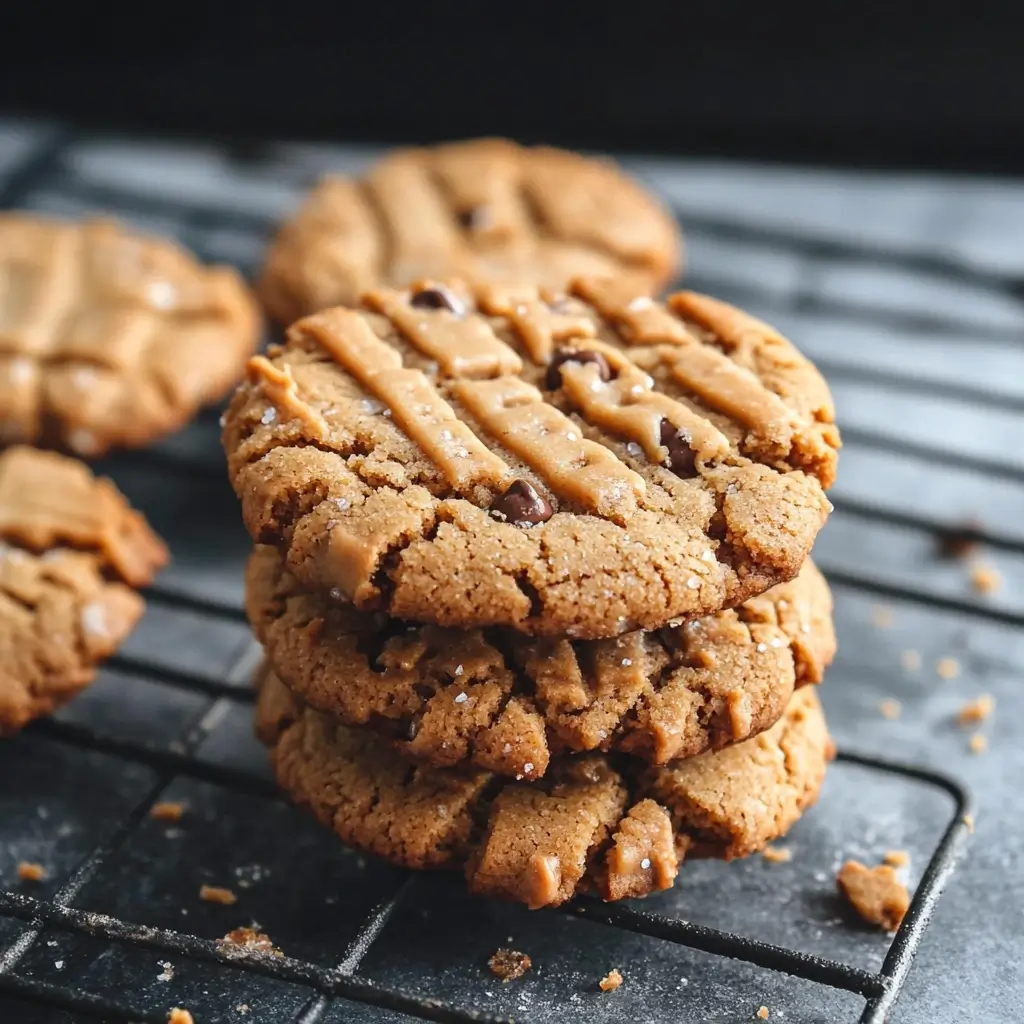

Honestly, when I first heard about 3-ingredient keto peanut butter cookies, I was skeptical. How could something so simple, using just three basic pantry staples (well, keto pantry staples!), actually taste good? My family lives a low-carb lifestyle, and while we love finding easy keto treats, sometimes “simple” translates to “lacking.” But let me tell you, these cookies were a revelation! The first time I whipped up a batch, it took maybe 5 minutes of prep time. The aroma filling the kitchen as they baked was pure, nostalgic peanut butter goodness. My kids, who can be picky eaters, devoured them warm from the cooling rack, asking for more. My husband, usually reserved in his praise for my keto experiments, genuinely declared them “surprisingly delicious” and asked if they were really keto. They’ve since become our go-to recipe for a quick dessert fix, a satisfying snack, or even a little something sweet to pack in lunchboxes. They are ridiculously easy, perfectly satisfying, and proof that delicious keto baking doesn’t need to be complicated or require a long list of specialty ingredients. If you’re looking for a foolproof, crowd-pleasing, low-carb cookie recipe, you have to try this one.
The Ultimate 3-Ingredient Keto Peanut Butter Cookies: Your New Go-To Recipe
Embarking on or maintaining a ketogenic lifestyle doesn’t mean sacrificing the simple joys of life, like biting into a warm, crumbly, perfectly peanut-buttery cookie. Traditional cookies are loaded with sugar and refined flour, making them a definite no-go on keto. But fear not! This incredibly simple recipe uses just three core ingredients to deliver a satisfyingly sweet, nutty, and perfectly keto-friendly treat. Prepare to be amazed by how much flavor and texture you can achieve with so little effort. This recipe is a game-changer for busy weeknights, sudden cravings, or anyone new to keto baking who wants a guaranteed success.
Ingredients You’ll Need
This recipe prides itself on simplicity. Here are the three essential components to create these magical keto cookies:
- Peanut Butter: 1 cup (approx. 250g) – Crucial Note: Use a sugar-free, natural, or keto-friendly peanut butter where the only ingredients are ideally peanuts and perhaps salt. Ensure it’s well-stirred if it’s the natural kind where oil separates. Creamy works best for a smooth texture, but crunchy adds nice little bits if you prefer. Avoid brands with added sugars (like corn syrup) or hydrogenated oils.
- Keto-Friendly Sweetener: 1/2 cup (approx. 90-100g) – Granulated Erythritol or an Erythritol/Monk Fruit blend works wonderfully here and measures cup-for-cup like sugar. You can adjust the amount slightly based on your sweetness preference and the specific sweetener used (some are sweeter than others). Allulose can also work, but might result in a slightly softer cookie. Powdered sweetener can also be used for a smoother dough, but granulated provides a more traditional cookie texture.
- Large Egg: 1 – This acts as the binder, holding everything together and adding richness. For best results, use an egg that’s at room temperature, as it will incorporate more easily into the peanut butter and sweetener mixture.
(Optional but Recommended Enhancement:)
- Vanilla Extract: 1 teaspoon – While technically making it a 4-ingredient recipe, vanilla extract significantly enhances the flavour profile, complementing the peanut butter beautifully.
- Salt: 1/4 teaspoon – If your peanut butter is unsalted, adding a pinch of salt can really make the peanut butter flavour pop and balance the sweetness.
Step-by-Step Instructions for Baking Perfection
Making these keto peanut butter cookies is almost laughably easy. Follow these simple steps:
- Preheat and Prepare: Preheat your oven to 350°F (175°C). Line a baking sheet with parchment paper or a silicone baking mat. This prevents sticking and makes cleanup a breeze – essential for keto baking where ingredients can sometimes be more prone to sticking.
- Combine Ingredients: In a medium-sized mixing bowl, add the peanut butter, your chosen keto-friendly sweetener, and the large egg. If you’re using the optional vanilla extract and/or salt, add them now too.
- Mix Thoroughly: Using a sturdy spoon or a spatula (or even an electric mixer on low speed), mix the ingredients together until they are just combined and form a thick, uniform dough. Be careful not to overmix; mix only until you no longer see streaks of egg or pockets of sweetener. The dough will be quite thick and perhaps slightly sticky, depending on your peanut butter.
- Portion the Dough: Scoop out portions of the dough, about 1 tablespoon each, and roll them into balls between your palms. Place the balls onto the prepared baking sheet, leaving about 1-2 inches between them as they will spread slightly. This recipe typically yields about 12-15 cookies, depending on the size you make them.
- Create the Classic Criss-Cross Pattern: Dip the tines of a fork into a little bit of granulated sweetener (optional, prevents sticking) or just use it plain. Gently press the fork down onto the top of each cookie ball, first in one direction, and then rotate the fork 90 degrees and press down again to create the classic peanut butter cookie criss-cross pattern. This isn’t just for looks; it also helps flatten the cookie slightly for more even baking. Don’t press too hard, just enough to make the indentation.
- Bake: Place the baking sheet into the preheated oven. Bake for 10-12 minutes. Keep a close eye on them, especially during the last few minutes. The cookies are done when the edges are set and slightly golden brown, and the centers might still look a tiny bit soft. Keto baked goods can firm up significantly as they cool, and overbaking will lead to dry, crumbly cookies.
- Cool Completely: Remove the baking sheet from the oven. Let the cookies cool on the baking sheet for at least 5-10 minutes. They will be very fragile when hot. After this initial cooling period, carefully transfer them using a spatula to a wire rack to cool completely. This step is crucial for texture – they develop their characteristic crumbly-yet-chewy texture as they cool down. Resist the urge to eat them straight away (if you can!).
Nutrition Facts (Estimated)
Understanding the nutritional profile is key when following a ketogenic diet. Please note that these values are estimates and can vary based on the specific brands of peanut butter and sweetener used. Always check the labels of your ingredients for the most accurate information.
- Servings: This recipe makes approximately 12 cookies.
- Serving Size: 1 cookie
- Calories per serving (estimated): 120-150 kcal
- Net Carbohydrates per serving (estimated): 2-4g (Net Carbs = Total Carbs – Fiber – Sugar Alcohols like Erythritol)
- Fat per serving (estimated): 10-13g
- Protein per serving (estimated): 5-7g
- Fiber per serving (estimated): 1-2g
Why are these Keto-Friendly? The magic lies in the ingredients. Peanut butter provides healthy fats and protein with relatively low carbs (choose wisely!). The keto sweetener provides sweetness without sugar or significant digestible carbs, thus not spiking blood sugar. The egg adds protein, fat, and structure without adding carbs. This combination results in a cookie that fits perfectly within ketogenic macronutrient ratios – high in fat, moderate in protein, and very low in net carbohydrates.
Preparation and Cooking Time
One of the biggest draws of this recipe is its speed and simplicity:
- Preparation Time: 5-7 minutes (Seriously, it’s that fast!)
- Cooking Time: 10-12 minutes
- Cooling Time: 15-20 minutes (Essential for texture!)
- Total Time: Approximately 30-40 minutes from start to enjoying your first cookie.
This makes them an ideal recipe for when a sweet craving strikes unexpectedly, or when you need a quick dessert for guests or family without spending hours in the kitchen.
How to Serve These Keto Peanut Butter Delights
While these 3-ingredient keto peanut butter cookies are fantastic on their own, warm or at room temperature, here are some delicious ways to serve and enjoy them:
- Classic Comfort: Enjoy them plain with a glass of unsweetened almond milk, coconut milk, or your favorite keto-friendly milk alternative. Perfect for dunking!
- Warm & Wonderful: Serve them slightly warm (reheat gently if needed) for that freshly-baked experience. The peanut butter aroma is irresistible.
- With a Hot Beverage: Pair them with a cup of black coffee, bulletproof coffee, or your favorite herbal tea for a comforting afternoon snack or light dessert.
- Keto Ice Cream Sandwich: Place a scoop of your favorite low-carb vanilla, chocolate, or even peanut butter flavored keto ice cream between two cookies. Freeze briefly before serving for an epic keto treat.
- Chocolate Drizzle: Melt some sugar-free dark chocolate chips (like Lily’s) with a teaspoon of coconut oil. Drizzle the melted chocolate over the cooled cookies for an extra decadent touch. A sprinkle of sea salt on top of the chocolate takes it to another level.
- Cream Cheese Frosting: Mix softened cream cheese with a little powdered keto sweetener and a splash of vanilla extract. Spread a thin layer on top of the cookies or use it to sandwich two cookies together.
- Crumbled Topping: Crumble a cookie over a bowl of keto-friendly yogurt (like plain full-fat Greek yogurt or coconut yogurt), chia seed pudding, or low-carb smoothie bowls for added texture and flavor.
- Packed for Portability: These cookies hold their shape well once cooled, making them perfect for packing in lunchboxes, taking on hikes, or having as an emergency keto snack in your bag.
- Dessert Platter: Include them on a keto dessert platter alongside other low-carb treats like berries, cheese, sugar-free chocolate squares, and nuts.
Additional Tips for Perfect 3-Ingredient Keto Peanut Butter Cookies Every Time
Mastering this simple recipe is easy, but these extra tips will ensure consistent, delicious results and allow for slight customization:
- Peanut Butter is Paramount: The type and quality of your peanut butter significantly impact the final cookie.
- Consistency: Use creamy, well-stirred peanut butter for the most consistent results. Natural peanut butters (just peanuts and salt) often require vigorous stirring to reincorporate the separated oil. If the peanut butter is too oily or too dry, it will affect the dough’s texture and how the cookies spread.
- Sugar-Free is Non-Negotiable: Double-check the ingredients label. Many mainstream peanut butter brands contain added sugars (glucose, corn syrup, sugar) and hydrogenated oils, which are not keto-friendly and can add hidden carbs. Stick to brands where peanuts (and maybe salt) are the only ingredients.
- Crunchy vs. Creamy: While creamy is standard for a smoother cookie, crunchy peanut butter can be used if you enjoy chunks of peanuts in your cookies. The base dough might feel slightly different, but they bake up well.
- Sweetener Selection and Science: Your choice of keto sweetener matters for taste and texture.
- Erythritol Blends: Granulated Erythritol or Erythritol/Monk Fruit blends (like Lakanto) are often preferred as they measure similarly to sugar and provide good bulk and texture. Erythritol can sometimes have a slight cooling sensation for sensitive palates, which monk fruit can help mitigate.
- Allulose: Allulose bakes very well and doesn’t crystallize or have a cooling effect, but it can lead to slightly softer, perhaps chewier cookies that brown a bit more quickly. It’s also slightly less sweet than sugar or Erythritol, so you might need to adjust the quantity.
- Stevia/Pure Monk Fruit: Pure Stevia or Monk Fruit extracts are highly concentrated and don’t provide the bulk needed for this recipe’s structure on their own. If using them, you’d typically need a blend that includes a bulking agent like Erythritol.
- Adjust to Taste: Sweetness perception varies. If you’re unsure, start with slightly less sweetener, and if you’re comfortable tasting raw dough (contains raw egg, so consider the small risk), you can taste a tiny bit and adjust before baking.
- The Incredible, Edible Egg: The single egg in this recipe plays multiple crucial roles.
- Binding: It holds the peanut butter and sweetener together, creating a cohesive dough. Without it, the cookies would likely crumble apart.
- Structure & Lift: The protein in the egg provides structure as it cooks, giving the cookies some body.
- Richness: The egg yolk adds fat and richness to the flavour profile.
- Room Temperature is Best: While not strictly essential for this simple recipe, using a room temperature egg allows it to incorporate more smoothly and evenly into the other ingredients, potentially leading to a slightly better texture. To quickly bring an egg to room temperature, place it in a bowl of warm (not hot) water for 5-10 minutes.
- Mixing and Baking – Less is More: Avoid common cookie pitfalls.
- Don’t Overmix: Once the ingredients are combined, stop mixing. Overmixing doesn’t develop gluten here (no flour!), but it can incorporate too much air or make the cookies tougher or denser than desired. Mix until just combined.
- Don’t Overbake: This is perhaps the most critical tip for keto cookies. Keto ingredients, especially nut butters and alternative sweeteners, can burn more easily than traditional ingredients. Overbaking results in dry, hard, and overly crumbly cookies. Watch for the visual cues: set, golden edges and a center that still looks slightly soft. They will continue to cook and firm up from residual heat on the baking sheet and as they cool on the wire rack. Trust the process! If unsure, err on the side of slightly underbaking initially.
- Embrace Variations (Carefully): While the beauty is in the three ingredients, slight additions can elevate the cookie if you’re feeling adventurous (just remember they are no longer strictly 3-ingredient).
- Vanilla & Salt: As mentioned, 1 tsp vanilla extract and 1/4 tsp salt (if using unsalted PB) make a huge flavour difference. Highly recommended additions.
- Sugar-Free Chocolate Chips: Fold in 1/4 to 1/3 cup of keto-friendly chocolate chips (like Lily’s) before scooping the dough for a classic peanut butter chocolate chip cookie experience. Remember to account for the extra carbs.
- Chopped Nuts: Adding a couple of tablespoons of chopped pecans, walnuts, or more peanuts can enhance the nutty flavour and add texture.
- Spices: A pinch of cinnamon or pumpkin spice can add warmth, especially for fall baking.
- Texture Tweaks (Advanced): If your dough feels excessively sticky (can happen with very oily natural PB), you could add a tablespoon of coconut flour or almond flour to help absorb moisture. However, this fundamentally changes the recipe and moves away from the 3-ingredient simplicity. Do this cautiously.
Frequently Asked Questions (FAQ) About 3-Ingredient Keto Peanut Butter Cookies
Here are answers to some common questions about making these easy keto cookies:
- Q: Can I use natural peanut butter? It’s very oily.
- A: Yes, you absolutely can, and it’s often preferred for keto as it usually contains only peanuts and salt. The key is to stir it extremely well before measuring to fully reincorporate the separated oil. If the oil isn’t mixed in properly, the dough might be too greasy, leading to cookies that spread too much or have an oily texture. If, after thorough mixing, it still seems excessively oily, you might let the stirred peanut butter sit in the fridge for 30 minutes to firm up slightly before using. Ensure the brand you choose has no added sugar.
- Q: What is the best keto sweetener to use for these cookies? Can I use liquid stevia?
- A: Granulated Erythritol or an Erythritol/Monk Fruit blend (like Lakanto Classic or Golden) generally provides the best results, mimicking the texture and bulk of sugar most closely. Granulated Allulose is another good option, potentially yielding a softer cookie. While you can sweeten things with liquid stevia, it won’t work as the primary sweetener in this recipe because the granulated sweetener provides essential bulk and structure that liquid drops cannot replicate. Using only liquid stevia would result in a very different, likely wetter, dough that wouldn’t bake into a proper cookie structure. Stick to a granulated keto sweetener for this specific 3-ingredient recipe.
- Q: My keto peanut butter cookies turned out really crumbly. What did I do wrong?
- A: Crumbliness is a common issue with keto baking, often due to the lack of gluten and traditional sugar structure. Several factors could contribute:
- Overbaking: This is the most likely culprit. Even an extra minute can dry them out. Pull them when the edges are set but the center looks slightly underdone.
- Peanut Butter Type: Very dry peanut butter can lead to crumbly cookies. Ensure you’re using a well-stirred, good quality peanut butter.
- Sweetener Type: Some sweeteners might contribute to a drier texture than others, though Erythritol usually works well.
- Not Cooling Properly: Letting them cool completely on a wire rack is essential for them to set properly. They are very fragile when hot.
- Ingredient Ratios: Ensure accurate measurements. Using too much sweetener relative to peanut butter and egg could potentially affect texture.
- A: Crumbliness is a common issue with keto baking, often due to the lack of gluten and traditional sugar structure. Several factors could contribute:
- Q: How should I store these keto peanut butter cookies, and how long do they last?
- A: Once the cookies have cooled completely, store them in an airtight container at room temperature. They should stay fresh for about 3-5 days. Due to the lack of preservatives and different fat structure, keto baked goods sometimes don’t last as long as their conventional counterparts. If you want them to last longer, you can store them in an airtight container in the refrigerator for up to a week, though they might become slightly harder. For longer storage, freeze them in a freezer-safe bag or container for up to 2-3 months. Thaw at room temperature or gently reheat.
- Q: Can I make these cookies without an egg for a vegan version or due to allergies?
- A: The egg is crucial for binding and structure in this specific 3-ingredient recipe. Replacing it will fundamentally change the recipe and the outcome. While you could experiment with an egg replacer like a “flax egg” (1 tablespoon ground flaxseed mixed with 3 tablespoons water, let sit for 5 minutes) or a “chia egg” (1 tablespoon chia seeds mixed with 3 tablespoons water, let sit for 10-15 minutes), be aware that this technically makes it a different recipe, not the simple 3-ingredient one. The texture and taste will likely be different – potentially denser, gummier, or more prone to crumbling. If you try it, adjust expectations accordingly. For a guaranteed result, sticking to the original egg-based recipe is recommended.
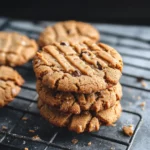
3-Ingredient Keto Peanut Butter Cookies Recipe
Ingredients
- Peanut Butter: 1 cup (approx. 250g) – Crucial Note: Use a sugar-free, natural, or keto-friendly peanut butter where the only ingredients are ideally peanuts and perhaps salt. Ensure it’s well-stirred if it’s the natural kind where oil separates. Creamy works best for a smooth texture, but crunchy adds nice little bits if you prefer. Avoid brands with added sugars (like corn syrup) or hydrogenated oils.
- Keto-Friendly Sweetener: 1/2 cup (approx. 90-100g) – Granulated Erythritol or an Erythritol/Monk Fruit blend works wonderfully here and measures cup-for-cup like sugar. You can adjust the amount slightly based on your sweetness preference and the specific sweetener used (some are sweeter than others). Allulose can also work, but might result in a slightly softer cookie. Powdered sweetener can also be used for a smoother dough, but granulated provides a more traditional cookie texture.
- Large Egg: 1 – This acts as the binder, holding everything together and adding richness. For best results, use an egg that’s at room temperature, as it will incorporate more easily into the peanut butter and sweetener mixture.
Instructions
- Preheat and Prepare: Preheat your oven to 350°F (175°C). Line a baking sheet with parchment paper or a silicone baking mat. This prevents sticking and makes cleanup a breeze – essential for keto baking where ingredients can sometimes be more prone to sticking.
- Combine Ingredients: In a medium-sized mixing bowl, add the peanut butter, your chosen keto-friendly sweetener, and the large egg. If you’re using the optional vanilla extract and/or salt, add them now too.
- Mix Thoroughly: Using a sturdy spoon or a spatula (or even an electric mixer on low speed), mix the ingredients together until they are just combined and form a thick, uniform dough. Be careful not to overmix; mix only until you no longer see streaks of egg or pockets of sweetener. The dough will be quite thick and perhaps slightly sticky, depending on your peanut butter.
- Portion the Dough: Scoop out portions of the dough, about 1 tablespoon each, and roll them into balls between your palms. Place the balls onto the prepared baking sheet, leaving about 1-2 inches between them as they will spread slightly. This recipe typically yields about 12-15 cookies, depending on the size you make them.
- Create the Classic Criss-Cross Pattern: Dip the tines of a fork into a little bit of granulated sweetener (optional, prevents sticking) or just use it plain. Gently press the fork down onto the top of each cookie ball, first in one direction, and then rotate the fork 90 degrees and press down again to create the classic peanut butter cookie criss-cross pattern. This isn’t just for looks; it also helps flatten the cookie slightly for more even baking. Don’t press too hard, just enough to make the indentation.
- Bake: Place the baking sheet into the preheated oven. Bake for 10-12 minutes. Keep a close eye on them, especially during the last few minutes. The cookies are done when the edges are set and slightly golden brown, and the centers might still look a tiny bit soft. Keto baked goods can firm up significantly as they cool, and overbaking will lead to dry, crumbly cookies.
- Cool Completely: Remove the baking sheet from the oven. Let the cookies cool on the baking sheet for at least 5-10 minutes. They will be very fragile when hot. After this initial cooling period, carefully transfer them using a spatula to a wire rack to cool completely. This step is crucial for texture – they develop their characteristic crumbly-yet-chewy texture as they cool down. Resist the urge to eat them straight away (if you can!).
Nutrition
- Serving Size: one normal portion
- Calories: 120-150
- Fat: 10-13g
- Carbohydrates: 2-4g
- Fiber: 1-2g
- Protein: 5-7g