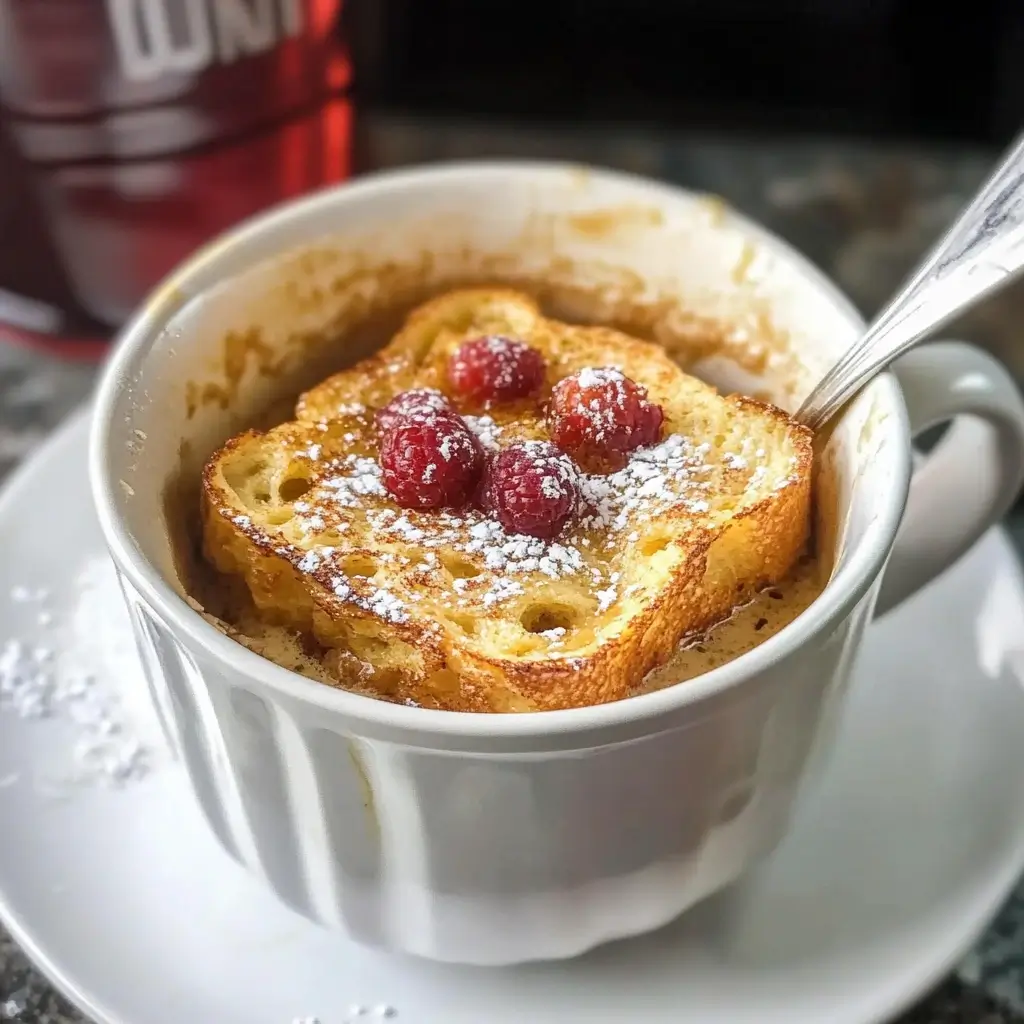

Mornings in our house used to be a frantic scramble. Between getting the kids ready for school and myself ready for work, a proper sit-down breakfast often felt like a distant dream. Cereal was the default, quick but unsatisfying. Then, a friend mentioned making French toast in a mug, in the microwave. I was skeptical, to say the least. French toast, a dish I associated with leisurely weekend brunches, zapped in minutes? It sounded too good to be true. But one particularly rushed Tuesday, I decided to give it a whirl. The result? Absolute breakfast game-changer! The aroma of cinnamon and vanilla filled the kitchen, and in less time than it took for my coffee to brew, I had a warm, custardy, delicious mug of French toast. The kids were intrigued, then hooked. Now, this “mug magic,” as my youngest calls it, is a regular weekday treat, proving that a delightful, comforting breakfast doesn’t require a lot of time or fuss. It’s our little secret to starting the day with a smile, and I’m thrilled to share it with you.
H2: The Ultimate 5-Minute Microwave French Toast Mug Recipe
This recipe is designed for a single serving, perfect for a quick breakfast or a satisfying snack. It’s easily scalable if you’re making it for more than one, but you’ll need to microwave each mug individually.
Ingredients:
- Bread: 1 to 2 slices of your favorite bread (stale bread works exceptionally well). Brioche, challah, sourdough, or even good old white sandwich bread will do. (Approximately 40-60g)
- Egg: 1 large egg
- Milk: 2 to 3 tablespoons (30-45ml) of milk (dairy or non-dairy like almond, soy, or oat milk all work)
- Sweetener: 1 to 2 teaspoons of granulated sugar, maple syrup, or honey (adjust to your preference)
- Vanilla Extract: ¼ teaspoon
- Cinnamon: ⅛ to ¼ teaspoon, ground (or a pinch of nutmeg, or a mix)
- Butter or Cooking Spray: For greasing the mug (a small knob of butter, about ½ teaspoon, or a quick spray)
- Optional Pinch of Salt: Just a tiny pinch to enhance flavors
H2: Step-by-Step Instructions for Microwave French Toast Perfection
Follow these simple steps for a delicious and quick French toast experience.
- Prepare the Mug:
- Choose a standard-sized microwave-safe mug (around 10-12 ounces is ideal). A wider mug allows for better heat distribution.
- Lightly grease the inside of the mug with butter or cooking spray. This prevents the French toast from sticking and makes cleanup a breeze.
- Prepare the Bread:
- Tear or cut your bread slice(s) into small, bite-sized cubes, about 1-inch pieces. Don’t make them too small, or they might become overly mushy.
- Place the bread cubes into the greased mug. Gently press them down if needed, but don’t pack them too tightly. You want space for the custard to soak in.
- Mix the Custard:
- In a separate small bowl or measuring cup, crack the large egg.
- Add the milk, your chosen sweetener (sugar, maple syrup, or honey), vanilla extract, and ground cinnamon (and a pinch of salt, if using).
- Whisk these ingredients together thoroughly until the egg is fully beaten and everything is well combined. You want a smooth, homogenous mixture.
- Combine and Soak:
- Pour the egg mixture evenly over the bread cubes in the mug.
- Gently press the bread down with a fork or spoon to ensure all pieces are submerged and soaking up the custard. Let it sit for about 1-2 minutes to allow the bread to absorb the liquid fully. This step is crucial for a custardy, not dry, result. If your bread is very fresh, it might absorb quicker; if it’s quite stale, give it the full 2 minutes.
- Microwave to Magic:
- Place the mug in the center of your microwave.
- Microwave on HIGH. Start with 60 seconds (1 minute).
- After 60 seconds, carefully check the French toast. It should be puffed up and the center should look mostly cooked (not wet or raw egg).
- If it still seems a bit wet in the center, microwave in additional 15-20 second intervals until cooked through. Cooking time can vary significantly based on your microwave’s wattage and the type/density of your bread. For a 1000-1200W microwave, 75-90 seconds is often perfect. For lower wattage microwaves, it might take up to 2 minutes.
- Be careful not to overcook, as this can make the French toast rubbery.
- Rest and Serve:
- Once cooked, carefully remove the mug from the microwave (it will be hot!).
- Let the French toast mug rest for 1-2 minutes. It will continue to cook slightly from the residual heat and will set up a bit more. This also allows it to cool down enough to eat safely.
- Top with your favorite French toast accompaniments and enjoy immediately!
H2: Nutrition Facts
- Servings: 1 mug
- Calories per serving: Approximately 250-350 calories (This can vary widely based on the type of bread, milk, amount of sweetener, and any toppings used.)
A more detailed breakdown (approximate, using 1 slice of standard white bread, 1 large egg, 2 tbsp 2% milk, 1 tsp sugar):
- Calories: ~280 kcal
- Protein: ~12g
- Fat: ~10g (Saturated Fat ~3g)
- Carbohydrates: ~35g (Sugars ~8g)
- Fiber: ~2g
Disclaimer: These are estimates. For precise nutritional information, please calculate based on the specific ingredients and quantities you use.
H2: Preparation and Cooking Time
One of the best things about this recipe is its speed!
- Preparation Time: 2-3 minutes (greasing mug, cubing bread, mixing custard)
- Soaking Time: 1-2 minutes
- Cooking Time: 1 to 2 minutes (depending on microwave wattage)
- Resting Time: 1-2 minutes
- Total Time: Approximately 5 to 9 minutes from start to finish!
H2: How to Serve Your Microwave French Toast Mug
The beauty of this French toast mug lies not only in its speed but also in its versatility. Here are some delightful ways to serve and enjoy your creation:
- The Classic:
- A pat of butter melting on top.
- A generous drizzle of pure maple syrup.
- A light dusting of powdered sugar.
- Fruity Delights:
- Fresh Berries: Strawberries, blueberries, raspberries, or blackberries add a fresh, tart counterpoint.
- Sliced Banana: Adds natural sweetness and creaminess.
- Cooked Apples or Pears: Sautéed with a pinch of cinnamon until tender.
- Fruit Compote or Jam: A dollop of your favorite preserve.
- Decadent Indulgence:
- Chocolate Chips: Stir a few into the mug before microwaving or sprinkle on top while warm.
- Nutella or Peanut Butter: A spoonful swirled in or drizzled on top.
- Whipped Cream: For a truly dessert-like breakfast.
- Chopped Nuts: Pecans, walnuts, or almonds for added crunch and flavor.
- Caramel Sauce or Chocolate Syrup: If you’re feeling extra indulgent.
- Spiced & Cozy:
- Extra dash of cinnamon or a pinch of nutmeg or cardamom on top.
- A sprinkle of granola for texture.
- A drizzle of honey instead of maple syrup.
- Slightly Savory Twist (for the adventurous!):
- Reduce or omit sweetener in the custard.
- Top with a sprinkle of shredded sharp cheddar and a tiny pinch of black pepper during the last 10-15 seconds of microwaving (use sparingly!).
- A tiny dollop of plain Greek yogurt for a tangy contrast.
Serving Tip: Always eat it straight from the mug while warm for the best experience! Use a spoon to get every last bit of custardy goodness.
H2: Additional Tips for the Perfect Mug French Toast
Elevate your microwave French toast game with these five expert tips:
- Stale Bread is Your Best Friend:
- Why: Staler, drier bread absorbs the custard mixture much better without becoming overly soggy. Fresh, soft bread can sometimes turn mushy. If you only have fresh bread, you can lightly toast it first or leave slices out on the counter for an hour or two to dry out a bit. Day-old or two-day-old bread is ideal.
- Don’t Overfill the Mug:
- Why: The mixture will puff up considerably while microwaving, especially the egg. If your mug is too full, it can overflow and create a mess in your microwave. Aim to fill the mug no more than two-thirds to three-quarters full with the bread and custard mixture.
- Master Your Microwave’s Power:
- Why: Microwave wattages vary significantly, which directly impacts cooking time. The first time you make this, err on the side of caution. Start with the lower end of the recommended cooking time (e.g., 60 seconds) and check for doneness. Add time in 15-20 second increments until cooked. Note the perfect time for your specific microwave for future batches. Overcooking is the primary culprit for rubbery French toast.
- Let it Rest (Patience is a Virtue!):
- Why: Just like many cooked egg dishes, allowing the French toast mug to rest for a minute or two after microwaving is crucial. This allows the residual heat to finish cooking the center gently and helps the custard set properly. It also prevents you from burning your mouth on a super-hot mug.
- Customize Your Custard:
- Why: This recipe is a fantastic base, but feel free to get creative with the custard itself.
- Spices: Beyond cinnamon, try a pinch of nutmeg, cardamom, allspice, or even a tiny bit of pumpkin pie spice for a seasonal twist.
- Extracts: Almond extract can be a lovely alternative or addition to vanilla. A tiny drop of orange or lemon zest could brighten it up.
- Milk Variations: Different milks (whole, skim, almond, soy, oat, coconut) will subtly alter the flavor and richness. Experiment to find your favorite. Even a splash of cream or half-and-half can make it richer (though also higher in calories).
- Why: This recipe is a fantastic base, but feel free to get creative with the custard itself.
H2: Frequently Asked Questions (FAQ)
Q1: Can I use any type of bread for microwave French toast?
A1: Pretty much! While heartier, slightly stale breads like brioche, challah, sourdough, or thick-cut white bread tend to hold up best and provide a wonderful texture, you can certainly use regular sandwich bread (white or whole wheat). Whole wheat bread will give a nuttier flavor and a denser texture. Gluten-free bread can also work, though its absorbency might vary, so watch the soaking time. Avoid very delicate or crumbly breads that might disintegrate too easily.
Q2: My French toast came out soggy in the middle. What did I do wrong?
A2: Soggy French toast is usually due to a few reasons:
* Too much liquid or not enough bread: Ensure your bread-to-custard ratio is balanced. If your bread is very absorbent, you might need slightly less liquid, or if it’s very dense, it might need more soaking time.
* Bread too fresh: Fresh bread absorbs liquid quickly on the surface but might not soak it all the way through, leading to a wet center. Use slightly stale bread.
* Not enough cooking time: It might simply need another 15-30 seconds in the microwave.
* Uneven soaking: Make sure all bread pieces are pressed down into the custard and have a chance to absorb it.
Q3: Why did my French toast turn out rubbery?
A3: Rubbery French toast is almost always a sign of overcooking. Eggs cook very quickly in the microwave. Once the proteins in the egg are overcooked, they become tough and rubbery. The key is to cook it just until it’s set and puffed. Start with a shorter cooking time and add small increments as needed. Also, letting it rest after microwaving allows it to finish cooking gently without becoming tough.
Q4: Can I make this recipe dairy-free or vegan?
A4: Absolutely!
* Dairy-Free: Simply substitute the dairy milk with your favorite non-dairy milk like almond, soy, oat, or coconut milk. Use oil or a dairy-free butter alternative to grease the mug.
* Vegan: This is a bit trickier as egg is a key component. However, you can try a vegan egg replacer. A common substitute is a “flax egg” (1 tablespoon ground flaxseed mixed with 3 tablespoons water, let sit for 5 minutes to thicken) or a commercial vegan egg replacer. You can also use mashed banana (about ¼ banana) or unsweetened applesauce (about 3 tablespoons) for binding, though this will change the flavor and texture significantly, making it more like a bread pudding. Use non-dairy milk and a plant-based butter/oil for greasing. The texture will be different from traditional egg-based French toast but can still be delicious.
Q5: Can I prepare this ahead of time?
A5: While this recipe is best made and eaten immediately for optimal texture and warmth, you could do some prep. You can cube the bread and store it in an airtight container. You could also whisk the custard ingredients (egg, milk, sweetener, spices) and store them in an airtight container in the refrigerator for up to 24 hours. When ready, just combine, soak briefly, and microwave. However, the total time saved is minimal since the recipe is already so quick. Fully cooking it ahead and reheating is not recommended, as it’s likely to become rubbery or dry. The magic of this recipe is its fresh, quick, single-serving nature.

5-Minute Microwave French Toast Mug Recipe
Ingredients
- Bread: 1 to 2 slices of your favorite bread (stale bread works exceptionally well). Brioche, challah, sourdough, or even good old white sandwich bread will do. (Approximately 40-60g)
- Egg: 1 large egg
- Milk: 2 to 3 tablespoons (30-45ml) of milk (dairy or non-dairy like almond, soy, or oat milk all work)
- Sweetener: 1 to 2 teaspoons of granulated sugar, maple syrup, or honey (adjust to your preference)
- Vanilla Extract: ¼ teaspoon
- Cinnamon: ⅛ to ¼ teaspoon, ground (or a pinch of nutmeg, or a mix)
- Butter or Cooking Spray: For greasing the mug (a small knob of butter, about ½ teaspoon, or a quick spray)
- Optional Pinch of Salt: Just a tiny pinch to enhance flavors
Instructions
- Prepare the Mug:
- Choose a standard-sized microwave-safe mug (around 10-12 ounces is ideal). A wider mug allows for better heat distribution.
- Lightly grease the inside of the mug with butter or cooking spray. This prevents the French toast from sticking and makes cleanup a breeze.
- Prepare the Bread:
- Tear or cut your bread slice(s) into small, bite-sized cubes, about 1-inch pieces. Don’t make them too small, or they might become overly mushy.
- Place the bread cubes into the greased mug. Gently press them down if needed, but don’t pack them too tightly. You want space for the custard to soak in.
- Mix the Custard:
- In a separate small bowl or measuring cup, crack the large egg.
- Add the milk, your chosen sweetener (sugar, maple syrup, or honey), vanilla extract, and ground cinnamon (and a pinch of salt, if using).
- Whisk these ingredients together thoroughly until the egg is fully beaten and everything is well combined. You want a smooth, homogenous mixture.
- Combine and Soak:
- Pour the egg mixture evenly over the bread cubes in the mug.
- Gently press the bread down with a fork or spoon to ensure all pieces are submerged and soaking up the custard. Let it sit for about 1-2 minutes to allow the bread to absorb the liquid fully. This step is crucial for a custardy, not dry, result. If your bread is very fresh, it might absorb quicker; if it’s quite stale, give it the full 2 minutes.
- Microwave to Magic:
- Place the mug in the center of your microwave.
- Microwave on HIGH. Start with 60 seconds (1 minute).
- After 60 seconds, carefully check the French toast. It should be puffed up and the center should look mostly cooked (not wet or raw egg).
- If it still seems a bit wet in the center, microwave in additional 15-20 second intervals until cooked through. Cooking time can vary significantly based on your microwave’s wattage and the type/density of your bread. For a 1000-1200W microwave, 75-90 seconds is often perfect. For lower wattage microwaves, it might take up to 2 minutes.
- Be careful not to overcook, as this can make the French toast rubbery.
- Rest and Serve:
- Once cooked, carefully remove the mug from the microwave (it will be hot!).
- Let the French toast mug rest for 1-2 minutes. It will continue to cook slightly from the residual heat and will set up a bit more. This also allows it to cool down enough to eat safely.
- Top with your favorite French toast accompaniments and enjoy immediately!
Nutrition
- Serving Size: One Normal Portion
- Calories: 250-350
- Sugar: 8g
- Fat: 10g
- Saturated Fat: 3g
- Carbohydrates: 35g
- Fiber: 2g
- Protein: 12g