
Introduction
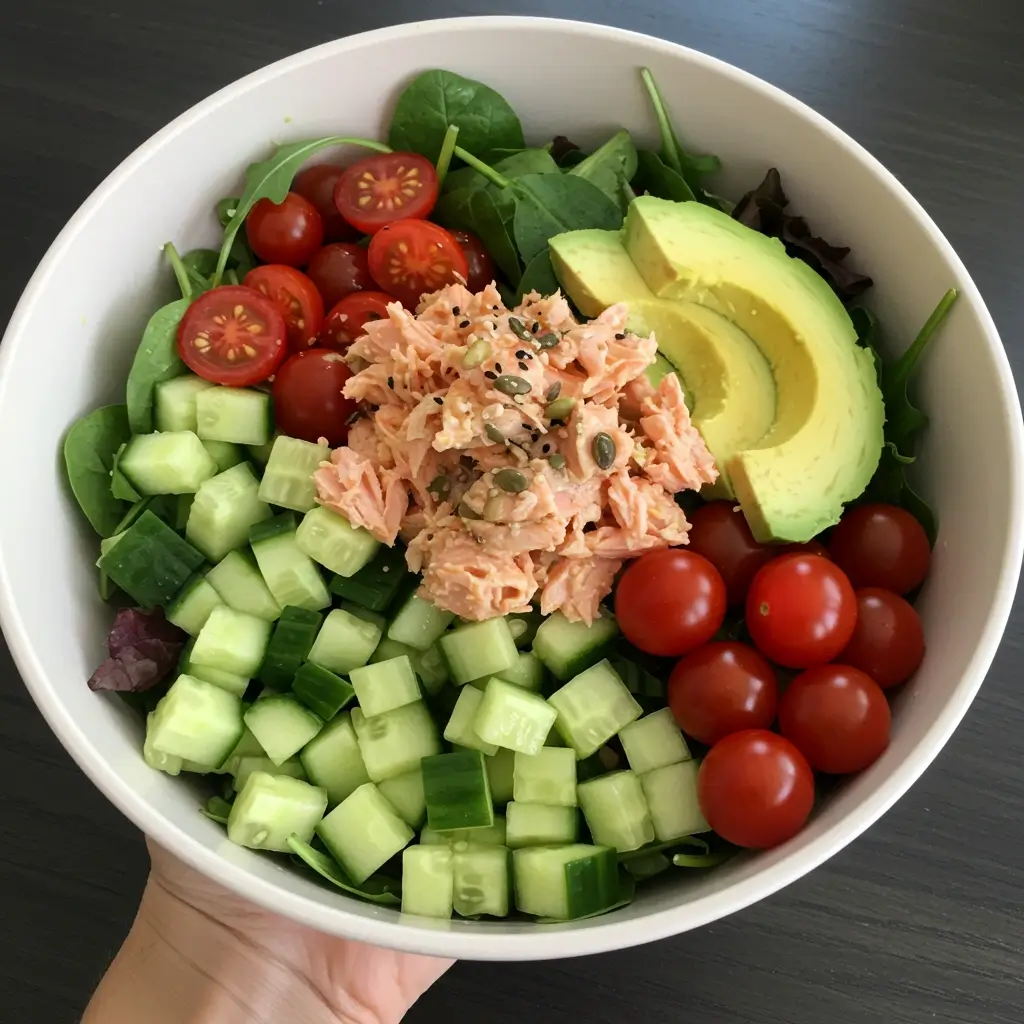
In the quest for optimal health, the foods we consume play a pivotal role, especially when it comes to managing inflammation in the body. A balanced diet rich in anti-inflammatory ingredients can significantly contribute to overall well-being. One such delightful and healthful dish is the Anti-Inflammatory Salmon Salad. This recipe is not only easy to prepare but also packed with nutrients that can help combat inflammation. Featuring fresh vegetables, heart-healthy fats, and protein-rich salmon, this salad is a perfect meal for those looking to eat healthy without sacrificing flavor. Dive into this article to discover how you can prepare this delicious salad while reaping its numerous health benefits.
Ingredients
To create this flavorful and nutritious salad, you will need the following ingredients:
- 1 can of wild-caught salmon (or cooked chicken)
- 2 cups mixed greens
- ½ avocado, sliced
- ½ cucumber, diced
- ½ cup cherry tomatoes, halved
- 2 tablespoons olive oil
- 1 tablespoon lemon juice
- Salt and pepper to taste
- Optional: Fresh herbs (like parsley or cilantro)
These ingredients are carefully selected not only for their flavor but also for their health benefits. Let’s explore how to combine them into a perfect salad.
Instructions
Preparing this anti-inflammatory salmon salad is quick and simple. Follow these steps to create a delicious meal in just 10 minutes:
- Combine the Base Ingredients
In a large mixing bowl, combine the mixed greens, diced cucumber, and halved cherry tomatoes. These fresh vegetables form the base of your salad, offering a crisp and refreshing taste. - Add Protein and Healthy Fats
Open the can of wild-caught salmon (or use cooked chicken) and add it to the bowl. Add the sliced avocado for a creamy texture and healthy fats. - Dress the Salad
Drizzle the salad with olive oil and lemon juice. These ingredients not only enhance the flavor but also add anti-inflammatory properties. - Season to Taste
Season with salt and pepper according to your preference. For an added burst of flavor, include fresh herbs like parsley or cilantro if desired. - Toss and Serve
Gently toss all the ingredients to ensure they are evenly coated with the dressing. Serve immediately and enjoy your nutritious meal.
Nutrition Facts
Understanding the nutritional content of your meals is crucial, especially when focusing on a specific dietary goal like reducing inflammation. Here’s the nutritional breakdown for one serving of anti-inflammatory salmon salad:
- Calories: 300
- Protein: 25g
- Fat: 20g
- Carbohydrates: 15g
- Fiber: 7g
This salad is an excellent source of protein and healthy fats while being low in carbohydrates, making it ideal for those following a balanced or low-carb diet.
How to Serve
Serving this salad can be as creative or straightforward as you like, allowing for flexibility based on the occasion and your personal preferences. Here are some comprehensive ideas to elevate the presentation and enjoyment of your anti-inflammatory salmon salad:
On a Platter
Arranging the salad on a large platter creates a stunning centerpiece that is perfect for family meals or gatherings. To enhance the visual appeal, consider the following tips:
- Layering and Color: Start by placing a bed of leafy greens, such as arugula or spinach, to provide a vibrant green base. Layer the salmon, vegetables, and toppings artfully, allowing the colors to contrast and pop. For example, the rich pink of the salmon can be beautifully complemented by bright cherry tomatoes and the deep greens of the salad.
- Garnishes: Add fresh herbs like dill or parsley sprinkled over the top for a touch of freshness and an aromatic element. You could also include lemon wedges on the sides for a splash of color and a zesty hint.
- Serving Utensils: Provide serving spoons or tongs to make it easy for guests to help themselves. This encourages a communal dining experience, where everyone can customize their portions.
In Individual Bowls
Serving the salad in individual bowls creates a more personalized dining experience that can make each guest feel special. Here’s how to make it visually appealing:
- Layering for Texture: Begin with a base of greens at the bottom of each bowl, then layer in your salmon and toppings. This not only looks attractive but also ensures each bite contains a variety of textures and flavors.
- Dressing on the Side: Consider serving the dressing separately in small individual containers or jars. This gives guests the option to control how much dressing they want, and it keeps the salad crisp until it’s time to eat.
- Customizable Options: You can also provide additional toppings on the side, such as nuts or seeds, so that each person can customize their bowl according to their taste preferences.
With Whole Grain Bread
Pairing the salad with a slice of whole-grain bread or a whole-grain roll adds an element of heartiness and nutrition to the meal. Here are some suggestions to enhance this combination:
- Toasting the Bread: Lightly toast the whole-grain bread to add a satisfying crunch that complements the salad’s freshness. You can even rub a clove of garlic on the warm toast for an extra flavor dimension.
- Avocado Spread: For a creamy, healthy addition, consider spreading a layer of mashed avocado on the bread before adding the salad on top. This not only enhances the taste but also adds healthy fats that are beneficial for inflammation.
- Open-Faced Sandwich: Create an open-faced sandwich by piling the salad generously on top of the bread. This approach not only looks appealing but also makes for an easy-to-eat meal, ideal for lunch or a casual dinner.
As a Wrap
Using large lettuce leaves or whole-grain tortillas to wrap the salad offers a fun and portable meal option that is perfect for on-the-go dining. Consider these ideas to optimize your wraps:
- Lettuce Wraps: Use sturdy lettuce leaves, such as romaine or butter lettuce, as a base for your salad wraps. The crispness of the leaves provides a refreshing contrast to the salmon and vegetables. Simply spoon the salad mixture onto the leaf, fold it up, and enjoy it as a handheld meal.
- Whole-Grain Tortillas: If you prefer tortillas, opt for whole-grain or spinach-flavored varieties to add an extra nutritional boost. Spread a thin layer of hummus or Greek yogurt on the tortilla before adding the salad for added creaminess and flavor.
- Presentation: To make the wraps visually appealing, consider cutting them in half diagonally and securing them with a toothpick or wrapping them in parchment paper. This not only makes them easy to eat but also adds a rustic charm to your meal presentation.
By utilizing these serving ideas, you can transform your anti-inflammatory salmon salad from a simple dish into an impressive culinary experience, whether you’re hosting a gathering, enjoying a quiet dinner at home, or preparing a meal for yourself on the go. Each presentation style not only enhances the visual appeal but also provides opportunities for personalization, making every dining experience unique and enjoyable.
Consider adding a sprinkle of seeds or nuts on top for extra crunch and nutrients.
Additional Tips
Enhance your salad experience with these additional tips:
Use Fresh Ingredients
The foundation of a delicious and nutritious salad lies in the quality of its ingredients. Whenever possible, opt for fresh, organic produce. Fresh ingredients not only have superior flavor, but they also pack more nutrients than their processed or older counterparts. When selecting vegetables, look for vibrant colors and firm textures, as these are indicators of freshness. Seasonal fruits and vegetables are often the best choice, as they are harvested at their peak ripeness, offering the best taste and nutritional value. Additionally, consider visiting local farmers’ markets or joining a community-supported agriculture (CSA) program to access fresh, locally grown produce that is often free from harmful pesticides and chemicals.
Experiment with Herbs
Herbs can transform a simple salad into a culinary delight. Don’t hesitate to explore a variety of herbs beyond the traditional parsley or cilantro. Fresh basil adds a sweet and aromatic touch, perfect for Mediterranean-inspired salads. Dill brings a refreshing, slightly tangy note, making it an excellent choice for salads with fish or yogurt-based dressings. Mint can introduce a cool and vibrant flavor, particularly in fruit salads or as a garnish for grain-based salads. You can also try less common herbs like tarragon, chives, or even edible flowers to elevate your dish. To maximize flavor, chop or tear herbs just before adding them to your salad, as this releases their essential oils and aromas.
Try Different Proteins
Incorporating a variety of proteins into your salads not only enhances their nutritional profile but also keeps your meals interesting. While salmon is a fantastic choice, consider other options like grilled shrimp, which adds a delightful sweetness and a satisfying texture. For a vegetarian alternative, tofu is an excellent source of plant-based protein; marinate it for added flavor before grilling or baking. Chickpeas are another fantastic protein source, providing fiber and a hearty bite. You can also explore options like grilled chicken, hard-boiled eggs, or legumes like lentils and black beans to add depth and richness. Don’t be afraid to mix and match proteins based on your dietary preferences or what you have on hand; this flexibility will keep your salads exciting and diverse.
Prepare in Advance
For those hectic days when time is of the essence, preparation is key to enjoying a fresh salad without the stress. Take some time during the week to wash, chop, and store your salad ingredients separately in airtight containers. Leafy greens can be kept crisp by wrapping them in a damp paper towel and placing them in a container. Consider pre-cooking proteins like grilled chicken or quinoa, and storing them in the fridge for quick access. When you’re ready to eat, simply combine the ingredients in a bowl. This method not only saves time but also ensures that your salad remains fresh and crunchy, minimizing the risk of soggy greens or wilting vegetables. Additionally, keep your dressings stored separately to maintain their flavor and prevent the salad from becoming too wet. With a little bit of planning, you can enjoy a delicious and nutritious salad that fits seamlessly into your busy lifestyle.
By incorporating these additional tips into your salad-making routine, you can elevate your meals, making them not only healthier but also more enjoyable and satisfying. Whether you’re preparing a simple side salad or a hearty main dish, these enhancements will ensure your salads are bursting with flavor and nutrition.
FAQs
Q: Can I use fresh salmon instead of canned?
A: Absolutely! Freshly cooked salmon can be a wonderful addition. Simply grill, bake, or poach the salmon and flake it into the salad.
Q: How long can I store leftovers?
A: If you have leftovers, store them in an airtight container in the refrigerator for up to 2 days. Keep in mind that the avocado may brown slightly, but it will still be safe to eat.
Q: Is this salad suitable for a vegan diet?
A: To make this salad vegan, replace the salmon with plant-based protein sources like chickpeas or tofu, and ensure the dressing ingredients are vegan-friendly.
Q: Can I add other vegetables to the salad?
A: Yes! Feel free to add your favorite vegetables such as bell peppers, radishes, or shredded carrots for additional color and nutrients.
Conclusion
The Anti-Inflammatory Salmon Salad is a nourishing, vibrant dish that not only satisfies your taste buds but also supports your overall health. Rich in omega-3 fatty acids from the salmon and loaded with antioxidant-packed ingredients like leafy greens, tomatoes, and avocado, this salad helps combat inflammation while providing essential nutrients for your body. The combination of healthy fats, protein, and fiber makes it a well-rounded meal, perfect for anyone looking to maintain a balanced, anti-inflammatory diet.
The recipe is easy to customize to fit your preferences, whether you choose to swap out salmon for another protein or add more veggies for extra crunch. For an added boost, you can incorporate anti-inflammatory ingredients like turmeric, ginger, and extra-virgin olive oil into the dressing, making this salad not only a delicious choice but also a powerhouse of health benefits.
Enjoy it as a light lunch, a wholesome dinner, or even as a side dish at your next gathering. The best part is that this salad is versatile and can be made in advance for meal prep, ensuring you always have a healthy, anti-inflammatory option on hand. So go ahead, treat yourself to a meal that supports your body’s healing process while delivering bold, fresh flavors. Bon appétit!
Print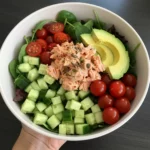
Anti-Inflammatory Salmon Salad Recipe
Ingredients
- 1 can of wild-caught salmon (or cooked chicken)
- 2 cups mixed greens
- ½ avocado, sliced
- ½ cucumber, diced
- ½ cup cherry tomatoes, halved
- 2 tablespoons olive oil
- 1 tablespoon lemon juice
- Salt and pepper to taste
- Optional: Fresh herbs (like parsley or cilantro)
Instructions
- Combine the Base Ingredients
In a large mixing bowl, combine the mixed greens, diced cucumber, and halved cherry tomatoes. These fresh vegetables form the base of your salad, offering a crisp and refreshing taste. - Add Protein and Healthy Fats
Open the can of wild-caught salmon (or use cooked chicken) and add it to the bowl. Add the sliced avocado for a creamy texture and healthy fats. - Dress the Salad
Drizzle the salad with olive oil and lemon juice. These ingredients not only enhance the flavor but also add anti-inflammatory properties. - Season to Taste
Season with salt and pepper according to your preference. For an added burst of flavor, include fresh herbs like parsley or cilantro if desired. - Toss and Serve
Gently toss all the ingredients to ensure they are evenly coated with the dressing. Serve immediately and enjoy your nutritious meal.
Nutrition
- Serving Size: One Normal Portion
- Calories: 300
- Fat: 20g
- Carbohydrates: 15g
- Fiber: 7g
- Protein: 25g