
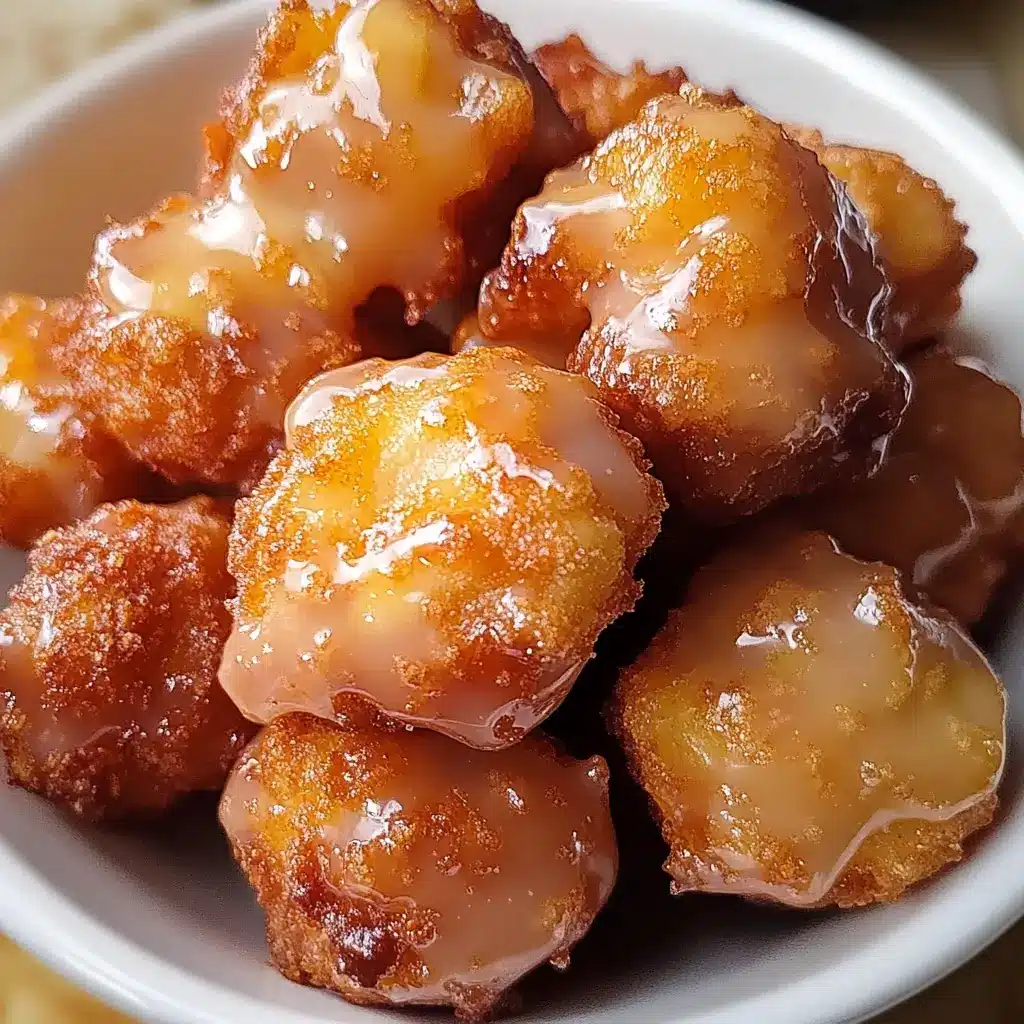
The aroma of cinnamon and sweet apples frying to golden perfection – it’s a scent that instantly transports me back to cozy autumn mornings and joyful family gatherings. Apple fritter bites have become a beloved treat in our household, a delightful twist on the classic apple fritter that’s perfect for satisfying sweet cravings without the fuss of larger pastries. My kids absolutely adore these bite-sized delights, and they’re always a hit at potlucks and parties. The crispy exterior, the tender, apple-studded interior, and that luscious glaze – every bite is a little piece of heaven. This recipe is not only incredibly easy to follow but also yields the most irresistible apple fritter bites you can imagine. Prepare to fall in love with this simple yet utterly delicious treat!
Ingredients for Irresistible Apple Fritter Bites
The magic of apple fritter bites lies in the harmonious blend of simple, readily available ingredients. Each component plays a crucial role in creating the perfect texture and flavor profile. Let’s delve into the ingredients you’ll need, and understand why each one is essential for achieving fritter bite perfection.
- Apples: The Heart of the Fritter
- Quantity: 2 medium-sized apples
- Type: For apple fritter bites, the type of apple you choose can significantly impact the final taste and texture. Ideally, you want apples that hold their shape well during cooking and offer a balance of sweetness and tartness.
- Excellent Choices: Honeycrisp, Fuji, Gala, or Braeburn apples are fantastic options. They maintain a slight crispness even after cooking and provide a wonderful sweet-tart flavor.
- Good Alternatives: Granny Smith apples, while tarter, can also be used, especially if you prefer a less sweet fritter. Just be mindful that they might break down a bit more during cooking.
- Avoid: Apples that are too soft or mealy, like Red Delicious, are best avoided as they can become mushy in the fritters and lack the desired texture.
- Preparation: Peel, core, and finely dice the apples. The small dice ensures they cook through quickly and distribute evenly throughout the fritter bites. Aim for pieces roughly ¼ inch in size. Tossing the diced apples with a tablespoon of lemon juice is a pro-tip to prevent browning and add a subtle brightness to the flavor.
- All-Purpose Flour: The Foundation
- Quantity: 2 cups
- Role: All-purpose flour provides the structure for the fritter batter. It creates the gluten network that holds the ingredients together and gives the fritters their characteristic chewiness.
- Measuring Accurately: Properly measuring flour is crucial for baking success. Spoon the flour into your measuring cup and level it off with a knife, rather than scooping directly from the bag. Scooping can pack the flour and lead to using too much, resulting in dry fritters.
- Gluten Development: While gluten is necessary, overmixing the batter will develop too much gluten, leading to tough fritters. Mix just until the ingredients are combined.
- Granulated Sugar: Sweetness and Tenderness
- Quantity: ½ cup
- Function: Granulated sugar not only sweetens the fritters but also contributes to their tenderness and golden-brown color. Sugar attracts moisture, keeping the fritters moist, and it caramelizes during frying, creating a beautiful crust.
- Adjusting Sweetness: If you prefer a less sweet fritter, you can slightly reduce the sugar to ⅓ cup. However, keep in mind that sugar plays a role in the texture and browning, so significant reductions might affect the outcome.
- Baking Powder: The Rise and Lightness
- Quantity: 2 teaspoons
- Leavening Agent: Baking powder is a chemical leavening agent that produces carbon dioxide gas when activated by moisture and heat. This gas creates air pockets in the batter, resulting in light and fluffy fritter bites.
- Freshness Matters: Ensure your baking powder is fresh. Expired baking powder loses its potency and won’t provide the necessary lift. You can test its freshness by adding a teaspoon of baking powder to hot water; it should bubble vigorously.
- Ground Cinnamon: Warmth and Spice
- Quantity: 1 teaspoon
- Flavor Enhancer: Cinnamon is the quintessential spice for apple desserts, lending a warm, comforting, and slightly spicy note that perfectly complements the apples.
- Spice Variations: For a deeper flavor profile, you can add a pinch of nutmeg or allspice along with the cinnamon. A ¼ teaspoon of each can add complexity without overpowering the cinnamon.
- Salt: Balancing Flavors
- Quantity: ½ teaspoon
- Flavor Enhancer: Salt is essential in sweet recipes to balance the sweetness and enhance all the other flavors. It prevents the fritters from tasting flat and brings out the nuances of the apples and cinnamon.
- Type of Salt: Table salt or fine sea salt works well. If using kosher salt, use slightly more as it is less dense than table salt.
- Milk: Moisture and Binding
- Quantity: ¾ cup
- Hydration and Texture: Milk provides moisture to the batter, helping to activate the baking powder and create a smooth consistency. It also contributes to the tender crumb of the fritters.
- Milk Alternatives: You can substitute dairy milk with plant-based milk alternatives like almond milk, soy milk, or oat milk. These will work equally well and are suitable for those with lactose intolerance or dairy allergies.
- Egg: Binding and Richness
- Quantity: 1 large egg
- Structure and Emulsion: The egg acts as a binder, holding the batter together and adding richness and structure to the fritters. The egg yolks contribute to a tender crumb, while the egg whites provide some lift.
- Room Temperature Egg: Using a room temperature egg is generally recommended in baking as it emulsifies more easily into the batter, creating a smoother mixture.
- Vegetable Oil: Frying Medium
- Quantity: For frying
- Neutral Flavor and High Smoke Point: Vegetable oil is ideal for frying because it has a neutral flavor that won’t interfere with the taste of the fritters and a high smoke point, which is important for deep-frying without the oil burning or smoking excessively.
- Other Suitable Oils: Canola oil, peanut oil, or grapeseed oil are also good options due to their neutral flavor and high smoke points.
- Quantity for Frying: You’ll need enough oil to reach a depth of about 2-3 inches in your frying pot or deep fryer, ensuring the fritter bites can float and cook evenly.
- For the Glaze (Optional but Highly Recommended):
- Powdered Sugar: 2 cups – Provides the base sweetness and smooth texture for the glaze.
- Milk or Apple Cider: ⅓ – ½ cup – Liquid to thin the glaze to the desired consistency. Apple cider adds an extra layer of apple flavor that complements the fritters beautifully.
- Vanilla Extract (Optional): ½ teaspoon – Enhances the sweetness and adds a touch of warmth to the glaze.
- Cinnamon (Optional): ¼ teaspoon – A pinch of cinnamon in the glaze ties it in with the fritter flavor.
By using these ingredients in the right proportions and understanding their roles, you are well on your way to creating perfect, mouthwatering apple fritter bites.
Step-by-Step Instructions for Making Apple Fritter Bites
Creating these delightful apple fritter bites is easier than you might think! Follow these detailed, step-by-step instructions to ensure success every time.
- Prepare the Apples:
- Peel, Core, and Dice: Begin by peeling, coring, and finely dicing your chosen apples. Aim for small, uniform pieces, about ¼ inch in size. This ensures even cooking and distribution throughout the fritters.
- Lemon Juice Bath (Optional but Recommended): In a small bowl, toss the diced apples with a tablespoon of lemon juice. This prevents browning and adds a subtle tartness that balances the sweetness. Set aside while you prepare the batter.
- Combine Dry Ingredients:
- In a Large Bowl: In a large mixing bowl, whisk together the all-purpose flour, granulated sugar, baking powder, ground cinnamon, and salt. Whisking ensures the baking powder and spices are evenly distributed throughout the flour, preventing clumps and ensuring consistent flavor in each fritter bite.
- Incorporate Wet Ingredients:
- Create a Well: Make a well in the center of the dry ingredients.
- Add Wet Ingredients: Pour in the milk and crack in the egg.
- Gentle Mixing: Using a spatula or wooden spoon, gently mix the wet ingredients into the dry ingredients. Stir just until everything is barely combined. The batter should be slightly lumpy – do not overmix. Overmixing develops gluten, leading to tough fritters. A few streaks of flour are okay at this stage.
- Fold in the Apples:
- Add Diced Apples: Gently fold in the diced apples into the batter until they are evenly distributed. Be careful not to overmix during this step as well.
- Heat the Oil:
- Prepare Frying Setup: Pour vegetable oil into a deep, heavy-bottomed pot or a deep fryer until it reaches a depth of about 2-3 inches.
- Heat to Optimal Temperature: Heat the oil over medium heat until it reaches 350°F (175°C). Use a candy thermometer or deep-fry thermometer to ensure accurate temperature reading. Maintaining the correct oil temperature is crucial for achieving golden brown, cooked-through fritters without burning the outside before the inside is cooked. If you don’t have a thermometer, you can test the oil by dropping a tiny bit of batter into it. If it sizzles and browns in about 1-2 minutes, the oil is ready.
- Fry the Fritter Bites:
- Scoop Batter: Using a small cookie scoop or two spoons, carefully drop rounded tablespoons of batter into the hot oil. Work in batches, being careful not to overcrowd the pot. Overcrowding will lower the oil temperature and result in greasy fritters.
- Fry to Golden Brown: Fry the fritter bites for about 2-3 minutes per side, or until they are golden brown and cooked through. Flip them gently halfway through cooking to ensure even browning on all sides.
- Check for Doneness: If you are unsure if they are cooked through, you can remove one fritter bite and cut it open. The inside should be cooked and not doughy.
- Drain Excess Oil:
- Remove and Drain: Using a slotted spoon or spider strainer, carefully remove the fried fritter bites from the oil and place them on a wire rack lined with paper towels. This allows excess oil to drain off, keeping the fritters crispy and less greasy.
- Prepare the Glaze (Optional but Delicious):
- Whisk Glaze Ingredients: While the fritters are cooling slightly, prepare the glaze. In a medium bowl, whisk together the powdered sugar, milk or apple cider, vanilla extract (if using), and cinnamon (if using).
- Adjust Consistency: Start with the smaller amount of liquid and add more gradually until you reach your desired glaze consistency. It should be thick enough to coat the fritters but still pourable.
- Glaze the Fritter Bites:
- Glaze While Warm: While the fritter bites are still slightly warm (but not too hot, or the glaze will melt and become runny), drizzle the glaze over them. You can also dip the tops of the fritter bites into the glaze for a more even coating.
- Let Glaze Set: Allow the glaze to set for a few minutes before serving. This will allow it to firm up slightly and become less sticky.
- Serve and Enjoy!
- Serve Immediately for Best Crispness: Apple fritter bites are best enjoyed warm and fresh when they are at their crispiest.
Following these detailed instructions will guide you through each step of making perfect apple fritter bites. Enjoy the process and the delicious results!
Nutrition Facts for Apple Fritter Bites
Understanding the nutritional content of your treats can help you enjoy them mindfully. Here’s a breakdown of the approximate nutrition facts for apple fritter bites.
- Servings: Approximately 24-30 fritter bites (depending on scoop size)
- Serving Size: 2-3 fritter bites
Approximate Nutrition Information per Serving (2-3 fritter bites, without glaze):
- Calories: 150-200 kcal
- Fat: 8-10g
- Saturated Fat: 1-2g
- Cholesterol: 20-30mg
- Sodium: 100-150mg
- Carbohydrates: 20-25g
- Sugar: 8-10g
- Fiber: 1-2g
- Protein: 2-3g
Important Notes:
- Glaze: Adding glaze will significantly increase the sugar and calorie content. A standard glaze can add approximately 50-75 calories and 10-15g of sugar per serving.
- Oil Absorption: The amount of oil absorbed during frying can vary. These estimations are based on typical oil absorption for fried dough.
- Apple Type: The sugar content can vary slightly depending on the type of apple used.
- Homemade vs. Store-Bought: Homemade fritter bites generally have fewer additives and preservatives compared to store-bought versions.
For a Healthier Approach:
- Portion Control: Enjoy fritter bites in moderation due to their higher calorie and sugar content.
- Air Frying: While not traditional, you could experiment with air frying to reduce the fat content. However, the texture might be slightly different from deep-fried fritters.
- Whole Wheat Flour: Substituting a portion of the all-purpose flour with whole wheat flour can increase the fiber content, though it may slightly alter the texture.
- Reduce Sugar: Slightly reducing the sugar in the batter can help lower the overall sugar content.
Remember, apple fritter bites are a treat to be enjoyed occasionally. Being aware of the nutritional content allows you to make informed choices and savor them as part of a balanced diet.
Preparation Time for Apple Fritter Bites
The beauty of apple fritter bites is that they are relatively quick to prepare, making them perfect for a spontaneous dessert craving or a last-minute brunch addition. Here’s a breakdown of the preparation time:
- Prep Time: 20-25 minutes
- This includes peeling, coring, and dicing the apples (10-15 minutes).
- Measuring and mixing the dry and wet ingredients to make the batter (10-15 minutes).
- Cook Time: 15-20 minutes
- This is the time spent frying the fritter bites in batches (approximately 2-3 minutes per batch, depending on batch size and pot capacity).
- Glazing Time (Optional): 5-10 minutes
- This includes making the glaze and glazing the fritter bites.
- Total Time: 40-55 minutes (without glaze), 45-65 minutes (with glaze)
Tips to Speed Up Preparation:
- Efficient Apple Prep: Practice your knife skills to speed up apple peeling and dicing. Using an apple peeler/corer can also save time.
- Pre-measure Ingredients: Measure out all your dry and wet ingredients before you start mixing. This “mise en place” approach makes the mixing process faster and smoother.
- Work in Batches: While frying, work efficiently in batches without overcrowding the pot. This ensures consistent cooking and reduces overall frying time.
- Glaze While Frying: You can prepare the glaze while the fritter bites are frying. This utilizes the frying time effectively and saves overall preparation time.
While these are estimated times, they provide a good guideline. The actual time might vary slightly based on your cooking pace and equipment. Overall, apple fritter bites are a relatively fast dessert to make, perfect for when you need a sweet treat without spending hours in the kitchen.
How to Serve Apple Fritter Bites
Apple fritter bites are incredibly versatile and can be enjoyed in various ways, making them perfect for different occasions and preferences. Here are some delicious serving suggestions:
- Warm and Fresh:
- Immediately After Glazing: For the ultimate crispy and warm experience, serve the fritter bites immediately after glazing. The warmth enhances the flavors and textures, making them irresistible.
- Slightly Cooled: If you prefer them a bit less intensely warm, let them cool for a few minutes after glazing. They will still be wonderfully delicious.
- With Beverages:
- Coffee or Tea: Pair them with a hot cup of coffee or tea for a delightful breakfast, brunch, or afternoon treat. The warmth of the beverage complements the sweetness of the fritters.
- Milk: A glass of cold milk, especially for kids, is a classic and comforting pairing.
- Apple Cider: For an extra dose of apple flavor, serve them with warm or cold apple cider, especially during fall and winter.
- Sparkling Cider or Wine: For a more sophisticated touch, serve them with sparkling cider or a light dessert wine for a brunch or dessert gathering.
- Dessert Enhancements:
- Vanilla Ice Cream or Whipped Cream: Serve warm fritter bites with a scoop of vanilla ice cream or a dollop of whipped cream for a decadent dessert. The cold creaminess contrasts beautifully with the warm fritters.
- Caramel Sauce or Chocolate Sauce: Drizzle caramel sauce or chocolate sauce over the glazed fritter bites for added richness and flavor complexity.
- Fruit Compote: Serve them alongside a warm fruit compote, such as apple compote or berry compote, for a more wholesome and flavorful dessert.
- Cinnamon Sugar Dusting: Instead of glaze, or in addition to it, dust the warm fritter bites with cinnamon sugar for a simpler, yet equally delicious, finish.
- Occasions to Serve:
- Breakfast or Brunch: Apple fritter bites are a fantastic addition to a weekend brunch spread.
- Dessert: They make a perfect after-dinner dessert, especially when served with ice cream or sauce.
- Snack: Enjoy them as a sweet afternoon snack to satisfy cravings.
- Parties and Gatherings: They are always a crowd-pleaser at parties, potlucks, and holiday gatherings. Their bite-size nature makes them easy to serve and eat.
- Special Occasions: Elevate special occasions like birthdays or anniversaries by serving them as a unique and delightful treat.
- Presentation Ideas:
- Dust with Powdered Sugar: For a simple yet elegant presentation, lightly dust the glazed fritter bites with powdered sugar.
- Arrange on a Platter: Arrange them attractively on a platter, perhaps alternating layers with parchment paper if making a larger batch.
- Garnish: Garnish the platter with fresh apple slices or cinnamon sticks for a visually appealing touch that hints at the flavor.
- Individual Servings: Serve a few fritter bites per person in small dessert bowls or on individual plates for a more formal setting.
No matter how you choose to serve them, apple fritter bites are guaranteed to be a hit. Their delicious flavor and versatile nature make them a perfect treat for any time of day and any occasion.
Additional Tips for Perfect Apple Fritter Bites
To ensure your apple fritter bites are consistently delicious and perfectly textured, here are five essential tips to keep in mind:
- Maintain the Correct Oil Temperature: Oil temperature is paramount for successful frying. Too low, and the fritters will absorb excess oil and become greasy and soggy. Too high, and they will brown too quickly on the outside while remaining raw in the center. Aim for a consistent oil temperature of 350°F (175°C). Use a candy thermometer or deep-fry thermometer to monitor the temperature accurately. If the oil gets too hot, reduce the heat; if it cools down too much after adding fritters, increase the heat slightly. Frying in batches also helps maintain a more stable oil temperature.
- Don’t Overmix the Batter: Overmixing the batter is a common mistake that leads to tough and chewy fritters, rather than tender and light ones. When you overmix, you develop too much gluten in the flour. Mix the wet and dry ingredients just until they are combined. It’s okay if the batter is slightly lumpy; in fact, a slightly lumpy batter is preferable to an overmixed one. Gentle folding is key, especially when incorporating the diced apples. Treat the batter with a light hand to ensure soft and airy fritter bites.
- Finely Dice the Apples: The size of the apple pieces directly affects the texture and cooking time of the fritter bites. Large chunks of apple may not cook through properly in the short frying time, leaving you with crunchy, undercooked apples in the center of your fritters. Finely dicing the apples into small, uniform pieces (about ¼ inch) ensures they cook through completely and evenly, becoming tender and flavorful without overpowering the fritter texture. Smaller pieces also distribute more evenly throughout the batter, providing apple flavor in every bite.
- Drain Excess Oil Properly: After frying, it’s crucial to drain the excess oil to prevent greasy fritter bites. Immediately after removing the fritters from the hot oil with a slotted spoon or spider strainer, place them on a wire rack lined with paper towels. The wire rack allows air to circulate underneath the fritters, preventing them from becoming soggy on the bottom. Paper towels absorb the excess oil as it drains off. Allow them to drain for a few minutes before glazing or serving. This simple step significantly improves the texture and overall enjoyment of your fritter bites.
- Glaze While Slightly Warm (Not Hot): Timing is important when glazing fritter bites. Glazing them when they are too hot can cause the glaze to melt and become runny, dripping off and not coating properly. On the other hand, if they are completely cold, the glaze may not adhere as well. The ideal time to glaze is when the fritter bites are still slightly warm to the touch. This allows the glaze to spread smoothly and evenly, creating a beautiful, set coating as they cool down further. If you’re making a large batch, you can glaze them in batches as they cool slightly after frying, ensuring each fritter bite gets a perfect glaze coating.
By following these additional tips alongside the recipe instructions, you’ll be well-equipped to create consistently delicious and perfectly textured apple fritter bites that will impress every time.
Frequently Asked Questions (FAQ) About Apple Fritter Bites
Got questions about making apple fritter bites? Here are answers to five common queries to help you bake with confidence:
Q1: Can I make apple fritter bites ahead of time?
A: Apple fritter bites are best enjoyed fresh and warm for optimal crispness and texture. While you can technically make them ahead of time, they are most delicious when eaten within a few hours of frying. If you need to prepare them in advance, you can fry them and then reheat them briefly in a low oven (around 300°F/150°C) for 5-10 minutes to re-crisp them slightly before glazing and serving. However, keep in mind that they will never be quite as perfect as freshly fried fritters. The glaze is also best applied shortly before serving. For the best results, prepare the batter ahead of time (it can be stored in the refrigerator for a few hours), and then fry and glaze just before you plan to serve them.
Q2: Can I use a different type of apple?
A: Absolutely! While the recipe recommends apples like Honeycrisp, Fuji, Gala, or Braeburn for their balance of sweetness and crisp texture, you can definitely experiment with other apple varieties based on your preference and availability. Granny Smith apples will give a tarter fritter, which some people prefer. Just be mindful that softer apples like McIntosh or Red Delicious might become a bit mushier during cooking. For best results, stick to apples that are relatively firm and hold their shape well when cooked. A mix of different apple types can also add complexity to the flavor.
Q3: Can I bake these instead of frying them?
A: While this recipe is specifically designed for frying to achieve the characteristic crispy exterior and tender interior of fritters, baking them will yield a different, more cake-like texture. If you want to try baking, you could experiment by preheating your oven to 375°F (190°C) and baking small mounds of the batter on a baking sheet lined with parchment paper for about 15-20 minutes, or until golden brown. However, be aware that baked fritters will not have the same crispy, airy texture as fried ones and will be more similar to apple cake bites. For authentic fritter bites, frying is the recommended method.
Q4: How do I store leftover apple fritter bites?
A: Leftover apple fritter bites are best stored at room temperature in an airtight container. While they will lose some of their initial crispness, they can still be enjoyed the next day. Avoid storing them in the refrigerator, as this can make them become soggy. To refresh them slightly, you can reheat them briefly in a low oven (300°F/150°C) for a few minutes, but be careful not to over-bake them, or they will become dry. For the best quality, consume them within 1-2 days. Freezing is not recommended as it significantly alters the texture and glaze.
Q5: Can I add other spices or flavors to the batter or glaze?
A: Definitely! This recipe is a great base, and you can easily customize it to your liking. For the batter, you could add a pinch of nutmeg, allspice, or cardamom along with the cinnamon for a warmer spice profile. A touch of apple pie spice blend would also be delicious. For the glaze, you can experiment with different liquids instead of milk, such as apple cider or even a splash of bourbon or rum for an adult twist. Adding a hint of lemon zest to the glaze can brighten the sweetness. Feel free to get creative and adjust the spices and flavors to match your personal taste preferences and create your own signature apple fritter bites!
These FAQs should address common questions and concerns you might have while making apple fritter bites, helping you feel confident and informed in the kitchen. Enjoy your baking!
Print
Apple Fritter Bites Recipe
Ingredients
- Apples: The Heart of the Fritter
- Quantity: 2 medium-sized apples
- Type: For apple fritter bites, the type of apple you choose can significantly impact the final taste and texture. Ideally, you want apples that hold their shape well during cooking and offer a balance of sweetness and tartness.
- Excellent Choices: Honeycrisp, Fuji, Gala, or Braeburn apples are fantastic options. They maintain a slight crispness even after cooking and provide a wonderful sweet-tart flavor.
- Good Alternatives: Granny Smith apples, while tarter, can also be used, especially if you prefer a less sweet fritter. Just be mindful that they might break down a bit more during cooking.
- Avoid: Apples that are too soft or mealy, like Red Delicious, are best avoided as they can become mushy in the fritters and lack the desired texture.
- Preparation: Peel, core, and finely dice the apples. The small dice ensures they cook through quickly and distribute evenly throughout the fritter bites. Aim for pieces roughly ¼ inch in size. Tossing the diced apples with a tablespoon of lemon juice is a pro-tip to prevent browning and add a subtle brightness to the flavor.
- All-Purpose Flour: The Foundation
- Quantity: 2 cups
- Role: All-purpose flour provides the structure for the fritter batter. It creates the gluten network that holds the ingredients together and gives the fritters their characteristic chewiness.
- Measuring Accurately: Properly measuring flour is crucial for baking success. Spoon the flour into your measuring cup and level it off with a knife, rather than scooping directly from the bag. Scooping can pack the flour and lead to using too much, resulting in dry fritters.
- Gluten Development: While gluten is necessary, overmixing the batter will develop too much gluten, leading to tough fritters. Mix just until the ingredients are combined.
- Granulated Sugar: Sweetness and Tenderness
- Quantity: ½ cup
- Function: Granulated sugar not only sweetens the fritters but also contributes to their tenderness and golden-brown color. Sugar attracts moisture, keeping the fritters moist, and it caramelizes during frying, creating a beautiful crust.
- Adjusting Sweetness: If you prefer a less sweet fritter, you can slightly reduce the sugar to ⅓ cup. However, keep in mind that sugar plays a role in the texture and browning, so significant reductions might affect the outcome.
- Baking Powder: The Rise and Lightness
- Quantity: 2 teaspoons
- Leavening Agent: Baking powder is a chemical leavening agent that produces carbon dioxide gas when activated by moisture and heat. This gas creates air pockets in the batter, resulting in light and fluffy fritter bites.
- Freshness Matters: Ensure your baking powder is fresh. Expired baking powder loses its potency and won’t provide the necessary lift. You can test its freshness by adding a teaspoon of baking powder to hot water; it should bubble vigorously.
- Ground Cinnamon: Warmth and Spice
- Quantity: 1 teaspoon
- Flavor Enhancer: Cinnamon is the quintessential spice for apple desserts, lending a warm, comforting, and slightly spicy note that perfectly complements the apples.
- Spice Variations: For a deeper flavor profile, you can add a pinch of nutmeg or allspice along with the cinnamon. A ¼ teaspoon of each can add complexity without overpowering the cinnamon.
- Salt: Balancing Flavors
- Quantity: ½ teaspoon
- Flavor Enhancer: Salt is essential in sweet recipes to balance the sweetness and enhance all the other flavors. It prevents the fritters from tasting flat and brings out the nuances of the apples and cinnamon.
- Type of Salt: Table salt or fine sea salt works well. If using kosher salt, use slightly more as it is less dense than table salt.
- Milk: Moisture and Binding
- Quantity: ¾ cup
- Hydration and Texture: Milk provides moisture to the batter, helping to activate the baking powder and create a smooth consistency. It also contributes to the tender crumb of the fritters.
- Milk Alternatives: You can substitute dairy milk with plant-based milk alternatives like almond milk, soy milk, or oat milk. These will work equally well and are suitable for those with lactose intolerance or dairy allergies.
- Egg: Binding and Richness
- Quantity: 1 large egg
- Structure and Emulsion: The egg acts as a binder, holding the batter together and adding richness and structure to the fritters. The egg yolks contribute to a tender crumb, while the egg whites provide some lift.
- Room Temperature Egg: Using a room temperature egg is generally recommended in baking as it emulsifies more easily into the batter, creating a smoother mixture.
- Vegetable Oil: Frying Medium
- Quantity: For frying
- Neutral Flavor and High Smoke Point: Vegetable oil is ideal for frying because it has a neutral flavor that won’t interfere with the taste of the fritters and a high smoke point, which is important for deep-frying without the oil burning or smoking excessively.
- Other Suitable Oils: Canola oil, peanut oil, or grapeseed oil are also good options due to their neutral flavor and high smoke points.
- Quantity for Frying: You’ll need enough oil to reach a depth of about 2-3 inches in your frying pot or deep fryer, ensuring the fritter bites can float and cook evenly.
- For the Glaze (Optional but Highly Recommended):
- Powdered Sugar: 2 cups – Provides the base sweetness and smooth texture for the glaze.
- Milk or Apple Cider: ⅓ – ½ cup – Liquid to thin the glaze to the desired consistency. Apple cider adds an extra layer of apple flavor that complements the fritters beautifully.
- Vanilla Extract (Optional): ½ teaspoon – Enhances the sweetness and adds a touch of warmth to the glaze.
- Cinnamon (Optional): ¼ teaspoon – A pinch of cinnamon in the glaze ties it in with the fritter flavor.
Instructions
- Prepare the Apples:
- Peel, Core, and Dice: Begin by peeling, coring, and finely dicing your chosen apples. Aim for small, uniform pieces, about ¼ inch in size. This ensures even cooking and distribution throughout the fritters.
- Lemon Juice Bath (Optional but Recommended): In a small bowl, toss the diced apples with a tablespoon of lemon juice. This prevents browning and adds a subtle tartness that balances the sweetness. Set aside while you prepare the batter.
- Combine Dry Ingredients:
- In a Large Bowl: In a large mixing bowl, whisk together the all-purpose flour, granulated sugar, baking powder, ground cinnamon, and salt. Whisking ensures the baking powder and spices are evenly distributed throughout the flour, preventing clumps and ensuring consistent flavor in each fritter bite.
- Incorporate Wet Ingredients:
- Create a Well: Make a well in the center of the dry ingredients.
- Add Wet Ingredients: Pour in the milk and crack in the egg.
- Gentle Mixing: Using a spatula or wooden spoon, gently mix the wet ingredients into the dry ingredients. Stir just until everything is barely combined. The batter should be slightly lumpy – do not overmix. Overmixing develops gluten, leading to tough fritters. A few streaks of flour are okay at this stage.
- Fold in the Apples:
- Add Diced Apples: Gently fold in the diced apples into the batter until they are evenly distributed. Be careful not to overmix during this step as well.
- Heat the Oil:
- Prepare Frying Setup: Pour vegetable oil into a deep, heavy-bottomed pot or a deep fryer until it reaches a depth of about 2-3 inches.
- Heat to Optimal Temperature: Heat the oil over medium heat until it reaches 350°F (175°C). Use a candy thermometer or deep-fry thermometer to ensure accurate temperature reading. Maintaining the correct oil temperature is crucial for achieving golden brown, cooked-through fritters without burning the outside before the inside is cooked. If you don’t have a thermometer, you can test the oil by dropping a tiny bit of batter into it. If it sizzles and browns in about 1-2 minutes, the oil is ready.
- Fry the Fritter Bites:
- Scoop Batter: Using a small cookie scoop or two spoons, carefully drop rounded tablespoons of batter into the hot oil. Work in batches, being careful not to overcrowd the pot. Overcrowding will lower the oil temperature and result in greasy fritters.
- Fry to Golden Brown: Fry the fritter bites for about 2-3 minutes per side, or until they are golden brown and cooked through. Flip them gently halfway through cooking to ensure even browning on all sides.
- Check for Doneness: If you are unsure if they are cooked through, you can remove one fritter bite and cut it open. The inside should be cooked and not doughy.
- Drain Excess Oil:
- Remove and Drain: Using a slotted spoon or spider strainer, carefully remove the fried fritter bites from the oil and place them on a wire rack lined with paper towels. This allows excess oil to drain off, keeping the fritters crispy and less greasy.
- Prepare the Glaze (Optional but Delicious):
- Whisk Glaze Ingredients: While the fritters are cooling slightly, prepare the glaze. In a medium bowl, whisk together the powdered sugar, milk or apple cider, vanilla extract (if using), and cinnamon (if using).
- Adjust Consistency: Start with the smaller amount of liquid and add more gradually until you reach your desired glaze consistency. It should be thick enough to coat the fritters but still pourable.
- Glaze the Fritter Bites:
- Glaze While Warm: While the fritter bites are still slightly warm (but not too hot, or the glaze will melt and become runny), drizzle the glaze over them. You can also dip the tops of the fritter bites into the glaze for a more even coating.
- Let Glaze Set: Allow the glaze to set for a few minutes before serving. This will allow it to firm up slightly and become less sticky.
- Serve and Enjoy!
- Serve Immediately for Best Crispness: Apple fritter bites are best enjoyed warm and fresh when they are at their crispiest.
Nutrition
- Serving Size: one normal portion
- Calories: 150-200
- Sugar: 8-10g
- Sodium: 100-150mg
- Fat: 8-10g
- Saturated Fat: 1-2g
- Carbohydrates: 20-25g
- Fiber: 1-2g
- Protein: 2-3g
- Cholesterol: 20-30mg