

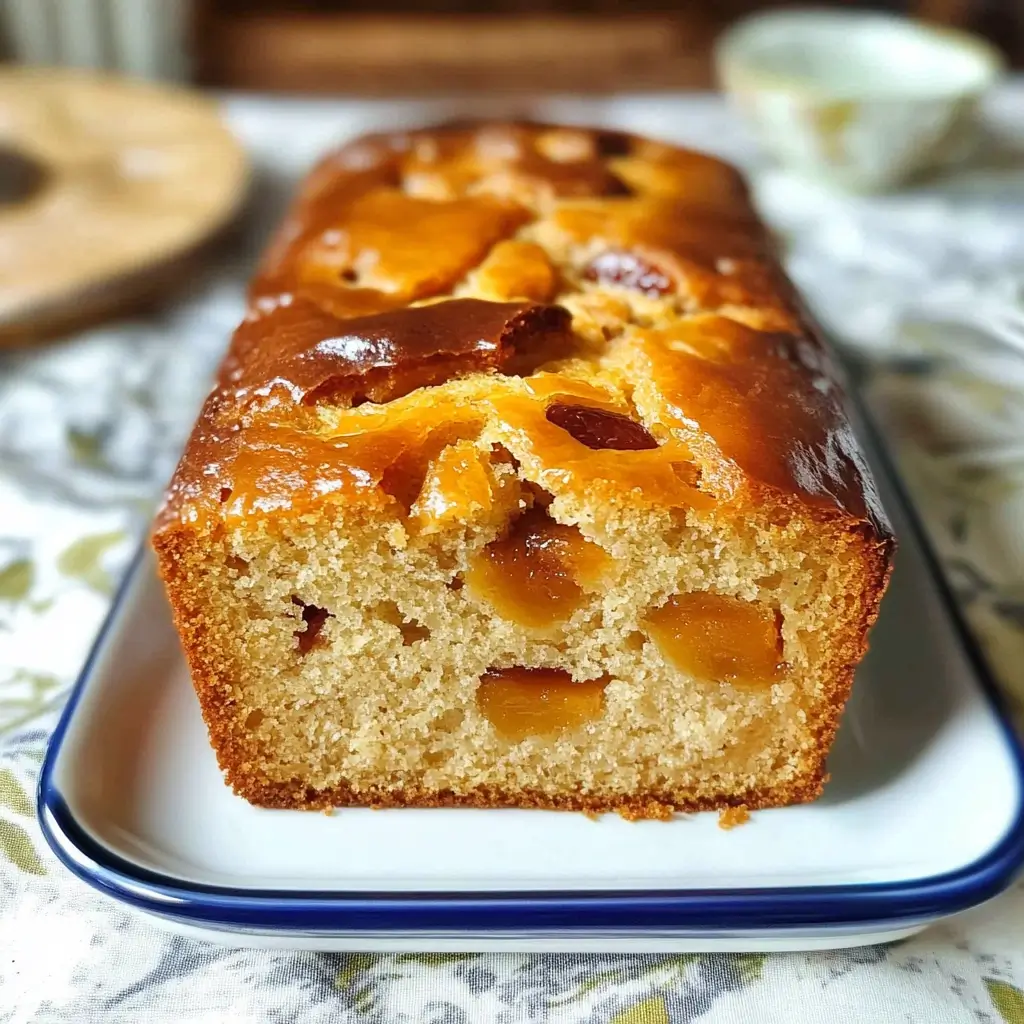
The first time I baked this Apricot Tea Bread, the aroma alone was enough to gather my family in the kitchen, their eyes wide with anticipation. The scent of warm, sweet apricots, a hint of spice, and that comforting smell of freshly baked goods filled our home, promising something truly special. And it delivered! The bread was wonderfully moist, with a tender crumb, and the jewel-like pieces of apricot offered bursts of tangy sweetness in every bite. It wasn’t overly sweet, making it the perfect companion to a morning coffee or an afternoon cup of tea. My kids, who can sometimes be picky about fruit in baked goods, absolutely devoured it, asking for “just one more slice” until, embarrassingly, half the loaf was gone before it had even fully cooled! It has since become a staple in our home, a go-to recipe when we want something comforting, easy to make, and undeniably delicious. It’s the kind of recipe that creates warm memories, and I’m thrilled to share it with you.
Ingredients
This recipe yields one delicious 9×5 inch loaf, packed with fruity goodness.
For the Apricot Tea Bread:
- 1 ½ cups (180g) all-purpose flour (spooned and leveled)
- ¾ cup (150g) granulated sugar
- 2 teaspoons baking powder
- ½ teaspoon salt
- ¼ teaspoon ground cinnamon (optional, but recommended)
- Pinch of ground nutmeg (optional)
- 1 cup (about 150-170g) dried apricots, chopped into ½-inch pieces
- ½ cup (120ml) milk (whole milk recommended for richness)
- ¼ cup (60ml) vegetable oil (or melted unsalted butter, cooled)
- 1 large egg, lightly beaten
- 1 teaspoon vanilla extract
- ¼ cup (60ml) hot water or hot brewed black tea (for plumping apricots)
For the Optional Apricot Glaze:
- ¼ cup apricot jam or preserves
- 1 teaspoon water or orange juice
Instructions
Follow these simple steps to create your own loaf of delightful Apricot Tea Bread.
1. Prepare the Apricots:
* Place the chopped dried apricots in a small bowl. Pour the hot water or hot brewed black tea over them. Let them sit for at least 15-20 minutes to soften and plump up. This step is crucial for ensuring moist, tender apricots in your bread. After soaking, drain any excess liquid thoroughly.
2. Preheat and Prepare Pan:
* Preheat your oven to 350°F (175°C).
* Grease and flour a 9×5 inch loaf pan. Alternatively, you can line the pan with parchment paper, leaving an overhang on two sides for easy removal of the bread later.
3. Combine Dry Ingredients:
* In a large mixing bowl, whisk together the all-purpose flour, granulated sugar, baking powder, salt, ground cinnamon, and ground nutmeg (if using). Whisking helps to aerate the flour and evenly distribute the leavening agents and spices.
4. Combine Wet Ingredients:
* In a separate medium bowl, whisk together the milk, vegetable oil (or cooled melted butter), lightly beaten egg, and vanilla extract until well combined.
5. Combine Wet and Dry Mixtures:
* Pour the wet ingredients into the dry ingredients. Stir with a spatula or wooden spoon until just combined. Be careful not to overmix; a few lumps are perfectly fine. Overmixing can lead to a tough bread.
6. Add the Apricots:
* Gently fold the drained, plumped apricots into the batter. Ensure they are evenly distributed throughout.
7. Bake the Bread:
* Pour the batter into the prepared loaf pan, spreading it evenly.
* Bake for 50-60 minutes, or until a wooden skewer or toothpick inserted into the center of the loaf comes out clean or with a few moist crumbs attached.
* If you notice the top of the bread browning too quickly, you can loosely tent it with aluminum foil for the last 10-15 minutes of baking.
8. Cool the Bread:
* Once baked, remove the loaf pan from the oven and let the bread cool in the pan on a wire rack for 10-15 minutes.
* Then, carefully invert the bread onto the wire rack (or use the parchment paper overhang to lift it out) to cool completely before slicing and serving. Cooling completely is important as it allows the crumb to set, making it easier to slice without crumbling.
9. (Optional) Apply Glaze:
* If using the apricot glaze, gently warm the apricot jam and water (or orange juice) in a small saucepan over low heat or in the microwave for a few seconds until it’s spreadable.
* Brush the warm glaze over the top of the cooled (or slightly warm) bread. Allow the glaze to set before slicing.
Nutrition Facts
- Servings: Approximately 10-12 slices
- Calories per serving (estimated): Approximately 220-260 kcal per slice (This is an estimate and can vary based on exact ingredient brands, size of apricots, and whether the glaze is used).
Disclaimer: The nutritional information provided is an estimate and will vary depending on the specific ingredients and brands used, as well as the exact serving size.
Preparation Time
Understanding the time commitment can help you plan your baking adventure.
- Prep Time (Soaking & Mixing): 25-30 minutes (includes apricot soaking time)
- Cook Time (Baking): 50-60 minutes
- Cooling Time: At least 1-2 hours (for complete cooling before optimal slicing)
- Total Time (excluding full cooling): Approximately 1 hour 15 minutes to 1 hour 30 minutes
- Total Time (including cooling for best slicing): Approximately 2 hours 15 minutes to 3 hours 30 minutes
Patience during the cooling phase is rewarded with perfectly sliceable, delicious bread!
How to Serve
This Apricot Tea Bread is wonderfully versatile. Here are some delightful ways to enjoy it:
- Simply Sliced:
- Enjoy a slice as is, allowing the natural flavors of the apricot and the tender bread to shine.
- Perfect for a quick breakfast or a light snack.
- With a Spread:
- Butter: A classic choice. A thin layer of salted or unsalted butter melting into a warm slice is heavenly.
- Cream Cheese: The tangy creaminess of cream cheese beautifully complements the sweetness of the apricots.
- Apricot Jam: Double down on the apricot flavor by spreading a little extra apricot jam or preserves on top.
- Orange Marmalade: The citrus notes of orange marmalade pair wonderfully with apricots.
- Honey or Maple Syrup: A light drizzle can add an extra touch of sweetness if desired.
- Alongside Beverages:
- Tea: It’s called tea bread for a reason! Pair it with your favorite black tea (like Earl Grey or English Breakfast), green tea, or a fruity herbal tea.
- Coffee: A slice of apricot tea bread is a wonderful accompaniment to a morning cup of coffee or an afternoon latte.
- Milk: A cold glass of milk and a slice of this bread is a comforting treat for all ages.
- As Part of a Larger Spread:
- Brunch: Include it on a brunch buffet alongside other pastries, fruits, and savory items.
- Afternoon Tea: Serve it as part of a traditional afternoon tea spread with scones, finger sandwiches, and other sweets.
- Dessert: Lightly toasted and served with a scoop of vanilla ice cream or a dollop of whipped cream for a simple yet elegant dessert.
- Toasted:
- Slices can be lightly toasted in a toaster or under a broiler for a slightly crispy exterior and an even more fragrant aroma. This is especially good for bread that’s a day or two old.
No matter how you choose to serve it, this Apricot Tea Bread is sure to be a hit!
Additional Tips
Elevate your Apricot Tea Bread from great to absolutely exceptional with these five handy tips:
- Don’t Overcrowd the Apricots (and a Soaking Tip): While it’s tempting to load up on apricots, too many can make the bread overly dense or cause it to fall apart. Stick to the recommended amount. For an extra flavor dimension when soaking your apricots, consider using orange juice instead of hot water or tea. The citrus notes will beautifully complement the apricot flavor. Ensure they are well-drained to avoid adding excess moisture to the batter.
- The “Don’t Overmix” Mantra: This is paramount for quick breads. Overmixing develops the gluten in the flour, resulting in a tough, chewy texture rather than a tender, delicate crumb. Mix the wet and dry ingredients until they are just combined. A few streaks of flour or small lumps are perfectly acceptable and often lead to a better texture. Use a spatula for gentle folding.
- Embrace Zest for Extra Zing: Add the zest of one orange or half a lemon to the wet ingredients. The citrus oils in the zest will brighten the overall flavor profile of the bread and create a beautiful aromatic synergy with the apricots. This small addition can make a big difference in the complexity of the taste.
- Test for Doneness Accurately: Ovens can vary. While the toothpick test (inserting it into the center and looking for it to come out clean or with a few moist crumbs) is a good indicator, you can also use an instant-read thermometer. The internal temperature of a fully cooked quick bread should be between 200-210°F (93-99°C). Also, gently press the top of the loaf; it should spring back when done.
- Proper Cooling is Key for Slicing & Storage: Resist the urge to slice the bread while it’s piping hot, as tempting as it may be! Hot bread is very delicate and will likely crumble. Allowing it to cool completely on a wire rack ensures the structure sets properly, making for clean, neat slices. Once completely cooled, store the bread in an airtight container at room temperature for up to 3 days, or in the refrigerator for up to 5 days. For longer storage, wrap it well and freeze.
FAQ Section
Here are answers to some frequently asked questions about this Apricot Tea Bread recipe:
Q1: Can I use fresh apricots instead of dried apricots?
A: Yes, you can use fresh apricots, but it will change the texture and moisture content of the bread. You’ll need about 1 to 1 ½ cups of diced fresh apricots. Since fresh apricots contain more water, you might need to slightly reduce the amount of milk (perhaps by 1-2 tablespoons) or increase the baking time by 5-10 minutes. Also, fresh apricots can sometimes sink to the bottom; lightly tossing them in a tablespoon of flour from the measured amount before adding them to the batter can help prevent this. The flavor will be milder and more delicate compared to the concentrated sweetness of dried apricots.
Q2: Can I make this recipe gluten-free?
A: Yes, you can adapt this recipe to be gluten-free. Substitute the all-purpose flour with a good quality gluten-free all-purpose flour blend that contains xanthan gum. If your blend doesn’t include xanthan gum, you may need to add about ½ to ¾ teaspoon. Gluten-free baked goods can sometimes be drier, so ensure your apricots are well-plumped. The texture might be slightly different from the original, but it should still be delicious.
Q3: What other additions or variations can I try?
A: This recipe is quite versatile!
* Nuts: Add ½ cup of chopped walnuts, pecans, or almonds for a lovely crunch and nutty flavor. Toast them lightly before adding for enhanced taste.
* Spices: Feel free to adjust the spices. Add a pinch of cardamom or ginger for a different warm spice profile.
* Other Dried Fruits: You can substitute part of the apricots with other dried fruits like cranberries, raisins, chopped dates, or dried cherries.
* Citrus Glaze: Instead of an apricot glaze, make a simple lemon or orange glaze using powdered sugar and a little citrus juice.
* Extracts: Try ½ teaspoon of almond extract along with the vanilla for a more complex flavor.
Q4: How should I store the Apricot Tea Bread to keep it fresh?
A: Once the bread has cooled completely, store it in an airtight container or wrap it tightly in plastic wrap or aluminum foil. It will keep well at room temperature for up to 3 days. If you live in a very warm or humid climate, or if you want it to last longer, you can store it in the refrigerator for up to 5-7 days. Note that refrigeration can sometimes dry out bread, so ensure it’s well-sealed.
Q5: Can I freeze this Apricot Tea Bread?
A: Absolutely! This bread freezes very well. Allow the loaf to cool completely. Then, wrap it tightly in plastic wrap, followed by a layer of aluminum foil or place it in a freezer-safe zip-top bag. It can be frozen whole or in slices. For slices, consider placing parchment paper between them before wrapping to prevent sticking. It will keep well in the freezer for up to 3 months. To serve, thaw it overnight at room temperature or in the refrigerator. You can also gently warm individual slices in the microwave or toaster.
Apricot Tea Bread Recipe
Ingredients
For the Apricot Tea Bread:
- 1 ½ cups (180g) all-purpose flour (spooned and leveled)
- ¾ cup (150g) granulated sugar
- 2 teaspoons baking powder
- ½ teaspoon salt
- ¼ teaspoon ground cinnamon (optional, but recommended)
- Pinch of ground nutmeg (optional)
- 1 cup (about 150-170g) dried apricots, chopped into ½-inch pieces
- ½ cup (120ml) milk (whole milk recommended for richness)
- ¼ cup (60ml) vegetable oil (or melted unsalted butter, cooled)
- 1 large egg, lightly beaten
- 1 teaspoon vanilla extract
- ¼ cup (60ml) hot water or hot brewed black tea (for plumping apricots)
For the Optional Apricot Glaze:
- ¼ cup apricot jam or preserves
- 1 teaspoon water or orange juice
Instructions
For the Apricot Tea Bread:
- 1 ½ cups (180g) all-purpose flour (spooned and leveled)
- ¾ cup (150g) granulated sugar
- 2 teaspoons baking powder
- ½ teaspoon salt
- ¼ teaspoon ground cinnamon (optional, but recommended)
- Pinch of ground nutmeg (optional)
- 1 cup (about 150-170g) dried apricots, chopped into ½-inch pieces
- ½ cup (120ml) milk (whole milk recommended for richness)
- ¼ cup (60ml) vegetable oil (or melted unsalted butter, cooled)
- 1 large egg, lightly beaten
- 1 teaspoon vanilla extract
- ¼ cup (60ml) hot water or hot brewed black tea (for plumping apricots)
For the Optional Apricot Glaze:
- ¼ cup apricot jam or preserves
- 1 teaspoon water or orange juice
Nutrition
- Serving Size: One Normal Portion
- Calories: 220-260