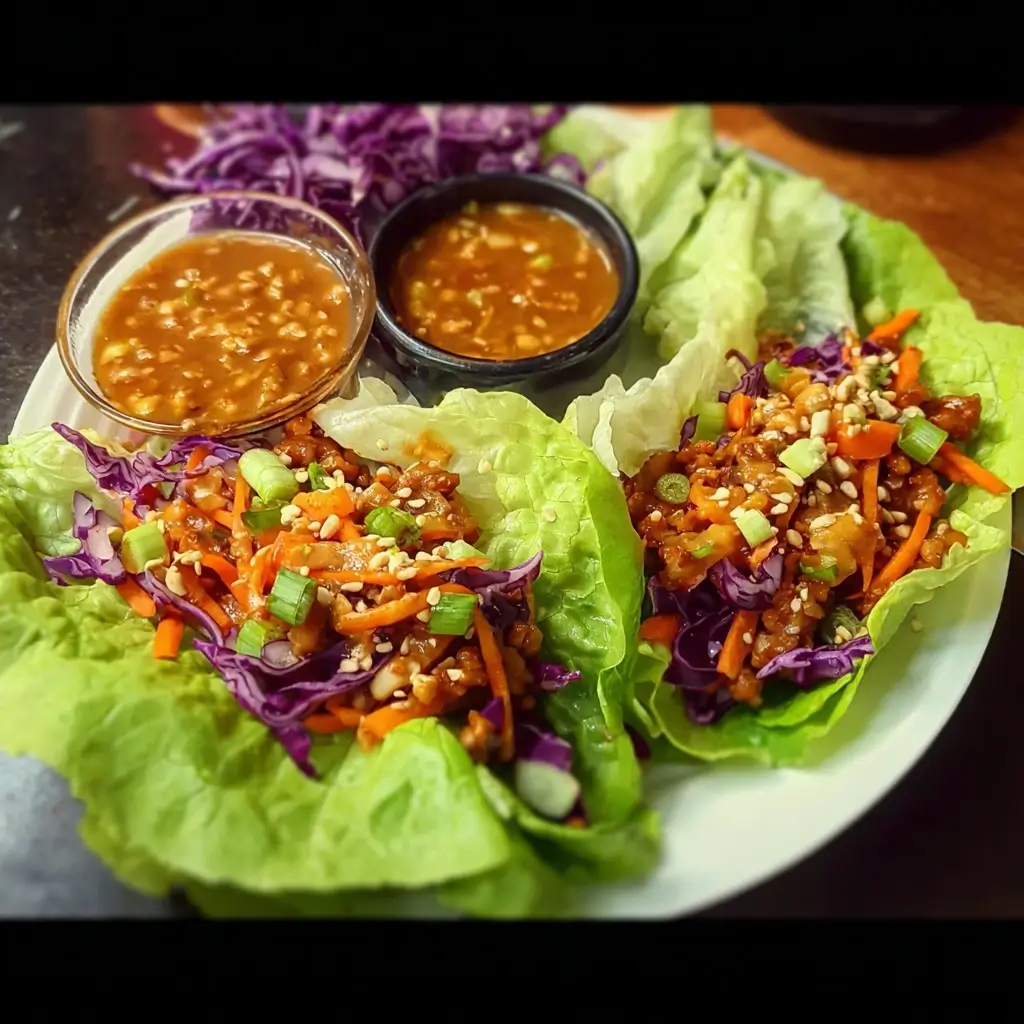

There are certain meals that just feel alive. They’re not just nourishing; they’re vibrant, exciting, and an experience to eat. That’s precisely how I feel about these Asian Vegetable Lettuce Wraps. I first made them on a whim one Tuesday night, searching for something to break the monotony of our usual dinner rotation. I wanted something light but satisfying, healthy but not boring. The moment my family started assembling their own wraps at the dinner table, I knew I had a winner. The sound of the crisp lettuce crunching, the vibrant rainbow of vegetables, and the utterly addictive, creamy peanut sauce had everyone hooked. My kids, who are sometimes skeptical of a vegetable-heavy dish, were asking for seconds and thirds. It’s become more than just a recipe in our house; it’s a fun, interactive meal that brings everyone together. It’s the perfect answer to “what’s for dinner?” when you crave something fresh, flavorful, and incredibly delicious.
Why You Will Fall in Love with This Recipe
Before we dive into the details, let’s talk about what makes this recipe so special. It’s not just a meal; it’s a culinary experience that ticks all the boxes for a modern, health-conscious foodie.
- Incredibly Flavorful: The star of the show is the homemade peanut sauce. It’s a perfect symphony of sweet, savory, tangy, and spicy notes that elevates the simple, fresh vegetables into something extraordinary. Each bite is a flavor explosion.
- Healthy and Nourishing: Packed with a rainbow of fresh vegetables, this dish is loaded with vitamins, minerals, and fiber. It’s naturally low-carb, and can easily be made gluten-free and vegan, making it suitable for various dietary needs. It’s a guilt-free indulgence that leaves you feeling energized, not heavy.
- Highly Customizable: This recipe is a fantastic template. Don’t have water chestnuts? Use jicama. Want to add more protein? Toss in some crispy tofu, shredded chicken, or sautéed shrimp. You can play with the vegetables based on what’s in season or what you have in your fridge.
- Quick and Easy for Weeknights: Despite its impressive flavor profile, this meal comes together surprisingly quickly. The prep is the longest part, but once your veggies are chopped, the cooking takes less than 15 minutes. It’s the perfect solution for a busy weeknight when you want something special without spending hours in the kitchen.
- Perfect for Entertaining: Set up a “lettuce wrap bar” for your next get-together. Arrange the filling, the lettuce cups, the peanut sauce, and a variety of toppings in separate bowls and let your guests build their own. It’s interactive, fun, and caters to everyone’s preferences.
A Deep Dive into the Star Ingredients
Understanding the role of each ingredient is key to mastering this dish and learning how to customize it to your liking.
- The Lettuce: The vessel for our delicious filling is crucial. Butter lettuce (also known as Boston or Bibb lettuce) is the classic choice. Its leaves are naturally cup-shaped, tender, and pliable, making them easy to fill and fold without breaking. Iceberg lettuce offers an unparalleled crunch and a refreshing, watery crispness. Romaine hearts can also work well, offering a sturdy, boat-like shape that holds a lot of filling. The key is to choose a lettuce with large, flexible leaves.
- The Peanut Sauce Components:
- Creamy Peanut Butter: This is the base of our sauce, providing richness, protein, and that unmistakable nutty flavor. Use a natural, unsweetened creamy peanut butter for the best results, as it allows you to control the sweetness and has a better pouring consistency.
- Soy Sauce (or Tamari): This provides the savory, umami backbone of the sauce. For a gluten-free option, be sure to use tamari or a certified gluten-free soy sauce.
- Rice Vinegar: This adds a bright, tangy acidity that cuts through the richness of the peanut butter, balancing the flavors and keeping the sauce from feeling too heavy.
- Maple Syrup (or Honey): A touch of sweetness is essential to balance the saltiness of the soy sauce and the tang of the vinegar. Maple syrup keeps the recipe vegan, but honey is a wonderful alternative.
- Toasted Sesame Oil: This is a finishing oil, not a cooking oil. Its deep, nutty, and aromatic flavor is potent, so a little goes a long way in adding a signature Asian flavor profile.
- Fresh Ginger and Garlic: These are the aromatic powerhouses. They provide a warm, pungent kick that adds layers of complexity to the sauce. Always use fresh for the best, most vibrant flavor.
- Sriracha or Chili Garlic Sauce: This is your customizable heat source. Add as little or as much as you like to give your sauce a gentle warmth or a fiery kick.
- The Vegetable Filling:
- Carrots, Bell Peppers, and Cabbage: This trio forms the colorful and crunchy base of the filling. Using a variety of colors (red, yellow, or orange bell peppers) not only makes the dish visually stunning but also provides a wider range of nutrients.
- Water Chestnuts: These are a non-negotiable for me! They don’t add a huge amount of flavor, but their unique, crisp-yet-tender texture and subtle sweetness provide a wonderful textural contrast to the other vegetables.
- Edamame: Shelled edamame beans add a pop of vibrant green, a pleasant, firm texture, and a significant boost of plant-based protein, making the filling more substantial and satisfying.
Complete Recipe: Asian Vegetable Lettuce Wraps with Peanut Sauce
Here is the complete, detailed recipe to guide you through creating this masterpiece in your own kitchen.
Ingredients for the Creamy Peanut Sauce:
- 1/2 cup creamy natural peanut butter
- 1/4 cup warm water (more as needed to thin)
- 3 tablespoons low-sodium soy sauce (or tamari for gluten-free)
- 2 tablespoons rice vinegar
- 2 tablespoons pure maple syrup (or honey)
- 1 tablespoon toasted sesame oil
- 1-2 cloves garlic, finely minced or grated
- 1 teaspoon fresh ginger, grated
- 1-2 teaspoons Sriracha or chili garlic sauce (adjust to taste)
- 1 tablespoon fresh lime juice (optional, for extra brightness)
Ingredients for the Vegetable Filling:
- 1 tablespoon avocado oil or other neutral high-heat oil
- 3 cloves garlic, minced
- 1 tablespoon fresh ginger, grated
- 1 large carrot, finely diced or julienned
- 1 red bell pepper, finely diced
- 1 cup shredded purple or green cabbage
- 1 cup shelled edamame (can use frozen, thawed)
- 1 can (8 ounces) water chestnuts, drained and finely diced
- 1/2 cup chopped scallions (green parts only)
- 2 tablespoons soy sauce (or tamari)
- 1 tablespoon rice vinegar
For Assembling:
- 1-2 heads of Butter lettuce, Bibb lettuce, or Iceberg lettuce
- Optional Garnishes: chopped peanuts, fresh cilantro leaves, sesame seeds, lime wedges, thinly sliced red chili.
Step-by-Step Instructions
Follow these detailed instructions for a flawless result every time. The key is to have all your ingredients prepped and ready to go before you start cooking, a practice known as “mise en place.”
Part 1: Prepare the Peanut Sauce
- Combine Ingredients: In a medium-sized bowl, add the creamy peanut butter, warm water, soy sauce (or tamari), rice vinegar, maple syrup, toasted sesame oil, minced garlic, grated ginger, and Sriracha.
- Whisk Until Smooth: Whisk all the ingredients together vigorously until the sauce is completely smooth and creamy. The warm water will help the peanut butter loosen up and combine more easily.
- Adjust Consistency and Taste: If the sauce is too thick, add more warm water, one teaspoon at a time, until it reaches your desired drizzling consistency. Taste the sauce and adjust the seasonings. Does it need more sweetness? Add a touch more maple syrup. More tang? A splash of rice vinegar. More heat? A bit more Sriracha. A squeeze of fresh lime juice at the end can brighten all the flavors.
- Set Aside: Set the finished peanut sauce aside while you prepare the filling. The flavors will have more time to meld together.
Part 2: Cook the Vegetable Filling
- Prep Your Veggies: Ensure all your vegetables are washed, dried, and chopped as directed. Having everything ready will make the stir-frying process quick and seamless.
- Heat the Skillet: Place a large skillet or wok over medium-high heat. Add the avocado oil. Once the oil is hot and shimmering, it’s ready.
- Sauté the Aromatics: Add the minced garlic and grated ginger to the hot oil. Stir-fry for about 30-60 seconds until they become fragrant. Be careful not to let them burn, as burnt garlic will make the entire dish bitter.
- Cook the Harder Vegetables: Add the finely diced carrots and red bell pepper to the skillet. Sauté for 3-4 minutes, stirring frequently, until they are slightly tender but still have a crisp bite.
- Add Remaining Vegetables: Add the shredded cabbage, shelled edamame, and diced water chestnuts to the skillet. Continue to stir-fry for another 2-3 minutes. You want the vegetables to be heated through and tender-crisp, not mushy. Overcooking will result in a loss of texture and vibrancy.
- Season the Filling: Pour in the 2 tablespoons of soy sauce and 1 tablespoon of rice vinegar. Stir well to coat all the vegetables evenly. Cook for one more minute to allow the sauce to be absorbed.
- Finish with Scallions: Remove the skillet from the heat. Stir in the chopped fresh scallions. The residual heat will wilt them slightly while keeping their fresh, oniony flavor intact.
Part 3: Prepare the Lettuce and Assemble
- Prepare the Lettuce Cups: Carefully separate the leaves from the head of lettuce. Wash them gently under cold running water and pat them dry with a paper towel or use a salad spinner. The key is to have dry leaves so the wraps don’t become soggy. Arrange them on a platter.
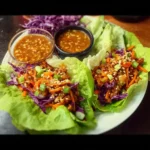
- Assemble and Serve: To serve, place a few spoonfuls of the warm vegetable filling into the center of a lettuce cup. Drizzle generously with the prepared peanut sauce. Garnish with your favorite toppings like chopped peanuts for crunch, fresh cilantro for a herby note, and a sprinkle of sesame seeds. Serve immediately.
Nutrition Facts
- Servings: 4-6 servings
- Calories per serving (approximate): 350-400 kcal
Please note that this is an estimate. The exact nutritional information will vary based on the specific ingredients used, such as the type of peanut butter (sweetened vs. unsweetened) and any optional additions.
This dish is a powerhouse of nutrients. The vegetables provide essential vitamins (A, C, K), fiber, and antioxidants. The peanut sauce contributes healthy monounsaturated fats and protein.
Preparation Time
- Prep Time: 20 minutes (for chopping vegetables and making the sauce)
- Cook Time: 10-12 minutes
- Total Time: Approximately 30-35 minutes
This timeline makes it an ideal candidate for a healthy and satisfying weeknight dinner that feels like a weekend treat.
How to Serve Your Lettuce Wraps
Serving these lettuce wraps is all about presentation and customization. Here are some ideas to make it a memorable meal:
- Family-Style Platter:
- Arrange the crisp, clean lettuce cups on a large platter.
- Place the warm vegetable filling in a large serving bowl in the center.
- Serve the peanut sauce in a small bowl with a spoon for drizzling.
- Set out small bowls with various garnishes so everyone can build their own perfect wrap.
- The Ultimate Garnish Bar:
- For Crunch: Chopped roasted peanuts, toasted sesame seeds, crispy fried shallots or onions.
- For Freshness: Fresh cilantro leaves, chopped mint, thinly sliced scallions.
- For Heat: Thinly sliced red chilis, red pepper flakes, extra Sriracha on the side.
- For Acidity: Fresh lime wedges for squeezing over the top.
- What to Serve Alongside:
- While these wraps are a complete meal on their own, you can round them out with a few simple sides:
- Steamed jasmine or brown rice.
- A simple cucumber salad marinated in rice vinegar and sesame oil.
- Steamed or fried vegetable dumplings.
- A light miso soup to start.
Additional Tips for a Perfect Result
Here are five professional tips to help you perfect this recipe and adapt it to your needs.
- The Secret to the Best Lettuce Cups: The choice of lettuce matters, but so does the preparation. To make the leaves more pliable and prevent them from tearing, you can soak the entire head of lettuce in a bowl of ice water for about 10-15 minutes before separating the leaves. This makes them crisper and easier to handle. Always pat them completely dry before serving.
- Make the Peanut Sauce in Advance: The peanut sauce is the perfect make-ahead component. You can prepare it up to 5 days in advance and store it in an airtight container in the refrigerator. The flavors will actually deepen and improve overnight. It may thicken in the fridge, so just let it sit at room temperature for 20 minutes or whisk in a teaspoon of warm water to bring it back to a drizzling consistency before serving.
- Boost the Protein: These wraps are fantastic as-is, but they are also a great vehicle for additional protein.
- For Crispy Tofu: Press a block of extra-firm tofu to remove excess water. Cube it, toss with a little cornstarch and soy sauce, and either pan-fry or air-fry until golden and crispy. Add it to the vegetable filling at the very end.
- For Chicken: Use ground chicken and cook it with the garlic and ginger until no longer pink before adding the vegetables. Alternatively, use shredded rotisserie chicken and stir it in with the final seasoning step.
- For Shrimp: Add raw, peeled, and deveined shrimp to the skillet after the harder vegetables have cooked for a couple of minutes. Cook for 2-3 minutes, or until the shrimp are pink and opaque.
- Master the Tender-Crisp Texture: The key to a great stir-fry filling is texture. The biggest mistake is overcooking the vegetables until they become soft and watery. Cook over medium-high to high heat, keep the vegetables moving in the pan, and cook them for the shortest time necessary to heat them through while retaining a distinct bite. Finely dicing the vegetables helps them cook quickly and evenly.
- Don’t Be Afraid to Substitute Vegetables: This recipe is incredibly forgiving. Use it as a guide to clean out your vegetable drawer.
- Good substitutes: Finely chopped broccoli or cauliflower florets, mushrooms (shiitake or cremini), zucchini, bean sprouts, or jicama for a crunch similar to water chestnuts.
- Just remember to add harder vegetables (like broccoli) first and quicker-cooking ones (like zucchini or mushrooms) later in the process.
Frequently Asked Questions (FAQ)
1. How can I make this recipe nut-free?
This is a common and important question. For a completely nut-free version, you can substitute the peanut butter in the sauce with sunflower seed butter (sunbutter) or tahini (sesame seed paste). You will get a slightly different but equally delicious flavor profile. If using tahini, you may need to add a bit more sweetener to balance its natural bitterness. Also, be sure to omit the chopped peanuts as a garnish, and use toasted sunflower or sesame seeds for crunch instead.
2. What is the best way to store and reheat leftovers?
Store the vegetable filling and the peanut sauce in separate airtight containers in the refrigerator for up to 4 days. Store the lettuce leaves separately in a zip-top bag with a paper towel to absorb moisture. It’s best to enjoy the lettuce fresh. To reheat the filling, you can gently warm it in a skillet over medium heat or in the microwave. Do not reheat the lettuce. Assemble the wraps with the reheated filling and fresh lettuce just before eating.
3. Is this recipe gluten-free?
It can be very easily! The only ingredient that typically contains gluten is soy sauce. To make this recipe 100% gluten-free, simply substitute the regular soy sauce with an equal amount of tamari or a certified gluten-free soy sauce in both the filling and the peanut sauce. All other ingredients listed are naturally gluten-free.
4. My peanut sauce is too thick/thin. How do I fix it?
This is a very easy fix. The consistency of peanut sauce can vary depending on the brand of peanut butter you use.
- If your sauce is too thick: Whisk in more warm water, one teaspoon at a time, until it reaches the perfect consistency for drizzling. A little extra lime juice or rice vinegar can also help thin it out while adding flavor.
- If your sauce is too thin: You can thicken it by whisking in another tablespoon of peanut butter. Alternatively, you can gently heat it in a small saucepan over low heat for a few minutes, which will help it reduce and thicken slightly (be careful not to boil it).
5. Can I use a food processor to chop the vegetables?
Yes, you can! Using a food processor can be a huge time-saver. You can use the shredding disc for the carrots and cabbage. For the bell pepper and water chestnuts, use the chopping blade and pulse a few times until they are finely diced. Be careful not to over-process them into a paste. You want to retain some texture. The garlic and ginger can also be minced in the food processor. This “cheater” method gets you to the cooking stage much faster.
Asian Vegetable Lettuce Wrap with Peanut Sauce Recipe
Ingredients
Ingredients for the Creamy Peanut Sauce:
- 1/2 cup creamy natural peanut butter
- 1/4 cup warm water (more as needed to thin)
- 3 tablespoons low-sodium soy sauce (or tamari for gluten-free)
- 2 tablespoons rice vinegar
- 2 tablespoons pure maple syrup (or honey)
- 1 tablespoon toasted sesame oil
- 1–2 cloves garlic, finely minced or grated
- 1 teaspoon fresh ginger, grated
- 1–2 teaspoons Sriracha or chili garlic sauce (adjust to taste)
- 1 tablespoon fresh lime juice (optional, for extra brightness)
Ingredients for the Vegetable Filling:
- 1 tablespoon avocado oil or other neutral high-heat oil
- 3 cloves garlic, minced
- 1 tablespoon fresh ginger, grated
- 1 large carrot, finely diced or julienned
- 1 red bell pepper, finely diced
- 1 cup shredded purple or green cabbage
- 1 cup shelled edamame (can use frozen, thawed)
- 1 can (8 ounces) water chestnuts, drained and finely diced
- 1/2 cup chopped scallions (green parts only)
- 2 tablespoons soy sauce (or tamari)
- 1 tablespoon rice vinegar
For Assembling:
- 1–2 heads of Butter lettuce, Bibb lettuce, or Iceberg lettuce
- Optional Garnishes: chopped peanuts, fresh cilantro leaves, sesame seeds, lime wedges, thinly sliced red chili.
Instructions
Part 1: Prepare the Peanut Sauce
- Combine Ingredients: In a medium-sized bowl, add the creamy peanut butter, warm water, soy sauce (or tamari), rice vinegar, maple syrup, toasted sesame oil, minced garlic, grated ginger, and Sriracha.
- Whisk Until Smooth: Whisk all the ingredients together vigorously until the sauce is completely smooth and creamy. The warm water will help the peanut butter loosen up and combine more easily.
- Adjust Consistency and Taste: If the sauce is too thick, add more warm water, one teaspoon at a time, until it reaches your desired drizzling consistency. Taste the sauce and adjust the seasonings. Does it need more sweetness? Add a touch more maple syrup. More tang? A splash of rice vinegar. More heat? A bit more Sriracha. A squeeze of fresh lime juice at the end can brighten all the flavors.
- Set Aside: Set the finished peanut sauce aside while you prepare the filling. The flavors will have more time to meld together.
Part 2: Cook the Vegetable Filling
- Prep Your Veggies: Ensure all your vegetables are washed, dried, and chopped as directed. Having everything ready will make the stir-frying process quick and seamless.
- Heat the Skillet: Place a large skillet or wok over medium-high heat. Add the avocado oil. Once the oil is hot and shimmering, it’s ready.
- Sauté the Aromatics: Add the minced garlic and grated ginger to the hot oil. Stir-fry for about 30-60 seconds until they become fragrant. Be careful not to let them burn, as burnt garlic will make the entire dish bitter.
- Cook the Harder Vegetables: Add the finely diced carrots and red bell pepper to the skillet. Sauté for 3-4 minutes, stirring frequently, until they are slightly tender but still have a crisp bite.
- Add Remaining Vegetables: Add the shredded cabbage, shelled edamame, and diced water chestnuts to the skillet. Continue to stir-fry for another 2-3 minutes. You want the vegetables to be heated through and tender-crisp, not mushy. Overcooking will result in a loss of texture and vibrancy.
- Season the Filling: Pour in the 2 tablespoons of soy sauce and 1 tablespoon of rice vinegar. Stir well to coat all the vegetables evenly. Cook for one more minute to allow the sauce to be absorbed.
- Finish with Scallions: Remove the skillet from the heat. Stir in the chopped fresh scallions. The residual heat will wilt them slightly while keeping their fresh, oniony flavor intact.
Part 3: Prepare the Lettuce and Assemble
- Prepare the Lettuce Cups: Carefully separate the leaves from the head of lettuce. Wash them gently under cold running water and pat them dry with a paper towel or use a salad spinner. The key is to have dry leaves so the wraps don’t become soggy. Arrange them on a platter.
- Assemble and Serve: To serve, place a few spoonfuls of the warm vegetable filling into the center of a lettuce cup. Drizzle generously with the prepared peanut sauce. Garnish with your favorite toppings like chopped peanuts for crunch, fresh cilantro for a herby note, and a sprinkle of sesame seeds. Serve immediately.
Nutrition
- Serving Size: One Normal Portion
- Calories: 350-400