

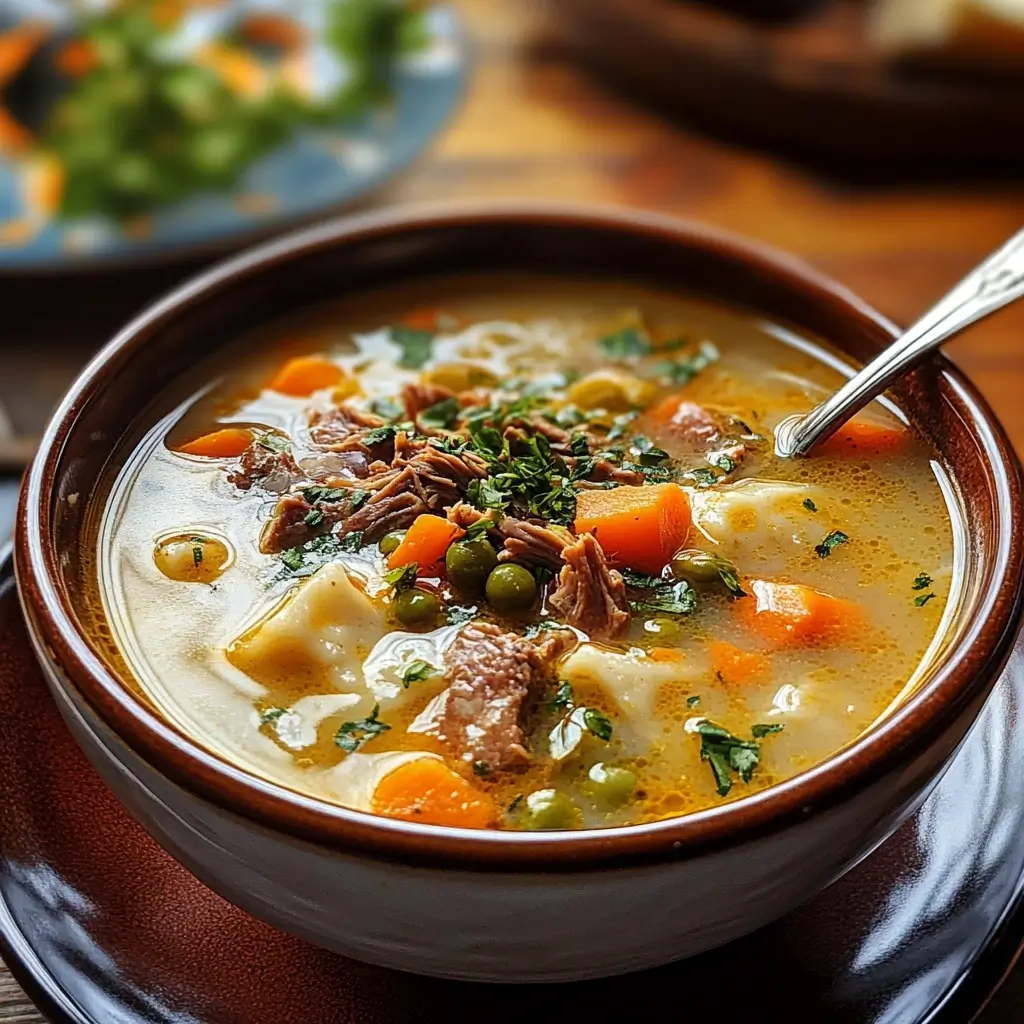
There are few dishes that evoke such a profound sense of warmth, comfort, and home as a steaming bowl of Caldo de Res. For me, this isn’t just a recipe; it’s a cherished memory, a culinary hug passed down through generations. I remember my Abuela bustling in the kitchen, the rich aroma of simmering beef and vegetables filling every corner of our home. The sound of the knife rhythmically chopping carrots and potatoes was the soundtrack to many a chilly afternoon. When she finally ladled that vibrant, nourishing soup into our bowls, it was more than just food – it was love, care, and a connection to our heritage. My own family now eagerly awaits Caldo de Res days. The kids, surprisingly, devour the tender vegetables they might otherwise pick at, and my husband always goes back for seconds, praising the depth of flavor. It’s a dish that brings us together, a simple yet profound reminder of the joy found in shared meals and a recipe I’m thrilled to share with you, hoping it brings the same comfort and happiness to your table. This version is designed to be both authentic and accessible, creating a broth that is both deeply flavorful and wonderfully clear.
Ingredients for Authentic Caldo de Res
This recipe aims for a generous pot, perfect for a family meal or for delicious leftovers.
- For the Beef & Broth Base:
- 2.5 – 3 lbs beef shank (bone-in, cut into 2-3 inch pieces) – the bone is crucial for flavor!
- 1 lb boneless beef chuck roast, cut into 2-inch cubes (optional, for extra meaty soup)
- 1 large white onion, quartered
- 4-5 cloves garlic, smashed
- 2 bay leaves
- 1 tablespoon whole black peppercorns
- 2 teaspoons dried Mexican oregano
- 1 tablespoon coarse sea salt (or to taste)
- 12-14 cups cold water (enough to generously cover the meat)
- Hardy Vegetables (added first):
- 3 large carrots, peeled and cut into 1-2 inch chunks
- 3 large potatoes (Russet or Yukon Gold), peeled and quartered or cut into 1-2 inch chunks
- 2-3 ears of corn, shucked and cut into 2-3 inch rounds
- 2 celery stalks, cut into 1-inch pieces
- Softer Vegetables (added later):
- 1 large chayote squash, peeled, cored, and cut into 1-inch chunks (optional, but traditional)
- 1/2 small head of green cabbage, cut into wedges or large chunks
- 2 medium zucchini or Mexican grey squash, cut into 1-inch chunks
- 1 large bunch cilantro, half roughly chopped (for the pot), half finely chopped (for garnish)
- For Serving (Garnishes):
- Freshly squeezed lime juice (from 2-3 limes, cut into wedges)
- Finely chopped white onion
- Extra finely chopped cilantro
- Your favorite salsa or hot sauce (e.g., salsa roja, salsa verde, or Valentina)
- Warm corn tortillas or bolillo rolls
- Cooked Mexican rice (optional, to serve in or alongside the soup)
Step-by-Step Instructions for the Perfect Caldo de Res
Crafting the perfect Caldo de Res is a journey of patience, allowing the ingredients to meld and develop their rich, comforting flavors. Follow these steps for a soup that will transport you straight to a traditional Mexican kitchen.
- Prepare and Sear the Beef (Optional but Recommended):
- Pat the beef shank and chuck roast pieces dry with paper towels. Season lightly with salt and pepper.
- In a very large, heavy-bottomed stockpot or Dutch oven, heat 1-2 tablespoons of neutral oil (like canola or vegetable oil) over medium-high heat until shimmering.
- Carefully add the beef pieces to the hot pot in a single layer, being sure not to overcrowd. You may need to do this in batches.
- Sear the beef on all sides until nicely browned, about 2-3 minutes per side. This step develops a deep, savory flavor base (Maillard reaction) for your broth. Remove the seared beef and set aside on a plate. Don’t worry about any browned bits stuck to the bottom of the pot; these are flavor gold!
- Build the Broth Base:
- To the same pot (no need to clean it), add the quartered onion and smashed garlic cloves. Sauté for 2-3 minutes until they begin to soften and become fragrant, scraping up any browned bits from the bottom of the pot with a wooden spoon.
- Return the seared beef (and any accumulated juices) to the pot.
- Add the bay leaves, whole black peppercorns, dried Mexican oregano, and the initial 1 tablespoon of sea salt.
- Pour in the 12-14 cups of cold water, ensuring the meat is generously covered. If needed, add a little more water. Using cold water helps to draw out more flavor from the meat and bones as it slowly comes to temperature.
- The Initial Simmer – Developing Flavor:
- Bring the water to a gentle boil over medium-high heat. Once it reaches a boil, you’ll notice some foam and impurities rising to the surface. Use a fine-mesh sieve or a large spoon to carefully skim this scum off and discard it. This step is crucial for a clear, clean-tasting broth.
- Once skimmed, reduce the heat to low, cover the pot partially (leaving a small gap for steam to escape), and let the broth simmer gently for at least 1.5 to 2 hours. The key here is a gentle simmer, not a rolling boil. The beef should be starting to become tender.
- Adding the Hardy Vegetables:
- After the initial simmer, add the carrots, potatoes, corn, and celery to the pot. If the liquid level seems low, you can add a cup or two of hot water or beef broth.
- Ensure the vegetables are mostly submerged. Bring the soup back to a gentle simmer, cover partially, and continue to cook for another 30-40 minutes, or until these vegetables are nearly tender but not yet mushy.
- Adding the Softer Vegetables and Cilantro:
- Stir in the chayote (if using), cabbage wedges, and zucchini chunks.
- Add the roughly chopped half of the cilantro bunch to the pot. This will infuse the broth with a fresh, herbaceous aroma.
- Continue to simmer, partially covered, for another 15-25 minutes, or until the softer vegetables are tender-crisp and the cabbage is wilted but still has some body. You want all vegetables to be cooked through but not falling apart.
- Final Seasoning and Resting:
- Taste the broth carefully. Adjust seasoning with more salt as needed. The amount of salt will vary depending on your preference and the saltiness of your initial components. You might also want to add a pinch more black pepper.
- Once all the vegetables are perfectly tender and the beef is fork-tender (it should easily pull away from the bone), turn off the heat.
- If possible, let the Caldo de Res rest, covered, for at least 15-20 minutes before serving. This allows the flavors to meld further and deepen. Some say it’s even better the next day!
- Serving:
- To serve, use tongs to carefully remove a piece of beef shank, some chuck roast, and a generous assortment of each vegetable into large, deep soup bowls.
- Ladle the rich, aromatic broth over the meat and vegetables.
- Set out small bowls of the garnishes: finely chopped white onion, finely chopped fresh cilantro, lime wedges, and your choice of salsa or hot sauce, so everyone can customize their bowl.
Enjoy this profoundly satisfying and nourishing soup!
Nutritional Insights: Caldo de Res
- Servings: This recipe generously serves approximately 6-8 people.
- Calories per serving (estimate): Approximately 350-450 calories per serving.
Disclaimer: The exact nutritional information can vary based on the specific cuts of beef used (fat content), the size of the vegetables, and the precise portion size. This estimate provides a general idea.
Caldo de Res is a powerhouse of nutrients. The beef provides high-quality protein, iron, and B vitamins. The bone marrow from the shank bones contributes collagen and healthy fats. The wide array of vegetables adds essential vitamins (like Vitamin A from carrots, Vitamin C from cabbage and lime), minerals (potassium from potatoes), and dietary fiber, which is important for digestive health. It’s a relatively low-carb dish, especially if you go easy on the potatoes and corn. The broth itself is hydrating and can be soothing, especially when feeling under the weather.
Time Commitment: Crafting Your Caldo de Res
Understanding the time involved will help you plan your Caldo de Res cooking adventure:
- Preparation Time (Prep): Approximately 30-45 minutes.
- This includes washing and chopping all the vegetables, cubing the chuck roast, and searing the beef (if you choose this step). Organization is key here; having all your “mise en place” (ingredients prepped and ready) will make the cooking process smoother.
- Cooking Time (Cook): Approximately 2.5 – 3.5 hours.
- Initial simmer for beef: 1.5 – 2 hours
- Cooking hardy vegetables: 30 – 40 minutes
- Cooking softer vegetables: 15 – 25 minutes
- Resting Time (Optional but Recommended): 15-20 minutes.
- Total Time: Approximately 3 hours 15 minutes to 4 hours 35 minutes.
While Caldo de Res isn’t a quick weeknight meal, much of the cooking time is hands-off simmering. This makes it an ideal dish for a lazy weekend afternoon, allowing the rich aromas to fill your home and build anticipation for the delicious meal to come. The investment in time is well worth the deeply flavorful and satisfying result.
How to Serve Your Delicious Caldo de Res
Serving Caldo de Res is an experience in itself, allowing each person to customize their bowl to perfection. Here’s how to present and enjoy this iconic Mexican soup:
- In Deep Bowls:
- Ladle generous portions into large, deep soup bowls. Ensure each serving gets a good mix of:
- Tender beef (both shank meat and chuck pieces)
- A variety of the cooked vegetables (carrots, potatoes, corn, zucchini, cabbage, chayote)
- Plenty of the rich, flavorful broth.
- Ladle generous portions into large, deep soup bowls. Ensure each serving gets a good mix of:
- Set Up a Garnish Station:
- The garnishes are not just optional; they are integral to the Caldo de Res experience, adding brightness, freshness, and a personalized kick. Arrange small bowls on the table containing:
- Fresh Lime Wedges: A squeeze of lime juice cuts through the richness and brightens all the flavors.
- Finely Chopped White Onion: Adds a pungent, fresh crunch.
- Finely Chopped Fresh Cilantro: For an extra burst of herbaceous freshness.
- Salsa or Hot Sauce: Offer a variety if possible, such as:
- A smoky chipotle salsa
- A tangy salsa verde
- A classic red tomato-based salsa
- Bottled hot sauce like Valentina or Tapatio for a straightforward kick.
- Crushed Red Pepper Flakes (Chile Piquin or Arbol): For those who like an extra fiery touch.
- The garnishes are not just optional; they are integral to the Caldo de Res experience, adding brightness, freshness, and a personalized kick. Arrange small bowls on the table containing:
- Accompaniments:
- Warm Corn Tortillas: Essential for soaking up the delicious broth or for making little impromptu tacos with the tender meat and vegetables. Keep them warm in a tortilla warmer or wrapped in a clean kitchen towel.
- Mexican Rice (Arroz Rojo): Many enjoy serving a scoop of Mexican rice directly into their soup bowl, or on the side. The rice soaks up the broth beautifully.
- Bolillo Rolls or Crusty Bread: While tortillas are more traditional, a piece of crusty bread is also excellent for mopping up every last drop of the broth.
- Serving Style:
- Family Style: Place the pot of soup (or a large tureen) in the center of the table, along with all the garnishes and accompaniments, allowing everyone to serve themselves.
- Individually Plated: For a slightly more formal approach, you can plate the meat and vegetables in each bowl in the kitchen and then ladle the broth over, bringing the pre-filled bowls to the table. Garnishes would still be passed around.
The beauty of Caldo de Res lies in its hearty simplicity and the way it can be tailored to individual tastes. Encourage everyone to experiment with the garnishes to find their perfect combination!
Additional Tips for Elevating Your Caldo de Res
While the recipe above yields a fantastic Caldo de Res, here are five additional tips to take your soup from great to truly exceptional:
- Embrace the Bone Marrow: Don’t shy away from beef shank with plenty of marrow in the bones. During the long simmer, the marrow melts into the broth, adding incredible richness, a silky texture, and a depth of flavor that’s hard to replicate. Some people even enjoy scooping the cooked marrow out of the bones and spreading it on a warm tortilla with a sprinkle of salt – a true delicacy!
- Don’t Rush the Simmer: Patience is a virtue when making Caldo de Res. A low, slow simmer is key to tenderizing the beef properly and allowing all the flavors to meld harmoniously. Rushing the process with a high boil can result in tougher meat and a cloudy broth. Let time do its work.
- Taste and Adjust Seasoning Throughout: Seasoning is not a one-time step. Taste the broth after the initial simmer of the meat, again after adding the hardy vegetables, and finally before serving. The vegetables will absorb some salt, and flavors will concentrate. Adjust with salt and pepper as needed. A well-seasoned broth is the soul of the soup.
- Consider Roasting Your Vegetables (A Modern Twist): For an extra layer of flavor, you can lightly toss the hardy vegetables (carrots, potatoes, onion quarters before adding to broth) with a touch of olive oil, salt, and pepper, then roast them in a hot oven (400°F / 200°C) for 15-20 minutes until they begin to caramelize slightly before adding them to the simmering broth. This adds a subtle sweetness and depth. This isn’t strictly traditional but can be a delicious variation.
- Make it a Day Ahead (If You Can Wait!): Like many stews and braises, Caldo de Res often tastes even better the next day. The resting period allows all the individual flavors to fully marry and deepen. If you have the time, make it a day in advance, let it cool completely, refrigerate, and then gently reheat to serve. This also makes it easier to skim off any excess fat that solidifies on top if you’re looking for a leaner broth.
Frequently Asked Questions (FAQ) about Caldo de Res
Here are answers to some common questions about making and enjoying Caldo de Res:
- Q: Can I use different cuts of beef for Caldo de Res?
- A: Yes, while beef shank (chamorro de res) is traditional and highly recommended for its flavor from the bone and marrow, you can make substitutions or additions. Good options include beef short ribs (for richness), oxtail (for gelatinous body and flavor), or even stewing beef like chuck or round if that’s all you have. However, always try to include some bone-in pieces for the best broth. If using only boneless meat, consider adding beef bones separately or using a high-quality beef bone broth instead of just water.
- Q: How can I make my Caldo de Res spicy?
- A: There are several ways to add heat!
- In the Broth: Add 1-2 whole dried chiles (like chile de árbol for sharp heat, or ancho/guajillo for milder, fruitier heat – remove seeds for less spice) to the pot along with the onion and garlic during the initial broth-building stage. Remove them before serving or when desired spice level is reached.
- Serrano/Jalapeño: Add a whole or sliced serrano or jalapeño pepper to the pot along with the softer vegetables for a fresh, green heat.
- Garnish: The easiest way is to serve with plenty of your favorite hot salsa or a few dashes of bottled hot sauce (like Valentina, Tapatio, or Cholula) directly into your bowl. Freshly sliced jalapeños or serranos can also be offered as a garnish.
- A: There are several ways to add heat!
- Q: How long does Caldo de Res last in the refrigerator?
- A: Properly stored, Caldo de Res will last for 3 to 4 days in the refrigerator. Allow the soup to cool completely to room temperature (within 2 hours of cooking) before transferring it to airtight containers. When reheating, bring it to a gentle simmer on the stovetop or heat thoroughly in the microwave.
- Q: Can I freeze Caldo de Res?
- A: Yes, Caldo de Res freezes quite well, making it a fantastic meal to have on hand.
- Method: Allow the soup to cool completely. You can freeze it in family-sized portions or individual servings. Airtight freezer-safe containers or heavy-duty freezer bags work best. Try to remove as much air as possible from bags.
- Consideration for Vegetables: Potatoes can sometimes become a bit grainy or mealy in texture after freezing and thawing, though many don’t mind this in a hearty soup. If you’re particular, you could cook the potatoes separately and add them when reheating, or slightly undercook them before freezing.
- Thawing & Reheating: Thaw overnight in the refrigerator. Reheat gently on the stovetop over medium-low heat, stirring occasionally, until heated through. You may need to add a little water or broth if it has thickened.
- A: Yes, Caldo de Res freezes quite well, making it a fantastic meal to have on hand.
- Q: What if I don’t have a specific vegetable like chayote or I want to add others?
- A: Caldo de Res is very forgiving and adaptable!
- Substitutions: If you can’t find chayote, you can simply omit it or add more zucchini or potatoes. Some people add green beans (ejotes), cut into 1-2 inch pieces, along with the softer vegetables. Turnips or parsnips can be used similarly to carrots.
- Additions: Garbanzo beans (chickpeas), either canned (rinsed and drained) or cooked from dry, are a common and delicious addition, often added with the softer vegetables. Some regional variations might include sweet potato.
- Key Principle: Maintain a balance of hardy root vegetables and quicker-cooking green vegetables. Adjust cooking times based on the vegetable’s density. The beauty of Caldo de Res is its rustic, adaptable nature.
- A: Caldo de Res is very forgiving and adaptable!

Authentic Caldo de Res Recipe
Ingredients
- For the Beef & Broth Base:
- 2.5 – 3 lbs beef shank (bone-in, cut into 2–3 inch pieces) – the bone is crucial for flavor!
- 1 lb boneless beef chuck roast, cut into 2-inch cubes (optional, for extra meaty soup)
- 1 large white onion, quartered
- 4–5 cloves garlic, smashed
- 2 bay leaves
- 1 tablespoon whole black peppercorns
- 2 teaspoons dried Mexican oregano
- 1 tablespoon coarse sea salt (or to taste)
- 12–14 cups cold water (enough to generously cover the meat)
- Hardy Vegetables (added first):
- 3 large carrots, peeled and cut into 1–2 inch chunks
- 3 large potatoes (Russet or Yukon Gold), peeled and quartered or cut into 1-2 inch chunks
- 2–3 ears of corn, shucked and cut into 2–3 inch rounds
- 2 celery stalks, cut into 1-inch pieces
- Softer Vegetables (added later):
- 1 large chayote squash, peeled, cored, and cut into 1-inch chunks (optional, but traditional)
- 1/2 small head of green cabbage, cut into wedges or large chunks
- 2 medium zucchini or Mexican grey squash, cut into 1-inch chunks
- 1 large bunch cilantro, half roughly chopped (for the pot), half finely chopped (for garnish)
- For Serving (Garnishes):
- Freshly squeezed lime juice (from 2-3 limes, cut into wedges)
- Finely chopped white onion
- Extra finely chopped cilantro
- Your favorite salsa or hot sauce (e.g., salsa roja, salsa verde, or Valentina)
- Warm corn tortillas or bolillo rolls
- Cooked Mexican rice (optional, to serve in or alongside the soup)
Instructions
- Prepare and Sear the Beef (Optional but Recommended):
- Pat the beef shank and chuck roast pieces dry with paper towels. Season lightly with salt and pepper.
- In a very large, heavy-bottomed stockpot or Dutch oven, heat 1-2 tablespoons of neutral oil (like canola or vegetable oil) over medium-high heat until shimmering.
- Carefully add the beef pieces to the hot pot in a single layer, being sure not to overcrowd. You may need to do this in batches.
- Sear the beef on all sides until nicely browned, about 2-3 minutes per side. This step develops a deep, savory flavor base (Maillard reaction) for your broth. Remove the seared beef and set aside on a plate. Don’t worry about any browned bits stuck to the bottom of the pot; these are flavor gold!
- Build the Broth Base:
- To the same pot (no need to clean it), add the quartered onion and smashed garlic cloves. Sauté for 2-3 minutes until they begin to soften and become fragrant, scraping up any browned bits from the bottom of the pot with a wooden spoon.
- Return the seared beef (and any accumulated juices) to the pot.
- Add the bay leaves, whole black peppercorns, dried Mexican oregano, and the initial 1 tablespoon of sea salt.
- Pour in the 12-14 cups of cold water, ensuring the meat is generously covered. If needed, add a little more water. Using cold water helps to draw out more flavor from the meat and bones as it slowly comes to temperature.
- The Initial Simmer – Developing Flavor:
- Bring the water to a gentle boil over medium-high heat. Once it reaches a boil, you’ll notice some foam and impurities rising to the surface. Use a fine-mesh sieve or a large spoon to carefully skim this scum off and discard it. This step is crucial for a clear, clean-tasting broth.
- Once skimmed, reduce the heat to low, cover the pot partially (leaving a small gap for steam to escape), and let the broth simmer gently for at least 1.5 to 2 hours. The key here is a gentle simmer, not a rolling boil. The beef should be starting to become tender.
- Adding the Hardy Vegetables:
- After the initial simmer, add the carrots, potatoes, corn, and celery to the pot. If the liquid level seems low, you can add a cup or two of hot water or beef broth.
- Ensure the vegetables are mostly submerged. Bring the soup back to a gentle simmer, cover partially, and continue to cook for another 30-40 minutes, or until these vegetables are nearly tender but not yet mushy.
- Adding the Softer Vegetables and Cilantro:
- Stir in the chayote (if using), cabbage wedges, and zucchini chunks.
- Add the roughly chopped half of the cilantro bunch to the pot. This will infuse the broth with a fresh, herbaceous aroma.
- Continue to simmer, partially covered, for another 15-25 minutes, or until the softer vegetables are tender-crisp and the cabbage is wilted but still has some body. You want all vegetables to be cooked through but not falling apart.
- Final Seasoning and Resting:
- Taste the broth carefully. Adjust seasoning with more salt as needed. The amount of salt will vary depending on your preference and the saltiness of your initial components. You might also want to add a pinch more black pepper.
- Once all the vegetables are perfectly tender and the beef is fork-tender (it should easily pull away from the bone), turn off the heat.
- If possible, let the Caldo de Res rest, covered, for at least 15-20 minutes before serving. This allows the flavors to meld further and deepen. Some say it’s even better the next day!
- Serving:
- To serve, use tongs to carefully remove a piece of beef shank, some chuck roast, and a generous assortment of each vegetable into large, deep soup bowls.
- Ladle the rich, aromatic broth over the meat and vegetables.
- Set out small bowls of the garnishes: finely chopped white onion, finely chopped fresh cilantro, lime wedges, and your choice of salsa or hot sauce, so everyone can customize their bowl.
Nutrition
- Serving Size: One Normal Portion
- Calories: 350-450