

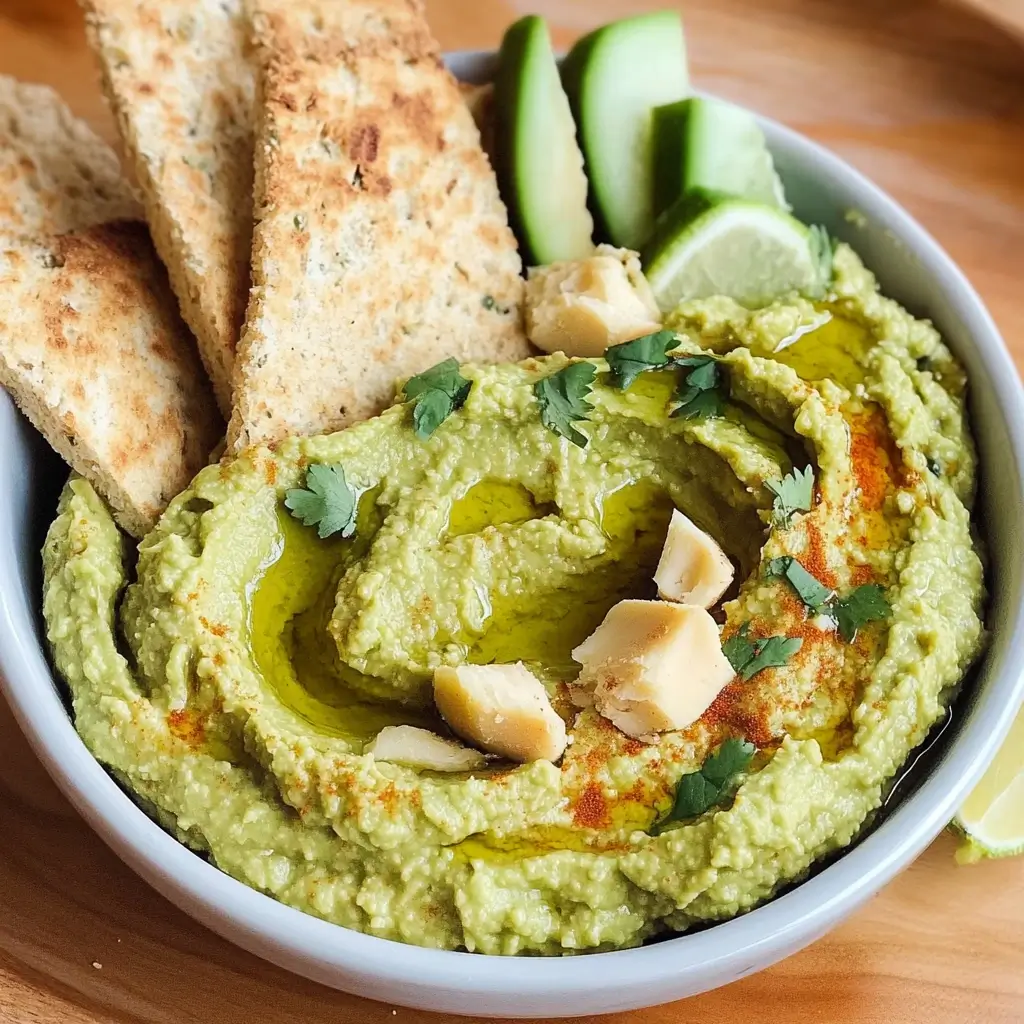
Let me tell you, this Avocado Hummus recipe has become an absolute revelation in our household! For years, we’ve been a “hummus family” and a “guacamole family,” often debating which dip deserved precious fridge space. Then, one sunny afternoon, inspiration struck: why not combine the best of both worlds? The result was this incredibly creamy, vibrant, and utterly delicious Avocado Hummus. The first time I made it, my kids, who can be notoriously picky, devoured it with carrot sticks and pita chips, asking for more before the bowl was even empty. My partner, a true hummus connoisseur, declared it a “game-changer.” It’s smoother than traditional hummus, thanks to the avocado, with a beautiful pale green hue and a subtle, fresh flavour that’s both familiar and excitingly new. It’s now our go-to for snacks, appetizers, and even a healthy spread for sandwiches. It’s easy to whip up, packed with goodness, and disappears almost as quickly as I can make it!
Why You’ll Fall in Love with This Avocado Hummus Recipe
This isn’t just another dip; it’s a culinary experience that seamlessly blends two beloved classics. Here’s why this Avocado Hummus will quickly become a favorite in your kitchen:
- Unbeatably Creamy Texture: The addition of ripe avocado lends an unparalleled creaminess that takes traditional hummus to a whole new level. It’s luxuriously smooth and almost velvety.
- Flavor Fusion Perfection: You get the nutty, earthy notes of classic hummus from the tahini and chickpeas, beautifully complemented by the rich, buttery flavor of avocado and a bright zing from fresh lemon or lime juice.
- Nutrient-Packed Powerhouse: Combining chickpeas (protein, fiber) with avocado (healthy fats, vitamins, minerals) makes this dip not only delicious but also incredibly nutritious. It’s a guilt-free indulgence you can feel good about.
- Incredibly Versatile: Serve it as a dip with veggies and pita, spread it on sandwiches and wraps, dollop it onto salads or grain bowls, or use it as a healthy topping for grilled chicken or fish. The possibilities are endless!
- Quick and Easy to Make: With just a few simple ingredients and a food processor, you can whip up this delightful dip in under 15 minutes. It’s perfect for last-minute snacks or easy entertaining.
- Visually Appealing: The beautiful, vibrant green color makes it an attractive addition to any platter or meal, sure to impress guests and family alike.
- Customizable: Easily adjust the flavors to your liking – add more garlic for a pungent kick, a pinch of cayenne for heat, or fresh herbs like cilantro for an extra layer of freshness.
Get ready to elevate your snacking game with a dip that’s as wholesome as it is delicious!
Ingredients for Perfect Avocado Hummus
Crafting the perfect Avocado Hummus starts with high-quality, fresh ingredients. Each component plays a crucial role in achieving that signature creamy texture and balanced flavor. Here’s what you’ll need:
- Chickpeas (Garbanzo Beans): 1 can (15 ounces / approx. 425g), rinsed and drained. Alternatively, you can use 1.5 cups of home-cooked chickpeas. These form the hearty, protein-rich base of our hummus. For an even smoother texture, some people like to take the time to peel the chickpeas, but it’s optional.
- Ripe Avocados: 2 medium-sized ripe avocados, pitted and flesh scooped out. The ripeness is key! They should yield gently to pressure, similar to a ripe peach. Hass avocados are generally preferred for their creamy texture and rich flavor.
- Tahini: 1/3 cup (approx. 80ml). This sesame seed paste is essential for authentic hummus flavor, adding a nutty depth and creaminess. Choose a good quality, runny tahini. Stir it well before measuring if the oil has separated.
- Fresh Lemon Juice: 1/4 cup (approx. 60ml), or the juice of 1-2 large lemons. Freshly squeezed is a must for the brightest flavor. Lime juice can also be used for a slightly different, equally delicious tang. This not only adds flavor but also helps prevent the avocado from browning too quickly.
- Garlic: 2-3 cloves, peeled and roughly chopped. Adjust to your preference. If you like a strong garlic kick, use three. For a milder flavor, start with one or two, or even use roasted garlic for a sweeter, more mellow taste.
- Extra Virgin Olive Oil: 2 tablespoons (approx. 30ml), plus extra for drizzling when serving. A good quality olive oil adds richness and helps create a smooth emulsion.
- Ground Cumin: 1 teaspoon. This warm, earthy spice is a classic hummus ingredient that complements both the chickpeas and avocado beautifully.
- Salt: 3/4 teaspoon, or to taste. Sea salt or kosher salt is recommended. Remember you can always add more, so start with a moderate amount.
- Ice Water: 3-6 tablespoons, or as needed. This is the secret weapon for ultra-creamy hummus! Adding ice-cold water while the food processor is running helps to aerate the mixture, making it lighter and fluffier.
- Optional: Fresh Cilantro: 1/4 cup, loosely packed (leaves and tender stems), for a fresh, herby note. This is especially good if you’re leaning towards a more guacamole-inspired flavor profile.
- Optional: Jalapeño or Serrano Pepper: 1/2 to 1 small pepper, seeds removed for less heat, finely chopped. For those who like a spicy kick.
Ensuring your avocados are perfectly ripe and your tahini is of good quality will make a significant difference in the final outcome of your Avocado Hummus.
Step-by-Step Instructions: Making Creamy Avocado Hummus
Follow these simple steps to create a batch of luscious, flavorful Avocado Hummus. A food processor is highly recommended for the smoothest results.
- Prepare the Base: In the bowl of your food processor, combine the tahini and fresh lemon juice. Process for about 1 minute, scraping down the sides of the bowl a couple of times. This step is called “whipping” the tahini, and it helps to create a creamier, smoother base for the hummus by emulsifying the lemon juice into the sesame paste. The mixture will lighten in color and thicken.
- Add Aromatics and Spices: Add the roughly chopped garlic cloves, ground cumin, and salt to the food processor with the tahini-lemon mixture. Process for another 30-60 seconds until the garlic is finely minced and well incorporated. Scrape down the sides again to ensure everything is combined.
- Introduce the Chickpeas: Add the rinsed and drained chickpeas to the food processor. Process for a good 2-3 minutes, scraping down the sides occasionally, until the chickpeas are mostly broken down and the mixture starts to become smooth. It might look a bit thick or pasty at this stage; that’s perfectly normal.
- Incorporate the Avocado: Add the scooped-out flesh of the ripe avocados to the food processor. Process again until the avocado is fully incorporated and the mixture is smooth and creamy. The color will transform into a beautiful pale green.
- Stream in Olive Oil and Ice Water: With the food processor running on low speed, slowly drizzle in the extra virgin olive oil. Once the oil is incorporated, begin adding the ice water, one tablespoon at a time, continuing to process until the hummus reaches your desired consistency. You may need anywhere from 3 to 6 tablespoons of water. The ice water makes the hummus exceptionally light and fluffy. Process for another 1-2 minutes after the last addition of water to ensure maximum creaminess.
- Add Optional Ingredients (if using): If you’re including fresh cilantro or jalapeño, add them now and pulse a few times until they are finely chopped and distributed throughout the hummus. Be careful not to over-process if you want to retain some texture from the herbs or pepper.
- Taste and Adjust: Stop the food processor and taste the hummus. This is your chance to perfect it! Does it need more salt? A bit more lemon juice for tartness? Perhaps another pinch of cumin or a dash more garlic? Adjust the seasonings according to your preference and pulse a few more times to combine.
- Serve or Store: Transfer the Avocado Hummus to a serving bowl. If serving immediately, you can create a swirl on top with the back of a spoon and drizzle with a little extra virgin olive oil. Garnish with a sprinkle of paprika, a few whole chickpeas, chopped fresh cilantro, or red pepper flakes, if desired. If not serving right away, transfer to an airtight container. (See tips on storage to minimize browning).
Enjoy your homemade, incredibly creamy, and delicious Avocado Hummus!
Nutrition Facts (Estimated)
This recipe yields approximately 3 cups of Avocado Hummus.
Servings: Approximately 12 servings
Serving Size: 1/4 cup (approx. 60g)
Calories per serving (estimated): 120-150 calories
- Detailed Breakdown (Approximate per 1/4 cup serving):
- Fat: 9-11g (primarily monounsaturated fats from avocado and olive oil, and polyunsaturated from tahini)
- Saturated Fat: 1-1.5g
- Carbohydrates: 8-10g
- Fiber: 3-4g
- Sugar: <1g
- Protein: 3-4g
- Sodium: 150-200mg (will vary based on salt added)
Key Nutrient Contributions:
- Healthy Fats: Avocados are rich in heart-healthy monounsaturated fats. Tahini and olive oil also contribute beneficial fats.
- Fiber: Chickpeas and avocados are excellent sources of dietary fiber, which aids digestion and promotes satiety.
- Protein: Chickpeas provide a good source of plant-based protein.
- Vitamins & Minerals: This dip offers Vitamin C (from lemon juice), Vitamin K, Folate, Potassium (from avocados), and Iron (from chickpeas and tahini).
Disclaimer: The nutritional information provided is an estimate and can vary based on the specific ingredients, brands, and quantities used. For precise nutritional data, it’s recommended to use a nutritional calculator with your exact ingredients.
This Avocado Hummus is a fantastic way to enjoy a delicious snack or appetizer while getting a healthy dose of beneficial nutrients.
Preparation Time
One of the beauties of this Avocado Hummus recipe is how quickly it comes together, making it ideal for busy weekdays or effortless entertaining.
- Preparation Time (Chopping, Measuring): 5-7 minutes
- This includes rinsing and draining chickpeas, chopping garlic, juicing the lemon, and scooping out the avocado.
- Processing Time (Blending): 5-8 minutes
- This accounts for the various stages of blending in the food processor to achieve that ultra-creamy texture.
- Total Time: 10-15 minutes
From start to finish, you can have a bowl of fresh, vibrant Avocado Hummus ready in about 15 minutes or less, especially if you’re familiar with your food processor and have your ingredients prepped. It’s a small investment of time for a hugely rewarding and delicious outcome!
How to Serve Your Delicious Avocado Hummus
Avocado Hummus is wonderfully versatile and can be enjoyed in numerous ways. Its creamy texture and refreshing taste make it a perfect accompaniment to a wide array of foods. Here are some serving suggestions:
- Classic Dip Platter:
- Vegetables:
- Carrot sticks
- Celery sticks
- Cucumber slices or spears
- Bell pepper strips (red, yellow, orange, green)
- Broccoli florets
- Cauliflower florets
- Cherry tomatoes
- Radish slices
- Snap peas or snow peas
- Breads & Crackers:
- Warm pita bread, cut into wedges
- Toasted naan bread
- Whole-wheat crackers
- Rice crackers
- Seed crackers
- Baguette slices, plain or toasted
- Pretzel crisps or rods
- Chips:
- Pita chips (store-bought or homemade)
- Tortilla chips
- Vegetables:
- As a Spread:
- Sandwiches: A fantastic, healthy alternative to mayonnaise or other spreads in vegetarian or meat-based sandwiches.
- Wraps: Perfect for adding moisture and flavor to veggie wraps, chicken wraps, or falafel wraps.
- Toast: Spread on whole-grain toast for a quick and nutritious breakfast or snack. Top with a sprinkle of everything bagel seasoning or red pepper flakes.
- Burgers & Sliders: Use as a creamy condiment on veggie burgers, turkey burgers, or beef burgers.
- As a Dollop or Topping:
- Salads: Add a generous dollop to green salads or grain bowls for extra creaminess and flavor.
- Grain Bowls: A perfect component in quinoa bowls, rice bowls, or farro bowls, adding protein and healthy fats.
- Grilled Meats & Fish: Serve alongside grilled chicken, fish (like salmon or cod), or shrimp as a healthy, flavorful sauce.
- Baked Potatoes/Sweet Potatoes: A delicious and nutritious topping for baked potatoes or sweet potatoes.
- Falafel: An essential accompaniment to falafel, either inside a pita or on a platter.
- Deviled Eggs: Mix a little into your deviled egg filling for a creamy, green twist.
- Garnishes for Presentation:
- A drizzle of good quality extra virgin olive oil.
- A sprinkle of smoked paprika or sweet paprika for color.
- A pinch of sumac for a tangy, lemony note.
- A few whole chickpeas reserved from the can.
- Freshly chopped cilantro or parsley.
- A sprinkle of red pepper flakes for a touch of heat.
- Toasted sesame seeds or nigella seeds.
- A thin slice of lemon or lime.
No matter how you choose to serve it, this Avocado Hummus is sure to be a crowd-pleaser!
Additional Tips for the Best Avocado Hummus Every Time
To ensure your Avocado Hummus is consistently spectacular, here are five pro tips:
- The Ice Water Trick is Key for Creaminess: Don’t underestimate the power of adding a few tablespoons of ice-cold water while the food processor is running. This simple step helps to emulsify the mixture, making it significantly lighter, fluffier, and creamier than using room temperature water or no water at all. Add it gradually until you reach your desired dreamy consistency.
- Prioritize Ripe Avocados and Quality Tahini: The quality of your main ingredients shines through. Use perfectly ripe avocados that yield gently to pressure – they should be creamy, not stringy or hard. Underripe avocados will result in a less creamy hummus with a grassy taste, while overripe ones can be mushy and have brown spots. Similarly, good quality tahini should be smooth, runny, and have a pleasant, nutty flavor, not overly bitter. Stir it well before use if oil separation has occurred.
- Don’t Be Shy with Lemon/Lime Juice (Especially for Preservation): The acidity from fresh lemon or lime juice does more than just brighten the flavor; it’s crucial for helping to slow down the oxidation process that turns avocado brown. Be generous with it, tasting as you go. If you plan to store the hummus, a good amount of citrus is your friend. You can also press plastic wrap directly onto the surface of the hummus before sealing the container to minimize air exposure.
- Process in Stages for Smoothest Results: For the ultimate creamy texture, don’t just dump everything into the food processor at once. Start by whipping the tahini and lemon juice, then add garlic and spices, followed by chickpeas, and finally the avocado. Processing the chickpeas thoroughly before adding the avocado ensures they break down completely without over-processing the delicate avocado.
- Taste and Adjust Seasonings Fearlessly: Recipes are guidelines, but your palate is the ultimate judge. After the initial blending, always taste your avocado hummus. Does it need more salt to enhance the flavors? A bit more cumin for earthiness? Extra lemon/lime for tang? A pinch of cayenne for heat? Don’t hesitate to tweak the seasonings until it tastes absolutely perfect to you. A well-seasoned hummus is a memorable hummus.
By keeping these tips in mind, you’ll consistently create Avocado Hummus that’s exceptionally creamy, flavorful, and fresh.
Avocado Hummus FAQ: Your Questions Answered
Here are answers to some frequently asked questions about making and enjoying Avocado Hummus:
- Q: How long does Avocado Hummus last in the fridge?
- A: Due to the avocado, this hummus is best enjoyed fresh, ideally within 1-2 days. While the lemon/lime juice helps slow down browning, the avocado will eventually start to oxidize. To maximize freshness, store it in an airtight container with plastic wrap pressed directly onto the surface of the hummus to minimize air contact. If it does brown slightly on top, you can often scrape off the discolored layer, and the hummus underneath should still be fine.
- Q: Can I freeze Avocado Hummus?
- A: It’s generally not recommended to freeze Avocado Hummus. Avocado tends to change texture and can become watery or mushy upon thawing, which can negatively impact the overall consistency and taste of the hummus. It’s best made fresh and consumed within a couple of days.
- Q: Can I make Avocado Hummus without tahini?
- A: Yes, you can, though tahini provides the classic, authentic hummus flavor and creaminess. If you omit it, the result will be more like a creamy avocado-chickpea dip. You might want to add a little extra olive oil or a spoonful of unsweetened nut butter (like cashew butter, very mildly flavored) to compensate for some of the richness and creaminess, or simply enjoy its unique flavor. The texture might also be slightly less smooth.
- Q: My Avocado Hummus turned brown. Is it still safe to eat, and how can I prevent this?
- A: Slight browning due to oxidation of the avocado is usually harmless and doesn’t mean the hummus is spoiled, especially if it’s only been a day or two. It might just be less visually appealing. To prevent browning:
- Use plenty of fresh lemon or lime juice in the recipe.
- When storing, press plastic wrap directly onto the surface of the hummus before sealing the container. This minimizes air exposure.
- Some people add a thin layer of olive oil on top before storing.
- Consume it quickly, ideally within 24-48 hours.
- A: Slight browning due to oxidation of the avocado is usually harmless and doesn’t mean the hummus is spoiled, especially if it’s only been a day or two. It might just be less visually appealing. To prevent browning:
- Q: How do I pick the perfect avocados for this recipe?
- A: Look for avocados that yield to gentle pressure when squeezed in the palm of your hand (don’t poke with your thumb, as this bruises the fruit). They should feel slightly soft but not mushy. The color can vary by variety (Hass avocados turn dark green to purplish-black when ripe), so feel is more reliable. If you buy hard avocados, you can ripen them at room temperature for a few days (placing them in a paper bag with an apple or banana can speed this up). Avoid avocados with very soft, mushy spots or loose skin, as they are likely overripe.
These answers should help you navigate the delicious world of homemade Avocado Hummus with confidence!
Print
Avocado Hummus Recipe
Ingredients
- Chickpeas (Garbanzo Beans): 1 can (15 ounces / approx. 425g), rinsed and drained. Alternatively, you can use 1.5 cups of home-cooked chickpeas. These form the hearty, protein-rich base of our hummus. For an even smoother texture, some people like to take the time to peel the chickpeas, but it’s optional.
- Ripe Avocados: 2 medium-sized ripe avocados, pitted and flesh scooped out. The ripeness is key! They should yield gently to pressure, similar to a ripe peach. Hass avocados are generally preferred for their creamy texture and rich flavor.
- Tahini: 1/3 cup (approx. 80ml). This sesame seed paste is essential for authentic hummus flavor, adding a nutty depth and creaminess. Choose a good quality, runny tahini. Stir it well before measuring if the oil has separated.
- Fresh Lemon Juice: 1/4 cup (approx. 60ml), or the juice of 1-2 large lemons. Freshly squeezed is a must for the brightest flavor. Lime juice can also be used for a slightly different, equally delicious tang. This not only adds flavor but also helps prevent the avocado from browning too quickly.
- Garlic: 2-3 cloves, peeled and roughly chopped. Adjust to your preference. If you like a strong garlic kick, use three. For a milder flavor, start with one or two, or even use roasted garlic for a sweeter, more mellow taste.
- Extra Virgin Olive Oil: 2 tablespoons (approx. 30ml), plus extra for drizzling when serving. A good quality olive oil adds richness and helps create a smooth emulsion.
- Ground Cumin: 1 teaspoon. This warm, earthy spice is a classic hummus ingredient that complements both the chickpeas and avocado beautifully.
- Salt: 3/4 teaspoon, or to taste. Sea salt or kosher salt is recommended. Remember you can always add more, so start with a moderate amount.
- Ice Water: 3-6 tablespoons, or as needed. This is the secret weapon for ultra-creamy hummus! Adding ice-cold water while the food processor is running helps to aerate the mixture, making it lighter and fluffier.
- Optional: Fresh Cilantro: 1/4 cup, loosely packed (leaves and tender stems), for a fresh, herby note. This is especially good if you’re leaning towards a more guacamole-inspired flavor profile.
- Optional: Jalapeño or Serrano Pepper: 1/2 to 1 small pepper, seeds removed for less heat, finely chopped. For those who like a spicy kick.
Instructions
- Prepare the Base: In the bowl of your food processor, combine the tahini and fresh lemon juice. Process for about 1 minute, scraping down the sides of the bowl a couple of times. This step is called “whipping” the tahini, and it helps to create a creamier, smoother base for the hummus by emulsifying the lemon juice into the sesame paste. The mixture will lighten in color and thicken.
- Add Aromatics and Spices: Add the roughly chopped garlic cloves, ground cumin, and salt to the food processor with the tahini-lemon mixture. Process for another 30-60 seconds until the garlic is finely minced and well incorporated. Scrape down the sides again to ensure everything is combined.
- Introduce the Chickpeas: Add the rinsed and drained chickpeas to the food processor. Process for a good 2-3 minutes, scraping down the sides occasionally, until the chickpeas are mostly broken down and the mixture starts to become smooth. It might look a bit thick or pasty at this stage; that’s perfectly normal.
- Incorporate the Avocado: Add the scooped-out flesh of the ripe avocados to the food processor. Process again until the avocado is fully incorporated and the mixture is smooth and creamy. The color will transform into a beautiful pale green.
- Stream in Olive Oil and Ice Water: With the food processor running on low speed, slowly drizzle in the extra virgin olive oil. Once the oil is incorporated, begin adding the ice water, one tablespoon at a time, continuing to process until the hummus reaches your desired consistency. You may need anywhere from 3 to 6 tablespoons of water. The ice water makes the hummus exceptionally light and fluffy. Process for another 1-2 minutes after the last addition of water to ensure maximum creaminess.
- Add Optional Ingredients (if using): If you’re including fresh cilantro or jalapeño, add them now and pulse a few times until they are finely chopped and distributed throughout the hummus. Be careful not to over-process if you want to retain some texture from the herbs or pepper.
- Taste and Adjust: Stop the food processor and taste the hummus. This is your chance to perfect it! Does it need more salt? A bit more lemon juice for tartness? Perhaps another pinch of cumin or a dash more garlic? Adjust the seasonings according to your preference and pulse a few more times to combine.
- Serve or Store: Transfer the Avocado Hummus to a serving bowl. If serving immediately, you can create a swirl on top with the back of a spoon and drizzle with a little extra virgin olive oil. Garnish with a sprinkle of paprika, a few whole chickpeas, chopped fresh cilantro, or red pepper flakes, if desired. If not serving right away, transfer to an airtight container. (See tips on storage to minimize browning).
Nutrition
- Serving Size: One Normal Portion
- Calories: 120-150
- Sugar: <1g
- Sodium: 150-200mg
- Fat: 9-11g
- Saturated Fat: 1-1.5g
- Carbohydrates: 8-10g
- Fiber: 3-4g
- Protein: 3-4g