

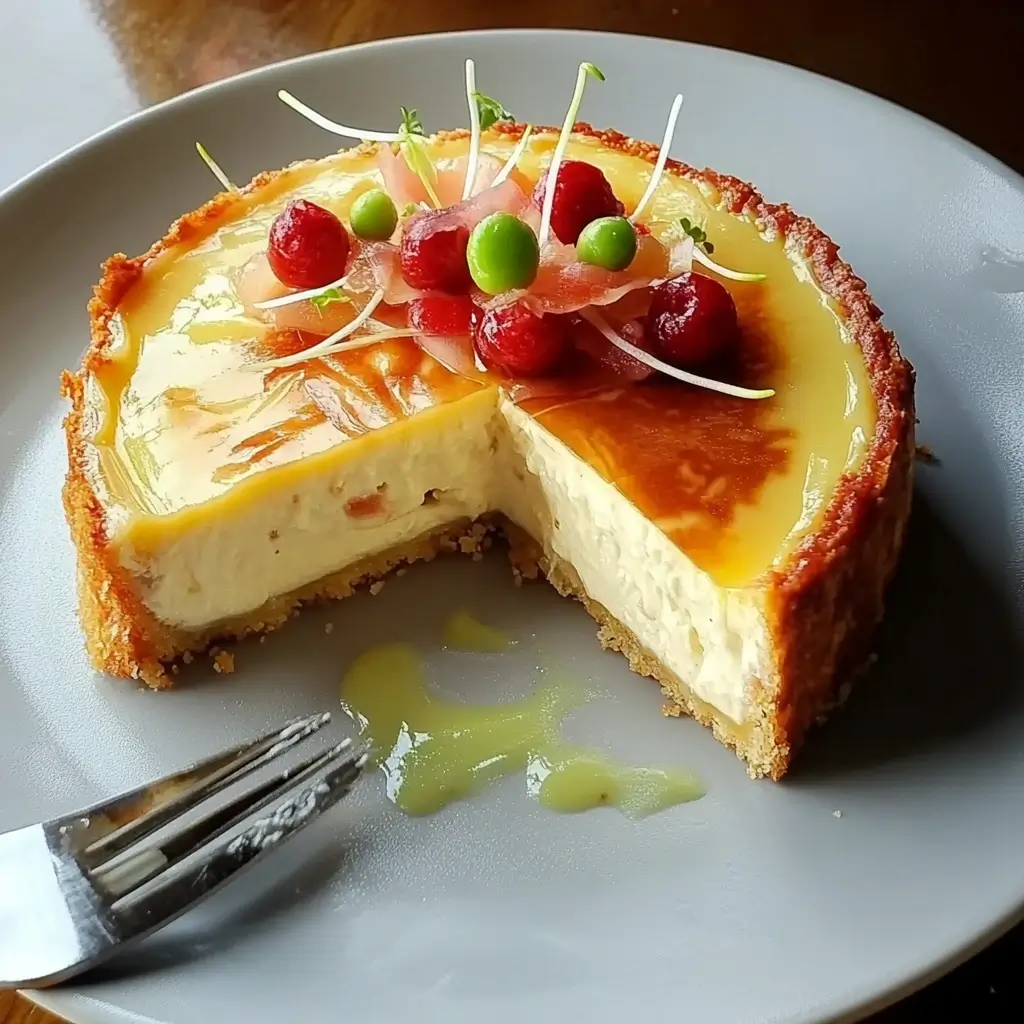
Our family is always on the lookout for that perfect appetizer – something that’s both impressive and incredibly delicious, yet not too fussy to make, especially when we’re hosting gatherings. This Baby Swiss Appetizer Cheesecake recipe has become an absolute star in our repertoire. From the very first bite, we were hooked! The creamy, savory cheesecake with the subtle tang of sun-dried tomatoes and the gentle bite of green onions, all resting on a buttery Ritz cracker crust, is simply divine. It’s a delightful departure from the usual sweet cheesecakes, and it’s always a conversation starter. Every time I’ve made this, it vanishes quickly, with guests raving about the unique flavors and asking for the recipe. Even my picky eaters who usually shy away from anything “cheesy” have been won over by this savory creation. Trust me, if you’re looking for a crowd-pleasing appetizer that you can make ahead and truly impress, this Baby Swiss Appetizer Cheesecake is it. It’s not just a recipe; it’s a guaranteed hit!
Ingredients
Let’s delve into the heart of this delectable appetizer – the ingredients. Each component plays a crucial role in creating the symphony of flavors and textures that make this Baby Swiss Appetizer Cheesecake so irresistible. Understanding each ingredient and its purpose will not only help you appreciate the recipe more but also empower you to make informed substitutions if needed, although we highly recommend sticking to the original list for the best results.
- 1-1/2 cups crushed Ritz crackers (about 36 crackers): The foundation of our appetizer, Ritz crackers provide a wonderfully buttery and slightly salty base that perfectly complements the creamy filling. Their delicate sweetness also offers a subtle counterpoint to the savory elements of the cheesecake. When crushed, Ritz crackers create a fine crumb that binds beautifully with melted butter to form a sturdy yet tender crust. Don’t underestimate the importance of using Ritz – their unique flavor profile is integral to the overall taste experience.
- Why Ritz Crackers? Ritz crackers are specifically chosen for their buttery flavor and fine texture. Other crackers might be too bland or too coarse, resulting in a less desirable crust. The slight saltiness in Ritz also enhances the savory notes of the filling.
- Crushing Techniques: You can crush Ritz crackers in several ways. The easiest method is to place them in a zip-top bag and use a rolling pin or the bottom of a heavy pan to crush them into fine crumbs. Alternatively, you can use a food processor for a quicker and more uniform crumb. Be careful not to over-process them into a powder. You want a crumbly texture, not a flour-like consistency.
- Storage Tip: If you crush the crackers ahead of time, store them in an airtight container to maintain their freshness and prevent them from absorbing moisture.
- 3 tablespoons butter, melted: Melted butter is the binding agent for our Ritz cracker crust. It not only holds the crumbs together but also adds richness and enhances the buttery flavor of the crust. Unsalted butter is recommended to control the overall saltiness of the appetizer, especially since Ritz crackers themselves contain salt.
- Butter Type: Unsalted butter is preferred in baking and savory dishes to give you control over the salt content. If you only have salted butter on hand, you can use it, but you might want to slightly reduce the amount of salt in other parts of the recipe, although in this recipe, the saltiness of Ritz and Swiss cheese is balanced.
- Melting Butter: Melt the butter gently either in a saucepan over low heat or in the microwave in short intervals, stirring in between, to prevent splattering and burning. Allow the melted butter to cool slightly before mixing it with the cracker crumbs to avoid softening the butter too much and making the crust greasy.
- 3 packages (8 ounces each) cream cheese, softened: Cream cheese is the star of our cheesecake filling, providing the signature creamy texture and tangy flavor. It’s essential that the cream cheese is softened to room temperature for smooth blending and to avoid lumps in the final mixture. Full-fat cream cheese is recommended for the richest flavor and creamiest texture, but you can use reduced-fat if you prefer, although it might slightly alter the texture and richness.
- Softening Cream Cheese: The best way to soften cream cheese is to leave it at room temperature for about 30-60 minutes, depending on the temperature of your kitchen. You can also speed up the process by cutting the cream cheese into smaller cubes. Avoid microwaving cream cheese to soften it, as it can easily overheat and become watery or grainy.
- Cream Cheese Type: Full-fat cream cheese will provide the best flavor and texture for this appetizer cheesecake. Reduced-fat cream cheese can be used as a lighter alternative, but it might result in a slightly less rich and creamy texture. Avoid using fat-free cream cheese, as it often lacks the desired flavor and texture for baking.
- 1/4 cup heavy whipping cream: Heavy whipping cream adds extra richness and creaminess to the cheesecake filling. It also helps to lighten the texture slightly, preventing the cheesecake from becoming too dense. The fat content in heavy cream contributes to the overall smooth and luxurious mouthfeel of the appetizer.
- Cream Options: Heavy whipping cream is ideal for its high fat content, which creates a stable and creamy texture. You can substitute with heavy cream or double cream if heavy whipping cream is not available. Avoid using half-and-half or milk, as they have a lower fat content and will not provide the same richness or texture.
- 1 tablespoon oil from sun-dried tomatoes: This seemingly small ingredient is a flavor powerhouse! The oil from oil-packed sun-dried tomatoes is infused with the intense, concentrated flavor of the tomatoes and adds a wonderful savory depth to the cheesecake filling. It also contributes to the moistness of the cheesecake and complements the sun-dried tomatoes themselves.
- Oil Selection: Always use the oil from oil-packed sun-dried tomatoes rather than plain vegetable oil or olive oil. This oil is specifically flavored by the tomatoes and is crucial for achieving the intended flavor profile. If your sun-dried tomatoes are not packed in oil, you can reconstitute dry-packed sun-dried tomatoes in olive oil, but the flavor will not be quite as intense.
- Flavor Intensity: The oil from sun-dried tomatoes is quite potent, so a little goes a long way. One tablespoon is usually sufficient to impart a noticeable flavor without overpowering the other ingredients. Adjust to taste if you prefer a stronger sun-dried tomato flavor.
- 3 large eggs, room temperature, lightly beaten: Eggs are essential for binding the cheesecake filling together and providing structure. Room temperature eggs incorporate more easily into the cream cheese mixture, resulting in a smoother batter. Lightly beating the eggs before adding them ensures they are evenly distributed throughout the filling.
- Egg Temperature: Room temperature eggs are crucial for baking. They emulsify better with fats and create a smoother batter compared to cold eggs. To quickly bring eggs to room temperature, you can place them in a bowl of warm water for about 5-10 minutes.
- Beating Technique: Lightly beat the eggs with a fork or whisk just until the yolks and whites are combined. Over-beating eggs can incorporate too much air, which can cause the cheesecake to rise too much during baking and then crack as it cools.
- 6 ounces baby Swiss cheese, shredded: Baby Swiss cheese brings a mild, nutty, and slightly sweet flavor to the cheesecake, perfectly complementing the tang of cream cheese and the intensity of sun-dried tomatoes. Its gentle flavor doesn’t overpower the other ingredients, making it an excellent choice for a savory appetizer. Shredding the cheese ensures it melts evenly into the filling.
- Cheese Variety: Baby Swiss cheese is specifically called for in this recipe due to its mild and slightly sweet flavor. Regular Swiss cheese can be substituted, but its flavor might be a bit stronger. Avoid using sharp cheeses like cheddar, as they will alter the flavor profile significantly.
- Shredding Cheese: Freshly shredded cheese melts more smoothly than pre-shredded cheese, which is often coated with cellulose to prevent clumping. Shred the baby Swiss cheese just before adding it to the filling for best results. You can use a box grater or a food processor with a shredding attachment.
- 1/2 cup oil-packed sun-dried tomatoes, patted dry and thinly sliced: Sun-dried tomatoes provide a concentrated burst of sweet and tangy tomato flavor. Oil-packed sun-dried tomatoes are preferred as they are softer and more flavorful than dry-packed ones. Patting them dry removes excess oil, preventing the cheesecake from becoming greasy. Thinly slicing them ensures they are evenly distributed throughout the filling and provide a pleasant texture in each bite.
- Tomato Preparation: It’s crucial to pat the sun-dried tomatoes dry with paper towels to remove excess oil. This prevents the cheesecake from becoming oily and ensures the tomato flavor is concentrated. Thinly slicing them allows them to disperse evenly and integrate seamlessly into the cheesecake filling.
- Flavor Profile: Sun-dried tomatoes offer a unique combination of sweetness, acidity, and umami. Their intense flavor is a key component of this appetizer cheesecake, providing a counterpoint to the richness of the cream cheese and Swiss cheese.
- 4 green onions, chopped: Green onions add a fresh, mild onion flavor and a touch of vibrancy to the cheesecake. They provide a subtle sharpness that cuts through the richness of the other ingredients and adds a pleasant textural element. Chopping them finely ensures they are evenly distributed and don’t overpower the other flavors.
- Onion Alternatives: If you don’t have green onions, you can substitute with chives or finely chopped shallots. Avoid using yellow or white onions, as their flavor is too strong and will dominate the appetizer.
- Chopping Technique: Use a sharp knife to finely chop the green onions, including both the white and green parts. The white parts have a slightly stronger onion flavor, while the green parts are milder and more delicate.
- Crackers (for serving): While the cheesecake itself is divine, serving it with crackers is essential for the “appetizer” aspect. Crackers provide a neutral base for scooping up the creamy cheesecake and add a satisfying crunch. Ritz crackers are an excellent choice for serving, echoing the crust and enhancing the overall buttery flavor profile. However, you can also offer a variety of crackers to suit different preferences.
- Cracker Variety: While Ritz crackers are a classic choice, you can also serve this cheesecake with other types of crackers, such as water crackers, multi-grain crackers, or even baguette slices. Consider offering a variety to cater to different tastes and dietary preferences.
- Serving Suggestions: Arrange the crackers attractively around the cheesecake on a platter. You can also place a small bowl of crackers alongside the cheesecake for easy access.
Instructions
Now that we’ve explored each ingredient, let’s move on to the step-by-step instructions for creating this magnificent Baby Swiss Appetizer Cheesecake. Following these directions carefully will ensure success and result in a perfectly textured and flavorful appetizer that will impress your guests.
- Preheat oven to 375°. In a small bowl, mix cracker crumbs and butter. Press onto bottom of a greased 9-in. springform pan. Place pan on a baking sheet. Bake until golden brown, about 10 minutes. Cool on a wire rack. Reduce oven setting to 325°.
- Preheating and Oven Temperature: Preheating the oven to 375°F (190°C) is crucial for ensuring the crust bakes properly and becomes golden brown. Using a baking sheet under the springform pan is recommended to catch any potential butter leaks and prevent burning on the oven floor. After baking the crust, reduce the oven temperature to 325°F (160°C) for baking the cheesecake filling. This lower temperature prevents the cheesecake from cracking and ensures even cooking.
- Crust Preparation: Thoroughly mix the crushed Ritz cracker crumbs with the melted butter until evenly moistened. Press the mixture firmly and evenly onto the bottom of a greased 9-inch springform pan. A springform pan is essential for easy removal of the cheesecake after baking and chilling. Greasing the pan prevents the crust from sticking and ensures clean release.
- Baking the Crust: Baking the crust separately before adding the filling is called “pre-baking” or “blind baking.” This step ensures the crust is fully cooked and crispy, preventing it from becoming soggy from the moisture in the cheesecake filling. Bake for about 10 minutes, or until the edges are golden brown. The center might still be slightly pale, which is fine.
- Cooling the Crust: Allow the pre-baked crust to cool completely on a wire rack before adding the cheesecake filling. Cooling prevents the filling from melting the butter in the crust and keeps the crust crisp.
- In a large bowl, beat cream cheese until smooth. Beat in cream and oil. Add eggs; beat on low speed just until blended. Fold in cheese, tomatoes and green onions. Pour over crust. Return pan to baking sheet.
- Cream Cheese Preparation: Start by beating the softened cream cheese in a large bowl using an electric mixer (stand mixer or hand mixer) until it is completely smooth and creamy. This step is crucial for achieving a lump-free cheesecake filling. Scrape down the sides of the bowl as needed to ensure all the cream cheese is evenly beaten.
- Adding Cream and Oil: Gradually beat in the heavy whipping cream and sun-dried tomato oil until well combined and the mixture is smooth and light. The cream adds richness and the oil contributes flavor and moisture.
- Incorporating Eggs: Add the lightly beaten room temperature eggs one at a time, beating on low speed just until each egg is incorporated and the batter is blended. It’s important not to over-beat the batter at this stage, as over-mixing can incorporate too much air and lead to cracks in the cheesecake. Mix just until the eggs are blended and the batter is smooth.
- Folding in Remaining Ingredients: Gently fold in the shredded baby Swiss cheese, thinly sliced sun-dried tomatoes, and chopped green onions using a spatula or rubber scraper. Folding ensures that these ingredients are evenly distributed throughout the filling without deflating the batter. Be careful not to stir or mix vigorously, as this can toughen the cheesecake.
- Pouring over Crust and Baking Sheet: Pour the prepared cheesecake filling evenly over the cooled pre-baked crust in the springform pan. Return the springform pan to the baking sheet to catch any potential drips during baking.
- Bake until center is almost set, 35-40 minutes. Cool on a wire rack 10 minutes. Loosen sides from pan with a knife. Cool 1 hour longer. Refrigerate overnight, covering when completely cooled.
- Baking Time and Doneness: Bake the cheesecake in the preheated 325°F (160°C) oven for 35-40 minutes, or until the center is almost set. The edges of the cheesecake should be set, and the center should still have a slight wobble when gently shaken. It’s better to slightly underbake the cheesecake than overbake it, as it will continue to set as it cools. Overbaking can result in a dry and cracked cheesecake.
- Cooling Process (Initial Cooling): Remove the cheesecake from the oven and let it cool on a wire rack for 10 minutes. This initial cooling period allows the cheesecake to start setting and prevents it from cracking due to sudden temperature changes.
- Loosening Sides and Further Cooling: After 10 minutes of cooling, carefully run a thin knife or offset spatula around the inside edge of the springform pan to loosen the cheesecake from the sides. This step helps prevent cracks from forming as the cheesecake cools and contracts. Continue to cool the cheesecake on the wire rack for another hour at room temperature.
- Refrigeration and Overnight Chill: Allow the cheesecake to cool completely to room temperature before covering it loosely with plastic wrap or foil and refrigerating it overnight, or for at least 6 hours. Refrigeration is essential for the cheesecake to fully set and develop its flavor and texture. Chilling overnight allows the flavors to meld together beautifully, resulting in a more delicious appetizer. Always cover the cheesecake after it has completely cooled to prevent condensation from forming on the surface.
- Remove rim from pan. Serve cheesecake with crackers.
- Removing from Springform Pan: Once the cheesecake is thoroughly chilled, carefully remove the rim of the springform pan. Run a thin knife or offset spatula around the base of the cheesecake to loosen it from the pan bottom if needed.
- Serving Presentation: Transfer the Baby Swiss Appetizer Cheesecake to a serving platter. Arrange crackers around the cheesecake for serving. You can also garnish the cheesecake with extra chopped green onions or a sprig of fresh thyme or rosemary for visual appeal. Serve chilled directly from the refrigerator.
Nutrition Facts
This Baby Swiss Appetizer Cheesecake is not only delicious but also offers a satisfying bite. Here’s an approximate nutritional breakdown per serving (based on 24 servings, and these are estimates as brands and ingredient variations can affect actual values):
- Servings: 24
- Calories per serving: Approximately 220-250 calories (This can vary based on specific ingredients used, particularly the fat content of cream cheese and heavy cream)
- Breakdown (Approximate per serving):
- Fat: 18-20g (primarily from cream cheese, butter, and heavy cream)
- Saturated Fat: 11-13g (primarily from cream cheese and butter)
- Cholesterol: 70-80mg
- Sodium: 250-300mg (primarily from Ritz crackers and cream cheese)
- Carbohydrates: 8-10g (primarily from Ritz crackers and some from sun-dried tomatoes)
- Protein: 5-7g (primarily from cream cheese and Swiss cheese)
- Fiber: <1g
- Sugar: 2-3g (naturally occurring in ingredients)
- Important Note: These are estimations and should be considered as guidelines. For precise nutritional information, you can use online nutritional calculators and input the specific brands and quantities of ingredients you use. Remember that this is an appetizer, intended to be enjoyed in moderation as part of a larger meal or spread.
- Breakdown (Approximate per serving):
Preparation Time
Planning is key when making this appetizer, as it requires some chilling time. Here’s a breakdown of the time commitment:
- Prep Time: 35 minutes (This includes crushing crackers, preparing the crust, mixing the filling, and assembling the cheesecake)
- Cook Time: 35-40 minutes (Baking the crust and then baking the cheesecake filling)
- Cooling Time: 1 hour 10 minutes (Initial cooling on wire rack and further cooling at room temperature)
- Refrigeration Time: Overnight (Minimum 6 hours, ideally overnight for best texture and flavor development)
- Total Time (excluding refrigeration): Approximately 2 hours
- Make-Ahead Advantage: The beauty of this Baby Swiss Appetizer Cheesecake is that it can be made completely ahead of time. In fact, it’s best made a day in advance to allow for proper chilling and flavor melding. This makes it perfect for parties and gatherings, as you can get the preparation done well ahead of time and simply serve it when needed.
How to Serve
Serving this appetizer is just as important as making it! Presentation and accompaniments can elevate the experience. Here are some ideas on how to serve your Baby Swiss Appetizer Cheesecake:
- Classic Cracker Platter:
- Arrange the chilled cheesecake on a beautiful platter or cake stand.
- Surround it with a generous assortment of crackers. Ritz crackers are a natural choice, but also include:
- Water crackers (for a neutral crispness)
- Multi-grain crackers (for a nutty flavor and texture)
- Sesame crackers (for a slightly different savory note)
- Vegetable crackers (for color and variety)
- Elegant Appetizer Display:
- Use a slate or wooden board as your serving surface.
- Place the cheesecake in the center.
- Arrange crackers artfully around the cheesecake in a fanned or layered manner.
- Garnish the platter with:
- Fresh sprigs of thyme or rosemary
- A scattering of chopped green onions
- A few sun-dried tomato halves for visual cues
- Individual Servings (for a more formal event):
- For a sophisticated presentation, you can make mini appetizer cheesecakes using muffin tins or mini springform pans.
- Bake them for a shorter time (adjust baking time accordingly, start checking at 20 minutes).
- Serve each mini cheesecake on a small plate or appetizer spoon with a cracker or crostini.
- Accompaniments and Garnishes:
- Fresh Herbs: Sprinkle chopped fresh chives, parsley, or dill over the cheesecake before serving for added freshness and color.
- Balsamic Glaze: A drizzle of balsamic glaze can add a touch of sweetness and acidity that complements the savory flavors.
- Roasted Red Pepper Strips: Thin strips of roasted red bell pepper can provide a colorful and slightly sweet contrast.
- Olives: A bowl of mixed olives served alongside can enhance the savory appetizer experience.
- Serving Temperature:
- Always serve the Baby Swiss Appetizer Cheesecake chilled directly from the refrigerator. This ensures the best texture and flavor. It’s not recommended to leave it at room temperature for extended periods, especially in warm weather.
Additional Tips for Success
To ensure your Baby Swiss Appetizer Cheesecake is a resounding success, here are five essential tips:
- Room Temperature Ingredients are Key: Ensure your cream cheese and eggs are at room temperature before you begin. This is crucial for creating a smooth, lump-free batter. Room temperature ingredients blend together much more easily and evenly than cold ingredients, resulting in a better texture for your cheesecake. Cold cream cheese will be difficult to beat smooth, and cold eggs can cause the cream cheese mixture to seize up.
- Don’t Overbake: Overbaking is the enemy of a creamy cheesecake. Bake just until the edges are set and the center is almost set – it should still have a slight jiggle. The cheesecake will continue to set as it cools. Overbaked cheesecake can be dry, crumbly, and prone to cracking. It’s better to err on the side of slightly underbaked.
- Cool Slowly and Gradually: Rapid cooling can also lead to cracks. Let the cheesecake cool in the oven with the door slightly ajar for a short period, then move it to a wire rack to cool to room temperature before refrigerating. This gradual cooling process helps prevent thermal shock and reduces the chances of cracking.
- Use a Water Bath (Optional, but Recommended for Extra Creaminess): For an even creamier and more crack-resistant cheesecake, consider using a water bath. Wrap the springform pan tightly in heavy-duty foil, place it in a larger roasting pan, and pour hot water into the roasting pan until it comes halfway up the sides of the springform pan. Bake as directed. The steam from the water bath creates a more humid oven environment, which helps the cheesecake bake more gently and evenly.
- Make it Ahead and Embrace the Chill Time: This appetizer is truly at its best when made a day in advance. The overnight refrigeration allows the flavors to meld and deepen, and the texture to become perfectly firm and creamy. Embrace the make-ahead nature of this recipe – it reduces stress on the day of your event and ensures a more flavorful and perfectly textured cheesecake.
FAQ Section (Ingredients)
Here are five frequently asked questions specifically focused on the ingredients of the Baby Swiss Appetizer Cheesecake:
Q1: Can I substitute regular Swiss cheese for Baby Swiss?
A: Yes, you can substitute regular Swiss cheese, but be aware that the flavor will be slightly stronger and less mild than Baby Swiss. Baby Swiss is specifically chosen for its gentle, nutty, and slightly sweet flavor that complements the other ingredients without overpowering them. Regular Swiss can be a bit more assertive. If you use regular Swiss, you might want to taste the filling before baking and adjust the other flavors slightly if needed.
Q2: I don’t like sun-dried tomatoes. Is there another ingredient I can use instead?
A: Sun-dried tomatoes are a key flavor component in this recipe, providing a unique sweet and tangy depth. However, if you truly dislike them, you could try a few alternatives, although the flavor profile will change:
*   **Roasted Red Peppers:** Roasted red peppers (jarred, drained and finely chopped) can offer a similar sweetness and slight tang, though they lack the intense umami of sun-dried tomatoes.
*   **Caramelized Onions:** Finely diced and caramelized onions can add a savory sweetness and depth of flavor.
*   **Artichoke Hearts:** Marinated artichoke hearts (drained and chopped) can provide a briny, slightly tangy flavor.
Keep in mind that these substitutions will alter the overall taste of the appetizer, moving it away from the intended sun-dried tomato and Baby Swiss flavor combination.
Q3: Can I use low-fat cream cheese to make this healthier?
A: Yes, you can use reduced-fat cream cheese. It will lower the fat and calorie content somewhat, but it may slightly affect the texture. Low-fat cream cheese often contains more moisture and less fat than full-fat cream cheese, which can result in a slightly less rich and creamy texture. It might also take slightly longer to set up. Avoid using fat-free cream cheese, as it generally lacks the desired flavor and texture for baking and can make the cheesecake watery.
Q4: Can I use a different type of cracker for the crust instead of Ritz?
A: While Ritz crackers are highly recommended for their buttery flavor and perfect texture, you can experiment with other crackers if needed. Good alternatives include:
*   **Club Crackers:** Similar to Ritz in buttery flavor, but slightly less sweet.
*   **Saltines (Soda Crackers):** These will provide a less buttery and more neutral base. You might want to add a pinch of salt to the crust mixture if using saltines.
*   **Graham Crackers (Savory Version):** For a slightly sweeter crust, you could use graham crackers, but reduce the amount of butter slightly as graham crackers already contain some fat.
Keep in mind that changing the cracker will alter the overall flavor profile of the appetizer, and Ritz crackers are specifically chosen for their complementary taste with the savory filling.
Q5: Is it essential to use oil-packed sun-dried tomatoes, or can I use dry-packed?
A: Oil-packed sun-dried tomatoes are highly recommended for this recipe for several reasons. They are softer, more moist, and have a richer, more intense flavor than dry-packed sun-dried tomatoes. The oil they are packed in is also infused with tomato flavor and is used in the cheesecake filling for added depth.
If you only have dry-packed sun-dried tomatoes, you can reconstitute them by soaking them in hot water or olive oil for about 30 minutes to soften them. However, they will still not have quite the same flavor and texture as oil-packed. If using dry-packed, consider adding a touch more olive oil or sun-dried tomato oil to the filling to compensate for the lack of oil from oil-packed tomatoes. For the best results and flavor, stick with oil-packed sun-dried tomatoes.
Print
Baby Swiss Appetizer Cheesecake Recipe
Ingredients
- 1-1/2 cups crushed Ritz crackers (about 36 crackers): The foundation of our appetizer, Ritz crackers provide a wonderfully buttery and slightly salty base that perfectly complements the creamy filling. Their delicate sweetness also offers a subtle counterpoint to the savory elements of the cheesecake. When crushed, Ritz crackers create a fine crumb that binds beautifully with melted butter to form a sturdy yet tender crust. Don’t underestimate the importance of using Ritz – their unique flavor profile is integral to the overall taste experience.
- Why Ritz Crackers? Ritz crackers are specifically chosen for their buttery flavor and fine texture. Other crackers might be too bland or too coarse, resulting in a less desirable crust. The slight saltiness in Ritz also enhances the savory notes of the filling.
- Crushing Techniques: You can crush Ritz crackers in several ways. The easiest method is to place them in a zip-top bag and use a rolling pin or the bottom of a heavy pan to crush them into fine crumbs. Alternatively, you can use a food processor for a quicker and more uniform crumb. Be careful not to over-process them into a powder. You want a crumbly texture, not a flour-like consistency.
- Storage Tip: If you crush the crackers ahead of time, store them in an airtight container to maintain their freshness and prevent them from absorbing moisture.
- 3 tablespoons butter, melted: Melted butter is the binding agent for our Ritz cracker crust. It not only holds the crumbs together but also adds richness and enhances the buttery flavor of the crust. Unsalted butter is recommended to control the overall saltiness of the appetizer, especially since Ritz crackers themselves contain salt.
- Butter Type: Unsalted butter is preferred in baking and savory dishes to give you control over the salt content. If you only have salted butter on hand, you can use it, but you might want to slightly reduce the amount of salt in other parts of the recipe, although in this recipe, the saltiness of Ritz and Swiss cheese is balanced.
- Melting Butter: Melt the butter gently either in a saucepan over low heat or in the microwave in short intervals, stirring in between, to prevent splattering and burning. Allow the melted butter to cool slightly before mixing it with the cracker crumbs to avoid softening the butter too much and making the crust greasy.
- 3 packages (8 ounces each) cream cheese, softened: Cream cheese is the star of our cheesecake filling, providing the signature creamy texture and tangy flavor. It’s essential that the cream cheese is softened to room temperature for smooth blending and to avoid lumps in the final mixture. Full-fat cream cheese is recommended for the richest flavor and creamiest texture, but you can use reduced-fat if you prefer, although it might slightly alter the texture and richness.
- Softening Cream Cheese: The best way to soften cream cheese is to leave it at room temperature for about 30-60 minutes, depending on the temperature of your kitchen. You can also speed up the process by cutting the cream cheese into smaller cubes. Avoid microwaving cream cheese to soften it, as it can easily overheat and become watery or grainy.
- Cream Cheese Type: Full-fat cream cheese will provide the best flavor and texture for this appetizer cheesecake. Reduced-fat cream cheese can be used as a lighter alternative, but it might result in a slightly less rich and creamy texture. Avoid using fat-free cream cheese, as it often lacks the desired flavor and texture for baking.
- 1/4 cup heavy whipping cream: Heavy whipping cream adds extra richness and creaminess to the cheesecake filling. It also helps to lighten the texture slightly, preventing the cheesecake from becoming too dense. The fat content in heavy cream contributes to the overall smooth and luxurious mouthfeel of the appetizer.
- Cream Options: Heavy whipping cream is ideal for its high fat content, which creates a stable and creamy texture. You can substitute with heavy cream or double cream if heavy whipping cream is not available. Avoid using half-and-half or milk, as they have a lower fat content and will not provide the same richness or texture.
- 1 tablespoon oil from sun-dried tomatoes: This seemingly small ingredient is a flavor powerhouse! The oil from oil-packed sun-dried tomatoes is infused with the intense, concentrated flavor of the tomatoes and adds a wonderful savory depth to the cheesecake filling. It also contributes to the moistness of the cheesecake and complements the sun-dried tomatoes themselves.
- Oil Selection: Always use the oil from oil-packed sun-dried tomatoes rather than plain vegetable oil or olive oil. This oil is specifically flavored by the tomatoes and is crucial for achieving the intended flavor profile. If your sun-dried tomatoes are not packed in oil, you can reconstitute dry-packed sun-dried tomatoes in olive oil, but the flavor will not be quite as intense.
- Flavor Intensity: The oil from sun-dried tomatoes is quite potent, so a little goes a long way. One tablespoon is usually sufficient to impart a noticeable flavor without overpowering the other ingredients. Adjust to taste if you prefer a stronger sun-dried tomato flavor.
- 3 large eggs, room temperature, lightly beaten: Eggs are essential for binding the cheesecake filling together and providing structure. Room temperature eggs incorporate more easily into the cream cheese mixture, resulting in a smoother batter. Lightly beating the eggs before adding them ensures they are evenly distributed throughout the filling.
- Egg Temperature: Room temperature eggs are crucial for baking. They emulsify better with fats and create a smoother batter compared to cold eggs. To quickly bring eggs to room temperature, you can place them in a bowl of warm water for about 5-10 minutes.
- Beating Technique: Lightly beat the eggs with a fork or whisk just until the yolks and whites are combined. Over-beating eggs can incorporate too much air, which can cause the cheesecake to rise too much during baking and then crack as it cools.
- 6 ounces baby Swiss cheese, shredded: Baby Swiss cheese brings a mild, nutty, and slightly sweet flavor to the cheesecake, perfectly complementing the tang of cream cheese and the intensity of sun-dried tomatoes. Its gentle flavor doesn’t overpower the other ingredients, making it an excellent choice for a savory appetizer. Shredding the cheese ensures it melts evenly into the filling.
- Cheese Variety: Baby Swiss cheese is specifically called for in this recipe due to its mild and slightly sweet flavor. Regular Swiss cheese can be substituted, but its flavor might be a bit stronger. Avoid using sharp cheeses like cheddar, as they will alter the flavor profile significantly.
- Shredding Cheese: Freshly shredded cheese melts more smoothly than pre-shredded cheese, which is often coated with cellulose to prevent clumping. Shred the baby Swiss cheese just before adding it to the filling for best results. You can use a box grater or a food processor with a shredding attachment.
- 1/2 cup oil-packed sun-dried tomatoes, patted dry and thinly sliced: Sun-dried tomatoes provide a concentrated burst of sweet and tangy tomato flavor. Oil-packed sun-dried tomatoes are preferred as they are softer and more flavorful than dry-packed ones. Patting them dry removes excess oil, preventing the cheesecake from becoming greasy. Thinly slicing them ensures they are evenly distributed throughout the filling and provide a pleasant texture in each bite.
- Tomato Preparation: It’s crucial to pat the sun-dried tomatoes dry with paper towels to remove excess oil. This prevents the cheesecake from becoming oily and ensures the tomato flavor is concentrated. Thinly slicing them allows them to disperse evenly and integrate seamlessly into the cheesecake filling.
- Flavor Profile: Sun-dried tomatoes offer a unique combination of sweetness, acidity, and umami. Their intense flavor is a key component of this appetizer cheesecake, providing a counterpoint to the richness of the cream cheese and Swiss cheese.
- 4 green onions, chopped: Green onions add a fresh, mild onion flavor and a touch of vibrancy to the cheesecake. They provide a subtle sharpness that cuts through the richness of the other ingredients and adds a pleasant textural element. Chopping them finely ensures they are evenly distributed and don’t overpower the other flavors.
- Onion Alternatives: If you don’t have green onions, you can substitute with chives or finely chopped shallots. Avoid using yellow or white onions, as their flavor is too strong and will dominate the appetizer.
- Chopping Technique: Use a sharp knife to finely chop the green onions, including both the white and green parts. The white parts have a slightly stronger onion flavor, while the green parts are milder and more delicate.
- Crackers (for serving): While the cheesecake itself is divine, serving it with crackers is essential for the “appetizer” aspect. Crackers provide a neutral base for scooping up the creamy cheesecake and add a satisfying crunch. Ritz crackers are an excellent choice for serving, echoing the crust and enhancing the overall buttery flavor profile. However, you can also offer a variety of crackers to suit different preferences.
- Cracker Variety: While Ritz crackers are a classic choice, you can also serve this cheesecake with other types of crackers, such as water crackers, multi-grain crackers, or even baguette slices. Consider offering a variety to cater to different tastes and dietary preferences.
- Serving Suggestions: Arrange the crackers attractively around the cheesecake on a platter. You can also place a small bowl of crackers alongside the cheesecake for easy access.
Instructions
- Preheat oven to 375°. In a small bowl, mix cracker crumbs and butter. Press onto bottom of a greased 9-in. springform pan. Place pan on a baking sheet. Bake until golden brown, about 10 minutes. Cool on a wire rack. Reduce oven setting to 325°.
- Preheating and Oven Temperature: Preheating the oven to 375°F (190°C) is crucial for ensuring the crust bakes properly and becomes golden brown. Using a baking sheet under the springform pan is recommended to catch any potential butter leaks and prevent burning on the oven floor. After baking the crust, reduce the oven temperature to 325°F (160°C) for baking the cheesecake filling. This lower temperature prevents the cheesecake from cracking and ensures even cooking.
- Crust Preparation: Thoroughly mix the crushed Ritz cracker crumbs with the melted butter until evenly moistened. Press the mixture firmly and evenly onto the bottom of a greased 9-inch springform pan. A springform pan is essential for easy removal of the cheesecake after baking and chilling. Greasing the pan prevents the crust from sticking and ensures clean release.
- Baking the Crust: Baking the crust separately before adding the filling is called “pre-baking” or “blind baking.” This step ensures the crust is fully cooked and crispy, preventing it from becoming soggy from the moisture in the cheesecake filling. Bake for about 10 minutes, or until the edges are golden brown. The center might still be slightly pale, which is fine.
- Cooling the Crust: Allow the pre-baked crust to cool completely on a wire rack before adding the cheesecake filling. Cooling prevents the filling from melting the butter in the crust and keeps the crust crisp.
- In a large bowl, beat cream cheese until smooth. Beat in cream and oil. Add eggs; beat on low speed just until blended. Fold in cheese, tomatoes and green onions. Pour over crust. Return pan to baking sheet.
- Cream Cheese Preparation: Start by beating the softened cream cheese in a large bowl using an electric mixer (stand mixer or hand mixer) until it is completely smooth and creamy. This step is crucial for achieving a lump-free cheesecake filling. Scrape down the sides of the bowl as needed to ensure all the cream cheese is evenly beaten.
- Adding Cream and Oil: Gradually beat in the heavy whipping cream and sun-dried tomato oil until well combined and the mixture is smooth and light. The cream adds richness and the oil contributes flavor and moisture.
- Incorporating Eggs: Add the lightly beaten room temperature eggs one at a time, beating on low speed just until each egg is incorporated and the batter is blended. It’s important not to over-beat the batter at this stage, as over-mixing can incorporate too much air and lead to cracks in the cheesecake. Mix just until the eggs are blended and the batter is smooth.
- Folding in Remaining Ingredients: Gently fold in the shredded baby Swiss cheese, thinly sliced sun-dried tomatoes, and chopped green onions using a spatula or rubber scraper. Folding ensures that these ingredients are evenly distributed throughout the filling without deflating the batter. Be careful not to stir or mix vigorously, as this can toughen the cheesecake.
- Pouring over Crust and Baking Sheet: Pour the prepared cheesecake filling evenly over the cooled pre-baked crust in the springform pan. Return the springform pan to the baking sheet to catch any potential drips during baking.
- Bake until center is almost set, 35-40 minutes. Cool on a wire rack 10 minutes. Loosen sides from pan with a knife. Cool 1 hour longer. Refrigerate overnight, covering when completely cooled.
- Baking Time and Doneness: Bake the cheesecake in the preheated 325°F (160°C) oven for 35-40 minutes, or until the center is almost set. The edges of the cheesecake should be set, and the center should still have a slight wobble when gently shaken. It’s better to slightly underbake the cheesecake than overbake it, as it will continue to set as it cools. Overbaking can result in a dry and cracked cheesecake.
- Cooling Process (Initial Cooling): Remove the cheesecake from the oven and let it cool on a wire rack for 10 minutes. This initial cooling period allows the cheesecake to start setting and prevents it from cracking due to sudden temperature changes.
- Loosening Sides and Further Cooling: After 10 minutes of cooling, carefully run a thin knife or offset spatula around the inside edge of the springform pan to loosen the cheesecake from the sides. This step helps prevent cracks from forming as the cheesecake cools and contracts. Continue to cool the cheesecake on the wire rack for another hour at room temperature.
- Refrigeration and Overnight Chill: Allow the cheesecake to cool completely to room temperature before covering it loosely with plastic wrap or foil and refrigerating it overnight, or for at least 6 hours. Refrigeration is essential for the cheesecake to fully set and develop its flavor and texture. Chilling overnight allows the flavors to meld together beautifully, resulting in a more delicious appetizer. Always cover the cheesecake after it has completely cooled to prevent condensation from forming on the surface.
- Remove rim from pan. Serve cheesecake with crackers.
- Removing from Springform Pan: Once the cheesecake is thoroughly chilled, carefully remove the rim of the springform pan. Run a thin knife or offset spatula around the base of the cheesecake to loosen it from the pan bottom if needed.
- Serving Presentation: Transfer the Baby Swiss Appetizer Cheesecake to a serving platter. Arrange crackers around the cheesecake for serving. You can also garnish the cheesecake with extra chopped green onions or a sprig of fresh thyme or rosemary for visual appeal. Serve chilled directly from the refrigerator.
Nutrition
- Serving Size: One Normal Portion
- Calories: 220-250
- Sugar: 2-3g
- Sodium: 250-300mg
- Fat: 18-20g
- Saturated Fat: 11-13g
- Carbohydrates: 8-10g
- Fiber: <1g
- Protein: 5-7g
- Cholesterol: 70-80mg