
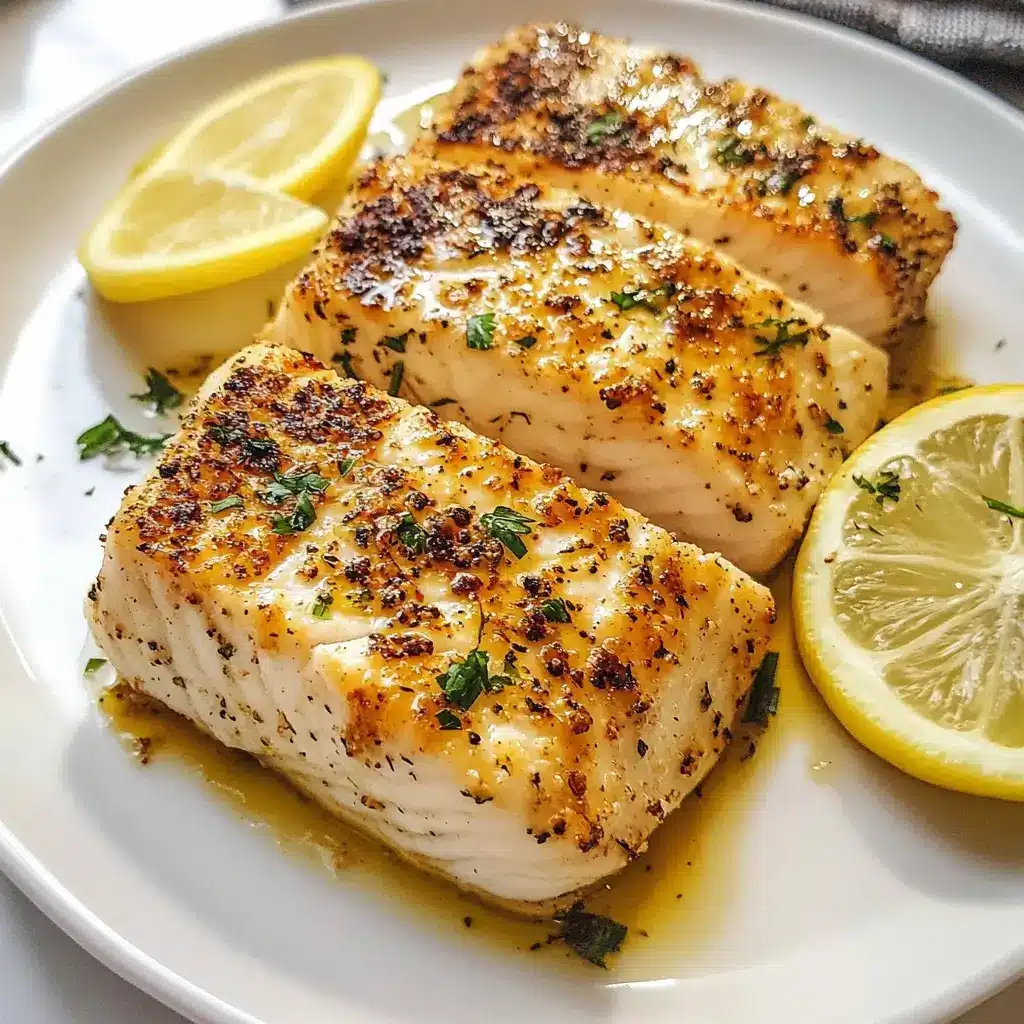
I still remember the first time I made this Baked Mahi Mahi recipe. It was one of those busy weeknights where takeout seemed inevitable, but I had a couple of beautiful Mahi Mahi fillets defrosting in the fridge, practically begging to be cooked. I wanted something quick, healthy, and importantly, something the whole family – including my notoriously picky youngest – would actually eat. Skeptical but hopeful, I whipped up this simple lemon-garlic and herb mixture, popped the fish in the oven, and held my breath. The aroma that filled the kitchen was the first good sign – bright, garlicky, and utterly delicious. When I pulled the glistening, flaky fish from the oven just 15 minutes later, it looked incredible. The real test, though, was the dinner table. Success! Plates were cleaned, compliments were given (even from the picky one!), and requests for “that yummy fish” have been a regular occurrence ever since. It’s become our go-to fish recipe, not just for its incredible flavor and ease, but for the way it brings us together for a healthy, satisfying meal without any fuss. It truly feels like a restaurant-quality dish made effortlessly at home.
Deliciously Simple Baked Mahi Mahi: Your New Favorite Fish Dish
Mahi Mahi, with its firm texture and mildly sweet flavor, is a fantastic fish that lends itself beautifully to baking. Baking is arguably one of the healthiest and easiest ways to prepare fish, allowing it to cook gently in its own juices while infused with the flavors you add. This recipe focuses on classic, crowd-pleasing ingredients – lemon, garlic, olive oil (or butter), and herbs – that complement the Mahi Mahi without overpowering its delicate taste. The result is incredibly moist, tender, and flaky fish bursting with bright, savory notes. It’s elegant enough for guests but simple enough for a Tuesday night. Forget dry, bland fish; this method ensures perfectly cooked Mahi Mahi every single time, locking in moisture and creating a truly memorable meal. Whether you’re a seasoned cook or new to cooking fish, this recipe provides a foolproof way to achieve delicious results.
Why You’ll Love This Baked Mahi Mahi Recipe
There are countless reasons why this specific Baked Mahi Mahi recipe deserves a permanent spot in your meal rotation. Beyond its incredible taste, here’s what makes it stand out:
- Incredibly Easy: Seriously, this recipe is about as simple as it gets. Mix a few ingredients, pour over the fish, and bake. Minimal prep, minimal cleanup. Perfect for beginners or busy cooks.
- Quick Cooking Time: Mahi Mahi cooks quickly, especially when baked. From prep to table, you can have this dish ready in under 30 minutes, making it ideal for hectic weeknights.
- Healthy & Nutritious: Mahi Mahi is a lean source of high-quality protein, packed with vitamins (like B12 and B6) and minerals (selenium, potassium). Baking with olive oil and lemon keeps it light and heart-healthy compared to frying.
- Flavorful & Delicious: The combination of zesty lemon, pungent garlic, rich olive oil, and fresh herbs creates a vibrant sauce that perfectly enhances the naturally sweet flavor of the fish. It’s simple yet sophisticated.
- Wonderfully Flaky & Moist: Baking at the right temperature for the right amount of time, along with the protective layer of the sauce, prevents the fish from drying out. You get perfectly tender, flaky fillets every time.
- Versatile: While delicious as written, this recipe is easily adaptable. You can swap herbs, add spices, or even toss in some quick-cooking vegetables alongside the fish. (More on variations later!)
- Minimal Cleanup: Often baked right in the dish it’s served from or on a foil-lined pan, cleanup is a breeze. Fewer dishes mean more time relaxing after dinner.
Ingredients You’ll Need (Complete List)
Gathering your ingredients is the first step to Mahi Mahi perfection. This recipe uses simple, fresh components to create maximum flavor.
- Mahi Mahi Fillets: 4 fillets, approximately 6 ounces (170g) each, fresh or frozen (thawed completely)
- Olive Oil: 3 tablespoons, extra virgin recommended for flavor (or use melted unsalted butter)
- Garlic: 4 cloves, finely minced (about 1.5 tablespoons)
- Lemon: 1 large lemon – half juiced (about 2 tablespoons), half thinly sliced
- Fresh Parsley: 2 tablespoons, finely chopped (plus extra for garnish)
- Dried Oregano: 1/2 teaspoon (optional, but adds a lovely Mediterranean note)
- Paprika: 1/4 teaspoon (optional, primarily for color)
- Salt: 1/2 teaspoon, or to taste (use sea salt or kosher salt if possible)
- Black Pepper: 1/4 teaspoon, freshly ground, or to taste
Ingredient Notes:
- Fish Thickness: Cooking time depends heavily on the thickness of your fillets. Adjust accordingly.
- Butter vs. Oil: Melted butter adds a richer flavor, while olive oil keeps it lighter and adds healthy fats. Choose based on your preference.
- Garlic: Feel free to adjust the amount of garlic to your liking. Garlic lovers, add an extra clove!
- Herbs: Fresh dill or thyme can be lovely substitutes or additions to parsley. If using dried parsley, use about 2 teaspoons.
Step-by-Step Instructions for Perfect Baked Mahi Mahi
Follow these simple steps for flawless baked fish:
- Preheat Oven & Prepare Dish: Preheat your oven to 400°F (200°C). Lightly grease a baking dish large enough to hold the fillets in a single layer without overcrowding, or line a baking sheet with parchment paper or aluminum foil for easier cleanup.
- Prepare the Mahi Mahi: Gently pat the Mahi Mahi fillets completely dry with paper towels. This is crucial! Removing excess moisture helps the sauce adhere better and prevents the fish from steaming instead of baking, leading to a better texture.
- Arrange Fish: Place the dried Mahi Mahi fillets in the prepared baking dish or on the lined baking sheet. Ensure there’s a little space between each fillet.
- Mix the Sauce: In a small bowl, whisk together the olive oil (or melted butter), minced garlic, fresh lemon juice, chopped fresh parsley, dried oregano (if using), paprika (if using), salt, and freshly ground black pepper. Stir until well combined.
- Season the Fish: Pour the lemon-garlic herb mixture evenly over the Mahi Mahi fillets, ensuring each one is coated. You can use a spoon or brush to help spread it out.
- Add Lemon Slices: Arrange the thin lemon slices on top of or around the fish fillets. As they bake, they’ll release more lemony aroma and flavor.
- Bake: Place the baking dish in the preheated oven. Bake for 12-18 minutes. The exact time will depend on the thickness of your fillets.
- Check for Doneness: The Mahi Mahi is cooked through when it becomes opaque and flakes easily when gently prodded with a fork at the thickest part. If you have an instant-read thermometer, the internal temperature should reach 145°F (63°C). Be careful not to overcook, as this will result in dry fish. Start checking around the 12-minute mark for thinner fillets.
- Rest & Garnish: Once cooked, remove the baking dish from the oven. Let the fish rest for a minute or two. Garnish with additional chopped fresh parsley before serving, if desired.
Understanding Mahi Mahi: What Makes It Special?
Mahi Mahi (Coryphaena hippurus), also known as dolphinfish (though entirely unrelated to dolphins), is a surface-dwelling, ray-finned fish found in off-shore temperate, tropical, and subtropical waters worldwide. Its name comes from the Hawaiian language and means “very strong.”
- Appearance: It’s a visually stunning fish with vibrant colors – typically bright blues, greens, and yellows along its sides and back, although these colors fade rapidly after harvest.
- Flavor Profile: Mahi Mahi has a distinct but mild, slightly sweet flavor. It’s less “fishy” than some other species, making it a popular choice even for those who aren’t avid seafood eaters.
- Texture: The flesh is lean, firm, and dense with large, moist flakes when cooked properly. It holds up well to various cooking methods, including baking, grilling, broiling, and pan-searing.
- Sustainability: While populations fluctuate, Mahi Mahi caught in the U.S. Atlantic is generally considered a sustainable choice according to NOAA Fisheries and organizations like the Monterey Bay Aquarium Seafood Watch (always check for the latest recommendations and look for troll- or pole-and-line caught options).
- Nutritional Powerhouse: As mentioned, it’s rich in lean protein, low in saturated fat, and a good source of omega-3 fatty acids (though less than fatty fish like salmon), selenium, vitamin B12, vitamin B6, potassium, and niacin.
Its firm texture makes it particularly well-suited for baking, as it doesn’t fall apart easily, and its mild flavor provides a perfect canvas for seasonings like the lemon-garlic blend in this recipe.
Tips for Buying the Best Mahi Mahi
Choosing high-quality fish is key to a delicious final dish. Here’s what to look for when buying Mahi Mahi:
- Fresh vs. Frozen: Both can be excellent choices. Often, “fresh” fish at the counter has been previously frozen unless you live very near where it’s caught. Flash-frozen fish, processed shortly after being caught, can often be higher quality than fresh fish that has traveled a long distance. If buying frozen, ensure the packaging is intact with no signs of freezer burn (ice crystals, discoloration). Thaw frozen Mahi Mahi slowly in the refrigerator overnight for the best texture.
- Appearance (Fresh): Look for fillets or steaks that are firm, moist, and translucent with a pinkish or light-tan hue. Avoid fish that looks dull, dry, or is starting to separate or flake apart. There should be no browning or yellowing around the edges.
- Smell (Fresh): Fresh Mahi Mahi should smell clean and mildly of the ocean. It should not have a strong, fishy, sour, or ammonia-like odor. If it smells overly fishy, it’s past its prime. Trust your nose!
- Source: If possible, inquire about the origin and catch method. U.S. wild-caught Mahi Mahi, particularly from the Atlantic caught by troll or pole-and-line, is often recommended for sustainability.
- Skin On or Off: This recipe works well with skinless fillets, which are most common. If you buy skin-on, you can bake it skin-side down. The skin can help keep the fish moist, but most people don’t eat the Mahi Mahi skin.
Nutrition Facts (Approximate Per Serving)
Please note that these values are estimates and can vary based on the exact size of the fillets, the amount of oil/butter used, and any additional ingredients.
- Servings: 4
- Calories per serving: Approximately 300-380 kcal
Breakdown:
- Protein: High (approx. 35-40g) – Excellent source of lean protein.
- Fat: Moderate (approx. 15-20g) – Primarily from olive oil (healthy unsaturated fats) or butter (saturated fat). Mahi Mahi itself is very lean.
- Carbohydrates: Very low (approx. 2-3g) – Mostly from the lemon juice and garlic.
- Sodium: Moderate (depends on added salt).
- Key Nutrients: Rich in Vitamin B12, Vitamin B6, Selenium, Potassium, Niacin.
This recipe provides a well-balanced, protein-packed meal that fits easily into a healthy eating plan.
Preparation and Cooking Time
One of the best features of this recipe is how quick it is!
- Preparation Time: 10-15 minutes (includes mincing garlic, chopping parsley, juicing lemon, preparing the fish)
- Cooking Time: 12-18 minutes (depending on fillet thickness and oven accuracy)
- Total Time: Approximately 22-33 minutes
This makes it a fantastic option for a fast, healthy, and flavorful weeknight dinner or a quick meal prep component.
How to Serve Your Baked Mahi Mahi
This versatile baked Mahi Mahi pairs wonderfully with a variety of sides. Here are some serving suggestions to create a complete and satisfying meal:
- Grain Options:
- Fluffy white or brown rice
- Quinoa (plain, lemon-herb, or vegetable-studded)
- Couscous (especially pearl couscous)
- Creamy polenta
- Orzo pasta salad
- Vegetable Sides:
- Roasted Vegetables: Asparagus, broccoli, broccolini, bell peppers, zucchini, cherry tomatoes (these can often be roasted alongside the fish, adjusting timing as needed).
- Steamed Vegetables: Green beans, peas, broccoli florets. Toss with a little butter or olive oil and lemon zest.
- Sautéed Greens: Spinach, kale, or Swiss chard sautéed with garlic and olive oil.
- Salads: A simple green salad with a light vinaigrette, a Greek salad, or a fresh tomato and cucumber salad.
- Potato Sides:
- Roasted baby potatoes with herbs
- Mashed potatoes (classic or garlic mashed)
- Crispy potato wedges
- Sauces & Garnishes (Optional):
- Spoon some of the pan juices over the fish and sides.
- Extra fresh lemon wedges for squeezing.
- A dollop of plain Greek yogurt or a light tartar sauce.
- Fresh fruit salsa (mango salsa or pineapple salsa pair exceptionally well with Mahi Mahi).
- A sprinkle of red pepper flakes for a touch of heat.
- Presentation:
- Serve directly from the baking dish for a rustic feel.
- Plate individually with chosen sides, ensuring a nice presentation with the lemon slices and fresh parsley garnish.
Additional Tips for Baking Success
Mastering baked fish is easy with these extra pointers:
- Don’t Overcook! This is the cardinal sin of cooking fish. Mahi Mahi goes from perfectly flaky to dry and tough very quickly. Start checking for doneness at the lower end of the suggested cooking time (12 minutes). The fish should flake easily with a fork, and the flesh should be opaque, not translucent. Using an instant-read thermometer (aiming for 145°F/63°C in the thickest part) is the most accurate way to guarantee perfection. Remember the fish will continue to cook slightly from residual heat after removing it from the oven.
- Pat the Fish Thoroughly Dry: We mentioned this in the instructions, but it bears repeating. Removing surface moisture with paper towels is crucial. It helps the oil and seasonings adhere better, promotes even cooking, and prevents that slightly “steamed” texture, yielding a flakier result.
- Adjust Seasoning to Your Taste: The recipe provides a balanced baseline, but feel free to tweak it. Love garlic? Add more. Prefer less salt? Reduce it. Want a bit of spice? Add a pinch of cayenne pepper or red pepper flakes to the sauce mixture. Taste the sauce before pouring it over the fish (if using oil, not raw butter) to adjust if needed.
- Use an Oven Thermometer: Ovens can be notoriously inaccurate. What you set as 400°F might actually be 375°F or 425°F. An inexpensive oven thermometer placed inside your oven gives you the true temperature, allowing you to adjust accordingly and ensuring consistent results every time you bake.
- Let It Rest Briefly: Just like meat, fish benefits from a short rest (1-2 minutes) after coming out of the oven. This allows the juices to redistribute slightly within the fillet, resulting in a moister, more flavorful bite. Tent loosely with foil if you’re worried about it cooling down too much.
Frequently Asked Questions (FAQ)
Here are answers to some common questions about baking Mahi Mahi:
- Q: Can I use frozen Mahi Mahi fillets for this recipe?
- A: Absolutely! Frozen Mahi Mahi works perfectly well. The key is to thaw it properly first. The best method is to place the frozen fillets (still in their packaging or in a sealed bag) in the refrigerator overnight (8-12 hours). Avoid thawing at room temperature or in hot water, as this can affect the texture and safety. Once fully thawed, pat the fillets completely dry with paper towels just as you would with fresh fish before proceeding with the recipe. Do not try to bake the fish from frozen, as it will cook unevenly.
- Q: How do I know exactly when the Mahi Mahi is cooked through?
- A: There are two main ways: 1) Visual/Texture Test: Insert a fork into the thickest part of the fillet and gently twist. The fish should flake apart easily, and the flesh should be opaque all the way through (no longer translucent or raw-looking in the center). 2) Temperature Check: This is the most reliable method. Use an instant-read food thermometer inserted into the thickest part of the fillet, avoiding bone if present. The internal temperature should reach 145°F (63°C) for safe consumption and optimal texture. Remove it from the oven promptly once it reaches this temperature to avoid overcooking.
- Q: Can I add vegetables to the baking dish to cook alongside the fish?
- A: Yes, you can! This makes for a fantastic one-pan meal. Choose vegetables that cook relatively quickly or cut them into smaller pieces. Good options include asparagus spears, bell pepper strips, thinly sliced zucchini, cherry tomatoes, red onion wedges, or broccoli florets. Toss the vegetables lightly with olive oil, salt, and pepper, then arrange them around the fish fillets in the baking dish. Be mindful that the fish cooks quickly (12-18 minutes), so ensure your vegetables will be tender in that timeframe. You might need to give heartier vegetables like potato chunks or thick carrot slices a head start in the oven before adding the fish.
- Q: What if I don’t have fresh parsley? Can I use dried herbs?
- A: Yes, you can substitute dried herbs if fresh aren’t available. The general rule of thumb is to use about one-third the amount of dried herbs as you would fresh herbs, as dried herbs are more concentrated. So, for the 2 tablespoons of fresh parsley called for, you would use about 2 teaspoons of dried parsley. You could also use other dried herbs like dried dill or a teaspoon of an Italian seasoning blend in place of or in addition to the dried oregano. While fresh herbs generally provide a brighter flavor, dried herbs will still contribute nicely to the dish.
- Q: Can I adapt this recipe for grilling instead of baking?
- A: Yes, Mahi Mahi is excellent on the grill! To adapt: Preheat your grill to medium-high heat (around 400°F). Clean and oil the grill grates well to prevent sticking. Prepare the lemon-garlic sauce as directed. Brush the sauce onto the Mahi Mahi fillets. Place the fillets directly on the hot, oiled grates. Grill for about 4-6 minutes per side, depending on thickness, flipping once carefully. The fish is done when it has nice grill marks, flakes easily, and reaches an internal temperature of 145°F (63°C). You can brush with more sauce during the last few minutes of grilling. Grilling will impart a slightly smoky flavor.
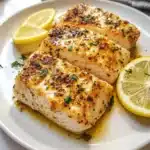
Baked Mahi Mahi Recipe
Ingredients
- Mahi Mahi Fillets: 4 fillets, approximately 6 ounces (170g) each, fresh or frozen (thawed completely)
- Olive Oil: 3 tablespoons, extra virgin recommended for flavor (or use melted unsalted butter)
- Garlic: 4 cloves, finely minced (about 1.5 tablespoons)
- Lemon: 1 large lemon – half juiced (about 2 tablespoons), half thinly sliced
- Fresh Parsley: 2 tablespoons, finely chopped (plus extra for garnish)
- Dried Oregano: 1/2 teaspoon (optional, but adds a lovely Mediterranean note)
- Paprika: 1/4 teaspoon (optional, primarily for color)
- Salt: 1/2 teaspoon, or to taste (use sea salt or kosher salt if possible)
- Black Pepper: 1/4 teaspoon, freshly ground, or to taste
Instructions
- Preheat Oven & Prepare Dish: Preheat your oven to 400°F (200°C). Lightly grease a baking dish large enough to hold the fillets in a single layer without overcrowding, or line a baking sheet with parchment paper or aluminum foil for easier cleanup.
- Prepare the Mahi Mahi: Gently pat the Mahi Mahi fillets completely dry with paper towels. This is crucial! Removing excess moisture helps the sauce adhere better and prevents the fish from steaming instead of baking, leading to a better texture.
- Arrange Fish: Place the dried Mahi Mahi fillets in the prepared baking dish or on the lined baking sheet. Ensure there’s a little space between each fillet.
- Mix the Sauce: In a small bowl, whisk together the olive oil (or melted butter), minced garlic, fresh lemon juice, chopped fresh parsley, dried oregano (if using), paprika (if using), salt, and freshly ground black pepper. Stir until well combined.
- Season the Fish: Pour the lemon-garlic herb mixture evenly over the Mahi Mahi fillets, ensuring each one is coated. You can use a spoon or brush to help spread it out.
- Add Lemon Slices: Arrange the thin lemon slices on top of or around the fish fillets. As they bake, they’ll release more lemony aroma and flavor.
- Bake: Place the baking dish in the preheated oven. Bake for 12-18 minutes. The exact time will depend on the thickness of your fillets.
- Check for Doneness: The Mahi Mahi is cooked through when it becomes opaque and flakes easily when gently prodded with a fork at the thickest part. If you have an instant-read thermometer, the internal temperature should reach 145°F (63°C). Be careful not to overcook, as this will result in dry fish. Start checking around the 12-minute mark for thinner fillets.
- Rest & Garnish: Once cooked, remove the baking dish from the oven. Let the fish rest for a minute or two. Garnish with additional chopped fresh parsley before serving, if desired.
Nutrition
- Serving Size: One Normal Portion
- Calories: 300-380
- Fat: 15-20g
- Carbohydrates: 2-3g
- Protein: 35-40g