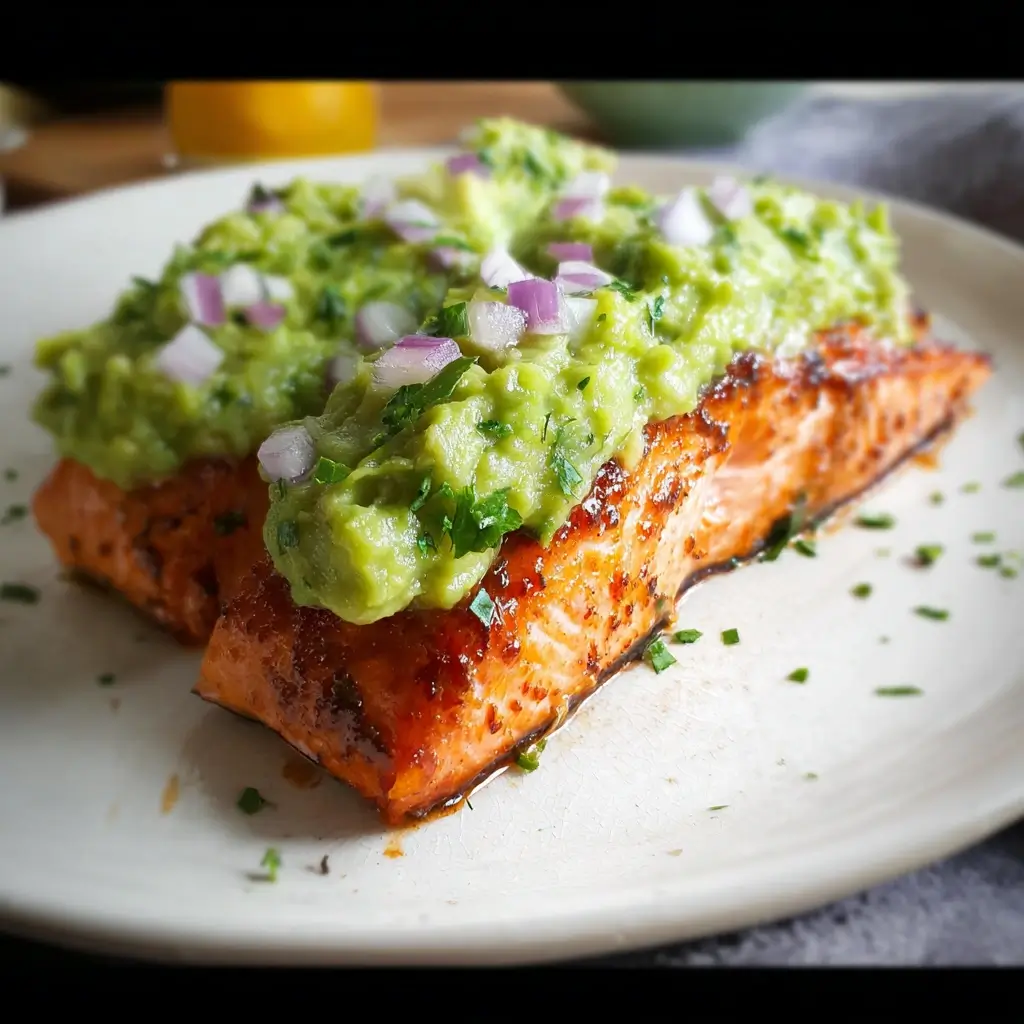
Of all the weeknight dinner dilemmas, finding a meal that is simultaneously lightning-fast, incredibly healthy, and genuinely exciting can feel like searching for a culinary unicorn. For the longest time, my family’s routine was a rotation of the same-old, same-old. That all changed the evening I created this Baked Salmon with Avocado Mash. I was staring at a beautiful fillet of salmon and a pair of perfectly ripe avocados, and a lightbulb went off. Instead of a simple side salad, why not create a creamy, vibrant, and nutrient-dense base for the perfectly flaky, seasoned fish? The result was nothing short of a revelation. The salmon, seasoned with a simple but smoky-savory rub, baked to tender perfection, its rich oils mingling with the spices. It flaked apart with the gentle nudge of a fork. But the real star, the element that tied it all together, was the avocado mash. It wasn’t just mashed avocado; it was a zesty, creamy cloud of flavor, brightened with fresh lime juice, a hint of garlic, and studded with fresh cilantro. The moment I placed the warm, pink salmon over the cool, green mash, I knew we had a winner. The family was silent for the first few minutes of eating, a rare and cherished occurrence, followed by a chorus of “Wow, you have to make this again!” It has since become our go-to meal for busy Tuesdays, for special weekend lunches, and even for when we have guests. It’s a dish that looks and tastes gourmet but comes together with laughable ease. This recipe isn’t just about food; it’s about reclaiming your weeknights with a meal that nourishes your body and delights your taste buds without demanding hours of your time.
Baked Salmon with Avocado Mash: The Ultimate Healthy Recipe
This recipe is designed for simplicity and flavor, focusing on high-quality ingredients that shine. Below you’ll find everything you need to create this stunning dish in your own kitchen.
Ingredients
Here is the complete list of ingredients with precise amounts for the perfect balance of flavors. We will also dive into why each component is chosen and offer potential substitutions.
For the Baked Salmon:
- Salmon Fillets: 4 (6-ounce / 170g) fillets, preferably wild-caught Coho or Sockeye salmon, skin-on or skinless.
- Extra Virgin Olive Oil: 2 tablespoons.
- Smoked Paprika: 1 teaspoon.
- Garlic Powder: 1 teaspoon.
- Onion Powder: ½ teaspoon.
- Kosher Salt: ¾ teaspoon.
- Black Pepper: ½ teaspoon, freshly ground.
For the Avocado Mash:
- Large Ripe Avocados: 2 (preferably Hass).
- Lime: 1, juiced (about 2 tablespoons).
- Fresh Cilantro: ¼ cup, finely chopped (can substitute with flat-leaf parsley).
- Red Onion: ¼ cup, finely minced.
- Garlic Clove: 1, minced or pressed.
- Kosher Salt: ½ teaspoon, or to taste.
- Red Pepper Flakes (Optional): ¼ teaspoon for a little heat.
A Deeper Look at the Ingredients
Understanding your ingredients is the first step to becoming a more intuitive cook.
- The Salmon: The star of the show. While any salmon will work, wild-caught varieties like Sockeye or Coho offer a firmer texture and a richer, more pronounced flavor. They are also exceptionally high in Omega-3 fatty acids, which are crucial for brain and heart health. Farmed Atlantic salmon is a perfectly acceptable alternative; it tends to be milder in flavor and higher in fat, which makes it very forgiving and difficult to overcook. If using frozen salmon, ensure it is fully thawed before you begin.
- The Avocados: We use Hass avocados for their incredibly creamy texture and rich, nutty flavor. Choosing a ripe avocado is key. It should yield to gentle pressure but not feel mushy. If you can easily flick off the small stem cap at the top and it’s green underneath, you’ve found a perfect avocado.
- The Spices: This simple rub is a powerhouse. Smoked paprika provides a deep, smoky flavor without any actual smoking required. Garlic and onion powder offer a savory, aromatic base that complements the fish beautifully. Using Kosher salt is recommended as its larger crystals distribute more evenly than fine table salt.
- The Acidity: Fresh lime juice is non-negotiable for the avocado mash. Not only does its bright, zesty flavor cut through the richness of the avocado and salmon, but the citric acid also works wonders to prevent the avocado from oxidizing and turning that unappetizing brown color. Lemon juice can be used in a pinch.
- The Fresh Elements: Finely minced red onion provides a sharp, pleasant bite and a bit of texture. Fresh cilantro adds a characteristic fresh, citrusy note. If you’re one of the people for whom cilantro tastes like soap, fresh flat-leaf parsley is an excellent substitute, providing a clean, peppery freshness.
Step-by-Step Instructions
Follow these detailed instructions to ensure a flawless result every time. We’ve broken it down into three simple stages: preparing the components, baking the salmon, and assembling the final dish.
Stage 1: Preparation (10 Minutes)
- Preheat and Prepare: Begin by preheating your oven to 400°F (200°C). Line a large baking sheet with parchment paper or aluminum foil. This is a crucial step for easy cleanup and prevents the salmon from sticking.
- Prepare the Salmon: Take your salmon fillets and pat them completely dry on all sides with a paper towel. This is one of the most important yet overlooked steps. Removing excess moisture allows the salmon to roast rather than steam, and it helps the spice rub adhere properly to the flesh, creating a more flavorful crust.
- Create the Spice Rub: In a small bowl, combine the smoked paprika, garlic powder, onion powder, ¾ teaspoon of kosher salt, and ½ teaspoon of black pepper. Whisk them together with a fork to ensure they are evenly distributed.
- Season the Salmon: Place the dried salmon fillets on your prepared baking sheet, leaving some space between each one. Drizzle the 2 tablespoons of olive oil evenly over the tops of the fillets. Use your fingers or a pastry brush to coat the entire top surface of each fillet. Sprinkle the spice rub mixture evenly over the oiled fillets. Gently pat the spices into the flesh to help them stick.
Stage 2: Making the Avocado Mash (While Salmon Bakes)
- Prepare the Avocados: While the salmon is getting its initial seasoning, you can prepare the mash. Slice your ripe avocados in half lengthwise and remove the pits. Scoop the green flesh into a medium-sized mixing bowl.
- Mash to Your Liking: Using a fork or a potato masher, mash the avocado to your desired consistency. For a chunkier, more rustic texture, mash lightly, leaving some larger pieces. For a creamier, smoother mash, continue mashing until it reaches a buttery consistency.
- Add the Flavor: Add the fresh lime juice, finely chopped cilantro, minced red onion, minced garlic, and ½ teaspoon of kosher salt to the bowl with the mashed avocado. If you enjoy a touch of spice, add the optional red pepper flakes now.
- Mix and Taste: Gently stir all the ingredients together until they are just combined. Over-mixing can make the mash gummy. Give it a taste and adjust the seasoning if necessary. It might need another pinch of salt or a small squeeze of lime juice to make the flavors pop. Set the mash aside. The lime juice will keep it vibrant green while the salmon cooks.
Stage 3: Baking and Assembling (12-15 Minutes)
- Bake the Salmon: Place the baking sheet with the seasoned salmon into your preheated 400°F (200°C) oven. Bake for 12-15 minutes. The exact time will depend on the thickness of your fillets.
- Check for Doneness: Salmon is perfectly cooked when it is opaque all the way through and flakes easily when gently pressed with a fork. The most accurate way to check is with an instant-read thermometer inserted into the thickest part of the fillet; you are looking for a temperature between 130-140°F (54-60°C) for a moist, tender result. The FDA recommends 145°F, but remember the fish will continue to cook for a minute or two after being removed from the oven (this is called carryover cooking).
- Assemble and Serve: Once the salmon is cooked to perfection, remove the baking sheet from the oven. To serve, spoon a generous amount of the fresh avocado mash onto each plate, creating a bed for the fish. Carefully place a warm baked salmon fillet directly on top of the mash. Serve immediately and enjoy the incredible contrast of warm, flaky fish and cool, creamy avocado.
Nutrition Facts
This dish is a nutritional powerhouse, packed with healthy fats, protein, and essential vitamins.
- Servings: 4
- Calories per serving: Approximately 550 kcal
A Note on Nutrition: The caloric value is an estimate and can vary based on the exact size of your salmon fillets and avocados. The majority of these calories come from heart-healthy sources: monounsaturated fats from the avocado and olive oil, and Omega-3 polyunsaturated fats from the salmon. This meal is naturally low in carbohydrates, making it an excellent choice for those following a low-carb, keto, or paleo lifestyle. It’s also packed with high-quality protein to keep you full and satisfied, and it’s naturally gluten-free and dairy-free.
Preparation Time
One of the best features of this recipe is how quickly it comes together, making it a true weeknight champion.
- Prep Time: 10 minutes
- Cook Time: 12-15 minutes
- Total Time: 22-25 minutes
In less than 30 minutes, you can have a restaurant-quality, incredibly healthy meal on the table.
How to Serve Baked Salmon with Avocado Mash
While this dish is a complete and satisfying meal on its own, it also serves as a fantastic canvas for a variety of accompaniments and garnishes. Here’s how to elevate your presentation and round out the meal.
Plating and Garnishes:
- The Classic: Create a generous bed of the avocado mash on the plate and place the salmon fillet on top, slightly off-center for a more artistic look.
- Fresh Garnishes: A sprinkle of extra chopped cilantro or parsley, a few thin slices of red onion, or a scattering of red pepper flakes can add a final pop of color and flavor.
- Citrus Wedge: Always serve with an extra wedge of lime on the side. A final squeeze just before eating brightens up all the flavors.
- A Drizzle of Oil: For an extra touch of richness, a very light drizzle of high-quality extra virgin olive oil over the entire dish can be wonderful.
Low-Carb and Keto Side Dishes:
- Cauliflower Rice: Serve the salmon and mash alongside a pile of fluffy cilantro-lime cauliflower rice.
- Zucchini Noodles (Zoodles): Lightly sautéed zucchini noodles with a bit of garlic make a fantastic, pasta-like base.
- Simple Arugula Salad: A peppery arugula salad tossed with a simple lemon vinaigrette offers a fresh, sharp contrast.
- Roasted Asparagus: Toss asparagus spears with olive oil, salt, and pepper and roast them alongside the salmon for a simple and elegant vegetable side.
Heartier Side Dishes:
- Quinoa: A bed of fluffy, nutty quinoa is a perfect healthy grain to soak up any juices.
- Brown Rice: Cilantro-lime brown rice complements the flavors of the dish perfectly.
- Roasted Sweet Potato Cubes: The sweetness of roasted sweet potatoes provides a delicious contrast to the savory salmon and zesty mash.
- Black Beans: A side of seasoned black beans can turn this into a more substantial, Latin-inspired meal.
Additional Tips for a Perfect Dish
These five tips will help you master this recipe and adapt it to your preferences.
- Don’t Overcook the Salmon: This is the golden rule of cooking fish. Overcooked salmon is dry and chalky. Pay close attention to the visual cue: the flesh should be moist and just turning from translucent to opaque. It’s always better to err on the side of slightly undercooked, as it will finish cooking from residual heat on the plate. An instant-read thermometer is your best friend here.
- The Secret to Non-Browning Avocado Mash: While lime juice does the heavy lifting, here’s a pro tip if you need to make the mash a little bit ahead of time (no more than an hour or two). Transfer the mash to a bowl and press a piece of plastic wrap directly onto the entire surface of the mash, ensuring there are no air pockets. This physical barrier prevents air from reaching the avocado, dramatically slowing the oxidation process.
- Customize Your Spice Rub: Don’t be afraid to experiment with the salmon seasoning. You can add a pinch of cumin for earthiness, a dash of chili powder for a spicier kick, or even some dried oregano for a Mediterranean flair. The base recipe is a canvas for your creativity.
- Embrace the Crispy Skin: If you’re using skin-on salmon and love a crispy skin, you can achieve it in the oven. Make sure the skin side is patted very dry. You can start the salmon skin-side-down on a very hot, lightly oiled pan for 2-3 minutes to crisp it up before transferring the whole pan (if oven-safe) to the oven to finish cooking. Alternatively, baking at a slightly higher heat of 425°F (220°C) can also help render the fat and crisp the skin.
- Room Temperature is Key: For more even cooking, try to pull your salmon fillets out of the refrigerator about 15-20 minutes before you plan to bake them. Placing a frigidly cold piece of fish in a hot oven can lead to the outside cooking much faster than the inside. Letting it sit at room temperature for a few minutes helps it cook more uniformly.
Frequently Asked Questions (FAQ)
Here are answers to some common questions about this recipe.
1. Can I use frozen salmon for this recipe?
Absolutely! Frozen salmon is a convenient and excellent option. The key is to thaw it properly. The best method is to transfer it from the freezer to the refrigerator the night before you plan to cook it. For a quicker thaw, you can place the vacuum-sealed salmon in a bowl of cold water for about 30-60 minutes. Never use a microwave to thaw fish, as it will start to cook the delicate flesh unevenly. Once thawed, the most important step is to pat it thoroughly dry with paper towels before seasoning.
2. My avocado mash always turns brown so quickly. How can I prevent this?
The browning of avocado is a natural chemical reaction called oxidation. There are two primary defenses built into this recipe. First, the generous amount of fresh lime juice is crucial, as its acidity significantly slows down the reaction. Second, you should make the mash right before you plan to serve it. If you must make it slightly ahead, use the tip mentioned above: place plastic wrap directly on the surface of the mash, pressing out all air bubbles. This creates a barrier against oxygen and will keep it beautifully green for an hour or two in the fridge.
3. Is this recipe keto-friendly?
Yes, this recipe is exceptionally keto-friendly. Salmon is packed with protein and healthy Omega-3 fats with zero carbs. Avocados are a keto superstar, loaded with healthy monounsaturated fats and fiber, with very few net carbs. The spices and olive oil are also perfectly compliant. To keep the entire meal ketogenic, serve it with low-carb sides like cauliflower rice, zucchini noodles, or a green salad.
4. Can I cook this salmon in an air fryer or on the grill?
Yes, this recipe is very adaptable to other cooking methods.
- For the Air Fryer: Preheat your air fryer to 400°F (200°C). Season the salmon as directed and place it in the air fryer basket, skin-side down if it has skin. Air fry for 7-10 minutes, depending on the thickness of your fillet. It cooks faster in an air fryer, so check it early.
- For the Grill: Preheat your grill to medium-high heat (about 400-450°F). Clean the grates well and oil them to prevent sticking. Season the salmon as directed. Place the salmon on the grill, skin-side down first if it has skin. Grill for 4-6 minutes per side, with the lid closed, until cooked through.
5. What other fish can I use if I don’t have salmon?
While salmon is ideal, this recipe works beautifully with other firm, flavorful fish. Excellent substitutes include Arctic char (which is very similar to salmon), rainbow trout, or even a thicker fillet of mahi-mahi or cod. You may need to adjust the cooking time slightly depending on the thickness and type of fish you choose, but the spice rub and avocado mash pairing is versatile and delicious with many varieties.
Baked Salmon with Avocado Mash Recipe
Ingredients
For the Baked Salmon:
- Salmon Fillets: 4 (6-ounce / 170g) fillets, preferably wild-caught Coho or Sockeye salmon, skin-on or skinless.
- Extra Virgin Olive Oil: 2 tablespoons.
- Smoked Paprika: 1 teaspoon.
- Garlic Powder: 1 teaspoon.
- Onion Powder: ½ teaspoon.
- Kosher Salt: ¾ teaspoon.
- Black Pepper: ½ teaspoon, freshly ground.
For the Avocado Mash:
- Large Ripe Avocados: 2 (preferably Hass).
- Lime: 1, juiced (about 2 tablespoons).
- Fresh Cilantro: ¼ cup, finely chopped (can substitute with flat-leaf parsley).
- Red Onion: ¼ cup, finely minced.
- Garlic Clove: 1, minced or pressed.
- Kosher Salt: ½ teaspoon, or to taste.
- Red Pepper Flakes (Optional): ¼ teaspoon for a little heat.
Instructions
Stage 1: Preparation (10 Minutes)
- Preheat and Prepare: Begin by preheating your oven to 400°F (200°C). Line a large baking sheet with parchment paper or aluminum foil. This is a crucial step for easy cleanup and prevents the salmon from sticking.
- Prepare the Salmon: Take your salmon fillets and pat them completely dry on all sides with a paper towel. This is one of the most important yet overlooked steps. Removing excess moisture allows the salmon to roast rather than steam, and it helps the spice rub adhere properly to the flesh, creating a more flavorful crust.
- Create the Spice Rub: In a small bowl, combine the smoked paprika, garlic powder, onion powder, ¾ teaspoon of kosher salt, and ½ teaspoon of black pepper. Whisk them together with a fork to ensure they are evenly distributed.
- Season the Salmon: Place the dried salmon fillets on your prepared baking sheet, leaving some space between each one. Drizzle the 2 tablespoons of olive oil evenly over the tops of the fillets. Use your fingers or a pastry brush to coat the entire top surface of each fillet. Sprinkle the spice rub mixture evenly over the oiled fillets. Gently pat the spices into the flesh to help them stick.
Stage 2: Making the Avocado Mash (While Salmon Bakes)
- Prepare the Avocados: While the salmon is getting its initial seasoning, you can prepare the mash. Slice your ripe avocados in half lengthwise and remove the pits. Scoop the green flesh into a medium-sized mixing bowl.
- Mash to Your Liking: Using a fork or a potato masher, mash the avocado to your desired consistency. For a chunkier, more rustic texture, mash lightly, leaving some larger pieces. For a creamier, smoother mash, continue mashing until it reaches a buttery consistency.
- Add the Flavor: Add the fresh lime juice, finely chopped cilantro, minced red onion, minced garlic, and ½ teaspoon of kosher salt to the bowl with the mashed avocado. If you enjoy a touch of spice, add the optional red pepper flakes now.
- Mix and Taste: Gently stir all the ingredients together until they are just combined. Over-mixing can make the mash gummy. Give it a taste and adjust the seasoning if necessary. It might need another pinch of salt or a small squeeze of lime juice to make the flavors pop. Set the mash aside. The lime juice will keep it vibrant green while the salmon cooks.
Stage 3: Baking and Assembling (12-15 Minutes)
- Bake the Salmon: Place the baking sheet with the seasoned salmon into your preheated 400°F (200°C) oven. Bake for 12-15 minutes. The exact time will depend on the thickness of your fillets.
- Check for Doneness: Salmon is perfectly cooked when it is opaque all the way through and flakes easily when gently pressed with a fork. The most accurate way to check is with an instant-read thermometer inserted into the thickest part of the fillet; you are looking for a temperature between 130-140°F (54-60°C) for a moist, tender result. The FDA recommends 145°F, but remember the fish will continue to cook for a minute or two after being removed from the oven (this is called carryover cooking).
- Assemble and Serve: Once the salmon is cooked to perfection, remove the baking sheet from the oven. To serve, spoon a generous amount of the fresh avocado mash onto each plate, creating a bed for the fish. Carefully place a warm baked salmon fillet directly on top of the mash. Serve immediately and enjoy the incredible contrast of warm, flaky fish and cool, creamy avocado.
Nutrition
- Serving Size: One Normal Portion
- Calories: 550 kcal