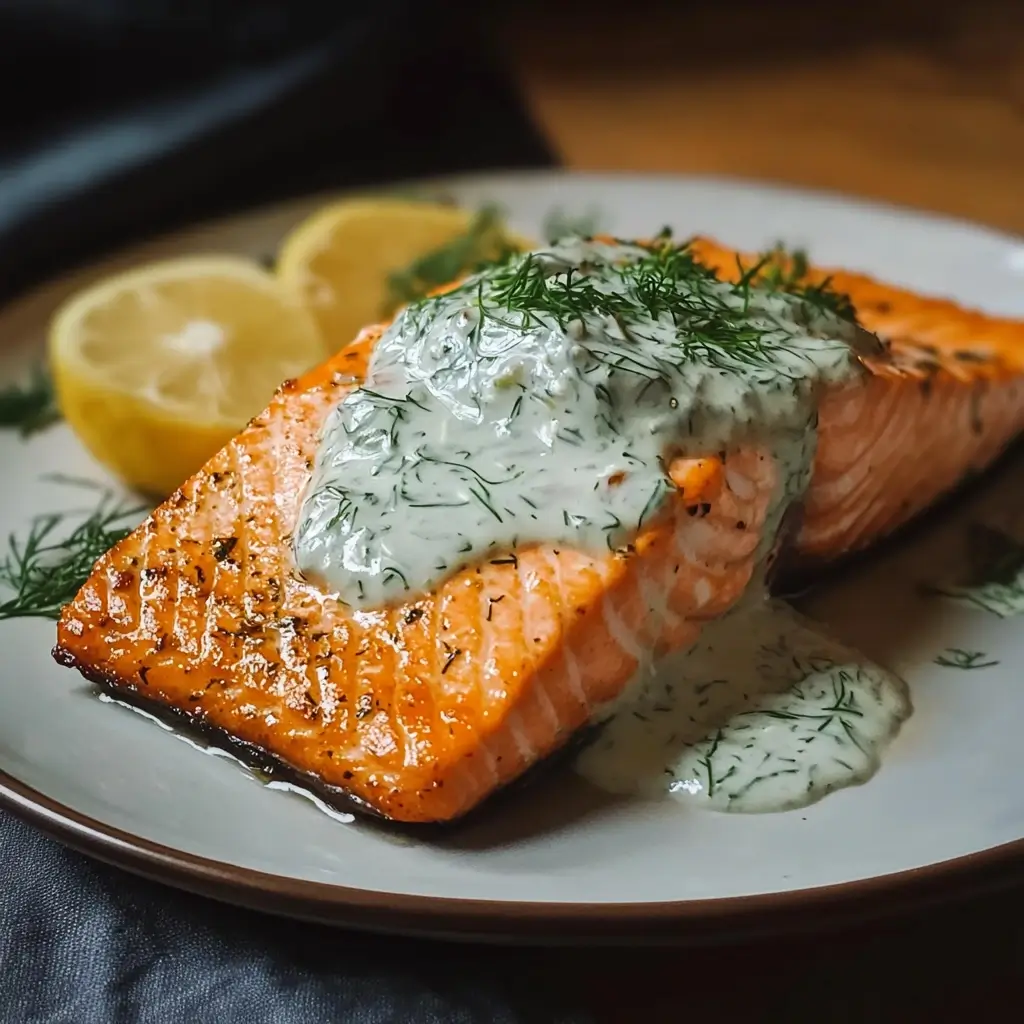
Baked salmon with dill sauce has become a staple in our household, and for good reason. It’s one of those dishes that effortlessly bridges the gap between weeknight simplicity and weekend elegance. From the moment the aroma of dill and lemon begins to fill the kitchen, you know you’re in for a treat. Even my pickiest eaters, who usually turn their noses up at fish, devour this salmon with gusto. The flaky, tender salmon, perfectly seasoned and baked to succulent perfection, is elevated to another level by the creamy, bright dill sauce. It’s a dish that’s not only delicious but also incredibly healthy and quick to prepare, making it a winner on all fronts. Whether you’re looking for a light yet satisfying meal or something impressive to serve guests, this baked salmon with dill sauce recipe is guaranteed to impress. Trust me, once you try it, it will become a regular part of your recipe rotation, just like it has in mine.
Ingredients
The beauty of this Baked Salmon with Dill Sauce recipe lies in its simplicity and the freshness of its ingredients. Each component plays a crucial role in creating a dish that is both flavorful and nutritious. Let’s delve into each ingredient, exploring why they are essential and how to choose the best quality for optimal results.
For the Salmon:
- Salmon Fillets: The star of the show, salmon fillets, are not just delicious but also packed with health benefits. When selecting salmon, you have several options, each with its own characteristics:
- Fresh Salmon: If possible, opt for fresh salmon fillets. Look for salmon that is vibrant in color, firm to the touch, and has a fresh, sea-like smell. Avoid salmon that looks dull, feels slimy, or has a fishy odor. Fresh salmon generally offers the best flavor and texture, especially when baked. You can find fresh salmon at most grocery stores’ seafood counters or fish markets. Consider asking your fishmonger for recommendations on the freshest catch available.
- Frozen Salmon: Frozen salmon is a convenient and often more budget-friendly alternative to fresh salmon. High-quality frozen salmon, if properly thawed, can be just as delicious as fresh. Look for individually frozen fillets that are vacuum-sealed and free of ice crystals, which can indicate freezer burn. When thawing frozen salmon, the best method is to thaw it slowly in the refrigerator overnight. Avoid thawing at room temperature or in the microwave, as this can affect the texture and quality of the fish.
- Skin-On vs. Skinless: For this recipe, skin-on salmon is highly recommended. The skin helps to keep the salmon moist during baking and provides a layer of flavorful crispiness if cooked correctly. If you prefer skinless salmon, you can certainly use it, but be mindful not to overbake it as it can dry out more easily.
- Type of Salmon: There are various types of salmon available, including King (Chinook), Sockeye, Coho, Pink, and Atlantic salmon. King and Sockeye salmon are generally considered to be richer in flavor and higher in fat content, making them excellent choices for baking as they remain moist. Coho and Atlantic salmon are also good options, offering a milder flavor. Pink salmon is typically leaner and best suited for grilling or smoking. For this recipe, any of these types will work well, but considering your flavor preference and budget will help you make the best choice.
- Olive Oil: Olive oil is used to lightly coat the salmon fillets before baking. It serves several purposes:
- Moisture: Olive oil helps to keep the salmon moist during baking, preventing it from drying out.
- Flavor: Good quality olive oil adds a subtle fruity and peppery flavor to the salmon. Extra virgin olive oil is recommended for its superior flavor and health benefits.
- Browning: A light coating of olive oil can also help the salmon to brown slightly during baking, enhancing its visual appeal and adding a touch of crispness to the edges.
- Even Cooking: Olive oil helps to distribute heat evenly across the surface of the salmon, ensuring even cooking and preventing some parts from drying out while others remain undercooked.
- Lemon: Lemon is a crucial ingredient that brightens the flavor of the salmon and complements the dill sauce beautifully. We use both lemon juice and lemon zest in this recipe:
- Lemon Juice: Freshly squeezed lemon juice provides acidity that cuts through the richness of the salmon and enhances its natural flavor. It also tenderizes the fish slightly and helps to reduce any “fishy” taste.
- Lemon Zest: Lemon zest, the grated outer rind of the lemon, is packed with aromatic oils and provides a concentrated burst of lemony flavor. It adds a vibrant and zesty element to the dish that is more intense than lemon juice alone.
- Freshness is Key: Always use fresh lemons for both juice and zest. Bottled lemon juice lacks the fresh, bright flavor of freshly squeezed juice, and pre-grated zest loses its aroma quickly.
- Salt and Black Pepper: Simple yet essential seasonings, salt and black pepper enhance the natural flavors of the salmon and other ingredients.
- Salt: Use sea salt or kosher salt for best results. Salt not only seasons the salmon but also helps to draw out moisture, resulting in a firmer, more flavorful fillet.
- Black Pepper: Freshly ground black pepper adds a touch of spice and complexity to the dish. Grind it just before use for the most potent flavor.
For the Dill Sauce:
- Mayonnaise: Mayonnaise forms the creamy base of the dill sauce. It provides richness, smoothness, and a slight tanginess.
- Full-Fat vs. Low-Fat: Full-fat mayonnaise will result in a richer, creamier sauce. Low-fat or light mayonnaise can be used as a healthier alternative, but the sauce may be slightly less rich and creamy.
- Homemade vs. Store-Bought: High-quality store-bought mayonnaise works perfectly well. If you prefer, you can also make your own mayonnaise from scratch for an even fresher and more flavorful sauce.
- Fresh Dill: Fresh dill is the defining flavor of this sauce. Its delicate, slightly anise-like flavor pairs perfectly with salmon and lemon.
- Fresh is Best: Fresh dill is essential for this recipe. Dried dill simply cannot replicate the bright, fresh flavor of fresh dill.
- Quantity and Preparation: Use a generous amount of fresh dill, finely chopped. Be sure to wash and dry the dill thoroughly before chopping.
- Dijon Mustard: Dijon mustard adds a subtle tang and a hint of spice to the dill sauce, balancing the richness of the mayonnaise and the freshness of the dill.
- Type of Dijon: Classic Dijon mustard is recommended for its sharp, tangy flavor. Avoid flavored Dijon mustards, as they may clash with the other flavors in the sauce.
- Garlic: A clove of garlic, minced or finely grated, adds a subtle savory depth to the dill sauce.
- Fresh Garlic: Fresh garlic is preferred for its pungent and aromatic flavor. Garlic powder can be used as a substitute in a pinch, but fresh garlic provides a much better flavor.
- Minced or Grated: Finely mince or grate the garlic to ensure it disperses evenly throughout the sauce and doesn’t overpower the other flavors.
Instructions
Creating this Baked Salmon with Dill Sauce is a breeze, and the reward is a dish bursting with flavor and elegance. Follow these step-by-step instructions to achieve perfectly baked salmon and a luscious dill sauce every time.
- Preheat Your Oven and Prepare the Baking Sheet: Begin by preheating your oven to 400°F (200°C). This temperature is ideal for baking salmon, ensuring it cooks through evenly without drying out. While the oven is preheating, line a baking sheet with parchment paper or aluminum foil. This will prevent the salmon from sticking to the pan and make cleanup much easier. If using foil, lightly grease it with cooking spray or olive oil to further prevent sticking.
- Prepare the Salmon Fillets: Take your salmon fillets and gently pat them dry with paper towels. Removing excess moisture will help the salmon to bake properly and develop a slightly crisped exterior. Place the salmon fillets on the prepared baking sheet, skin-side down if using skin-on fillets. Ensure the fillets are spaced out evenly on the baking sheet to allow for proper air circulation and even cooking.
- Season the Salmon: Drizzle the salmon fillets with olive oil. About a tablespoon or two should be sufficient, depending on the size and number of fillets. Rub the olive oil evenly over the surface of the salmon. Next, squeeze fresh lemon juice over the salmon fillets. The amount of lemon juice will depend on your preference, but about a tablespoon or two is usually ideal. Season generously with salt and freshly ground black pepper. Don’t be shy with the seasoning, as this will significantly enhance the flavor of the salmon. Consider adding a pinch of lemon zest at this stage for an extra burst of lemony aroma.
- Bake the Salmon: Place the baking sheet with the seasoned salmon in the preheated oven and bake for 12-15 minutes, or until the salmon is cooked through. The exact baking time will depend on the thickness of your salmon fillets. A good indicator of doneness is when the salmon flakes easily with a fork and is opaque throughout. Avoid overbaking the salmon, as this can make it dry and less flavorful. For perfectly cooked salmon, aim for an internal temperature of 145°F (63°C). You can use a meat thermometer to check the internal temperature at the thickest part of the fillet.
- Prepare the Dill Sauce While Salmon Bakes: While the salmon is baking, prepare the dill sauce. In a small bowl, combine the mayonnaise, finely chopped fresh dill, Dijon mustard, minced or grated garlic, and a squeeze of lemon juice. Start with about a tablespoon of lemon juice and add more to taste if desired. Mix all the ingredients together thoroughly until well combined and creamy. Taste the sauce and adjust seasoning as needed. You may want to add a pinch of salt and pepper to enhance the flavors. If you prefer a thinner sauce, you can add a teaspoon or two of water or milk to reach your desired consistency.
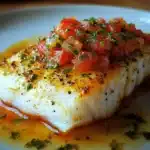
- Serve the Baked Salmon with Dill Sauce: Once the salmon is cooked through and flakes easily, remove it from the oven. Let it rest for a minute or two before serving. This allows the juices to redistribute, resulting in a more tender and flavorful salmon. To serve, place a baked salmon fillet on each plate and generously spoon the prepared dill sauce over the top. Garnish with an extra sprig of fresh dill and a lemon wedge, if desired. Serve immediately and enjoy the delightful combination of perfectly baked salmon and creamy, herbaceous dill sauce.
Nutrition Facts
This Baked Salmon with Dill Sauce is not only delicious but also a nutritional powerhouse. Here’s a breakdown of the estimated nutrition facts per serving. Please note that these are estimates and can vary based on specific ingredients and portion sizes.
Servings: 4
Estimated Nutrition Facts Per Serving:
- Calories: Approximately 450-550 calories
- This range can vary depending on the type of salmon, the amount of olive oil used, and the type of mayonnaise (full-fat vs. low-fat). Using a leaner salmon like pink salmon and low-fat mayonnaise will reduce the calorie count.
- Protein: 35-45 grams
- Salmon is an excellent source of high-quality protein, essential for muscle building and repair, as well as overall bodily functions.
- Fat: 30-40 grams
- Healthy fats are abundant in salmon, particularly omega-3 fatty acids (EPA and DHA), which are beneficial for heart health, brain function, and reducing inflammation. The fat content will vary depending on the type of salmon.
- Saturated Fat: 5-8 grams
- While salmon contains some saturated fat, the majority of its fat content is healthy unsaturated fats.
- Cholesterol: 100-120 mg
- Salmon naturally contains cholesterol, but it’s important to note that dietary cholesterol has less impact on blood cholesterol levels than saturated and trans fats.
- Sodium: 300-400 mg
- Sodium content will vary depending on the amount of salt added during seasoning and the sodium content of the mayonnaise and Dijon mustard.
- Carbohydrates: 2-3 grams
- This recipe is very low in carbohydrates, primarily coming from the dill sauce ingredients.
- Fiber: Less than 1 gram
- Salmon and dill sauce ingredients are not significant sources of dietary fiber.
Vitamins and Minerals:
Salmon is rich in various vitamins and minerals, including:
- Vitamin D: Salmon is one of the best dietary sources of vitamin D, crucial for bone health, immune function, and mood regulation.
- Vitamin B12: Essential for nerve function, red blood cell formation, and DNA synthesis.
- Vitamin B6: Important for brain development and function, and immune system health.
- Selenium: A powerful antioxidant that protects against cell damage and supports thyroid function.
- Potassium: Important for maintaining healthy blood pressure and nerve function.
- Niacin (Vitamin B3): Plays a role in energy metabolism and nervous system function.
Health Benefits:
- Heart Health: The omega-3 fatty acids in salmon are known to lower triglycerides, reduce blood pressure, and decrease the risk of heart disease.
- Brain Health: Omega-3 fatty acids are also crucial for brain health and function, potentially improving memory and cognitive function.
- Anti-Inflammatory Properties: Omega-3 fatty acids have anti-inflammatory effects, which may help reduce symptoms of inflammatory conditions like arthritis.
- Rich in Protein: High protein content helps with satiety, muscle maintenance, and weight management.
- Good Source of Vitamins and Minerals: Provides essential vitamins and minerals for overall health and well-being.
Note: For more precise nutritional information, you can use online nutrition calculators and input the specific brands and quantities of ingredients you use. To make this recipe even healthier, you can use low-fat mayonnaise or Greek yogurt in the dill sauce, and increase the portion of vegetables served alongside the salmon.
Preparation Time
One of the many advantages of this Baked Salmon with Dill Sauce recipe is its quick and easy preparation. It’s perfect for busy weeknights when you want a healthy and delicious meal without spending hours in the kitchen.
Total Preparation Time: Approximately 20 minutes
Breakdown:
- Prep Time: 10 minutes
- This includes:
- Preheating the oven (a few minutes)
- Lining the baking sheet (1 minute)
- Patting dry and placing salmon fillets on the baking sheet (2 minutes)
- Drizzling with olive oil and lemon juice (1 minute)
- Seasoning with salt, pepper, and lemon zest (1 minute)
- Chopping fresh dill (3 minutes)
- Minced garlic (1 minute)
- Measuring out mayonnaise, Dijon mustard, and lemon juice for the sauce (1 minute)
- This includes:
- Cook Time: 12-15 minutes
- This is the time the salmon spends baking in the preheated oven. The exact time will depend on the thickness of the salmon fillets and your oven’s performance.
- Assembly and Serving: 3-5 minutes
- This includes:
- Making the dill sauce (2 minutes)
- Removing salmon from the oven and letting it rest briefly (1 minute)
- Plating the salmon and topping with dill sauce (2 minutes)
- This includes:
Tips for Speeding Up Preparation:
- Pre-chopped Dill: If you are really short on time, you can sometimes find pre-chopped fresh dill in the produce section of some grocery stores, although freshly chopped is always preferred for best flavor.
- Garlic Press: Using a garlic press is faster than mincing garlic with a knife.
- Organize Ingredients: Having all your ingredients measured out and ready to go before you start cooking (mise en place) can significantly speed up the prep process.
- Multi-task: While the oven is preheating, you can prepare the dill sauce and get the salmon fillets ready for baking.
With just about 20 minutes from start to finish, you can have a restaurant-quality Baked Salmon with Dill Sauce on your table. This recipe is a testament to how simple ingredients and straightforward techniques can create a truly impressive and satisfying meal in a short amount of time.
How to Serve
Baked Salmon with Dill Sauce is a versatile dish that pairs beautifully with a variety of sides, making it suitable for both casual weeknight dinners and more formal gatherings. Here are some serving suggestions to create a complete and balanced meal:
- Vegetables:
- Roasted Vegetables: Roasted vegetables are a classic and healthy pairing for salmon. Consider roasting:
- Asparagus: Roast alongside the salmon or separately. Asparagus spears become tender and slightly charred when roasted, complementing the richness of the salmon.
- Broccoli: Roasted broccoli florets offer a slightly nutty flavor and crisp-tender texture.
- Brussels Sprouts: Roasted Brussels sprouts, especially when halved and roasted until caramelized, provide a slightly sweet and savory side.
- Root Vegetables: Roasted carrots, potatoes, sweet potatoes, or parsnips add heartiness and sweetness to the meal. Toss them with olive oil, herbs, and spices before roasting.
- Steamed or Sautéed Greens: Lightly steamed or sautéed greens provide a fresh and vibrant contrast to the rich salmon. Options include:
- Spinach: Sautéed spinach with garlic and a squeeze of lemon juice.
- Kale: Sautéed kale with olive oil, garlic, and red pepper flakes.
- Green Beans: Steamed or sautéed green beans with a sprinkle of salt and pepper.
- Grilled Vegetables: In warmer months, grilled vegetables are an excellent choice. Consider grilling:
- Bell Peppers: Grilled bell pepper slices add sweetness and smoky flavor.
- Zucchini and Summer Squash: Grilled zucchini and summer squash are light and flavorful.
- Corn on the Cob: Grilled corn on the cob is a summery favorite that pairs well with salmon.
- Roasted Vegetables: Roasted vegetables are a classic and healthy pairing for salmon. Consider roasting:
- Grains and Starches:
- Rice: Fluffy white rice, brown rice, or wild rice are simple and satisfying accompaniments. Lemon rice, infused with lemon zest and juice, would particularly complement the salmon and dill sauce.
- Quinoa: Quinoa is a protein-rich grain that provides a healthy and nutty side dish.
- Couscous: Light and fluffy couscous is a quick-cooking grain that pairs well with the salmon and sauce. Consider adding herbs and lemon zest to the couscous.
- Potatoes: Roasted potatoes, mashed potatoes, or creamy potato gratin are comforting and classic sides. Roasted garlic mashed potatoes would be especially delicious.
- Salads:
- Green Salad: A simple green salad with a light vinaigrette provides a refreshing contrast to the richness of the salmon and dill sauce.
- Cucumber Salad: A cool and crisp cucumber salad with dill and lemon dressing would complement the dill sauce beautifully.
- Caprese Salad: A Caprese salad with fresh tomatoes, mozzarella, and basil offers a vibrant and flavorful side.
- Pasta Salad: A light and lemony pasta salad with vegetables and herbs would be a more substantial side dish option.
- Other Serving Suggestions:
- Lemon Wedges: Always serve with lemon wedges for squeezing over the salmon just before eating. The extra burst of lemon brightens the flavors even further.
- Fresh Dill Sprigs: Garnish with fresh dill sprigs for visual appeal and an extra hint of dill aroma.
- Wine Pairing: Pair Baked Salmon with Dill Sauce with a crisp white wine such as Sauvignon Blanc, Pinot Grigio, or unoaked Chardonnay. The acidity and citrus notes in these wines complement the salmon and dill sauce perfectly.
- Bread: Serve with crusty bread or baguette slices for soaking up the delicious dill sauce.
By choosing a combination of these serving suggestions, you can create a well-rounded and satisfying meal centered around this delicious Baked Salmon with Dill Sauce. Consider the season and your personal preferences when selecting your side dishes to create the perfect dining experience.
Additional Tips
To elevate your Baked Salmon with Dill Sauce to the next level and ensure perfect results every time, consider these additional tips:
- Don’t Overcook the Salmon: Overcooked salmon is dry and less flavorful. The key to perfectly cooked salmon is to avoid overbaking it. Bake until the salmon is just cooked through and flakes easily with a fork. Use a meat thermometer to ensure the internal temperature reaches 145°F (63°C). Err on the side of slightly undercooked rather than overcooked; the salmon will continue to cook slightly as it rests.
- Use Fresh, High-Quality Dill: The dill sauce is the star of this dish, and fresh dill is crucial for its bright, herbaceous flavor. Dried dill is a poor substitute and lacks the fresh aroma and taste. Purchase fresh dill that is vibrant green and fragrant. Store fresh dill in the refrigerator, wrapped in a damp paper towel inside a plastic bag, to keep it fresh for longer.
- Customize Your Dill Sauce: The dill sauce is easily customizable to your taste preferences.
- For a Tangier Sauce: Add more Dijon mustard or lemon juice.
- For a Richer Sauce: Use full-fat mayonnaise or add a tablespoon of sour cream or crème fraîche for extra creaminess.
- For a Lighter Sauce: Use Greek yogurt or light mayonnaise as a base. You can also add a splash of milk or water to thin the sauce to your desired consistency.
- Spice it Up: Add a pinch of red pepper flakes or a dash of hot sauce to the sauce for a subtle kick.
- Add Other Herbs: While dill is the star, you can enhance the sauce with other fresh herbs like chives, parsley, or tarragon, finely chopped.
- Marinate the Salmon for Extra Flavor (Optional): For an even more flavorful salmon, consider marinating it for 30 minutes to an hour before baking. A simple marinade can consist of:
- Olive oil
- Lemon juice and zest
- Minced garlic
- Fresh dill (some of it)
- Salt and pepper
- Make the Dill Sauce Ahead of Time: To save time on busy weeknights, you can prepare the dill sauce ahead of time. The sauce can be made up to 2-3 days in advance and stored in an airtight container in the refrigerator. The flavors will even meld together and deepen over time. Just give it a good stir before serving. However, for the best flavor, freshly chopped dill is always recommended, so if making ahead, consider adding the dill just before serving for optimal freshness.
By incorporating these tips, you can further refine your technique and consistently create a truly exceptional Baked Salmon with Dill Sauce that is sure to impress every time.
FAQ Section
Here are some frequently asked questions about Baked Salmon with Dill Sauce to help you troubleshoot and perfect your recipe:
Q1: Can I use frozen salmon for this recipe?
A: Yes, you can definitely use frozen salmon. Just make sure to thaw it completely before baking. The best way to thaw frozen salmon is to place it in the refrigerator overnight. If you need to thaw it quickly, you can place it in a sealed plastic bag and submerge it in cold water for about 30-60 minutes, changing the water every 20 minutes. Avoid thawing salmon at room temperature or in the microwave, as this can negatively impact its texture and quality. Pat the thawed salmon dry with paper towels before proceeding with the recipe.
Q2: Can I use dried dill instead of fresh dill in the sauce?
A: While you can technically use dried dill in a pinch, fresh dill is highly recommended for the best flavor in the dill sauce. Fresh dill has a bright, vibrant, and slightly anise-like flavor that is essential to the sauce’s character. Dried dill has a much milder and less pronounced flavor and can sometimes taste slightly bitter. If you must use dried dill, use about 1 teaspoon of dried dill for every tablespoon of fresh dill called for in the recipe. However, for the most authentic and flavorful dill sauce, prioritize fresh dill.
Q3: How do I know when the salmon is cooked perfectly?
A: The best way to determine if salmon is cooked through is to check for flakiness and opacity. Gently flake the salmon with a fork at the thickest part. If it flakes easily and is opaque (no longer translucent or raw-looking) throughout, it is cooked. Another reliable method is to use a meat thermometer. Insert the thermometer into the thickest part of the fillet. The internal temperature should reach 145°F (63°C). Be careful not to overcook the salmon, as it will become dry. It’s better to slightly undercook it, as it will continue to cook slightly as it rests off the heat.
Q4: Can I make the dill sauce ahead of time?
A: Yes, you can make the dill sauce ahead of time. In fact, making it a few hours or even a day in advance can allow the flavors to meld together and deepen. Store the dill sauce in an airtight container in the refrigerator for up to 2-3 days. If you make it ahead, you may want to stir in the fresh dill just before serving to ensure it remains as fresh and vibrant as possible.
Q5: Can I bake the salmon with the dill sauce already on it?
A: While you can bake the salmon with the dill sauce already on it, it’s generally recommended to add the dill sauce after baking. Baking the dill sauce can cause the mayonnaise to separate or become oily, and the fresh dill can lose some of its vibrancy and flavor during baking. For the best texture and flavor, bake the salmon plain or with just olive oil, lemon juice, and seasonings, and then spoon the fresh dill sauce over the cooked salmon just before serving. This ensures the salmon remains perfectly baked and the dill sauce retains its creamy texture and fresh, herbaceous flavor.
This comprehensive guide should equip you with all the knowledge you need to confidently prepare and enjoy delicious Baked Salmon with Dill Sauce every time. Happy cooking!
Print
Baked Salmon with Dill Sauce Recipe
Ingredients
For the Salmon:
- Salmon Fillets: The star of the show, salmon fillets, are not just delicious but also packed with health benefits. When selecting salmon, you have several options, each with its own characteristics:
- Fresh Salmon: If possible, opt for fresh salmon fillets. Look for salmon that is vibrant in color, firm to the touch, and has a fresh, sea-like smell. Avoid salmon that looks dull, feels slimy, or has a fishy odor. Fresh salmon generally offers the best flavor and texture, especially when baked. You can find fresh salmon at most grocery stores’ seafood counters or fish markets. Consider asking your fishmonger for recommendations on the freshest catch available.
- Frozen Salmon: Frozen salmon is a convenient and often more budget-friendly alternative to fresh salmon. High-quality frozen salmon, if properly thawed, can be just as delicious as fresh. Look for individually frozen fillets that are vacuum-sealed and free of ice crystals, which can indicate freezer burn. When thawing frozen salmon, the best method is to thaw it slowly in the refrigerator overnight. Avoid thawing at room temperature or in the microwave, as this can affect the texture and quality of the fish.
- Skin-On vs. Skinless: For this recipe, skin-on salmon is highly recommended. The skin helps to keep the salmon moist during baking and provides a layer of flavorful crispiness if cooked correctly. If you prefer skinless salmon, you can certainly use it, but be mindful not to overbake it as it can dry out more easily.
- Type of Salmon: There are various types of salmon available, including King (Chinook), Sockeye, Coho, Pink, and Atlantic salmon. King and Sockeye salmon are generally considered to be richer in flavor and higher in fat content, making them excellent choices for baking as they remain moist. Coho and Atlantic salmon are also good options, offering a milder flavor. Pink salmon is typically leaner and best suited for grilling or smoking. For this recipe, any of these types will work well, but considering your flavor preference and budget will help you make the best choice.
- Olive Oil: Olive oil is used to lightly coat the salmon fillets before baking. It serves several purposes:
- Moisture: Olive oil helps to keep the salmon moist during baking, preventing it from drying out.
- Flavor: Good quality olive oil adds a subtle fruity and peppery flavor to the salmon. Extra virgin olive oil is recommended for its superior flavor and health benefits.
- Browning: A light coating of olive oil can also help the salmon to brown slightly during baking, enhancing its visual appeal and adding a touch of crispness to the edges.
- Even Cooking: Olive oil helps to distribute heat evenly across the surface of the salmon, ensuring even cooking and preventing some parts from drying out while others remain undercooked.
- Lemon: Lemon is a crucial ingredient that brightens the flavor of the salmon and complements the dill sauce beautifully. We use both lemon juice and lemon zest in this recipe:
- Lemon Juice: Freshly squeezed lemon juice provides acidity that cuts through the richness of the salmon and enhances its natural flavor. It also tenderizes the fish slightly and helps to reduce any “fishy” taste.
- Lemon Zest: Lemon zest, the grated outer rind of the lemon, is packed with aromatic oils and provides a concentrated burst of lemony flavor. It adds a vibrant and zesty element to the dish that is more intense than lemon juice alone.
- Freshness is Key: Always use fresh lemons for both juice and zest. Bottled lemon juice lacks the fresh, bright flavor of freshly squeezed juice, and pre-grated zest loses its aroma quickly.
- Salt and Black Pepper: Simple yet essential seasonings, salt and black pepper enhance the natural flavors of the salmon and other ingredients.
- Salt: Use sea salt or kosher salt for best results. Salt not only seasons the salmon but also helps to draw out moisture, resulting in a firmer, more flavorful fillet.
- Black Pepper: Freshly ground black pepper adds a touch of spice and complexity to the dish. Grind it just before use for the most potent flavor.
For the Dill Sauce:
- Mayonnaise: Mayonnaise forms the creamy base of the dill sauce. It provides richness, smoothness, and a slight tanginess.
- Full-Fat vs. Low-Fat: Full-fat mayonnaise will result in a richer, creamier sauce. Low-fat or light mayonnaise can be used as a healthier alternative, but the sauce may be slightly less rich and creamy.
- Homemade vs. Store-Bought: High-quality store-bought mayonnaise works perfectly well. If you prefer, you can also make your own mayonnaise from scratch for an even fresher and more flavorful sauce.
- Fresh Dill: Fresh dill is the defining flavor of this sauce. Its delicate, slightly anise-like flavor pairs perfectly with salmon and lemon.
- Fresh is Best: Fresh dill is essential for this recipe. Dried dill simply cannot replicate the bright, fresh flavor of fresh dill.
- Quantity and Preparation: Use a generous amount of fresh dill, finely chopped. Be sure to wash and dry the dill thoroughly before chopping.
- Dijon Mustard: Dijon mustard adds a subtle tang and a hint of spice to the dill sauce, balancing the richness of the mayonnaise and the freshness of the dill.
- Type of Dijon: Classic Dijon mustard is recommended for its sharp, tangy flavor. Avoid flavored Dijon mustards, as they may clash with the other flavors in the sauce.
- Garlic: A clove of garlic, minced or finely grated, adds a subtle savory depth to the dill sauce.
- Fresh Garlic: Fresh garlic is preferred for its pungent and aromatic flavor. Garlic powder can be used as a substitute in a pinch, but fresh garlic provides a much better flavor.
- Minced or Grated: Finely mince or grate the garlic to ensure it disperses evenly throughout the sauce and doesn’t overpower the other flavors.
Instructions
- Preheat Your Oven and Prepare the Baking Sheet: Begin by preheating your oven to 400°F (200°C). This temperature is ideal for baking salmon, ensuring it cooks through evenly without drying out. While the oven is preheating, line a baking sheet with parchment paper or aluminum foil. This will prevent the salmon from sticking to the pan and make cleanup much easier. If using foil, lightly grease it with cooking spray or olive oil to further prevent sticking.
- Prepare the Salmon Fillets: Take your salmon fillets and gently pat them dry with paper towels. Removing excess moisture will help the salmon to bake properly and develop a slightly crisped exterior. Place the salmon fillets on the prepared baking sheet, skin-side down if using skin-on fillets. Ensure the fillets are spaced out evenly on the baking sheet to allow for proper air circulation and even cooking.
- Season the Salmon: Drizzle the salmon fillets with olive oil. About a tablespoon or two should be sufficient, depending on the size and number of fillets. Rub the olive oil evenly over the surface of the salmon. Next, squeeze fresh lemon juice over the salmon fillets. The amount of lemon juice will depend on your preference, but about a tablespoon or two is usually ideal. Season generously with salt and freshly ground black pepper. Don’t be shy with the seasoning, as this will significantly enhance the flavor of the salmon. Consider adding a pinch of lemon zest at this stage for an extra burst of lemony aroma.
- Bake the Salmon: Place the baking sheet with the seasoned salmon in the preheated oven and bake for 12-15 minutes, or until the salmon is cooked through. The exact baking time will depend on the thickness of your salmon fillets. A good indicator of doneness is when the salmon flakes easily with a fork and is opaque throughout. Avoid overbaking the salmon, as this can make it dry and less flavorful. For perfectly cooked salmon, aim for an internal temperature of 145°F (63°C). You can use a meat thermometer to check the internal temperature at the thickest part of the fillet.
- Prepare the Dill Sauce While Salmon Bakes: While the salmon is baking, prepare the dill sauce. In a small bowl, combine the mayonnaise, finely chopped fresh dill, Dijon mustard, minced or grated garlic, and a squeeze of lemon juice. Start with about a tablespoon of lemon juice and add more to taste if desired. Mix all the ingredients together thoroughly until well combined and creamy. Taste the sauce and adjust seasoning as needed. You may want to add a pinch of salt and pepper to enhance the flavors. If you prefer a thinner sauce, you can add a teaspoon or two of water or milk to reach your desired consistency.
- Serve the Baked Salmon with Dill Sauce: Once the salmon is cooked through and flakes easily, remove it from the oven. Let it rest for a minute or two before serving. This allows the juices to redistribute, resulting in a more tender and flavorful salmon. To serve, place a baked salmon fillet on each plate and generously spoon the prepared dill sauce over the top. Garnish with an extra sprig of fresh dill and a lemon wedge, if desired. Serve immediately and enjoy the delightful combination of perfectly baked salmon and creamy, herbaceous dill sauce.
Nutrition
- Serving Size: One Normal Portion
- Calories: 450-550
- Sodium: 300-400 mg
- Fat: 30-40 grams
- Saturated Fat: 5-8 grams
- Carbohydrates: 2-3 grams
- Fiber: Less than 1 gram
- Protein: 35-45 grams
- Cholesterol: 100-120 mg