
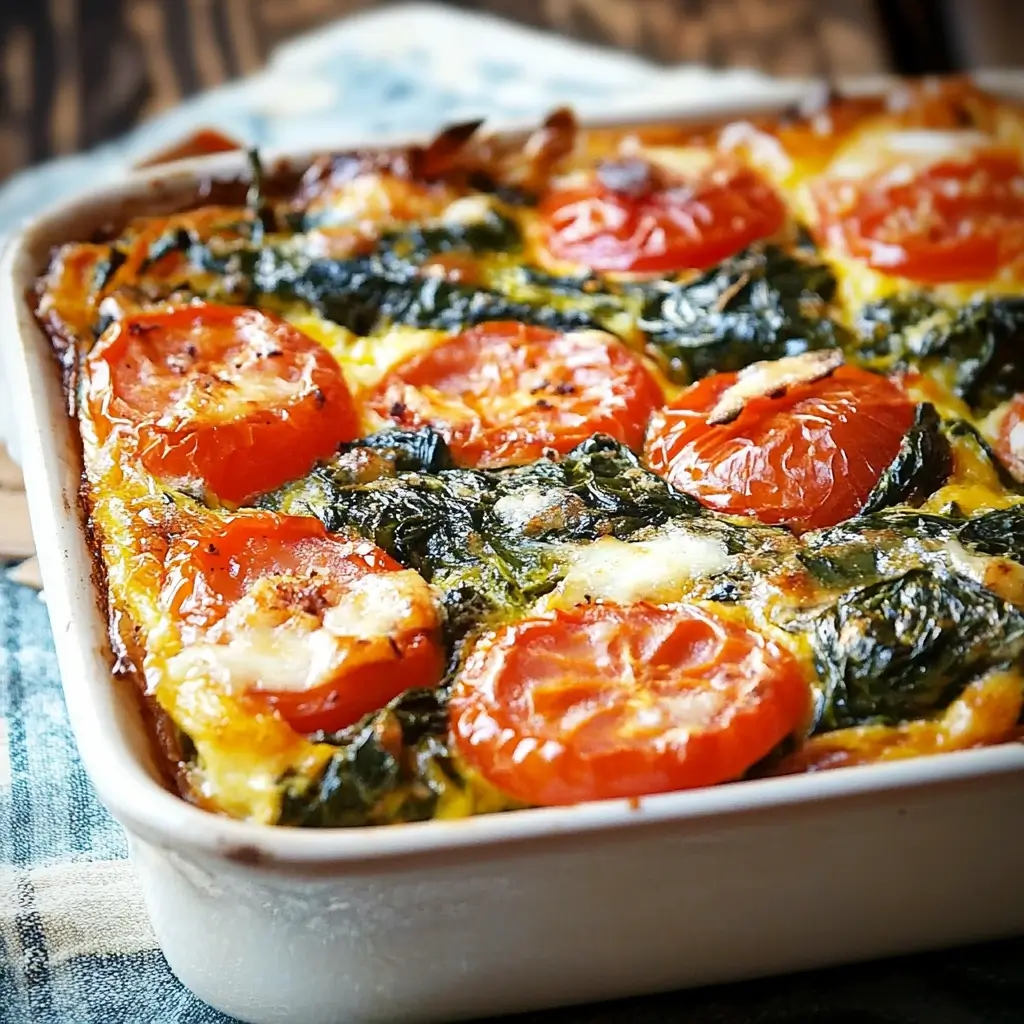
There are some recipes that just feel like a warm hug for your soul, and this Baked Spinach and Tomato Frittata is definitely one of them in our household. I remember the first time I made it on a whim for a weekend brunch; I was slightly nervous, juggling guests and trying to impress. But the beauty of this dish lies in its forgiving nature and its incredible flavour payoff for relatively minimal effort. The aroma of garlic and onions sautéing, followed by the colourful mix of spinach and tomatoes bubbling away with the eggs in the oven, filled the kitchen with such a comforting scent. When I pulled that golden, puffed frittata out of the oven, studded with vibrant red and green, it looked absolutely stunning. The real win? Seeing my family’s eyes light up, followed by contented sighs as they took their first bites. It was creamy, savoury, packed with wholesome goodness, and just worked. Since then, it’s become a staple – perfect for lazy Sundays, quick weeknight dinners, or even meal-prepped lunches. It’s versatile, satisfying, and feels both rustic and elegant all at once. This recipe isn’t just about food; it’s about creating those simple, happy moments around the table.
Ingredients for the Perfect Baked Spinach and Tomato Frittata
Making a truly memorable frittata starts with quality ingredients. While the core components are eggs, spinach, and tomatoes, the supporting cast plays a crucial role in building depth of flavour and achieving that perfect texture. Here’s what you’ll need, with specific amounts designed for a standard 10-inch oven-safe skillet (like a well-seasoned cast iron pan):
- Large Eggs: 8 (The backbone of the frittata. Use good quality, fresh eggs for the best flavour and texture.)
- Olive Oil: 2 tablespoons (Extra virgin recommended for flavour, used for sautéing.)
- Yellow Onion: 1 medium, finely chopped (Approx. 1 cup. Adds a foundational sweetness and aromatic base.)
- Garlic: 2-3 cloves, minced (Adjust to your preference; adds essential savoury depth.)
- Fresh Baby Spinach: 5 ounces (Approx. 5-6 packed cups. Wilts down significantly. You can substitute frozen, see tips below.)
- Cherry or Grape Tomatoes: 1 cup, halved or quartered if large (Adds bursts of sweetness, acidity, and colour.)
- Milk or Cream: 1/4 cup (Whole milk, half-and-half, or heavy cream all work. Cream adds richness, milk keeps it lighter.)
- Grated Parmesan Cheese: 1/4 cup, plus extra for sprinkling (Provides a salty, nutty flavour that permeates the eggs.)
- Crumbled Feta Cheese: 1/4 cup (Optional, but adds lovely salty tang and creamy pockets. Goat cheese is another great option.)
- Salt: 1/2 teaspoon (Adjust to taste, especially considering the saltiness of the cheese.)
- Black Pepper: 1/4 teaspoon, freshly ground (For a touch of warmth and spice.)
- Dried Oregano or Italian Seasoning: 1/2 teaspoon (Optional, adds a subtle herbaceous note that complements the tomatoes and spinach.)
- Red Pepper Flakes: Pinch (Optional, for a tiny bit of heat.)
Step-by-Step Instructions for Frittata Perfection
Follow these detailed steps carefully to ensure your Baked Spinach and Tomato Frittata comes out perfectly cooked – tender, flavourful, and beautifully golden. The process involves starting on the stovetop and finishing in the oven for even cooking.
- Preheat and Prepare: Preheat your oven to 375°F (190°C). Ensure one of the oven racks is positioned in the center. Have all your ingredients chopped, measured, and ready to go (mise en place). This makes the cooking process smooth and prevents rushing.
- Sauté the Aromatics: Place a 10-inch oven-safe skillet (cast iron is ideal) over medium heat. Add the olive oil and let it heat up for about 30 seconds until it shimmers slightly. Add the chopped yellow onion and sauté, stirring occasionally, for 5-7 minutes, or until the onion becomes translucent and softened. Don’t rush this step; developing the sweetness of the onion builds a crucial flavour base.
- Add Garlic and Seasonings: Add the minced garlic, dried oregano (if using), and red pepper flakes (if using) to the skillet. Sauté for another minute until the garlic is fragrant. Be careful not to burn the garlic, as it can become bitter.
- Wilt the Spinach: Add the fresh baby spinach to the skillet. It will seem like a lot, but it wilts down dramatically. Add it in batches if necessary. Stir gently until the spinach has wilted completely, which should take about 2-4 minutes. If any excess liquid releases from the spinach, let it cook off for another minute or two. Excess moisture can lead to a watery frittata. If using frozen spinach, ensure it’s thoroughly thawed and squeezed completely dry before adding it at this stage, just heating it through.
- Prepare the Egg Mixture: While the spinach wilts, crack the 8 large eggs into a medium-sized mixing bowl. Add the milk or cream, grated Parmesan cheese, salt, and freshly ground black pepper. Whisk everything together until the yolks and whites are well combined, and the mixture is slightly frothy. Be careful not to over-whisk; you just want it uniformly mixed. Over-whisking can incorporate too much air, potentially affecting the texture.
- Combine Vegetables: Add the halved or quartered cherry/grape tomatoes to the skillet with the wilted spinach and onion mixture. Stir gently to distribute them evenly throughout the skillet. Cook for just a minute more to slightly warm the tomatoes.
- Add the Egg Mixture: Pour the whisked egg mixture evenly over the vegetables in the skillet. Use a spatula to gently ensure the vegetables are submerged and evenly distributed within the egg mixture. Don’t stir vigorously; just gently arrange things.
- Add Feta and Extra Parmesan: Sprinkle the crumbled feta cheese (if using) evenly over the top of the egg mixture. Add an extra sprinkle of grated Parmesan cheese over the surface for a golden, cheesy crust.
- Cook on Stovetop (Initial Set): Let the skillet sit on the medium heat for 2-3 minutes. You should see the edges of the frittata starting to set slightly. This initial stovetop cooking helps ensure the bottom isn’t undercooked when the top is done.
- Transfer to Oven: Carefully transfer the hot skillet to the preheated oven (remember the handle is hot – use an oven mitt!).
- Bake: Bake for 15-20 minutes, or until the eggs are fully set, the center no longer jiggles when the pan is gently shaken, and the top is lightly golden brown. The exact time will depend on your oven and the depth of your skillet. Keep an eye on it during the last few minutes. An inserted knife near the center should come out clean. Be cautious not to overbake, as this can result in a dry, rubbery texture. The residual heat will continue to cook the frittata slightly after removing it from the oven.
- Rest: Carefully remove the skillet from the oven using oven mitts. Let the frittata rest in the skillet for at least 5-10 minutes before slicing and serving. This allows the internal structure to firm up, making it easier to cut and improving the overall texture. It also prevents scalding hot bites!
- Serve: Loosen the edges of the frittata with a spatula. You can either slice it into wedges directly in the skillet or carefully slide the entire frittata onto a cutting board or serving platter before slicing. Serve warm or at room temperature.
Understanding the Nutritional Profile
While exact nutritional values can vary based on specific ingredients (like the fat content of milk/cream or the type of cheese), here’s an approximate breakdown for this Baked Spinach and Tomato Frittata:
- Servings: This recipe typically yields 6-8 servings, depending on whether it’s served as a main course or a side dish.
- Calories Per Serving (Approximate): Roughly 150-200 calories per serving (based on 8 servings).
Key Nutritional Highlights:
- Protein Powerhouse: Eggs are a fantastic source of high-quality protein, crucial for muscle maintenance, satiety, and overall body function.
- Vitamins and Minerals: Spinach provides Vitamin K, Vitamin A, Vitamin C, folate, and iron. Tomatoes offer Vitamin C, potassium, and lycopene (a potent antioxidant). Eggs contribute Vitamin D, B vitamins, and choline.
- Healthy Fats: Olive oil provides monounsaturated fats, considered heart-healthy.
- Relatively Low Carb: Depending on the specific ingredients used (especially milk vs. cream), this frittata can be a good option for those following a lower-carbohydrate eating pattern.
- Gluten-Free: Naturally gluten-free, making it suitable for individuals with celiac disease or gluten sensitivity.
Disclaimer: These are estimates. For precise nutritional information, it’s recommended to use a nutritional calculator with your specific ingredient brands and quantities.
Timing Your Frittata: Preparation and Cooking Time
Understanding the time commitment helps you plan when to make this delicious dish.
- Preparation Time: 15 minutes (This includes chopping the onion, mincing the garlic, halving the tomatoes, grating cheese, and whisking the eggs.)
- Cooking Time:
- Stovetop Sautéing & Initial Set: Approximately 10-15 minutes
- Oven Baking Time: Approximately 15-20 minutes
- Resting Time: 5-10 minutes (Essential for texture and easier slicing)
- Total Time: Approximately 45-60 minutes from start to finish.
This timeframe makes it feasible for a weekend brunch, a relatively quick weeknight dinner, or even for meal prepping ahead of time.
How to Serve Your Delicious Baked Frittata
This Baked Spinach and Tomato Frittata is wonderfully versatile and can be served in numerous ways to suit any meal or occasion. Here are some ideas:
- Breakfast/Brunch Star:
- Serve warm wedges alongside crusty bread or toast for dipping.
- Pair with a side of roasted breakfast potatoes or hash browns.
- Accompany with fresh fruit salad for a balanced meal.
- Offer with a dollop of plain Greek yogurt or sour cream.
- Serve alongside crispy bacon or breakfast sausage.
- Light Lunch or Dinner:
- Pair a generous slice with a simple green salad dressed with a light vinaigrette.
- Serve alongside a bowl of tomato soup for a comforting combo.
- Enjoy with a side of steamed or roasted asparagus.
- Cut into smaller squares and serve as part of a larger tapas or appetizer spread.
- Meal Prep & On-the-Go:
- Allow the frittata to cool completely, then slice and store in an airtight container in the refrigerator.
- Enjoy cold or gently reheated slices for quick lunches throughout the week.
- Pack a wedge in a lunchbox with some raw veggies or fruit.
- Presentation Enhancements:
- Garnish with fresh chopped parsley or basil just before serving for a pop of colour and freshness.
- Add a drizzle of balsamic glaze over the top for extra flavour complexity.
- Serve with a side of your favourite salsa or avocado slices.
Pro Tips for an Even Better Frittata
Elevate your frittata game with these five essential tips:
- Master Moisture Management: Excess liquid is the enemy of a good frittata, leading to a soggy, watery texture. Ensure your spinach is either wilted down properly (if fresh) to evaporate excess moisture, or thoroughly thawed and squeezed dry (if frozen). Likewise, if using particularly juicy tomatoes, you might want to let the vegetable mixture cook for an extra minute on the stovetop to evaporate some liquid before adding the eggs.
- Choose the Right Pan: An oven-safe skillet is non-negotiable. A well-seasoned 10-inch cast iron skillet is the gold standard. It heats evenly on the stovetop, retains heat well in the oven, and often allows for easy release of the finished frittata. Stainless steel oven-safe skillets also work. Avoid pans with non-oven-safe handles (plastic or rubber).
- Don’t Overcook the Eggs: This is perhaps the most crucial tip. Overbaked eggs become tough, dry, and rubbery. Bake only until the center is just set – it should no longer look liquidy or wobble excessively when gently shaken. Remember that residual heat will continue cooking the frittata for a few minutes after you remove it from the oven. Aim for a tender, custard-like consistency.
- Let It Rest: Patience pays off! Allowing the frittata to rest in the pan for 5-10 minutes after baking is vital. This rest period allows the internal temperature to stabilize, the structure to set firmly (making it easier to slice cleanly), and the flavours to meld together beautifully. Don’t skip this step!
- Season Adequately (But Wisely): Eggs need proper seasoning to shine, but be mindful of salty additions like Parmesan and Feta cheese. Season the egg mixture itself with salt and pepper, but taste your vegetable mixture too (if possible, before adding raw eggs). You can always add a final sprinkle of flaky sea salt upon serving if needed, but it’s hard to fix an overly salty frittata.
Frequently Asked Questions (FAQ)
Here are answers to some common questions about making this Baked Spinach and Tomato Frittata:
- Q: Can I use frozen spinach instead of fresh?
- A: Absolutely! Using frozen spinach is a convenient option. However, it’s critical that you thaw it completely and then squeeze out as much excess water as possible. Use paper towels or a clean kitchen towel to wring it dry. Excess moisture from frozen spinach is a primary cause of watery frittatas. Use approximately 10 ounces of frozen spinach (before squeezing) as a substitute for the 5 ounces of fresh. Add the thawed, squeezed spinach along with the garlic in Step 3, just heating it through.
- Q: My frittata came out watery. What did I do wrong?
- A: Watery frittatas are usually due to excess moisture from the vegetables. This could be from not cooking down fresh spinach enough, not squeezing frozen spinach dry enough, or using very juicy tomatoes without allowing some liquid to evaporate during the sautéing stage. Also, ensure you’re using the right ratio of milk/cream to eggs; too much liquid can thin the custard too much.
- Q: Can I make this frittata ahead of time?
- A: Yes, frittatas are great for making ahead! You can bake it completely, let it cool, then cover and refrigerate it for up to 3-4 days. Serve it cold, at room temperature, or gently reheated. To reheat, you can warm individual slices in the microwave (briefly, to avoid rubberiness) or place the entire frittata (or slices) in a moderate oven (around 300°F / 150°C) until warmed through.
- Q: Can I add meat or other vegetables?
- A: Definitely! Frittatas are incredibly versatile. Feel free to add cooked bacon, sausage, ham, sautéed mushrooms, bell peppers, zucchini, or different herbs like basil or dill. Just ensure any extra vegetables are pre-cooked and excess moisture is removed before adding the egg mixture. Ensure any added meats are already cooked through. Adjust seasonings as needed based on your additions.
- Q: Can I make this dairy-free?
- A: Yes, you can make modifications for a dairy-free version. Substitute the milk/cream with an unsweetened dairy-free alternative like almond milk, soy milk, or oat milk (use a full-fat version for better texture). Omit the Parmesan and Feta cheese. You may want to add a tablespoon of nutritional yeast to the egg mixture for a slightly “cheesy” flavour. Ensure you season well with salt and pepper, as cheese adds significant saltiness.

Baked Spinach and Tomato Frittata Recipe
Ingredients
- Large Eggs: 8 (The backbone of the frittata. Use good quality, fresh eggs for the best flavour and texture.)
- Olive Oil: 2 tablespoons (Extra virgin recommended for flavour, used for sautéing.)
- Yellow Onion: 1 medium, finely chopped (Approx. 1 cup. Adds a foundational sweetness and aromatic base.)
- Garlic: 2-3 cloves, minced (Adjust to your preference; adds essential savoury depth.)
- Fresh Baby Spinach: 5 ounces (Approx. 5-6 packed cups. Wilts down significantly. You can substitute frozen, see tips below.)
- Cherry or Grape Tomatoes: 1 cup, halved or quartered if large (Adds bursts of sweetness, acidity, and colour.)
- Milk or Cream: 1/4 cup (Whole milk, half-and-half, or heavy cream all work. Cream adds richness, milk keeps it lighter.)
- Grated Parmesan Cheese: 1/4 cup, plus extra for sprinkling (Provides a salty, nutty flavour that permeates the eggs.)
- Crumbled Feta Cheese: 1/4 cup (Optional, but adds lovely salty tang and creamy pockets. Goat cheese is another great option.)
- Salt: 1/2 teaspoon (Adjust to taste, especially considering the saltiness of the cheese.)
- Black Pepper: 1/4 teaspoon, freshly ground (For a touch of warmth and spice.)
- Dried Oregano or Italian Seasoning: 1/2 teaspoon (Optional, adds a subtle herbaceous note that complements the tomatoes and spinach.)
- Red Pepper Flakes: Pinch (Optional, for a tiny bit of heat.)
Instructions
- Preheat and Prepare: Preheat your oven to 375°F (190°C). Ensure one of the oven racks is positioned in the center. Have all your ingredients chopped, measured, and ready to go (mise en place). This makes the cooking process smooth and prevents rushing.
- Sauté the Aromatics: Place a 10-inch oven-safe skillet (cast iron is ideal) over medium heat. Add the olive oil and let it heat up for about 30 seconds until it shimmers slightly. Add the chopped yellow onion and sauté, stirring occasionally, for 5-7 minutes, or until the onion becomes translucent and softened. Don’t rush this step; developing the sweetness of the onion builds a crucial flavour base.
- Add Garlic and Seasonings: Add the minced garlic, dried oregano (if using), and red pepper flakes (if using) to the skillet. Sauté for another minute until the garlic is fragrant. Be careful not to burn the garlic, as it can become bitter.
- Wilt the Spinach: Add the fresh baby spinach to the skillet. It will seem like a lot, but it wilts down dramatically. Add it in batches if necessary. Stir gently until the spinach has wilted completely, which should take about 2-4 minutes. If any excess liquid releases from the spinach, let it cook off for another minute or two. Excess moisture can lead to a watery frittata. If using frozen spinach, ensure it’s thoroughly thawed and squeezed completely dry before adding it at this stage, just heating it through.
- Prepare the Egg Mixture: While the spinach wilts, crack the 8 large eggs into a medium-sized mixing bowl. Add the milk or cream, grated Parmesan cheese, salt, and freshly ground black pepper. Whisk everything together until the yolks and whites are well combined, and the mixture is slightly frothy. Be careful not to over-whisk; you just want it uniformly mixed. Over-whisking can incorporate too much air, potentially affecting the texture.
- Combine Vegetables: Add the halved or quartered cherry/grape tomatoes to the skillet with the wilted spinach and onion mixture. Stir gently to distribute them evenly throughout the skillet. Cook for just a minute more to slightly warm the tomatoes.
- Add the Egg Mixture: Pour the whisked egg mixture evenly over the vegetables in the skillet. Use a spatula to gently ensure the vegetables are submerged and evenly distributed within the egg mixture. Don’t stir vigorously; just gently arrange things.
- Add Feta and Extra Parmesan: Sprinkle the crumbled feta cheese (if using) evenly over the top of the egg mixture. Add an extra sprinkle of grated Parmesan cheese over the surface for a golden, cheesy crust.
- Cook on Stovetop (Initial Set): Let the skillet sit on the medium heat for 2-3 minutes. You should see the edges of the frittata starting to set slightly. This initial stovetop cooking helps ensure the bottom isn’t undercooked when the top is done.
- Transfer to Oven: Carefully transfer the hot skillet to the preheated oven (remember the handle is hot – use an oven mitt!).
- Bake: Bake for 15-20 minutes, or until the eggs are fully set, the center no longer jiggles when the pan is gently shaken, and the top is lightly golden brown. The exact time will depend on your oven and the depth of your skillet. Keep an eye on it during the last few minutes. An inserted knife near the center should come out clean. Be cautious not to overbake, as this can result in a dry, rubbery texture. The residual heat will continue to cook the frittata slightly after removing it from the oven.
- Rest: Carefully remove the skillet from the oven using oven mitts. Let the frittata rest in the skillet for at least 5-10 minutes before slicing and serving. This allows the internal structure to firm up, making it easier to cut and improving the overall texture. It also prevents scalding hot bites!
- Serve: Loosen the edges of the frittata with a spatula. You can either slice it into wedges directly in the skillet or carefully slide the entire frittata onto a cutting board or serving platter before slicing. Serve warm or at room temperature.
Nutrition
- Serving Size: One Normal Portion
- Calories: 150-200