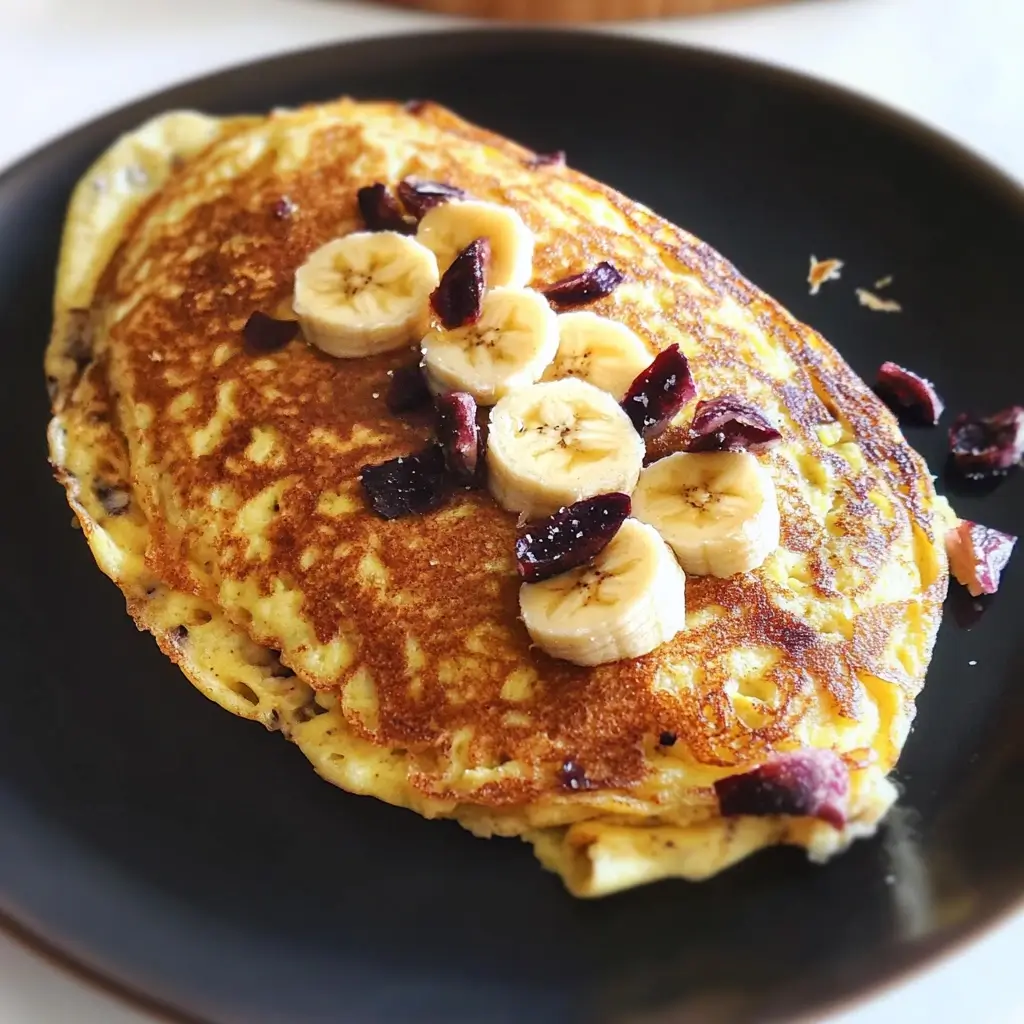
I’ll be honest, the first time someone suggested a “banana omelet” to me, my eyebrows shot up so high they nearly met my hairline. Banana? In an omelet? It sounded like a culinary prank. I envisioned a strange, savory-sweet concoction that would confuse my taste buds more than delight them. But, my adventurous spirit (and a very ripe banana sitting on the counter) urged me to give it a try. And let me tell you, I was floored. The result was not the oddity I expected, but a surprisingly harmonious, subtly sweet, and incredibly satisfying breakfast (or even a light dessert!). The banana melts into the eggs, creating a custardy, almost pancake-like texture within the familiar omelet form. It’s become a go-to in our household, especially when we want something quick, protein-packed, and a little different from the usual cereal or toast. The kids, initially as skeptical as I was, are now huge fans, often requesting “banana eggy pancakes” – their adorable name for it. It’s the kind of recipe that makes you wonder why you didn’t think of it sooner, transforming simple ingredients into something truly special. This isn’t just a recipe; it’s a delightful discovery that I’m excited to share.
Ingredients
This recipe is wonderfully simple, relying on the natural sweetness of ripe bananas and the richness of eggs. The quantities below are for a single, hearty serving or two smaller servings.
- Large Eggs: 2 (or 3 for a larger omelet)
- Ripe Banana: 1 medium (the riper, the sweeter and easier to mash)
- Butter or Coconut Oil: 1 teaspoon (for greasing the pan)
- Ground Cinnamon: 1/4 teaspoon (optional, but highly recommended for warmth)
- Vanilla Extract: 1/4 teaspoon (optional, enhances the sweet flavors)
- Pinch of Salt: Just a tiny pinch (to bring out the sweetness and balance flavors)
- Optional Sweetener: Maple syrup, honey, or a sprinkle of powdered sugar for serving (adjust to taste, the banana often provides enough sweetness)
A Note on Ingredients:
The beauty of this banana omelet recipe lies in its simplicity and adaptability.
- Eggs: Fresh, high-quality eggs will always yield the best flavor and texture. Free-range or organic options can make a noticeable difference.
- Bananas: Look for bananas with plenty of brown spots. These are at their peak sweetness and have a softer texture, making them ideal for mashing and incorporating smoothly into the egg mixture. Green or barely ripe bananas will be starchier and less sweet, altering the final taste and texture significantly.
- Fat for Cooking: Butter adds a classic, rich flavor. Coconut oil complements the tropical note of the banana beautifully and is a great dairy-free option. A light, neutral-flavored oil like avocado oil would also work.
- Spices: Cinnamon is a natural partner for bananas, but don’t hesitate to experiment. A tiny pinch of nutmeg or cardamom can add an exotic twist.
- Salt: It might seem counterintuitive in a sweet dish, but a small amount of salt actually enhances sweetness and rounds out the overall flavor profile.
Instructions
Follow these steps carefully for a perfect banana omelet every time. The key is gentle cooking to ensure the eggs set without browning too quickly, allowing the banana to meld beautifully.
- Prepare the Banana:
- Peel the ripe banana.
- In a small bowl, mash the banana thoroughly with a fork until it’s mostly smooth. A few small lumps are perfectly fine and can add a nice texture, but aim for a paste-like consistency. The riper the banana, the easier this step will be.
- Pro Tip: If you prefer distinct pieces of banana, you can slice the banana thinly instead of mashing. If doing so, you might want to briefly sauté the banana slices in the pan for a minute before adding the eggs, to soften and caramelize them slightly. For this primary recipe, we are focusing on the mashed banana incorporated into the egg.
- Whisk the Eggs:
- Crack the eggs into a separate medium-sized bowl.
- Add the pinch of salt, ground cinnamon, and vanilla extract (if using).
- Whisk the eggs vigorously for about 30 seconds to a minute. You want to incorporate some air to make the omelet light and fluffy. The mixture should be even in color and slightly frothy.
- Why whisk well? Incorporating air creates a more tender and voluminous omelet. Proper whisking also ensures the yolk and white are fully combined, leading to a consistent texture.
- Combine Banana and Egg Mixture:
- Pour the mashed banana into the whisked eggs.
- Gently whisk or stir with a fork until the banana is well distributed throughout the egg mixture. Don’t overmix at this stage; just ensure it’s combined. The batter will be slightly thicker than a plain egg mixture due to the banana.
- Heat the Pan:
- Place a small to medium-sized non-stick skillet (an 8-inch or 10-inch pan is ideal for a single omelet) over medium-low to medium heat. It’s crucial not to use excessively high heat, as this can cause the eggs to cook too quickly on the outside and burn before the inside is set, especially with the added sugars from the banana.
- Add the teaspoon of butter or coconut oil to the pan. Allow it to melt and swirl the pan to coat the bottom evenly. The fat should shimmer slightly but not smoke. If it smokes, the pan is too hot.
- Cook the Omelet:
- Once the pan is properly heated and the fat is melted, pour the banana-egg mixture into the center of the pan.
- Let it spread naturally or gently tilt the pan to create an even layer.
- Cook undisturbed for about 2-4 minutes, or until the edges begin to set and look slightly opaque. You may see a few bubbles forming on the surface.
- Patience is Key: Resist the urge to stir or move the omelet too soon. Allowing the bottom to set properly is crucial for easy folding.
- Check for Doneness and Fold:
- Gently lift an edge of the omelet with a thin spatula to check the underside. It should be lightly golden and set, but not brown. The top surface should still be slightly wet or custardy but not overly liquid.
- If you prefer a fully cooked-through center, you can cover the pan with a lid for a minute or two towards the end of cooking to help the top set with steam.
- Once the omelet is mostly set but still slightly moist on top, use the spatula to carefully fold one half of the omelet over the other, creating a classic half-moon shape. If it’s a larger omelet, you can also fold it in thirds.
- Final Cook and Serve:
- Cook for another 30 seconds to 1 minute after folding, just to ensure the center is warmed through and any remaining egg is cooked to your liking.
- Carefully slide the banana omelet from the pan onto a plate.
- Serve immediately, as it’s best enjoyed warm.
Nutrition Facts
- Servings: 1 large omelet (or 2 small)
- Calories per serving (approximate for 1 large omelet using 2 eggs, 1 medium banana, 1 tsp butter): 270-330 calories.
Breakdown (Approximate):
- Protein: 13-18g (depending on egg size and number)
- Fat: 15-20g (largely from eggs and cooking fat)
- Carbohydrates: 25-30g (primarily from the banana’s natural sugars)
- Fiber: 3-4g (from the banana)
- Potassium: A good source, thanks to the banana.
Disclaimer: Nutritional information is an estimate and can vary based on the exact size of ingredients, specific brands used, and any additional toppings or modifications. This banana omelet provides a good balance of protein from the eggs and natural carbohydrates and potassium from the banana, making it a relatively wholesome meal.
Preparation Time
One of the joys of this recipe is its speed and simplicity, making it perfect for busy mornings or a quick, satisfying snack.
- Preparation Time (Mashing banana, whisking eggs): Approximately 5 minutes
- Cooking Time (Heating pan, cooking omelet): Approximately 5-7 minutes
- Total Time: Approximately 10-12 minutes
This quick turnaround means you can go from craving to feasting in under 15 minutes, which is a huge win for any meal, especially breakfast.
How to Serve
The banana omelet is delightful on its own, but it also serves as a fantastic canvas for a variety of toppings and accompaniments. Here are some ideas to elevate your banana omelet experience:
- Classic Sweet Drizzles:
- A light drizzle of maple syrup (the real stuff!)
- A swirl of honey or agave nectar.
- A delicate dusting of powdered sugar for an elegant touch.
- Fruit Forward:
- Fresh berries: Blueberries, raspberries, sliced strawberries add a tart contrast and a burst of freshness.
- Sautéed apple slices: Briefly cook thin apple slices with a pinch of cinnamon until tender.
- A dollop of fruit compote or unsweetened applesauce.
- Creamy and Rich:
- A spoonful of Greek yogurt or plain yogurt for tang and extra protein.
- A dollop of whipped cream or coconut cream for a more decadent treat.
- A smear of nut butter (almond, peanut, cashew) either inside before folding or on top.
- Textural Crunch:
- A sprinkle of chopped nuts: Walnuts, pecans, or toasted almonds add delightful crunch and healthy fats.
- Toasted coconut flakes for a tropical vibe.
- A few chocolate chips (dark, milk, or white) scattered on top while it’s still warm, so they get slightly melty.
- A sprinkle of granola for added texture and whole grains.
- Spice it Up (More!):
- An extra dash of ground cinnamon or nutmeg on top.
- As Part of a Larger Meal:
- Serve alongside a small fruit salad for a more complete breakfast.
- Pair with a glass of milk, coffee, or tea.
- If you’re feeling particularly hungry, a slice of whole-wheat toast with a light spread could accompany it.
Presentation Tips:
- Always serve immediately while warm for the best texture and flavor.
- Use a contrasting plate color to make the golden omelet pop.
- Garnish with a mint sprig if you have one, for a touch of green.
The versatility in serving allows you to tailor the banana omelet to your specific cravings – whether you want something light and fruity or rich and decadent.
Additional Tips
To help you master the banana omelet and customize it to your liking, here are five additional tips:
- Ripe is Right (The Banana Rule): This cannot be stressed enough. The ripeness of your banana is paramount. Overripe bananas (lots of brown spots, soft to the touch) are significantly sweeter and have a softer texture that mashes easily and incorporates seamlessly into the eggs. Using underripe, firm bananas will result in a less sweet, starchier omelet with a more pronounced, sometimes slightly tart, banana flavor that doesn’t meld as well.
- Gentle Heat is Your Friend: Cooking a banana omelet requires a bit more finesse with heat control than a standard savory omelet. The natural sugars in the banana can cause the omelet to brown or even burn more quickly. Start with medium-low heat and adjust as needed. If the omelet is browning too fast before the center is set, reduce the heat slightly. A non-stick pan is also crucial to prevent sticking and ensure easy flipping or folding.
- Don’t Overcrowd with Add-ins (Inside the Omelet): While toppings are fantastic, if you’re thinking of mixing chunky ingredients into the batter (like whole berries or large nut pieces), do so sparingly. Too many additions can compromise the structure of the omelet, making it difficult to cook evenly and fold neatly. It’s often better to add these as toppings after cooking. If you do add solids to the batter, ensure they are small.
- Experiment with Banana Preparation: While the recipe calls for mashing the banana, you can achieve different textural results with other methods.
- Thinly Sliced: For more distinct banana pieces, slice the banana thinly and either add them to the pan before the egg mixture (sautéing them briefly to caramelize) or arrange them on top of the egg mixture once it starts to set.
- Blended: For an ultra-smooth, almost custardy texture, you can blend the banana with the eggs using an immersion blender or a small regular blender. This creates a very homogenous batter.
- Make it a “Banana Pancake Omelet”: For a slightly different texture that leans more towards a fluffy pancake, you can add a tablespoon of all-purpose flour or a gluten-free alternative like oat flour to the egg and banana mixture. This will give it a bit more body and a fluffier, more cake-like consistency, bridging the gap between an omelet and a pancake. A tiny pinch of baking powder (1/8 teaspoon) can also enhance this effect.
FAQ Section
Here are answers to some frequently asked questions about making a banana omelet:
Q1: Can I use banana extract instead of a real banana?
A: While you could technically use banana extract for flavor, it’s not recommended as a substitute for the real banana in this recipe. The mashed banana contributes not only flavor but also crucial moisture, sweetness, and texture (a certain custardy quality) that extract alone cannot replicate. The bulk from the banana is also important for the omelet’s structure. Using only extract would result in a very thin, banana-flavored egg dish, rather than the intended banana omelet.
Q2: Is this banana omelet recipe healthy?
A: Generally, yes, this banana omelet can be considered a healthy breakfast option, especially when compared to more processed breakfast foods.
* Pros: It’s rich in protein from the eggs, which aids satiety. Bananas provide potassium, vitamin B6, vitamin C, and dietary fiber. It uses natural sweetness from the fruit, reducing the need for added refined sugars (unless you add sweet toppings).
* Considerations: The overall healthiness can depend on the type and amount of cooking fat used and the toppings chosen. If you’re watching fat intake, use a minimal amount of healthy oil like coconut or avocado oil. If you’re monitoring sugar, be mindful of sugary toppings like syrup or chocolate chips. For most people, it’s a balanced and nutritious choice.
Q3: Can I make this recipe dairy-free or vegan?
A:
* Dairy-Free: Absolutely! This recipe is easily made dairy-free. Simply use coconut oil, avocado oil, or another dairy-free fat instead of butter for greasing the pan. The core ingredients (eggs, banana) are naturally dairy-free.
* Vegan: Making a direct vegan substitute that mimics an egg-based omelet is challenging. However, you could try a “vegan banana scramble” concept. Instead of eggs, you could use a base of mashed silken tofu or a commercial vegan egg replacer (like Just Egg), combined with the mashed banana and spices. The texture and cooking process would differ significantly from an egg omelet, but you could still achieve a sweet, banana-flavored breakfast scramble. Another option could be to adapt a chickpea flour omelet (besan chilla) recipe by incorporating mashed banana and sweet spices, though this would be a distinctly different dish.
Q4: How do I store and reheat leftover banana omelet?
A: Banana omelets are best enjoyed fresh and warm, right after cooking, as the texture is optimal then. However, if you have leftovers:
* Storage: Allow the omelet to cool completely, then store it in an airtight container in the refrigerator for up to 1-2 days.
* Reheating: The best way to reheat is gently in a non-stick skillet over low heat with a tiny bit of butter or oil until warmed through (1-2 minutes per side). You can also microwave it in short 15-20 second intervals until warm, but be cautious as microwaving can sometimes make eggs rubbery. Avoid overheating. The texture might not be as perfect as when freshly made, but it will still be tasty.
Q5: Can I add protein powder to this banana omelet for an extra protein boost?
A: Yes, you can add protein powder, but with a few caveats.
* Amount: Start with a small amount, about 1 tablespoon of unflavored or vanilla-flavored protein powder, per 2-egg omelet. Too much can significantly alter the texture, making it dry or rubbery.
* Mixing: Whisk the protein powder thoroughly with the eggs before adding the mashed banana to prevent clumps. You might need to add a splash (1-2 teaspoons) of milk or water if the batter becomes too thick.
* Flavor: Unflavored or vanilla protein powder works best to complement the sweet profile. Other flavors might clash.
* Texture Change: Be aware that adding protein powder will likely make the omelet a bit denser and potentially less custardy. Experiment to find the right balance for your preference. It’s a good way to increase protein content, especially for a post-workout meal.
Banana Omelet Recipe
Ingredients
- Large Eggs: 2 (or 3 for a larger omelet)
- Ripe Banana: 1 medium (the riper, the sweeter and easier to mash)
- Butter or Coconut Oil: 1 teaspoon (for greasing the pan)
- Ground Cinnamon: 1/4 teaspoon (optional, but highly recommended for warmth)
- Vanilla Extract: 1/4 teaspoon (optional, enhances the sweet flavors)
- Pinch of Salt: Just a tiny pinch (to bring out the sweetness and balance flavors)
- Optional Sweetener: Maple syrup, honey, or a sprinkle of powdered sugar for serving (adjust to taste, the banana often provides enough sweetness)
Instructions
- Prepare the Banana:
- Peel the ripe banana.
- In a small bowl, mash the banana thoroughly with a fork until it’s mostly smooth. A few small lumps are perfectly fine and can add a nice texture, but aim for a paste-like consistency. The riper the banana, the easier this step will be.
- Pro Tip: If you prefer distinct pieces of banana, you can slice the banana thinly instead of mashing. If doing so, you might want to briefly sauté the banana slices in the pan for a minute before adding the eggs, to soften and caramelize them slightly. For this primary recipe, we are focusing on the mashed banana incorporated into the egg.
- Whisk the Eggs:
- Crack the eggs into a separate medium-sized bowl.
- Add the pinch of salt, ground cinnamon, and vanilla extract (if using).
- Whisk the eggs vigorously for about 30 seconds to a minute. You want to incorporate some air to make the omelet light and fluffy. The mixture should be even in color and slightly frothy.
- Why whisk well? Incorporating air creates a more tender and voluminous omelet. Proper whisking also ensures the yolk and white are fully combined, leading to a consistent texture.
- Combine Banana and Egg Mixture:
- Pour the mashed banana into the whisked eggs.
- Gently whisk or stir with a fork until the banana is well distributed throughout the egg mixture. Don’t overmix at this stage; just ensure it’s combined. The batter will be slightly thicker than a plain egg mixture due to the banana.
- Heat the Pan:
- Place a small to medium-sized non-stick skillet (an 8-inch or 10-inch pan is ideal for a single omelet) over medium-low to medium heat. It’s crucial not to use excessively high heat, as this can cause the eggs to cook too quickly on the outside and burn before the inside is set, especially with the added sugars from the banana.
- Add the teaspoon of butter or coconut oil to the pan. Allow it to melt and swirl the pan to coat the bottom evenly. The fat should shimmer slightly but not smoke. If it smokes, the pan is too hot.
- Cook the Omelet:
- Once the pan is properly heated and the fat is melted, pour the banana-egg mixture into the center of the pan.
- Let it spread naturally or gently tilt the pan to create an even layer.
- Cook undisturbed for about 2-4 minutes, or until the edges begin to set and look slightly opaque. You may see a few bubbles forming on the surface.
- Patience is Key: Resist the urge to stir or move the omelet too soon. Allowing the bottom to set properly is crucial for easy folding.
- Check for Doneness and Fold:
- Gently lift an edge of the omelet with a thin spatula to check the underside. It should be lightly golden and set, but not brown. The top surface should still be slightly wet or custardy but not overly liquid.
- If you prefer a fully cooked-through center, you can cover the pan with a lid for a minute or two towards the end of cooking to help the top set with steam.
- Once the omelet is mostly set but still slightly moist on top, use the spatula to carefully fold one half of the omelet over the other, creating a classic half-moon shape. If it’s a larger omelet, you can also fold it in thirds.
- Final Cook and Serve:
- Cook for another 30 seconds to 1 minute after folding, just to ensure the center is warmed through and any remaining egg is cooked to your liking.
- Carefully slide the banana omelet from the pan onto a plate.
- Serve immediately, as it’s best enjoyed warm.
Nutrition
- Serving Size: One Normal Portion
- Calories: 270-330
- Fat: 15-20g
- Carbohydrates: 25-30g
- Fiber: 3-4g
- Protein: 13-18g