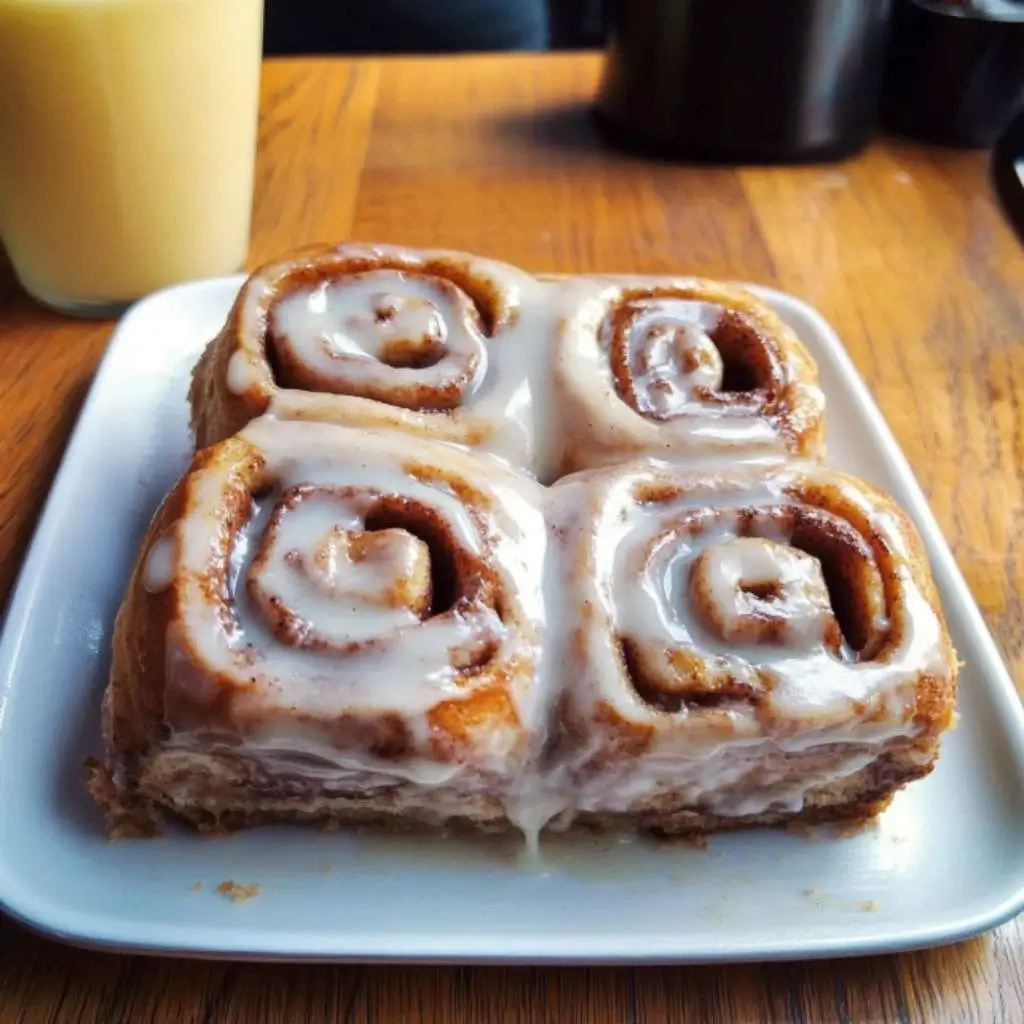
There’s something undeniably magical about the aroma of cinnamon rolls baking in the oven. It fills the kitchen with a warm, comforting scent that promises a treat of unparalleled deliciousness. Recently, I decided to try my hand at making homemade cinnamon rolls using this recipe, and let me tell you, the results were nothing short of extraordinary. From the first bite, my family was hooked. The soft, pillowy dough, the gooey, cinnamon-sugar filling, and the decadent cream cheese icing created a symphony of flavors and textures that surpassed any bakery cinnamon roll we’d ever tasted. These aren’t just good cinnamon rolls; they are the best cinnamon rolls. Get ready to embark on a baking adventure that will reward you with warm, comforting swirls of sweet, buttery cinnamon goodness that will become a cherished tradition in your home.
Ingredients
To create these heavenly cinnamon rolls, you’ll need a collection of pantry staples and a touch of love. Let’s break down each ingredient and understand its role in crafting the perfect roll:
The Dough:
- 720 grams Bread Flour: The foundation of our cinnamon roll masterpiece. Bread flour is crucial for achieving that signature chewy, yet tender texture. Its higher protein content, compared to all-purpose flour, develops more gluten when kneaded. Gluten is the network of proteins that gives dough its elasticity and structure, resulting in rolls that are delightfully soft and hold their shape beautifully. While all-purpose flour can be used in a pinch, bread flour truly elevates the final product, giving you that bakery-quality chewiness. For the best rise and texture, ensure your bread flour is fresh and stored properly in an airtight container.
- 70 grams Granulated Sugar: Sugar isn’t just about sweetness; it plays a vital role in yeast activation and dough tenderness. The sugar feeds the yeast, providing it with the energy it needs to produce carbon dioxide, the gas that makes our dough rise and become light and airy. Beyond that, sugar also contributes to the golden-brown crust we all crave and helps to keep the rolls moist and tender. Granulated sugar is the standard choice for yeast doughs due to its consistent texture and reliable sweetness.
- 14 grams Instant Yeast: The magic ingredient that brings our dough to life! Instant yeast, also known as rapid-rise yeast, is a baker’s best friend. It’s pre-activated, meaning it can be added directly to the dry ingredients without needing to be proofed in liquid first (though the recipe does incorporate a quick proofing step to ensure viability). Instant yeast provides a consistent and reliable rise, making it ideal for both novice and experienced bakers. Ensure your instant yeast is fresh; check the expiration date on the package for optimal results. Storing yeast in the refrigerator or freezer can prolong its shelf life.
- 9 grams Salt: Often underestimated, salt is a crucial player in balancing flavors and controlling yeast activity. Salt enhances the sweetness of the sugar and the richness of the butter, preventing the rolls from tasting bland. It also plays a vital role in gluten development, strengthening the gluten network and giving the dough structure. Furthermore, salt regulates yeast activity, slowing it down slightly and preventing the dough from rising too quickly, which can lead to weaker gluten and less flavorful rolls. Use fine sea salt or table salt for this recipe, ensuring it is measured accurately for the best outcome.
- 75 grams Melted Vegan Butter: Butter is the secret to rich flavor and tender crumb in any baked good, and these cinnamon rolls are no exception. Vegan butter, in this recipe, provides the same richness and moisture as dairy butter, but with a plant-based twist. Melted butter incorporates beautifully into the dough, creating a soft and supple texture. Using a high-quality vegan butter, one that is specifically designed for baking, will yield the best results. Look for vegan butters that are firm when cold and melt smoothly.
- 404 grams Oat, Soy, or Almond Milk: Liquid is essential for hydrating the dry ingredients and activating the yeast. Oat, soy, or almond milk not only provide the necessary moisture but also contribute a subtle creaminess and flavor to the dough. These plant-based milks are excellent vegan alternatives to dairy milk, offering a similar texture and richness. Room temperature milk is preferred as it doesn’t shock the yeast and helps to maintain the ideal dough temperature for rising. You can use your preferred plant-based milk; each will impart slightly different nuances to the final flavor profile.
The Filling:
- 1 cup Brown Sugar: The heart of the cinnamon roll’s irresistible sweetness and gooeyness. Brown sugar, particularly dark brown sugar as recommended, boasts a richer, molasses-like flavor compared to granulated sugar. This depth of flavor perfectly complements the cinnamon and creates that signature caramel-like chewiness in the filling. The moisture content in brown sugar also contributes to the soft and gooey texture of the filling, preventing it from becoming dry or crumbly. Make sure to pack the brown sugar firmly when measuring for accurate proportions.
- 2 tbsp Ground Cinnamon: The star of the show! Cinnamon is the quintessential spice that defines the flavor of cinnamon rolls. High-quality ground cinnamon is crucial for achieving that warm, aromatic, and slightly spicy cinnamon flavor we all crave. Freshly ground cinnamon, if you have the option, will offer the most intense and vibrant flavor. Store your cinnamon in an airtight container away from light and heat to preserve its potency.
- 1 tbsp Flour: A seemingly unassuming ingredient, but flour plays a vital role in preventing the filling from oozing out during baking. The flour acts as a binder, absorbing some of the melted butter and moisture from the brown sugar and cinnamon mixture, creating a thicker, more stable filling that stays put within the rolls. All-purpose flour works perfectly for this purpose.
- ⅓ cup Softened Vegan Butter: More buttery goodness! Softened vegan butter is spread directly onto the rolled-out dough, creating a rich, flavorful base for the cinnamon-sugar filling to adhere to. The butter melts during baking, infusing the dough with moisture and flavor and contributing to the overall tenderness of the rolls. Softened butter is crucial for easy spreading; ensure it is softened to room temperature but not melted.
Cream Cheese Icing (Optional):
- 8 oz Vegan Cream Cheese: The crowning glory of many cinnamon rolls, cream cheese icing adds a tangy sweetness and creamy texture that elevates the rolls to another level of indulgence. Vegan cream cheese provides the same rich and tangy flavor as traditional cream cheese, but in a plant-based form. Ensure your vegan cream cheese is softened to room temperature for smooth and lump-free icing.
- ½ cup Vegan Butter: More butter for richness and creaminess! Vegan butter in the icing contributes to its smooth, spreadable consistency and adds a luxurious buttery flavor that complements the tang of the cream cheese and the sweetness of the powdered sugar. Softened vegan butter is essential for creating a light and fluffy icing.
- 1 tsp Vanilla Extract: A touch of vanilla extract enhances the overall flavor profile of the icing, adding a warm and aromatic note that complements both the cream cheese and the cinnamon rolls. Pure vanilla extract is preferred for the best flavor; avoid imitation vanilla extract, which can have a less nuanced and sometimes artificial taste.
- 2 cups Powdered Sugar: The sweetener and thickener for our cream cheese icing. Powdered sugar, also known as confectioners’ sugar, dissolves smoothly into the icing, creating a silky texture. The amount of powdered sugar can be adjusted to achieve your desired level of sweetness and thickness. Start with 2 cups and add more gradually if you prefer a thicker or sweeter icing.
Glaze (Optional):
- 1 cup Powdered Sugar: The base of our simple glaze, powdered sugar provides sweetness and structure.
- 1 tsp Vanilla Extract: Just like in the cream cheese icing, vanilla extract adds a warm and inviting flavor to the glaze.
- 1 ⅓ tbsp Oat, Soy, or Almond Milk: Liquid to thin the glaze to the desired consistency. Plant-based milk creates a smooth and pourable glaze that easily coats the cinnamon rolls.
Instructions
Let’s walk through the step-by-step process of creating these delectable cinnamon rolls. Don’t be intimidated by the prep time; much of it is hands-off, allowing the dough to rise and develop its wonderful flavor and texture.
- Combine Wet Ingredients for Dough: In the bowl of a stand mixer fitted with the paddle attachment, combine the softened vegan butter and granulated sugar. Mix on medium-low speed for about 2 minutes until the mixture is light and creamy. This step incorporates air into the butter and sugar, contributing to a lighter dough.
- Proof the Yeast (Optional but Recommended): In a separate bowl, whisk together the room-temperature oat, soy, or almond milk and instant yeast. Let this mixture sit for about 5 minutes, or until you see the yeast foam up. This step, while optional if you are confident in your yeast’s viability, is a good way to ensure your yeast is active and ready to work its magic. Foaming indicates that the yeast is alive and producing carbon dioxide, which is essential for the dough to rise.
- Incorporate Yeast Mixture and Salt: Add the yeast-milk mixture and salt to the whipped butter and sugar in the stand mixer bowl. Mix on low speed until everything is just combined, about 2-4 minutes. Mixing on low speed at this stage prevents over-mixing and gluten development too early in the process.
- Add Flour and Mix: Gradually add the bread flour to the wet ingredients in the mixer bowl. Mix on low speed for about 2 minutes, or until the flour is evenly incorporated and a shaggy dough forms. Initially, the dough will appear sticky and not fully formed, which is normal.
- Knead the Dough: Remove the paddle attachment and replace it with the dough hook attachment on your stand mixer. Knead the dough on medium-low speed (setting 2 on a KitchenAid) for about 8 minutes, until the dough becomes smooth, elastic, and pulls away from the sides of the bowl. Kneading develops the gluten in the bread flour, creating the structure and chewiness of the cinnamon rolls. The dough should be tacky but not overly sticky. If it sticks excessively to your fingers, add a tablespoon of flour at a time, kneading until the desired consistency is achieved.
- First Rise (Bulk Fermentation): Cover the bowl with a damp cloth or plastic wrap and place it in a warm spot to rise for 90 minutes, or until the dough has doubled in size. A warm environment (around 75-80°F) is ideal for yeast activity and dough rising. You can place the bowl in a slightly warmed oven (turned off!), a sunny spot, or near a warm stovetop. This first rise, also known as bulk fermentation, allows the yeast to work its magic, producing carbon dioxide and developing the flavor of the dough.
- Prepare the Cinnamon-Sugar Filling: While the dough is rising, prepare the filling. In a small bowl, combine the brown sugar, ground cinnamon, and flour. Mix well and set aside. Having the filling ready while the dough rises streamlines the process and ensures you’re ready to assemble the rolls as soon as the dough is ready.
- Roll Out the Dough: Once the dough has doubled in size, gently punch it down to release the air. Turn the dough out onto a lightly floured surface. Roll the dough out into a rectangle measuring approximately 14×24 inches, aiming for an even thickness. Rolling out on a lightly floured surface prevents sticking and makes it easier to handle the dough.
- Butter and Fill the Dough: Spread the softened vegan butter evenly over the surface of the rolled-out dough, leaving a ½-inch strip blank along one of the long (24-inch) edges. This blank strip will help seal the roll when you shape it. Evenly sprinkle the brown sugar-cinnamon mixture over the buttered dough, and gently rub the sugar mixture into the butter to help it adhere.
- Shape the Cinnamon Roll: Starting from the 24-inch side that is not blank, tightly roll the dough towards the blank edge, like a jelly roll. Position the rolled dough seam-side down. For a tighter seal, you can lightly dampen the blank edge of the dough with water using a pastry brush before rolling.
- Cut the Rolls: Trim off the ends of the roll (about ½-inch to 1 inch from each end) for consistency and to create cleaner-looking rolls. Using a sharp knife or, even better, a piece of string or unflavored dental floss, cut the roll into 12 even slices, each about 2 inches thick. String or floss creates cleaner cuts than a knife, minimizing squishing of the dough. To use string/floss, slide it under the roll where you want to cut, bring the ends up and cross them over each other, then pull in opposite directions to slice through the roll.
- Second Rise (Proofing): Line a 13×9-inch baking pan with parchment paper. Arrange the cinnamon rolls in the pan, placing them in a 3×4 configuration. Cover the pan loosely with plastic wrap and place it in a warm place for a second rise of 30-60 minutes. This second rise, called proofing, allows the rolls to become even lighter and fluffier before baking. They should puff up noticeably during this time.
- Preheat Oven and Bake: Preheat your oven to 350°F (175°C). Once the oven is preheated and the rolls have sufficiently proofed, remove the plastic wrap from the pan and place the cinnamon rolls in the oven. Bake for 20-25 minutes, or until the rolls are golden brown and cooked through. The baking time may vary slightly depending on your oven. The rolls are done when they are golden brown on top and feel slightly firm to the touch.
- Cool and Ice: Once baked, remove the cinnamon rolls from the oven and let them cool in the pan for at least 10 minutes before icing. Cooling slightly allows the icing to set properly and prevents it from melting completely into the warm rolls.
- Prepare Cream Cheese Icing (Optional): While the rolls are cooling, prepare the cream cheese icing if desired. In the bowl of a stand mixer fitted with the whisk attachment, combine the softened vegan cream cheese, softened vegan butter, vanilla extract, and powdered sugar. Whip on medium speed for about 1 minute, or until the icing is smooth and creamy.
- Prepare Glaze (Optional): Alternatively, or in addition to the cream cheese icing, prepare the glaze. In a bowl, whisk together the powdered sugar, vanilla extract, and oat, soy, or almond milk until smooth.
- Ice and Enjoy! Generously frost the slightly cooled cinnamon rolls with either the cream cheese icing or the glaze, or a combination of both. Serve warm and enjoy the blissful experience of homemade cinnamon roll perfection!
Nutrition Facts
These decadent cinnamon rolls are a treat to be savored in moderation. Here’s a general nutritional overview based on the recipe:
- Servings: 12 cinnamon rolls
- Calories per serving (estimated): Approximately 430 kcal
Please Note: These are estimated values and can vary depending on the specific ingredients used and portion sizes. For a more precise nutritional breakdown, you can use online nutritional calculators, inputting the exact ingredients and quantities you used. Keep in mind that cinnamon rolls are a dessert item and are higher in calories, carbohydrates, and sugar. Enjoy them as an occasional indulgence as part of a balanced diet.
Preparation Time
Patience is a virtue when it comes to baking these incredible cinnamon rolls, but the reward is well worth the wait! Here’s a breakdown of the time commitment:
- Prep Time: 2 hours 30 minutes (This includes dough making, rising times, filling preparation, rolling, and shaping)
- Cook Time: 25 minutes
- Total Time: 2 hours 50 minutes
While the total time may seem lengthy, remember that much of the prep time is hands-off rising time. You can use this time to relax, prepare other parts of your meal, or simply enjoy the anticipation of warm cinnamon rolls baking in your oven!
How to Serve
These cinnamon rolls are incredibly versatile and can be enjoyed in various ways. Here are some serving suggestions to elevate your cinnamon roll experience:
- Classic Warm Treat: Serve them warm, fresh out of the oven, generously iced with cream cheese icing or glaze. This is the quintessential cinnamon roll experience – pure comfort and indulgence.
- Brunch Star: Make cinnamon rolls the centerpiece of your weekend brunch spread. Pair them with fresh fruit, yogurt, scrambled eggs, or a savory breakfast casserole for a balanced and satisfying meal.
- Dessert Delight: Enjoy them as a decadent dessert after dinner. A warm cinnamon roll with a scoop of vegan vanilla ice cream or a dollop of whipped coconut cream is an unforgettable sweet ending to any meal.
- Coffee Companion: Cinnamon rolls and coffee are a match made in heaven! Serve them alongside your favorite coffee blend for a perfect morning or afternoon pick-me-up.
- Tea Time Treat: Pair them with a warm cup of tea, such as black tea, chai tea, or herbal tea, for a cozy and comforting afternoon tea break.
- Special Occasions: Cinnamon rolls are perfect for celebrating special occasions like holidays, birthdays, or family gatherings. They are a crowd-pleasing treat that everyone will love.
- Gift Giving: Share the love by gifting a batch of homemade cinnamon rolls to friends, neighbors, or loved ones. They make a thoughtful and delicious homemade gift that is sure to be appreciated.
Additional Tips for Cinnamon Roll Perfection
Elevate your cinnamon roll game with these helpful tips and tricks:
- Use Room Temperature Ingredients: Ensure your milk, vegan butter, and vegan cream cheese are all at room temperature. This helps them incorporate smoothly into the dough and icing, resulting in a better texture and consistency. Room temperature ingredients also promote better yeast activity.
- Don’t Over-Knead the Dough: Kneading is essential for gluten development, but over-kneading can result in tough rolls. Knead the dough for the recommended time (about 8 minutes in a stand mixer) until it is smooth and elastic, but avoid kneading excessively beyond that point.
- Warm Place for Rising is Key: Providing a warm environment for the dough to rise is crucial for proper yeast activity. If your kitchen is cool, you can create a warm spot by placing the bowl in a slightly warmed oven (turned off!), a microwave (also off, with the light on), or near a warm stovetop.
- Tightly Roll the Dough: When rolling up the dough to shape the rolls, roll it tightly to create a spiral shape and prevent large gaps between the layers. A tight roll will result in more defined and visually appealing cinnamon rolls.
- Don’t Overbake: Overbaking can lead to dry cinnamon rolls. Bake them for the recommended time, or until they are golden brown and cooked through, but avoid baking them for too long. They should still be slightly soft in the center when done.
FAQ Section
Let’s address some common questions you might have about making these incredible cinnamon rolls:
Q1: Can I use all-purpose flour instead of bread flour?
A: While bread flour is highly recommended for the best chewy texture, you can use all-purpose flour in a pinch. However, the texture will be slightly less chewy and more cake-like. If using all-purpose flour, you might consider adding an extra tablespoon or two to the dough if it seems too sticky.
Q2: Can I make these cinnamon rolls ahead of time?
A: Yes, you can prepare the cinnamon rolls ahead of time in a couple of ways. You can prepare the dough up to the point of the first rise and refrigerate it overnight. In the morning, let the dough come to room temperature and continue with the recipe. Alternatively, you can assemble the unbaked rolls and refrigerate them overnight. In the morning, let them proof in a warm place for about an hour before baking.
Q3: Can I freeze cinnamon rolls?
A: Absolutely! Baked cinnamon rolls freeze beautifully. Allow them to cool completely after baking, then wrap them individually in plastic wrap and place them in a freezer-safe bag or container. Freeze for up to 2-3 months. To thaw, simply let them sit at room temperature for a few hours or gently warm them in a low oven. It’s best to add icing after thawing for the freshest taste.
Q4: Can I use different spices in the filling?
A: While cinnamon is the classic spice, you can experiment with other warm spices to customize your filling. Try adding a pinch of nutmeg, cardamom, ginger, or allspice along with the cinnamon for a unique flavor profile.
Q5: What if I don’t have vegan cream cheese for the icing?
A: If you don’t have vegan cream cheese, you can make a simple glaze instead, as provided in the recipe. Alternatively, you can create a vegan buttercream frosting using softened vegan butter, powdered sugar, vanilla extract, and a splash of plant-based milk. While it won’t have the tang of cream cheese icing, it will still be a delicious topping for your cinnamon rolls.
Print
Best Cinnamon Rolls Recipe
Ingredients
- 720 grams Bread Flour: The foundation of our cinnamon roll masterpiece. Bread flour is crucial for achieving that signature chewy, yet tender texture. Its higher protein content, compared to all-purpose flour, develops more gluten when kneaded. Gluten is the network of proteins that gives dough its elasticity and structure, resulting in rolls that are delightfully soft and hold their shape beautifully. While all-purpose flour can be used in a pinch, bread flour truly elevates the final product, giving you that bakery-quality chewiness. For the best rise and texture, ensure your bread flour is fresh and stored properly in an airtight container.
- 70 grams Granulated Sugar: Sugar isn’t just about sweetness; it plays a vital role in yeast activation and dough tenderness. The sugar feeds the yeast, providing it with the energy it needs to produce carbon dioxide, the gas that makes our dough rise and become light and airy. Beyond that, sugar also contributes to the golden-brown crust we all crave and helps to keep the rolls moist and tender. Granulated sugar is the standard choice for yeast doughs due to its consistent texture and reliable sweetness.
- 14 grams Instant Yeast: The magic ingredient that brings our dough to life! Instant yeast, also known as rapid-rise yeast, is a baker’s best friend. It’s pre-activated, meaning it can be added directly to the dry ingredients without needing to be proofed in liquid first (though the recipe does incorporate a quick proofing step to ensure viability). Instant yeast provides a consistent and reliable rise, making it ideal for both novice and experienced bakers. Ensure your instant yeast is fresh; check the expiration date on the package for optimal results. Storing yeast in the refrigerator or freezer can prolong its shelf life.
- 9 grams Salt: Often underestimated, salt is a crucial player in balancing flavors and controlling yeast activity. Salt enhances the sweetness of the sugar and the richness of the butter, preventing the rolls from tasting bland. It also plays a vital role in gluten development, strengthening the gluten network and giving the dough structure. Furthermore, salt regulates yeast activity, slowing it down slightly and preventing the dough from rising too quickly, which can lead to weaker gluten and less flavorful rolls. Use fine sea salt or table salt for this recipe, ensuring it is measured accurately for the best outcome.
- 75 grams Melted Vegan Butter: Butter is the secret to rich flavor and tender crumb in any baked good, and these cinnamon rolls are no exception. Vegan butter, in this recipe, provides the same richness and moisture as dairy butter, but with a plant-based twist. Melted butter incorporates beautifully into the dough, creating a soft and supple texture. Using a high-quality vegan butter, one that is specifically designed for baking, will yield the best results. Look for vegan butters that are firm when cold and melt smoothly.
- 404 grams Oat, Soy, or Almond Milk: Liquid is essential for hydrating the dry ingredients and activating the yeast. Oat, soy, or almond milk not only provide the necessary moisture but also contribute a subtle creaminess and flavor to the dough. These plant-based milks are excellent vegan alternatives to dairy milk, offering a similar texture and richness. Room temperature milk is preferred as it doesn’t shock the yeast and helps to maintain the ideal dough temperature for rising. You can use your preferred plant-based milk; each will impart slightly different nuances to the final flavor profile.
The Filling:
- 1 cup Brown Sugar: The heart of the cinnamon roll’s irresistible sweetness and gooeyness. Brown sugar, particularly dark brown sugar as recommended, boasts a richer, molasses-like flavor compared to granulated sugar. This depth of flavor perfectly complements the cinnamon and creates that signature caramel-like chewiness in the filling. The moisture content in brown sugar also contributes to the soft and gooey texture of the filling, preventing it from becoming dry or crumbly. Make sure to pack the brown sugar firmly when measuring for accurate proportions.
- 2 tbsp Ground Cinnamon: The star of the show! Cinnamon is the quintessential spice that defines the flavor of cinnamon rolls. High-quality ground cinnamon is crucial for achieving that warm, aromatic, and slightly spicy cinnamon flavor we all crave. Freshly ground cinnamon, if you have the option, will offer the most intense and vibrant flavor. Store your cinnamon in an airtight container away from light and heat to preserve its potency.
- 1 tbsp Flour: A seemingly unassuming ingredient, but flour plays a vital role in preventing the filling from oozing out during baking. The flour acts as a binder, absorbing some of the melted butter and moisture from the brown sugar and cinnamon mixture, creating a thicker, more stable filling that stays put within the rolls. All-purpose flour works perfectly for this purpose.
- ⅓ cup Softened Vegan Butter: More buttery goodness! Softened vegan butter is spread directly onto the rolled-out dough, creating a rich, flavorful base for the cinnamon-sugar filling to adhere to. The butter melts during baking, infusing the dough with moisture and flavor and contributing to the overall tenderness of the rolls. Softened butter is crucial for easy spreading; ensure it is softened to room temperature but not melted.
Cream Cheese Icing (Optional):
- 8 oz Vegan Cream Cheese: The crowning glory of many cinnamon rolls, cream cheese icing adds a tangy sweetness and creamy texture that elevates the rolls to another level of indulgence. Vegan cream cheese provides the same rich and tangy flavor as traditional cream cheese, but in a plant-based form. Ensure your vegan cream cheese is softened to room temperature for smooth and lump-free icing.
- ½ cup Vegan Butter: More butter for richness and creaminess! Vegan butter in the icing contributes to its smooth, spreadable consistency and adds a luxurious buttery flavor that complements the tang of the cream cheese and the sweetness of the powdered sugar. Softened vegan butter is essential for creating a light and fluffy icing.
- 1 tsp Vanilla Extract: A touch of vanilla extract enhances the overall flavor profile of the icing, adding a warm and aromatic note that complements both the cream cheese and the cinnamon rolls. Pure vanilla extract is preferred for the best flavor; avoid imitation vanilla extract, which can have a less nuanced and sometimes artificial taste.
- 2 cups Powdered Sugar: The sweetener and thickener for our cream cheese icing. Powdered sugar, also known as confectioners’ sugar, dissolves smoothly into the icing, creating a silky texture. The amount of powdered sugar can be adjusted to achieve your desired level of sweetness and thickness. Start with 2 cups and add more gradually if you prefer a thicker or sweeter icing.
Glaze (Optional):
- 1 cup Powdered Sugar: The base of our simple glaze, powdered sugar provides sweetness and structure.
- 1 tsp Vanilla Extract: Just like in the cream cheese icing, vanilla extract adds a warm and inviting flavor to the glaze.
- 1 ⅓ tbsp Oat, Soy, or Almond Milk: Liquid to thin the glaze to the desired consistency. Plant-based milk creates a smooth and pourable glaze that easily coats the cinnamon rolls.
Instructions
- Combine Wet Ingredients for Dough: In the bowl of a stand mixer fitted with the paddle attachment, combine the softened vegan butter and granulated sugar. Mix on medium-low speed for about 2 minutes until the mixture is light and creamy. This step incorporates air into the butter and sugar, contributing to a lighter dough.
- Proof the Yeast (Optional but Recommended): In a separate bowl, whisk together the room-temperature oat, soy, or almond milk and instant yeast. Let this mixture sit for about 5 minutes, or until you see the yeast foam up. This step, while optional if you are confident in your yeast’s viability, is a good way to ensure your yeast is active and ready to work its magic. Foaming indicates that the yeast is alive and producing carbon dioxide, which is essential for the dough to rise.
- Incorporate Yeast Mixture and Salt: Add the yeast-milk mixture and salt to the whipped butter and sugar in the stand mixer bowl. Mix on low speed until everything is just combined, about 2-4 minutes. Mixing on low speed at this stage prevents over-mixing and gluten development too early in the process.
- Add Flour and Mix: Gradually add the bread flour to the wet ingredients in the mixer bowl. Mix on low speed for about 2 minutes, or until the flour is evenly incorporated and a shaggy dough forms. Initially, the dough will appear sticky and not fully formed, which is normal.
- Knead the Dough: Remove the paddle attachment and replace it with the dough hook attachment on your stand mixer. Knead the dough on medium-low speed (setting 2 on a KitchenAid) for about 8 minutes, until the dough becomes smooth, elastic, and pulls away from the sides of the bowl. Kneading develops the gluten in the bread flour, creating the structure and chewiness of the cinnamon rolls. The dough should be tacky but not overly sticky. If it sticks excessively to your fingers, add a tablespoon of flour at a time, kneading until the desired consistency is achieved.
- First Rise (Bulk Fermentation): Cover the bowl with a damp cloth or plastic wrap and place it in a warm spot to rise for 90 minutes, or until the dough has doubled in size. A warm environment (around 75-80°F) is ideal for yeast activity and dough rising. You can place the bowl in a slightly warmed oven (turned off!), a sunny spot, or near a warm stovetop. This first rise, also known as bulk fermentation, allows the yeast to work its magic, producing carbon dioxide and developing the flavor of the dough.
- Prepare the Cinnamon-Sugar Filling: While the dough is rising, prepare the filling. In a small bowl, combine the brown sugar, ground cinnamon, and flour. Mix well and set aside. Having the filling ready while the dough rises streamlines the process and ensures you’re ready to assemble the rolls as soon as the dough is ready.
- Roll Out the Dough: Once the dough has doubled in size, gently punch it down to release the air. Turn the dough out onto a lightly floured surface. Roll the dough out into a rectangle measuring approximately 14×24 inches, aiming for an even thickness. Rolling out on a lightly floured surface prevents sticking and makes it easier to handle the dough.
- Butter and Fill the Dough: Spread the softened vegan butter evenly over the surface of the rolled-out dough, leaving a ½-inch strip blank along one of the long (24-inch) edges. This blank strip will help seal the roll when you shape it. Evenly sprinkle the brown sugar-cinnamon mixture over the buttered dough, and gently rub the sugar mixture into the butter to help it adhere.
- Shape the Cinnamon Roll: Starting from the 24-inch side that is not blank, tightly roll the dough towards the blank edge, like a jelly roll. Position the rolled dough seam-side down. For a tighter seal, you can lightly dampen the blank edge of the dough with water using a pastry brush before rolling.
- Cut the Rolls: Trim off the ends of the roll (about ½-inch to 1 inch from each end) for consistency and to create cleaner-looking rolls. Using a sharp knife or, even better, a piece of string or unflavored dental floss, cut the roll into 12 even slices, each about 2 inches thick. String or floss creates cleaner cuts than a knife, minimizing squishing of the dough. To use string/floss, slide it under the roll where you want to cut, bring the ends up and cross them over each other, then pull in opposite directions to slice through the roll.
- Second Rise (Proofing): Line a 13×9-inch baking pan with parchment paper. Arrange the cinnamon rolls in the pan, placing them in a 3×4 configuration. Cover the pan loosely with plastic wrap and place it in a warm place for a second rise of 30-60 minutes. This second rise, called proofing, allows the rolls to become even lighter and fluffier before baking. They should puff up noticeably during this time.
- Preheat Oven and Bake: Preheat your oven to 350°F (175°C). Once the oven is preheated and the rolls have sufficiently proofed, remove the plastic wrap from the pan and place the cinnamon rolls in the oven. Bake for 20-25 minutes, or until the rolls are golden brown and cooked through. The baking time may vary slightly depending on your oven. The rolls are done when they are golden brown on top and feel slightly firm to the touch.
- Cool and Ice: Once baked, remove the cinnamon rolls from the oven and let them cool in the pan for at least 10 minutes before icing. Cooling slightly allows the icing to set properly and prevents it from melting completely into the warm rolls.
- Prepare Cream Cheese Icing (Optional): While the rolls are cooling, prepare the cream cheese icing if desired. In the bowl of a stand mixer fitted with the whisk attachment, combine the softened vegan cream cheese, softened vegan butter, vanilla extract, and powdered sugar. Whip on medium speed for about 1 minute, or until the icing is smooth and creamy.
- Prepare Glaze (Optional): Alternatively, or in addition to the cream cheese icing, prepare the glaze. In a bowl, whisk together the powdered sugar, vanilla extract, and oat, soy, or almond milk until smooth.
- Ice and Enjoy! Generously frost the slightly cooled cinnamon rolls with either the cream cheese icing or the glaze, or a combination of both. Serve warm and enjoy the blissful experience of homemade cinnamon roll perfection!
Nutrition
- Serving Size: One Normal Portion
- Calories: 430