

There’s something truly comforting about a warm, colorful Indian Vegetable Curry simmering on the stove—its fragrant spices filling the kitchen and lifting your spirits after a long day. I stumbled upon this recipe when I craved something hearty yet packed with fresh veggies, and it quickly became my go-to for a wholesome, flavorful meal that satisfies every time. What I love most is how easy it is to customize—swap in your favorite vegetables or adjust the heat to suit your mood. Whether you’re a seasoned chef or someone tired of the usual takeout, this curry offers a vibrant, wholesome alternative that’s both simple to make and absolutely delicious. Ready to bring a burst of flavor and warmth to your dinner table? Let’s dive into this Indian Vegetable Curry that promises to become a staple in your kitchen!
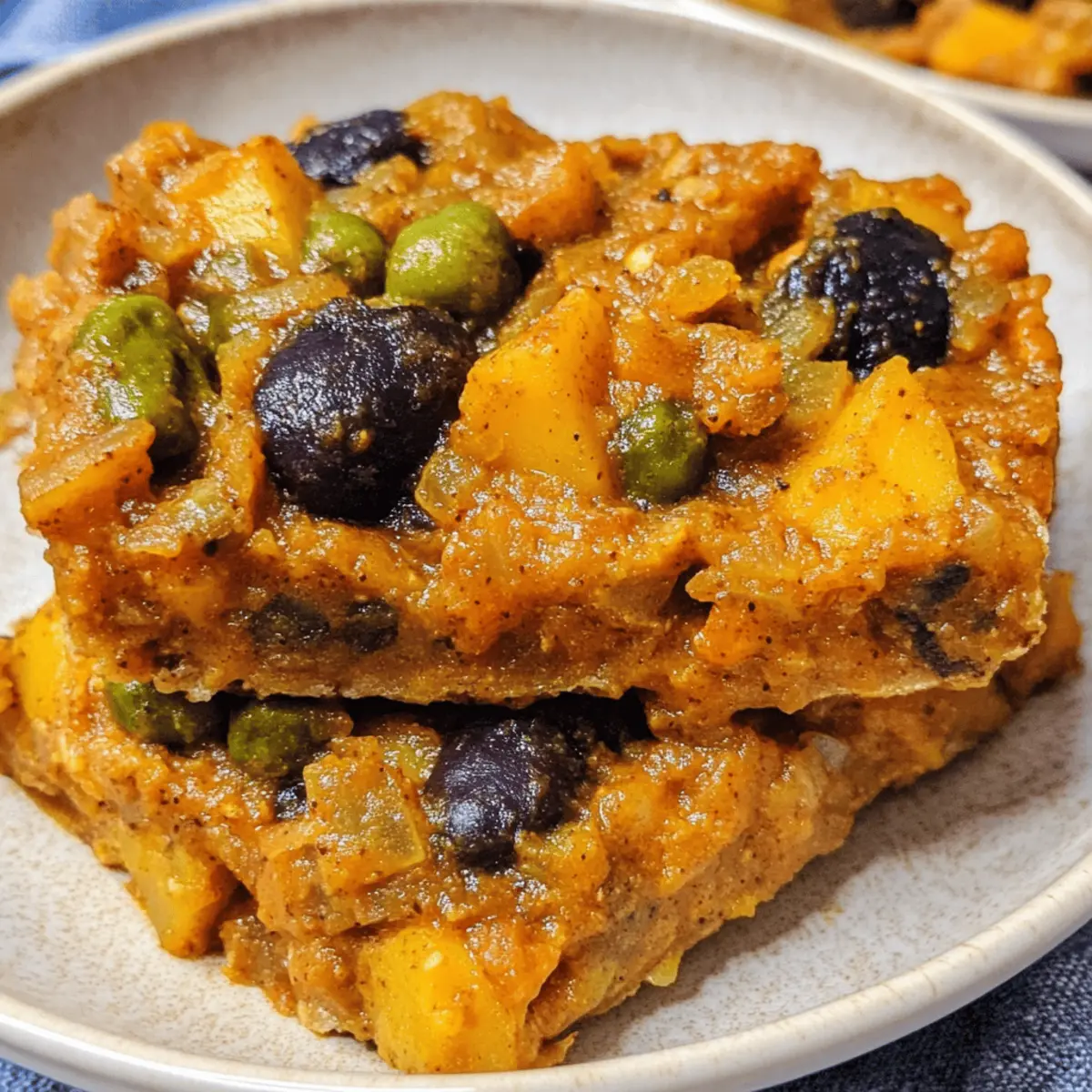
Why choose Indian Vegetable Curry tonight?
Flavorful fusion: This curry bursts with authentic Indian spices that awaken your taste buds. Easy to customize: Swap veggies or spice levels to match your cravings. Wholesome and comforting: A hearty, vegetable-packed meal that nurtures body and soul. Quick preparation: Perfect for busy weeknights without sacrificing taste. Crowd-pleaser: Ideal for sharing with family or friends seeking delicious, home-cooked meals.
Indian Vegetable Curry Ingredients
For the Curry Base
- Onion – finely chopped to create a sweet, caramelized flavor foundation.
- Garlic cloves – minced for that signature aromatic punch in every bite.
- Ginger – freshly grated to add a warm, zesty undertone.
- Tomatoes – pureed or chopped to build a rich, tangy sauce.
- Vegetable oil – use mustard or sunflower oil to bring out authentic flavors.
Spices and Seasonings
- Turmeric powder – a golden touch that adds earthiness and vibrant color.
- Coriander powder – vital for the classic herbal warmth in Indian Vegetable Curry.
- Cumin seeds – toasted lightly to release nutty, smoky notes.
- Garam masala – a fragrant blend that ties all the spices together beautifully.
- Red chili powder – adjust for your preferred heat level to keep it just right.
- Salt – enhances all the flavorful ingredients without overpowering.
Vegetables
- Potatoes – diced, they soak up spices and help make the curry hearty.
- Carrots – sliced for subtle sweetness and vibrant color contrast.
- Green beans – chopped to add crunch and freshness.
- Peas – a pop of sweetness and texture in every spoonful.
- Cauliflower florets – perfect for absorbing curry spices and offering bite.
For Garnish and Extras
- Fresh cilantro – chopped, sprinkled just before serving for a burst of herbal brightness.
- Lemon juice – a splash to brighten the whole dish and balance flavors.
This Indian Vegetable Curry recipe’s ingredient list is designed for flexibility, letting you swap or add vegetables based on what’s freshest or your cravings—making it a wonderful canvas for home cooking that’s as vibrant as it is comforting.
How to Make Indian Vegetable Curry
- Heat Oil: In a large pot, heat vegetable oil over medium heat until shimmering. This preps the curry base and infuses warm aroma into each bite, about 1 minute.
- Sauté Onions: Add finely chopped onions and cook until golden brown and translucent, about 5–7 minutes. This builds the curry’s sweet, caramelized flavor foundation.
- Add Garlic & Ginger: Stir in minced garlic and freshly grated ginger. Cook for 1–2 minutes until aromatic, filling your kitchen with warm, zesty fragrance.
- Toast Spices: Add cumin seeds and let them sizzle for 30 seconds. Then stir in turmeric, coriander, and red chili powder until spices release their golden hues.
- Build Sauce: Pour in tomato puree or chopped tomatoes, stirring well. Simmer for 5 minutes until oil separates and the sauce turns deep red.
- Add Root Veggies: Add diced potatoes and sliced carrots. Stir to coat in sauce, then cook 6–8 minutes until they begin to soften and absorb spices.
- Incorporate Other Veggies: Stir in green beans, cauliflower florets, and peas. Cover and simmer 10–12 minutes until vegetables are tender yet still vibrant.
- Season & Simmer: Sprinkle garam masala and salt. Stir gently, then simmer uncovered for an additional 2 minutes to let flavors meld.
- Garnish & Serve: Remove from heat, stir in fresh lemon juice, and sprinkle chopped cilantro on top. Serve hot with rice or naan for a complete meal.
Optional: Add a dollop of yogurt for creamy contrast.
Exact quantities are listed in the recipe card below.
Make Ahead Options
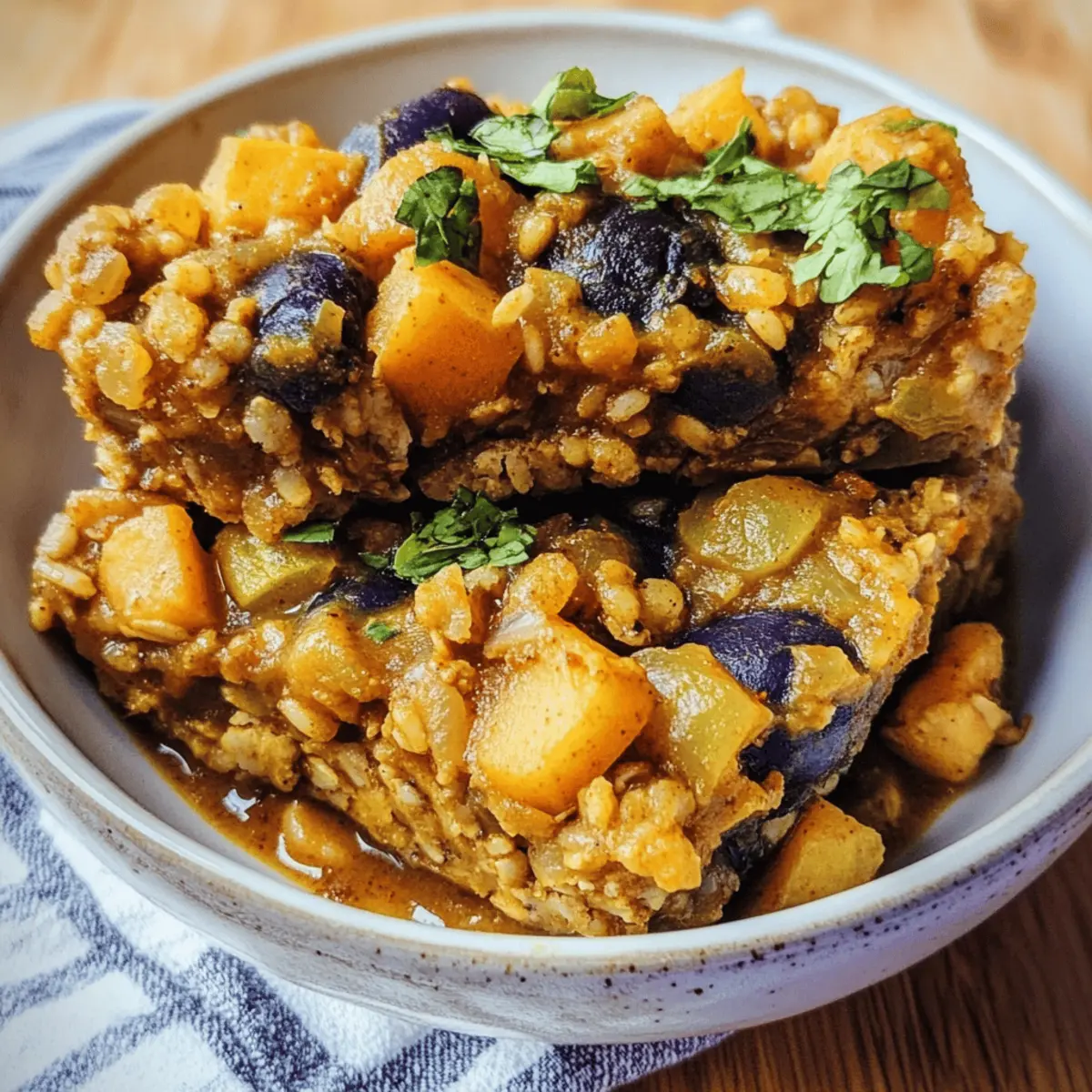
These Indian Vegetable Curry ingredients are perfect for meal prep enthusiasts! You can chop your vegetables such as potatoes, carrots, and cauliflower up to 24 hours in advance; simply refrigerate them in an airtight container to keep them fresh. The curry base, including sautéed onions, garlic, and spices, can also be prepared 2-3 days ahead—just reheat gently before combining with your veggies. When you’re ready to serve, simply simmer everything together until the vegetables are tender and the flavors meld beautifully. This way, you’ll have a comforting, homemade meal ready in no time, just as delicious as if you made it on the spot!
What to Serve with Indian Vegetable Curry?
The aroma of spices wafting through the air enhances the anticipation for a delightful and satisfying meal.
- Fluffy Basmati Rice: The delicate grains soak up the curry’s rich sauce, creating a comforting bite that every curry lover dreams of.
- Garlic Naan: Soft and chewy, this bread is perfect for scooping up your flavorful curry, bringing a delicious blend of textures to the table.
- Cucumber Raita: A cool, creamy yogurt side that balances the warmth of the curry, providing a refreshing contrast with each bite.
- Mixed Green Salad: Crisp greens with a light vinaigrette add a fresh crunch, rounding out the meal with a burst of vibrant colors and textures.
- Spicy Mango Chutney: A sweet and tangy condiment that complements the spices in the curry, adding an extra dimension of flavor that excites the palate.
- Chai Tea: The fragrant spices in chai echo those in your curry, creating a delightful pairing that warms your heart and soul.
Finish your meal on a sweet note with Gulab Jamun, those delectable syrup-soaked bites provide the perfect sweet ending to your culinary adventure!
How to Store and Freeze Indian Vegetable Curry
Fridge: Store leftover Indian Vegetable Curry in an airtight container for up to 3 days. Reheat on the stovetop or in the microwave, adding a splash of water for moisture.
Freezer: Allow the curry to cool completely before transferring it to freezer-safe bags or containers. It can be frozen for up to 3 months for a convenient, hearty meal.
Thawing: To enjoy your frozen curry, thaw it overnight in the fridge, then reheat on low heat, stirring occasionally until heated through.
Reheating: For best results, reheat leftovers gently to retain the flavor and texture of the vegetables in your Indian Vegetable Curry.
Variations & Substitutions for Indian Vegetable Curry
Feel free to get creative and make this curry uniquely yours with these delightful twists that will tantalize your taste buds!
-
Dairy-Free: Use coconut milk instead of yogurt or cream for a rich, creamy finish without dairy.
-
Spicy Kick: Add diced jalapeños or a swirl of chili paste for an extra layer of heat and excitement.
-
Protein Boost: Toss in cooked chickpeas or lentils to transform it into a heartier dish that’s packed with protein.
The addition of legumes not only enhances texture but also elevates the nutritional profile of your curry.
- Rotating Veggies: Swap seasonal vegetables like zucchini, bell peppers, or spinach for a fresh take every time you cook.
Each new vegetable brings its own flavor and texture, making every bowl a little adventure on your palate!
-
Herb Infusion: Introduce fresh herbs like cilantro or mint right before serving for a burst of flavor that brightens the dish.
-
Nutty Flavor: Toasted cashews or almonds added just before serving will give your curry a delightful crunch and richness.
Nuts add a satisfying contrast to the curry’s creaminess, creating a play of textures that your family will love.
- Sweet Touch: Throw in some raisins or diced pineapple for a touch of sweetness that balances out the spices beautifully.
Remember, this recipe is your canvas—paint it however you like!
Expert Tips for Indian Vegetable Curry
- Prep Veggies Uniformly: Cut vegetables into similar sizes to ensure even cooking and achieve perfect texture in your Indian Vegetable Curry.
- Toast Spices Gently: Heat spices on low to medium flame to avoid burning and unlock their full aroma without bitterness.
- Customize Spice Levels: Adjust red chili powder gradually to suit your heat preference, balancing flavor without overwhelming the dish.
- Use Fresh Ingredients: Fresh ginger, garlic, and cilantro brighten the curry’s flavor, making every bite vibrant and wholesome.
- Simmer Just Right: Don’t overcook vegetables; simmer until tender yet firm to maintain color and nutritional value.
- Add Lemon Last: Squeeze lemon juice off the heat to preserve its fresh, zesty lift that enhances the curry’s depth naturally.
Indian Vegetable Curry Recipe FAQs
How do I know if the vegetables are fresh enough for the curry?
Look for bright colors and firm textures—carrots should be vibrant orange, green beans snap when bent, and cauliflower should be creamy white without dark spots. Avoid veggies that are wilted or have soft, mushy areas.
Can I store leftover Indian Vegetable Curry in the fridge, and for how long?
Absolutely! Store your curry in an airtight container in the refrigerator, where it will stay fresh for up to 3 to 4 days. Make sure to cool it completely before sealing to maintain the best flavor and texture.
Is it possible to freeze Indian Vegetable Curry for longer storage?
Very much so! After the curry cools completely, portion it into freezer-safe containers or bags, removing as much air as possible. It freezes beautifully for up to 3 months. When ready, thaw overnight in the fridge and gently reheat on the stove, stirring occasionally to revive that fresh, spiced taste.
What if my curry tastes too bland or too spicy? How can I fix it?
If it’s bland, try adding a squeeze of fresh lemon juice or a pinch more garam masala to brighten and deepen the flavor. For overly spicy curry, a dollop of plain yogurt or a splash of coconut milk can mellow the heat wonderfully without diluting the essential spices.
Is Indian Vegetable Curry safe for pets, or are any ingredients toxic?
Indian Vegetable Curry contains spices like chili powder, garlic, and onions that can be harmful to pets. It’s best to keep this dish away from them and provide pet-safe food instead. Always check with your vet before sharing any human meals.
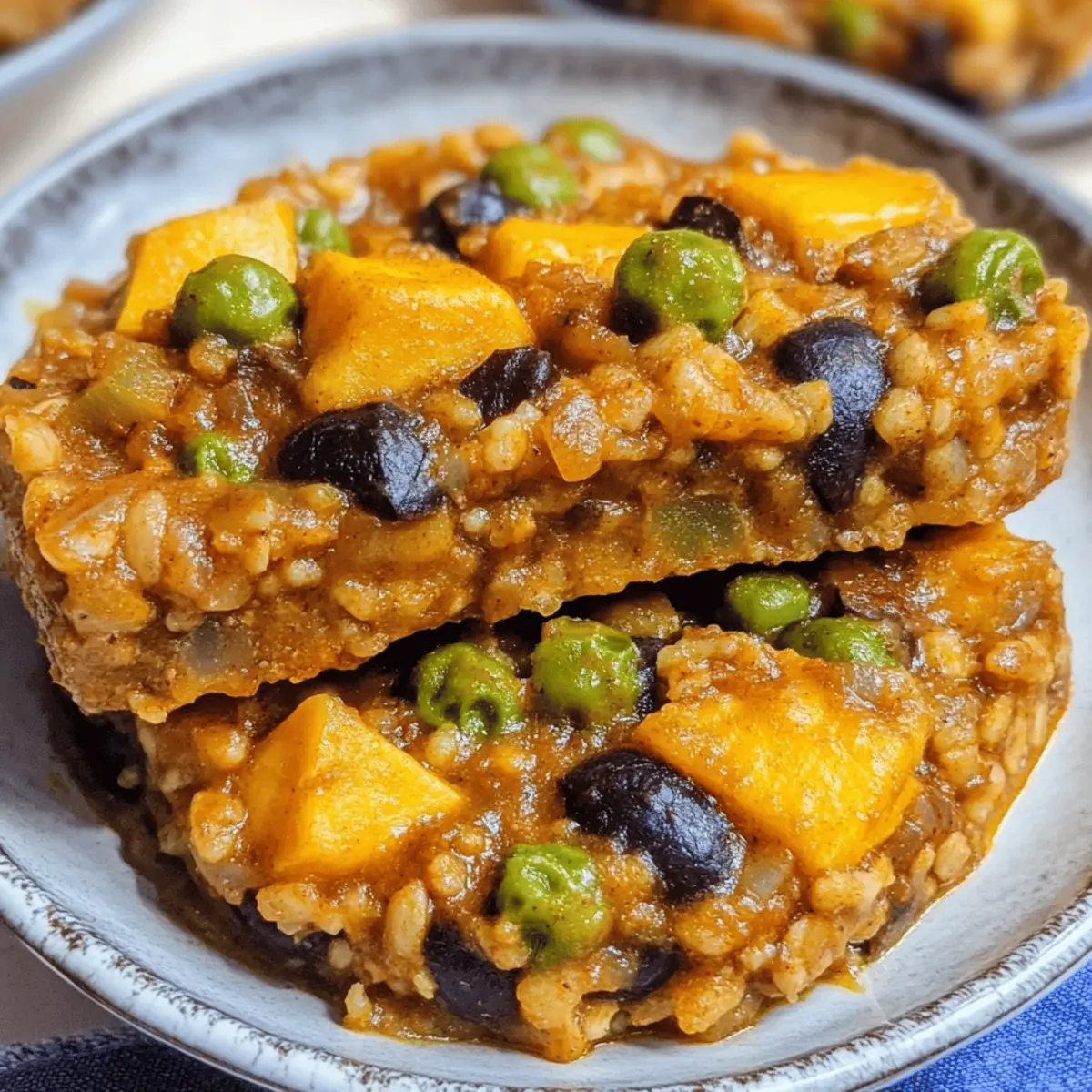
Best Easy Indian Vegetable Curry Recipe You'll Love Tonight
Ingredients
Equipment
Method
- In a large pot, heat vegetable oil over medium heat until shimmering.
- Add finely chopped onions and cook until golden brown and translucent, about 5–7 minutes.
- Stir in minced garlic and freshly grated ginger. Cook for 1–2 minutes until aromatic.
- Add cumin seeds and let them sizzle for 30 seconds. Then stir in turmeric, coriander, and red chili powder.
- Pour in tomato puree or chopped tomatoes, stirring well. Simmer for 5 minutes until oil separates.
- Add diced potatoes and sliced carrots. Stir to coat in sauce, then cook 6–8 minutes.
- Stir in green beans, cauliflower florets, and peas. Cover and simmer 10–12 minutes.
- Sprinkle garam masala and salt. Stir gently, then simmer uncovered for an additional 2 minutes.
- Remove from heat, stir in fresh lemon juice, and sprinkle chopped cilantro on top. Serve hot.