
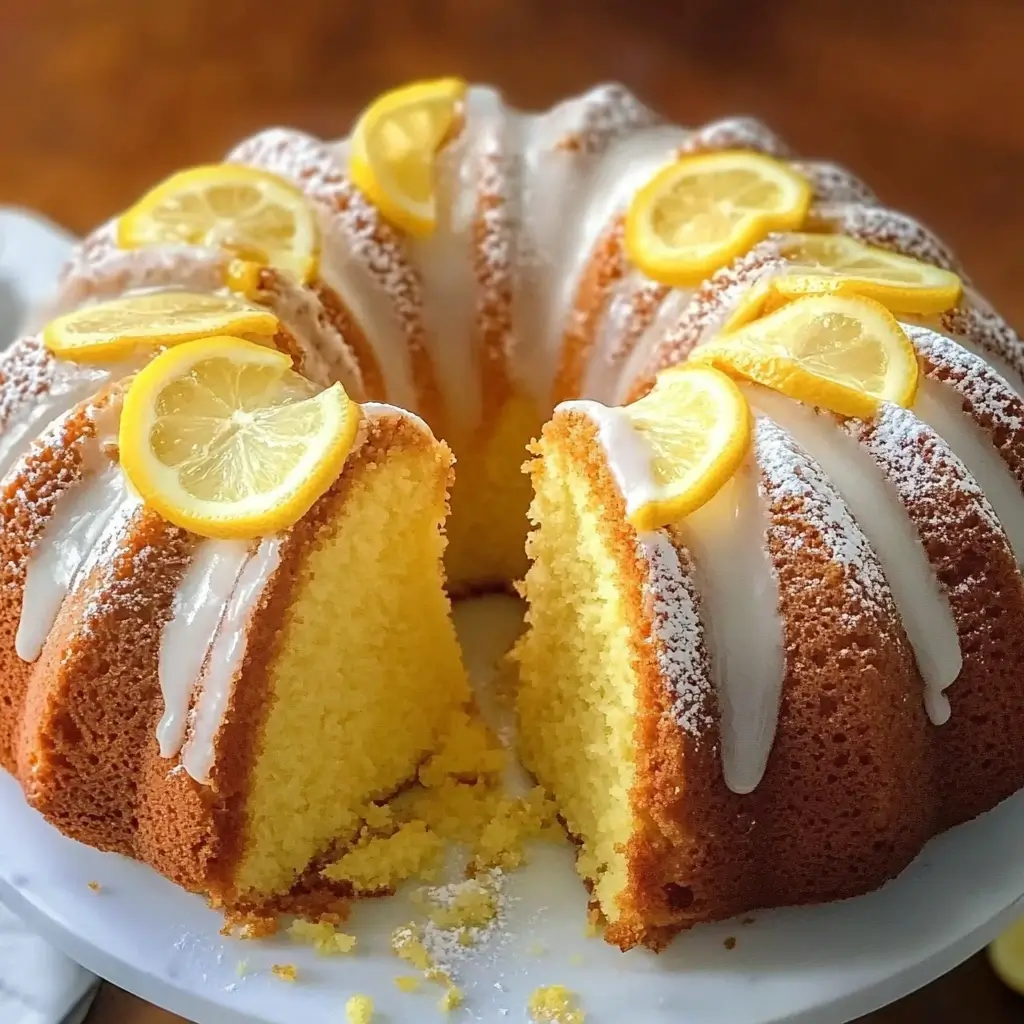
After years of searching for the perfect dessert to brighten up any occasion, I finally stumbled upon a recipe that has become a staple in my kitchen: The Best Lemon Bundt Cake. From family gatherings to simple weeknight treats, this cake has consistently garnered rave reviews. The first time I baked it, the aroma of lemon zest filled my home, promising a burst of citrusy delight. And it delivered! The cake emerged from the oven golden brown, perfectly moist, and incredibly flavorful. My family devoured it within hours, and requests for “that lemon cake” have been frequent ever since. It’s not just the taste; it’s the texture too – a tender crumb that melts in your mouth, enhanced by the tangy-sweet lemon icing that cascades down its fluted sides. This isn’t just any lemon cake; it’s the lemon bundt cake that elevates any moment into something special.
Ingredients
This recipe utilizes a blend of classic baking staples and key lemon components to achieve its exceptional flavor and texture. Each ingredient plays a crucial role in creating the perfect balance of sweetness, tanginess, and moistness that defines this lemon bundt cake. Let’s delve into each component to understand its contribution and ensure you have everything you need to embark on this delightful baking journey.
- 1 cup butter, softened: Butter is the foundation of richness and flavor in this cake. Using softened butter is crucial for proper creaming with sugar, creating air pockets that contribute to a light and fluffy texture. The fat in butter also adds tenderness and moisture to the cake, preventing it from becoming dry or crumbly. Unsalted butter is generally preferred in baking to control the salt content, allowing the natural flavors of the ingredients to shine through. If using salted butter, you may want to reduce the amount of added salt slightly. The quality of butter can significantly impact the taste of your cake, so opting for a good quality butter will enhance the overall flavor profile.
- 3 cups sugar: Sugar not only sweetens the cake but also contributes to its texture and moisture. Granulated sugar is used here, which, when creamed with butter, creates a light and airy base. Sugar also helps in browning the cake during baking and retains moisture, keeping the cake tender for days. The quantity of sugar might seem like a lot, but it’s balanced by the tartness of the lemon juice and zest, resulting in a perfectly sweet yet tangy cake. If you are concerned about the sweetness, you can slightly reduce the sugar, but be mindful that it might affect the texture and moistness of the cake.
- 6 large eggs, room temperature: Eggs are essential for binding the ingredients together, adding structure, richness, and moisture to the cake. Room temperature eggs emulsify more easily into the batter, creating a smoother and more homogenous mixture. This better emulsion results in a cake with a finer crumb and improved texture. Adding eggs one at a time and beating well after each addition ensures they are fully incorporated and contributes to the overall volume and lightness of the cake. Using large eggs ensures consistency in the recipe; smaller eggs might not provide enough binding and moisture.
- 5 tablespoons lemon juice: Fresh lemon juice is the heart of this lemon bundt cake, providing the signature tangy flavor that makes it so irresistible. Freshly squeezed lemon juice is always preferred over bottled juice as it has a brighter and more vibrant flavor. The acidity of lemon juice also reacts with baking soda, contributing to the cake’s rise and light texture. Beyond flavor, lemon juice also tenderizes the gluten in the flour, resulting in a more tender cake. Don’t be tempted to reduce the amount of lemon juice, as it’s crucial for the characteristic lemon flavor.
- 1 tablespoon grated lemon zest: Lemon zest is where the true essence of lemon flavor resides. The zest, which is the brightly colored outer layer of the lemon peel, contains concentrated lemon oils that are far more flavorful than the juice alone. Using freshly grated lemon zest is essential for capturing this vibrant aroma and flavor. Be careful to only zest the yellow part of the peel and avoid the white pith underneath, which is bitter. One tablespoon of zest from about 2-3 lemons will infuse the cake with a potent lemon fragrance and taste that is simply unmatched.
- 1 teaspoon lemon extract: Lemon extract is used to enhance and intensify the lemon flavor. While fresh lemon juice and zest are crucial, lemon extract provides an extra boost of concentrated lemon flavor, ensuring that the lemon taste is prominent and well-defined, especially after baking. A good quality lemon extract will make a noticeable difference. If you don’t have lemon extract on hand, you can slightly increase the amount of lemon zest, but the extract really elevates the lemon profile.
- 3 cups all-purpose flour: All-purpose flour provides the structure for the cake. It contains gluten, which, when mixed with liquid and agitated, develops elasticity and strength, giving the cake its shape and crumb. Measuring flour correctly is crucial in baking; too much flour can result in a dry and dense cake, while too little can lead to a cake that is too tender and might collapse. The recipe specifies 3 cups of all-purpose flour, and it’s best to measure it using the spoon and level method or a kitchen scale for accuracy. Sifting the flour is not strictly necessary for this recipe but can help ensure it is light and free of lumps.
- 1/2 teaspoon baking soda: Baking soda is a chemical leavening agent that reacts with the acidity in the sour cream and lemon juice to produce carbon dioxide gas, which causes the cake to rise. It’s important to use fresh baking soda for optimal leavening power. The small amount of baking soda in this recipe is carefully balanced with the acidic ingredients to ensure the cake rises properly without developing a metallic taste. Baking soda also contributes to the cake’s tender crumb and golden-brown color.
- 1/4 teaspoon salt: Salt is a crucial ingredient in baking that often gets overlooked. It doesn’t just make the cake salty; it enhances the flavors of all the other ingredients, balancing the sweetness and bringing out the complexity of the lemon and butter. Salt also helps to control the activity of the yeast (in yeast-based recipes, but still relevant in chemical leavening) and strengthens the gluten structure, improving the texture of the cake. A quarter teaspoon of salt is just enough to enhance the flavors without making the cake taste salty.
- 1-1/4 cups sour cream: Sour cream is the secret ingredient that contributes to the exceptional moistness and tenderness of this lemon bundt cake. The fat in sour cream adds richness, while its acidity reacts with the baking soda to create a soft and tender crumb. Sour cream also adds a subtle tanginess that complements the lemon flavor beautifully. Using full-fat sour cream will result in the best texture and flavor. Low-fat or fat-free sour cream can be used, but the cake might be slightly less moist and rich. Room temperature sour cream mixes more smoothly into the batter.
ICING:
The icing is the crowning glory of this lemon bundt cake, adding an extra layer of lemon flavor and sweetness, and a beautiful glossy finish. It perfectly complements the cake’s tangy base and adds a touch of elegance.
- 1/4 cup sour cream, room temperature: Sour cream in the icing contributes to its smooth and creamy texture, as well as a subtle tanginess that balances the sweetness of the confectioners’ sugar and enhances the lemon flavor. Room temperature sour cream blends seamlessly with the other icing ingredients.
- 2 tablespoons butter, softened: Butter adds richness and flavor to the icing, making it more decadent and luscious. Softened butter ensures a smooth and creamy icing that is easy to drizzle over the cake. The butter also helps the icing set slightly without becoming too hard.
- 2-1/2 cups confectioners’ sugar: Confectioners’ sugar, also known as powdered sugar, is the base of the icing, providing sweetness and structure. It dissolves easily into the wet ingredients, creating a smooth and glossy icing. The amount of confectioners’ sugar can be adjusted slightly to achieve the desired consistency of the icing – less sugar for a thinner icing, more for a thicker one. Sifting the confectioners’ sugar can help prevent lumps in the icing.
- 2 to 3 tablespoons lemon juice: Lemon juice thins the icing to a drizzling consistency and adds a bright, tangy lemon flavor that complements the cake. The amount of lemon juice can be adjusted to achieve your preferred icing consistency – start with 2 tablespoons and add more if needed, one tablespoon at a time, until the icing reaches the desired pourable consistency.
- 2 teaspoons grated lemon zest: Just like in the cake, lemon zest in the icing adds a burst of fresh lemon flavor and aroma, intensifying the lemon profile and creating a more complex and vibrant icing. Freshly grated lemon zest is best for the most intense flavor.
- Additional grated lemon zest, optional: Sprinkling extra lemon zest over the iced cake is a beautiful and flavorful garnish. It adds visual appeal and reinforces the lemon flavor, making the cake even more inviting. This is purely optional but highly recommended for an extra touch of elegance and flavor.
Instructions
Creating this delectable lemon bundt cake is a straightforward process, even for novice bakers. Following these step-by-step instructions carefully will ensure success and a perfectly baked, moist, and flavorful lemon bundt cake every time. Let’s break down each stage of the baking process.
Getting Started: Preparation is Key
- Preheat your oven to 350°F (175°C). Preheating the oven is crucial for consistent baking. Ensure your oven reaches the correct temperature before placing the cake in to bake. An oven thermometer can be helpful to verify the accuracy of your oven temperature.
- Grease and flour a 10-inch fluted tube pan (bundt pan). Properly preparing your bundt pan is essential to prevent the cake from sticking and ensure it releases cleanly after baking. Use butter or cooking spray to grease the pan thoroughly, making sure to get into all the crevices of the fluted design. Then, dust the greased pan with flour, tapping out any excess. Alternatively, you can use a baking spray that contains flour. This step is critical for a beautifully shaped bundt cake that doesn’t crumble when removed from the pan.
Mixing the Batter: Building Flavor and Texture
- In a large bowl, cream butter and sugar until light and fluffy, 5-7 minutes. Creaming butter and sugar is the foundation of a light and airy cake. Use an electric mixer (stand mixer or hand mixer) to beat the softened butter and sugar together on medium speed until the mixture becomes pale, light, and fluffy. This process incorporates air into the mixture, which is essential for the cake’s texture. Scrape down the sides of the bowl occasionally to ensure even creaming. Don’t rush this step; the 5-7 minutes of creaming is important for achieving the right texture.
- Add eggs, 1 at a time, beating well after each addition. Adding eggs one at a time and beating well after each addition allows them to emulsify properly into the butter and sugar mixture. This creates a stable emulsion that contributes to the cake’s smooth texture and prevents it from curdling. Beat each egg in until just incorporated; avoid overmixing at this stage. Using room temperature eggs is crucial for proper emulsification.
- Stir in lemon juice, zest, and extract. Now it’s time to infuse the batter with the vibrant lemon flavors. Add the lemon juice, grated lemon zest, and lemon extract to the batter. Stir until just combined. The batter will become slightly more liquidy due to the lemon juice. The zest and extract will distribute their aromatic oils throughout the batter, creating a fragrant and flavorful base for the cake.
- Combine the flour, baking soda, and salt in a separate bowl. Whisk together the all-purpose flour, baking soda, and salt in a medium bowl. Whisking helps to evenly distribute the baking soda and salt throughout the flour, ensuring consistent leavening and flavor in the cake. This also helps to aerate the flour, preventing lumps and ensuring a lighter texture.
- Add the flour mixture to the creamed mixture alternately with sour cream. This technique of alternating dry and wet ingredients is essential for preventing gluten overdevelopment and maintaining a tender cake texture. Begin by adding about one-third of the flour mixture to the creamed mixture and mix until just combined. Then, add half of the sour cream and mix until just combined. Repeat with another third of the flour mixture, the remaining sour cream, and finish with the last third of the flour mixture. Mix just until combined after each addition; avoid overmixing, which can lead to a tough cake. The batter should be smooth and slightly thick.
Baking and Cooling: Achieving Perfection
- Pour batter into the prepared bundt pan. Carefully pour the batter evenly into the greased and floured bundt pan. Use a spatula to scrape any remaining batter from the bowl. Gently tap the pan on the counter a few times to release any air bubbles trapped in the batter and ensure an even cake.
- Bake at 350°F (175°C) until a toothpick inserted near the center comes out clean, 55-60 minutes. Place the bundt pan in the preheated oven and bake for 55-60 minutes, or until a toothpick inserted near the center of the cake comes out clean or with just a few moist crumbs attached. The baking time may vary slightly depending on your oven. Start checking for doneness around 50 minutes. The cake should be golden brown and spring back lightly when gently pressed.
- Cool for 10 minutes before removing from pan to a wire rack to cool completely. Allow the cake to cool in the bundt pan for 10 minutes after removing it from the oven. This allows the cake to firm up slightly, making it easier to remove from the pan without breaking. After 10 minutes, carefully invert the bundt pan onto a wire rack and gently tap the pan to release the cake. If the cake doesn’t release easily, you can try gently loosening the edges with a thin knife or spatula. Let the cake cool completely on the wire rack before icing. Cooling completely is essential before icing to prevent the icing from melting and running off the cake.
Making and Applying the Icing: The Finishing Touch
- For icing, in a small bowl, beat the sour cream and butter until smooth. While the cake is cooling, prepare the lemon icing. In a small bowl, use an electric mixer to beat the softened sour cream and butter together until smooth and creamy. This creates a smooth base for the icing.
- Gradually add confectioners’ sugar. Gradually add the confectioners’ sugar to the sour cream and butter mixture, beating on low speed until incorporated. Start with a lower speed to prevent the confectioners’ sugar from puffing up in a cloud. Once the sugar is mostly incorporated, increase the speed to medium and beat until smooth and creamy.
- Beat in lemon juice and zest. Add the lemon juice and grated lemon zest to the icing and beat until smooth and well combined. The lemon juice will thin the icing to a drizzling consistency, and the zest will add a burst of fresh lemon flavor. Adjust the amount of lemon juice to achieve your desired icing consistency – add more for a thinner icing, less for a thicker one.
- Drizzle icing over the cake. Once the cake is completely cooled, drizzle the lemon icing evenly over the top of the bundt cake. You can use a spoon or a piping bag to drizzle the icing. Allow the icing to set slightly before serving.
- If desired, top with additional grated lemon zest. For an extra touch of elegance and flavor, sprinkle additional grated lemon zest over the iced cake. This is optional but adds a beautiful garnish and reinforces the lemon flavor.
- Store in the refrigerator. Store any leftover lemon bundt cake in an airtight container in the refrigerator. The cake will stay moist and delicious for several days. The refrigerator also helps to firm up the icing. Bring the cake to room temperature before serving for the best flavor and texture.
Nutrition Facts
(Approximate values per serving, based on 12 servings)
Please note that these are estimated values and can vary based on specific ingredients used and serving sizes.
- Serving Size: 1 slice (approximately 1/12 of the cake)
- Calories: Approximately 450-550 calories
- Fat: 20-25g
- Saturated Fat: 12-15g
- Cholesterol: 100-120mg
- Sodium: 150-200mg
- Carbohydrates: 60-70g
- Sugar: 40-50g
- Protein: 5-7g
This lemon bundt cake is a delicious treat, but like most cakes, it is relatively high in calories, fat, and sugar. Enjoy it in moderation as part of a balanced diet.
Preparation Time
- Prep Time: 20 minutes
- Cook Time: 55-60 minutes
- Total Time: 1 hour 15-20 minutes
The active preparation time for this recipe is approximately 20 minutes, involving measuring ingredients, mixing the batter, and preparing the pan. The baking time is around 55-60 minutes, and then the cake needs time to cool completely before icing. While the total time is over an hour, much of it is hands-off baking and cooling time, making this recipe manageable even for busy bakers.
How to Serve
This lemon bundt cake is versatile and can be served in various ways to suit different occasions and preferences. Its bright lemon flavor makes it a perfect dessert for any time of year.
- Classic Slice: The simplest and most satisfying way to serve this cake is as a classic slice, enjoyed on its own. The moist texture and flavorful icing are delightful without any additions.
- With Fresh Berries: Enhance the freshness of the lemon cake by serving it with a side of fresh berries. Raspberries, blueberries, strawberries, or a mixed berry medley pair beautifully with the tangy lemon flavor. The vibrant colors of the berries also add visual appeal.
- Whipped Cream or Ice Cream: For a richer dessert, serve a slice of lemon bundt cake with a dollop of freshly whipped cream or a scoop of vanilla ice cream. The creamy texture and coolness of the whipped cream or ice cream complement the cake’s moistness and lemon tang. Lemon or raspberry flavored ice cream would also be excellent choices.
- Dusting of Powdered Sugar: For a more understated presentation, skip the icing or use a lighter glaze, and simply dust the cooled cake with powdered sugar. This creates a delicate sweetness and a beautiful snowy appearance.
- Alongside Coffee or Tea: Lemon bundt cake is a wonderful accompaniment to a cup of coffee or tea, making it perfect for afternoon tea, brunch, or a light dessert after dinner. The citrusy flavor cuts through the richness of coffee and complements the warmth of tea.
- For Special Occasions: This cake is elegant enough to serve at special occasions like birthdays, holidays, or dinner parties. Its impressive bundt shape and delicious flavor make it a crowd-pleaser. Garnish with extra lemon zest or fresh flowers for a more festive presentation.
- Potlucks and Gatherings: The lemon bundt cake is easy to transport and serve, making it an ideal choice for potlucks, picnics, and gatherings. It’s a guaranteed hit and requires no assembly at the event.
Additional Tips for Baking the Best Lemon Bundt Cake
To ensure your lemon bundt cake turns out perfect every time, consider these additional tips and tricks. These insights can help you avoid common baking pitfalls and elevate your cake to bakery-level deliciousness.
- Use Room Temperature Ingredients: As mentioned earlier, using room temperature butter, eggs, and sour cream is crucial for proper emulsification and a smooth batter. Room temperature ingredients blend together more easily, creating a homogenous mixture that results in a better texture and rise. Take butter, eggs, and sour cream out of the refrigerator about 30-60 minutes before you start baking.
- Don’t Overmix the Batter: Overmixing the batter, especially after adding the flour, can develop the gluten in the flour too much, resulting in a tough and dense cake. Mix just until the ingredients are combined, and no streaks of flour remain. A few lumps in the batter are okay; they will usually bake out.
- Measure Flour Correctly: Incorrectly measured flour is a common baking mistake that can lead to dry or dense cakes. Always measure flour correctly using the spoon and level method. Spoon the flour into your measuring cup until it is overflowing, and then level it off with a straight edge (like the back of a knife). Avoid scooping flour directly from the bag, as this can pack it down and result in too much flour. For the most accurate results, use a kitchen scale to weigh your flour.
- Grease and Flour Your Bundt Pan Thoroughly: Properly greasing and flouring your bundt pan is essential for preventing the cake from sticking. Be generous with the butter or cooking spray, making sure to get into all the nooks and crannies of the fluted design. Dust with flour, tapping out the excess. For extra insurance, especially for intricate bundt pans, you can use a baking spray that contains flour or a mixture of melted shortening, flour, and vegetable oil (baking goop).
- Let the Cake Cool Completely Before Icing: Resist the temptation to ice the cake while it is still warm. Icing a warm cake will cause the icing to melt and run off, resulting in a messy and less appealing cake. Ensure the cake is completely cooled to room temperature before drizzling the icing. This will allow the icing to set properly and create a beautiful, glossy finish.
Frequently Asked Questions (FAQ)
Here are some common questions you might have when making this lemon bundt cake, along with their answers to help you bake with confidence.
Q: Can I use margarine or oil instead of butter?
A: While margarine can be used as a substitute for butter, it may alter the flavor and texture of the cake. Butter contributes significantly to the rich flavor and tender crumb of this cake. Oil is not recommended as a direct substitute for butter in this recipe, as it will change the cake’s texture and rise. For the best results, stick with butter.
Q: Can I use bottled lemon juice instead of fresh lemon juice?
A: Freshly squeezed lemon juice is highly recommended for the most vibrant and authentic lemon flavor. Bottled lemon juice can be used in a pinch, but it often lacks the bright, fresh taste of freshly squeezed juice. If using bottled juice, opt for a high-quality brand and consider adding a little extra lemon zest to compensate for the less intense flavor.
Q: Can I skip the sour cream?
A: Sour cream is a key ingredient in this recipe that contributes significantly to the cake’s moistness and tender crumb. Skipping it will result in a drier cake with a different texture. If you must substitute, you can try using plain Greek yogurt or full-fat plain yogurt as a somewhat similar alternative, but the results may vary slightly.
Q: How do I prevent the cake from sticking to the bundt pan?
A: Thoroughly greasing and flouring your bundt pan is crucial for preventing sticking. Ensure you grease every nook and cranny of the pan with butter or cooking spray, and then dust it with flour, tapping out any excess. Cooling the cake in the pan for only 10 minutes before inverting also helps. If you still have issues, try using a baking spray with flour or “baking goop” for extra insurance.
Q: How should I store leftover lemon bundt cake?
A: Store leftover lemon bundt cake in an airtight container in the refrigerator. The cake will stay moist and delicious for up to 5 days when properly stored. Refrigeration also helps to firm up the icing. Bring the cake to room temperature for about 30 minutes before serving to allow the texture and flavors to become their best.
Print
Best Lemon Bundt Cake Recipe
Ingredients
- 1 cup butter, softened: Butter is the foundation of richness and flavor in this cake. Using softened butter is crucial for proper creaming with sugar, creating air pockets that contribute to a light and fluffy texture. The fat in butter also adds tenderness and moisture to the cake, preventing it from becoming dry or crumbly. Unsalted butter is generally preferred in baking to control the salt content, allowing the natural flavors of the ingredients to shine through. If using salted butter, you may want to reduce the amount of added salt slightly. The quality of butter can significantly impact the taste of your cake, so opting for a good quality butter will enhance the overall flavor profile.
- 3 cups sugar: Sugar not only sweetens the cake but also contributes to its texture and moisture. Granulated sugar is used here, which, when creamed with butter, creates a light and airy base. Sugar also helps in browning the cake during baking and retains moisture, keeping the cake tender for days. The quantity of sugar might seem like a lot, but it’s balanced by the tartness of the lemon juice and zest, resulting in a perfectly sweet yet tangy cake. If you are concerned about the sweetness, you can slightly reduce the sugar, but be mindful that it might affect the texture and moistness of the cake.
- 6 large eggs, room temperature: Eggs are essential for binding the ingredients together, adding structure, richness, and moisture to the cake. Room temperature eggs emulsify more easily into the batter, creating a smoother and more homogenous mixture. This better emulsion results in a cake with a finer crumb and improved texture. Adding eggs one at a time and beating well after each addition ensures they are fully incorporated and contributes to the overall volume and lightness of the cake. Using large eggs ensures consistency in the recipe; smaller eggs might not provide enough binding and moisture.
- 5 tablespoons lemon juice: Fresh lemon juice is the heart of this lemon bundt cake, providing the signature tangy flavor that makes it so irresistible. Freshly squeezed lemon juice is always preferred over bottled juice as it has a brighter and more vibrant flavor. The acidity of lemon juice also reacts with baking soda, contributing to the cake’s rise and light texture. Beyond flavor, lemon juice also tenderizes the gluten in the flour, resulting in a more tender cake. Don’t be tempted to reduce the amount of lemon juice, as it’s crucial for the characteristic lemon flavor.
- 1 tablespoon grated lemon zest: Lemon zest is where the true essence of lemon flavor resides. The zest, which is the brightly colored outer layer of the lemon peel, contains concentrated lemon oils that are far more flavorful than the juice alone. Using freshly grated lemon zest is essential for capturing this vibrant aroma and flavor. Be careful to only zest the yellow part of the peel and avoid the white pith underneath, which is bitter. One tablespoon of zest from about 2–3 lemons will infuse the cake with a potent lemon fragrance and taste that is simply unmatched.
- 1 teaspoon lemon extract: Lemon extract is used to enhance and intensify the lemon flavor. While fresh lemon juice and zest are crucial, lemon extract provides an extra boost of concentrated lemon flavor, ensuring that the lemon taste is prominent and well-defined, especially after baking. A good quality lemon extract will make a noticeable difference. If you don’t have lemon extract on hand, you can slightly increase the amount of lemon zest, but the extract really elevates the lemon profile.
- 3 cups all-purpose flour: All-purpose flour provides the structure for the cake. It contains gluten, which, when mixed with liquid and agitated, develops elasticity and strength, giving the cake its shape and crumb. Measuring flour correctly is crucial in baking; too much flour can result in a dry and dense cake, while too little can lead to a cake that is too tender and might collapse. The recipe specifies 3 cups of all-purpose flour, and it’s best to measure it using the spoon and level method or a kitchen scale for accuracy. Sifting the flour is not strictly necessary for this recipe but can help ensure it is light and free of lumps.
- 1/2 teaspoon baking soda: Baking soda is a chemical leavening agent that reacts with the acidity in the sour cream and lemon juice to produce carbon dioxide gas, which causes the cake to rise. It’s important to use fresh baking soda for optimal leavening power. The small amount of baking soda in this recipe is carefully balanced with the acidic ingredients to ensure the cake rises properly without developing a metallic taste. Baking soda also contributes to the cake’s tender crumb and golden-brown color.
- 1/4 teaspoon salt: Salt is a crucial ingredient in baking that often gets overlooked. It doesn’t just make the cake salty; it enhances the flavors of all the other ingredients, balancing the sweetness and bringing out the complexity of the lemon and butter. Salt also helps to control the activity of the yeast (in yeast-based recipes, but still relevant in chemical leavening) and strengthens the gluten structure, improving the texture of the cake. A quarter teaspoon of salt is just enough to enhance the flavors without making the cake taste salty.
- 1–1/4 cups sour cream: Sour cream is the secret ingredient that contributes to the exceptional moistness and tenderness of this lemon bundt cake. The fat in sour cream adds richness, while its acidity reacts with the baking soda to create a soft and tender crumb. Sour cream also adds a subtle tanginess that complements the lemon flavor beautifully. Using full-fat sour cream will result in the best texture and flavor. Low-fat or fat-free sour cream can be used, but the cake might be slightly less moist and rich. Room temperature sour cream mixes more smoothly into the batter.
Instructions
Getting Started: Preparation is Key
- Preheat your oven to 350°F (175°C). Preheating the oven is crucial for consistent baking. Ensure your oven reaches the correct temperature before placing the cake in to bake. An oven thermometer can be helpful to verify the accuracy of your oven temperature.
- Grease and flour a 10-inch fluted tube pan (bundt pan). Properly preparing your bundt pan is essential to prevent the cake from sticking and ensure it releases cleanly after baking. Use butter or cooking spray to grease the pan thoroughly, making sure to get into all the crevices of the fluted design. Then, dust the greased pan with flour, tapping out any excess. Alternatively, you can use a baking spray that contains flour. This step is critical for a beautifully shaped bundt cake that doesn’t crumble when removed from the pan.
Mixing the Batter: Building Flavor and Texture
- In a large bowl, cream butter and sugar until light and fluffy, 5-7 minutes. Creaming butter and sugar is the foundation of a light and airy cake. Use an electric mixer (stand mixer or hand mixer) to beat the softened butter and sugar together on medium speed until the mixture becomes pale, light, and fluffy. This process incorporates air into the mixture, which is essential for the cake’s texture. Scrape down the sides of the bowl occasionally to ensure even creaming. Don’t rush this step; the 5-7 minutes of creaming is important for achieving the right texture.
- Add eggs, 1 at a time, beating well after each addition. Adding eggs one at a time and beating well after each addition allows them to emulsify properly into the butter and sugar mixture. This creates a stable emulsion that contributes to the cake’s smooth texture and prevents it from curdling. Beat each egg in until just incorporated; avoid overmixing at this stage. Using room temperature eggs is crucial for proper emulsification.
- Stir in lemon juice, zest, and extract. Now it’s time to infuse the batter with the vibrant lemon flavors. Add the lemon juice, grated lemon zest, and lemon extract to the batter. Stir until just combined. The batter will become slightly more liquidy due to the lemon juice. The zest and extract will distribute their aromatic oils throughout the batter, creating a fragrant and flavorful base for the cake.
- Combine the flour, baking soda, and salt in a separate bowl. Whisk together the all-purpose flour, baking soda, and salt in a medium bowl. Whisking helps to evenly distribute the baking soda and salt throughout the flour, ensuring consistent leavening and flavor in the cake. This also helps to aerate the flour, preventing lumps and ensuring a lighter texture.
- Add the flour mixture to the creamed mixture alternately with sour cream. This technique of alternating dry and wet ingredients is essential for preventing gluten overdevelopment and maintaining a tender cake texture. Begin by adding about one-third of the flour mixture to the creamed mixture and mix until just combined. Then, add half of the sour cream and mix until just combined. Repeat with another third of the flour mixture, the remaining sour cream, and finish with the last third of the flour mixture. Mix just until combined after each addition; avoid overmixing, which can lead to a tough cake. The batter should be smooth and slightly thick.
Baking and Cooling: Achieving Perfection
- Pour batter into the prepared bundt pan. Carefully pour the batter evenly into the greased and floured bundt pan. Use a spatula to scrape any remaining batter from the bowl. Gently tap the pan on the counter a few times to release any air bubbles trapped in the batter and ensure an even cake.
- Bake at 350°F (175°C) until a toothpick inserted near the center comes out clean, 55-60 minutes. Place the bundt pan in the preheated oven and bake for 55-60 minutes, or until a toothpick inserted near the center of the cake comes out clean or with just a few moist crumbs attached. The baking time may vary slightly depending on your oven. Start checking for doneness around 50 minutes. The cake should be golden brown and spring back lightly when gently pressed.
- Cool for 10 minutes before removing from pan to a wire rack to cool completely. Allow the cake to cool in the bundt pan for 10 minutes after removing it from the oven. This allows the cake to firm up slightly, making it easier to remove from the pan without breaking. After 10 minutes, carefully invert the bundt pan onto a wire rack and gently tap the pan to release the cake. If the cake doesn’t release easily, you can try gently loosening the edges with a thin knife or spatula. Let the cake cool completely on the wire rack before icing. Cooling completely is essential before icing to prevent the icing from melting and running off the cake.
Making and Applying the Icing: The Finishing Touch
- For icing, in a small bowl, beat the sour cream and butter until smooth. While the cake is cooling, prepare the lemon icing. In a small bowl, use an electric mixer to beat the softened sour cream and butter together until smooth and creamy. This creates a smooth base for the icing.
- Gradually add confectioners’ sugar. Gradually add the confectioners’ sugar to the sour cream and butter mixture, beating on low speed until incorporated. Start with a lower speed to prevent the confectioners’ sugar from puffing up in a cloud. Once the sugar is mostly incorporated, increase the speed to medium and beat until smooth and creamy.
- Beat in lemon juice and zest. Add the lemon juice and grated lemon zest to the icing and beat until smooth and well combined. The lemon juice will thin the icing to a drizzling consistency, and the zest will add a burst of fresh lemon flavor. Adjust the amount of lemon juice to achieve your desired icing consistency – add more for a thinner icing, less for a thicker one.
- Drizzle icing over the cake. Once the cake is completely cooled, drizzle the lemon icing evenly over the top of the bundt cake. You can use a spoon or a piping bag to drizzle the icing. Allow the icing to set slightly before serving.
- If desired, top with additional grated lemon zest. For an extra touch of elegance and flavor, sprinkle additional grated lemon zest over the iced cake. This is optional but adds a beautiful garnish and reinforces the lemon flavor.
- Store in the refrigerator. Store any leftover lemon bundt cake in an airtight container in the refrigerator. The cake will stay moist and delicious for several days. The refrigerator also helps to firm up the icing. Bring the cake to room temperature before serving for the best flavor and texture.
Nutrition
- Serving Size: One Normal Portion
- Calories: 450-550
- Sugar: 40-50g
- Sodium: 150-200mg
- Fat: 20-25g
- Saturated Fat: 12-15g
- Carbohydrates: 60-70g
- Protein: 5-7g
- Cholesterol: 100-120mg