


In our home, weeknight dinners are often a dance between quick and satisfying. Like many families, we crave meals that are both delicious and relatively easy to prepare after a long day. Chicken Tikka Masala has been a long-time favorite, but honestly, some recipes felt like they required an entire afternoon dedicated to the kitchen. That’s why Rebecca Hubbell’s “Easy Chicken Tikka Masala Recipe” immediately caught my eye. The promise of a rich, creamy, and boldly spiced Tikka Masala ready in just 35 minutes? It was a challenge I happily accepted.
Let me tell you, this recipe is a game-changer. From the moment the aromatic spices began to bloom in the butter and onion base, my kitchen transformed into a fragrant haven. The simplicity of the instructions belies the depth of flavor achieved. Even my spice-averse child devoured a generous helping, declaring it “the best chicken ever!” The creamy tomato sauce is undeniably luxurious, clinging perfectly to the tender chicken chunks, and the spice blend is expertly balanced, offering warmth and complexity without being overwhelmingly hot (though you can certainly dial up the cayenne if you prefer!). Paired with fluffy basmati rice and warm naan, this Tikka Masala recipe became an instant family hit, and I’m thrilled to share our experience and delve deeper into why this recipe deserves a spot in your regular dinner rotation. Get ready to embark on a flavorful journey that’s surprisingly simple and utterly delicious.
Ingredients
This recipe keeps the ingredient list concise and focused, utilizing pantry staples and readily available spices to create a truly authentic Tikka Masala flavor profile. Let’s break down each component and explore why they are essential to the success of this dish:
For the Spice Blend (The Heart of the Flavor):
- 1 teaspoon Ground Coriander: Coriander, with its warm, citrusy, and slightly nutty notes, forms the foundational aromatic base of many Indian spice blends. It provides a subtle earthiness that anchors the brighter spices. Opt for good quality ground coriander that is still fragrant; older spices tend to lose their potency.
- 1 teaspoon Ground Garam Masala: Garam Masala is not a single spice but a complex blend itself, typically containing warming spices like cinnamon, cardamom, cloves, peppercorns, cumin, and coriander. It adds depth, warmth, and a touch of sweetness to the Tikka Masala. The exact composition of garam masala varies by brand and region, so experiment to find one you love.
- 1 teaspoon Ground Cumin: Cumin brings a smoky, earthy, and slightly bitter note to the spice blend. It’s a robust spice that adds depth and complexity, complementing the other warmer spices beautifully. Toasted cumin seeds, then ground, offer an even richer flavor if you’re feeling ambitious.
- 1 teaspoon Ground Smoked Paprika: Smoked paprika is a fantastic addition, lending a subtle smoky depth that mimics the traditional tandoor oven flavor often associated with Tikka dishes. It adds a layer of complexity that elevates the sauce beyond a simple tomato base. If you only have regular paprika, you can use that, but smoked paprika truly makes a difference.
- ½ teaspoon Ground Turmeric: Turmeric is not just for color; it provides a warm, earthy, and slightly bitter flavor. It’s also known for its health benefits, adding an extra bonus to this already delicious dish. Look for vibrant, bright yellow turmeric powder for the best flavor and color.
- ½ teaspoon Ground Cardamom: Cardamom, often referred to as the “queen of spices,” offers a fragrant, floral, and slightly citrusy aroma. It adds a touch of elegance and complexity, balancing the earthier spices. Green cardamom pods are ideal, but ground cardamom is a convenient alternative. Be mindful that ground cardamom can lose its aroma quickly, so use fresh ground if possible.
- ½ to 2 teaspoons Ground Cayenne Pepper (See Notes): Cayenne pepper is the heat element in this recipe. The range of ½ to 2 teaspoons allows for customization of the spice level. Start with ½ teaspoon if you are sensitive to spice or cooking for children. For a more authentic “medium” heat, 1 teaspoon is a good starting point. For a spicier Tikka Masala, you can go up to 2 teaspoons or even add a pinch of chili flakes. Taste and adjust to your preference.
- ¼ teaspoon Ground Cinnamon: Cinnamon, in a small quantity, adds a subtle warmth and sweetness that rounds out the spice blend. It’s not overpowering but provides a gentle background note that enhances the overall flavor profile. Use Ceylon cinnamon (also known as “true cinnamon”) for a more delicate flavor, or Cassia cinnamon for a stronger, bolder taste.
For the Tikka Masala Base:
- 1 large White Onion, Diced: White onions are preferred for their milder flavor that cooks down beautifully into a sweet and savory base for the sauce. Dicing ensures even cooking and incorporation into the sauce. Yellow onions can also be used as a substitute.
- 2 tablespoons Salted Butter: Butter is crucial for building richness and flavor in the sauce. Salted butter adds a touch of seasoning right from the start. If using unsalted butter, you may need to adjust the salt in the final dish. The butter also helps to sauté the onions and garlic, releasing their aromatic compounds and creating a flavorful foundation.
- 2 cloves Garlic, Minced: Garlic is an indispensable aromatic in Indian cuisine. Minced garlic infuses the sauce with its pungent and savory flavor. Freshly minced garlic is always best, but pre-minced garlic can be used for convenience. Ensure it is still fragrant and hasn’t dried out.
- 15 ounces Canned Tomato Sauce (Not Marinara): Tomato sauce forms the primary liquid and tangy base of the Tikka Masala sauce. It’s crucial to use plain tomato sauce and not marinara or pasta sauce, which contain added herbs and seasonings that would clash with the Tikka Masala spice profile. Look for a good quality tomato sauce with a rich, deep red color.
- 1 cup Heavy Cream: Heavy cream is the key to the signature creamy texture of Tikka Masala. It adds richness, smoothness, and a luxurious mouthfeel. Heavy cream also helps to mellow out the acidity of the tomatoes and bind all the flavors together. For a slightly lighter version, you can use half-and-half, but the sauce will be less rich.
For the Chicken:
- 2 large Chicken Breasts (About 1 – 1 ¼ pound): Chicken breast is a lean and versatile protein that cooks quickly and absorbs flavors well. This recipe uses boneless, skinless chicken breasts for convenience. Chicken thighs can also be used for a richer, more flavorful result, but they will require a slightly longer cooking time.
- Salt and Pepper: Essential seasonings to enhance the natural flavor of the chicken. Use kosher salt or sea salt for best results. Freshly ground black pepper adds a more complex flavor than pre-ground pepper.
- 1 tablespoon Avocado Oil (Olive Oil or Vegetable Oil May Be Used): Avocado oil is a healthy and neutral-flavored oil with a high smoke point, making it ideal for sautéing chicken. Olive oil or vegetable oil can be used as substitutes. The oil prevents the chicken from sticking to the pan and helps it to brown beautifully.
Instructions
This recipe is designed for ease and efficiency, breaking down the cooking process into simple, manageable steps. Follow these instructions for a perfectly delicious Tikka Masala every time:
Step 1: Crafting the Spice Symphony
- In a small bowl, meticulously combine all the ground spices: 1 teaspoon ground coriander, 1 teaspoon ground garam masala, 1 teaspoon ground cumin, 1 teaspoon ground smoked paprika, ½ teaspoon ground turmeric, ½ teaspoon ground cardamom, ½ to 2 teaspoons ground cayenne pepper (adjust to your heat preference), and ¼ teaspoon ground cinnamon.
- Whisk the spices together thoroughly to ensure they are evenly distributed. This pre-mixing step is crucial for creating a balanced and harmonious flavor profile in your Tikka Masala. Setting aside the spice blend allows you to efficiently add it in stages during cooking, maximizing flavor infusion.
Step 2: Building the Aromatic Base
- Place a large pot or Dutch oven over medium heat. The size of the pot is important to accommodate the sauce and chicken comfortably. A heavy-bottomed pot is ideal for even heat distribution and preventing scorching.
- Add 2 tablespoons of salted butter to the pot and allow it to melt completely. The butter will create a rich and flavorful base for the sauce, and its fat content will help to bloom the spices later on.
- Add the diced 1 large white onion to the melted butter. Cook the onions over medium heat, stirring frequently with a wooden spoon or spatula, for approximately 5 minutes, or until they become translucent and softened. Stirring prevents sticking and ensures even cooking. Translucent onions indicate they are cooked through and have released their sweetness, forming the foundation of the sauce’s flavor.
- Add 2 cloves of minced garlic to the softened onions and sauté for an additional minute, stirring constantly. Garlic cooks quickly and can burn easily, so keep a close watch and stir frequently. Sautéing the garlic briefly releases its pungent aroma and mellows its raw bite, infusing the onion base with another layer of flavor. If the pan seems dry or the onions and garlic are sticking, feel free to add a small pat of butter.
Step 3: Infusing the Sauce with Spice
- Add half of the prepared spice mixture to the pot with the onions and garlic. Stir continuously for about 30 seconds to 1 minute, or until fragrant. This step, known as “blooming” the spices, is essential for unlocking their full flavor potential. The heat from the pan and the fat from the butter help to release the aromatic oils in the spices, intensifying their flavor and aroma. Be careful not to burn the spices; if they start to smell burnt, reduce the heat immediately.
- Pour in 15 ounces of canned tomato sauce and 1 cup of heavy cream into the pot. The tomato sauce provides the tangy base, while the heavy cream adds richness and creaminess to the sauce.
- Add the remaining half of the spice mixture to the sauce and stir everything together thoroughly to combine. Adding the spices in two stages ensures that they are both bloomed in the butter and infused into the sauce itself, maximizing flavor depth.
- Bring the sauce to a gentle simmer over medium-low heat. Reduce the heat to low and continue to cook, stirring frequently to prevent sticking and scorching, until the sauce thickens slightly. This simmering process allows the flavors to meld and deepen, creating a richer and more complex Tikka Masala sauce. The cook time can vary depending on your stovetop and cookware, but generally, it takes between 10 and 15 minutes. The sauce should thicken to a consistency that lightly coats the back of a spoon.
Step 4: Preparing and Cooking the Chicken
- While the sauce is simmering, prepare the chicken. Place 2 large chicken breasts on a cutting board. Using a sharp knife, slice each chicken breast horizontally into two thinner cutlets. This technique ensures even cooking and reduces the cooking time. You should now have four equally sized chicken pieces.
- Season both sides of the chicken cutlets generously with salt and pepper. Seasoning at this stage enhances the flavor of the chicken and ensures it’s not bland.
- Heat 1 tablespoon of avocado oil (or olive oil or vegetable oil) in a large skillet or frying pan over medium heat. Ensure the pan is hot before adding the chicken to prevent sticking.
- Carefully place the seasoned chicken cutlets in the hot pan, ensuring not to overcrowd the pan (cook in batches if necessary). Cook the chicken for approximately 3-4 minutes per side, or until golden brown and cooked through. The chicken should be browned on both sides for optimal flavor and texture. To ensure the chicken is cooked through, use a meat thermometer to check the internal temperature. It should reach 165°F (74°C).
- Once cooked, remove the chicken from the pan and place it on a cutting board to rest for a minute or two. This allows the juices to redistribute, resulting in more tender and flavorful chicken.
- Chop the cooked chicken cutlets into bite-sized chunks. Chopping the chicken makes it easier to eat and allows it to absorb more of the delicious Tikka Masala sauce.
Step 5: Marrying Chicken and Sauce
- Add the chopped chicken chunks to the simmering Tikka Masala sauce in the pot.
- Gently stir the chicken into the sauce to ensure it is fully coated.
- Let the chicken and sauce lightly simmer together for a couple of minutes. This final simmering step allows the chicken to absorb the flavors of the sauce and creates a cohesive and harmonious dish. Avoid boiling, as this can toughen the chicken.
Step 6: Serve and Savor
- Your Easy Chicken Tikka Masala is now ready to be served!
- Ladle generous portions of the Tikka Masala over fluffy basmati rice. Basmati rice, with its delicate aroma and long grains, is the classic accompaniment to Tikka Masala.
- Serve immediately with warm naan bread on the side for dipping and scooping up every last drop of the flavorful sauce.
- Garnish with fresh cilantro leaves, a swirl of cream, or a squeeze of lemon or lime juice for added freshness, if desired.
Nutrition Facts
While indulging in the rich and creamy goodness of Tikka Masala, it’s helpful to have an idea of the nutritional profile. Please note that these are approximate values and can vary based on ingredient brands and specific portion sizes:
- Servings: 4 people
- Calories per Serving: Approximately 550-650 calories (This is an estimate and can vary depending on portion size and specific ingredients used. Using leaner chicken or lighter cream options can reduce calories. Serving size and accompaniments like rice and naan will also impact total calorie intake per meal.)
Key Nutritional Highlights (per serving, approximate):
- Protein: High in protein, primarily from the chicken. Protein is essential for satiety and muscle building.
- Fat: Moderate to high in fat, primarily from butter and heavy cream. The fat contributes to the rich flavor and creamy texture.
- Carbohydrates: Moderate in carbohydrates, mainly from the tomato sauce and potential added sugars (check your tomato sauce label). Serving with rice and naan will significantly increase carbohydrate content in the overall meal.
- Sodium: Moderate in sodium, primarily from salted butter, salt added during cooking, and potentially sodium in canned tomato sauce.
Important Note: For more precise nutritional information, you can use online recipe analyzers or nutritional databases, inputting the specific brands and quantities of ingredients you use. Consider portion control and balancing your meal with vegetables to create a healthier overall dietary pattern.
Preparation Time
One of the greatest advantages of this recipe is its efficiency. Here’s a breakdown of the time commitment:
- Prep Time: 10 minutes (This includes gathering ingredients, measuring spices, dicing onion, mincing garlic, and slicing chicken.)
- Cook Time: 25 minutes (This encompasses sautéing onions and garlic, simmering the sauce, and cooking the chicken.)
- Total Time: 35 minutes (From start to finish, you can have a delicious and satisfying Tikka Masala on the table in just over half an hour.)
This quick preparation time makes this recipe ideal for busy weeknights when you want a flavorful and comforting meal without spending hours in the kitchen.
How to Serve
Serving Tikka Masala is just as important as cooking it! Here are some delicious and traditional ways to enjoy this dish:
- Basmati Rice: A non-negotiable accompaniment! Fluffy, fragrant basmati rice is the perfect canvas for soaking up the rich and flavorful Tikka Masala sauce. Consider adding a touch of turmeric or saffron to the rice for extra color and aroma.
- Naan Bread: Warm, soft naan bread is essential for scooping up the Tikka Masala and enjoying every last bit of the sauce. Plain naan is classic, but garlic naan, butter naan, or even cheese naan would be delicious variations.
- Raita: A cooling raita, made with yogurt, cucumber, and mint, provides a refreshing contrast to the warmth of the Tikka Masala. It helps to balance the flavors and add a cooling element to the meal.
- Salad: A simple side salad with fresh greens, tomatoes, and a light vinaigrette can add freshness and balance to the meal. Consider an Indian-inspired salad with cucumber, tomato, onion, and a lemon-cilantro dressing.
- Pickles and Chutneys: Indian pickles (achar) and chutneys add a burst of tangy, spicy, and sweet flavors that complement the Tikka Masala beautifully. Mango chutney, lime pickle, or mint-cilantro chutney are excellent choices.
- Garnish: Fresh cilantro leaves, chopped green onions, a swirl of heavy cream or yogurt, or a squeeze of fresh lemon or lime juice can be used as garnishes to add visual appeal and enhance the flavors.
Serving Suggestions for a Complete Meal:
- Classic Indian Feast: Serve Tikka Masala with basmati rice, naan bread, raita, mango chutney, and a side of vegetable curry (like Saag Paneer or Aloo Gobi).
- Quick Weeknight Dinner: Pair Tikka Masala with basmati rice and a simple green salad for a balanced and satisfying weeknight meal.
- Party Platter: Serve Tikka Masala in a chafing dish with bowls of basmati rice and naan bread for a crowd-pleasing party dish.
Additional Tips for Tikka Masala Perfection
Elevate your Tikka Masala from good to extraordinary with these helpful tips:
- Spice Freshness Matters: For the most vibrant and aromatic Tikka Masala, use fresh spices whenever possible. If your spices have been sitting in your pantry for a long time, they may have lost their potency. Consider replacing spices every 6-12 months for optimal flavor. To test freshness, rub a small amount of the spice between your fingers and see if it releases a strong aroma.
- Toast Whole Spices (Optional, for deeper flavor): While this recipe uses ground spices for convenience, you can enhance the flavor even further by toasting whole spices before grinding them. Lightly toast whole coriander seeds, cumin seeds, cardamom pods, and cinnamon stick in a dry pan over medium heat until fragrant, then grind them using a spice grinder or mortar and pestle.
- Marinate the Chicken (For extra tenderness and flavor): Although this recipe skips the marination step for speed, marinating the chicken in yogurt and some of the spice blend for at least 30 minutes (or up to overnight) will result in even more tender and flavorful chicken. Yogurt tenderizes the chicken and allows the spices to penetrate deeply.
- Adjust the Spice Level to Your Taste: The cayenne pepper in this recipe is what controls the heat. Start with ½ teaspoon if you are spice-sensitive and gradually increase it to your liking. You can also add a pinch of red pepper flakes or a finely chopped chili pepper for extra heat. If you prefer a milder Tikka Masala, reduce or omit the cayenne pepper altogether.
- Simmer the Sauce for Longer (For richer flavor): While the recipe calls for simmering the sauce for 10-15 minutes, simmering it for longer (up to 30 minutes or even an hour on very low heat) will allow the flavors to meld and deepen even further, resulting in a richer and more complex sauce. Just be sure to stir frequently to prevent sticking.
FAQ Section: Your Tikka Masala Questions Answered
Let’s address some common questions you might have about making Tikka Masala:
Q1: Can I use chicken thighs instead of chicken breasts?
A: Absolutely! Chicken thighs are a fantastic alternative to chicken breasts. They are generally more flavorful and remain more moist during cooking. Boneless, skinless chicken thighs will work best. You may need to adjust the cooking time slightly, as thighs can take a bit longer to cook through than breasts. Ensure the internal temperature reaches 165°F (74°C).
Q2: Can I make this recipe vegetarian or vegan?
A: Yes, you can easily adapt this recipe for vegetarian or vegan diets!
- Vegetarian: Substitute the chicken with paneer (Indian cheese) or tofu. Paneer can be cubed and added to the sauce in the same way as chicken. Tofu should be pressed to remove excess water and then cubed and pan-fried before adding to the sauce.
- Vegan: In addition to using tofu or vegetables like cauliflower or chickpeas instead of chicken, you will need to replace the butter with vegan butter or oil and the heavy cream with full-fat coconut milk or cashew cream for richness.
Q3: Can I make Tikka Masala spicier or milder?
A: Yes, easily adjustable! The cayenne pepper is the primary source of heat in this recipe.
- Spicier: Increase the amount of cayenne pepper, add a pinch of red pepper flakes, or include a finely chopped fresh chili pepper (like serrano or Thai chili) to the sauce. You can also serve with a side of chili oil or hot sauce.
- Milder: Reduce the amount of cayenne pepper or omit it entirely for a very mild Tikka Masala. You can also add a touch more heavy cream or yogurt to further mellow out the spice.
Q4: How long does Tikka Masala last in the refrigerator and can I freeze it?
A: Tikka Masala is great for leftovers!
- Refrigerator: Store leftover Tikka Masala in an airtight container in the refrigerator for up to 3-4 days. Reheat gently on the stovetop or in the microwave until heated through.
- Freezer: Tikka Masala freezes well. Allow it to cool completely, then transfer it to freezer-safe containers or freezer bags. Freeze for up to 2-3 months. Thaw overnight in the refrigerator before reheating. The sauce may slightly separate upon thawing, but it will come back together with gentle stirring during reheating.
Q5: What if my Tikka Masala sauce is too thin or too thick?
A: Sauce consistency can be easily adjusted:
- Too Thin: If your sauce is too thin after simmering, continue to simmer it for a bit longer over low heat, stirring frequently, until it reduces and thickens to your desired consistency. You can also thicken it slightly by stirring in a cornstarch slurry (1 teaspoon cornstarch mixed with 2 teaspoons cold water) and simmering for a minute or two until thickened.
- Too Thick: If your sauce becomes too thick, add a splash of water, milk, or cream to thin it out to your desired consistency. Stir well to combine.
With these tips and answers, you’re well-equipped to create the best Tikka Masala in your own kitchen. Enjoy the process and the delicious results!
Print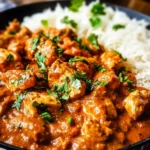
Best Tikka Masala Recipe
Ingredients
For the Spice Blend (The Heart of the Flavor):
- 1 teaspoon Ground Coriander: Coriander, with its warm, citrusy, and slightly nutty notes, forms the foundational aromatic base of many Indian spice blends. It provides a subtle earthiness that anchors the brighter spices. Opt for good quality ground coriander that is still fragrant; older spices tend to lose their potency.
- 1 teaspoon Ground Garam Masala: Garam Masala is not a single spice but a complex blend itself, typically containing warming spices like cinnamon, cardamom, cloves, peppercorns, cumin, and coriander. It adds depth, warmth, and a touch of sweetness to the Tikka Masala. The exact composition of garam masala varies by brand and region, so experiment to find one you love.
- 1 teaspoon Ground Cumin: Cumin brings a smoky, earthy, and slightly bitter note to the spice blend. It’s a robust spice that adds depth and complexity, complementing the other warmer spices beautifully. Toasted cumin seeds, then ground, offer an even richer flavor if you’re feeling ambitious.
- 1 teaspoon Ground Smoked Paprika: Smoked paprika is a fantastic addition, lending a subtle smoky depth that mimics the traditional tandoor oven flavor often associated with Tikka dishes. It adds a layer of complexity that elevates the sauce beyond a simple tomato base. If you only have regular paprika, you can use that, but smoked paprika truly makes a difference.
- ½ teaspoon Ground Turmeric: Turmeric is not just for color; it provides a warm, earthy, and slightly bitter flavor. It’s also known for its health benefits, adding an extra bonus to this already delicious dish. Look for vibrant, bright yellow turmeric powder for the best flavor and color.
- ½ teaspoon Ground Cardamom: Cardamom, often referred to as the “queen of spices,” offers a fragrant, floral, and slightly citrusy aroma. It adds a touch of elegance and complexity, balancing the earthier spices. Green cardamom pods are ideal, but ground cardamom is a convenient alternative. Be mindful that ground cardamom can lose its aroma quickly, so use fresh ground if possible.
- ½ to 2 teaspoons Ground Cayenne Pepper (See Notes): Cayenne pepper is the heat element in this recipe. The range of ½ to 2 teaspoons allows for customization of the spice level. Start with ½ teaspoon if you are sensitive to spice or cooking for children. For a more authentic “medium” heat, 1 teaspoon is a good starting point. For a spicier Tikka Masala, you can go up to 2 teaspoons or even add a pinch of chili flakes. Taste and adjust to your preference.
- ¼ teaspoon Ground Cinnamon: Cinnamon, in a small quantity, adds a subtle warmth and sweetness that rounds out the spice blend. It’s not overpowering but provides a gentle background note that enhances the overall flavor profile. Use Ceylon cinnamon (also known as “true cinnamon”) for a more delicate flavor, or Cassia cinnamon for a stronger, bolder taste.
For the Tikka Masala Base:
- 1 large White Onion, Diced: White onions are preferred for their milder flavor that cooks down beautifully into a sweet and savory base for the sauce. Dicing ensures even cooking and incorporation into the sauce. Yellow onions can also be used as a substitute.
- 2 tablespoons Salted Butter: Butter is crucial for building richness and flavor in the sauce. Salted butter adds a touch of seasoning right from the start. If using unsalted butter, you may need to adjust the salt in the final dish. The butter also helps to sauté the onions and garlic, releasing their aromatic compounds and creating a flavorful foundation.
- 2 cloves Garlic, Minced: Garlic is an indispensable aromatic in Indian cuisine. Minced garlic infuses the sauce with its pungent and savory flavor. Freshly minced garlic is always best, but pre-minced garlic can be used for convenience. Ensure it is still fragrant and hasn’t dried out.
- 15 ounces Canned Tomato Sauce (Not Marinara): Tomato sauce forms the primary liquid and tangy base of the Tikka Masala sauce. It’s crucial to use plain tomato sauce and not marinara or pasta sauce, which contain added herbs and seasonings that would clash with the Tikka Masala spice profile. Look for a good quality tomato sauce with a rich, deep red color.
- 1 cup Heavy Cream: Heavy cream is the key to the signature creamy texture of Tikka Masala. It adds richness, smoothness, and a luxurious mouthfeel. Heavy cream also helps to mellow out the acidity of the tomatoes and bind all the flavors together. For a slightly lighter version, you can use half-and-half, but the sauce will be less rich.
For the Chicken:
- 2 large Chicken Breasts (About 1 – 1 ¼ pound): Chicken breast is a lean and versatile protein that cooks quickly and absorbs flavors well. This recipe uses boneless, skinless chicken breasts for convenience. Chicken thighs can also be used for a richer, more flavorful result, but they will require a slightly longer cooking time.
- Salt and Pepper: Essential seasonings to enhance the natural flavor of the chicken. Use kosher salt or sea salt for best results. Freshly ground black pepper adds a more complex flavor than pre-ground pepper.
- 1 tablespoon Avocado Oil (Olive Oil or Vegetable Oil May Be Used): Avocado oil is a healthy and neutral-flavored oil with a high smoke point, making it ideal for sautéing chicken. Olive oil or vegetable oil can be used as substitutes. The oil prevents the chicken from sticking to the pan and helps it to brown beautifully.
Instructions
Step 1: Crafting the Spice Symphony
- In a small bowl, meticulously combine all the ground spices: 1 teaspoon ground coriander, 1 teaspoon ground garam masala, 1 teaspoon ground cumin, 1 teaspoon ground smoked paprika, ½ teaspoon ground turmeric, ½ teaspoon ground cardamom, ½ to 2 teaspoons ground cayenne pepper (adjust to your heat preference), and ¼ teaspoon ground cinnamon.
- Whisk the spices together thoroughly to ensure they are evenly distributed. This pre-mixing step is crucial for creating a balanced and harmonious flavor profile in your Tikka Masala. Setting aside the spice blend allows you to efficiently add it in stages during cooking, maximizing flavor infusion.
Step 2: Building the Aromatic Base
- Place a large pot or Dutch oven over medium heat. The size of the pot is important to accommodate the sauce and chicken comfortably. A heavy-bottomed pot is ideal for even heat distribution and preventing scorching.
- Add 2 tablespoons of salted butter to the pot and allow it to melt completely. The butter will create a rich and flavorful base for the sauce, and its fat content will help to bloom the spices later on.
- Add the diced 1 large white onion to the melted butter. Cook the onions over medium heat, stirring frequently with a wooden spoon or spatula, for approximately 5 minutes, or until they become translucent and softened. Stirring prevents sticking and ensures even cooking. Translucent onions indicate they are cooked through and have released their sweetness, forming the foundation of the sauce’s flavor.
- Add 2 cloves of minced garlic to the softened onions and sauté for an additional minute, stirring constantly. Garlic cooks quickly and can burn easily, so keep a close watch and stir frequently. Sautéing the garlic briefly releases its pungent aroma and mellows its raw bite, infusing the onion base with another layer of flavor. If the pan seems dry or the onions and garlic are sticking, feel free to add a small pat of butter.
Step 3: Infusing the Sauce with Spice
- Add half of the prepared spice mixture to the pot with the onions and garlic. Stir continuously for about 30 seconds to 1 minute, or until fragrant. This step, known as “blooming” the spices, is essential for unlocking their full flavor potential. The heat from the pan and the fat from the butter help to release the aromatic oils in the spices, intensifying their flavor and aroma. Be careful not to burn the spices; if they start to smell burnt, reduce the heat immediately.
- Pour in 15 ounces of canned tomato sauce and 1 cup of heavy cream into the pot. The tomato sauce provides the tangy base, while the heavy cream adds richness and creaminess to the sauce.
- Add the remaining half of the spice mixture to the sauce and stir everything together thoroughly to combine. Adding the spices in two stages ensures that they are both bloomed in the butter and infused into the sauce itself, maximizing flavor depth.
- Bring the sauce to a gentle simmer over medium-low heat. Reduce the heat to low and continue to cook, stirring frequently to prevent sticking and scorching, until the sauce thickens slightly. This simmering process allows the flavors to meld and deepen, creating a richer and more complex Tikka Masala sauce. The cook time can vary depending on your stovetop and cookware, but generally, it takes between 10 and 15 minutes. The sauce should thicken to a consistency that lightly coats the back of a spoon.
Step 4: Preparing and Cooking the Chicken
- While the sauce is simmering, prepare the chicken. Place 2 large chicken breasts on a cutting board. Using a sharp knife, slice each chicken breast horizontally into two thinner cutlets. This technique ensures even cooking and reduces the cooking time. You should now have four equally sized chicken pieces.
- Season both sides of the chicken cutlets generously with salt and pepper. Seasoning at this stage enhances the flavor of the chicken and ensures it’s not bland.
- Heat 1 tablespoon of avocado oil (or olive oil or vegetable oil) in a large skillet or frying pan over medium heat. Ensure the pan is hot before adding the chicken to prevent sticking.
- Carefully place the seasoned chicken cutlets in the hot pan, ensuring not to overcrowd the pan (cook in batches if necessary). Cook the chicken for approximately 3-4 minutes per side, or until golden brown and cooked through. The chicken should be browned on both sides for optimal flavor and texture. To ensure the chicken is cooked through, use a meat thermometer to check the internal temperature. It should reach 165°F (74°C).
- Once cooked, remove the chicken from the pan and place it on a cutting board to rest for a minute or two. This allows the juices to redistribute, resulting in more tender and flavorful chicken.
- Chop the cooked chicken cutlets into bite-sized chunks. Chopping the chicken makes it easier to eat and allows it to absorb more of the delicious Tikka Masala sauce.
Step 5: Marrying Chicken and Sauce
- Add the chopped chicken chunks to the simmering Tikka Masala sauce in the pot.
- Gently stir the chicken into the sauce to ensure it is fully coated.
- Let the chicken and sauce lightly simmer together for a couple of minutes. This final simmering step allows the chicken to absorb the flavors of the sauce and creates a cohesive and harmonious dish. Avoid boiling, as this can toughen the chicken.
Step 6: Serve and Savor
- Your Easy Chicken Tikka Masala is now ready to be served!
- Ladle generous portions of the Tikka Masala over fluffy basmati rice. Basmati rice, with its delicate aroma and long grains, is the classic accompaniment to Tikka Masala.
- Serve immediately with warm naan bread on the side for dipping and scooping up every last drop of the flavorful sauce.
- Garnish with fresh cilantro leaves, a swirl of cream, or a squeeze of lemon or lime juice for added freshness, if desired.
Nutrition
- Serving Size: One Normal Portion
- Calories: 550-650