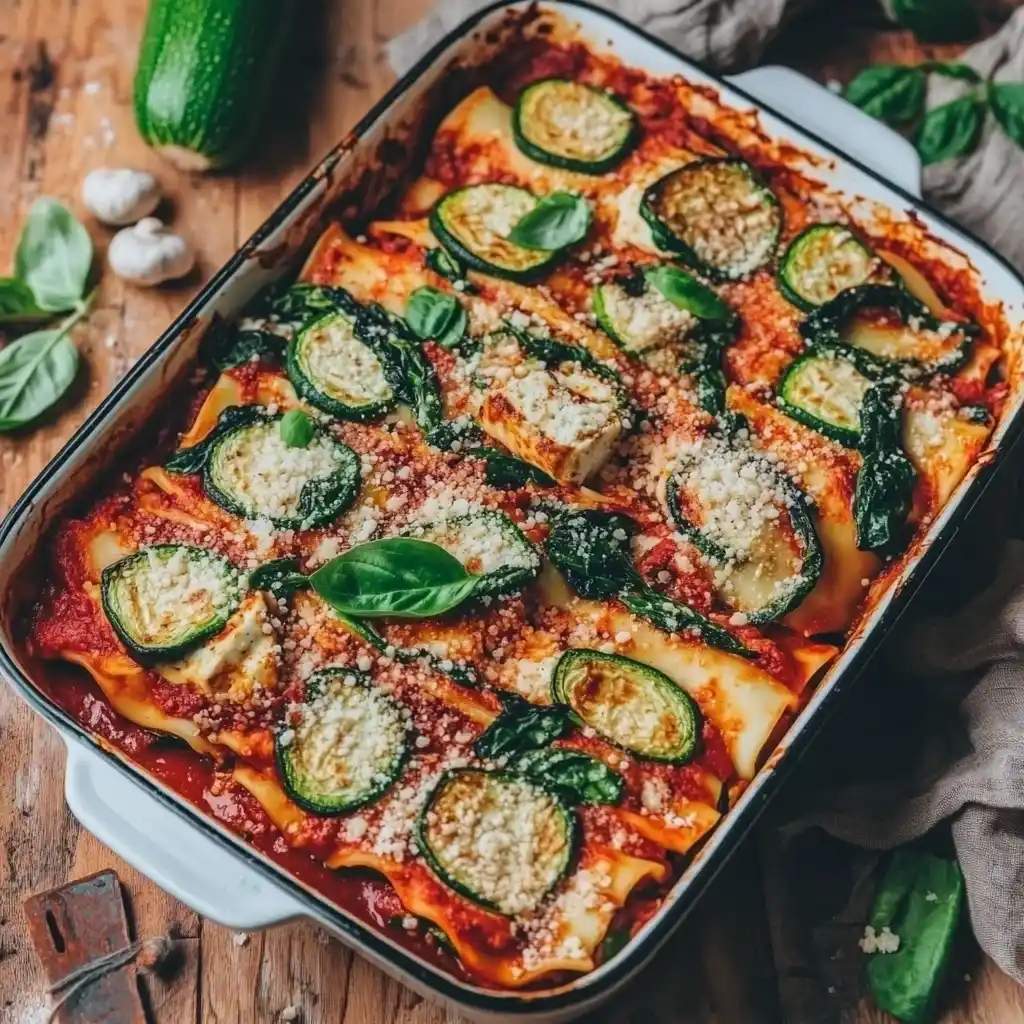

Lasagna is a classic comfort food that has warmed the hearts and bellies of many. Its layers of rich flavors and textures make it a favorite across cultures. If you’re on a vegan diet or simply looking to explore new culinary horizons, this Best Vegan Lasagna recipe is sure to impress even the most discerning palates. This dish is packed with fresh vegetables, a creamy cashew sauce, and hearty noodles, making it not just delicious but also a nutritious option for anyone seeking to incorporate more plant-based meals into their diet. Let’s delve deeper into the details of this delightful vegan lasagna recipe.
Ingredients
To create this mouthwatering vegan lasagna, gather the following ingredients:
- 9 lasagna noodles: Choose whole wheat or gluten-free varieties depending on your dietary preferences.
- 2 cups spinach: Fresh or frozen spinach works well. If using frozen, ensure it is thoroughly thawed and drained.
- 2 cups mushrooms: Sliced mushrooms add a meaty texture. Varieties like cremini or shiitake can enhance the flavor profile.
- 1 zucchini: Sliced thinly, zucchini adds moisture and a slight crunch.
- 2 cups marinara sauce: Opt for a quality store-bought sauce or make your own for a fresher taste.
- 1 cup cashews: Soaked in water, these nuts are the base of the creamy sauce. Soaking softens them, making them easier to blend.
- 1 cup almond milk: Unsweetened almond milk serves as a creamy base for the sauce. Other plant milks can be used as alternatives.
- 2 tbsp nutritional yeast: This ingredient is packed with vitamins and imparts a cheesy flavor to the sauce.
- 2 tsp garlic powder: For added flavor, garlic powder complements the other ingredients beautifully.
- Salt and pepper: Season to taste, enhancing the overall flavor.
- Fresh basil: For garnish, adding a burst of color and freshness to your dish.
Instructions
Creating your own mouthwatering vegan lasagna is a straightforward process. Just follow these simple steps:
- Preheat the Oven: Set your oven to 375°F (190°C). Preheating ensures even cooking throughout the lasagna.
- Cook the Lasagna Noodles: Boil water in a large pot and cook the lasagna noodles according to the package instructions. Once cooked, drain and lay them flat on a clean kitchen towel to prevent sticking.
- Sauté the Vegetables: In a medium skillet, heat a tablespoon of olive oil over medium heat. Add the spinach, mushrooms, and zucchini, sautéing until they are tender and the mushrooms release their moisture, about 5-7 minutes. Season with salt and pepper to taste.
- Prepare the Cashew Sauce: In a high-speed blender, combine the soaked cashews, almond milk, nutritional yeast, garlic powder, salt, and pepper. Blend until the mixture is smooth and creamy, scraping down the sides as needed. If the sauce appears too thick, add a splash more almond milk to reach the desired consistency.
- Assemble the Lasagna: In a 9×13 inch baking dish, spread a thin layer of marinara sauce at the bottom to prevent sticking. Place three lasagna noodles on top of the sauce.
- Layer the Ingredients: Add half of the sautéed vegetables over the noodles, followed by half of the cashew sauce and another layer of marinara sauce. Repeat this layering process with the remaining ingredients, finishing with three noodles on top.
- Finish with the Top Layer: Spread the remaining marinara sauce evenly over the top layer of noodles, followed by the remaining cashew sauce for a creamy finish.
- Bake the Lasagna: Cover the dish with aluminum foil to prevent excessive browning. Bake in the preheated oven for 30 minutes. After this time, carefully remove the foil and bake for an additional 10 minutes to allow the top to brown slightly and develop a delicious crust.
- Let It Cool and Garnish: Once baked, allow the lasagna to cool for about 10 minutes before slicing. Garnish with fresh basil leaves for an aromatic touch.
Nutrition Facts
This vegan lasagna not only satisfies your taste buds but also provides essential nutrients. Here’s a breakdown of the nutritional content per serving (1/6 of the recipe):
- Calories: 320
- Protein: 12g
- Carbohydrates: 45g
- Fat: 12g
- Fiber: 6g
This balance makes it an excellent meal option for those seeking a wholesome diet.
How to Serve
Vegan lasagna is a versatile and satisfying dish that can be enjoyed in a variety of ways, making it suitable for casual weeknight dinners, festive gatherings, or even meal prep for busy workweeks. Here are some comprehensive serving suggestions to enhance your dining experience:
Side Salad
A fresh side salad is an excellent accompaniment to vegan lasagna, as it introduces a refreshing contrast to the hearty and rich flavors of the dish. Consider creating a vibrant salad using a mix of greens such as spinach, arugula, and romaine. You can enhance the flavor profile by adding:
- Colorful Vegetables: Incorporate cherry tomatoes, shredded carrots, and sliced cucumbers for a burst of color and crunch.
- Nuts and Seeds: Toasted pine nuts, walnuts, or pumpkin seeds can add a delightful crunch and healthy fats.
- Fruity Elements: Slices of avocado, diced apples, or pomegranate seeds provide a sweet contrast that complements the savory notes of the lasagna.
- Herbal Touches: Fresh herbs like basil, parsley, or dill can elevate the salad’s flavor and create a harmonious connection with the lasagna.
- Vinaigrette: Drizzle with a light vinaigrette made from olive oil, balsamic vinegar, lemon juice, and a touch of maple syrup for sweetness. This dressing enhances the salad without overpowering it, balancing the richness of the lasagna beautifully.
Garlic Bread
Garlic bread is a classic accompaniment that can transform your vegan lasagna into a comforting, hearty meal. The warm, crispy texture of garlic bread pairs beautifully with the soft layers of lasagna. Here’s how to prepare it:
- Bread Selection: Choose a hearty Italian or French loaf, or opt for whole grain for added nutrition. You can also use gluten-free bread if needed.
- Garlic Spread: Create a simple garlic spread by mixing vegan butter with minced garlic, chopped parsley, and a pinch of salt. This spread can be adjusted by adding herbs like oregano or thyme for extra flavor.
- Baking Instructions: Spread the garlic mixture generously on slices of bread, then bake in the oven until golden brown and crispy. You can also broil briefly for an extra crunch, but be sure to keep a close eye to avoid burning.
- Serving Suggestion: Serve the garlic bread warm, perhaps with a side of marinara sauce for dipping. This adds an extra layer of flavor that complements the lasagna.
Wine Pairing
Pairing vegan lasagna with the right wine can elevate your dining experience, enhancing the meal’s complex flavors. Here are some wine choices that work well with vegan lasagna:
- Light Red Wines: A light Pinot Noir is an excellent choice, as its subtle berry flavors and smooth tannins won’t overpower the dish. The wine’s acidity can cut through the richness of the cheese and sauce, creating a balanced palate.
- Robust Red Wines: For those who prefer a bolder flavor, a robust Merlot or a Zinfandel can complement the hearty, savory elements of the lasagna. These wines typically have rich fruit flavors and a hint of spice that can enhance the overall experience.
- White Wine Alternatives: If you prefer white wine, consider a dry Sauvignon Blanc or a crisp Chardonnay. These wines can provide a refreshing contrast, especially if your lasagna has a lot of vegetables. Look for vegan-certified wines, as some may use animal-derived fining agents during the production process.
- Serving Temperature: Ensure that your wine is served at the appropriate temperature to fully enjoy its flavors—red wines are best served slightly below room temperature, while white wines should be chilled.
Additional Serving Suggestions
- Garnishing: Enhance the presentation of your vegan lasagna by garnishing each serving with fresh basil leaves or a sprinkle of nutritional yeast for a cheesy flavor. A drizzle of balsamic reduction can also add a touch of elegance.
- Accompaniments: Consider adding roasted vegetables or a side of sautéed greens such as kale or Swiss chard, which can provide additional nutrients and textures to your meal.
- Meal Prep: If you’re meal prepping, vegan lasagna keeps well in the fridge for several days and freezes beautifully, making it a convenient option for busy weekdays. When serving leftovers, reheat in the oven for a crispy top layer.
By thoughtfully considering how to serve vegan lasagna, you can create a delightful and well-rounded meal that is not only delicious but also visually appealing and satisfying. Whether it’s a simple weeknight dinner or a special occasion, these serving suggestions will help you make the most of this versatile dish.
Additional Tips
To ensure your vegan lasagna turns out perfectly, keep these tips in mind:
Soak the Cashews
Soaking the cashews is a crucial step in creating a rich and creamy vegan cheese sauce. By soaking them for at least 2 hours (or ideally overnight), you allow the nuts to soften significantly, which results in a smoother texture when blended. This process not only enhances the creaminess of your sauce but also helps in blending the nuts more easily, preventing any graininess that can detract from the overall mouthfeel of the dish. For a quicker alternative, you can soak them in hot water for about 30 minutes, but the overnight soak is recommended for the best results. Remember to drain and rinse the cashews before blending to remove any excess salt or impurities.
Nutritional Yeast
Nutritional yeast is an indispensable ingredient in vegan cooking, especially when it comes to creating a cheesy flavor profile. It has a naturally savory, nutty taste that closely resembles cheese, making it perfect for sauces, toppings, and even as a seasoning. In addition to its flavor contributions, nutritional yeast is packed with nutrients, particularly B vitamins, including B12, which is crucial for those following a plant-based diet. Just a few tablespoons can significantly enhance the flavor of your vegan lasagna while boosting its nutritional content. Consider experimenting with different brands, as the flavor can vary, to find one that suits your palate.
Customize Your Veggies
One of the great advantages of making vegan lasagna is the flexibility to customize the vegetables to suit your taste preferences and seasonal availability. In addition to the classic options like spinach, zucchini, and mushrooms, consider incorporating bell peppers for a bit of sweetness, eggplant for its hearty texture, or roasted butternut squash for a touch of seasonal warmth. You can also mix in leafy greens like kale or Swiss chard, which not only add nutrients but also a vibrant color to the dish. This adaptability allows you to make the lasagna your own and can help reduce food waste by utilizing whatever vegetables you have on hand.
Make Ahead
Preparing your vegan lasagna in advance can save you time and stress on the day you plan to serve it. Assemble the layers, including the sauce, vegetables, and lasagna noodles, then cover it tightly with foil or plastic wrap and store it in the refrigerator for up to 24 hours. This not only allows the flavors to meld and develop further but also makes for a convenient meal option on a busy day. When you’re ready to bake, preheat your oven and place the lasagna directly from the fridge into the oven. Be sure to add an extra 10-15 minutes to the baking time, as it will take longer to heat through. This method ensures that your lasagna is deliciously hot and ready to serve without the last-minute rush.
Additional Considerations
- Cheese Alternatives: If you’re looking for additional creaminess, consider layering in store-bought vegan cheeses or making a tofu ricotta by blending firm tofu with lemon juice, nutritional yeast, garlic powder, and fresh herbs.
- Herbs and Spices: Enhance the flavor profile of your lasagna by adding fresh or dried herbs such as basil, oregano, thyme, or rosemary. A pinch of red pepper flakes can also add a mild kick, elevating the overall taste.
- Serve with Sides: Pair your vegan lasagna with a fresh salad or garlic bread for a complete and satisfying meal. A light drizzle of balsamic reduction over the salad can also complement the rich flavors of the lasagna beautifully.
By keeping these tips in mind, you can elevate your vegan lasagna to new heights, ensuring a dish that is not only delicious but also full of flavor and texture. Enjoy experimenting with different ingredients and techniques to make this classic comfort food your own!
FAQs
Q: Can I use gluten-free lasagna noodles?
A: Absolutely! Gluten-free lasagna noodles are widely available and can be used as a perfect substitute for regular noodles in this recipe.
Q: Is there an alternative to cashews for the sauce?
A: If you’re allergic to nuts or prefer a different option, you can use silken tofu or sunflower seeds as an alternative to cashews. Both options will yield a creamy texture.
Q: How do I store leftovers?
A: Store any leftover lasagna in an airtight container in the refrigerator for up to 3 days. You can also freeze individual portions for up to a month. To reheat, simply thaw and warm in the oven or microwave.
Q: Can I add vegan cheese on top?
A: Yes, adding vegan cheese on top can enhance the flavor and texture of the lasagna. Sprinkle it on before the final 10 minutes of baking for a melty, delicious finish.
Conclusion
This Best Vegan Lasagna recipe is a delicious and nutritious option for anyone looking to enjoy a plant-based meal. With its creamy cashew sauce, flavorful vegetables, and hearty noodles, it’s a dish that’s sure to please vegans and non-vegans alike. Whether you’re hosting a dinner party, preparing a family meal, or simply enjoying a quiet night at home, this vegan lasagna is a comforting and satisfying choice. Try it out, and delight in the rich flavors and wholesome ingredients that make this dish truly special. Indulge in the goodness of plant-based cuisine, and watch as your loved ones come back for seconds!
PrintMiddle Eastern Kibbeh recipe
- Total Time: 1 hour
Ingredients
-
-
Ingredients
For the Shell:
-
- 1 cup fine bulgur wheat
-
- 1/2 pound ground beef or lamb (pork-free)
-
- 1 small onion, finely chopped
-
- 1 teaspoon ground allspice
-
- 1/2 teaspoon ground cumin
-
- 1/2 teaspoon salt
-
- 1/4 teaspoon black pepper
-
- 1/4 cup fresh parsley, chopped
-
- 1 egg
For the Filling:
-
- 1/2 pound ground beef or lamb (pork-free)
-
- 1 small onion, finely chopped
-
- 1/2 cup pine nuts
-
- 1/4 cup fresh parsley, chopped
-
- 1/2 teaspoon ground cinnamon
-
- 1/2 teaspoon ground allspice
-
- 1/2 teaspoon salt
-
- 1/4 teaspoon black pepper
-
- 2 tablespoons olive oil
-
-
Instructions
Instructions on how to make Middle Eastern Kibbeh:
Prepare the Shell:
- Soak Bulgur Wheat: Place the bulgur wheat in a bowl and cover with water. Let it soak for 30 minutes, then drain well. Squeeze out any excess water.
- Mix Shell Ingredients: In a large bowl, combine the soaked bulgur wheat with ground beef or lamb, finely chopped onion, ground allspice, ground cumin, salt, black pepper, chopped parsley, and egg. Mix until smooth and well combined.
- Chill Mixture: Refrigerate the mixture while preparing the filling. This helps to firm up the mixture, making it easier to shape.
Prepare the Filling:
- Cook Onions: Heat olive oil in a skillet over medium heat. Add the chopped onion and cook until softened, about 5 minutes.
- Brown Meat: Add the ground beef or lamb to the skillet. Cook until browned, breaking it up with a spoon as it cooks. Drain any excess fat if necessary.
- Add Spices and Nuts: Stir in pine nuts, chopped parsley, ground cinnamon, ground allspice, salt, and black pepper. Cook for an additional 2-3 minutes, allowing the flavors to meld. Remove from heat and let cool.
Assemble the Kibbeh:
- Preheat Oven or Heat Oil: Preheat your oven to 375°F (190°C) if baking. Alternatively, heat oil in a skillet if you prefer frying.
- Shape the Shell: Divide the shell mixture into small portions, about the size of a golf ball. Flatten each portion into a disk.
- Add Filling: Place a spoonful of the cooled filling in the center of each disk. Carefully fold the edges of the disk over the filling and pinch to seal, forming an oval or football shape. Ensure that the edges are sealed tightly.
- Arrange for Baking or Frying: Place the shaped kibbeh on a baking sheet if baking, or in a frying pan if frying.
- Prep Time: 1 hour
Nutrition
- Serving Size: 1 normal portion
- Calories: 150 kcal
- Sugar: 1g
- Fat: 10g
- Carbohydrates: 10g
- Protein: 10g