
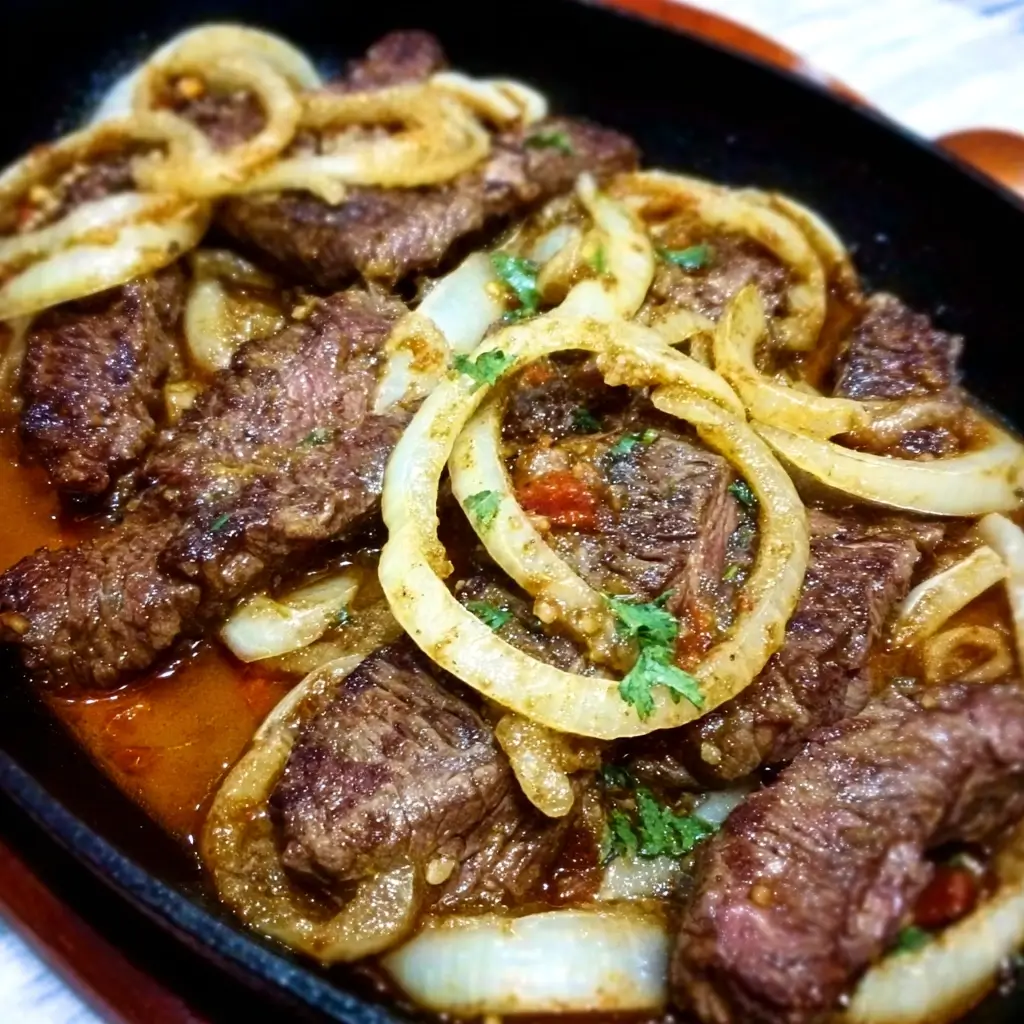

Of all the aromas that can instantly transport me back to my grandmother’s kitchen, the scent of onions caramelizing in a pan, mingling with garlic and savory spices, is the most powerful. That is the smell of love, of family, and of an impending plate of the most soul-satisfying Bistec Encebollado. This isn’t just a recipe for steak and onions; it’s a cherished culinary tradition passed down through generations. I remember as a child, peeking over the counter, watching her masterfully pound the thin steaks, massage them with her signature blend of adobo and oregano, and then create that magical, savory sauce that we would later spoon generously over fluffy white rice. When I finally mastered the recipe myself, the reaction from my own family was pure joy. My husband, who is notoriously hard to please with simple dishes, declared it the most tender and flavorful steak he’d ever had. My kids, who usually balk at onions, devour them in this dish, rendered sweet and succulent from the slow simmer. This recipe isn’t just food; it’s a centerpiece for connection, a guaranteed crowd-pleaser that tastes like home, no matter where you are. It’s the dish I make when I want to feel comforted, the one I bring to friends who need a lift, and the one that always, without fail, gets requested for family dinners. Today, I’m sharing that little piece of my heart and heritage with you.
The Ultimate Bistec Encebollado Recipe
This recipe is designed to produce incredibly tender, flavorful steak and a rich, savory onion gravy. The secret lies in a potent marinade that both tenderizes and seasons the meat, and a patient cooking process that coaxes out the natural sweetness of the onions. We are aiming for perfection here—a dish that rivals any found in a top-tier Latin American restaurant.
Ingredients for Authentic Bistec Encebollado
Choosing the right ingredients is the first step toward a perfect Bistec Encebollado. Each component plays a vital role in building the layers of flavor that make this dish so iconic.
- For the Steak and Marinade:
- 2 lbs Thin-Cut Steak: The star of the show. Traditionally, cuts like top round, bottom round, or palomilla steak are used. You want it sliced very thin, about ¼-inch thick. If you can only find thicker steaks, you can ask your butcher to slice them thin or carefully slice them yourself and pound them thinner between two pieces of plastic wrap with a meat mallet. The thinness is crucial for quick cooking and tenderness.
- 2 Large Yellow Onions: Yellow onions are perfect for this recipe as they hold their shape well but become wonderfully sweet and soft when cooked down. You’ll slice one for the marinade and one for the final sauce.
- 6-8 Cloves Garlic, Minced: Don’t be shy with the garlic. Freshly minced garlic provides a pungent, aromatic base that is essential to the dish’s flavor profile. Avoid the pre-minced jarred variety if possible, as its flavor is less potent.
- ¼ cup White Vinegar: This is the secret weapon for tenderizing the steak. The acid in the vinegar works to break down the tough muscle fibers in the meat, resulting in a melt-in-your-mouth texture.
- 2 tablespoons Olive Oil: A good quality olive oil helps to bind the marinade together and adds a subtle, fruity richness. You will also use more for cooking.
- 1 tablespoon Adobo All-Purpose Seasoning: This is a cornerstone of Caribbean cooking. It’s a pre-made blend, typically containing salt, garlic powder, onion powder, black pepper, and sometimes other spices. It provides a perfect savory foundation.
- 1 packet Sazón con Culantro y Achiote: This little packet is pure magic. It imparts a beautiful reddish-orange color from the annatto (achiote) and a unique, savory flavor from the coriander (culantro) and other spices. It’s what gives Bistec Encebollado its signature look and taste.
- 1 teaspoon Dried Oregano: Preferably Dominican or Mexican oregano, which has a more robust, earthy flavor than the Mediterranean variety, but any dried oregano will work beautifully.
- ½ teaspoon Black Pepper, freshly ground: Freshly ground pepper provides a more potent and aromatic spice than the pre-ground alternative.
- For Cooking and Finishing:
- 2-3 tablespoons Vegetable or Canola Oil: For searing the steak. You need an oil with a higher smoke point than olive oil for this step.
- ½ cup Water or Low-Sodium Beef Broth: This is for creating the sauce and deglazing the pan, capturing all those delicious browned bits from the bottom.
- Fresh Cilantro or Parsley, chopped (for garnish): This adds a pop of fresh, herbaceous flavor and color at the end, cutting through the richness of the dish.
Step-by-Step Instructions for Perfect Bistec Encebollado
Follow these steps carefully, and you’ll be rewarded with a truly spectacular meal. The process can be broken down into three main stages: marinating, searing, and simmering.
Stage 1: The Marinade – Your Flavor Foundation
This is where the magic begins. A proper marinade is non-negotiable for tender, flavorful bistec.
- Prepare the Steak: If your steak is not already thin, place it between two sheets of plastic wrap. Using a meat mallet or a heavy-bottomed pan, gently pound the steak until it’s about ¼-inch thick. This not only tenderizes the meat but also creates more surface area for the marinade to penetrate. Pat the steaks completely dry with paper towels. A dry surface is essential for getting a good sear later on.
- Prepare the Aromatics: Thinly slice one of the large yellow onions into half-moons. Mince the 6-8 cloves of garlic.
- Combine the Marinade: In a large, non-reactive bowl (glass or ceramic is best, as metal can react with the vinegar), combine the steak, the sliced onion, and the minced garlic.
- Add the Seasonings: Sprinkle the adobo seasoning, the contents of the Sazón packet, the dried oregano, and the black pepper directly onto the steak.
- Incorporate Liquids: Pour the white vinegar and the ¼ cup of olive oil over the top.
- Massage the Flavor In: Now, for the most important part. Using your hands, thoroughly massage the marinade into every nook and cranny of the steak. Ensure each piece is coated, and the onions and garlic are well distributed. This process helps the seasonings and the vinegar to start working immediately.
- Marinate: Cover the bowl tightly with plastic wrap and place it in the refrigerator. For the best results, let the steak marinate for at least 4 hours, or ideally, overnight. If you’re short on time, even a 1-hour marinade will make a significant difference, but the longer it sits, the more tender and flavorful it will be.
Stage 2: Searing for Success – The Perfect Crust
Searing creates the delicious brown crust on the steak known as the Maillard reaction, which is responsible for a huge amount of flavor.
- Prepare for Cooking: Remove the marinated steak from the refrigerator about 30 minutes before you plan to cook it. This allows the meat to come closer to room temperature, which promotes more even cooking. Slice your second yellow onion into thin half-moons and set it aside.
- Heat the Pan: Place a large, heavy-bottomed skillet or Dutch oven over medium-high heat. Add 2-3 tablespoons of vegetable or canola oil. You’ll know the oil is hot enough when it shimmers slightly.
- Sear in Batches: Carefully remove the steak pieces from the marinade, shaking off the excess onions and garlic (reserve the marinade and all its contents in the bowl). Place the steaks in the hot pan in a single layer. Do not crowd the pan. Crowding will cause the steak to steam rather than sear, and you won’t get that beautiful crust. You will likely need to do this in 2-3 batches.
- Cook and Flip: Sear the steak for about 1-2 minutes per side. You’re not trying to cook it all the way through at this point; you’re just developing a deep brown crust. Once seared, transfer the steak to a clean plate and repeat with the remaining batches, adding a little more oil to the pan if needed.
Stage 3: The Grand Finale – Simmering to Perfection
This final stage brings everything together, creating the succulent onions and savory sauce that define the dish.
- Sauté the Onions: Once all the steak is seared and removed, reduce the heat to medium. Add the second sliced onion to the same skillet. If the pan looks dry, add another tablespoon of oil. Sauté the onions, stirring frequently, for about 5-7 minutes, until they become soft, translucent, and start to brown.
- Add Remaining Aromatics: Add all the reserved onions and garlic from the marinade bowl into the skillet. Continue to cook for another 2-3 minutes until the garlic is fragrant.
- Deglaze the Pan: Pour the ½ cup of water or beef broth into the pan. As it bubbles, use a wooden spoon or spatula to scrape up all the browned bits (the “fond”) from the bottom of the pan. This is pure, concentrated flavor and is essential for a rich sauce.
- Return the Steak: Nestle the seared steak pieces and any accumulated juices from the plate back into the pan, arranging them on top of and amongst the onions.
- Simmer and Meld: Bring the liquid to a gentle simmer. Once it’s bubbling, reduce the heat to low, cover the skillet, and let it cook for 10-15 minutes. This final, gentle simmer finishes cooking the steak, makes it incredibly tender, and allows the flavors of the steak, onions, and sauce to meld together into a cohesive, delicious whole. The sauce will thicken slightly.
- Garnish and Serve: Turn off the heat. Sprinkle with freshly chopped cilantro or parsley. Serve immediately while hot.
Nutrition Facts
Please note that these are estimates, and the exact nutritional values can vary based on the specific cut of steak, brands of seasonings used, and serving size.
- Servings: 6
- Calories per serving: Approximately 420-480 kcal
This dish is a fantastic source of protein from the steak and provides iron and B vitamins. The onions contribute fiber and antioxidants. The sodium content can be high due to the adobo and sazón, so if you are on a low-sodium diet, consider using low-sodium versions of these seasonings or making your own blend.
Preparation & Cook Time
Planning your time is key to a stress-free cooking experience.
- Preparation Time: 20 minutes (slicing onions, mincing garlic, combining marinade)
- Marinating Time: 1 hour (minimum) to 24 hours (ideal)
- Cook Time: 25-30 minutes (searing steak, sautéing onions, simmering)
- Total Active Time: Approximately 45-50 minutes
- Total Time (with minimum marination): Approximately 1 hour 50 minutes
How to Serve Bistec Encebollado: Creating the Perfect Plate
The beauty of Bistec Encebollado is how well it pairs with classic Latin American side dishes that are perfect for soaking up every last drop of the incredible sauce.
- The Classic Trio:
- White Rice: The number one companion. A bed of fluffy white rice is the perfect neutral canvas for the savory steak and onions. Spoon the sauce generously over the top.
- Beans (Habichuelas): A side of stewed red kidney beans or black beans is a traditional and delicious addition, making the meal even more hearty and nutritious.
- Tostones: Twice-fried green plantains are a staple. Their crispy, salty nature provides a wonderful textural contrast to the tender steak. Don’t forget a side of mayo-ketchup for dipping!
- Other Starchy Sides:
- Mofongo: For a truly decadent Puerto Rican experience, serve the Bistec Encebollado alongside or on top of a mound of mofongo (mashed fried plantains with garlic and pork rinds).
- Boiled Yuca with Garlic Mojo: Soft, boiled yuca (cassava) drizzled with a garlic and oil sauce is another fantastic starchy side that pairs beautifully.
- Crusty Bread: A simple loaf of crusty bread is perfect for mopping up the sauce from your plate.
- Fresh and Light Pairings:
- Avocado Salad: A simple salad of sliced avocado, tomato, and a sprinkle of salt and a squeeze of lime juice offers a cool, creamy counterpoint to the rich, savory main dish.
- Steamed Vegetables: Lightly steamed green beans or broccoli can help balance the plate.
Additional Tips for Restaurant-Quality Bistec Encebollado
These five tips will elevate your dish from great to absolutely unforgettable.
- The Cut of Meat is Key: While top round is a great, affordable option, don’t be afraid to explore. Palomilla is the classic choice in many Cuban and Dominican households and is prized for its thinness. Thin-cut sirloin tip is another excellent option that is naturally more tender. The most important factor is that it’s thin. If it’s too thick, it will take longer to cook and has a higher chance of becoming tough.
- Don’t Crowd the Pan: This is the most common mistake people make. When you add too much meat to a pan at once, the pan’s temperature drops dramatically. The meat then releases its moisture and ends up boiling or steaming in its own juices instead of searing. This prevents the Maillard reaction, resulting in grey, bland, and often tough steak. Always sear in batches, allowing space between each piece.
- The Power of an Acidic Marinade: The vinegar in this recipe is not just for flavor; it’s a functional tenderizer. The acid works to break down tougher connective tissues in the meat. Lime juice or sour orange juice (naranja agria) can also be used for a slightly different, citrus-forward flavor profile. Never skip this acidic component, especially when using tougher cuts like round steak.
- Master Your Onions: Slice the onions for the final sauce uniformly so they cook evenly. Don’t rush the sautéing process. You want to cook them until they are very soft and sweet, but not until they turn to complete mush. They should still have some body. The onions that were in the marinade will cook down more and help thicken the sauce, while the freshly added onions provide the primary texture.
- Deglaze for Flavor Gold: Those brown, crusty bits stuck to the bottom of your pan after searing the steak are called “fond.” They are little morsels of concentrated, caramelized flavor. When you add the water or broth to the hot pan, you’re performing a technique called deglazing. Scraping these bits up and incorporating them into your sauce is arguably one of the most critical steps for developing a deep, rich, and complex flavor. Never wash the pan after searing!
Frequently Asked Questions (FAQ)
Here are answers to some common questions you might have.
1. Why did my Bistec Encebollado come out tough?
There are a few likely culprits. First, you may have overcooked it. Thin steak cooks very quickly, and overcooking is the number one cause of toughness. Sear it for just a minute or two per side and then simmer gently. Second, your steak might have been too thick. Ensure it’s pounded to ¼-inch thickness. Third, you may have skipped or shortened the marinating time. The acidic marinade is crucial for tenderizing tougher cuts of meat.
2. Can I make this recipe without Sazón or Adobo packets?
Absolutely! While they provide a convenient and authentic flavor, you can create your own spice blend. For a substitute, combine 1 tablespoon of salt with 1 teaspoon each of garlic powder, onion powder, paprika, and ground black pepper, plus ½ teaspoon of ground cumin and a pinch of turmeric for color. It won’t be an exact match, but it will be delicious.
3. What is the difference between Cuban and Puerto Rican Bistec Encebollado?
The core concept is very similar, but there are subtle regional differences. Puerto Rican versions, like this one, heavily feature adobo, sazón, and oregano. Cuban versions often lean more on citrus, using sour orange juice (naranja agria) or lime juice as the primary acid instead of vinegar, and frequently include a bay leaf and a more prominent note of cumin in the marinade. Both are delicious, just slightly different expressions of the same beloved dish.
4. How do I store and reheat leftovers?
Leftover Bistec Encebollado stores beautifully. Place it in an airtight container in the refrigerator for up to 3-4 days. To reheat, avoid the microwave, as it can make the steak rubbery. The best method is to gently warm it in a covered skillet over low heat with a splash of water or broth until heated through. This preserves the steak’s tender texture.
5. Can I prepare this meal in advance?
Yes, this dish is great for meal prep. The best way to do it is to complete the marinade stage. You can marinate the steak in the refrigerator for up to 24 hours. When you’re ready to eat, all you have to do is the active cooking part, which takes less than 30 minutes. This makes it a fantastic option for a weeknight meal when you’ve done the prep work the night before.
Bistec Encebollado Recipe
Ingredients
- For the Steak and Marinade:
- 2 lbs Thin-Cut Steak: The star of the show. Traditionally, cuts like top round, bottom round, or palomilla steak are used. You want it sliced very thin, about ¼-inch thick. If you can only find thicker steaks, you can ask your butcher to slice them thin or carefully slice them yourself and pound them thinner between two pieces of plastic wrap with a meat mallet. The thinness is crucial for quick cooking and tenderness.
- 2 Large Yellow Onions: Yellow onions are perfect for this recipe as they hold their shape well but become wonderfully sweet and soft when cooked down. You’ll slice one for the marinade and one for the final sauce.
- 6–8 Cloves Garlic, Minced: Don’t be shy with the garlic. Freshly minced garlic provides a pungent, aromatic base that is essential to the dish’s flavor profile. Avoid the pre-minced jarred variety if possible, as its flavor is less potent.
- ¼ cup White Vinegar: This is the secret weapon for tenderizing the steak. The acid in the vinegar works to break down the tough muscle fibers in the meat, resulting in a melt-in-your-mouth texture.
- 2 tablespoons Olive Oil: A good quality olive oil helps to bind the marinade together and adds a subtle, fruity richness. You will also use more for cooking.
- 1 tablespoon Adobo All-Purpose Seasoning: This is a cornerstone of Caribbean cooking. It’s a pre-made blend, typically containing salt, garlic powder, onion powder, black pepper, and sometimes other spices. It provides a perfect savory foundation.
- 1 packet Sazón con Culantro y Achiote: This little packet is pure magic. It imparts a beautiful reddish-orange color from the annatto (achiote) and a unique, savory flavor from the coriander (culantro) and other spices. It’s what gives Bistec Encebollado its signature look and taste.
- 1 teaspoon Dried Oregano: Preferably Dominican or Mexican oregano, which has a more robust, earthy flavor than the Mediterranean variety, but any dried oregano will work beautifully.
- ½ teaspoon Black Pepper, freshly ground: Freshly ground pepper provides a more potent and aromatic spice than the pre-ground alternative.
- For Cooking and Finishing:
- 2–3 tablespoons Vegetable or Canola Oil: For searing the steak. You need an oil with a higher smoke point than olive oil for this step.
- ½ cup Water or Low-Sodium Beef Broth: This is for creating the sauce and deglazing the pan, capturing all those delicious browned bits from the bottom.
- Fresh Cilantro or Parsley, chopped (for garnish): This adds a pop of fresh, herbaceous flavor and color at the end, cutting through the richness of the dish.
Instructions
Stage 1: The Marinade – Your Flavor Foundation
This is where the magic begins. A proper marinade is non-negotiable for tender, flavorful bistec.
- Prepare the Steak: If your steak is not already thin, place it between two sheets of plastic wrap. Using a meat mallet or a heavy-bottomed pan, gently pound the steak until it’s about ¼-inch thick. This not only tenderizes the meat but also creates more surface area for the marinade to penetrate. Pat the steaks completely dry with paper towels. A dry surface is essential for getting a good sear later on.
- Prepare the Aromatics: Thinly slice one of the large yellow onions into half-moons. Mince the 6-8 cloves of garlic.
- Combine the Marinade: In a large, non-reactive bowl (glass or ceramic is best, as metal can react with the vinegar), combine the steak, the sliced onion, and the minced garlic.
- Add the Seasonings: Sprinkle the adobo seasoning, the contents of the Sazón packet, the dried oregano, and the black pepper directly onto the steak.
- Incorporate Liquids: Pour the white vinegar and the ¼ cup of olive oil over the top.
- Massage the Flavor In: Now, for the most important part. Using your hands, thoroughly massage the marinade into every nook and cranny of the steak. Ensure each piece is coated, and the onions and garlic are well distributed. This process helps the seasonings and the vinegar to start working immediately.
- Marinate: Cover the bowl tightly with plastic wrap and place it in the refrigerator. For the best results, let the steak marinate for at least 4 hours, or ideally, overnight. If you’re short on time, even a 1-hour marinade will make a significant difference, but the longer it sits, the more tender and flavorful it will be.
Stage 2: Searing for Success – The Perfect Crust
Searing creates the delicious brown crust on the steak known as the Maillard reaction, which is responsible for a huge amount of flavor.
- Prepare for Cooking: Remove the marinated steak from the refrigerator about 30 minutes before you plan to cook it. This allows the meat to come closer to room temperature, which promotes more even cooking. Slice your second yellow onion into thin half-moons and set it aside.
- Heat the Pan: Place a large, heavy-bottomed skillet or Dutch oven over medium-high heat. Add 2-3 tablespoons of vegetable or canola oil. You’ll know the oil is hot enough when it shimmers slightly.
- Sear in Batches: Carefully remove the steak pieces from the marinade, shaking off the excess onions and garlic (reserve the marinade and all its contents in the bowl). Place the steaks in the hot pan in a single layer. Do not crowd the pan. Crowding will cause the steak to steam rather than sear, and you won’t get that beautiful crust. You will likely need to do this in 2-3 batches.
- Cook and Flip: Sear the steak for about 1-2 minutes per side. You’re not trying to cook it all the way through at this point; you’re just developing a deep brown crust. Once seared, transfer the steak to a clean plate and repeat with the remaining batches, adding a little more oil to the pan if needed.
Stage 3: The Grand Finale – Simmering to Perfection
This final stage brings everything together, creating the succulent onions and savory sauce that define the dish.
- Sauté the Onions: Once all the steak is seared and removed, reduce the heat to medium. Add the second sliced onion to the same skillet. If the pan looks dry, add another tablespoon of oil. Sauté the onions, stirring frequently, for about 5-7 minutes, until they become soft, translucent, and start to brown.
- Add Remaining Aromatics: Add all the reserved onions and garlic from the marinade bowl into the skillet. Continue to cook for another 2-3 minutes until the garlic is fragrant.
- Deglaze the Pan: Pour the ½ cup of water or beef broth into the pan. As it bubbles, use a wooden spoon or spatula to scrape up all the browned bits (the “fond”) from the bottom of the pan. This is pure, concentrated flavor and is essential for a rich sauce.
- Return the Steak: Nestle the seared steak pieces and any accumulated juices from the plate back into the pan, arranging them on top of and amongst the onions.
- Simmer and Meld: Bring the liquid to a gentle simmer. Once it’s bubbling, reduce the heat to low, cover the skillet, and let it cook for 10-15 minutes. This final, gentle simmer finishes cooking the steak, makes it incredibly tender, and allows the flavors of the steak, onions, and sauce to meld together into a cohesive, delicious whole. The sauce will thicken slightly.
- Garnish and Serve: Turn off the heat. Sprinkle with freshly chopped cilantro or parsley. Serve immediately while hot.
Nutrition
- Serving Size: One Normal Portion
- Calories: 420-480 kcal