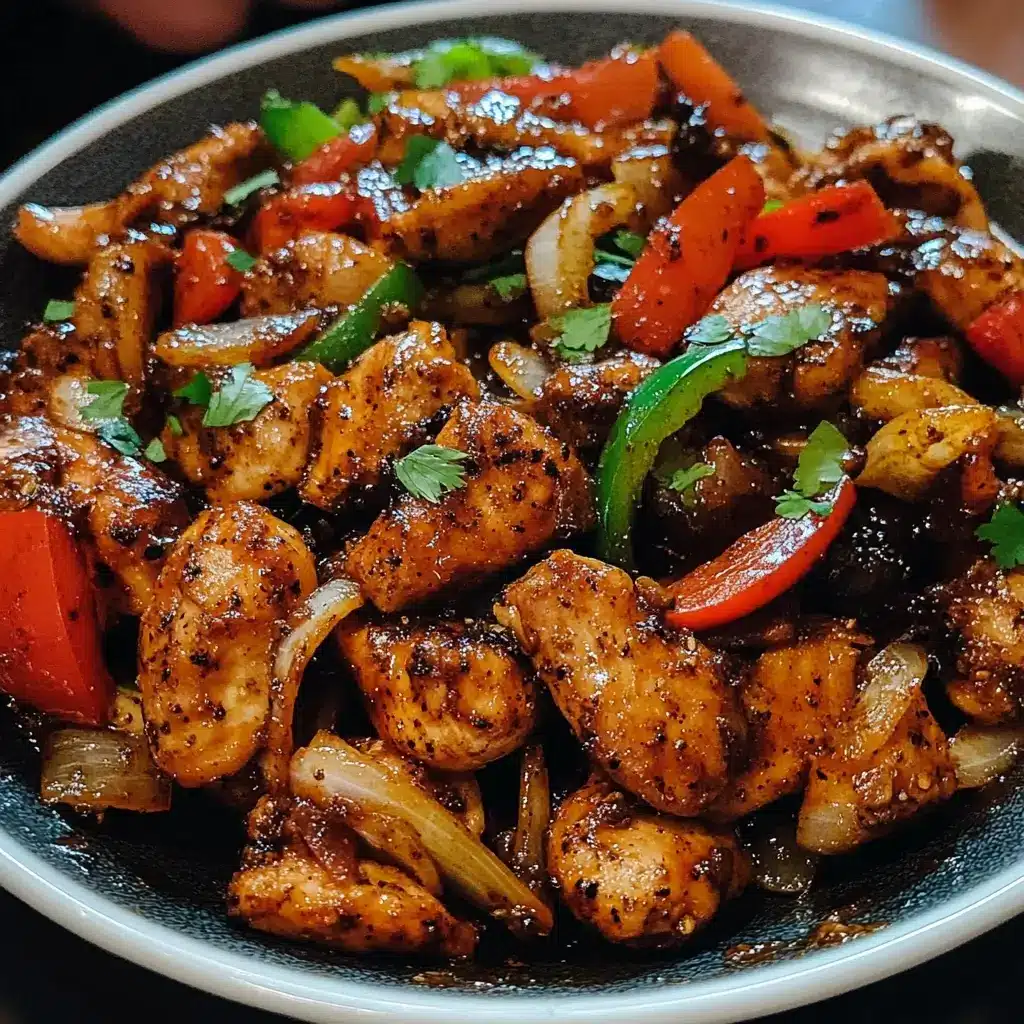

In our home, weeknight dinners are often a dance between speed, health, and flavor. Black Pepper Chicken has emerged as a champion in this culinary arena. I stumbled upon this recipe a few months ago, searching for something beyond our usual rotation, and it has quickly become a requested dish. The first time I made it, the aroma alone had everyone hovering in the kitchen, and the first bite sealed the deal. The perfect balance of savory, spicy, and slightly sweet notes, combined with tender chicken and crisp vegetables, is simply irresistible. Even my pickiest eater, who usually shies away from anything remotely spicy, devoured it. It’s quick enough for a weeknight, impressive enough for guests, and, most importantly, utterly delicious. If you’re looking for a recipe that delivers big flavors with minimal fuss, look no further – this Black Pepper Chicken is a guaranteed crowd-pleaser.
Ingredients
To create this delectable Black Pepper Chicken, you’ll need a vibrant array of ingredients, each playing a crucial role in building the dish’s signature flavor profile. Let’s break down each component and understand its contribution:
- For the Chicken Marinade:
- 1.5 lbs Boneless, Skinless Chicken Thighs, cut into 1-inch pieces: Chicken thighs are preferred over breasts for their superior flavor and moisture retention, especially in stir-fries. They remain tender and juicy even when cooked at high heat. Cutting them into uniform pieces ensures even cooking and quicker stir-frying.
- 2 tablespoons Soy Sauce: Soy sauce is the foundation of the marinade, providing umami depth and saltiness. It also helps tenderize the chicken. Opt for low-sodium soy sauce to control the salt level of the dish.
- 1 tablespoon Rice Wine (Shaoxing Wine) or Dry Sherry: Rice wine, or its substitute dry sherry, adds a subtle sweetness and complex flavor dimension to the marinade, enhancing the overall taste of the chicken. It also acts as a tenderizer.
- 1 tablespoon Cornstarch: Cornstarch is crucial for creating that velvety texture on the chicken. It coats the chicken pieces, sealing in moisture during cooking and resulting in tender, succulent bites. It also slightly thickens the marinade.
- 1 teaspoon Sesame Oil: Sesame oil imparts a distinctive nutty aroma and flavor, adding a layer of complexity to the marinade and the final dish. A little goes a long way, so just a teaspoon is sufficient.
- 1/2 teaspoon White Pepper: White pepper offers a milder, more earthy heat compared to black pepper. In the marinade, it adds a gentle warmth without overpowering the other flavors.
- For the Stir-Fry:
- 2 tablespoons Vegetable Oil or Canola Oil: These neutral oils are ideal for stir-frying as they have a high smoke point, allowing you to cook at high temperatures without burning the oil. This is essential for achieving that characteristic stir-fry sear.
- 1 Large Onion, sliced: Onions provide a foundational savory flavor and aromatic base to the stir-fry. Slicing them ensures they cook quickly and evenly. Yellow or white onions work well.
- 2 Bell Peppers (any color), sliced: Bell peppers add vibrant color, sweetness, and a slight crunch to the dish. You can use a mix of colors (red, green, yellow, orange) for visual appeal and a varied flavor profile.
- 4 cloves Garlic, minced: Garlic is a powerhouse of flavor, adding pungency and aroma to the stir-fry. Minced garlic releases its flavors quickly and infuses the oil, creating a fragrant base.
- 1 inch Ginger, minced: Fresh ginger brings a warm, zesty, and slightly spicy note to the stir-fry, complementing the black pepper and garlic. Mince it finely to ensure even distribution of flavor.
- 1/2 cup Chicken Broth or Stock: Chicken broth or stock provides moisture to the stir-fry and helps create a flavorful sauce. Low-sodium broth is recommended to control the saltiness.
- 2 tablespoons Soy Sauce: Additional soy sauce is used in the stir-fry sauce to further enhance the savory umami flavor. Again, low-sodium is preferable.
- 1 tablespoon Oyster Sauce (optional, but highly recommended): Oyster sauce adds a rich, savory, and slightly sweet depth of flavor that is characteristic of many Asian stir-fries. While optional, it significantly elevates the dish. If unavailable, you can use a bit more soy sauce and a touch of brown sugar.
- 1 tablespoon Brown Sugar: Brown sugar balances the savory and spicy elements, adding a touch of sweetness and caramelization to the sauce. It also helps thicken the sauce slightly.
- 2 tablespoons Black Pepper, freshly cracked: Freshly cracked black pepper is the star ingredient, delivering its pungent, aromatic, and spicy kick. Using freshly cracked pepper is crucial as pre-ground pepper loses its potency quickly. Adjust the amount to your spice preference.
- 1 teaspoon Sesame Oil: Another teaspoon of sesame oil is added at the end to finish the stir-fry, enhancing the nutty aroma and flavor.
- Optional Garnishes: Chopped green onions, sesame seeds, red pepper flakes (for extra heat). These garnishes add visual appeal, freshness, and an extra layer of flavor and texture.
Ingredient Quality and Substitutions:
- Chicken: Opt for high-quality chicken thighs for the best flavor and texture. You can substitute chicken breasts, but be mindful not to overcook them as they tend to dry out faster. Cut them into slightly larger pieces if using breasts.
- Soy Sauce: Low-sodium soy sauce is always a healthier choice. If you are gluten-free, use tamari or coconut aminos as substitutes.
- Rice Wine/Sherry: If you don’t have rice wine or dry sherry, you can omit it, but it does contribute to the flavor. In a pinch, a splash of apple cider vinegar or white wine can be used as a very distant substitute.
- Oyster Sauce: If you are vegetarian or vegan, you can use vegetarian oyster sauce made from mushrooms or simply omit it and add a touch more soy sauce and brown sugar for sweetness and umami.
- Black Pepper: Freshly cracked black pepper is non-negotiable for this recipe. Pre-ground pepper will not deliver the same robust flavor and aroma. Experiment with different types of black peppercorns for nuanced flavor variations (e.g., Tellicherry, Sarawak).
- Vegetables: Feel free to customize the vegetables. Broccoli florets, snap peas, carrots, mushrooms, and bok choy are all excellent additions or substitutions. Just ensure they are cut into pieces that will cook quickly and evenly.
Instructions
Let’s embark on the step-by-step journey of creating this flavorful Black Pepper Chicken. Follow these instructions carefully to ensure a delicious and successful dish:
Step 1: Marinate the Chicken (Minimum 30 minutes, Ideally 1-2 hours)
- Prepare the Marinade: In a medium-sized bowl, whisk together the soy sauce, rice wine (or dry sherry), cornstarch, sesame oil, and white pepper. Ensure the cornstarch is fully dissolved to prevent lumps. This marinade is the foundation of the chicken’s flavor and tenderness.
- Marinate the Chicken: Add the cubed chicken thighs to the bowl with the marinade. Toss to coat the chicken pieces evenly, ensuring each piece is well covered. Massage the marinade into the chicken for a minute or two to help it penetrate deeper.
- Refrigerate: Cover the bowl with plastic wrap or a lid and refrigerate for at least 30 minutes. For enhanced flavor and tenderness, marinate for 1-2 hours, or even up to 4 hours in the refrigerator. Longer marinating times allow the flavors to fully infuse the chicken and the cornstarch to work its tenderizing magic. If marinating for longer than 2 hours, ensure it’s refrigerated to maintain food safety.
Step 2: Prepare the Vegetables and Sauce Ingredients (While Chicken Marinating)
- Prep the Vegetables: While the chicken is marinating, prepare your vegetables. Slice the onion into thin wedges or half-moons. Slice the bell peppers into strips, removing the seeds and membranes. Mince the garlic and ginger finely. Having all your vegetables prepped and ready to go ensures a smooth and efficient stir-fry process.
- Combine Sauce Ingredients: In a small bowl, whisk together the chicken broth (or stock), soy sauce, oyster sauce (if using), and brown sugar. Stir until the brown sugar is dissolved. This is your stir-fry sauce, a balanced blend of savory, sweet, and umami flavors that will coat the chicken and vegetables beautifully.
- Prepare Black Pepper: Just before you are ready to stir-fry, freshly crack your black peppercorns. Using a pepper grinder, coarsely grind the black pepper. Measure out the required amount (2 tablespoons or to taste) and set it aside. Freshly cracked pepper releases its aroma and flavor immediately before cooking, maximizing its impact in the dish.
Step 3: Stir-Fry the Chicken (High Heat is Key)
- Heat the Wok or Skillet: Heat a large wok or a large, heavy-bottomed skillet over high heat. High heat is crucial for stir-frying to achieve that signature wok hei (wok breath) and prevent the chicken from steaming instead of searing.
- Add Oil: Once the wok or skillet is smoking hot, add 2 tablespoons of vegetable oil or canola oil. Swirl the oil around to coat the bottom and sides of the wok.
- Stir-Fry Chicken (in Batches if Necessary): Add the marinated chicken to the hot wok in a single layer. If you have a lot of chicken, work in batches to avoid overcrowding the wok, which will lower the temperature and cause steaming. Stir-fry the chicken, tossing and turning frequently, until it is browned on all sides and cooked through. This should take about 5-7 minutes per batch, depending on the heat and the size of your chicken pieces. Remove the cooked chicken from the wok and set aside.
- Stir-Fry Aromatics: Add the sliced onions to the wok and stir-fry for 2-3 minutes until they soften and become slightly translucent. Then, add the minced garlic and ginger and stir-fry for another minute until fragrant. Be careful not to burn the garlic and ginger; they should be aromatic, not bitter.
- Add Bell Peppers: Add the sliced bell peppers to the wok and stir-fry for 3-4 minutes until they are tender-crisp. You want them to retain some crunch and vibrant color.
- Return Chicken and Sauce: Return the cooked chicken to the wok with the vegetables. Pour the prepared sauce over the chicken and vegetables.
- Thicken and Simmer: Bring the sauce to a simmer and cook for 2-3 minutes, stirring constantly, until the sauce thickens slightly and coats the chicken and vegetables evenly. The cornstarch in the marinade and the sauce will help thicken it to a glossy consistency.
- Stir in Black Pepper and Sesame Oil: Remove the wok from the heat. Stir in the freshly cracked black pepper and the remaining 1 teaspoon of sesame oil. Toss everything together to combine thoroughly. The heat from the dish will release the aroma of the black pepper and sesame oil, creating a fragrant and flavorful finish.
Step 4: Serve and Garnish
- Serve Immediately: Black Pepper Chicken is best served immediately while it’s hot and the chicken is tender and the vegetables are crisp-tender.
- Garnish (Optional): Garnish with chopped green onions and sesame seeds for added freshness and visual appeal. Red pepper flakes can be sprinkled on top for extra heat if desired.
- Serving Suggestions: Serve hot over steamed rice, noodles, or quinoa. It pairs wonderfully with a side of stir-fried vegetables or a simple green salad.
Tips for Success:
- High Heat is Key: Maintain high heat throughout the stir-frying process to ensure proper searing and prevent steaming.
- Don’t Overcrowd the Wok: Stir-fry the chicken in batches if necessary to avoid overcrowding. Overcrowding lowers the temperature and results in steamed, not stir-fried, chicken.
- Prep Everything in Advance: Stir-frying is a fast cooking method. Having all your ingredients prepped and ready to go (mise en place) is crucial for a smooth and efficient cooking process.
- Taste and Adjust Seasoning: Taste the sauce before adding it to the wok and adjust seasoning as needed. You may want to add a bit more soy sauce for saltiness, brown sugar for sweetness, or black pepper for spice, according to your preference.
- Freshly Cracked Black Pepper: Use freshly cracked black pepper for the most intense and aromatic flavor. Pre-ground pepper loses its potency quickly.
Nutrition Facts
(Estimated Nutrition Facts – Values are approximate and can vary based on specific ingredients and serving sizes)
Serving Size: Approximately 1.5 cups (adjust based on desired portion size)
Servings Per Recipe: 4-6 servings (depending on portion size and if served with rice/noodles)
Approximate Nutrition Facts per Serving (Based on 5 servings):
- Calories: 450-550 kcal
- Protein: 35-45g
- Fat: 25-35g
- Saturated Fat: 5-8g
- Unsaturated Fat: 15-25g
- Cholesterol: 150-200mg
- Sodium: 700-900mg (can be lower with low-sodium soy sauce and broth)
- Carbohydrates: 20-30g
- Fiber: 3-5g
- Sugar: 10-15g
Important Notes:
- These are estimated values. Actual nutrition facts will vary based on the specific brands and types of ingredients used, portion sizes, and cooking methods.
- Using lean chicken thighs and low-sodium soy sauce and broth can help reduce fat and sodium content.
- Serving size is an estimate; adjust according to your dietary needs and preferences.
- Consider adding more vegetables to increase fiber and nutrient content and reduce calorie density.
- For more precise nutritional information, use a nutrition calculator app or website and input the specific ingredients and quantities you use.
Preparation Time
This Black Pepper Chicken recipe is relatively quick to prepare, making it ideal for weeknight meals. Here’s a breakdown of the estimated time:
- Prep Time (Chopping vegetables, mincing garlic/ginger, measuring ingredients): 20-25 minutes
- Marinating Time (Minimum): 30 minutes (ideally 1-2 hours for better flavor and tenderness)
- Cooking Time (Stir-frying chicken and vegetables, simmering sauce): 15-20 minutes
Total Time (Minimum): 1 hour 5 minutes (including minimum marinating time)
Total Time (Recommended with 1-hour marinating): 1 hour 45 minutes
Tips to Speed Up Preparation:
- Pre-cut Vegetables: Purchase pre-cut vegetables like sliced onions and bell peppers from the grocery store to save time.
- Marinate Chicken in Advance: Marinate the chicken the night before or in the morning and store it in the refrigerator until you are ready to cook. This significantly reduces prep time on the day of cooking.
- Utilize Kitchen Gadgets: Use a food processor or vegetable chopper to quickly chop onions, bell peppers, garlic, and ginger.
- Read Recipe Thoroughly: Read through the entire recipe before you start cooking to understand all the steps and ensure you have all the ingredients and equipment ready.
- Efficient Workflow: Organize your workspace and follow a logical workflow during preparation and cooking to minimize wasted time and movement.
How to Serve
Black Pepper Chicken is a versatile dish that can be served in various ways to create a complete and satisfying meal. Here are some serving suggestions:
- Classic Rice Bowl:
- Steamed White Rice: The most classic and common pairing. The fluffy rice perfectly soaks up the flavorful black pepper sauce.
- Brown Rice: For a healthier and nuttier option, brown rice provides more fiber and a different texture.
- Jasmine Rice: Its fragrant aroma and slightly sticky texture complement the dish beautifully.
- Basmati Rice: Long-grain and aromatic, basmati rice is another excellent choice.
- Noodle Dishes:
- Lo Mein Noodles: Soft and chewy egg noodles tossed with Black Pepper Chicken for a heartier meal.
- Chow Mein Noodles: Crispy pan-fried noodles provide a delightful textural contrast.
- Udon Noodles: Thick and chewy wheat noodles that are great at absorbing the sauce.
- Rice Noodles (Thin or Wide): Gluten-free option, offering a lighter and delicate texture.
- Vegetable Sides:
- Steamed Broccoli: Simple and healthy, steamed broccoli adds a contrasting green color and crispness.
- Stir-fried Bok Choy: Lightly stir-fried bok choy complements the flavors without overpowering them.
- Garlic Green Beans: Adds another layer of savory flavor and a satisfying crunch.
- Asian Slaw: A refreshing and tangy slaw provides a cool counterpoint to the rich Black Pepper Chicken.
- Other Serving Ideas:
- Lettuce Wraps: Serve Black Pepper Chicken in crisp lettuce cups for a lighter, low-carb option.
- Over Quinoa: For a protein-packed and gluten-free alternative to rice.
- As a Filling for Spring Rolls or Egg Rolls: Add cooked and slightly cooled Black Pepper Chicken as a filling for homemade spring rolls or egg rolls.
- Part of a Multi-Dish Asian Feast: Serve alongside other Asian dishes like Kung Pao Chicken, Sweet and Sour Pork, or Vegetable Stir-Fry for a complete and varied meal.
Garnishing Ideas:
- Chopped Green Onions: Adds freshness and a mild oniony flavor.
- Sesame Seeds: Toasted sesame seeds provide a nutty aroma and visual appeal.
- Red Pepper Flakes: For an extra kick of heat.
- Cilantro: Fresh cilantro adds a bright and herbaceous note (optional, for those who enjoy cilantro).
- Lime Wedges: A squeeze of fresh lime juice can brighten the flavors and add a zesty touch.
Additional Tips for Perfect Black Pepper Chicken
Elevate your Black Pepper Chicken from good to exceptional with these five essential tips:
- Freshly Cracked Black Pepper is Non-Negotiable: This cannot be stressed enough. Pre-ground black pepper simply cannot compare to the intense aroma and flavor of freshly cracked peppercorns. Invest in a good pepper grinder and grind your peppercorns just before adding them to the dish. The volatile oils in black pepper, responsible for its signature flavor, dissipate quickly once ground. Freshly cracked pepper releases these oils at their peak, infusing your dish with a vibrant, pungent, and spicy kick that pre-ground pepper lacks. Experiment with different types of black peppercorns like Tellicherry or Sarawak for subtle flavor nuances.
- High Heat and Wok Hei are Your Friends: Stir-frying is all about high heat and speed. Use a wok or a large, heavy-bottomed skillet and ensure it is screaming hot before adding the oil and chicken. “Wok hei” (wok breath) is the slightly smoky, charred flavor that is characteristic of authentic stir-fries, achieved by cooking at high heat in a wok. This high heat sears the chicken quickly, locking in moisture and preventing it from becoming rubbery. It also helps to caramelize the vegetables and develop complex flavors in the sauce. If you don’t have a wok, a large cast iron skillet or stainless steel skillet will work, but make sure it gets very hot.
- Don’t Overcrowd the Wok – Stir-Fry in Batches: Overcrowding the wok is a common mistake that leads to steaming instead of stir-frying. When you overcrowd the wok, the temperature drops significantly, and the chicken and vegetables will release moisture and steam, making them soggy and lacking that desirable sear. Stir-fry the chicken in batches, ensuring each batch is cooked in a single layer without overlapping. This allows for proper searing and browning. Once the chicken is cooked through, remove it and then stir-fry the vegetables. Return the chicken to the wok at the end to combine everything.
- Marinate for Flavor and Tenderness: Don’t skimp on the marinating time. The marinade is not just about adding flavor; it also tenderizes the chicken. The soy sauce and rice wine help break down the proteins, while the cornstarch creates a protective coating that seals in moisture during cooking. A minimum of 30 minutes of marinating is recommended, but 1-2 hours or even up to 4 hours in the refrigerator will yield even more flavorful and tender chicken. Longer marinating times allow the flavors to penetrate deeper and the cornstarch to work its magic.
- Taste and Adjust Seasoning at the End: Seasoning is subjective and depends on individual preferences and the saltiness of your soy sauce and broth. Always taste the sauce just before adding it to the wok and adjust the seasoning as needed. You may want to add more soy sauce for saltiness, brown sugar for sweetness, or black pepper for spice. Taste again after adding the sauce to the wok and simmering. A final touch of sesame oil at the end enhances the aroma and flavor. Don’t be afraid to experiment and adjust the seasoning to your liking. Remember, you can always add more seasoning, but it’s harder to take it away.
Frequently Asked Questions (FAQ)
Here are five frequently asked questions about making Black Pepper Chicken, along with detailed answers to help you achieve culinary success:
Q1: Can I use chicken breast instead of chicken thighs?
A: Yes, you can use chicken breast, but chicken thighs are generally recommended for Black Pepper Chicken due to their higher fat content, which makes them more forgiving and flavorful in stir-fries. Chicken breasts tend to dry out more easily when cooked at high heat. If using chicken breasts, be sure to cut them into slightly larger pieces than you would thighs to help prevent them from drying out. Also, be extra careful not to overcook them. Stir-fry chicken breast until just cooked through – they should be white throughout with no pink remaining, but still juicy. Marinating chicken breast for a longer duration can also help keep them moist. You might also consider adding a touch more oil to the wok if using chicken breast, as they are leaner.
Q2: I don’t have oyster sauce. Can I still make Black Pepper Chicken?
A: Absolutely! While oyster sauce adds a significant layer of umami depth and richness to the dish, it’s not strictly essential. You can still make delicious Black Pepper Chicken without it. To compensate for the missing oyster sauce, you can increase the amount of soy sauce by about half a tablespoon and add a teaspoon of brown sugar or honey to enhance the sweetness and umami flavor. Alternatively, you can use a vegetarian oyster sauce made from mushrooms, which offers a similar flavor profile. Another option is to add a dash of fish sauce (if you are not vegetarian or vegan) for a boost of umami. While the flavor profile might be slightly different without oyster sauce, the core flavors of black pepper, soy sauce, and garlic will still shine through, resulting in a tasty dish.
Q3: How do I make Black Pepper Chicken spicier?
A: There are several ways to increase the spiciness of your Black Pepper Chicken to suit your heat preference:
- Increase Black Pepper: The most straightforward way is to simply add more freshly cracked black pepper. Start with the recommended amount and gradually add more to taste. Be mindful that black pepper’s heat can build up as you eat.
- Add Red Pepper Flakes: A pinch or two of red pepper flakes added during the vegetable stir-frying stage will introduce a different kind of heat – a more upfront, fiery spice.
- Include Chili Garlic Sauce or Sambal Oelek: Stir in a teaspoon or two of chili garlic sauce or sambal oelek along with the sauce for a flavorful and noticeable heat. These sauces also add a garlicky and slightly fermented dimension.
- Use Fresh Chili Peppers: For a vibrant and fresh heat, add thinly sliced fresh chili peppers like bird’s eye chilies or Thai chilies during the vegetable stir-frying stage. Be cautious as fresh chilies can be quite potent.
- Add White Pepper (in addition to black pepper): While white pepper is already in the marinade, adding a bit more to the stir-fry sauce can subtly increase the overall heat without overpowering the black pepper flavor.
Start with a small amount of any additional spice and taste as you go, gradually increasing until you reach your desired level of spiciness.
Q4: Can I prepare Black Pepper Chicken ahead of time?
A: While Black Pepper Chicken is best served fresh and hot right after stir-frying, you can prepare certain components ahead of time to streamline the cooking process.
- Marinate Chicken: You can marinate the chicken overnight or up to 24 hours in the refrigerator. This actually enhances the flavor and tenderness.
- Chop Vegetables: You can chop your vegetables a day ahead and store them in airtight containers in the refrigerator.
- Prepare Sauce: The stir-fry sauce can also be mixed in advance and stored in the refrigerator for up to a day.
However, it is generally not recommended to cook the entire dish completely ahead of time and then reheat it. Stir-fried dishes are best when cooked fresh. Reheating can make the chicken and vegetables lose their texture and the sauce may become watery. If you must prepare it ahead, slightly undercook the vegetables during the stir-fry and reheat gently in a wok or skillet over medium heat, adding a splash of broth or water if needed to loosen the sauce. But for the best results, cook and serve Black Pepper Chicken immediately.
Q5: What vegetables can I add to Black Pepper Chicken besides onions and bell peppers?
A: Black Pepper Chicken is quite versatile, and you can easily incorporate a variety of vegetables based on your preferences and what you have on hand. Here are some excellent vegetable additions:
- Broccoli Florets: Add broccoli florets along with the bell peppers for a cruciferous vegetable boost. They should be added slightly earlier than bell peppers as they take a bit longer to cook.
- Snap Peas or Snow Peas: These add a delicate sweetness and a satisfying crunch. Add them towards the end of the stir-fry to maintain their crispness.
- Carrots: Thinly sliced or julienned carrots add sweetness and color. They can be added with the onions as they require slightly longer cooking time.
- Mushrooms: Sliced mushrooms, such as shiitake, cremini, or button mushrooms, add an earthy and umami flavor. Add them with the onions or slightly after.
- Bok Choy or Gai Lan (Chinese Broccoli): These leafy greens add a mild, slightly bitter flavor and a tender texture. Add them towards the end of the stir-fry.
- Asparagus: Cut asparagus into 1-inch pieces and add them with the bell peppers for a tender-crisp texture.
- Zucchini or Yellow Squash: Cubed zucchini or yellow squash can be added with the bell peppers. Be mindful that they can release water, so don’t overcrowd the wok.
When adding extra vegetables, consider their cooking times and add them in order of longest to shortest cooking time to ensure everything is cooked perfectly. Don’t overfill the wok, as this can lead to steaming instead of stir-frying. You may need to stir-fry vegetables in batches if you are adding a large variety.
Print
Black Pepper Chicken Recipe
Ingredients
- For the Chicken Marinade:
- 1.5 lbs Boneless, Skinless Chicken Thighs, cut into 1-inch pieces: Chicken thighs are preferred over breasts for their superior flavor and moisture retention, especially in stir-fries. They remain tender and juicy even when cooked at high heat. Cutting them into uniform pieces ensures even cooking and quicker stir-frying.
- 2 tablespoons Soy Sauce: Soy sauce is the foundation of the marinade, providing umami depth and saltiness. It also helps tenderize the chicken. Opt for low-sodium soy sauce to control the salt level of the dish.
- 1 tablespoon Rice Wine (Shaoxing Wine) or Dry Sherry: Rice wine, or its substitute dry sherry, adds a subtle sweetness and complex flavor dimension to the marinade, enhancing the overall taste of the chicken. It also acts as a tenderizer.
- 1 tablespoon Cornstarch: Cornstarch is crucial for creating that velvety texture on the chicken. It coats the chicken pieces, sealing in moisture during cooking and resulting in tender, succulent bites. It also slightly thickens the marinade.
- 1 teaspoon Sesame Oil: Sesame oil imparts a distinctive nutty aroma and flavor, adding a layer of complexity to the marinade and the final dish. A little goes a long way, so just a teaspoon is sufficient.
- 1/2 teaspoon White Pepper: White pepper offers a milder, more earthy heat compared to black pepper. In the marinade, it adds a gentle warmth without overpowering the other flavors.
- For the Stir-Fry:
- 2 tablespoons Vegetable Oil or Canola Oil: These neutral oils are ideal for stir-frying as they have a high smoke point, allowing you to cook at high temperatures without burning the oil. This is essential for achieving that characteristic stir-fry sear.
- 1 Large Onion, sliced: Onions provide a foundational savory flavor and aromatic base to the stir-fry. Slicing them ensures they cook quickly and evenly. Yellow or white onions work well.
- 2 Bell Peppers (any color), sliced: Bell peppers add vibrant color, sweetness, and a slight crunch to the dish. You can use a mix of colors (red, green, yellow, orange) for visual appeal and a varied flavor profile.
- 4 cloves Garlic, minced: Garlic is a powerhouse of flavor, adding pungency and aroma to the stir-fry. Minced garlic releases its flavors quickly and infuses the oil, creating a fragrant base.
- 1 inch Ginger, minced: Fresh ginger brings a warm, zesty, and slightly spicy note to the stir-fry, complementing the black pepper and garlic. Mince it finely to ensure even distribution of flavor.
- 1/2 cup Chicken Broth or Stock: Chicken broth or stock provides moisture to the stir-fry and helps create a flavorful sauce. Low-sodium broth is recommended to control the saltiness.
- 2 tablespoons Soy Sauce: Additional soy sauce is used in the stir-fry sauce to further enhance the savory umami flavor. Again, low-sodium is preferable.
- 1 tablespoon Oyster Sauce (optional, but highly recommended): Oyster sauce adds a rich, savory, and slightly sweet depth of flavor that is characteristic of many Asian stir-fries. While optional, it significantly elevates the dish. If unavailable, you can use a bit more soy sauce and a touch of brown sugar.
- 1 tablespoon Brown Sugar: Brown sugar balances the savory and spicy elements, adding a touch of sweetness and caramelization to the sauce. It also helps thicken the sauce slightly.
- 2 tablespoons Black Pepper, freshly cracked: Freshly cracked black pepper is the star ingredient, delivering its pungent, aromatic, and spicy kick. Using freshly cracked pepper is crucial as pre-ground pepper loses its potency quickly. Adjust the amount to your spice preference.
- 1 teaspoon Sesame Oil: Another teaspoon of sesame oil is added at the end to finish the stir-fry, enhancing the nutty aroma and flavor.
- Optional Garnishes: Chopped green onions, sesame seeds, red pepper flakes (for extra heat). These garnishes add visual appeal, freshness, and an extra layer of flavor and texture.
Instructions
Step 1: Marinate the Chicken (Minimum 30 minutes, Ideally 1-2 hours)
- Prepare the Marinade: In a medium-sized bowl, whisk together the soy sauce, rice wine (or dry sherry), cornstarch, sesame oil, and white pepper. Ensure the cornstarch is fully dissolved to prevent lumps. This marinade is the foundation of the chicken’s flavor and tenderness.
- Marinate the Chicken: Add the cubed chicken thighs to the bowl with the marinade. Toss to coat the chicken pieces evenly, ensuring each piece is well covered. Massage the marinade into the chicken for a minute or two to help it penetrate deeper.
- Refrigerate: Cover the bowl with plastic wrap or a lid and refrigerate for at least 30 minutes. For enhanced flavor and tenderness, marinate for 1-2 hours, or even up to 4 hours in the refrigerator. Longer marinating times allow the flavors to fully infuse the chicken and the cornstarch to work its tenderizing magic. If marinating for longer than 2 hours, ensure it’s refrigerated to maintain food safety.
Step 2: Prepare the Vegetables and Sauce Ingredients (While Chicken Marinating)
- Prep the Vegetables: While the chicken is marinating, prepare your vegetables. Slice the onion into thin wedges or half-moons. Slice the bell peppers into strips, removing the seeds and membranes. Mince the garlic and ginger finely. Having all your vegetables prepped and ready to go ensures a smooth and efficient stir-fry process.
- Combine Sauce Ingredients: In a small bowl, whisk together the chicken broth (or stock), soy sauce, oyster sauce (if using), and brown sugar. Stir until the brown sugar is dissolved. This is your stir-fry sauce, a balanced blend of savory, sweet, and umami flavors that will coat the chicken and vegetables beautifully.
- Prepare Black Pepper: Just before you are ready to stir-fry, freshly crack your black peppercorns. Using a pepper grinder, coarsely grind the black pepper. Measure out the required amount (2 tablespoons or to taste) and set it aside. Freshly cracked pepper releases its aroma and flavor immediately before cooking, maximizing its impact in the dish.
Step 3: Stir-Fry the Chicken (High Heat is Key)
- Heat the Wok or Skillet: Heat a large wok or a large, heavy-bottomed skillet over high heat. High heat is crucial for stir-frying to achieve that signature wok hei (wok breath) and prevent the chicken from steaming instead of searing.
- Add Oil: Once the wok or skillet is smoking hot, add 2 tablespoons of vegetable oil or canola oil. Swirl the oil around to coat the bottom and sides of the wok.
- Stir-Fry Chicken (in Batches if Necessary): Add the marinated chicken to the hot wok in a single layer. If you have a lot of chicken, work in batches to avoid overcrowding the wok, which will lower the temperature and cause steaming. Stir-fry the chicken, tossing and turning frequently, until it is browned on all sides and cooked through. This should take about 5-7 minutes per batch, depending on the heat and the size of your chicken pieces. Remove the cooked chicken from the wok and set aside.
- Stir-Fry Aromatics: Add the sliced onions to the wok and stir-fry for 2-3 minutes until they soften and become slightly translucent. Then, add the minced garlic and ginger and stir-fry for another minute until fragrant. Be careful not to burn the garlic and ginger; they should be aromatic, not bitter.
- Add Bell Peppers: Add the sliced bell peppers to the wok and stir-fry for 3-4 minutes until they are tender-crisp. You want them to retain some crunch and vibrant color.
- Return Chicken and Sauce: Return the cooked chicken to the wok with the vegetables. Pour the prepared sauce over the chicken and vegetables.
- Thicken and Simmer: Bring the sauce to a simmer and cook for 2-3 minutes, stirring constantly, until the sauce thickens slightly and coats the chicken and vegetables evenly. The cornstarch in the marinade and the sauce will help thicken it to a glossy consistency.
- Stir in Black Pepper and Sesame Oil: Remove the wok from the heat. Stir in the freshly cracked black pepper and the remaining 1 teaspoon of sesame oil. Toss everything together to combine thoroughly. The heat from the dish will release the aroma of the black pepper and sesame oil, creating a fragrant and flavorful finish.
Step 4: Serve and Garnish
- Serve Immediately: Black Pepper Chicken is best served immediately while it’s hot and the chicken is tender and the vegetables are crisp-tender.
- Garnish (Optional): Garnish with chopped green onions and sesame seeds for added freshness and visual appeal. Red pepper flakes can be sprinkled on top for extra heat if desired.
- Serving Suggestions: Serve hot over steamed rice, noodles, or quinoa. It pairs wonderfully with a side of stir-fried vegetables or a simple green salad.
Nutrition
- Serving Size: One Normal Portion
- Calories: 450-550 kcal
- Sugar: 10-15g
- Sodium: 700-900mg
- Fat: 25-35g
- Saturated Fat: 5-8g
- Unsaturated Fat: 15-25g
- Carbohydrates: 20-30g
- Fiber: 3-5g
- Protein: 35-45g
- Cholesterol: 150-200mg