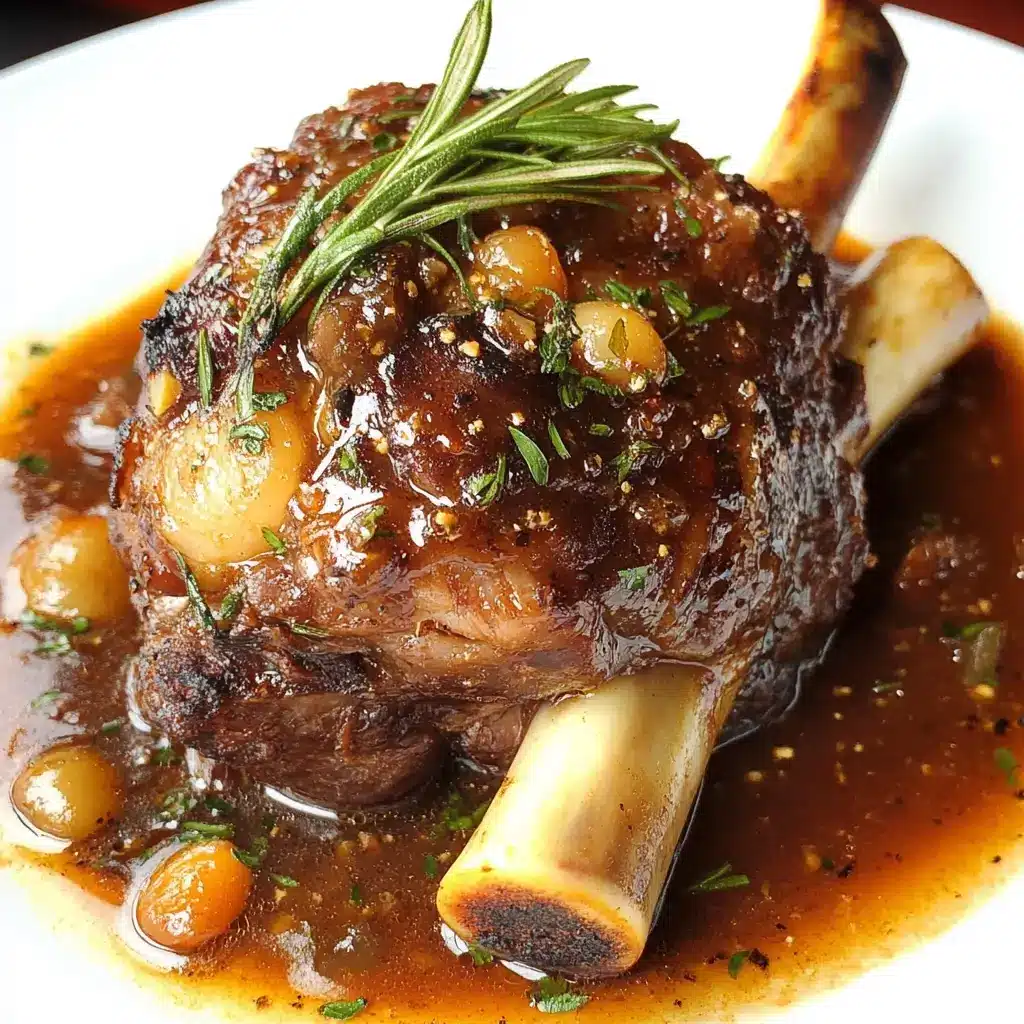
There’s a certain magic that happens when you slow cook lamb shanks. The humble, tougher cut of meat transforms into something truly extraordinary – meltingly tender, deeply flavorful, and utterly comforting. In my kitchen, braised lamb shank has become synonymous with special occasions and cozy weekends alike. The aroma alone, filling the house with savory richness, is enough to make mouths water. From the first forkful, where the lamb effortlessly falls off the bone, to the last flavorful spoonful of the luscious braising liquid, this dish is a guaranteed crowd-pleaser. Even the pickiest eaters in my family, usually hesitant towards lamb, are converted by the sheer deliciousness of this recipe. It’s the kind of meal that lingers in your memory long after the plates are cleared, a testament to the simple yet profound pleasure of slow-cooked, lovingly prepared food. This braised lamb shank recipe is not just a meal; it’s an experience, one I’m thrilled to share with you.
Ingredients
This recipe utilizes simple, wholesome ingredients that come together to create a complex and deeply satisfying flavor profile. Quality ingredients are key to maximizing the taste of your braised lamb shanks.
- Lamb Shanks: 4 bone-in lamb shanks, approximately 1-1.5 pounds each. Look for meaty shanks with a good amount of marbling. Bone-in shanks are crucial for flavor and the gelatin released from the bone during braising contributes to the rich sauce.
- Vegetable Oil: 2 tablespoons of olive oil or vegetable oil. Olive oil adds a subtle fruity note, while vegetable oil is a neutral option suitable for high-heat searing.
- Aromatics:
- Yellow Onion: 1 large yellow onion, roughly chopped. Yellow onions provide a foundational sweetness and savory depth to the braise.
- Carrots: 2 medium carrots, peeled and roughly chopped. Carrots add sweetness and body to the sauce, complementing the richness of the lamb.
- Celery: 2 stalks of celery, roughly chopped. Celery contributes a subtle herbaceous and earthy note, balancing the sweetness of the carrots and onions.
- Garlic: 4-5 cloves of garlic, minced. Fresh garlic is essential for its pungent aroma and flavor that permeates the braising liquid.
- Herbs:
- Fresh Rosemary: 2 sprigs of fresh rosemary. Rosemary offers a piney, aromatic flavor that pairs beautifully with lamb. Fresh rosemary is preferred, but dried can be used as a substitute (see tips below).
- Fresh Thyme: 2 sprigs of fresh thyme. Thyme provides a subtle earthy and slightly lemony flavor, adding complexity to the herb profile. Fresh thyme is recommended, but dried can be substituted.
- Bay Leaves: 2 bay leaves. Bay leaves infuse a subtle, tea-like aroma into the braising liquid, adding depth without being overpowering.
- Tomato Paste: 2 tablespoons of tomato paste. Tomato paste adds umami and richness to the sauce, as well as a slight acidity that balances the flavors.
- Dry Red Wine: 1 cup of dry red wine, such as Cabernet Sauvignon, Merlot, or Pinot Noir. Red wine is crucial for deglazing the pan and adding depth, complexity, and acidity to the braising liquid. Choose a wine you would enjoy drinking.
- Beef Broth: 4 cups of low-sodium beef broth. Beef broth provides the liquid for braising and adds a savory base to the sauce. Low-sodium broth allows you to control the saltiness of the dish.
- Worcestershire Sauce: 1 tablespoon of Worcestershire sauce. Worcestershire sauce adds a layer of umami and savory depth, enhancing the overall flavor profile of the braise.
- All-Purpose Flour: 1 tablespoon of all-purpose flour (optional, for thickening sauce). Flour can be used to create a slurry to thicken the braising liquid at the end if desired.
- Salt and Black Pepper: Kosher salt and freshly ground black pepper to taste. Seasoning is crucial at each stage of cooking to build flavor.
- Fresh Parsley: Chopped fresh parsley, for garnish (optional). Fresh parsley adds a bright, herbaceous finish and visual appeal.
Instructions
This braised lamb shank recipe is surprisingly straightforward, primarily requiring patience for the slow braising process. Follow these detailed instructions for perfectly tender and flavorful lamb shanks.
- Prepare the Lamb Shanks: Pat the lamb shanks dry with paper towels. This is important for achieving a good sear. Season generously on all sides with kosher salt and freshly ground black pepper. Don’t be shy with the seasoning, as this is the foundation of the flavor.
- Sear the Lamb Shanks: Heat the vegetable oil in a large, heavy-bottomed pot or Dutch oven over medium-high heat. Once the oil is shimmering hot (but not smoking), carefully add the lamb shanks to the pot, ensuring not to overcrowd the pot. You may need to sear them in batches to avoid lowering the pan temperature too much, which will result in steaming instead of searing. Sear the lamb shanks on all sides until they are deeply browned, about 3-4 minutes per side. A good sear is crucial for developing deep, rich flavor and creating a beautiful crust. Remove the seared lamb shanks from the pot and set aside.
- Sauté the Aromatics: Reduce the heat to medium. Add the chopped onion, carrots, and celery to the pot. Sauté the vegetables, stirring occasionally, until they are softened and slightly caramelized, about 8-10 minutes. Scrape up any browned bits from the bottom of the pot as you sauté – these are called “fond” and are packed with flavor. This process is called deglazing in action and it adds a lot to the depth of the sauce.
- Add Garlic and Tomato Paste: Add the minced garlic and tomato paste to the pot. Cook, stirring constantly, for about 1-2 minutes, until the garlic is fragrant and the tomato paste has darkened slightly. Cooking the tomato paste deepens its flavor and removes any raw taste.
- Deglaze the Pot: Pour in the dry red wine, scraping the bottom of the pot with a wooden spoon or spatula to loosen any remaining browned bits (fond). Bring the wine to a simmer and let it cook for 2-3 minutes, allowing the alcohol to evaporate and the wine to reduce slightly. This step is crucial for building a flavorful sauce.
- Add Broth and Seasonings: Pour in the beef broth, and add the rosemary sprigs, thyme sprigs, bay leaves, and Worcestershire sauce. Stir to combine all ingredients. Bring the liquid to a simmer.
- Braise the Lamb Shanks: Gently return the seared lamb shanks to the pot, nestling them into the braising liquid. The liquid should come about halfway up the shanks; if needed, add a little more beef broth or water to reach this level. Bring the liquid back to a gentle simmer, then cover the pot tightly with a lid.
- Slow Cook: Reduce the heat to low and braise the lamb shanks for 3-3.5 hours, or until the lamb is incredibly tender and easily falls off the bone. Check the lamb shanks occasionally during braising to ensure the liquid is simmering gently and not boiling vigorously. If the liquid reduces too much, add a little more beef broth or water to maintain the level. The key to perfect braised lamb shanks is low and slow cooking.
- Check for Doneness: To check for doneness, use a fork to gently prod the lamb. The meat should be incredibly tender and easily pull away from the bone. If it’s still resistant, continue braising for another 30 minutes to an hour, checking again.
- Remove Lamb Shanks and Thicken Sauce (Optional): Once the lamb shanks are cooked through, carefully remove them from the pot and set aside. Remove and discard the rosemary sprigs, thyme sprigs, and bay leaves from the braising liquid. If you desire a thicker sauce, you can thicken the braising liquid at this point. There are a few ways to do this:
- Reduction: Increase the heat to medium-high and simmer the braising liquid uncovered, allowing it to reduce and thicken naturally. This will concentrate the flavors, but it will take time.
- Flour Slurry: In a small bowl, whisk together 1 tablespoon of all-purpose flour with 2 tablespoons of cold water to create a smooth slurry. Slowly whisk the slurry into the simmering braising liquid. Cook, stirring constantly, for 2-3 minutes, until the sauce has thickened to your desired consistency.
- Cornstarch Slurry: Similar to flour, you can use cornstarch slurry (1 tablespoon cornstarch + 2 tablespoons cold water). Cornstarch creates a glossier sauce.
- Adjust Seasoning: Taste the braising sauce and adjust seasoning with salt and black pepper as needed. The flavors will have concentrated during braising, so a final seasoning is essential.
- Serve: Return the lamb shanks to the pot and spoon the braising sauce generously over them. Garnish with fresh chopped parsley, if desired. Serve hot.
Nutrition Facts
(Please note: Nutritional values are estimates and can vary based on specific ingredients used, portion sizes, and trimming of fat. These values are approximate per serving.)
- Servings: 4
- Serving Size: 1 braised lamb shank with approximately 1 cup of braising sauce.
Approximate Nutritional Information per Serving:
- Calories: 650-750 kcal
- Protein: 50-60g
- Fat: 40-50g (Varies depending on lamb shank fat content)
- Saturated Fat: 15-20g
- Cholesterol: 180-200mg
- Sodium: 500-700mg (Varies depending on broth and seasoning)
- Carbohydrates: 15-20g
- Fiber: 3-4g
- Sugar: 5-7g
Important Notes:
- Lamb is a rich source of protein, iron, and vitamin B12.
- The fat content can be reduced by trimming excess fat from the lamb shanks before cooking, though some fat is essential for flavor and tenderness.
- The vegetable content adds fiber and vitamins to the dish.
- This is a hearty and calorie-dense meal, suitable for a satisfying and flavorful dinner.
Preparation Time
- Prep Time: 30 minutes (chopping vegetables, searing lamb)
- Cook Time: 3 – 3.5 hours (braising time)
- Total Time: 3 hours 30 minutes – 4 hours
Active Time vs. Passive Time:
While the total preparation time is several hours, the active cooking time is relatively short. Most of the time is passive braising time, allowing you to attend to other tasks while the lamb slowly cooks and becomes incredibly tender. This makes it a great dish for weekends or days when you’re home but don’t want to be constantly in the kitchen.
How to Serve Braised Lamb Shank
Braised lamb shank is a versatile dish that pairs wonderfully with a variety of sides. Here are some serving suggestions to create a complete and satisfying meal:
- Classic Creamy Mashed Potatoes:
- The richness of mashed potatoes perfectly complements the tender lamb and braising sauce.
- Consider adding garlic, herbs, or Parmesan cheese to your mashed potatoes for extra flavor.
- Polenta:
- Creamy polenta provides a comforting and rustic base for the lamb shank.
- Polenta absorbs the delicious braising sauce beautifully.
- Creamy Risotto:
- A luxurious and elegant option, risotto, especially mushroom or Parmesan risotto, pairs exceptionally well with braised lamb.
- The creamy texture of risotto mirrors the tenderness of the lamb.
- Roasted Root Vegetables:
- Roasted carrots, parsnips, potatoes, and sweet potatoes offer a healthy and flavorful side.
- Roasting vegetables brings out their natural sweetness and provides a nice textural contrast to the soft lamb.
- Green Vegetables:
- Steamed or sautéed green beans, asparagus, or broccoli provide a fresh and vibrant counterpoint to the richness of the lamb.
- A simple side salad with a light vinaigrette can also balance the meal.
- Crusty Bread:
- Serve with crusty bread, such as baguette or sourdough, to soak up every last drop of the flavorful braising sauce.
- Garlic bread or herb-infused bread would be especially delicious.
- Gremolata:
- A sprinkle of gremolata (a mixture of chopped parsley, lemon zest, and garlic) adds a bright, fresh, and zesty finish to the dish, cutting through the richness of the lamb.
- Red Wine:
- Serve with the same dry red wine used in the recipe, or another complementary red wine like Chianti or Bordeaux.
Additional Tips for Perfect Braised Lamb Shank
Elevate your braised lamb shank to the next level with these helpful tips:
- Achieve a Deep Sear: Don’t rush the searing process. A good sear is fundamental for developing flavor. Ensure your pan is hot and the oil is shimmering before adding the lamb shanks. Sear in batches if necessary to avoid overcrowding the pan, which can lead to steaming instead of browning. A deep, even sear creates a flavorful crust and contributes significantly to the richness of the final dish.
- Wine Selection Matters: Choose a dry red wine that you enjoy drinking for the braising liquid. While the alcohol cooks off, the wine’s flavor will infuse the lamb and sauce. Avoid “cooking wine” as it often contains added salt and preservatives. Good options include Cabernet Sauvignon, Merlot, Pinot Noir, or Chianti. The wine adds acidity and complexity to balance the richness of the lamb.
- Fresh Herbs vs. Dried Herbs: Fresh herbs are generally preferred for braising, as they offer a brighter and more nuanced flavor. However, if using dried herbs, remember that they are more concentrated. Use about 1 teaspoon of dried rosemary and 1 teaspoon of dried thyme as a substitute for 2 sprigs of fresh rosemary and thyme. Add dried herbs earlier in the cooking process to allow them to rehydrate and release their flavor fully.
- Thickening the Sauce to Your Liking: Braising liquid naturally reduces and thickens over time, but if you prefer a thicker sauce, you have options. Reduction by simmering uncovered is the most natural method, concentrating the flavors. A flour or cornstarch slurry is a quicker way to thicken, but be sure to cook it thoroughly to avoid a starchy taste. For a richer sauce, consider swirling in a tablespoon of butter at the very end.
- Make-Ahead Magic: Braised lamb shanks are an excellent make-ahead dish. In fact, the flavor often improves after a day or two in the refrigerator. Braise the lamb shanks completely, then allow them to cool slightly in the braising liquid before transferring them to an airtight container. Refrigerate overnight or for up to 2-3 days. Reheat gently on the stovetop or in the oven, spooning the sauce over the lamb to keep it moist. This makes braised lamb shanks perfect for entertaining, as much of the work can be done in advance.
Frequently Asked Questions (FAQ) about Braised Lamb Shank
Here are some common questions and answers to help you master this delicious recipe:
Q1: Can I use a slow cooker or Instant Pot for braised lamb shanks?
A1: Yes, you can adapt this recipe for both a slow cooker and an Instant Pot.
- Slow Cooker: Sear the lamb shanks and sauté the vegetables in a skillet on the stovetop as instructed. Then, transfer everything to a slow cooker. Cook on low for 6-8 hours or on high for 4-5 hours, or until the lamb is fall-off-the-bone tender.
- Instant Pot: Use the sauté function to sear the lamb shanks and sauté the vegetables. Deglaze the pot with red wine. Add the broth, herbs, and lamb shanks. Seal the Instant Pot and cook on high pressure for 45-50 minutes, followed by a natural pressure release of 15-20 minutes.
While both methods work, traditional braising in a Dutch oven often yields the most deeply developed flavor due to the consistent, gentle heat and moisture retention.
Q2: What is the best type of red wine to use for braising lamb shanks?
A2: Dry red wines are best for braising lamb shanks. Good options include:
- Cabernet Sauvignon: Offers bold tannins and black fruit flavors that stand up well to the richness of lamb.
- Merlot: Provides a softer, more fruit-forward profile with notes of plum and cherry.
- Pinot Noir: Lighter-bodied with earthy and red fruit notes, offering a more delicate flavor.
- Chianti: A classic Italian red wine with bright acidity and cherry flavors that complement lamb beautifully.
Avoid sweet wines or very oaky wines, as they can overpower the other flavors. Choose a wine you enjoy drinking – if it tastes good in your glass, it will taste good in your dish.
Q3: How do I know when the braised lamb shanks are done?
A3: The lamb shanks are done when the meat is incredibly tender and easily falls off the bone. The most reliable way to check for doneness is to use a fork. Gently insert a fork into the thickest part of the lamb shank. If the meat is very tender and pulls apart easily with minimal resistance, it’s done. If it still feels tough, continue braising for another 30 minutes to an hour and check again. The braising time can vary slightly depending on the size and thickness of the lamb shanks.
Q4: Can I freeze braised lamb shanks?
A4: Yes, braised lamb shanks freeze very well. Allow the lamb shanks and braising liquid to cool completely. Then, transfer them to freezer-safe containers or freezer bags. Freeze for up to 2-3 months. To thaw, place the frozen lamb shanks in the refrigerator overnight. Reheat gently on the stovetop or in the oven until heated through, spooning the sauce over the lamb to keep it moist. Freezing is a great way to preserve leftovers or prepare this dish in advance.
Q5: What if my braising sauce is too thin?
A5: If your braising sauce is too thin after the lamb shanks are cooked, there are several ways to thicken it:
- Reduction: Remove the lamb shanks and increase the heat to medium-high. Simmer the braising liquid uncovered, allowing it to reduce and thicken naturally. This will concentrate the flavors as well.
- Flour or Cornstarch Slurry: Whisk together 1 tablespoon of all-purpose flour or cornstarch with 2 tablespoons of cold water to create a smooth slurry. Slowly whisk the slurry into the simmering sauce. Cook, stirring constantly, for 2-3 minutes, until the sauce thickens.
- Beurre Manié: Knead together equal parts softened butter and all-purpose flour to form a paste (beurre manié). Whisk small pieces of the beurre manié into the simmering sauce until it thickens to your desired consistency. This method also adds richness and shine to the sauce.
Start with a small amount of thickening agent and add more as needed until you achieve the desired consistency.
Enjoy creating this incredibly flavorful and comforting braised lamb shank recipe! It’s a dish that is sure to impress and become a cherished favorite.
Print
Braised Lamb Shank Recipe
Ingredients
- Lamb Shanks: 4 bone-in lamb shanks, approximately 1-1.5 pounds each. Look for meaty shanks with a good amount of marbling. Bone-in shanks are crucial for flavor and the gelatin released from the bone during braising contributes to the rich sauce.
- Vegetable Oil: 2 tablespoons of olive oil or vegetable oil. Olive oil adds a subtle fruity note, while vegetable oil is a neutral option suitable for high-heat searing.
- Aromatics:
- Yellow Onion: 1 large yellow onion, roughly chopped. Yellow onions provide a foundational sweetness and savory depth to the braise.
- Carrots: 2 medium carrots, peeled and roughly chopped. Carrots add sweetness and body to the sauce, complementing the richness of the lamb.
- Celery: 2 stalks of celery, roughly chopped. Celery contributes a subtle herbaceous and earthy note, balancing the sweetness of the carrots and onions.
- Garlic: 4-5 cloves of garlic, minced. Fresh garlic is essential for its pungent aroma and flavor that permeates the braising liquid.
- Herbs:
- Fresh Rosemary: 2 sprigs of fresh rosemary. Rosemary offers a piney, aromatic flavor that pairs beautifully with lamb. Fresh rosemary is preferred, but dried can be used as a substitute (see tips below).
- Fresh Thyme: 2 sprigs of fresh thyme. Thyme provides a subtle earthy and slightly lemony flavor, adding complexity to the herb profile. Fresh thyme is recommended, but dried can be substituted.
- Bay Leaves: 2 bay leaves. Bay leaves infuse a subtle, tea-like aroma into the braising liquid, adding depth without being overpowering.
- Tomato Paste: 2 tablespoons of tomato paste. Tomato paste adds umami and richness to the sauce, as well as a slight acidity that balances the flavors.
- Dry Red Wine: 1 cup of dry red wine, such as Cabernet Sauvignon, Merlot, or Pinot Noir. Red wine is crucial for deglazing the pan and adding depth, complexity, and acidity to the braising liquid. Choose a wine you would enjoy drinking.
- Beef Broth: 4 cups of low-sodium beef broth. Beef broth provides the liquid for braising and adds a savory base to the sauce. Low-sodium broth allows you to control the saltiness of the dish.
- Worcestershire Sauce: 1 tablespoon of Worcestershire sauce. Worcestershire sauce adds a layer of umami and savory depth, enhancing the overall flavor profile of the braise.
- All-Purpose Flour: 1 tablespoon of all-purpose flour (optional, for thickening sauce). Flour can be used to create a slurry to thicken the braising liquid at the end if desired.
- Salt and Black Pepper: Kosher salt and freshly ground black pepper to taste. Seasoning is crucial at each stage of cooking to build flavor.
- Fresh Parsley: Chopped fresh parsley, for garnish (optional). Fresh parsley adds a bright, herbaceous finish and visual appeal.
Instructions
- Prepare the Lamb Shanks: Pat the lamb shanks dry with paper towels. This is important for achieving a good sear. Season generously on all sides with kosher salt and freshly ground black pepper. Don’t be shy with the seasoning, as this is the foundation of the flavor.
- Sear the Lamb Shanks: Heat the vegetable oil in a large, heavy-bottomed pot or Dutch oven over medium-high heat. Once the oil is shimmering hot (but not smoking), carefully add the lamb shanks to the pot, ensuring not to overcrowd the pot. You may need to sear them in batches to avoid lowering the pan temperature too much, which will result in steaming instead of searing. Sear the lamb shanks on all sides until they are deeply browned, about 3-4 minutes per side. A good sear is crucial for developing deep, rich flavor and creating a beautiful crust. Remove the seared lamb shanks from the pot and set aside.
- Sauté the Aromatics: Reduce the heat to medium. Add the chopped onion, carrots, and celery to the pot. Sauté the vegetables, stirring occasionally, until they are softened and slightly caramelized, about 8-10 minutes. Scrape up any browned bits from the bottom of the pot as you sauté – these are called “fond” and are packed with flavor. This process is called deglazing in action and it adds a lot to the depth of the sauce.
- Add Garlic and Tomato Paste: Add the minced garlic and tomato paste to the pot. Cook, stirring constantly, for about 1-2 minutes, until the garlic is fragrant and the tomato paste has darkened slightly. Cooking the tomato paste deepens its flavor and removes any raw taste.
- Deglaze the Pot: Pour in the dry red wine, scraping the bottom of the pot with a wooden spoon or spatula to loosen any remaining browned bits (fond). Bring the wine to a simmer and let it cook for 2-3 minutes, allowing the alcohol to evaporate and the wine to reduce slightly. This step is crucial for building a flavorful sauce.
- Add Broth and Seasonings: Pour in the beef broth, and add the rosemary sprigs, thyme sprigs, bay leaves, and Worcestershire sauce. Stir to combine all ingredients. Bring the liquid to a simmer.
- Braise the Lamb Shanks: Gently return the seared lamb shanks to the pot, nestling them into the braising liquid. The liquid should come about halfway up the shanks; if needed, add a little more beef broth or water to reach this level. Bring the liquid back to a gentle simmer, then cover the pot tightly with a lid.
- Slow Cook: Reduce the heat to low and braise the lamb shanks for 3-3.5 hours, or until the lamb is incredibly tender and easily falls off the bone. Check the lamb shanks occasionally during braising to ensure the liquid is simmering gently and not boiling vigorously. If the liquid reduces too much, add a little more beef broth or water to maintain the level. The key to perfect braised lamb shanks is low and slow cooking.
- Check for Doneness: To check for doneness, use a fork to gently prod the lamb. The meat should be incredibly tender and easily pull away from the bone. If it’s still resistant, continue braising for another 30 minutes to an hour, checking again.
- Remove Lamb Shanks and Thicken Sauce (Optional): Once the lamb shanks are cooked through, carefully remove them from the pot and set aside. Remove and discard the rosemary sprigs, thyme sprigs, and bay leaves from the braising liquid. If you desire a thicker sauce, you can thicken the braising liquid at this point. There are a few ways to do this:
- Reduction: Increase the heat to medium-high and simmer the braising liquid uncovered, allowing it to reduce and thicken naturally. This will concentrate the flavors, but it will take time.
- Flour Slurry: In a small bowl, whisk together 1 tablespoon of all-purpose flour with 2 tablespoons of cold water to create a smooth slurry. Slowly whisk the slurry into the simmering braising liquid. Cook, stirring constantly, for 2-3 minutes, until the sauce has thickened to your desired consistency.
- Cornstarch Slurry: Similar to flour, you can use cornstarch slurry (1 tablespoon cornstarch + 2 tablespoons cold water). Cornstarch creates a glossier sauce.
- Adjust Seasoning: Taste the braising sauce and adjust seasoning with salt and black pepper as needed. The flavors will have concentrated during braising, so a final seasoning is essential.
- Serve: Return the lamb shanks to the pot and spoon the braising sauce generously over them. Garnish with fresh chopped parsley, if desired. Serve hot.
Nutrition
- Serving Size: One Normal Portion
- Calories: 650-750 kcal
- Sugar: 5-7g
- Sodium: 500-700mg
- Fat: 40-50g
- Saturated Fat: 15-20g
- Carbohydrates: 15-20g
- Fiber: 3-4g
- Protein: 50-60g
- Cholesterol: 180-200mg