
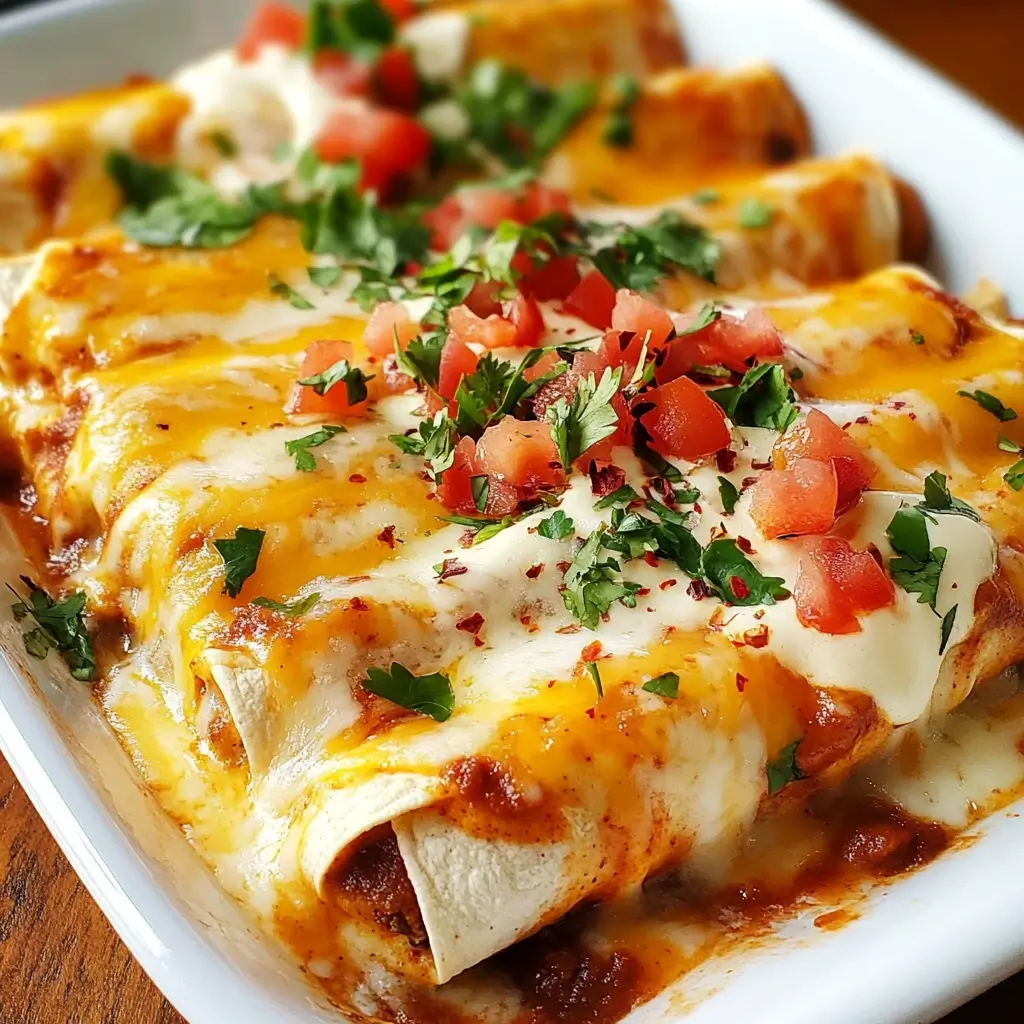
Breakfast enchiladas have become a weekend staple in our home, a dish that effortlessly bridges the gap between a comforting breakfast and a flavorful brunch. Initially, I stumbled upon this recipe while searching for something more exciting than our usual pancakes or scrambled eggs. The idea of combining the hearty satisfaction of enchiladas with the familiar flavors of breakfast intrigued me, and let me tell you, the result was nothing short of a culinary revelation. From the first bite, my family was hooked. The warm, cheesy filling, encased in soft tortillas and bathed in a vibrant sauce, is simply irresistible. Even my picky eaters, who usually have strong opinions about anything beyond cereal, devoured these enchiladas with gusto. The aroma alone, wafting through the kitchen as they bake, is enough to get everyone out of bed and eagerly anticipating breakfast. This recipe isn’t just about feeding hungry mouths; it’s about creating a moment of shared joy, a delicious start to the day that brings everyone together around the table. It’s become a go-to for lazy weekend mornings, holiday brunches, and even a fun “breakfast for dinner” night. If you’re looking to elevate your breakfast game and impress your family or guests with a dish that’s both comforting and exciting, look no further. These breakfast enchiladas are guaranteed to become a new family favorite, just like they did in our home.
Ingredients
Creating the perfect breakfast enchiladas starts with selecting high-quality, flavorful ingredients. This recipe is wonderfully versatile, allowing for substitutions and additions based on your preferences and what you have available. However, sticking to the core components listed below will ensure a truly delicious and satisfying result. Let’s delve into each ingredient, understanding its role and offering suggestions for variations to personalize your breakfast enchiladas.
For the Filling:
- 1 dozen large eggs: Eggs are the heart of our breakfast enchiladas, providing protein and a rich, creamy texture to the filling. Opt for large eggs for a substantial filling. If you prefer a richer flavor, consider using free-range or pasture-raised eggs, which often have more vibrant yolks and a deeper taste. For a vegetarian option or to reduce cholesterol, you can substitute some of the eggs with egg whites or a plant-based egg substitute, though this will alter the final texture slightly.
- 1 pound breakfast sausage (pork, turkey, or vegetarian): Breakfast sausage adds a savory, seasoned element to the filling. Pork sausage is classic, offering a robust flavor, while turkey sausage is a leaner alternative. For a vegetarian version, use plant-based sausage crumbles that are specifically designed for breakfast dishes; these often mimic the texture and flavor of traditional sausage remarkably well. Consider the spice level of your sausage – mild, medium, or hot, depending on your preference for a kick. You can also experiment with different sausage flavors like maple or sage for a unique twist.
- 1 cup shredded cheese (cheddar, Monterey Jack, pepper jack, or a blend): Cheese is crucial for binding the filling and adding that melty, gooey goodness that enchiladas are known for. Cheddar provides a sharp, classic flavor, while Monterey Jack offers a milder, creamy melt. Pepper jack adds a touch of heat, perfect if you enjoy a spicier breakfast. For a richer, more complex flavor, consider using a blend of cheeses. Pre-shredded cheese is convenient, but freshly grated cheese melts more smoothly and often has a better flavor due to the absence of cellulose additives. For a dairy-free option, use your favorite plant-based shredded cheese alternative.
- 1/2 cup chopped onion (yellow or white): Onion adds a foundational savory flavor to the filling. Yellow onions offer a milder sweetness when cooked, while white onions have a sharper, more pungent flavor. Finely chop the onion to ensure it cooks evenly and integrates well into the filling. You can also use shallots for a more delicate onion flavor, or even add a touch of garlic for extra depth.
- 1/2 cup chopped bell pepper (any color): Bell pepper adds a touch of sweetness and a vibrant color to the filling. Any color bell pepper will work, but red and yellow peppers tend to be sweeter than green peppers. Diced bell pepper also adds a pleasant textural element. For a spicier kick, you could substitute a portion of the bell pepper with diced jalapeño or poblano peppers.
- 1/4 cup milk or cream (optional, for creamier eggs): A splash of milk or cream can be added to the eggs to create a softer, creamier texture. This is optional but recommended if you prefer a more luxurious egg filling. Whole milk, half-and-half, or heavy cream will all work. For a dairy-free option, use plant-based milk such as almond milk, oat milk, or soy milk.
For the Enchiladas:
- 12 corn or flour tortillas: Tortillas are the vessels that hold our delicious filling. Corn tortillas are traditional for enchiladas and offer a slightly nutty flavor and firmer texture, while flour tortillas are softer and more pliable. Choose your preference based on taste and texture. For gluten-free enchiladas, ensure you use 100% corn tortillas, as some corn tortillas may contain wheat. Warm the tortillas slightly before filling to make them more pliable and prevent them from cracking when rolled. You can warm them in a microwave, on a dry skillet, or wrapped in foil in a warm oven.
- 2 cups enchilada sauce (red or green, store-bought or homemade): Enchilada sauce is the flavorful liquid that coats the enchiladas and infuses them with moisture and flavor as they bake. Red enchilada sauce is typically made with chili peppers and tomatoes, offering a rich, smoky flavor. Green enchilada sauce, made with tomatillos and green chilies, has a brighter, tangier flavor. You can use store-bought enchilada sauce for convenience, or make your own for a more authentic and customized taste. Homemade enchilada sauce allows you to control the spice level and ingredients.
- 1/2 cup shredded cheese (for topping, same as filling cheese or different): Extra shredded cheese for topping the enchiladas before baking creates a beautiful melted cheese crust and adds extra flavor. You can use the same cheese blend as in the filling, or choose a different cheese for variety. Monterey Jack, cheddar, or a Mexican cheese blend are all excellent choices for topping.
Optional Garnishes (for serving):
- Sour cream or Greek yogurt: Adds a cool, tangy contrast to the richness of the enchiladas.
- Salsa or pico de gallo: Provides a fresh, vibrant element and extra flavor.
- Guacamole or avocado slices: Adds creaminess and healthy fats.
- Chopped cilantro or green onions: Adds freshness and a pop of color.
- Hot sauce: For those who like extra spice.
This comprehensive ingredient list provides a solid foundation for delicious breakfast enchiladas. Feel free to adjust quantities based on your preferences and the size of your baking dish. Don’t be afraid to experiment with different types of cheeses, sausages, and vegetables to create your own signature breakfast enchilada recipe!
Instructions
Crafting these delicious breakfast enchiladas is a straightforward process, broken down into easy-to-follow steps. Even if you’re new to enchilada making, these instructions will guide you through each stage, ensuring a successful and flavorful breakfast dish. Let’s walk through the process step-by-step, from preparing the filling to baking and achieving golden, cheesy perfection.
Step 1: Prepare the Filling
- Cook the Sausage: Begin by heating a large skillet over medium heat. If using pork or turkey sausage, remove it from its casings. Crumble the sausage into the hot skillet. Cook, breaking it up with a spoon or spatula, until it is browned and fully cooked through. Drain off any excess grease if necessary. If using vegetarian sausage crumbles, follow the package instructions, typically involving sautéing them until heated through and slightly browned. Set the cooked sausage aside in a bowl.
- Sauté the Vegetables: In the same skillet (no need to clean it), add a tablespoon of olive oil or cooking spray if needed. Add the chopped onion and bell pepper to the skillet. Sauté over medium heat until the vegetables are softened and the onions become translucent, about 5-7 minutes. Stir occasionally to prevent sticking and ensure even cooking. You want the vegetables to be tender but not overly browned.
- Scramble the Eggs: In a large bowl, crack the dozen eggs. Add the optional milk or cream if using, and whisk together thoroughly until the yolks and whites are fully combined and slightly frothy. Season generously with salt and black pepper to taste. Proper seasoning at this stage is crucial for flavorful eggs.
- Combine Filling Ingredients: Pour the whisked eggs into the skillet with the sautéed vegetables. Reduce the heat to low-medium. Cook the eggs, gently scrambling them, until they are just set but still slightly moist. Avoid overcooking the eggs, as they will continue to cook in the oven. Once the eggs are mostly cooked, remove the skillet from the heat. Add the cooked sausage and shredded cheese (1 cup) to the scrambled eggs and vegetables. Stir everything together until the cheese is melted and evenly distributed throughout the filling. Taste the filling and adjust seasoning with salt and pepper if needed.
Step 2: Assemble the Enchiladas
- Preheat Oven and Prepare Baking Dish: Preheat your oven to 375°F (190°C). Lightly grease a 9×13 inch baking dish with cooking spray or a thin layer of oil. This prevents the enchiladas from sticking to the bottom of the dish.
- Warm the Tortillas: Gently warm the tortillas to make them more pliable and easier to roll without cracking. You can warm them in several ways:
- Microwave: Wrap the tortillas in a damp paper towel and microwave in 30-second intervals until softened.
- Skillet: Heat a dry skillet over medium heat. Warm each tortilla for a few seconds per side until softened.
- Oven: Wrap the tortillas in foil and warm in the preheating oven for a few minutes.
- Fill and Roll the Enchiladas: Pour about 1/2 cup of enchilada sauce into the bottom of the prepared baking dish and spread it evenly. This will prevent the enchiladas from drying out and add flavor to the bottom. Take one warmed tortilla at a time. Place a generous spoonful of the egg and sausage filling (about 1/4 to 1/3 cup, depending on tortilla size) in the center of the tortilla. Roll the tortilla tightly around the filling and place it seam-down in the baking dish, on top of the layer of enchilada sauce. Repeat this process with the remaining tortillas and filling, arranging the enchiladas snugly in the baking dish in a single layer.
Step 3: Bake the Enchiladas
- Pour Sauce and Top with Cheese: Once all the enchiladas are rolled and placed in the baking dish, pour the remaining enchilada sauce evenly over the top, ensuring all enchiladas are coated. Sprinkle the remaining shredded cheese (1/2 cup) generously over the top of the enchiladas.
- Bake: Place the baking dish in the preheated oven and bake for 20-25 minutes, or until the enchiladas are heated through, the sauce is bubbly, and the cheese is melted and golden brown. The baking time may vary slightly depending on your oven, so keep an eye on them.
- Rest (Optional): Once baked, you can let the enchiladas rest for a few minutes before serving. This allows them to set slightly and makes them easier to serve.
Step 4: Serve and Garnish
- Garnish: While the enchiladas are resting or immediately after removing them from the oven, garnish with your desired toppings. Popular garnishes include sour cream or Greek yogurt, salsa or pico de gallo, guacamole or avocado slices, chopped cilantro or green onions, and hot sauce.
- Serve: Serve the breakfast enchiladas hot, directly from the baking dish or portioned onto plates. They are delicious on their own or with side dishes like fruit salad, black beans, or Mexican rice.
Following these step-by-step instructions will lead you to perfectly baked, flavorful breakfast enchiladas. Remember to adjust seasoning to your taste and don’t be afraid to customize the filling with your favorite ingredients. Enjoy!
Nutrition Facts
Understanding the nutritional content of your meals is important for making informed dietary choices. The nutrition facts for these breakfast enchiladas are estimates and can vary based on the specific ingredients used, particularly the type of sausage, cheese, and enchilada sauce. However, this provides a general overview of what you can expect per serving.
Servings: This recipe typically yields approximately 6 servings. A serving size is considered to be two enchiladas.
Approximate Nutrition Facts Per Serving (2 Enchiladas):
- Calories: 450-550 calories (This range can vary depending on the fat content of the sausage and cheese, as well as the type of enchilada sauce used. Using leaner sausage and lower-fat cheese will reduce the calorie count.)
- Protein: 25-30 grams (Eggs, sausage, and cheese are excellent sources of protein, making this a protein-rich breakfast.)
- Fat: 25-35 grams (Fat content is primarily from the sausage and cheese. Choosing leaner options can significantly reduce fat content.)
- Saturated Fat: 10-15 grams (Saturated fat content is also influenced by the sausage and cheese choices.)
- Cholesterol: 250-300 mg (Primarily from eggs and sausage.)
- Carbohydrates: 30-40 grams (Carbohydrates come from the tortillas, vegetables, and sauce.)
- Fiber: 3-5 grams (Fiber content can be increased by using whole wheat tortillas and including more vegetables in the filling.)
- Sugar: 5-10 grams (Sugar content is mostly from the enchilada sauce and naturally occurring sugars in vegetables.)
- Sodium: 800-1200 mg (Sodium content can be high, particularly depending on the salt content of the sausage, cheese, and enchilada sauce. Choosing low-sodium options can help reduce sodium levels.)
Important Considerations:
- Ingredient Variations: As mentioned, using different types of sausage (turkey vs. pork, leaner vs. higher fat), cheese (full-fat vs. reduced-fat), and enchilada sauce (homemade vs. store-bought, sodium content) will impact the nutritional values.
- Serving Size: The serving size of two enchiladas is an estimate. Adjust portion sizes based on individual dietary needs and preferences.
- Dietary Needs: This recipe can be adapted to suit various dietary needs. For a lower-fat option, use turkey sausage, reduced-fat cheese, and drain excess grease from the sausage. For a vegetarian option, use plant-based sausage and vegetarian cheese. For gluten-free, use 100% corn tortillas and ensure your enchilada sauce is gluten-free.
Disclaimer: These nutrition facts are estimates and should be used as a general guideline. For precise nutritional information, it is recommended to use a nutrition calculator and input the exact brands and quantities of ingredients used in your recipe. If you have specific dietary concerns or health conditions, consult with a registered dietitian or healthcare professional for personalized advice.
Preparation Time
Time is often of the essence, especially when it comes to breakfast. These breakfast enchiladas are surprisingly efficient to prepare, making them a great option for both weekend brunches and even a slightly more involved weekday breakfast if you plan ahead. Here’s a breakdown of the preparation and cooking time:
Total Time: Approximately 45-55 minutes
Breakdown:
- Prep Time: 20-25 minutes
- This includes chopping vegetables (onion, bell pepper), cooking the sausage, scrambling the eggs, shredding cheese (if not using pre-shredded), and warming tortillas. The prep time can be reduced if you use pre-shredded cheese and pre-cooked sausage or vegetarian crumbles. Having your ingredients prepped and organized (“mise en place”) will also streamline the process.
- Cook Time: 25-30 minutes
- This includes the time for sautéing vegetables (5-7 minutes), scrambling eggs (5-7 minutes), and baking the enchiladas in the oven (20-25 minutes). The baking time may vary slightly depending on your oven and desired level of browning.
Tips to Speed Up Preparation:
- Utilize Pre-Prepped Ingredients: Using pre-shredded cheese, pre-cooked sausage (or vegetarian crumbles), and even pre-chopped vegetables (available in many supermarkets) can significantly reduce your prep time.
- Prepare Ingredients in Advance: Chop your vegetables and cook the sausage the night before. Store them separately in airtight containers in the refrigerator. This will leave you with primarily just scrambling the eggs and assembling the enchiladas in the morning.
- Assembly Line Approach: Set up an assembly line for rolling the enchiladas. Have all your ingredients laid out: warmed tortillas, filling, and baking dish with sauce. This makes the rolling process quicker and more efficient.
- Efficient Cooking: While the vegetables are sautéing, you can simultaneously whisk the eggs in a bowl. While the eggs are scrambling, you can be warming the tortillas. Multitasking efficiently can save valuable minutes.
Make-Ahead Options:
- Prepare the Filling Ahead: The egg and sausage filling can be made a day or two in advance and stored in the refrigerator. Reheat the filling gently before assembling the enchiladas.
- Assemble Enchiladas Ahead (Unbaked): You can assemble the enchiladas completely, including filling, rolling, saucing, and topping with cheese, and then store them unbaked in the refrigerator for up to 24 hours. Cover the baking dish tightly with plastic wrap or foil. When ready to bake, simply preheat the oven and bake as directed, adding a few extra minutes to the baking time if starting from cold.
While the total time is under an hour, the hands-on prep time is relatively short, especially if you utilize time-saving tips or prepare components in advance. This recipe strikes a good balance between being delicious and manageable for a satisfying breakfast or brunch.
How to Serve
Breakfast enchiladas are incredibly versatile and can be served in numerous ways to create a complete and delightful meal. From simple garnishes to complementary side dishes, here are some serving suggestions to elevate your breakfast enchilada experience:
Garnishes (Essential for Flavor and Presentation):
- Sour Cream or Greek Yogurt: A dollop of cool, tangy sour cream or Greek yogurt on top of the warm enchiladas provides a refreshing contrast and creamy texture. Greek yogurt offers a slightly healthier, higher-protein alternative to sour cream.
- Salsa or Pico de Gallo: Fresh salsa or pico de gallo adds a vibrant, zesty element with chopped tomatoes, onions, cilantro, and often jalapeños. The acidity and freshness cut through the richness of the enchiladas and add layers of flavor.
- Guacamole or Avocado Slices: Creamy guacamole or slices of ripe avocado provide healthy fats and a smooth, buttery texture. The cool avocado complements the warmth of the enchiladas and adds richness.
- Chopped Cilantro or Green Onions: Freshly chopped cilantro or green onions sprinkled over the top add a pop of color, freshness, and herbaceousness. They brighten the overall presentation and flavor profile.
- Hot Sauce: For those who enjoy a spicy kick, offer a variety of hot sauces. From mild to fiery, hot sauce allows individuals to customize the spice level to their preference.
Side Dishes (To Create a Complete Meal):
- Fresh Fruit Salad: A light and refreshing fruit salad, composed of seasonal fruits like berries, melon, and grapes, provides a sweet and healthy counterpoint to the savory enchiladas.
- Black Beans or Refried Beans: A side of seasoned black beans or refried beans adds extra protein and fiber, making the meal more substantial and balanced. Consider adding a squeeze of lime juice to the beans for extra flavor.
- Mexican Rice: Fluffy Mexican rice, seasoned with tomatoes, onions, and spices, is a classic accompaniment to enchiladas and provides a comforting carbohydrate element.
- Side Salad: A simple green salad with a light vinaigrette dressing can offer a refreshing and healthy balance to the richness of the enchiladas.
- Breakfast Potatoes: For a heartier breakfast, consider serving breakfast potatoes alongside the enchiladas. Roasted or skillet potatoes seasoned with spices like paprika, cumin, and chili powder would complement the Mexican flavors.
Beverages (To Pair with Breakfast Enchiladas):
- Coffee: A classic breakfast beverage, coffee pairs well with the savory flavors of enchiladas. Offer both regular and decaffeinated options.
- Juice: Freshly squeezed orange juice, grapefruit juice, or apple juice are refreshing and complement the breakfast flavors.
- Mimosas or Bloody Marys (For Brunch): If serving for brunch, consider offering mimosas (orange juice and sparkling wine) or Bloody Marys (tomato juice-based cocktail) for a celebratory touch.
- Mexican Hot Chocolate: For a richer and more indulgent beverage, Mexican hot chocolate, often spiced with cinnamon and chili, can be a delightful pairing.
Serving Presentation Tips:
- Serve Hot: Breakfast enchiladas are best served hot, straight from the oven.
- Individual Portions: Portion two enchiladas per serving onto individual plates or bowls.
- Garnish Generously: Don’t be shy with the garnishes! A generous topping of sour cream, salsa, and cilantro makes the dish visually appealing and enhances the flavor.
- Family Style: You can also serve the enchiladas family-style, placing the baking dish in the center of the table and allowing everyone to serve themselves.
- Warm Plates: Warming the plates beforehand helps to keep the enchiladas hot longer, especially if serving during cooler months.
By incorporating these serving suggestions, you can create a complete and memorable breakfast or brunch experience with your breakfast enchiladas. Experiment with different garnishes and side dishes to find your favorite combinations and cater to your guests’ preferences.
Additional Tips
To ensure your breakfast enchiladas are a resounding success every time, here are five additional tips to keep in mind, covering everything from preparation techniques to flavor enhancements and make-ahead strategies:
- Don’t Overcook the Eggs: When scrambling the eggs for the filling, it’s crucial to avoid overcooking them. Overcooked eggs become dry and rubbery, which will detract from the overall texture of the enchiladas. Cook the eggs until they are just set but still slightly moist. They will continue to cook further in the oven while baking. Remove the skillet from the heat while they are still a bit soft, and the residual heat will finish cooking them perfectly.
- Warm Your Tortillas Properly: Warming tortillas before rolling is not just a suggestion; it’s essential for preventing them from cracking and tearing. Cold tortillas are brittle and prone to breaking when folded or rolled. Properly warmed tortillas become pliable and easy to handle. Choose a warming method that suits you – microwave, skillet, or oven – and ensure they are softened but not too hot to handle. Overheated tortillas can also become dry and stiff.
- Don’t Skimp on the Sauce: Enchilada sauce is the key to keeping your enchiladas moist and flavorful. Make sure to use enough sauce both in the bottom of the baking dish and poured over the top. The sauce soaks into the tortillas and filling during baking, creating a tender and juicy final dish. If you prefer extra saucy enchiladas, you can even use a bit more sauce than the recipe calls for. Ensure the top layer of enchiladas is well-coated in sauce before baking to prevent them from drying out.
- Customize Your Fillings and Sauces: This recipe is a fantastic base, but feel free to get creative and customize it to your liking. Experiment with different fillings like chorizo, bacon, diced ham, spinach, mushrooms, or roasted vegetables. You can also vary the cheese blend or add different spices to the filling. For the sauce, choose between red or green enchilada sauce, or even try a creamy cheese sauce for a richer flavor profile. Don’t be afraid to adjust the spice level by using hotter sausage, pepper jack cheese, or adding diced jalapeños to the filling.
- Make-Ahead for Easy Mornings: Breakfast enchiladas are excellent for making ahead, which is a lifesaver for busy mornings or when entertaining guests. You can prepare the filling and assemble the enchiladas (unbaked) up to 24 hours in advance. Store them covered in the refrigerator. When ready to bake, simply preheat the oven and bake as directed, adding a few extra minutes to the baking time if starting from cold. This make-ahead capability makes them perfect for weekend brunches or holiday breakfasts, allowing you to enjoy more time with your family and guests and less time in the kitchen in the morning.
By incorporating these tips into your breakfast enchilada preparation, you’ll be well on your way to creating consistently delicious and crowd-pleasing breakfast enchiladas that everyone will love.
FAQ Section
Here are five frequently asked questions about breakfast enchiladas, addressing common concerns and providing helpful tips for success:
Q1: Can I make breakfast enchiladas ahead of time?
A: Yes, absolutely! Breakfast enchiladas are a fantastic make-ahead dish. You can prepare the filling and assemble the enchiladas completely, up to the point of baking, up to 24 hours in advance. Cover the assembled enchiladas tightly with plastic wrap or foil and store them in the refrigerator. When you’re ready to bake, simply preheat your oven and bake as directed, adding approximately 5-10 minutes to the baking time to account for starting from a cold temperature. Making them ahead is ideal for busy mornings, brunch gatherings, or holiday breakfasts.
Q2: Can I use different fillings for breakfast enchiladas?
A: Definitely! This recipe is highly versatile and welcomes customization. Feel free to swap out or add to the suggested fillings based on your preferences and what you have on hand. Some popular filling variations include:
- Meat Options: Chorizo, bacon crumbles, diced ham, shredded chicken or beef (cooked).
- Vegetarian Options: Sautéed mushrooms, spinach, black beans, corn, roasted vegetables (like sweet potatoes or zucchini).
- Cheese Variations: Pepper jack for extra spice, queso fresco for a milder, crumbly cheese, or a blend of your favorite cheeses.
Get creative and experiment with different combinations to find your perfect breakfast enchilada filling!
Q3: Can I make vegetarian or vegan breakfast enchiladas?
A: Yes, you can easily adapt this recipe to be vegetarian or vegan.
- Vegetarian: Simply substitute the breakfast sausage with a plant-based breakfast sausage crumbles or omit it altogether and increase the vegetables in the filling. Ensure your enchilada sauce and cheese are vegetarian-friendly (some cheeses use animal rennet).
- Vegan: In addition to substituting the sausage and cheese with plant-based alternatives, you’ll need to replace the eggs. Use a plant-based egg substitute designed for scrambling, or consider a tofu scramble seasoned with turmeric and nutritional yeast to mimic the color and flavor of eggs. Ensure your enchilada sauce is also vegan (some may contain chicken broth).
With a few simple swaps, you can enjoy delicious vegetarian or vegan breakfast enchiladas.
Q4: How should I store leftover breakfast enchiladas?
A: Leftover breakfast enchiladas store wonderfully in the refrigerator. Allow the enchiladas to cool completely after baking. Then, transfer them to an airtight container or cover the baking dish tightly with plastic wrap or foil. Store them in the refrigerator for up to 3-4 days.
Q5: What’s the best way to reheat breakfast enchiladas?
A: There are several ways to reheat breakfast enchiladas:
- Oven: This is the best method for maintaining texture. Preheat your oven to 350°F (175°C). Cover the enchiladas with foil and bake for 15-20 minutes, or until heated through. Remove the foil during the last few minutes of reheating to crisp up the cheese if desired.
- Microwave: For a quicker option, microwave individual portions on a microwave-safe plate for 1-2 minutes, or until heated through. Microwaving may slightly alter the texture of the tortillas and cheese, but it’s a convenient method for a quick reheat.
- Skillet: You can also reheat individual enchiladas in a skillet over medium-low heat. Add a splash of water or enchilada sauce to the skillet to prevent drying out and cover with a lid. Heat until warmed through, flipping occasionally.
The oven is generally recommended for reheating larger quantities and preserving the best texture, while the microwave is suitable for single servings and speed. Enjoy your reheated breakfast enchiladas!
Print
Breakfast Enchiladas Recipe
Ingredients
For the Filling:
- 1 dozen large eggs: Eggs are the heart of our breakfast enchiladas, providing protein and a rich, creamy texture to the filling. Opt for large eggs for a substantial filling. If you prefer a richer flavor, consider using free-range or pasture-raised eggs, which often have more vibrant yolks and a deeper taste. For a vegetarian option or to reduce cholesterol, you can substitute some of the eggs with egg whites or a plant-based egg substitute, though this will alter the final texture slightly.
- 1 pound breakfast sausage (pork, turkey, or vegetarian): Breakfast sausage adds a savory, seasoned element to the filling. Pork sausage is classic, offering a robust flavor, while turkey sausage is a leaner alternative. For a vegetarian version, use plant-based sausage crumbles that are specifically designed for breakfast dishes; these often mimic the texture and flavor of traditional sausage remarkably well. Consider the spice level of your sausage – mild, medium, or hot, depending on your preference for a kick. You can also experiment with different sausage flavors like maple or sage for a unique twist.
- 1 cup shredded cheese (cheddar, Monterey Jack, pepper jack, or a blend): Cheese is crucial for binding the filling and adding that melty, gooey goodness that enchiladas are known for. Cheddar provides a sharp, classic flavor, while Monterey Jack offers a milder, creamy melt. Pepper jack adds a touch of heat, perfect if you enjoy a spicier breakfast. For a richer, more complex flavor, consider using a blend of cheeses. Pre-shredded cheese is convenient, but freshly grated cheese melts more smoothly and often has a better flavor due to the absence of cellulose additives. For a dairy-free option, use your favorite plant-based shredded cheese alternative.
- 1/2 cup chopped onion (yellow or white): Onion adds a foundational savory flavor to the filling. Yellow onions offer a milder sweetness when cooked, while white onions have a sharper, more pungent flavor. Finely chop the onion to ensure it cooks evenly and integrates well into the filling. You can also use shallots for a more delicate onion flavor, or even add a touch of garlic for extra depth.
- 1/2 cup chopped bell pepper (any color): Bell pepper adds a touch of sweetness and a vibrant color to the filling. Any color bell pepper will work, but red and yellow peppers tend to be sweeter than green peppers. Diced bell pepper also adds a pleasant textural element. For a spicier kick, you could substitute a portion of the bell pepper with diced jalapeño or poblano peppers.
- 1/4 cup milk or cream (optional, for creamier eggs): A splash of milk or cream can be added to the eggs to create a softer, creamier texture. This is optional but recommended if you prefer a more luxurious egg filling. Whole milk, half-and-half, or heavy cream will all work. For a dairy-free option, use plant-based milk such as almond milk, oat milk, or soy milk.
For the Enchiladas:
- 12 corn or flour tortillas: Tortillas are the vessels that hold our delicious filling. Corn tortillas are traditional for enchiladas and offer a slightly nutty flavor and firmer texture, while flour tortillas are softer and more pliable. Choose your preference based on taste and texture. For gluten-free enchiladas, ensure you use 100% corn tortillas, as some corn tortillas may contain wheat. Warm the tortillas slightly before filling to make them more pliable and prevent them from cracking when rolled. You can warm them in a microwave, on a dry skillet, or wrapped in foil in a warm oven.
- 2 cups enchilada sauce (red or green, store-bought or homemade): Enchilada sauce is the flavorful liquid that coats the enchiladas and infuses them with moisture and flavor as they bake. Red enchilada sauce is typically made with chili peppers and tomatoes, offering a rich, smoky flavor. Green enchilada sauce, made with tomatillos and green chilies, has a brighter, tangier flavor. You can use store-bought enchilada sauce for convenience, or make your own for a more authentic and customized taste. Homemade enchilada sauce allows you to control the spice level and ingredients.
- 1/2 cup shredded cheese (for topping, same as filling cheese or different): Extra shredded cheese for topping the enchiladas before baking creates a beautiful melted cheese crust and adds extra flavor. You can use the same cheese blend as in the filling, or choose a different cheese for variety. Monterey Jack, cheddar, or a Mexican cheese blend are all excellent choices for topping.
Instructions
Step 1: Prepare the Filling
- Cook the Sausage: Begin by heating a large skillet over medium heat. If using pork or turkey sausage, remove it from its casings. Crumble the sausage into the hot skillet. Cook, breaking it up with a spoon or spatula, until it is browned and fully cooked through. Drain off any excess grease if necessary. If using vegetarian sausage crumbles, follow the package instructions, typically involving sautéing them until heated through and slightly browned. Set the cooked sausage aside in a bowl.
- Sauté the Vegetables: In the same skillet (no need to clean it), add a tablespoon of olive oil or cooking spray if needed. Add the chopped onion and bell pepper to the skillet. Sauté over medium heat until the vegetables are softened and the onions become translucent, about 5-7 minutes. Stir occasionally to prevent sticking and ensure even cooking. You want the vegetables to be tender but not overly browned.
- Scramble the Eggs: In a large bowl, crack the dozen eggs. Add the optional milk or cream if using, and whisk together thoroughly until the yolks and whites are fully combined and slightly frothy. Season generously with salt and black pepper to taste. Proper seasoning at this stage is crucial for flavorful eggs.
- Combine Filling Ingredients: Pour the whisked eggs into the skillet with the sautéed vegetables. Reduce the heat to low-medium. Cook the eggs, gently scrambling them, until they are just set but still slightly moist. Avoid overcooking the eggs, as they will continue to cook in the oven. Once the eggs are mostly cooked, remove the skillet from the heat. Add the cooked sausage and shredded cheese (1 cup) to the scrambled eggs and vegetables. Stir everything together until the cheese is melted and evenly distributed throughout the filling. Taste the filling and adjust seasoning with salt and pepper if needed.
Step 2: Assemble the Enchiladas
- Preheat Oven and Prepare Baking Dish: Preheat your oven to 375°F (190°C). Lightly grease a 9×13 inch baking dish with cooking spray or a thin layer of oil. This prevents the enchiladas from sticking to the bottom of the dish.
- Warm the Tortillas: Gently warm the tortillas to make them more pliable and easier to roll without cracking. You can warm them in several ways:
- Microwave: Wrap the tortillas in a damp paper towel and microwave in 30-second intervals until softened.
- Skillet: Heat a dry skillet over medium heat. Warm each tortilla for a few seconds per side until softened.
- Oven: Wrap the tortillas in foil and warm in the preheating oven for a few minutes.
- Fill and Roll the Enchiladas: Pour about 1/2 cup of enchilada sauce into the bottom of the prepared baking dish and spread it evenly. This will prevent the enchiladas from drying out and add flavor to the bottom. Take one warmed tortilla at a time. Place a generous spoonful of the egg and sausage filling (about 1/4 to 1/3 cup, depending on tortilla size) in the center of the tortilla. Roll the tortilla tightly around the filling and place it seam-down in the baking dish, on top of the layer of enchilada sauce. Repeat this process with the remaining tortillas and filling, arranging the enchiladas snugly in the baking dish in a single layer.
Step 3: Bake the Enchiladas
- Pour Sauce and Top with Cheese: Once all the enchiladas are rolled and placed in the baking dish, pour the remaining enchilada sauce evenly over the top, ensuring all enchiladas are coated. Sprinkle the remaining shredded cheese (1/2 cup) generously over the top of the enchiladas.
- Bake: Place the baking dish in the preheated oven and bake for 20-25 minutes, or until the enchiladas are heated through, the sauce is bubbly, and the cheese is melted and golden brown. The baking time may vary slightly depending on your oven, so keep an eye on them.
- Rest (Optional): Once baked, you can let the enchiladas rest for a few minutes before serving. This allows them to set slightly and makes them easier to serve.
Step 4: Serve and Garnish
- Garnish: While the enchiladas are resting or immediately after removing them from the oven, garnish with your desired toppings. Popular garnishes include sour cream or Greek yogurt, salsa or pico de gallo, guacamole or avocado slices, chopped cilantro or green onions, and hot sauce.
- Serve: Serve the breakfast enchiladas hot, directly from the baking dish or portioned onto plates. They are delicious on their own or with side dishes like fruit salad, black beans, or Mexican rice.
Nutrition
- Serving Size: one normal portion
- Calories: 450-550
- Sugar: 5-10 grams
- Sodium: 800-1200 mg
- Fat: 25-35 grams
- Saturated Fat: 10-15 grams
- Carbohydrates: 30-40 grams
- Fiber: 3-5 grams
- Protein: 25-30 grams
- Cholesterol: 250-300mg