

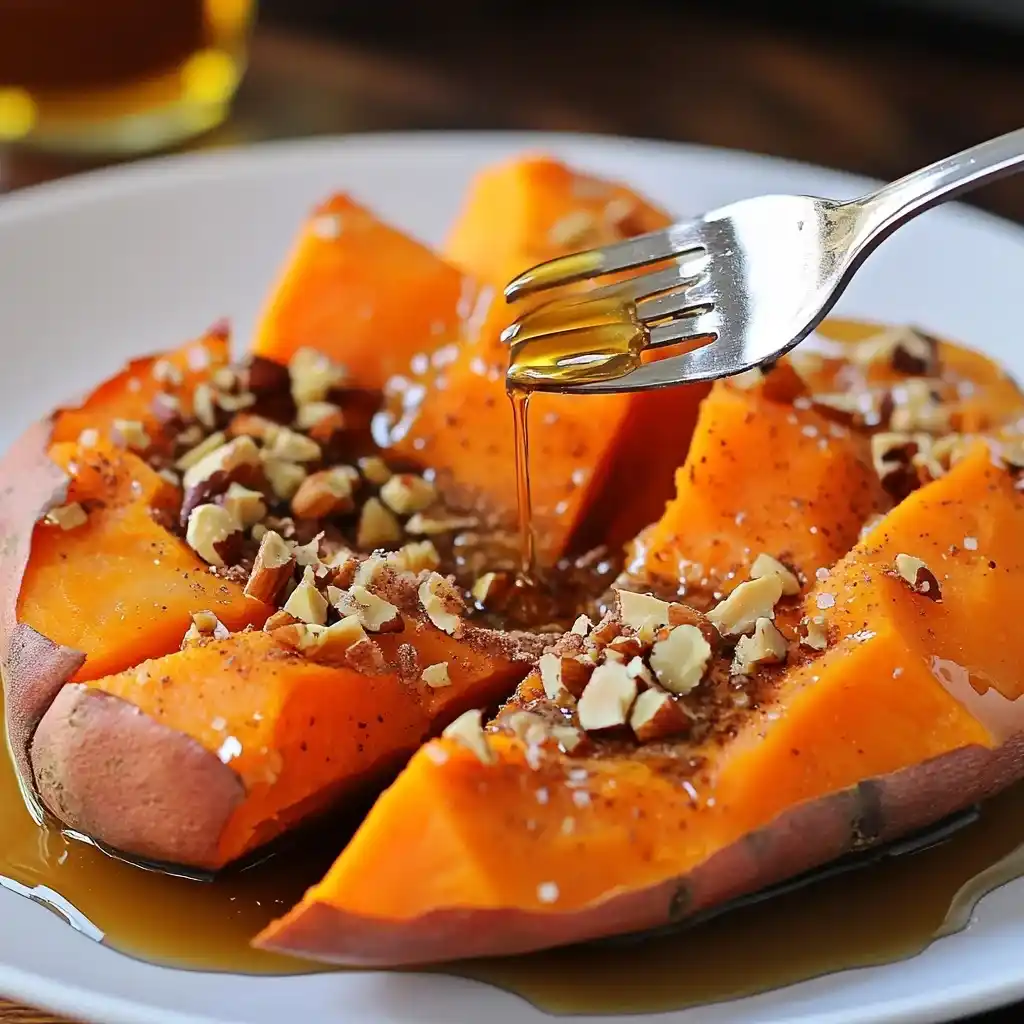

In recent years, the humble sweet potato has made a grand entrance into the breakfast scene—and for good reason. Packed with nutrients, fiber, and a natural sweetness that satisfies cravings, sweet potatoes are a versatile and delicious way to kickstart your day. This guide will walk you through a simple and healthy breakfast sweet potato recipe that is not only easy to prepare but also bursting with flavor. Whether you’re looking to add a nutritious twist to your breakfast routine or simply want to explore new culinary horizons, this breakfast sweet potato recipe is the perfect solution.
Sweet potatoes are more than just a tasty addition to your breakfast; they are a powerhouse of nutrition. Rich in vitamins A and C, they play a crucial role in promoting good vision, boosting immune function, and enhancing skin health. The vibrant orange color of sweet potatoes is a telltale sign of their high beta-carotene content, an antioxidant that the body converts into vitamin A. Furthermore, sweet potatoes are an excellent source of dietary fiber, which aids digestion and helps maintain a healthy gut. This fiber content also contributes to a feeling of fullness, making sweet potatoes an ideal choice for a satisfying breakfast.
In addition to vitamins and fiber, sweet potatoes are low in fat and have a low glycemic index, which helps regulate blood sugar levels. This makes them a smart choice for individuals looking to manage their weight or those with diabetes. With their natural sweetness and health benefits, sweet potatoes serve as a wholesome foundation for a nutritious breakfast.
Ingredients
Before we dive into the step-by-step instructions, let’s gather the ingredients you’ll need for this delightful breakfast treat:
- 1 medium sweet potato: Look for firm, unblemished sweet potatoes for the best flavor and texture.
- 1 tablespoon olive oil: This healthy fat not only adds flavor but also helps the sweet potato cook evenly.
- 1 teaspoon cinnamon: A warm spice that enhances sweetness and adds a comforting aroma.
- 1 tablespoon maple syrup or honey: For an extra touch of sweetness, choose pure maple syrup or local honey.
- A pinch of salt: Balances flavors and enhances the natural sweetness of the sweet potato.
- Optional: Chopped nuts or seeds for topping, such as walnuts, pecans, or pumpkin seeds, which provide added crunch and nutritional benefits.
Instructions
Creating a delicious breakfast sweet potato is a straightforward process. Follow these steps to ensure your dish is perfectly prepared:
1. Preheat the Oven
Preheat your oven to 400°F (200°C) to ensure it’s ready for baking. A properly preheated oven is essential for achieving a tender and evenly cooked sweet potato.
2. Prepare the Sweet Potato
- Wash the sweet potato thoroughly to remove any dirt or residue. A clean sweet potato is essential for a tasty dish.
- Using a fork, poke holes all over the sweet potato. This allows steam to escape during baking, preventing the potato from bursting.
3. Season the Sweet Potato
- Brush the sweet potato with olive oil, ensuring it’s evenly coated. The oil helps caramelize the natural sugars and enhances the flavor.
- Sprinkle a pinch of salt over the surface to enhance flavor and bring out the sweetness.
4. Bake the Sweet Potato
- Wrap the sweet potato in aluminum foil, sealing it tightly. This helps to lock in moisture and creates a steaming effect for even cooking.
- Place it on a baking sheet and bake in the preheated oven for 45-60 minutes, or until it’s tender when pierced with a fork. Cooking time may vary slightly based on the size of the sweet potato.
5. Cool and Slice
- Once baked, allow the sweet potato to cool slightly. This prevents burns when handling.
- Carefully slice it open lengthwise to reveal the fluffy interior.
6. Add Toppings
- Drizzle the inside of the sweet potato with maple syrup or honey for added sweetness, creating a delightful contrast to the savory notes.
- Sprinkle with cinnamon for a warm, aromatic flavor that complements the sweet potato’s natural taste.
- Optional: Top with chopped nuts or seeds for added texture and nutrition. Nuts provide healthy fats and protein, while seeds add a delightful crunch.
Nutrition Facts
Understanding the nutritional benefits of your meals is vital for maintaining a balanced diet. Here’s a breakdown of the nutrition facts for one serving of this breakfast sweet potato:
- Calories: 180
- Protein: 4g
- Fat: 5g
- Carbohydrates: 34g
- Fiber: 6g
- Sugar: 6g
Sweet potatoes are an excellent source of vitamins A and C, fiber, and antioxidants, making them a healthful choice for breakfast. The combination of carbohydrates and fiber ensures sustained energy throughout the morning.
How to Serve
The beauty of the breakfast sweet potato lies in its versatility. This nutrient-dense tuber can be prepared and enjoyed in various ways, making it an excellent choice for breakfast. Below are several detailed serving suggestions that enhance the flavors and nutritional profile of sweet potatoes, ensuring a satisfying start to your day.
- Traditional Breakfast For a classic breakfast experience, serve your baked or roasted sweet potato alongside a side of scrambled eggs or a dollop of Greek yogurt. The protein from the eggs or yogurt complements the carbohydrates in the sweet potato, resulting in a filling and well-rounded meal. You can enhance the dish by seasoning your eggs with fresh herbs like chives or parsley, or by adding a sprinkle of cheese for extra flavor. This combination not only keeps you full longer but also provides a wealth of nutrients, including vitamins A and C from the sweet potato and high-quality protein from the eggs or yogurt.
- Sweet and Savory Transform your sweet potato into a delectable parfait-style breakfast by layering it with creamy Greek yogurt and a sprinkle of granola. Start by mashing or cubing the sweet potato, then alternate layers of the sweet potato with the yogurt in a glass or bowl. The rich, tangy flavor of the Greek yogurt provides a perfect counterbalance to the natural sweetness of the sweet potato, while the granola adds a satisfying crunch. For added flavor, consider drizzling honey or maple syrup over the top, or incorporating spices like cinnamon or nutmeg to enhance the overall taste. This presentation not only makes for an appealing dish but also caters to those who enjoy a combination of textures in their meals.
- Nutty Delight Elevate your sweet potato by topping it with a mix of chopped nuts such as almonds, walnuts, or pecans. The nutty finish provides a satisfying crunch that contrasts beautifully with the smooth texture of the sweet potato. To prepare, simply toast the nuts lightly in a dry skillet to enhance their flavor, then sprinkle them generously over the sweet potato. This addition contributes healthy fats, protein, and fiber, which can help keep you satiated throughout the morning. For an extra layer of flavor, you can drizzle a bit of nut butter (like almond or peanut butter) over the top, which will create a creamy and indulgent experience.
- Fruit Infusion For a refreshing twist, add fresh berries or sliced bananas to your sweet potato for a fruity breakfast option. The natural sweetness and acidity of the fruits provide a delightful contrast to the earthy flavor of the sweet potato. You can mix in a variety of fruits, such as strawberries, blueberries, raspberries, or even diced apples for a seasonal touch. To serve, you might mash the sweet potato and top it with the fruit, or slice the sweet potato and layer the fruit on top. For an added burst of flavor, consider drizzling a bit of citrus juice (like orange or lemon) over the fruit, or sprinkling cinnamon for a warm, inviting taste.
- Savory Bowl For those who prefer a heartier breakfast, create a savory sweet potato bowl. Start with a base of cooked sweet potato and add toppings such as sautéed spinach, kale, or other greens for a boost of nutrients. Include a protein source like poached eggs, shredded chicken, or black beans to make the meal more filling. Drizzle with a flavorful sauce, such as tahini, avocado dressing, or a spicy salsa, to tie all the flavors together. This savory bowl approach not only adds variety to your breakfast routine but also allows you to incorporate different food groups, making it a complete meal.
- Spiced Variation For those who enjoy bold flavors, consider adding spices to your sweet potato. A sprinkle of cayenne pepper or smoked paprika can add a lovely warmth and depth to the dish. You might also try a blend of cumin and coriander for a more exotic flair. Pair this spiced sweet potato with a side of avocado for creaminess and additional healthy fats, or serve it with a dollop of spicy salsa to brighten the flavors. This variation is perfect for those who want to explore more adventurous flavor profiles in their morning meals.
In conclusion, the versatility of breakfast sweet potatoes allows for endless possibilities in how you can serve and enjoy them. Whether you prefer sweet or savory, simple or elaborate, there is a combination that will surely satisfy your taste buds and provide a nourishing start to your day.
Additional Tips
1. Storage
Proper storage is crucial for maintaining the freshness and flavor of your baked sweet potatoes. After cooking, allow the sweet potatoes to cool to room temperature before transferring them to an airtight container. When stored in the refrigerator, they can last for up to 3 days without losing their taste or texture. For optimal reheating, consider the following methods:
- Oven Reheating: Preheat your oven to 350°F (175°C). Wrap the sweet potato in aluminum foil to retain moisture and place it on a baking sheet. Heat for about 15-20 minutes, or until warmed through.
- Microwave Reheating: For a quicker option, simply place the sweet potato on a microwave-safe plate. Heat it on high for 2-3 minutes, checking periodically until it’s evenly warmed. This method is ideal for those busy mornings when time is of the essence.
Having leftover sweet potatoes on hand not only simplifies breakfast preparation but also allows you to enjoy their health benefits throughout the week.
2. Customization
One of the best aspects of breakfast sweet potatoes is their adaptability to various tastes and preferences. Don’t hesitate to get creative with your spice choices:
- Spices: In addition to the classic cinnamon, consider experimenting with spices like nutmeg or ginger for a warm, aromatic flavor. If you’re a fan of seasonal flavors, pumpkin spice can add a delightful twist.
- Heat: For those who enjoy a bit of spice, adding a pinch of cayenne or chili powder can elevate your dish, offering a surprising contrast to the natural sweetness of the potato. Alternatively, try drizzling a spicy sauce, such as sriracha or harissa, to add a kick.
- Sweetness Levels: Adjust the sweetness to your preference by varying the amount of sweeteners like honey, maple syrup, or agave nectar. You can also incorporate fresh fruits, such as bananas or berries, for natural sweetness along with added nutrients.
3. Batch Cooking
To streamline your breakfast routine, consider batch cooking sweet potatoes. This method not only saves time but also ensures you have a nutritious breakfast option readily available. Here’s how to effectively batch cook and store:
- Choose a Day: Dedicate a day of the week, like Sunday, to bake several sweet potatoes at once. This allows you to prepare a week’s worth of breakfasts in a single session.
- Variety in Toppings: Prepare an array of toppings to keep your meals interesting. For example, one day you might top your sweet potato with Greek yogurt, honey, and walnuts, while another day might feature almond butter and banana slices. You could even create a savory version with black beans, avocado, and salsa.
- Freezing Option: If you want to prepare even further in advance, consider freezing baked sweet potatoes. Allow them to cool completely, wrap them tightly in plastic wrap or foil, and store them in a freezer-safe bag. When you’re ready to eat, simply thaw in the refrigerator overnight and reheat as mentioned above.
4. Dietary Adjustments
Sweet potatoes are naturally nutritious and can easily be adapted to fit various dietary needs:
- Vegan Options: When selecting toppings, ensure they align with a vegan diet. Plant-based options such as almond butter, coconut yogurt, or chia seed pudding can provide delicious and healthful complements.
- Sweetener Substitutes: If you prefer a vegan sweetener, maple syrup is an excellent alternative to honey. You can also experiment with date syrup or agave nectar for different flavor profiles.
- Gluten-Free Considerations: Sweet potatoes are naturally gluten-free, making them a great option for those with gluten sensitivities. Pair them with gluten-free toppings and side dishes for a complete meal.
By incorporating these additional tips, you can enhance your breakfast sweet potato experience, making it not only delicious but also convenient and tailored to your personal taste preferences. Enjoy exploring the endless possibilities that this versatile root vegetable has to offer!
FAQs
Q: Can I use a different type of oil instead of olive oil?
A: Yes, you can substitute olive oil with coconut oil or avocado oil for a different flavor profile, both of which add healthy fats to the dish.
Q: How can I make this recipe more filling?
A: Add a source of protein, such as Greek yogurt, a sprinkle of chia seeds, or even some cottage cheese, to make the meal more satiating.
Q: Is it necessary to wrap the sweet potato in foil?
A: Wrapping the sweet potato in foil helps to retain moisture and ensures even cooking, but it is not strictly necessary. You can bake it uncovered for a slightly crispier skin, though the texture might differ.
Q: Can I make this recipe in advance?
A: Absolutely! You can bake the sweet potatoes ahead of time and store them in the fridge. Simply reheat and add your toppings when ready to serve, making breakfast effortless.
Conclusion
Embracing the breakfast sweet potato is a delicious and nutritious way to start your day. With its natural sweetness, rich flavor, and endless topping possibilities, this dish is sure to become a staple in your morning routine. Not only does it offer a wealth of health benefits, but it also provides a satisfying and versatile meal option that can be tailored to your preferences. So, the next time you’re looking for a breakfast that’s both wholesome and indulgent, give this breakfast sweet potato recipe a try. Your taste buds—and your body—will thank you!
PrintVegetarian Eggplant Moussaka recipe
- Total Time: 1 hour 5 minutes
Ingredients
Ingredients:
-
- 2 large eggplants, sliced into 1/4-inch rounds
-
- 2 tablespoons olive oil
-
- 1 onion, chopped
-
- 3 cloves garlic, minced
-
- 1 bell pepper, chopped
-
- 1 zucchini, chopped
-
- 1 cup mushrooms, sliced
-
- 1 can (14 oz) diced tomatoes
-
- 1 tablespoon tomato paste
-
- 1 teaspoon dried oregano
-
- 1 teaspoon dried basil
-
- 1/2 teaspoon ground cinnamon
-
- Salt and black pepper, to taste
-
- 1 cup ricotta cheese
-
- 1 cup shredded mozzarella cheese
-
- 1/2 cup grated Parmesan cheese
-
- 1/4 cup chopped fresh parsley (for garnish)
Instructions
Instructions:
- Preheat the oven: Set your oven to 375°F (190°C) to prepare for roasting and baking.
- Roast the eggplant: Arrange the eggplant slices on a baking sheet and brush both sides with olive oil. Roast in the preheated oven for 20-25 minutes, turning halfway through, until the eggplant is tender and slightly browned. Once done, remove from the oven and set aside.
- Sauté the vegetables: In a large skillet, heat 2 tablespoons of olive oil over medium heat. Add the chopped onion and garlic, and sauté until softened, about 5 minutes.
- Cook the mixed vegetables: Add the bell pepper, zucchini, and mushrooms to the skillet. Cook until the vegetables are tender, about 8 minutes.
- Prepare the sauce: Stir in the diced tomatoes, tomato paste, oregano, basil, cinnamon, salt, and black pepper. Simmer for about 10 minutes, allowing the flavors to meld together.
- Mix the cheeses: In a medium bowl, combine the ricotta cheese with half of the shredded mozzarella cheese. This mixture will create a creamy layer in the moussaka.
- Assemble the moussaka: In a baking dish, start with a layer of the roasted eggplant slices. Top with half of the vegetable mixture, then spread a layer of the ricotta mixture over the vegetables. Repeat with another layer of eggplant, followed by the remaining vegetable mixture, and finish with the remaining ricotta mixture.
- Add the final touches: Sprinkle the remaining shredded mozzarella cheese and grated Parmesan cheese over the top.
- Bake the moussaka: Place the baking dish in the preheated oven and bake for 30-35 minutes, or until the cheese is melted and bubbly, and the top is golden brown.
- Garnish and serve: Once out of the oven, let the moussaka cool slightly before garnishing with chopped fresh parsley. This adds a fresh touch to the rich dish.
- Prep Time: 20 minutes
- Cook Time: 45 minutes
Nutrition
- Serving Size: 1 normal portion
- Calories: 290 kcal
- Sugar: 8g
- Fat: 20g
- Carbohydrates: 18g
- Fiber: 6g
- Protein: 14g