
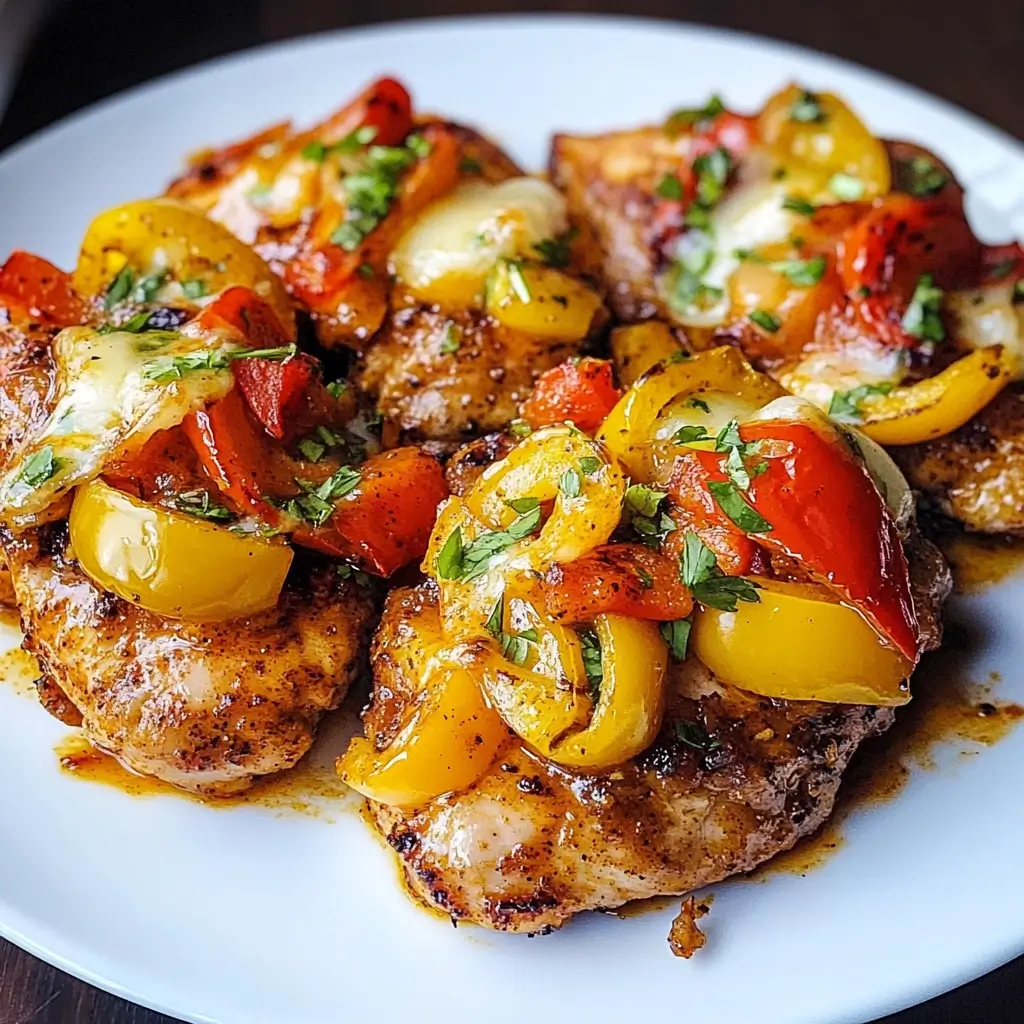

The aroma alone was enough to transport us straight to a vibrant, bustling kitchen in Louisiana. Last week, in our quest for a dinner that was both exciting and wholesome, we stumbled upon a recipe for Cajun Chicken with Bell Peppers, and let me tell you, it was an absolute game-changer. From the moment the sizzling chicken hit the pan, releasing that intoxicating blend of spices, to the very last flavorful bite, this dish was a symphony of taste and texture. Even my picky eaters, who usually approach anything beyond plain chicken nuggets with suspicion, devoured every last morsel, requesting it again the very next night! The vibrant colors of the bell peppers, combined with the perfectly seasoned chicken, made it as visually appealing as it was delicious. It’s a dish that’s not only incredibly satisfying but also surprisingly easy to whip up, making it a perfect weeknight meal for busy families or a delightful centerpiece for a casual weekend gathering. If you’re looking for a recipe that’s bursting with flavor, packed with goodness, and guaranteed to become a family favorite, then look no further. This Cajun Chicken with Bell Peppers is your answer.
Ingredients
This vibrant and flavorful Cajun Chicken with Bell Peppers recipe relies on a harmonious blend of fresh ingredients and bold spices. To ensure you capture the authentic Cajun zest and create a truly memorable dish, using high-quality components is key. Below is a detailed list of everything you’ll need to bring this culinary delight to life:
- Chicken Breast: 2 lbs, boneless, skinless chicken breasts. For the best results, opt for chicken breasts that are roughly the same thickness to ensure even cooking. You can also use chicken thighs for a richer flavor, but breasts are leaner and work beautifully in this recipe.
- Bell Peppers: 3 large bell peppers in assorted colors (red, yellow, and green). The variety of colors not only adds visual appeal but also contributes slightly different flavor profiles. Red peppers are sweeter, yellow peppers are mildly sweet, and green peppers have a slightly more earthy and sometimes bitter note that balances the sweetness.
- Yellow Onion: 1 large yellow onion. Yellow onions are the workhorse of the kitchen, offering a balanced flavor that’s not too pungent and sweetens as it cooks, providing a foundational aromatic base for the dish.
- Garlic: 4 cloves of garlic, minced. Freshly minced garlic is crucial for that pungent, aromatic punch that is quintessential to Cajun cuisine. Pre-minced garlic can be used in a pinch, but fresh garlic will always deliver a superior flavor.
- Cajun Seasoning: 3 tablespoons of Cajun seasoning. This is the heart of the Cajun flavor! You can use a store-bought blend, or for a truly personalized touch, consider making your own. A good Cajun seasoning typically includes paprika, cayenne pepper, garlic powder, onion powder, black pepper, white pepper, oregano, and thyme. Adjust the amount of cayenne pepper to control the spice level.
- Olive Oil: 2 tablespoons of olive oil. Olive oil is used for sautéing the vegetables and chicken. Its mild flavor allows the other ingredients to shine, and its healthy fat content adds richness to the dish. You can also use other cooking oils with a high smoke point like canola oil or avocado oil.
- Chicken Broth: ½ cup of chicken broth. Chicken broth adds moisture and depth of flavor to the dish. It helps to deglaze the pan and create a light sauce that coats the chicken and vegetables beautifully. Low sodium chicken broth is recommended to control the salt content.
- Fresh Parsley: ¼ cup of fresh parsley, chopped (for garnish). Fresh parsley adds a burst of freshness and a touch of color to the finished dish. It also provides a subtle herbaceous note that complements the Cajun spices.
- Salt and Black Pepper: To taste. Essential for seasoning and enhancing the flavors of all the ingredients. Seasoning in layers throughout the cooking process is key to a well-balanced dish.
Optional Ingredients for Enhanced Flavor and Variations:
- Celery: 2 stalks of celery, diced. Adding celery alongside onions and bell peppers forms the “holy trinity” of Cajun and Creole cuisine, adding a foundational layer of flavor.
- Green Onions: 2-3 green onions, sliced (for garnish). Green onions provide a milder onion flavor and a fresh, vibrant garnish.
- Lemon Juice: 1 tablespoon of fresh lemon juice. A squeeze of lemon juice at the end brightens the dish and adds a touch of acidity that balances the richness of the Cajun spices and chicken.
- Hot Sauce: To taste. For those who like an extra kick, a dash of your favorite hot sauce can be added at the end or served on the side. Louisiana-style hot sauce is a classic choice.
- Smoked Paprika: If you are making your own Cajun seasoning, consider adding a teaspoon of smoked paprika for a deeper, smoky flavor.
- Cayenne Pepper (Extra): For extra heat, add a pinch or two of cayenne pepper in addition to the Cajun seasoning.
Ensure all your vegetables are fresh and vibrant for the best flavor and texture. Having all your ingredients prepped and measured before you start cooking will make the process smooth and enjoyable. This ingredient list is your starting point for a truly delicious and authentic Cajun Chicken with Bell Peppers experience.
Instructions
Crafting this delectable Cajun Chicken with Bell Peppers is a straightforward process, but attention to detail in each step will ensure a dish bursting with flavor and perfectly cooked chicken and vegetables. Follow these detailed instructions to bring this Louisiana-inspired delight to your table:
- Prepare the Chicken: Begin by preparing the chicken breasts. If the chicken breasts are thick, consider slicing them horizontally in half to create thinner cutlets. This will help them cook more quickly and evenly. Pat the chicken breasts dry with paper towels. This step is crucial for achieving a good sear. Drying the surface of the chicken removes excess moisture, allowing for better browning and flavor development.
- Season the Chicken: In a medium-sized bowl, place the chicken breasts. Generously sprinkle 2 tablespoons of the Cajun seasoning over the chicken, ensuring each piece is well coated. Use your hands to rub the seasoning into the chicken, ensuring it adheres evenly to all surfaces. Season both sides with salt and freshly ground black pepper to taste. Don’t be shy with the seasoning; Cajun cuisine is known for its bold flavors. Allow the chicken to marinate in the seasoning for at least 15-20 minutes at room temperature. This allows the flavors to penetrate the chicken and tenderize it slightly. If you have more time, you can marinate the chicken in the refrigerator for up to 2 hours, but bring it back to room temperature before cooking.
- Prepare the Vegetables: While the chicken is marinating, prepare the vegetables. Wash and core the bell peppers. Slice them into strips, about ½ inch thick. Peel the yellow onion and slice it into thin strips or half-moons. Peel and mince the garlic cloves. Having your vegetables prepped and ready to go before you start cooking ensures a smooth and efficient cooking process.
- Sauté the Vegetables: Heat 2 tablespoons of olive oil in a large skillet or a large sauté pan over medium-high heat. Once the oil is shimmering hot, add the sliced onions and bell peppers to the skillet. Sauté the vegetables for about 5-7 minutes, stirring occasionally, until they become slightly softened and begin to caramelize around the edges. Sautéing the vegetables first brings out their natural sweetness and adds depth of flavor to the dish. Avoid overcrowding the pan; if necessary, sauté the vegetables in batches to ensure they brown properly rather than steam.
- Add Garlic and Cajun Seasoning: Push the vegetables to one side of the skillet or remove them temporarily from the pan and set aside. Add the minced garlic to the skillet and sauté for about 30 seconds to 1 minute, or until fragrant. Be careful not to burn the garlic, as it can become bitter. Stir in the remaining 1 tablespoon of Cajun seasoning into the garlic and cook for another 30 seconds, allowing the spices to bloom and release their aromatic oils. This step enhances the flavor of the Cajun seasoning and infuses the oil with its essence.
- Cook the Chicken: Increase the heat slightly to medium-high. Add the seasoned chicken breasts to the skillet in a single layer. Sear the chicken for about 4-5 minutes per side, or until golden brown and cooked through. The cooking time will vary depending on the thickness of the chicken breasts. Use a meat thermometer to ensure the internal temperature reaches 165°F (74°C). Searing the chicken creates a flavorful crust and seals in the juices, keeping the chicken moist and tender.
- Combine and Simmer: Once the chicken is cooked through, return the sautéed vegetables to the skillet with the chicken. Pour in the ½ cup of chicken broth. Bring the mixture to a simmer and cook for another 2-3 minutes, allowing the flavors to meld together and the broth to slightly reduce and create a light sauce. Simmering helps to create a cohesive dish where the flavors of the chicken, vegetables, and spices harmonize beautifully.
- Finish and Serve: Remove the skillet from the heat. Stir in the chopped fresh parsley. Taste and adjust seasoning if necessary, adding more salt, black pepper, or Cajun seasoning to your preference. If desired, squeeze a tablespoon of fresh lemon juice over the dish for a touch of brightness.
- Serving Suggestions: Serve the Cajun Chicken with Bell Peppers hot, garnished with extra fresh parsley or sliced green onions if desired. It pairs wonderfully with rice, quinoa, mashed potatoes, or creamy polenta. For a low-carb option, serve it over cauliflower rice or alongside a fresh green salad. See the “How to Serve” section for more detailed serving ideas.
Tips for Success:
- Don’t Overcrowd the Pan: Overcrowding the pan, especially when sautéing vegetables or searing chicken, can lead to steaming rather than browning. Cook in batches if necessary to ensure proper browning and caramelization.
- Use Fresh Ingredients: Fresh bell peppers, onions, garlic, and parsley will deliver the best flavor.
- Adjust Spice Level: Cajun seasoning can vary in spice level. Start with the recommended amount and adjust to your taste. If you prefer a milder dish, use a less spicy Cajun seasoning or reduce the amount. For a spicier dish, add extra cayenne pepper or hot sauce.
- Don’t Overcook the Chicken: Overcooked chicken can become dry and tough. Use a meat thermometer to ensure it is cooked to the correct internal temperature of 165°F (74°C).
- Season in Layers: Seasoning at different stages of the cooking process, from marinating the chicken to sautéing the vegetables and finishing the dish, builds layers of flavor and ensures a well-balanced and delicious outcome.
By following these detailed instructions and tips, you will be well on your way to creating a restaurant-quality Cajun Chicken with Bell Peppers that your family and friends will rave about. Enjoy the process and the flavorful results!
Nutrition Facts
Understanding the nutritional profile of your meals is important for making informed dietary choices. This Cajun Chicken with Bell Peppers recipe is not only delicious but also offers a good balance of macronutrients and is relatively low in carbohydrates, making it a wholesome and satisfying meal option. Please note that these values are estimates and can vary based on specific ingredients used, portion sizes, and cooking methods.
Servings: This recipe is estimated to serve approximately 4-6 servings. Serving sizes can vary depending on individual appetites and accompanying side dishes. For nutritional estimates, we will consider 5 servings as an average.
Calories per Serving (estimated, based on 5 servings): Approximately 450-550 calories per serving.
Detailed Nutritional Breakdown (per serving, approximate):
- Calories: 450-550 kcal
- Protein: 40-50g. Chicken breast is a lean protein source, making this dish excellent for muscle building and satiety.
- Fat: 20-30g. This includes healthy fats from olive oil and fats naturally present in chicken. The fat content can vary based on the trim of the chicken and the amount of oil used.
- Saturated Fat: Approximately 5-8g.
- Unsaturated Fat: Approximately 12-20g (mostly monounsaturated and polyunsaturated fats from olive oil).
- Carbohydrates: 15-25g. Carbohydrates primarily come from the bell peppers and onions. This recipe is relatively low in carbohydrates compared to many other main dishes.
- Fiber: 4-6g. Bell peppers and onions contribute a good amount of dietary fiber, which is beneficial for digestion and satiety.
- Sugar: 8-12g (naturally occurring sugars from vegetables).
- Sodium: 600-800mg (can vary significantly based on the Cajun seasoning blend and chicken broth used. Using low-sodium broth and controlling added salt can help reduce sodium content).
- Vitamins and Minerals:
- Vitamin C: Bell peppers are an excellent source of Vitamin C. One serving can provide well over 100% of the daily recommended intake.
- Vitamin A: Bell peppers are also a good source of Vitamin A.
- Vitamin B6: Chicken and bell peppers contribute to Vitamin B6 intake.
- Potassium: Bell peppers and chicken are sources of potassium.
- Other Micronutrients: Contains smaller amounts of iron, magnesium, and various B vitamins.
Important Considerations:
- Cajun Seasoning: The sodium content in Cajun seasoning can vary widely between brands and homemade blends. Be mindful of the sodium content if you are watching your salt intake. Consider making your own low-sodium Cajun seasoning.
- Chicken Broth: Using low-sodium chicken broth is highly recommended to control the overall sodium content of the dish.
- Olive Oil: While olive oil is a healthy fat, be mindful of portion sizes as fat is calorie-dense.
- Serving Size: These nutrition facts are based on an estimated serving size. Adjust portion sizes to meet your individual dietary needs and calorie goals.
To make this recipe even healthier:
- Increase Vegetables: Add more bell peppers or other vegetables like zucchini, mushrooms, or celery to increase fiber and nutrient content and reduce the calorie density per serving.
- Use Leaner Chicken: Ensure you are using boneless, skinless chicken breasts and trim off any visible fat before cooking.
- Control Oil: Use the recommended amount of olive oil or consider using cooking spray for sautéing vegetables to reduce fat content slightly.
- Serve with Whole Grains: If serving with rice or grains, opt for brown rice, quinoa, or other whole grains to increase fiber intake.
This Cajun Chicken with Bell Peppers recipe is a flavorful and relatively healthy meal option that can be easily adapted to fit various dietary preferences and needs. Enjoy it as part of a balanced and nutritious diet!
Preparation Time
One of the great advantages of this Cajun Chicken with Bell Peppers recipe is its efficiency and speed. It’s perfect for busy weeknights when you crave a delicious, home-cooked meal without spending hours in the kitchen. Here’s a breakdown of the preparation and cooking times:
- Prep Time: Approximately 20-25 minutes. This includes:
- Chicken Preparation: 5 minutes (patting dry and slicing if needed)
- Seasoning Chicken: 2 minutes
- Vegetable Preparation: 10-15 minutes (washing, coring, and slicing bell peppers and onions, mincing garlic, chopping parsley). Vegetable prep is usually the most time-consuming part of the preparation.
- Ingredient Gathering and Measuring: 3-5 minutes.
- Cook Time: Approximately 20-25 minutes. This includes:
- Sautéing Vegetables: 5-7 minutes
- Sautéing Garlic and Spices: 1 minute
- Cooking Chicken: 8-10 minutes (4-5 minutes per side, depending on thickness)
- Simmering with Broth: 2-3 minutes
- Total Time: Approximately 40-50 minutes. From start to finish, you can have this flavorful and satisfying Cajun Chicken with Bell Peppers on your table in under an hour!
Time-Saving Tips:
- Pre-chop Vegetables: If you are very short on time, you can purchase pre-chopped bell peppers and onions at many grocery stores. This can significantly reduce your prep time.
- Use Pre-minced Garlic: While fresh garlic is recommended for the best flavor, using pre-minced garlic from a jar can save a few minutes of prep time.
- Prepare Ingredients Ahead: You can chop the vegetables and measure out the spices earlier in the day or even the day before and store them in airtight containers in the refrigerator. This will make the actual cooking process even faster.
- Marinate Chicken Ahead: While a 15-20 minute marinade is sufficient, you can marinate the chicken for longer, up to 2 hours in the refrigerator. This can be done in the morning or the night before, further streamlining your dinner preparation.
Why this recipe is time-efficient:
- Quick Cooking Chicken: Chicken breasts cook relatively quickly, especially when sliced into thinner cutlets.
- Fast Sautéing Vegetables: Bell peppers and onions sauté quickly over medium-high heat.
- One-Pan Dish: Cooking everything in one skillet minimizes cleanup and simplifies the cooking process.
- Minimal Steps: The recipe involves straightforward steps that are easy to follow and execute quickly.
This Cajun Chicken with Bell Peppers is a fantastic option for a delicious and healthy weeknight meal that doesn’t require hours of cooking. Its relatively short preparation and cooking time makes it a go-to recipe for busy individuals and families who don’t want to compromise on flavor or quality, even when time is limited.
How to Serve
Cajun Chicken with Bell Peppers is a versatile dish that can be served in a variety of ways, making it perfect for different occasions and preferences. Its bold flavors and vibrant colors make it a visually appealing and satisfying meal. Here are some delicious serving suggestions to elevate your Cajun Chicken experience:
Classic Accompaniments:
- Rice:
- White Rice: Steamed white rice is a classic and simple side that perfectly soaks up the flavorful sauce from the Cajun chicken and bell peppers.
- Brown Rice: For a healthier option, serve with brown rice. Its nutty flavor and slightly chewy texture complement the dish beautifully.
- Jasmine Rice: Fragrant jasmine rice adds an aromatic dimension to the meal.
- Cajun Rice (Dirty Rice): For an extra layer of Cajun flavor, serve with dirty rice. This traditional Cajun side dish is made with rice, ground meat (often chicken livers or giblets), vegetables, and Cajun spices.
- Grains:
- Quinoa: Quinoa is a protein-rich and gluten-free grain that makes a healthy and satisfying side.
- Couscous: Light and fluffy couscous is another great grain option that pairs well with the Cajun flavors.
- Potatoes:
- Mashed Potatoes: Creamy mashed potatoes provide a comforting and classic pairing. Consider adding a touch of garlic or herbs to your mashed potatoes for extra flavor.
- Roasted Potatoes: Roasted potatoes, either diced or wedges, offer a more rustic and hearty side. Season them with herbs and spices to complement the Cajun chicken.
- Sweet Potato Fries: For a slightly sweeter and healthier option, serve with baked sweet potato fries or wedges.
Low-Carb Options:
- Cauliflower Rice: For a low-carb and keto-friendly option, serve over cauliflower rice. It’s a light and healthy alternative to traditional rice.
- Zucchini Noodles (Zoodles): Sautéed zucchini noodles or zoodles provide a refreshing and low-carb base for the Cajun chicken and bell peppers.
- Salad: Serve alongside a fresh green salad with a light vinaigrette. A simple salad with mixed greens, tomatoes, and cucumbers can provide a refreshing contrast to the richness of the Cajun dish.
Bread and Buns:
- Crusty Bread: Serve with crusty bread or baguette slices for soaking up the delicious sauce.
- Garlic Bread: Garlic bread adds a flavorful and comforting side.
- Hoagie Rolls or Buns: Transform the Cajun Chicken with Bell Peppers into flavorful sandwiches or sliders by serving it in hoagie rolls or buns. Add toppings like shredded lettuce, tomatoes, and a drizzle of mayonnaise or remoulade sauce.
Toppings and Garnishes:
- Fresh Parsley: A sprinkle of fresh parsley adds freshness and visual appeal.
- Green Onions: Sliced green onions provide a mild onion flavor and a vibrant garnish.
- Lemon Wedges: Serve with lemon wedges for squeezing fresh lemon juice over the dish, adding brightness and acidity.
- Hot Sauce: Offer a variety of hot sauces on the side for those who like extra heat. Louisiana-style hot sauce is a classic choice.
- Sour Cream or Greek Yogurt: A dollop of sour cream or Greek yogurt can add creaminess and coolness to balance the spice.
- Avocado Slices: Slices of creamy avocado add healthy fats and a smooth texture that complements the Cajun flavors.
Serving Styles:
- Family Style: Serve the Cajun Chicken with Bell Peppers in a large skillet or serving dish in the center of the table, allowing everyone to serve themselves.
- Plated: Portion out servings onto individual plates, arranging the chicken and bell peppers attractively over your chosen side dish.
- Buffet Style: For larger gatherings, set up a buffet with the Cajun Chicken, various side dishes, toppings, and bread options, allowing guests to customize their meals.
No matter how you choose to serve it, Cajun Chicken with Bell Peppers is a flavorful and crowd-pleasing dish that’s sure to be a hit. Experiment with different sides and toppings to find your favorite combinations and enjoy the versatility of this delicious meal!
Additional Tips
To truly master this Cajun Chicken with Bell Peppers recipe and elevate it from good to outstanding, consider these five additional tips. These insights are gleaned from experienced cooks and will help you maximize flavor, texture, and overall enjoyment of your dish.
- Homemade Cajun Seasoning for Ultimate Flavor Control: While store-bought Cajun seasoning is convenient, crafting your own homemade blend allows you to tailor the spice levels and flavors precisely to your preference. Homemade blends are often fresher and more aromatic. A basic homemade Cajun seasoning can include:
- Paprika (regular or smoked for a smoky depth)
- Cayenne Pepper (adjust to your heat preference)
- Garlic Powder
- Onion Powder
- Dried Oregano
- Dried Thyme
- Black Pepper
- White Pepper (optional, adds a different type of heat)
- Salt (add separately to the dish to control sodium levels).
- The Importance of Browning (Maillard Reaction): Don’t rush the browning process when sautéing the vegetables and searing the chicken. Achieving a good sear and caramelization is crucial for developing deep, complex flavors. The Maillard reaction, a chemical reaction between amino acids and reducing sugars, is responsible for the delicious browning and savory flavors. Ensure your skillet is hot enough before adding the vegetables and chicken. Resist the urge to stir too frequently when searing the chicken; allow it to sit undisturbed in the hot pan for a few minutes per side to develop a golden-brown crust. This step significantly enhances the overall taste of the dish.
- Deglazing the Pan for a Richer Sauce: After cooking the chicken, don’t discard those flavorful browned bits stuck to the bottom of the pan. This is called “fond,” and it’s packed with concentrated flavor. Deglaze the pan by adding the chicken broth directly to the hot skillet after removing the chicken and vegetables (or after sautéing the garlic and spices). Scrape up those browned bits with a spoon or spatula as the broth simmers. This process incorporates all that caramelized goodness into the sauce, adding depth and richness that you wouldn’t get otherwise. Deglazing is a simple technique that makes a huge difference in the final flavor of the dish.
- Don’t Overcook the Vegetables for Texture: While you want the bell peppers and onions to soften and caramelize slightly, be careful not to overcook them. Overcooked vegetables become mushy and lose their vibrant color and texture. Sauté them until they are tender-crisp, meaning they are softened but still retain a slight bite. The ideal texture for the vegetables in this dish is tender but not soggy. Sautéing them over medium-high heat for the recommended time, stirring occasionally, should achieve the perfect balance of flavor and texture.
- Resting the Chicken for Juiciness: Although this recipe involves slicing and serving the chicken directly after cooking, if you are using thicker chicken breasts or want to ensure maximum juiciness, consider letting the cooked chicken rest for a few minutes before serving. After removing the chicken from the skillet, place it on a cutting board and loosely tent it with foil. Allow it to rest for 5-10 minutes. Resting allows the juices to redistribute throughout the chicken, resulting in more tender and moist chicken. While not strictly necessary for this recipe due to the sauce and shorter cooking time of thinner pieces, it’s a good practice for cooking chicken in general and can be beneficial if you are using thicker cuts or want to maximize juiciness.
By incorporating these additional tips into your cooking process, you’ll be able to consistently create a truly exceptional Cajun Chicken with Bell Peppers dish that is packed with flavor, perfectly cooked, and sure to impress. These small details can make a significant difference in the final outcome and elevate your cooking to the next level.
FAQ Section
Got questions about making the perfect Cajun Chicken with Bell Peppers? You’re not alone! Here are five frequently asked questions to help you navigate any potential culinary queries and ensure your dish turns out flawlessly.
Q1: Can I use chicken thighs instead of chicken breasts?
A: Absolutely! Chicken thighs are a fantastic alternative to chicken breasts in this recipe. Chicken thighs are generally more flavorful and tend to stay moister than chicken breasts, even if slightly overcooked. Boneless, skinless chicken thighs will work best. You may need to adjust the cooking time slightly, as thighs can take a bit longer to cook through than thinner chicken breasts. Ensure the internal temperature reaches 165°F (74°C) regardless of whether you use breasts or thighs. Using thighs will result in a richer, more intensely flavored dish.
Q2: How can I adjust the spice level of this recipe?
A: Controlling the spice level is easy! The heat primarily comes from the Cajun seasoning. Here are a few ways to adjust it:
- Use Mild Cajun Seasoning: Some brands offer “mild” Cajun seasoning blends, which have less cayenne pepper.
- Reduce Cajun Seasoning: Start with less Cajun seasoning (e.g., 2 tablespoons instead of 3) and taste as you go. You can always add more later.
- Control Cayenne Pepper (Homemade Seasoning): If you’re making your own Cajun seasoning, significantly reduce or omit the cayenne pepper.
- Add Hot Sauce Separately: For those who like it spicier, serve hot sauce on the side so individuals can customize their own level of heat. Louisiana-style hot sauce or your favorite hot sauce works well.
- Dairy to Cool Down: Serve with a dollop of sour cream or Greek yogurt. Dairy products can help to neutralize the heat from spicy dishes.
Start with a milder approach and allow people to add more heat to their liking.
Q3: Can I make this recipe vegetarian or vegan?
A: While traditionally made with chicken, you can adapt this recipe for vegetarians or vegans:
- Vegetarian: Substitute firm or extra-firm tofu, paneer (Indian cheese), or halloumi cheese for the chicken. Press the tofu to remove excess water and cube it. Paneer or halloumi can be cubed or sliced. Sauté the vegetarian protein source until browned before adding the vegetables and proceeding with the recipe.
- Vegan: Use firm or extra-firm tofu or tempeh as a vegan protein source. Another great option is using hearty vegetables like sliced portobello mushrooms or cauliflower florets. Ensure you are using vegetable broth instead of chicken broth. For a smoky flavor, consider adding a touch of liquid smoke to the vegetable broth.
With these substitutions, you can enjoy the vibrant Cajun flavors in a vegetarian or vegan version of this dish.
Q4: Can I prepare this dish ahead of time?
A: Yes, Cajun Chicken with Bell Peppers is a great make-ahead meal!
- Prep Ahead: You can chop the vegetables and prepare the Cajun seasoning blend a day in advance and store them separately in airtight containers in the refrigerator. You can also marinate the chicken for up to 2 hours in the fridge.
- Cook Ahead: You can fully cook the Cajun Chicken with Bell Peppers and store it in an airtight container in the refrigerator for up to 3 days.
- Reheating: Reheat gently in a skillet over medium heat or in the microwave until heated through. Adding a splash of chicken broth when reheating can help to keep it moist.
Making it ahead is perfect for meal prepping or for busy days when you want a delicious dinner ready to go. The flavors often meld together even better after a day or two in the refrigerator!
Q5: What are some other vegetables I can add to this recipe?
A: Feel free to get creative with your vegetables! Here are some other vegetables that would be delicious additions:
- Celery: Diced celery is a classic addition to Cajun dishes and adds a subtle aromatic flavor.
- Mushrooms: Sliced cremini or button mushrooms add an earthy flavor and meaty texture.
- Zucchini or Yellow Squash: Sliced zucchini or yellow squash adds a mild flavor and extra vegetables. Add them towards the end of cooking as they cook quickly.
- Okra: If you enjoy okra, sliced okra can be added for a more authentic Southern touch.
- Cherry Tomatoes: Halved cherry tomatoes can be added towards the end for a burst of sweetness and acidity.
Don’t be afraid to experiment and customize the vegetable mix to your liking and what you have on hand. Adding more vegetables is a great way to boost the nutritional value and make the dish even more wholesome.
We hope these FAQs have answered your questions and given you the confidence to create a fantastic Cajun Chicken with Bell Peppers. Happy cooking!
Print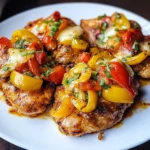
Cajun Chicken with Bell Peppers Recipe
Ingredients
- Chicken Breast: 2 lbs, boneless, skinless chicken breasts. For the best results, opt for chicken breasts that are roughly the same thickness to ensure even cooking. You can also use chicken thighs for a richer flavor, but breasts are leaner and work beautifully in this recipe.
- Bell Peppers: 3 large bell peppers in assorted colors (red, yellow, and green). The variety of colors not only adds visual appeal but also contributes slightly different flavor profiles. Red peppers are sweeter, yellow peppers are mildly sweet, and green peppers have a slightly more earthy and sometimes bitter note that balances the sweetness.
- Yellow Onion: 1 large yellow onion. Yellow onions are the workhorse of the kitchen, offering a balanced flavor that’s not too pungent and sweetens as it cooks, providing a foundational aromatic base for the dish.
- Garlic: 4 cloves of garlic, minced. Freshly minced garlic is crucial for that pungent, aromatic punch that is quintessential to Cajun cuisine. Pre-minced garlic can be used in a pinch, but fresh garlic will always deliver a superior flavor.
- Cajun Seasoning: 3 tablespoons of Cajun seasoning. This is the heart of the Cajun flavor! You can use a store-bought blend, or for a truly personalized touch, consider making your own. A good Cajun seasoning typically includes paprika, cayenne pepper, garlic powder, onion powder, black pepper, white pepper, oregano, and thyme. Adjust the amount of cayenne pepper to control the spice level.
- Olive Oil: 2 tablespoons of olive oil. Olive oil is used for sautéing the vegetables and chicken. Its mild flavor allows the other ingredients to shine, and its healthy fat content adds richness to the dish. You can also use other cooking oils with a high smoke point like canola oil or avocado oil.
- Chicken Broth: ½ cup of chicken broth. Chicken broth adds moisture and depth of flavor to the dish. It helps to deglaze the pan and create a light sauce that coats the chicken and vegetables beautifully. Low sodium chicken broth is recommended to control the salt content.
- Fresh Parsley: ¼ cup of fresh parsley, chopped (for garnish). Fresh parsley adds a burst of freshness and a touch of color to the finished dish. It also provides a subtle herbaceous note that complements the Cajun spices.
- Salt and Black Pepper: To taste. Essential for seasoning and enhancing the flavors of all the ingredients. Seasoning in layers throughout the cooking process is key to a well-balanced dish.
Instructions
- Prepare the Chicken: Begin by preparing the chicken breasts. If the chicken breasts are thick, consider slicing them horizontally in half to create thinner cutlets. This will help them cook more quickly and evenly. Pat the chicken breasts dry with paper towels. This step is crucial for achieving a good sear. Drying the surface of the chicken removes excess moisture, allowing for better browning and flavor development.
- Season the Chicken: In a medium-sized bowl, place the chicken breasts. Generously sprinkle 2 tablespoons of the Cajun seasoning over the chicken, ensuring each piece is well coated. Use your hands to rub the seasoning into the chicken, ensuring it adheres evenly to all surfaces. Season both sides with salt and freshly ground black pepper to taste. Don’t be shy with the seasoning; Cajun cuisine is known for its bold flavors. Allow the chicken to marinate in the seasoning for at least 15-20 minutes at room temperature. This allows the flavors to penetrate the chicken and tenderize it slightly. If you have more time, you can marinate the chicken in the refrigerator for up to 2 hours, but bring it back to room temperature before cooking.
- Prepare the Vegetables: While the chicken is marinating, prepare the vegetables. Wash and core the bell peppers. Slice them into strips, about ½ inch thick. Peel the yellow onion and slice it into thin strips or half-moons. Peel and mince the garlic cloves. Having your vegetables prepped and ready to go before you start cooking ensures a smooth and efficient cooking process.
- Sauté the Vegetables: Heat 2 tablespoons of olive oil in a large skillet or a large sauté pan over medium-high heat. Once the oil is shimmering hot, add the sliced onions and bell peppers to the skillet. Sauté the vegetables for about 5-7 minutes, stirring occasionally, until they become slightly softened and begin to caramelize around the edges. Sautéing the vegetables first brings out their natural sweetness and adds depth of flavor to the dish. Avoid overcrowding the pan; if necessary, sauté the vegetables in batches to ensure they brown properly rather than steam.
- Add Garlic and Cajun Seasoning: Push the vegetables to one side of the skillet or remove them temporarily from the pan and set aside. Add the minced garlic to the skillet and sauté for about 30 seconds to 1 minute, or until fragrant. Be careful not to burn the garlic, as it can become bitter. Stir in the remaining 1 tablespoon of Cajun seasoning into the garlic and cook for another 30 seconds, allowing the spices to bloom and release their aromatic oils. This step enhances the flavor of the Cajun seasoning and infuses the oil with its essence.
- Cook the Chicken: Increase the heat slightly to medium-high. Add the seasoned chicken breasts to the skillet in a single layer. Sear the chicken for about 4-5 minutes per side, or until golden brown and cooked through. The cooking time will vary depending on the thickness of the chicken breasts. Use a meat thermometer to ensure the internal temperature reaches 165°F (74°C). Searing the chicken creates a flavorful crust and seals in the juices, keeping the chicken moist and tender.
- Combine and Simmer: Once the chicken is cooked through, return the sautéed vegetables to the skillet with the chicken. Pour in the ½ cup of chicken broth. Bring the mixture to a simmer and cook for another 2-3 minutes, allowing the flavors to meld together and the broth to slightly reduce and create a light sauce. Simmering helps to create a cohesive dish where the flavors of the chicken, vegetables, and spices harmonize beautifully.
- Finish and Serve: Remove the skillet from the heat. Stir in the chopped fresh parsley. Taste and adjust seasoning if necessary, adding more salt, black pepper, or Cajun seasoning to your preference. If desired, squeeze a tablespoon of fresh lemon juice over the dish for a touch of brightness.
- Serving Suggestions: Serve the Cajun Chicken with Bell Peppers hot, garnished with extra fresh parsley or sliced green onions if desired. It pairs wonderfully with rice, quinoa, mashed potatoes, or creamy polenta. For a low-carb option, serve it over cauliflower rice or alongside a fresh green salad. See the “How to Serve” section for more detailed serving ideas.
Nutrition
- Serving Size: One Normal Portion
- Calories: 450-550
- Sugar: 8-12g
- Sodium: 600-800mg
- Fat: 20-30g
- Saturated Fat: 5-8g
- Unsaturated Fat: 12-20g
- Carbohydrates: 15-25g
- Fiber: 4-6g
- Protein: 40-50g