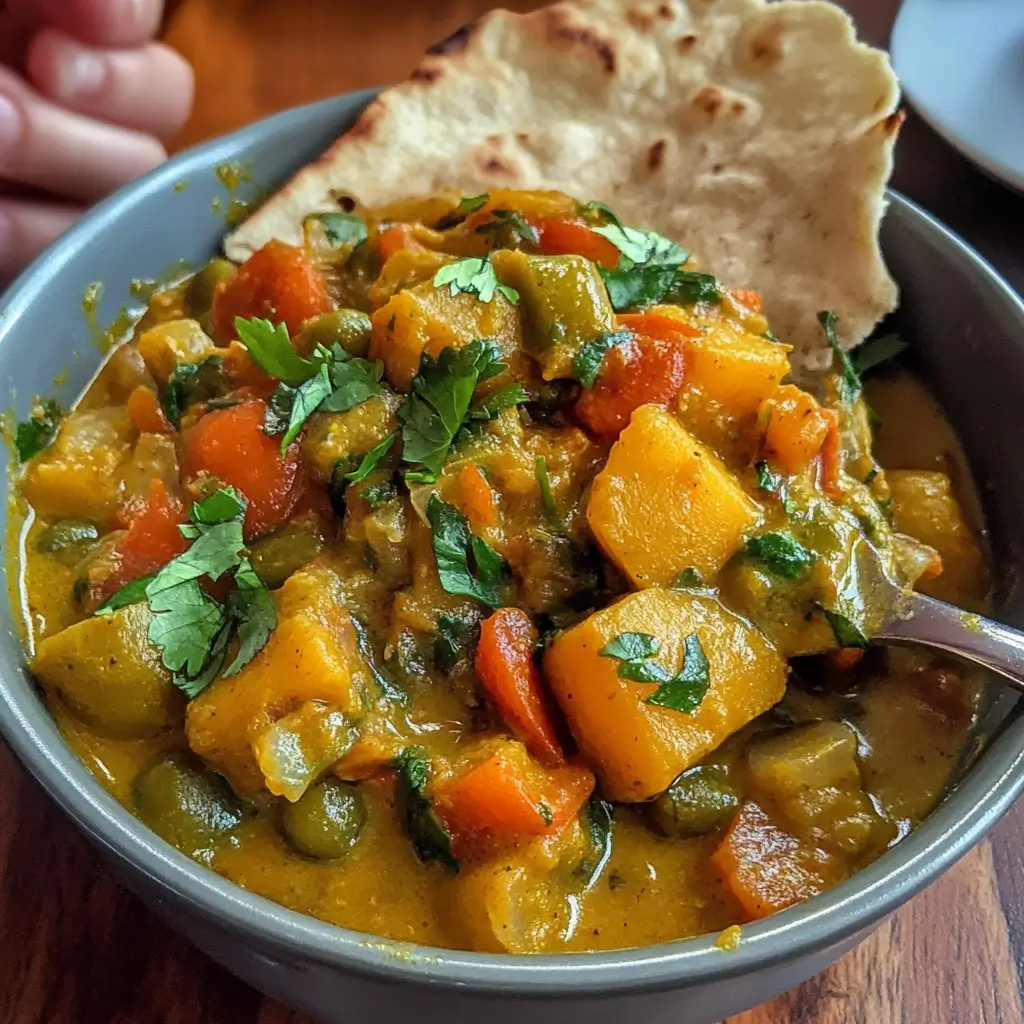

This Caribbean Vegetable Curry isn’t just a recipe; it’s a vibrant explosion of sunshine in a bowl, a culinary hug that transports you straight to a sandy beach with turquoise waters. The first time I made this, my kitchen was filled with an intoxicating aroma – a symphony of sweet, spicy, and savory notes that had my family peeking in with curious anticipation. My partner, usually a staunch meat-eater, was skeptical at first. “Just vegetables?” he’d asked. But one bite in, and his eyes widened. The creamy coconut milk, the subtle heat of the Scotch bonnet (used judiciously!), the sweetness of the potatoes and plantains, and the fragrant dance of thyme and allspice won him over completely. Even my notoriously picky teenager, who usually eyes anything green with suspicion, asked for seconds. It’s become a beloved staple in our home, a go-to for a comforting weeknight meal that feels both nourishing and incredibly indulgent. It’s proof that plant-based eating can be extraordinarily flavorful and satisfying, a true celebration of nature’s bounty.
A Taste of the Islands: Crafting Your Own Caribbean Vegetable Curry
This recipe is designed to be adaptable, allowing you to incorporate your favorite vegetables or what’s seasonally available. The core, however, lies in the aromatic spice blend and the creamy coconut base, which are hallmarks of Caribbean cuisine. Get ready to embark on a flavor journey!
Ingredients: Your Palette for a Tropical Masterpiece
Here’s what you’ll need to create this vibrant curry for approximately 4-6 servings:
- For the Aromatics & Base:
- 2 tablespoons coconut oil (or vegetable oil)
- 1 large yellow onion, finely chopped
- 3-4 cloves garlic, minced
- 1-inch piece of fresh ginger, grated
- 1/2 – 1 Scotch bonnet pepper, deseeded and finely minced (optional, adjust to your spice preference, or use a milder chili like jalapeño)
- 2 tablespoons high-quality Caribbean-style curry powder (look for blends with turmeric, coriander, cumin, fenugreek, and mustard)
- 1 teaspoon ground turmeric
- 1/2 teaspoon ground allspice
- 1/2 teaspoon dried thyme (or 1 teaspoon fresh thyme leaves)
- 1/4 teaspoon black pepper, freshly ground
- 1 teaspoon salt (or to taste)
- The Vegetable Medley:
- 2 medium sweet potatoes (about 1.5 lbs), peeled and cubed into 1-inch pieces
- 1 large bell pepper (any color, red or yellow recommended for sweetness), deseeded and roughly chopped
- 1 medium carrot, peeled and sliced into 1/4-inch rounds
- 1 ripe plantain (yellow with black spots), peeled and sliced into 1/2-inch thick rounds (optional, but highly recommended for authentic sweetness)
- 1 can (15 oz) chickpeas, rinsed and drained
- 2 cups chopped kale or spinach (about 4 oz)
- The Creamy Sauce & Finish:
- 1 can (13.5 oz) full-fat coconut milk
- 1 cup vegetable broth (or water)
- 1 tablespoon fresh lime juice (from about 1/2 lime)
- Fresh cilantro or flat-leaf parsley, chopped, for garnish
Instructions: Bringing Your Caribbean Curry to Life
Follow these steps for a perfectly balanced and flavorful curry:
- Sauté the Aromatics: Heat the coconut oil in a large, heavy-bottomed pot or Dutch oven over medium heat. Once shimmering, add the chopped onion and sauté for 5-7 minutes, until softened and translucent.
- Build the Flavor Base: Add the minced garlic, grated ginger, and finely minced Scotch bonnet pepper (if using). Cook for another 1-2 minutes, stirring constantly, until fragrant. Be careful not to burn the garlic.
- Bloom the Spices: Stir in the Caribbean curry powder, ground turmeric, allspice, dried thyme, black pepper, and salt. Cook for 1-2 minutes more, stirring continuously, until the spices are fragrant and lightly toasted. This step is crucial for developing deep flavor.
- Add Harder Vegetables: Add the cubed sweet potatoes, chopped bell pepper, and sliced carrots to the pot. Stir well to coat the vegetables evenly with the spice mixture. Cook for 5 minutes, stirring occasionally, allowing the vegetables to soften slightly.
- Introduce the Liquids: Pour in the full-fat coconut milk and vegetable broth. Stir everything together, ensuring you scrape up any browned bits from the bottom of the pot (that’s where a lot of flavor lives!).
- Simmer to Perfection: Bring the mixture to a gentle simmer. Once simmering, reduce the heat to low, cover the pot, and let it cook for 15-20 minutes, or until the sweet potatoes and carrots are tender when pierced with a fork. Stir occasionally to prevent sticking.
- Add Softer Ingredients: Stir in the rinsed and drained chickpeas and the sliced plantain (if using). Cook for another 5-7 minutes, uncovered, allowing the plantain to soften and the sauce to thicken slightly. If the curry becomes too thick for your liking, you can add a splash more vegetable broth or water.
- Wilt the Greens: Add the chopped kale or spinach to the pot. Stir gently until the greens are wilted, which should only take 2-3 minutes.
- The Finishing Touches: Remove the pot from the heat. Stir in the fresh lime juice. Taste the curry and adjust seasonings if necessary – you might want a little more salt, pepper, or even a tiny pinch more curry powder.
- Serve and Garnish: Ladle the hot Caribbean Vegetable Curry into bowls. Garnish generously with fresh chopped cilantro or parsley.
Nutrition Facts
- Servings: 4-6
- Calories per serving (approximate, based on 6 servings): 450-550 kcal (This can vary significantly based on the exact size of vegetables, specific coconut milk brand, and whether plantain is included. For a more precise count, use a nutritional calculator with your specific ingredients.)
This curry is packed with fiber, vitamins (especially Vitamin A from sweet potatoes and carrots, Vitamin C from bell peppers), and healthy fats from coconut milk. It’s a wonderfully wholesome meal.
Preparation Time
- Prep Time (chopping vegetables, measuring spices): 20-25 minutes
- Cook Time: 35-45 minutes
- Total Time: Approximately 55 minutes to 1 hour 10 minutes
This makes it a fantastic option for a flavorful weeknight dinner that doesn’t require hours in the kitchen, yet delivers a truly impressive and satisfying result.
How to Serve Your Caribbean Vegetable Curry
Serving this curry is an opportunity to enhance its vibrant flavors and textures. Here are some delightful ways to present and enjoy your creation:
- Classic Rice Pairings:
- Steamed Basmati or Jasmine Rice: The fluffy, fragrant grains are perfect for soaking up the creamy curry sauce.
- Coconut Rice: Elevate the tropical theme by serving with rice cooked in coconut milk and a pinch of sugar and salt.
- Brown Rice or Quinoa: For a healthier, whole-grain option that adds a nutty undertone.
- Rice and Peas: A traditional Caribbean side dish made with rice, kidney beans (or gungo peas), coconut milk, and spices. This makes the meal even more authentic and hearty.
- Breads for Dipping:
- Roti: Soft, pliable Caribbean flatbread is ideal for scooping up the curry. Paratha roti or Dhalpuri roti are excellent choices.
- Naan Bread: While not traditionally Caribbean, its soft, chewy texture works wonderfully.
- Crusty Bread: A simple slice of good quality crusty bread can also be delicious for mopping up every last bit of sauce.
- Flavorful Garnishes (Beyond Cilantro/Parsley):
- Lime Wedges: A fresh squeeze of lime juice just before eating brightens all the flavors.
- Toasted Coconut Flakes: Adds a delightful crunch and enhances the coconut notes.
- Chopped Peanuts or Cashews: For an extra layer of texture and nutty flavor.
- Sliced Green Onions/Scallions: Offers a mild, fresh oniony bite.
- A dollop of (Vegan) Yogurt or Coconut Yogurt: Can provide a cooling contrast, especially if you’ve made the curry spicy.
- Extra Sliced Scotch Bonnet (for the brave!): For those who crave even more heat.
- Complementary Side Dishes:
- Simple Green Salad: A light, crisp salad with a zesty vinaigrette can balance the richness of the curry.
- Mango Salsa: The sweetness and acidity of a fresh mango salsa cut through the creaminess beautifully.
- Fried Ripe Plantains (if not included in the curry): Sweet, caramelized plantains are a classic Caribbean accompaniment.
- Presentation:
- Serve hot, directly from the pot or a serving tureen.
- Allow guests to add their own garnishes for a personalized touch.
- Consider serving in wide, shallow bowls to best display the colorful vegetables and ample sauce.
This curry is a fantastic centerpiece for a casual dinner party or a cozy family meal. The vibrant colors and enticing aromas are sure to impress!
Additional Tips for Curry Perfection
To make your Caribbean Vegetable Curry even more spectacular, consider these expert tips:
- Control the Heat with Scotch Bonnet Savvy: Scotch bonnet peppers are fiery! If you’re new to them, start with a very small amount (even 1/4 of a small pepper) or omit it entirely and use a milder chili like jalapeño, or a pinch of cayenne pepper for controlled heat. Always wear gloves when handling Scotch bonnets and avoid touching your eyes. Removing the seeds and white pith significantly reduces the heat.
- Vegetable Versatility is Key: Don’t feel constrained by the vegetable list. This curry is a fantastic way to use up what you have. Consider adding:
- Butternut Squash or Pumpkin: Similar sweetness to sweet potato.
- Zucchini or Yellow Squash: Add these towards the end of cooking as they cook quickly.
- Green Beans or Okra: Add with the chickpeas. Okra will help thicken the curry.
- Cauliflower or Broccoli Florets: Add with the harder vegetables.
Ensure a good mix of textures and colors for the most appealing result.
- Master the Make-Ahead & Meal Prep: This curry tastes even better the next day as the flavors meld and deepen.
- Refrigerate: Store in an airtight container in the refrigerator for up to 3-4 days.
- Freeze: Allow the curry to cool completely, then transfer to freezer-safe containers. It can be frozen for up to 3 months. Thaw overnight in the refrigerator and reheat gently on the stovetop or in the microwave. You might need to add a splash of water or broth when reheating if it has thickened too much.
- Chop Ahead: You can chop most of the vegetables (except perhaps the plantain, which can brown) a day in advance to save on prep time.
- Adjusting Sauce Consistency:
- Too Thick? Stir in a little more vegetable broth or hot water until you reach your desired consistency.
- Too Thin? Let the curry simmer uncovered for an extra 5-10 minutes to allow some of the liquid to evaporate. Alternatively, you can make a slurry by mixing 1 tablespoon of cornstarch with 2 tablespoons of cold water and stirring it into the simmering curry until it thickens.
- Unlock Deeper Flavor by Toasting Spices: While the recipe calls for blooming spices in oil, for an even more intense flavor, you can dry-toast your whole spices (like coriander seeds, cumin seeds, allspice berries) in a dry skillet over medium heat until fragrant before grinding them. If using pre-ground spices, be sure they are fresh; old spices lose their potency and aroma. Buying smaller quantities more frequently ensures your spice rack is always at its best.
FAQ: Your Caribbean Curry Questions Answered
Here are some common questions to help you navigate your curry-making adventure:
Q1: I’m sensitive to spice. How can I make this curry mild?
A1: The primary source of heat is the Scotch bonnet pepper. You can:
* Omit it completely. The curry will still be flavorful from the other spices.
* Use a much milder chili, like a jalapeño, ensuring you remove all seeds and membranes.
* Start with a tiny sliver of Scotch bonnet (less than 1/4) and taste as you go.
* Add a pinch of cayenne pepper for a very controlled, subtle warmth instead of fresh chili.
Ensure your curry powder isn’t overly spicy either; some blends can have a kick.
Q2: Is this recipe vegan and gluten-free?
A2: Yes, as written, this recipe is naturally vegan (using coconut oil/vegetable oil and no animal products) and gluten-free. Always double-check the labels of your curry powder and vegetable broth to ensure they are gluten-free if you have celiac disease or severe gluten sensitivity, as some may contain wheat flour as a thickener or anti-caking agent.
Q3: What if I don’t have all the specific Caribbean spices like allspice or a special curry powder?
A3:
* Curry Powder: Any good quality yellow curry powder will work. If you don’t have a “Caribbean” blend, a Madras curry powder can be a decent substitute, though it might have a slightly different flavor profile.
* Allspice: This is quite characteristic of Caribbean cooking. If you can’t find ground allspice, you can try a tiny pinch of a mix of cinnamon, nutmeg, and cloves, but use sparingly as it’s not a perfect substitute. If you must omit it, the curry will still be good, just less traditionally Caribbean.
* Thyme: Fresh thyme is wonderful, but dried thyme is perfectly acceptable and called for in the recipe for convenience.
The key is a good quality curry powder and turmeric as the base.
Q4: How long will this Caribbean Vegetable Curry last, and how should I store it?
A4: This curry stores very well!
* Refrigerator: Cooled completely and stored in an airtight container, it will last for 3-4 days in the refrigerator. The flavors often improve by the second day.
* Freezer: For longer storage, cool completely and transfer to freezer-safe containers or bags. It can be frozen for up to 3 months. Thaw overnight in the fridge.
* Reheating: Reheat gently on the stovetop over medium-low heat, stirring occasionally. You may need to add a splash of water or vegetable broth if it has thickened too much. You can also reheat it in the microwave.
Q5: Can I add other proteins to this curry if I’m not strictly vegan? Or other plant-based proteins?
A5: Absolutely! This curry is very adaptable.
* Plant-Based:
* Tofu: Use firm or extra-firm tofu. Press it, cube it, and you can either pan-fry it separately until golden before adding it to the curry with the chickpeas, or add it directly with the harder vegetables.
* Tempeh: Crumble or cube tempeh and add it similarly to tofu.
* Lentils: Red lentils cook down and thicken the sauce, while green or brown lentils hold their shape. Add rinsed lentils with the vegetable broth and ensure enough liquid for them to cook.
* Non-Vegan (if desired):
* Chicken: Cube boneless, skinless chicken thighs or breast and brown them after sautéing the onions, before adding the spices.
* Shrimp: Add raw, peeled, and deveined shrimp in the last 5-7 minutes of cooking, just until they turn pink and opaque.
Adjust cooking times as needed for any added protein.
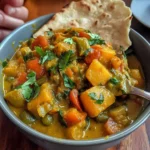
Caribbean Vegetable Curry Recipe
Ingredients
- For the Aromatics & Base:
- 2 tablespoons coconut oil (or vegetable oil)
- 1 large yellow onion, finely chopped
- 3–4 cloves garlic, minced
- 1-inch piece of fresh ginger, grated
- 1/2 – 1 Scotch bonnet pepper, deseeded and finely minced (optional, adjust to your spice preference, or use a milder chili like jalapeño)
- 2 tablespoons high-quality Caribbean-style curry powder (look for blends with turmeric, coriander, cumin, fenugreek, and mustard)
- 1 teaspoon ground turmeric
- 1/2 teaspoon ground allspice
- 1/2 teaspoon dried thyme (or 1 teaspoon fresh thyme leaves)
- 1/4 teaspoon black pepper, freshly ground
- 1 teaspoon salt (or to taste)
- The Vegetable Medley:
- 2 medium sweet potatoes (about 1.5 lbs), peeled and cubed into 1-inch pieces
- 1 large bell pepper (any color, red or yellow recommended for sweetness), deseeded and roughly chopped
- 1 medium carrot, peeled and sliced into 1/4-inch rounds
- 1 ripe plantain (yellow with black spots), peeled and sliced into 1/2-inch thick rounds (optional, but highly recommended for authentic sweetness)
- 1 can (15 oz) chickpeas, rinsed and drained
- 2 cups chopped kale or spinach (about 4 oz)
- The Creamy Sauce & Finish:
- 1 can (13.5 oz) full-fat coconut milk
- 1 cup vegetable broth (or water)
- 1 tablespoon fresh lime juice (from about 1/2 lime)
- Fresh cilantro or flat-leaf parsley, chopped, for garnish
Instructions
- Sauté the Aromatics: Heat the coconut oil in a large, heavy-bottomed pot or Dutch oven over medium heat. Once shimmering, add the chopped onion and sauté for 5-7 minutes, until softened and translucent.
- Build the Flavor Base: Add the minced garlic, grated ginger, and finely minced Scotch bonnet pepper (if using). Cook for another 1-2 minutes, stirring constantly, until fragrant. Be careful not to burn the garlic.
- Bloom the Spices: Stir in the Caribbean curry powder, ground turmeric, allspice, dried thyme, black pepper, and salt. Cook for 1-2 minutes more, stirring continuously, until the spices are fragrant and lightly toasted. This step is crucial for developing deep flavor.
- Add Harder Vegetables: Add the cubed sweet potatoes, chopped bell pepper, and sliced carrots to the pot. Stir well to coat the vegetables evenly with the spice mixture. Cook for 5 minutes, stirring occasionally, allowing the vegetables to soften slightly.
- Introduce the Liquids: Pour in the full-fat coconut milk and vegetable broth. Stir everything together, ensuring you scrape up any browned bits from the bottom of the pot (that’s where a lot of flavor lives!).
- Simmer to Perfection: Bring the mixture to a gentle simmer. Once simmering, reduce the heat to low, cover the pot, and let it cook for 15-20 minutes, or until the sweet potatoes and carrots are tender when pierced with a fork. Stir occasionally to prevent sticking.
- Add Softer Ingredients: Stir in the rinsed and drained chickpeas and the sliced plantain (if using). Cook for another 5-7 minutes, uncovered, allowing the plantain to soften and the sauce to thicken slightly. If the curry becomes too thick for your liking, you can add a splash more vegetable broth or water.
- Wilt the Greens: Add the chopped kale or spinach to the pot. Stir gently until the greens are wilted, which should only take 2-3 minutes.
- The Finishing Touches: Remove the pot from the heat. Stir in the fresh lime juice. Taste the curry and adjust seasonings if necessary – you might want a little more salt, pepper, or even a tiny pinch more curry powder.
- Serve and Garnish: Ladle the hot Caribbean Vegetable Curry into bowls. Garnish generously with fresh chopped cilantro or parsley.
Nutrition
- Serving Size: One Normal Portion
- Calories: 450-550 kcal