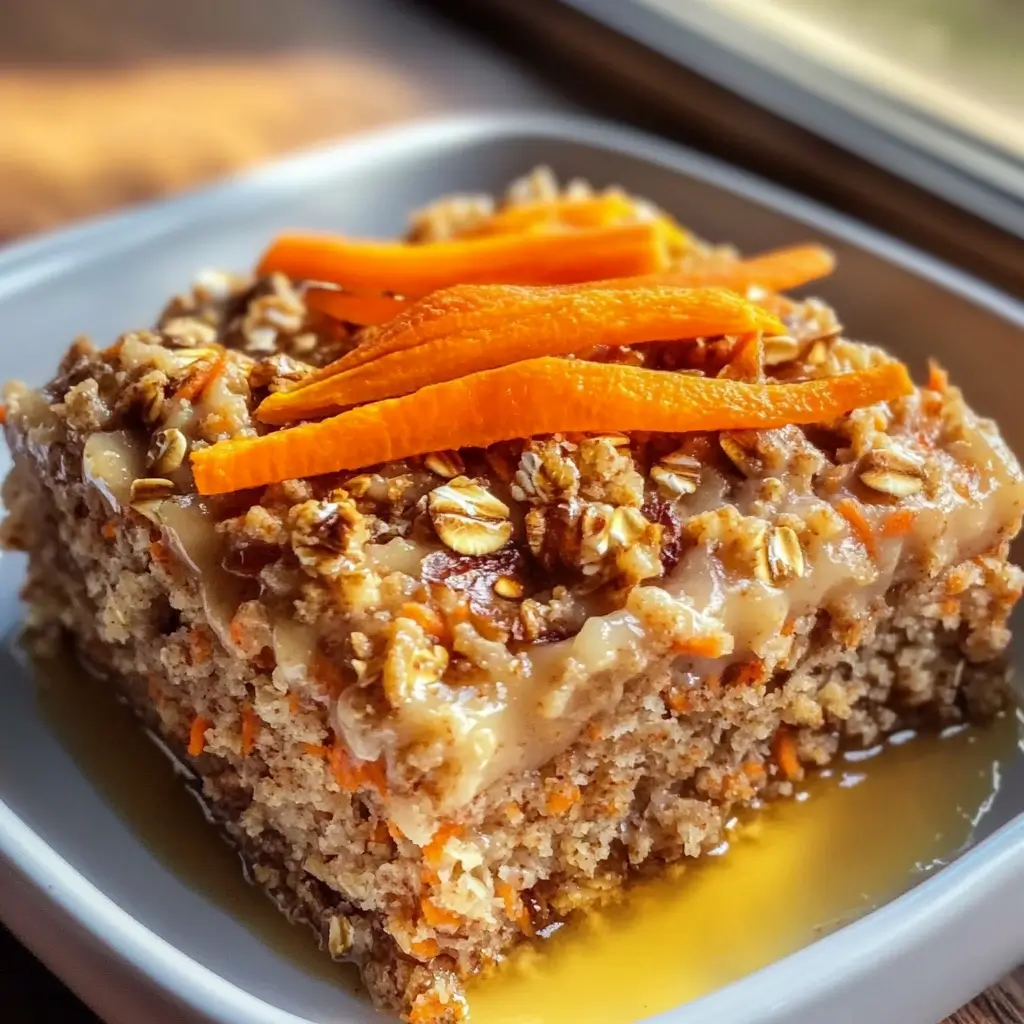
There are some recipes that just instantly feel like a warm hug, and this Carrot Cake Baked Oatmeal is definitively one of them. The first time I tested this recipe, my kitchen was filled with the most incredible aroma – that classic, comforting scent of cinnamon, nutmeg, and sweet carrots, reminiscent of a freshly baked carrot cake, but with the wholesome promise of oatmeal. My family, initially skeptical about “cake for breakfast,” were completely won over from the first bite. The kids loved the subtle sweetness and soft texture, comparing it favourably to actual cake (a huge win!), while my partner appreciated having a hearty, healthy, and delicious breakfast ready to go on busy mornings. It perfectly blends the nostalgic flavours of carrot cake with the satisfying, feel-good nourishment of baked oatmeal. It’s become a weekend staple and a favourite meal-prep option in our house, proving that healthy eating can be utterly delightful and surprisingly decadent. This recipe isn’t just food; it’s comfort, convenience, and a little bit of breakfast magic rolled into one delicious dish.
Ingredients
Creating this delightful Carrot Cake Baked Oatmeal requires a blend of wholesome pantry staples and those signature carrot cake flavours. Here’s what you’ll need to gather. We’ve aimed for accessible ingredients and offered potential substitutions where possible to accommodate various dietary needs and preferences.
Dry Ingredients:
- Rolled Oats: 2 ½ cups (240g) – Use old-fashioned rolled oats for the best texture. Avoid steel-cut oats (require different liquid ratios and cooking times) and instant oats (can become mushy). For a gluten-free version, ensure you use certified gluten-free rolled oats. Oats form the hearty base, providing sustained energy and plenty of fibre.
- Chopped Nuts (Optional but Recommended): ½ cup (60g) – Pecans or walnuts work beautifully, adding a delightful crunch and nutty flavour synonymous with carrot cake. Toasting them beforehand enhances their flavour. If nut allergies are a concern, simply omit or substitute with sunflower seeds or pumpkin seeds (pepitas).
- Raisins or Sultanas (Optional): ½ cup (75g) – These add little bursts of sweetness and chewy texture. If you’re not a fan, feel free to omit them or substitute with other dried fruits like chopped dates or cranberries.
- Baking Powder: 1 ½ teaspoons – This acts as the leavening agent, giving the baked oatmeal a lighter, slightly cake-like texture rather than being dense. Ensure your baking powder is fresh for optimal lift.
- Ground Cinnamon: 2 teaspoons – The quintessential carrot cake spice! Cinnamon provides warmth and depth. Feel free to adjust based on your preference.
- Ground Nutmeg: ½ teaspoon – Adds that characteristic warmth and slightly sweet, nutty note. Freshly grated nutmeg offers superior flavour if you have it.
- Ground Ginger: ½ teaspoon – Provides a gentle, warming spice kick that complements the cinnamon and nutmeg.
- Ground Cloves (Optional): ¼ teaspoon – Adds a deeper, more intense spice note. Use sparingly as it can be overpowering.
- Salt: ½ teaspoon – Crucial for balancing the sweetness and enhancing all the other flavours.
Wet Ingredients:
- Milk: 2 ½ cups (600ml) – Use any milk you prefer – dairy milk (whole, 2%, or skim), almond milk, soy milk, oat milk, or cashew milk all work well. The type of milk will subtly affect the flavour and richness. Unsweetened varieties are recommended to control the overall sweetness.
- Large Eggs: 2 – Eggs act as a binder, holding the oatmeal together and adding richness and protein. For a vegan option, you can substitute with two “flax eggs” (2 tablespoons ground flaxseed mixed with 6 tablespoons water, let sit for 5 minutes) or chia eggs.
- Maple Syrup or Honey: ½ cup (120ml) – Provides natural sweetness. Adjust the amount based on your preference. You can also use agave nectar or brown rice syrup. For a lower-sugar option, reduce the amount or use a sugar substitute appropriate for baking, though this may affect texture slightly.
- Melted Coconut Oil or Unsalted Butter: ¼ cup (60ml/57g) – Adds moisture, richness, and helps with the texture. You can also use a neutral-flavoured oil like avocado oil or light olive oil.
- Vanilla Extract: 2 teaspoons – Enhances the sweetness and rounds out the flavours. Pure vanilla extract offers the best taste.
- Finely Shredded Carrots: 1 ½ cups (about 2-3 medium carrots, packed) – The star ingredient! Use the fine side of a box grater for best results. The carrots add moisture, natural sweetness, colour, and nutritional value (hello, Vitamin A!). Do not use pre-shredded carrots from a bag if they are thick, as they may not soften sufficiently during baking.
Optional Cream Cheese Glaze/Topping (Highly Recommended!):
- Cream Cheese: 4 oz (113g), softened – Use full-fat or light cream cheese (Neufchâtel). For a dairy-free/vegan version, use a vegan cream cheese alternative.
- Maple Syrup or Powdered Sugar: 2-3 tablespoons (adjust to taste) – For sweetness.
- Milk or Water: 1-2 tablespoons (as needed for desired consistency) – To thin the glaze.
- Vanilla Extract: ¼ teaspoon
Instructions
Follow these steps carefully to achieve perfectly baked, flavourful Carrot Cake Baked Oatmeal. The process is straightforward, mainly involving mixing wet and dry ingredients separately before combining and baking.
- Preheat and Prepare: Preheat your oven to 375°F (190°C). Grease a 9×9 inch (or similar size, like an 8×8 inch or a 2-quart) baking dish with butter, coconut oil, or cooking spray. This prevents the oatmeal from sticking and makes cleanup easier.
- Combine Dry Ingredients: In a large mixing bowl, whisk together the rolled oats, chopped nuts (if using), raisins (if using), baking powder, cinnamon, nutmeg, ginger, optional cloves, and salt. Stirring the dry ingredients together first ensures the spices and leavening agent are evenly distributed throughout the oats, which is key for consistent flavour and texture.
- Combine Wet Ingredients: In a separate medium-sized bowl, whisk together the milk, eggs (ensure they are well beaten), maple syrup (or honey), melted coconut oil (or butter), and vanilla extract. Whisk until the mixture is smooth and homogenous. Beating the eggs well helps incorporate them fully, contributing to a better bind.
- Combine Wet and Dry: Pour the wet ingredients into the large bowl containing the dry ingredients. Stir gently until just combined. Be careful not to overmix at this stage; mixing until just moistened is sufficient. Overmixing can lead to a tougher texture.
- Fold in Carrots: Gently fold in the finely shredded carrots until they are evenly distributed throughout the oat mixture. The mixture will look quite wet, but the oats will absorb the liquid during baking.
- Transfer to Baking Dish: Pour the oatmeal mixture into the prepared baking dish. Spread it out evenly using a spatula or the back of a spoon.
- Bake: Place the baking dish in the preheated oven. Bake for 40-50 minutes. The baking time can vary slightly depending on your oven and the specific dish size. The oatmeal is done when the center is set (doesn’t jiggle excessively when gently shaken) and the edges are lightly golden brown. A toothpick inserted into the center should come out mostly clean, though it might be slightly moist due to the nature of baked oatmeal.
- Rest: Once baked, carefully remove the dish from the oven and let it cool on a wire rack for at least 10-15 minutes before serving. This resting period is important; it allows the oatmeal to finish setting up, making it easier to slice and serve. It also prevents you from burning your mouth!
- Prepare Optional Glaze (While Oatmeal Cools): If using the cream cheese glaze, combine the softened cream cheese, maple syrup (or powdered sugar), and vanilla extract in a small bowl. Whisk until smooth. Add milk or water, one tablespoon at a time, whisking until you reach your desired drizzling consistency.
- Serve: Slice the warm Carrot Cake Baked Oatmeal into squares. Serve plain or drizzle generously with the cream cheese glaze just before serving. See the “How to Serve” section for more topping ideas.
Nutrition Facts
Understanding the nutritional profile can help you incorporate this delicious dish into your balanced diet. Please note that these values are estimates and can vary based on the specific ingredients used (e.g., type of milk, sweetener, inclusion of nuts/raisins, portion size).
- Servings: This recipe typically yields 6 to 8 servings, depending on how large you cut the portions.
- Calories Per Serving (Approximate): Assuming 8 servings and inclusion of nuts/raisins (but excluding the optional glaze), each serving contains approximately 350-450 calories.
- Factors Influencing Calories: Using whole milk, more sweetener, or larger amounts of nuts will increase the calorie count. Using skim milk, less sweetener, or omitting nuts will decrease it. The cream cheese glaze will add additional calories, fat, and sugar (roughly 50-80 calories per serving, depending on amount used).
General Nutritional Highlights:
- Fiber: Good source of dietary fiber, primarily from the oats and carrots, promoting digestive health and satiety.
- Protein: Contains a moderate amount of protein from oats, eggs, milk, and nuts (if used), contributing to fullness and muscle maintenance.
- Vitamins & Minerals: Provides Vitamin A from the carrots, B vitamins from the oats, and minerals like manganese, phosphorus, and magnesium.
- Complex Carbohydrates: Offers sustained energy release thanks to the whole grain oats.
Disclaimer: These are estimated nutritional values for informational purposes only. For precise nutritional information, please use your preferred nutrition calculator with the specific ingredients and quantities you use.
Preparation Time
Planning your cooking is easier when you know how long each step takes. This Carrot Cake Baked Oatmeal is relatively quick to assemble, with most of the time spent hands-off during baking.
- Preparation Time: 15-20 minutes
- This includes gathering ingredients, grating the carrots, mixing the dry and wet components, and transferring the mixture to the baking dish. Grating fresh carrots usually takes the longest part of the active prep. Using a food processor with a shredding attachment can speed this up.
- Cooking Time: 40-50 minutes
- This is the time the oatmeal spends baking in the preheated oven until set and lightly golden.
- Resting Time: 10-15 minutes
- Essential time for the oatmeal to set after removing it from the oven, making it easier to slice.
- Total Time: Approximately 1 hour 5 minutes to 1 hour 25 minutes
- From starting preparation to being ready to serve (excluding optional glaze preparation, which can be done during resting time).
This timing makes it feasible for a weekend brunch or easily manageable for meal prepping breakfasts for the week ahead.
How to Serve
This Carrot Cake Baked Oatmeal is delicious on its own, warm from the oven, but adding toppings can elevate it further, mimicking the full carrot cake experience or simply adding extra flavour and texture. Here are some serving suggestions:
- Warm with Glaze:
- Serve warm squares generously drizzled with the homemade Cream Cheese Glaze. This is the classic way to capture the carrot cake essence.
- Yogurt Dollop:
- Top with a dollop of Greek yogurt (plain or vanilla) for extra protein and a creamy, tangy contrast. Dairy-free coconut or almond yogurt works great too.
- Nut Butter Drizzle:
- Drizzle with your favourite nut butter (almond, peanut, cashew) for added richness and healthy fats.
- Extra Crunch:
- Sprinkle with additional chopped toasted pecans or walnuts just before serving for more crunch.
- A sprinkle of hemp seeds, chia seeds, or pumpkin seeds adds texture and nutrients.
- Sweet Syrup:
- A simple drizzle of maple syrup or honey enhances the natural sweetness.
- Fresh Fruit:
- Serve alongside or topped with fresh berries (like blueberries or raspberries) or sliced bananas for freshness. While not traditional carrot cake flavours, they complement the oatmeal well.
- Flaked Coconut:
- Sprinkle with unsweetened shredded or flaked coconut (toasted or untoasted) for another layer of texture and flavour often found in carrot cakes.
- Whipped Cream:
- For a truly decadent treat (perhaps for a special brunch!), top with a small dollop of whipped cream or coconut whipped cream.
- As Is:
- Enjoy it plain! It’s flavourful and satisfying straight from the dish, especially when warm.
Serve it for breakfast, brunch, a healthy dessert, or even a satisfying snack. It’s versatile and holds up well when reheated.
Additional Tips
Want to perfect your Carrot Cake Baked Oatmeal or customize it further? Here are five helpful tips:
- Make-Ahead & Meal Prep Champion: This recipe is fantastic for meal prepping. Bake it on a Sunday, let it cool completely, cover tightly (or portion into individual containers), and store it in the refrigerator for up to 4-5 days. Reheat individual portions in the microwave for 30-60 seconds or enjoy cold. You can also assemble the mixture (without baking) the night before. Combine all ingredients in the baking dish, cover, and refrigerate. In the morning, you might need to add a few extra minutes to the baking time as it’s starting from cold.
- Texture Customization: The texture of baked oatmeal can be adjusted slightly. If you prefer a slightly denser, chewier texture, you can slightly reduce the milk (e.g., by ¼ cup). If you prefer it moister and softer, ensure you don’t overbake it and stick to the recommended liquid amount. Using quick-cooking oats (not instant) can also result in a softer, less chewy texture, but rolled oats are generally preferred for structure.
- Boost the Nutrition: Enhance the nutritional profile easily.
- Add Seeds: Incorporate 1-2 tablespoons of chia seeds or ground flaxseed directly into the dry ingredients for extra fiber, omega-3s, and binding power (especially useful if making it egg-free).
- Protein Powder: Whisk 1-2 scoops of your favourite protein powder (vanilla or unflavoured works best) into the dry ingredients. You might need to add a splash more milk (2-4 tablespoons) to compensate for the powder’s absorption.
- Veggies: Sneak in extra veggies! About ½ cup of finely grated zucchini (squeeze out excess moisture first) can be added along with the carrots without significantly altering the flavour.
- Spice Level Adjustment: Carrot cake flavour is all about the spices. Don’t be afraid to adjust them to your liking. If you love a strong spice presence, slightly increase the cinnamon, ginger, or nutmeg. If you prefer it milder, dial them back a bit. Adding a pinch of cardamom or allspice can also introduce interesting flavour nuances.
- Storage and Freezing Instructions:
- Refrigeration: Store cooled baked oatmeal covered tightly in the refrigerator for up to 5 days.
- Freezing: This baked oatmeal freezes beautifully! Let it cool completely, then either freeze the entire slab (well-wrapped in plastic wrap and then foil or in an airtight container) or cut into individual portions. Wrap portions individually in plastic wrap and store them in a freezer-safe bag or container for up to 3 months. Thaw overnight in the refrigerator or reheat directly from frozen in the microwave (start with 1-2 minutes, adding more time as needed) or in the oven at 350°F (175°C) until heated through. The texture remains remarkably good after freezing and reheating.
FAQ Section
Here are answers to some frequently asked questions about making Carrot Cake Baked Oatmeal:
- Q: Can I use steel-cut oats or instant oats instead of rolled oats?
- A: It’s not recommended to directly substitute steel-cut or instant oats without significant adjustments. Steel-cut oats require much more liquid and a longer cooking time; they won’t cook properly in this recipe’s timeframe and liquid ratio, resulting in a hard, uncooked texture. Instant oats are thinner and more processed; they absorb liquid very quickly and can result in a mushy, dense, or gummy texture when baked for this duration. For the best texture that’s characteristic of baked oatmeal (chewy yet tender), stick with old-fashioned rolled oats.
- Q: How can I make this recipe vegan?
- A: Yes, this recipe adapts well to being vegan! Make the following substitutions:
- Milk: Use a plant-based milk like almond, soy, oat, or cashew milk (unsweetened usually works best).
- Eggs: Replace the two large eggs with two “flax eggs” (mix 2 tbsp ground flaxseed with 6 tbsp water, let sit for 5 minutes until gel-like) or two chia eggs (same ratio with chia seeds). Mashed banana (about ½ cup) or unsweetened applesauce (about ½ cup) can also work as binders, though they will impart their own flavour.
- Fat: Ensure you use melted coconut oil or another plant-based oil/butter substitute instead of dairy butter.
- Sweetener: Use maple syrup, agave, or another vegan liquid sweetener instead of honey (if you were considering it).
- Glaze: Use a vegan cream cheese alternative, or make a simple glaze with powdered sugar and plant-based milk/lemon juice.
- A: Yes, this recipe adapts well to being vegan! Make the following substitutions:
- Q: Is this recipe gluten-free?
- A: Oats are naturally gluten-free, but they are often processed in facilities that also handle wheat, barley, and rye, leading to cross-contamination. To ensure this recipe is truly gluten-free, you must use certified gluten-free rolled oats. All other standard ingredients in this recipe (carrots, spices, milk, eggs, maple syrup, coconut oil, nuts, raisins) are typically gluten-free, but always double-check labels, especially for spices and extracts, if you have celiac disease or severe gluten sensitivity.
- Q: My baked oatmeal seems dry/gummy. What went wrong?
- A: Several factors can affect the texture:
- Dryness: Usually caused by overbaking or not using enough liquid. Check your oven temperature (it might run hot) and start checking for doneness at the lower end of the baking time range. Ensure you measured the liquid accurately. Sometimes, different brands of oats can absorb liquid slightly differently.
- Gummy/Dense: This can happen from overmixing the batter after combining wet and dry ingredients, which can develop the gluten-like structure in oats more than desired. It can also result from using instant oats. Ensure you’re using rolled oats and mix only until just combined. Resting the oatmeal before slicing also helps prevent gumminess.
- A: Several factors can affect the texture:
- Q: Can I add other mix-ins besides nuts and raisins?
- A: Absolutely! Feel free to get creative. Some great additions that complement the carrot cake theme include:
- Shredded Coconut: Add ½ cup of unsweetened shredded coconut to the dry ingredients for extra flavour and texture.
- Pineapple: Add ½ cup of well-drained crushed pineapple for moisture and a classic carrot cake pairing (reduce milk slightly, perhaps by 2-3 tbsp, if adding).
- Dried Cranberries or Cherries: Substitute for raisins for a tart flavour contrast.
- Seeds: As mentioned in the tips, sunflower seeds or pepitas (pumpkin seeds) are great nut-free alternatives.
- Chocolate Chips: While not traditional, a handful of white chocolate chips or regular chocolate chips could be a fun, decadent addition. Just fold them in gently at the end. Keep total mix-ins to around 1 to 1.5 cups to maintain the right wet-to-dry ingredient balance.
- A: Absolutely! Feel free to get creative. Some great additions that complement the carrot cake theme include:
Carrot Cake Baked Oatmeal Recipe
Ingredients
Dry Ingredients:
- Rolled Oats: 2 ½ cups (240g) – Use old-fashioned rolled oats for the best texture. Avoid steel-cut oats (require different liquid ratios and cooking times) and instant oats (can become mushy). For a gluten-free version, ensure you use certified gluten-free rolled oats. Oats form the hearty base, providing sustained energy and plenty of fibre.
- Chopped Nuts (Optional but Recommended): ½ cup (60g) – Pecans or walnuts work beautifully, adding a delightful crunch and nutty flavour synonymous with carrot cake. Toasting them beforehand enhances their flavour. If nut allergies are a concern, simply omit or substitute with sunflower seeds or pumpkin seeds (pepitas).
- Raisins or Sultanas (Optional): ½ cup (75g) – These add little bursts of sweetness and chewy texture. If you’re not a fan, feel free to omit them or substitute with other dried fruits like chopped dates or cranberries.
- Baking Powder: 1 ½ teaspoons – This acts as the leavening agent, giving the baked oatmeal a lighter, slightly cake-like texture rather than being dense. Ensure your baking powder is fresh for optimal lift.
- Ground Cinnamon: 2 teaspoons – The quintessential carrot cake spice! Cinnamon provides warmth and depth. Feel free to adjust based on your preference.
- Ground Nutmeg: ½ teaspoon – Adds that characteristic warmth and slightly sweet, nutty note. Freshly grated nutmeg offers superior flavour if you have it.
- Ground Ginger: ½ teaspoon – Provides a gentle, warming spice kick that complements the cinnamon and nutmeg.
- Ground Cloves (Optional): ¼ teaspoon – Adds a deeper, more intense spice note. Use sparingly as it can be overpowering.
- Salt: ½ teaspoon – Crucial for balancing the sweetness and enhancing all the other flavours.
Wet Ingredients:
- Milk: 2 ½ cups (600ml) – Use any milk you prefer – dairy milk (whole, 2%, or skim), almond milk, soy milk, oat milk, or cashew milk all work well. The type of milk will subtly affect the flavour and richness. Unsweetened varieties are recommended to control the overall sweetness.
- Large Eggs: 2 – Eggs act as a binder, holding the oatmeal together and adding richness and protein. For a vegan option, you can substitute with two “flax eggs” (2 tablespoons ground flaxseed mixed with 6 tablespoons water, let sit for 5 minutes) or chia eggs.
- Maple Syrup or Honey: ½ cup (120ml) – Provides natural sweetness. Adjust the amount based on your preference. You can also use agave nectar or brown rice syrup. For a lower-sugar option, reduce the amount or use a sugar substitute appropriate for baking, though this may affect texture slightly.
- Melted Coconut Oil or Unsalted Butter: ¼ cup (60ml/57g) – Adds moisture, richness, and helps with the texture. You can also use a neutral-flavoured oil like avocado oil or light olive oil.
- Vanilla Extract: 2 teaspoons – Enhances the sweetness and rounds out the flavours. Pure vanilla extract offers the best taste.
- Finely Shredded Carrots: 1 ½ cups (about 2-3 medium carrots, packed) – The star ingredient! Use the fine side of a box grater for best results. The carrots add moisture, natural sweetness, colour, and nutritional value (hello, Vitamin A!). Do not use pre-shredded carrots from a bag if they are thick, as they may not soften sufficiently during baking.
Optional Cream Cheese Glaze/Topping (Highly Recommended!):
- Cream Cheese: 4 oz (113g), softened – Use full-fat or light cream cheese (Neufchâtel). For a dairy-free/vegan version, use a vegan cream cheese alternative.
- Maple Syrup or Powdered Sugar: 2-3 tablespoons (adjust to taste) – For sweetness.
- Milk or Water: 1-2 tablespoons (as needed for desired consistency) – To thin the glaze.
- Vanilla Extract: ¼ teaspoon
Instructions
- Preheat and Prepare: Preheat your oven to 375°F (190°C). Grease a 9×9 inch (or similar size, like an 8×8 inch or a 2-quart) baking dish with butter, coconut oil, or cooking spray. This prevents the oatmeal from sticking and makes cleanup easier.
- Combine Dry Ingredients: In a large mixing bowl, whisk together the rolled oats, chopped nuts (if using), raisins (if using), baking powder, cinnamon, nutmeg, ginger, optional cloves, and salt. Stirring the dry ingredients together first ensures the spices and leavening agent are evenly distributed throughout the oats, which is key for consistent flavour and texture.
- Combine Wet Ingredients: In a separate medium-sized bowl, whisk together the milk, eggs (ensure they are well beaten), maple syrup (or honey), melted coconut oil (or butter), and vanilla extract. Whisk until the mixture is smooth and homogenous. Beating the eggs well helps incorporate them fully, contributing to a better bind.
- Combine Wet and Dry: Pour the wet ingredients into the large bowl containing the dry ingredients. Stir gently until just combined. Be careful not to overmix at this stage; mixing until just moistened is sufficient. Overmixing can lead to a tougher texture.
- Fold in Carrots: Gently fold in the finely shredded carrots until they are evenly distributed throughout the oat mixture. The mixture will look quite wet, but the oats will absorb the liquid during baking.
- Transfer to Baking Dish: Pour the oatmeal mixture into the prepared baking dish. Spread it out evenly using a spatula or the back of a spoon.
- Bake: Place the baking dish in the preheated oven. Bake for 40-50 minutes. The baking time can vary slightly depending on your oven and the specific dish size. The oatmeal is done when the center is set (doesn’t jiggle excessively when gently shaken) and the edges are lightly golden brown. A toothpick inserted into the center should come out mostly clean, though it might be slightly moist due to the nature of baked oatmeal.
- Rest: Once baked, carefully remove the dish from the oven and let it cool on a wire rack for at least 10-15 minutes before serving. This resting period is important; it allows the oatmeal to finish setting up, making it easier to slice and serve. It also prevents you from burning your mouth!
- Prepare Optional Glaze (While Oatmeal Cools): If using the cream cheese glaze, combine the softened cream cheese, maple syrup (or powdered sugar), and vanilla extract in a small bowl. Whisk until smooth. Add milk or water, one tablespoon at a time, whisking until you reach your desired drizzling consistency.
- Serve: Slice the warm Carrot Cake Baked Oatmeal into squares. Serve plain or drizzle generously with the cream cheese glaze just before serving. See the “How to Serve” section for more topping ideas.
Nutrition
- Serving Size: One Normal Portion
- Calories: 350-450