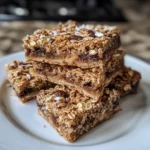

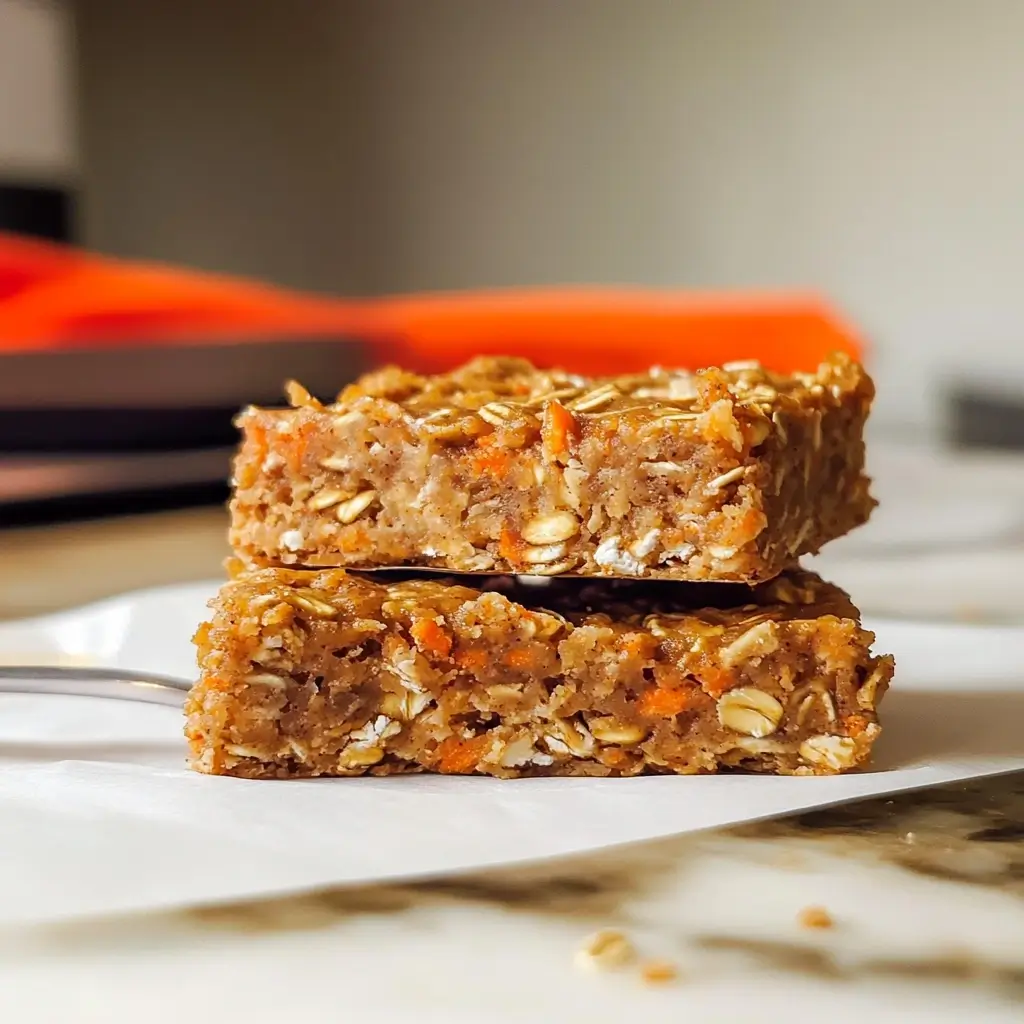

In the whirlwind of busy mornings, finding a breakfast that’s both nutritious and genuinely enjoyable can feel like searching for a culinary unicorn. For years, my family has been stuck in a breakfast rut, cycling through the same cereals and toast routines. That is, until I stumbled upon these Carrot Cake Oatmeal Breakfast Bars. Let me tell you, they were a game-changer! From the first bite, the warm spices and chewy texture transported us straight to carrot cake heaven, but without the guilt. Even my pickiest eater, who usually wrinkles their nose at anything remotely “healthy,” devoured these bars with gusto. They are incredibly easy to whip up, perfect for meal prepping on the weekend, and hold up beautifully throughout the week. The natural sweetness of the carrots and a touch of maple syrup means they satisfy sweet cravings without being overly sugary, making them a breakfast (or snack!) you can feel good about. Trust me, these Carrot Cake Oatmeal Breakfast Bars are not just a recipe; they’re a morning ritual waiting to happen. They’ve become a staple in our house, and I’m thrilled to share this recipe with you so you can experience the joy of a delicious, healthy, and convenient breakfast that truly feels like a treat.
Ingredients
Creating these delightful Carrot Cake Oatmeal Breakfast Bars requires a handful of pantry staples and fresh ingredients. The beauty of this recipe lies in its simplicity and the wholesome nature of each component. Here’s a detailed breakdown of everything you’ll need to bake up a batch of these morning marvels:
- 2 cups Rolled Oats (not instant): The heart and soul of our breakfast bars, rolled oats provide a wonderful chewy texture and are packed with fiber to keep you feeling full and energized throughout the morning. Opt for old-fashioned rolled oats for the best texture; avoid instant oats as they tend to become mushy and lack the desired chewiness. You can also use quick-cooking rolled oats if that’s what you have on hand, but the texture will be slightly less robust. For a gluten-free version, ensure you use certified gluten-free rolled oats, as oats themselves are naturally gluten-free but can sometimes be processed in facilities that also handle wheat.
- 1 cup Grated Carrots (about 2-3 medium carrots): Freshly grated carrots are essential for that authentic carrot cake flavor and provide natural sweetness, moisture, and a vibrant color to the bars. Pre-shredded carrots from the store can be used in a pinch, but grating them yourself ensures optimal moisture and flavor. Make sure to grate them finely for even distribution throughout the bars and to avoid large chunks that might affect the texture. For a deeper carrot flavor, consider using rainbow carrots or heirloom varieties if available, as they often boast more intense sweetness and earthy notes.
- ½ cup Unsweetened Applesauce: Applesauce acts as a natural binder and adds moisture without relying on excessive oil or butter, keeping these breakfast bars healthier and lighter. Unsweetened applesauce is crucial to control the overall sweetness of the recipe; sweetened applesauce will make the bars overly sweet. If you don’t have applesauce, you can substitute with mashed ripe banana, pureed pumpkin, or even plain yogurt, although these substitutions may slightly alter the flavor and texture. Homemade applesauce is always a fantastic option if you have the time, as it allows you to control the ingredients and sweetness even further.
- ½ cup Milk (dairy or non-dairy): Milk adds moisture and helps to bring the batter together. You can use any type of milk you prefer – dairy milk (whole, 2%, or skim), or non-dairy alternatives like almond milk, soy milk, oat milk, or coconut milk. Each type of milk will impart a slightly different flavor profile. For a richer taste, whole milk or coconut milk are great choices. For a lighter option, almond milk or skim milk work perfectly. Oat milk will complement the oat base of the bars beautifully and enhance the creamy texture. Consider the flavor profile of your chosen milk and how it will harmonize with the other ingredients.
- ¼ cup Maple Syrup (or honey): Maple syrup provides natural sweetness and a lovely depth of flavor that complements the spices and carrots. Pure maple syrup is preferred for its complex flavor and natural origin. Honey can be used as a substitute, offering a slightly different sweetness and floral notes. Agave nectar is another alternative, but it’s sweeter than maple syrup and honey, so you might need to reduce the quantity slightly. For a vegan option, maple syrup or agave are excellent choices. Adjust the amount of sweetener to your personal preference; if you prefer less sweet bars, start with a smaller amount and taste the batter before baking.
- ¼ cup Melted Coconut Oil (or vegetable oil): Coconut oil adds moisture and a subtle coconut flavor that works wonderfully with carrot cake. Melted coconut oil should be measured in its liquid state. Vegetable oil or canola oil can be used as neutral-flavored substitutes if you prefer to avoid coconut flavor or don’t have coconut oil on hand. Olive oil can also be used, but it might impart a slightly stronger flavor. For a richer flavor, melted butter can be used instead of oil, but this will alter the nutritional profile slightly. Ensure the oil is melted and slightly cooled before adding it to the batter to prevent cooking the eggs if using.
- 1 large Egg: The egg acts as a binder and adds richness and structure to the breakfast bars. A large egg is standard in most baking recipes. For a vegan alternative, you can use a flax egg (1 tablespoon ground flaxseed mixed with 3 tablespoons of water, let it sit for 5 minutes to thicken) or a chia egg (same ratio as flax egg). These vegan egg substitutes will provide binding properties, but may slightly alter the texture of the final bars, making them slightly denser. If you are allergic to eggs, ensure you explore vegan egg substitutes to make this recipe accessible.
- 1 teaspoon Vanilla Extract: Vanilla extract enhances the overall flavor profile and adds a touch of warmth and sweetness. Pure vanilla extract is preferred for its superior flavor. Imitation vanilla extract can be used as a more budget-friendly option, but the flavor will be less complex. For an even more intense vanilla flavor, consider using vanilla bean paste or scraping seeds from a vanilla bean. Vanilla extract complements the spices and sweetness of the carrot cake beautifully, rounding out the flavors.
- 1 teaspoon Ground Cinnamon: Cinnamon is a quintessential spice in carrot cake, providing warmth, sweetness, and that classic carrot cake aroma. Ground cinnamon is readily available and easy to use. For a more complex spice blend, consider using Ceylon cinnamon, which is known for its delicate and nuanced flavor. Freshly ground cinnamon from cinnamon sticks will offer the most potent and aromatic experience, but ground cinnamon from the spice rack works perfectly well for everyday baking.
- ½ teaspoon Ground Nutmeg: Nutmeg adds a warm, slightly nutty, and subtly sweet spice note that complements cinnamon and enhances the carrot cake flavor. Ground nutmeg is easily accessible in most grocery stores. Freshly grated nutmeg from a whole nutmeg nut is significantly more aromatic and flavorful. A microplane or fine grater can be used to grate whole nutmeg. Nutmeg should be used in moderation as its flavor can be quite potent; ½ teaspoon is usually the perfect amount to add depth without overpowering the other spices.
- ¼ teaspoon Ground Ginger: Ginger adds a subtle spicy warmth and a touch of complexity to the spice blend. Ground ginger is readily available and provides a convenient way to add ginger flavor. Freshly grated ginger can also be used for a more pungent and vibrant ginger flavor; about 1 teaspoon of freshly grated ginger would be equivalent to ¼ teaspoon of ground ginger. Ginger complements the cinnamon and nutmeg beautifully, creating a well-rounded spice profile reminiscent of classic carrot cake.
- ¼ teaspoon Ground Cloves (optional): Cloves add a very warm, pungent, and slightly sweet spice note. Cloves are quite strong, so use them sparingly. Ground cloves are easily available and convenient. Whole cloves can be used to infuse flavor into liquids, but for this recipe, ground cloves are more suitable. If you are sensitive to strong spices, you can omit cloves or reduce the amount to a pinch. Cloves add a depth of flavor that enhances the overall spice profile of the carrot cake, but they are optional if you prefer a milder spice blend.
- ½ teaspoon Baking Soda: Baking soda is a leavening agent that helps the breakfast bars rise slightly and become tender. Ensure your baking soda is fresh for optimal leavening power; old baking soda may be less effective. Baking soda reacts with the acidic ingredients in the recipe (like applesauce and maple syrup) to produce carbon dioxide, which creates air bubbles and helps the bars rise. It also contributes to the texture of the bars, making them lighter and less dense.
- ½ teaspoon Salt: Salt enhances the flavors of all the other ingredients and balances the sweetness. Table salt or sea salt can be used. Salt is crucial in baking to bring out the sweetness and spices and to prevent the bars from tasting flat or bland. It also plays a role in gluten development (if using wheat flour, which we are not directly in this recipe, but oats can contain gluten) and helps to control the leavening action of baking soda.
- ½ cup Raisins or Chopped Walnuts (optional): These additions provide extra texture and flavor. Raisins add sweetness and chewiness, while chopped walnuts add a nutty crunch. You can use either raisins, walnuts, or a combination of both, or omit them entirely if you prefer plain bars. Other dried fruits like chopped dates, cranberries, or dried apricots can also be used as alternatives to raisins. For nuts, pecans, almonds, or hazelnuts would also be delicious additions. Toasting the walnuts before adding them will enhance their nutty flavor. Soaking raisins in warm water for a few minutes before adding them will plump them up and make them even juicier.
Instructions
Crafting these mouthwatering Carrot Cake Oatmeal Breakfast Bars is a breeze, even for novice bakers. The process is straightforward and yields incredibly satisfying results. Follow these detailed step-by-step instructions to create your own batch of these healthy and delicious treats:
- Preheat Your Oven and Prepare Your Baking Pan: Begin by preheating your oven to 350°F (175°C). This ensures that your oven is at the correct temperature when you place the bars in to bake, leading to even cooking and preventing them from being undercooked or overcooked. While the oven is preheating, prepare your baking pan. An 8×8 inch square baking pan is ideal for this recipe, producing bars that are perfectly sized and thick. Line the baking pan with parchment paper, leaving an overhang on the sides. This parchment paper sling is a baker’s best friend; it makes removing the baked bars from the pan incredibly easy and prevents them from sticking. Greasing the pan with cooking spray or butter before lining with parchment paper is also a good idea, especially if your parchment paper is not of high quality. Set the prepared baking pan aside while you prepare the batter.
- Combine Dry Ingredients in a Large Bowl: In a large mixing bowl, whisk together all the dry ingredients. This includes the 2 cups of rolled oats, 1 teaspoon of ground cinnamon, ½ teaspoon of ground nutmeg, ¼ teaspoon of ground ginger, ¼ teaspoon of ground cloves (if using), ½ teaspoon of baking soda, and ½ teaspoon of salt. Whisking these dry ingredients together is a crucial step because it ensures that the spices and baking soda are evenly distributed throughout the oat mixture. This even distribution is essential for consistent flavor and leavening throughout the finished breakfast bars. Break up any clumps of baking soda or spices to ensure a smooth mixture. Set the bowl of dry ingredients aside.
- Combine Wet Ingredients in a Separate Bowl: In a separate, medium-sized mixing bowl, combine all the wet ingredients. This includes 1 cup of grated carrots, ½ cup of unsweetened applesauce, ½ cup of milk (dairy or non-dairy), ¼ cup of maple syrup (or honey), ¼ cup of melted coconut oil (or vegetable oil), 1 large egg, and 1 teaspoon of vanilla extract. Whisk these wet ingredients together until they are well combined and smooth. Ensure that the egg is fully incorporated and that there are no streaks of oil or maple syrup remaining. The wet ingredients should form a homogenous mixture that will blend seamlessly with the dry ingredients. This separate mixing of wet and dry ingredients is a fundamental technique in baking that helps to prevent overmixing later on.
- Add Wet Ingredients to Dry Ingredients and Mix: Gently pour the wet ingredients into the bowl of dry ingredients. Using a spatula or wooden spoon, mix the wet and dry ingredients together until just combined. Be careful not to overmix the batter. Overmixing can develop the gluten in the oats (even though oats are gluten-free, they often contain some gluten due to processing), resulting in tough and dense breakfast bars. Mix just until the dry ingredients are moistened and there are no large streaks of dry flour remaining. A few small lumps in the batter are perfectly acceptable and will disappear during baking. If you are adding raisins or chopped walnuts, gently fold them into the batter at this stage, distributing them evenly throughout.
- Pour Batter into Prepared Baking Pan: Pour the prepared batter into the parchment-lined 8×8 inch baking pan. Use a spatula or the back of a spoon to spread the batter evenly in the pan, ensuring it reaches all corners and edges. A smooth and even batter surface will promote even baking and result in bars that are uniform in thickness. If desired, you can sprinkle a few extra rolled oats, chopped nuts, or a dusting of cinnamon on top of the batter before baking for added visual appeal and texture. This is an optional step but can enhance the presentation of your breakfast bars.
- Bake in Preheated Oven: Place the baking pan in the preheated oven and bake for 25-30 minutes, or until a toothpick inserted into the center comes out clean. The baking time may vary slightly depending on your oven and the exact ingredients used. Start checking for doneness around the 25-minute mark. The breakfast bars are done when they are golden brown around the edges and the center is set. The toothpick test is the most reliable way to determine doneness; if the toothpick comes out with moist crumbs attached, bake for a few more minutes and check again. Avoid overbaking, as this can make the bars dry.
- Cool Completely Before Cutting: Once the breakfast bars are baked, remove the pan from the oven and let it cool completely in the pan on a wire rack. Allowing the bars to cool completely is crucial before attempting to cut them. Warm bars are delicate and tend to crumble easily. Cooling allows the bars to firm up and set properly, making them easier to cut into clean, even squares. Cooling also helps to enhance the texture and flavor of the bars. Patience is key here! Resist the temptation to cut into them while they are still warm. Once completely cooled, use the parchment paper sling to lift the bars out of the pan and onto a cutting board. Cut them into squares or bars of your desired size.
- Store Properly: Store the Carrot Cake Oatmeal Breakfast Bars in an airtight container at room temperature for up to 3-4 days, or in the refrigerator for up to a week. For longer storage, you can freeze the bars. To freeze, wrap individual bars in plastic wrap and then place them in a freezer-safe bag or container. Frozen bars can be stored for up to 2-3 months. Thaw frozen bars at room temperature or in the refrigerator before serving. Proper storage will ensure that your breakfast bars remain fresh, moist, and delicious for as long as possible.
Nutrition Facts
(Per serving, assuming recipe yields 12 bars)
- Serving Size: 1 bar
- Calories: Approximately 180-220 kcal (This can vary based on specific ingredients used and additions like nuts and raisins).
- Total Fat: 8-10g
- Saturated Fat: 3-4g
- Unsaturated Fat: 5-6g
- Cholesterol: 20-30mg
- Sodium: 100-150mg
- Total Carbohydrates: 25-30g
- Dietary Fiber: 4-5g
- Sugars: 8-10g (naturally occurring from carrots, applesauce, and maple syrup)
- Protein: 4-5g
Please Note: These nutritional values are estimates and can vary based on the specific brands and types of ingredients used. For the most accurate nutritional information, use a nutrition calculator and input the exact ingredients you use. This recipe is naturally a good source of fiber and provides a moderate amount of protein, making it a balanced and satisfying breakfast or snack option. It’s also lower in added sugars compared to many commercially prepared breakfast bars, thanks to the natural sweetness from carrots, applesauce, and a controlled amount of maple syrup.
Preparation Time
- Prep Time: 15-20 minutes (This includes grating carrots, measuring ingredients, and mixing the batter).
- Cook Time: 25-30 minutes
- Total Time: 40-50 minutes
This recipe is relatively quick to prepare, making it ideal for busy mornings or weekend meal prepping. The active time involved is minimal, mostly focused on ingredient preparation and mixing, while the oven does the majority of the work. The hands-on time is less than 20 minutes, which is a significant advantage for a homemade breakfast option. These bars are perfect to bake on a Sunday and enjoy throughout the week, saving you valuable time during the weekday rush.
How to Serve
These versatile Carrot Cake Oatmeal Breakfast Bars are delicious in countless ways. Here are some serving suggestions to maximize your enjoyment:
- Classic Breakfast:
- Enjoy a bar straight out of the fridge or at room temperature for a quick and healthy breakfast on the go.
- Pair with a glass of milk, yogurt, or a smoothie for a more complete and balanced breakfast.
- Serve alongside fresh fruit such as berries, sliced bananas, or apple slices to add extra vitamins and freshness.
- Warm and Cozy:
- Gently warm a bar in the microwave for 10-15 seconds for a comforting and slightly softer texture, especially enjoyable on cooler mornings.
- Serve warm with a dollop of Greek yogurt or a drizzle of maple syrup for an extra indulgent breakfast treat.
- Pair with a warm beverage like coffee, tea, or a latte for a cozy and satisfying start to the day.
- Snack Time Savior:
- Pack a bar in your lunchbox or gym bag for a healthy and convenient afternoon snack to curb cravings and provide sustained energy.
- Enjoy as a post-workout refuel, providing carbohydrates and protein to aid in muscle recovery.
- Perfect for kids’ snacks – a healthier alternative to processed granola bars or sugary treats.
- Dessert-Inspired Indulgence (Healthier Version):
- Crumble a bar over a bowl of vanilla ice cream or frozen yogurt for a healthier take on carrot cake sundae.
- Serve alongside a scoop of cream cheese frosting (or a lighter Greek yogurt frosting) for a more decadent dessert experience.
- Pair with a warm caramel sauce drizzle for an extra touch of sweetness and richness.
- Creative Toppings & Pairings:
- Spread a thin layer of nut butter (peanut butter, almond butter, cashew butter) on top for added protein and healthy fats.
- Drizzle with melted chocolate (dark chocolate or white chocolate) for a richer and more indulgent treat.
- Top with toasted coconut flakes, chopped nuts, or a sprinkle of cinnamon for added texture and flavor.
Additional Tips
To ensure your Carrot Cake Oatmeal Breakfast Bars are perfect every time, and to explore some exciting variations, here are five helpful tips:
- Don’t Overmix the Batter: Overmixing is the enemy of tender baked goods. Mix the wet and dry ingredients just until combined. A few lumps are okay. Overmixing develops the gluten (even in oats), leading to tough, dense bars. Gentle mixing is key to achieving a soft and chewy texture. Think of folding the ingredients together rather than aggressively stirring them.
- Customize Your Spices: Feel free to adjust the spice levels to your preference. If you love cinnamon, add a little extra. If you prefer a stronger ginger flavor, increase the ginger slightly. Experiment with other warm spices like cardamom, allspice, or even a pinch of white pepper for a unique twist. You can also create a custom spice blend by combining your favorite spices in ratios that appeal to your palate. Taste the batter (before adding the egg if you are concerned about raw egg, though it is a common practice in baking to taste batter) to ensure the spice level is to your liking.
- Add Extra Texture and Flavor with Toppings: Get creative with toppings! Before baking, sprinkle the top of the batter with extra rolled oats for a rustic look and added chewiness. Chopped nuts like walnuts, pecans, or almonds provide a delightful crunch and nutty flavor. Shredded coconut adds a tropical touch. Dried fruits like cranberries or chopped apricots offer sweetness and chewiness. Seeds like pumpkin seeds or sunflower seeds add a healthy crunch and nutty flavor. A sprinkle of cinnamon sugar or a dusting of nutmeg before baking can also enhance the visual appeal and flavor.
- Make them Vegan or Gluten-Free: Easily adapt this recipe to be vegan and/or gluten-free. To make it vegan, replace the egg with a flax egg or chia egg (as mentioned in the ingredients section). Ensure you use a plant-based milk like almond milk, soy milk, or oat milk. For gluten-free, use certified gluten-free rolled oats to avoid cross-contamination. Most of the other ingredients are naturally gluten-free and vegan. These simple substitutions make the recipe accessible to a wider range of dietary needs and preferences without compromising on taste or texture.
- Storage is Key for Freshness: Proper storage is essential to maintain the moisture and flavor of your breakfast bars. Once completely cooled, store them in an airtight container. At room temperature, they will stay fresh for 3-4 days. For longer storage, refrigerate them for up to a week. For extended storage, freeze individual bars wrapped in plastic wrap and then placed in a freezer bag or container. Frozen bars can be stored for 2-3 months and thawed at room temperature or in the refrigerator. Proper storage will prevent the bars from drying out and ensure they are delicious whenever you are ready to enjoy them.
FAQ Section
Here are some frequently asked questions about Carrot Cake Oatmeal Breakfast Bars to help you bake with confidence:
Q1: Can I use quick oats instead of rolled oats?
A: While rolled oats are recommended for the best texture in these breakfast bars, you can use quick-cooking oats in a pinch. However, be aware that quick oats are more finely processed and absorb liquid more readily than rolled oats. This may result in bars that are slightly softer and less chewy. If using quick oats, you might want to slightly reduce the amount of liquid (milk or applesauce) by a tablespoon or two to compensate for their higher absorption rate and prevent the bars from becoming too mushy. Rolled oats provide a more robust and satisfying texture that is characteristic of these bars.
Q2: Can I make these breakfast bars ahead of time?
A: Absolutely! Carrot Cake Oatmeal Breakfast Bars are perfect for meal prepping. In fact, they are even better the next day as the flavors meld together beautifully overnight. You can bake a batch on the weekend and enjoy them throughout the week for quick and healthy breakfasts or snacks. They store well at room temperature for a few days or in the refrigerator for up to a week. This make-ahead convenience is one of the biggest advantages of this recipe, especially for busy individuals or families looking for easy and nutritious breakfast options during the week.
Q3: Can I freeze these breakfast bars?
A: Yes, these breakfast bars freeze exceptionally well. Freezing is an excellent way to extend their shelf life and have a ready supply of healthy breakfasts or snacks on hand. To freeze, allow the bars to cool completely after baking. Then, wrap each bar individually in plastic wrap to prevent freezer burn. Place the wrapped bars in a freezer-safe bag or container. They can be stored in the freezer for up to 2-3 months. When ready to enjoy, simply thaw them at room temperature for about 30-60 minutes or overnight in the refrigerator. They will retain their flavor and texture remarkably well after freezing and thawing.
Q4: Can I reduce the sugar in this recipe?
A: Yes, you can definitely reduce the amount of maple syrup or honey in this recipe if you prefer less sweet breakfast bars. The recipe already relies on the natural sweetness of carrots and applesauce, so you can reduce the added sweetener without significantly compromising the flavor. Start by reducing the maple syrup or honey by 1-2 tablespoons and taste the batter before baking. You can adjust further to your preference in subsequent batches. Keep in mind that a certain amount of sweetener is needed for moisture and texture, so reducing it too drastically might slightly affect the final result.
Q5: What are some variations I can try?
A: The possibilities for variations are endless! Consider adding different nuts like pecans, almonds, or hazelnuts instead of or in addition to walnuts. Experiment with different dried fruits such as chopped dates, dried cranberries, or chopped dried apricots. Add chocolate chips (dark chocolate, milk chocolate, or white chocolate) for a more decadent treat. Stir in shredded coconut for a tropical flavor. For a citrusy twist, add a teaspoon of orange or lemon zest to the batter. You can also incorporate protein powder for an extra protein boost. Get creative and customize the recipe to suit your taste preferences and dietary needs. Each variation offers a unique flavor profile and keeps the recipe exciting and adaptable.
Print
Carrot Cake Oatmeal Breakfast Bars Recipe
Ingredients
- 2 cups Rolled Oats (not instant): The heart and soul of our breakfast bars, rolled oats provide a wonderful chewy texture and are packed with fiber to keep you feeling full and energized throughout the morning. Opt for old-fashioned rolled oats for the best texture; avoid instant oats as they tend to become mushy and lack the desired chewiness. You can also use quick-cooking rolled oats if that’s what you have on hand, but the texture will be slightly less robust. For a gluten-free version, ensure you use certified gluten-free rolled oats, as oats themselves are naturally gluten-free but can sometimes be processed in facilities that also handle wheat.
- 1 cup Grated Carrots (about 2–3 medium carrots): Freshly grated carrots are essential for that authentic carrot cake flavor and provide natural sweetness, moisture, and a vibrant color to the bars. Pre-shredded carrots from the store can be used in a pinch, but grating them yourself ensures optimal moisture and flavor. Make sure to grate them finely for even distribution throughout the bars and to avoid large chunks that might affect the texture. For a deeper carrot flavor, consider using rainbow carrots or heirloom varieties if available, as they often boast more intense sweetness and earthy notes.
- ½ cup Unsweetened Applesauce: Applesauce acts as a natural binder and adds moisture without relying on excessive oil or butter, keeping these breakfast bars healthier and lighter. Unsweetened applesauce is crucial to control the overall sweetness of the recipe; sweetened applesauce will make the bars overly sweet. If you don’t have applesauce, you can substitute with mashed ripe banana, pureed pumpkin, or even plain yogurt, although these substitutions may slightly alter the flavor and texture. Homemade applesauce is always a fantastic option if you have the time, as it allows you to control the ingredients and sweetness even further.
- ½ cup Milk (dairy or non-dairy): Milk adds moisture and helps to bring the batter together. You can use any type of milk you prefer – dairy milk (whole, 2%, or skim), or non-dairy alternatives like almond milk, soy milk, oat milk, or coconut milk. Each type of milk will impart a slightly different flavor profile. For a richer taste, whole milk or coconut milk are great choices. For a lighter option, almond milk or skim milk work perfectly. Oat milk will complement the oat base of the bars beautifully and enhance the creamy texture. Consider the flavor profile of your chosen milk and how it will harmonize with the other ingredients.
- ¼ cup Maple Syrup (or honey): Maple syrup provides natural sweetness and a lovely depth of flavor that complements the spices and carrots. Pure maple syrup is preferred for its complex flavor and natural origin. Honey can be used as a substitute, offering a slightly different sweetness and floral notes. Agave nectar is another alternative, but it’s sweeter than maple syrup and honey, so you might need to reduce the quantity slightly. For a vegan option, maple syrup or agave are excellent choices. Adjust the amount of sweetener to your personal preference; if you prefer less sweet bars, start with a smaller amount and taste the batter before baking.
- ¼ cup Melted Coconut Oil (or vegetable oil): Coconut oil adds moisture and a subtle coconut flavor that works wonderfully with carrot cake. Melted coconut oil should be measured in its liquid state. Vegetable oil or canola oil can be used as neutral-flavored substitutes if you prefer to avoid coconut flavor or don’t have coconut oil on hand. Olive oil can also be used, but it might impart a slightly stronger flavor. For a richer flavor, melted butter can be used instead of oil, but this will alter the nutritional profile slightly. Ensure the oil is melted and slightly cooled before adding it to the batter to prevent cooking the eggs if using.
- 1 large Egg: The egg acts as a binder and adds richness and structure to the breakfast bars. A large egg is standard in most baking recipes. For a vegan alternative, you can use a flax egg (1 tablespoon ground flaxseed mixed with 3 tablespoons of water, let it sit for 5 minutes to thicken) or a chia egg (same ratio as flax egg). These vegan egg substitutes will provide binding properties, but may slightly alter the texture of the final bars, making them slightly denser. If you are allergic to eggs, ensure you explore vegan egg substitutes to make this recipe accessible.
- 1 teaspoon Vanilla Extract: Vanilla extract enhances the overall flavor profile and adds a touch of warmth and sweetness. Pure vanilla extract is preferred for its superior flavor. Imitation vanilla extract can be used as a more budget-friendly option, but the flavor will be less complex. For an even more intense vanilla flavor, consider using vanilla bean paste or scraping seeds from a vanilla bean. Vanilla extract complements the spices and sweetness of the carrot cake beautifully, rounding out the flavors.
- 1 teaspoon Ground Cinnamon: Cinnamon is a quintessential spice in carrot cake, providing warmth, sweetness, and that classic carrot cake aroma. Ground cinnamon is readily available and easy to use. For a more complex spice blend, consider using Ceylon cinnamon, which is known for its delicate and nuanced flavor. Freshly ground cinnamon from cinnamon sticks will offer the most potent and aromatic experience, but ground cinnamon from the spice rack works perfectly well for everyday baking.
- ½ teaspoon Ground Nutmeg: Nutmeg adds a warm, slightly nutty, and subtly sweet spice note that complements cinnamon and enhances the carrot cake flavor. Ground nutmeg is easily accessible in most grocery stores. Freshly grated nutmeg from a whole nutmeg nut is significantly more aromatic and flavorful. A microplane or fine grater can be used to grate whole nutmeg. Nutmeg should be used in moderation as its flavor can be quite potent; ½ teaspoon is usually the perfect amount to add depth without overpowering the other spices.
- ¼ teaspoon Ground Ginger: Ginger adds a subtle spicy warmth and a touch of complexity to the spice blend. Ground ginger is readily available and provides a convenient way to add ginger flavor. Freshly grated ginger can also be used for a more pungent and vibrant ginger flavor; about 1 teaspoon of freshly grated ginger would be equivalent to ¼ teaspoon of ground ginger. Ginger complements the cinnamon and nutmeg beautifully, creating a well-rounded spice profile reminiscent of classic carrot cake.
- ¼ teaspoon Ground Cloves (optional): Cloves add a very warm, pungent, and slightly sweet spice note. Cloves are quite strong, so use them sparingly. Ground cloves are easily available and convenient. Whole cloves can be used to infuse flavor into liquids, but for this recipe, ground cloves are more suitable. If you are sensitive to strong spices, you can omit cloves or reduce the amount to a pinch. Cloves add a depth of flavor that enhances the overall spice profile of the carrot cake, but they are optional if you prefer a milder spice blend.
- ½ teaspoon Baking Soda: Baking soda is a leavening agent that helps the breakfast bars rise slightly and become tender. Ensure your baking soda is fresh for optimal leavening power; old baking soda may be less effective. Baking soda reacts with the acidic ingredients in the recipe (like applesauce and maple syrup) to produce carbon dioxide, which creates air bubbles and helps the bars rise. It also contributes to the texture of the bars, making them lighter and less dense.
- ½ teaspoon Salt: Salt enhances the flavors of all the other ingredients and balances the sweetness. Table salt or sea salt can be used. Salt is crucial in baking to bring out the sweetness and spices and to prevent the bars from tasting flat or bland. It also plays a role in gluten development (if using wheat flour, which we are not directly in this recipe, but oats can contain gluten) and helps to control the leavening action of baking soda.
- ½ cup Raisins or Chopped Walnuts (optional): These additions provide extra texture and flavor. Raisins add sweetness and chewiness, while chopped walnuts add a nutty crunch. You can use either raisins, walnuts, or a combination of both, or omit them entirely if you prefer plain bars. Other dried fruits like chopped dates, cranberries, or dried apricots can also be used as alternatives to raisins. For nuts, pecans, almonds, or hazelnuts would also be delicious additions. Toasting the walnuts before adding them will enhance their nutty flavor. Soaking raisins in warm water for a few minutes before adding them will plump them up and make them even juicier.
Instructions
- Preheat Your Oven and Prepare Your Baking Pan: Begin by preheating your oven to 350°F (175°C). This ensures that your oven is at the correct temperature when you place the bars in to bake, leading to even cooking and preventing them from being undercooked or overcooked. While the oven is preheating, prepare your baking pan. An 8×8 inch square baking pan is ideal for this recipe, producing bars that are perfectly sized and thick. Line the baking pan with parchment paper, leaving an overhang on the sides. This parchment paper sling is a baker’s best friend; it makes removing the baked bars from the pan incredibly easy and prevents them from sticking. Greasing the pan with cooking spray or butter before lining with parchment paper is also a good idea, especially if your parchment paper is not of high quality. Set the prepared baking pan aside while you prepare the batter.
- Combine Dry Ingredients in a Large Bowl: In a large mixing bowl, whisk together all the dry ingredients. This includes the 2 cups of rolled oats, 1 teaspoon of ground cinnamon, ½ teaspoon of ground nutmeg, ¼ teaspoon of ground ginger, ¼ teaspoon of ground cloves (if using), ½ teaspoon of baking soda, and ½ teaspoon of salt. Whisking these dry ingredients together is a crucial step because it ensures that the spices and baking soda are evenly distributed throughout the oat mixture. This even distribution is essential for consistent flavor and leavening throughout the finished breakfast bars. Break up any clumps of baking soda or spices to ensure a smooth mixture. Set the bowl of dry ingredients aside.
- Combine Wet Ingredients in a Separate Bowl: In a separate, medium-sized mixing bowl, combine all the wet ingredients. This includes 1 cup of grated carrots, ½ cup of unsweetened applesauce, ½ cup of milk (dairy or non-dairy), ¼ cup of maple syrup (or honey), ¼ cup of melted coconut oil (or vegetable oil), 1 large egg, and 1 teaspoon of vanilla extract. Whisk these wet ingredients together until they are well combined and smooth. Ensure that the egg is fully incorporated and that there are no streaks of oil or maple syrup remaining. The wet ingredients should form a homogenous mixture that will blend seamlessly with the dry ingredients. This separate mixing of wet and dry ingredients is a fundamental technique in baking that helps to prevent overmixing later on.
- Add Wet Ingredients to Dry Ingredients and Mix: Gently pour the wet ingredients into the bowl of dry ingredients. Using a spatula or wooden spoon, mix the wet and dry ingredients together until just combined. Be careful not to overmix the batter. Overmixing can develop the gluten in the oats (even though oats are gluten-free, they often contain some gluten due to processing), resulting in tough and dense breakfast bars. Mix just until the dry ingredients are moistened and there are no large streaks of dry flour remaining. A few small lumps in the batter are perfectly acceptable and will disappear during baking. If you are adding raisins or chopped walnuts, gently fold them into the batter at this stage, distributing them evenly throughout.
- Pour Batter into Prepared Baking Pan: Pour the prepared batter into the parchment-lined 8×8 inch baking pan. Use a spatula or the back of a spoon to spread the batter evenly in the pan, ensuring it reaches all corners and edges. A smooth and even batter surface will promote even baking and result in bars that are uniform in thickness. If desired, you can sprinkle a few extra rolled oats, chopped nuts, or a dusting of cinnamon on top of the batter before baking for added visual appeal and texture. This is an optional step but can enhance the presentation of your breakfast bars.
- Bake in Preheated Oven: Place the baking pan in the preheated oven and bake for 25-30 minutes, or until a toothpick inserted into the center comes out clean. The baking time may vary slightly depending on your oven and the exact ingredients used. Start checking for doneness around the 25-minute mark. The breakfast bars are done when they are golden brown around the edges and the center is set. The toothpick test is the most reliable way to determine doneness; if the toothpick comes out with moist crumbs attached, bake for a few more minutes and check again. Avoid overbaking, as this can make the bars dry.
- Cool Completely Before Cutting: Once the breakfast bars are baked, remove the pan from the oven and let it cool completely in the pan on a wire rack. Allowing the bars to cool completely is crucial before attempting to cut them. Warm bars are delicate and tend to crumble easily. Cooling allows the bars to firm up and set properly, making them easier to cut into clean, even squares. Cooling also helps to enhance the texture and flavor of the bars. Patience is key here! Resist the temptation to cut into them while they are still warm. Once completely cooled, use the parchment paper sling to lift the bars out of the pan and onto a cutting board. Cut them into squares or bars of your desired size.
- Store Properly: Store the Carrot Cake Oatmeal Breakfast Bars in an airtight container at room temperature for up to 3-4 days, or in the refrigerator for up to a week. For longer storage, you can freeze the bars. To freeze, wrap individual bars in plastic wrap and then place them in a freezer-safe bag or container. Frozen bars can be stored for up to 2-3 months. Thaw frozen bars at room temperature or in the refrigerator before serving. Proper storage will ensure that your breakfast bars remain fresh, moist, and delicious for as long as possible.
Nutrition
- Serving Size: one normal portion
- Calories: 180-220
- Sugar: 8-10g
- Sodium: 100-150mg
- Fat: 8-10g
- Saturated Fat: 3-4g
- Unsaturated Fat: 5-6g
- Carbohydrates: 25-30g
- Fiber: 4-5g
- Protein: 4-5g
- Cholesterol: 20-30mg