

Introduction
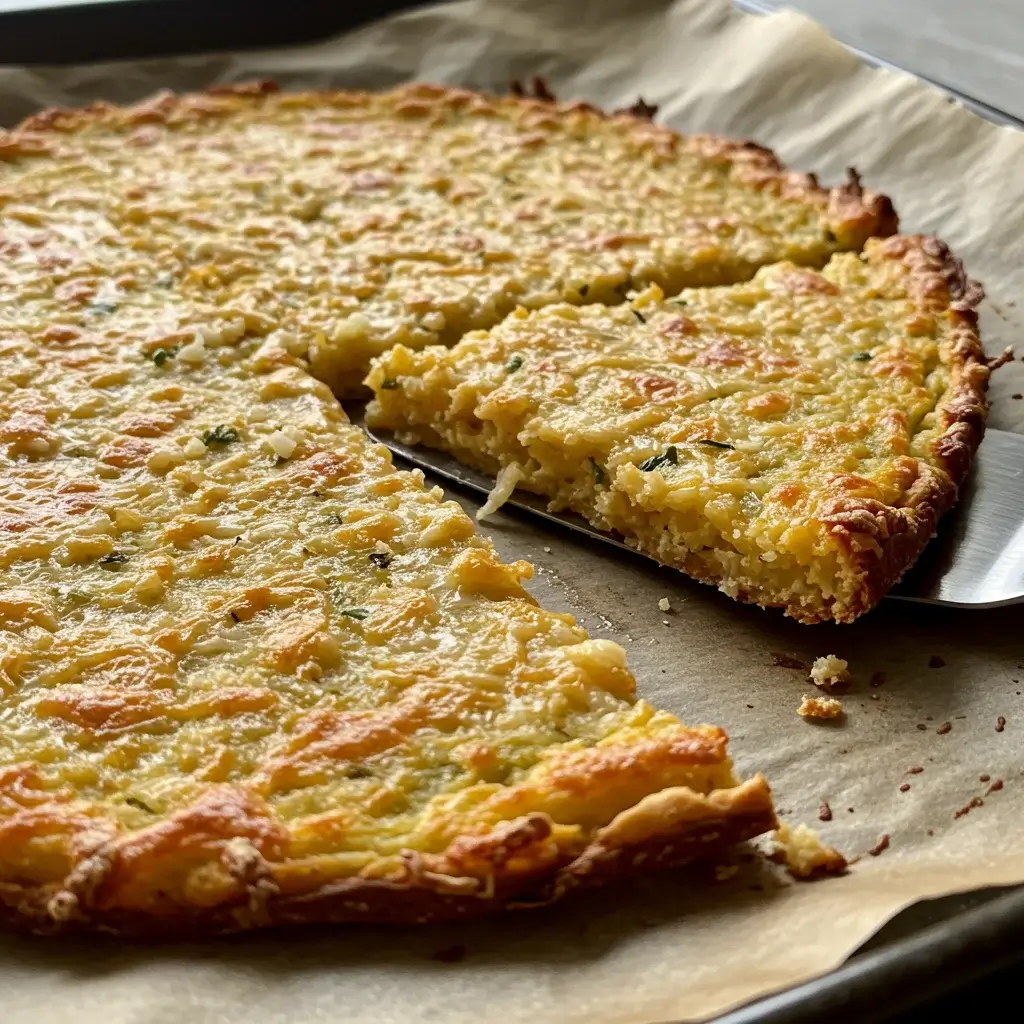
In recent years, cauliflower has emerged from the sidelines of the vegetable world to become a staple in healthy and low-carb diets. One of its most innovative uses? Cauliflower pizza crust. This gluten-free, low-carb alternative to traditional pizza crusts is not only a boon for health-conscious eaters but also a delicious way to enjoy your favorite pizza toppings without the guilt. In this comprehensive guide, we will explore everything you need to know about cauliflower pizza crust, from ingredients and preparation to nutritional benefits and serving suggestions.
Ingredients
Creating a cauliflower pizza crust at home is simple and requires only a handful of ingredients. Here’s what you’ll need:
- 1 medium head of cauliflower (about 2 pounds)
- 1/4 cup grated Parmesan cheese
- 1/4 cup mozzarella cheese
- 1 large egg
- 1/2 teaspoon dried oregano
- 1/2 teaspoon garlic powder
- 1/4 teaspoon salt
- 1/4 teaspoon pepper
- Optional: 1/4 teaspoon crushed red pepper flakes for a bit of heat
Instructions
Making a cauliflower pizza crust is a straightforward process. Follow these steps to achieve a crispy and flavorful base for your pizza:
- Preheat Your Oven: Set your oven to 425°F (220°C) to ensure it’s hot enough to bake the crust to perfection.
- Prepare the Cauliflower: Break the cauliflower into florets and remove the stem. Using a food processor, pulse the florets until they’re finely chopped and resemble rice grains.
- Cook the Cauliflower: Transfer the riced cauliflower to a microwave-safe bowl and microwave for about 4-5 minutes, or until tender. Let it cool slightly.
- Remove Excess Moisture: Once cooled, place the cooked cauliflower in a clean kitchen towel or cheesecloth. Squeeze out as much moisture as possible to ensure a crispy crust.
- Mix Ingredients: In a large mixing bowl, combine the cauliflower, Parmesan cheese, mozzarella cheese, egg, oregano, garlic powder, salt, pepper, and crushed red pepper flakes (if using). Mix until well combined.
- Form the Crust: Line a baking sheet with parchment paper. Transfer the cauliflower mixture onto the sheet and shape it into a 10-12 inch round crust, about 1/4 inch thick.
- Bake the Crust: Bake in the preheated oven for 20-25 minutes, or until the crust is golden brown and firm to the touch.
- Add Toppings: Remove the crust from the oven and add your favorite pizza toppings.
- Final Bake: Return the pizza to the oven and bake for an additional 10 minutes, or until the cheese is melted and bubbly.
- Serve and Enjoy: Once baked, allow the pizza to cool slightly before slicing. Enjoy your cauliflower pizza crust with your choice of toppings!
Nutrition Facts
Cauliflower pizza crust is not only delicious but also offers a range of health benefits. Here’s a breakdown of what you can expect nutritionally from a single serving of cauliflower crust (without toppings):
- Calories: Approximately 120
- Protein: 9 grams
- Carbohydrates: 10 grams
- Fiber: 2 grams
- Fat: 6 grams
- Cholesterol: 53 mg
- Sodium: 300 mg
This makes cauliflower pizza crust an excellent choice for those following low-carb, keto, or gluten-free diets.
How to Serve
Serving cauliflower pizza crust opens up a world of culinary creativity, allowing you to tailor each pizza to your personal taste preferences and dietary needs. The versatility of cauliflower as a base means that you can explore a plethora of toppings and flavor combinations. Here are several ideas to inspire your next pizza night, ensuring that every bite is a delightful experience:
Classic Margherita
Embrace the simplicity and freshness of a Classic Margherita pizza. Start by spreading a generous layer of rich tomato sauce across the warm cauliflower crust, ensuring an even distribution for maximum flavor. Then, add slices of fresh mozzarella cheese, which melts beautifully and creates that gooey texture we all love. Top it off with fragrant basil leaves, which not only add a pop of color but also impart a refreshing herbal note. For an extra touch, drizzle a bit of high-quality olive oil over the top before serving, enhancing the flavors and adding a luxurious finish. This classic option is not only delicious but also a great way to showcase the natural flavors of your ingredients.
Veggie Delight
For those who enjoy a garden-fresh pizza, the Veggie Delight is a fantastic choice. Begin by layering your cauliflower crust with a light olive oil base or a sprinkle of garlic powder for added flavor. Load up the pizza with a vibrant mix of fresh vegetables such as bell peppers, which provide a sweet crunch; earthy mushrooms; caramelized onions; and nutrient-packed spinach. Feel free to get creative by adding seasonal vegetables or even artichokes and olives for a Mediterranean twist. A sprinkle of feta cheese or a vegan cheese alternative can add a creamy texture that complements the fresh veggies beautifully. This option not only looks stunning but is also a nutritional powerhouse, making it a guilt-free indulgence.
Meat Lover’s
For those who crave a hearty meal, the Meat Lover’s pizza is the perfect choice. Begin by spreading a robust tomato sauce or a zesty marinara across the crust, which serves as a flavorful foundation. Pile on the toppings, starting with generous portions of pepperoni, which crisps up nicely in the oven and provides a savory punch. Add crumbled sausage for a spicy kick and crispy bacon bits for crunch and depth. For an additional layer of flavor, consider incorporating smoked gouda or a blend of cheeses that melts well, creating a rich and satisfying topping. This pizza is ideal for meat enthusiasts looking to indulge in a filling and flavorful meal.
BBQ Chicken
Put a spin on traditional pizza by opting for a BBQ Chicken variant that’s sure to impress. Instead of tomato sauce, spread a layer of tangy barbecue sauce across the cauliflower crust, which will infuse the entire dish with a smoky sweetness. Next, top with shredded grilled chicken, which can be marinated in your favorite BBQ sauce for extra flavor. Add thinly sliced red onions that caramelize beautifully in the oven, along with a handful of fresh cilantro for a burst of herbaceous freshness. For an extra layer of richness, consider adding shredded mozzarella or pepper jack cheese, which melts deliciously and complements the BBQ flavors. This pizza is perfect for casual gatherings and brings a unique twist to your pizza repertoire.
Additional Serving Suggestions
- Dipping Sauces: Enhance your pizza experience with a selection of dipping sauces. Consider serving garlic aioli, ranch dressing, or a spicy sriracha mayo to accompany your slices. These sauces can add a whole new layer of flavor and make each bite an adventure.
- Garnishes: Don’t forget the power of garnishes! Fresh herbs like arugula or microgreens can add a fresh crunch, while a drizzle of balsamic reduction can lend a sweet tang that balances savory flavors beautifully.
- Sides and Pairings: Round out your meal with complementary sides. A light salad with a citrus vinaigrette or a side of roasted vegetables can provide a refreshing contrast to the richness of the pizza.
With these diverse serving ideas, you can turn a simple cauliflower pizza crust into a gourmet experience that caters to every palate. Whether you prefer classic flavors, a bounty of vegetables, hearty meats, or unique sauces, the possibilities are endless. Enjoy experimenting with different combinations and let your creativity shine through in each delicious slice!
Additional Tips
Creating a delicious cauliflower pizza crust can be a delightful culinary adventure, but achieving the perfect texture and flavor requires attention to detail. Here are some comprehensive tips to ensure your cauliflower pizza crust turns out perfectly every time:
Moisture is the Enemy
One of the most critical steps in making a cauliflower pizza crust is managing moisture. Cauliflower is composed primarily of water, and if you don’t remove this excess moisture, you risk creating a soggy crust that won’t hold its shape. To do this effectively:
- Steam or Microwave: Begin by steaming or microwaving the cauliflower florets until they are tender. This should take about 5-7 minutes. Once cooked, allow the cauliflower to cool slightly.
- Squeeze it Out: Once cooled, transfer the cauliflower to a clean kitchen towel or cheesecloth. Gather the edges of the towel and twist it to squeeze out as much liquid as possible. This step is crucial; you might be surprised at how much moisture is released. Aim to get the cauliflower as dry as possible to achieve that desired crispy texture.
- Use a Ricer: For an even finer texture, consider using a ricer after cooking the cauliflower. This tool helps break down the cauliflower into tiny pieces, making it easier to mix with the other crust ingredients while still allowing for effective moisture extraction.
Cheese Choice
The type of cheese you choose can significantly impact the flavor and texture of your cauliflower pizza crust. While mozzarella is commonly used, don’t hesitate to experiment with various cheeses to elevate your crust:
- Aged Cheeses: Cheeses such as aged cheddar, parmesan, or pecorino romano can add a rich depth of flavor that complements the mild taste of cauliflower. Aged cheeses often have a stronger flavor and can enhance the overall taste profile of your pizza.
- Blends: Consider using a blend of cheeses for complexity. Combining mozzarella with a bit of goat cheese can add creaminess, while a sprinkle of feta can introduce a tangy element.
- Non-Dairy Options: For a plant-based version, try using vegan cheese alternatives that melt well. Nutritional yeast can also be a great addition for a cheesy flavor without any dairy.
Pre-bake
Pre-baking your cauliflower crust is an essential step that should not be overlooked. This process ensures that the crust firms up and develops a nice golden-brown color:
- Set the Oven: Preheat your oven to around 425°F (220°C) before you begin assembling your crust.
- Shape and Bake: After mixing your cauliflower with eggs, cheese, and seasonings, form it into a flat round shape on a parchment-lined baking sheet. Bake the crust for about 15-20 minutes, or until it is firm and begins to turn golden. This initial baking helps to create a sturdy base that can support your toppings without becoming soggy.
- Cool Before Topping: Once pre-baked, allow the crust to cool slightly before adding sauce and toppings. This brief cooling period helps prevent the toppings from making the crust too moist.
Spice it Up
Adding herbs and spices to your cauliflower crust can elevate its flavor profile and make your pizza even more delicious. Here are some ideas for enhancing your crust:
- Italian Seasoning: A classic choice, Italian seasoning blends herbs like oregano, basil, and thyme, providing a familiar flavor that pairs well with tomato sauce and cheese.
- Herbs de Provence: This fragrant blend of herbs, including lavender, thyme, and rosemary, can add a unique twist to your pizza. It’s particularly lovely with Mediterranean topping combinations.
- Garlic and Onion Powder: For an aromatic kick, incorporate garlic and onion powder into your crust mix. These ingredients will infuse the dough with a savory depth that enhances every bite.
- Chili Flakes or Paprika: If you enjoy a bit of heat, consider adding chili flakes or smoked paprika for a touch of spice. This can create a delightful contrast to the freshness of your toppings.
By following these additional tips, you can create a cauliflower pizza crust that is not only flavorful but also boasts the perfect texture. With careful preparation, experimentation with ingredients, and attention to detail, your homemade pizzas will impress family and friends alike!
FAQs
Q: Can I make cauliflower pizza crust ahead of time?
A: Yes, you can prepare the crust ahead of time. After baking, allow it to cool, then wrap it tightly in plastic wrap and store it in the refrigerator for up to three days. When ready to use, simply add your toppings and bake until heated through.
Q: Can I freeze cauliflower pizza crust?
A: Absolutely! Bake the crust, let it cool completely, then wrap it in plastic wrap and aluminum foil before freezing. It can be stored in the freezer for up to three months. Reheat directly from frozen in the oven.
Q: Is cauliflower pizza crust suitable for a keto diet?
A: Yes, cauliflower pizza crust is low in carbs and can be an excellent addition to a keto diet. Just be mindful of the toppings you choose to keep your meal keto-friendly.
Q: Can I make a vegan version of cauliflower pizza crust?
A: Yes, you can substitute the egg with a flaxseed egg (1 tablespoon ground flaxseed + 3 tablespoons water, mixed and left to sit for 5 minutes) and use nutritional yeast instead of cheese to keep it vegan.
Q: What can I do if my crust is too soggy?
A: Ensure you’re squeezing out as much water as possible from the cooked cauliflower. Additionally, baking the crust longer before adding toppings can help firm it up.
Conclusion
Cauliflower pizza crust is a versatile and healthy alternative to traditional pizza bases. It’s ideal for those looking to reduce their carb intake or avoid gluten without sacrificing the deliciousness of pizza. By using simple ingredients and following straightforward instructions, you can create a crispy and flavorful crust that serves as the perfect canvas for all your favorite toppings. Whether you’re a seasoned cauliflower enthusiast or just beginning to explore its possibilities, this guide has everything you need to make the ultimate cauliflower pizza crust. Enjoy your culinary adventure and don’t be afraid to get creative with your toppings!
Print
Cauliflower Pizza Crust Recipe
Ingredients
- 1 medium head of cauliflower (about 2 pounds)
- 1/4 cup grated Parmesan cheese
- 1/4 cup mozzarella cheese
- 1 large egg
- 1/2 teaspoon dried oregano
- 1/2 teaspoon garlic powder
- 1/4 teaspoon salt
- 1/4 teaspoon pepper
- Optional: 1/4 teaspoon crushed red pepper flakes for a bit of heat
Instructions
- Preheat Your Oven: Set your oven to 425°F (220°C) to ensure it’s hot enough to bake the crust to perfection.
- Prepare the Cauliflower: Break the cauliflower into florets and remove the stem. Using a food processor, pulse the florets until they’re finely chopped and resemble rice grains.
- Cook the Cauliflower: Transfer the riced cauliflower to a microwave-safe bowl and microwave for about 4-5 minutes, or until tender. Let it cool slightly.
- Remove Excess Moisture: Once cooled, place the cooked cauliflower in a clean kitchen towel or cheesecloth. Squeeze out as much moisture as possible to ensure a crispy crust.
- Mix Ingredients: In a large mixing bowl, combine the cauliflower, Parmesan cheese, mozzarella cheese, egg, oregano, garlic powder, salt, pepper, and crushed red pepper flakes (if using). Mix until well combined.
- Form the Crust: Line a baking sheet with parchment paper. Transfer the cauliflower mixture onto the sheet and shape it into a 10-12 inch round crust, about 1/4 inch thick.
- Bake the Crust: Bake in the preheated oven for 20-25 minutes, or until the crust is golden brown and firm to the touch.
- Add Toppings: Remove the crust from the oven and add your favorite pizza toppings.
- Final Bake: Return the pizza to the oven and bake for an additional 10 minutes, or until the cheese is melted and bubbly.
- Serve and Enjoy: Once baked, allow the pizza to cool slightly before slicing. Enjoy your cauliflower pizza crust with your choice of toppings!
Nutrition
- Serving Size: one normal portion
- Calories: 120
- Sodium: 300 mg
- Fat: 6 grams
- Carbohydrates: 10 grams
- Fiber: 2 grams
- Protein: 9 grams
- Cholesterol: 53 mg