

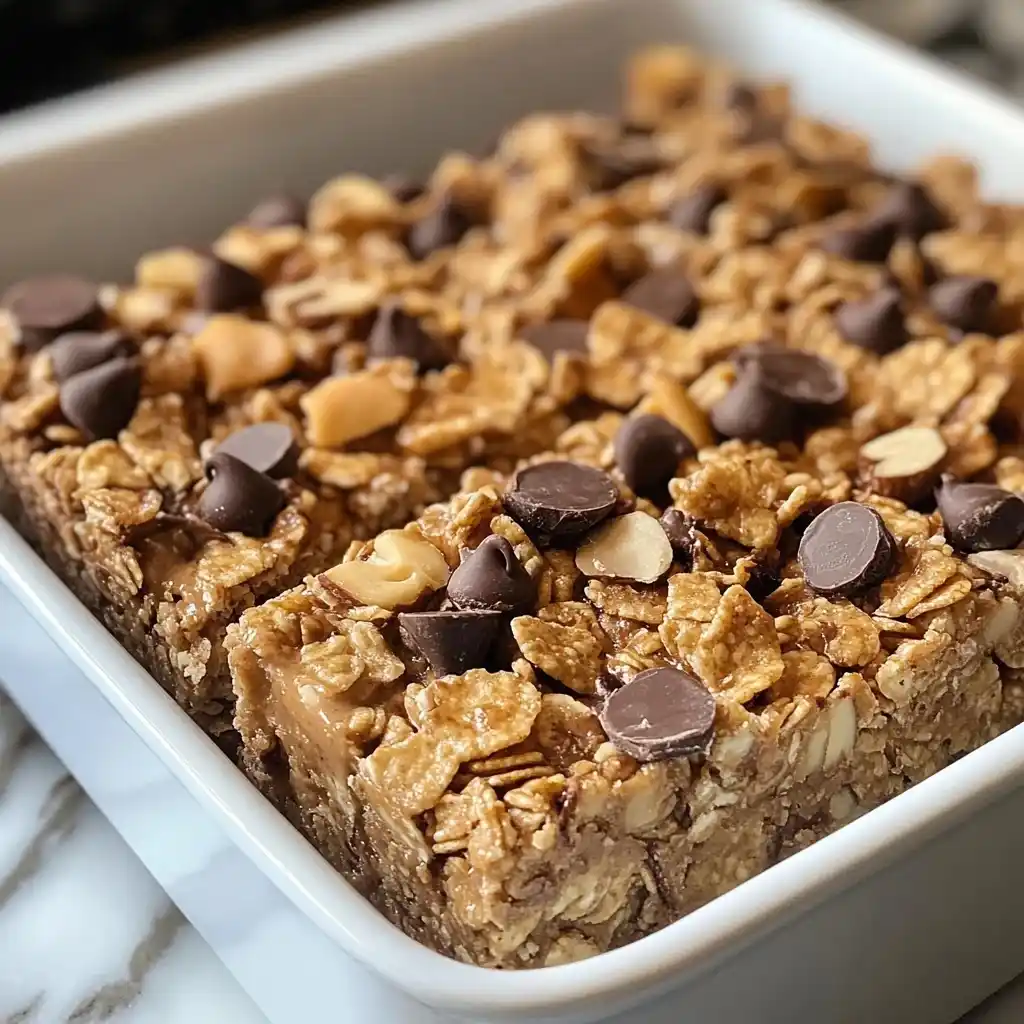

In today’s fast-paced world, having a quick and nutritious snack option is a must. Enter cereal bars—a simple, versatile, and delicious treat that can be prepared in no time. Whether you’re looking for a breakfast on the go, a post-workout snack, or a little something to satisfy your sweet tooth, cereal bars have you covered. In this article, we’ll dive deep into the world of cereal bars, exploring their ingredients, preparation, nutritional benefits, and more.
Ingredients
Creating the perfect cereal bar is all about using the right ingredients. Here’s what you’ll need:
- 2 cups of cereal (your favorite kind): Choose whole-grain cereals for added fiber and nutrients. Options like oats, rice crisps, or bran flakes work well.
- 1 cup of peanut butter (or almond butter): Nut butters not only bind the ingredients together but also provide healthy fats and protein. If you have dietary restrictions, try sunflower seed butter as a nut-free alternative.
- 1/2 cup of honey (or maple syrup): Natural sweeteners like honey or maple syrup add flavor and moisture. They also act as a binding agent, helping to hold the bars together.
- 1/2 cup of chocolate chips (or dried fruit): Chocolate chips add a touch of sweetness while dried fruits like cranberries, raisins, or apricots contribute vitamins and antioxidants.
- 1/4 cup of nuts (optional): Nuts like almonds, walnuts, or pecans offer crunch and additional protein. They also provide essential fatty acids beneficial for heart health.
This simple yet flavorful list of ingredients ensures that each bite is packed with taste and nutrition.
Step-by-Step Instructions
Making cereal bars is incredibly easy, requiring minimal effort and time. Follow these simple steps:
- Mix Ingredients: In a large bowl, combine the cereal, peanut butter, and honey. Stir until the mixture is well combined. The consistency should be sticky but manageable.
- Add Extras: Stir in the chocolate chips and nuts if you’re using them. These add-ins provide additional texture and flavor, making each bite unique.
- Prepare the Dish: Line a baking dish (about 8×8 inches) with parchment paper. This will facilitate easy removal of the bars later and prevent sticking.
- Press the Mixture: Pour the mixture into the prepared baking dish and press it down firmly using a spatula or your hands. Ensure it is evenly spread and tightly packed to prevent crumbling.
- Refrigerate: Place the dish in the refrigerator for 1-2 hours until the mixture is firm. This step is crucial for achieving the right texture.
- Cut and Serve: Once firm, remove the mixture from the dish using the parchment paper. Cut it into bars or squares of your desired size. Enjoy your homemade cereal bars!
Nutrition Facts
Cereal bars are not only delicious but also a healthy choice. Here’s a breakdown of the nutritional content per bar (assuming the recipe makes about 10 bars):
- Calories: 180
- Protein: 5g
- Carbohydrates: 20g
- Fat: 9g
- Sugars: 7g
These nutrition facts highlight the balance of energy and nutrients that cereal bars offer, making them an ideal snack for any time of the day. The combination of carbohydrates, protein, and healthy fats makes them particularly effective for sustained energy release.
How to Serve
Cereal bars are incredibly versatile and can be served in a variety ofCereal bars are not just a convenient snack; they can be incredibly versatile, fitting seamlessly into various moments of your day. Here are several creative ways to incorporate them into your routine, enhancing both flavor and nutrition.
Breakfast on the Go
Start your day right with a quick breakfast that doesn’t compromise on nutrition. Pairing a cereal bar with a piece of fruit, such as a banana or an apple, can provide a balanced mix of carbohydrates, fiber, and essential vitamins. The fruit adds freshness and hydration, making it an excellent complement to the bar’s chewy texture.
For a more indulgent option, consider crumbling a cereal bar over a bowl of yogurt. This not only adds a satisfying crunch but also introduces additional layers of flavor. You can customize this breakfast by choosing flavored yogurts—like vanilla, berry, or Greek—to match or contrast with the bar’s taste. Top it off with nuts, seeds, or a drizzle of honey for extra nutrition and sweetness. This breakfast option is both quick and satisfying, ensuring you have the energy to tackle your morning.
Post-Workout Snack
After an intense workout, your body craves nutrients to aid recovery and replenish energy. Enjoying a cereal bar post-exercise can be a quick and effective way to refuel. Look for bars that contain a good balance of carbohydrates and protein. The carbohydrates are crucial for replenishing glycogen stores that have been depleted during your workout, while protein aids in muscle recovery and repair.
For optimal results, consider pairing your bar with a hydrating beverage, such as water or a sports drink, to rehydrate your body. If you’re looking for an extra protein boost, a protein shake alongside your cereal bar can further enhance recovery. This combination not only helps you feel rejuvenated but also prepares you for your next workout session.
Afternoon Pick-Me-Up
As the afternoon rolls around, many people experience a dip in energy and focus. A cereal bar can be the perfect solution to combat the afternoon slump. Pair it with a cup of coffee or tea to create a delightful snack that combines the energizing effects of caffeine with the sustaining nutrition of the bar.
The caffeine from your beverage can sharpen your focus and improve productivity, while the carbohydrates and fiber from the cereal bar provide sustained energy without a crash. For an added twist, explore flavored or specialty coffees—such as a mocha or chai latte—that can enhance the overall experience. This simple yet effective pairing can help you power through the rest of your day.
Dessert Delight
Cereal bars don’t have to be reserved for breakfast or snacks; they can also shine as a delightful dessert. For a quick sweet treat, serve a cereal bar alongside a scoop of your favorite ice cream. The combination of the bar’s texture with the creaminess of the ice cream creates a satisfying contrast.
Alternatively, elevate your dessert by adding a dollop of whipped cream on top of the bar, giving it a light and airy finish. For those with a sweet tooth, consider drizzling melted chocolate or caramel sauce over the top. This indulgent addition can transform a simple snack into a decadent dessert that feels like a special treat.
Conclusion
No matter how you choose to enjoy them, cereal bars are a versatile and satisfying option that can fit into various aspects of your day. Whether you’re rushing out the door in the morning, recovering from a workout, fighting the afternoon slump, or treating yourself after dinner, cereal bars can adapt to your lifestyle and preferences. With endless pairing possibilities, they are sure to satisfy your cravings while providing essential nutrients to keep you energized and focused.
Additional Tips
To make the most out of your cereal bar-making experience, consTo maximize your cereal bar-making experience and create bars that are not only delicious but also nutritious, consider incorporating the following detailed tips:
Choose Your Cereal Wisely
When selecting the base for your cereal bars, the type of cereal you choose can significantly impact both the flavor and the nutritional profile of your bars.
- Whole-Grain Cereal: Look for cereals labeled as “100% whole grain” or “whole grain” as the first ingredient. Whole grains are rich in fiber, which aids digestion and promotes a feeling of fullness, making your cereal bars more satisfying. They also provide essential nutrients like B vitamins, iron, and magnesium.
- Minimal Added Sugars: Many cereals contain high levels of added sugars that can undermine the health benefits of your bars. Ideally, choose cereals with less than 5 grams of sugar per serving. You can enhance sweetness naturally by adding ripe bananas, honey, or maple syrup, allowing you to control the overall sugar content while still achieving a pleasant flavor.
- Variety of Textures: Consider incorporating a mix of cereals to create an interesting texture. For instance, combine crunchy rice cereal with heartier options like oats or bran flakes. This not only improves the mouthfeel of your bars but also ensures a variety of nutrients.
Experiment with Flavors
One of the most enjoyable aspects of making cereal bars is the freedom to customize flavors to suit your palate or dietary preferences.
- Nut Butters: While peanut butter is a classic choice, try experimenting with different nut butters like almond or cashew butter for unique tastes. You might also consider sunflower seed butter for a nut-free alternative.
- Dried Fruits and Nuts: Dried fruits such as cranberries, apricots, or mangoes can add a chewy texture and natural sweetness. Nuts like almonds, walnuts, or pecans not only provide healthy fats and protein but also add a satisfying crunch. Consider toasting the nuts lightly to enhance their flavor.
- Spices and Extracts: Spice up your bars by adding a pinch of cinnamon, nutmeg, or even cocoa powder for a chocolatey twist. A splash of vanilla extract or almond extract can elevate the flavor profile significantly, making your bars more aromatic and enticing.
- Seeds and Superfoods: Incorporate seeds such as chia, flax, or pumpkin seeds for added crunch and a nutritious boost. You may also consider adding superfoods like hemp hearts or goji berries, which are packed with antioxidants and essential fatty acids.
Add a Pinch of Salt
It may seem counterintuitive, but adding a small amount of salt can significantly enhance the overall flavor of your cereal bars.
- Flavor Balancing: Salt works to balance sweetness and can bring out the natural flavors of your ingredients. A pinch can make a noticeable difference, especially when combined with sweeteners like honey or maple syrup.
- Health Considerations: While it’s essential to use salt judiciously, the right amount can enhance flavor without compromising health. Aim for a quarter teaspoon of salt per batch to keep sodium levels in check while enjoying the flavor benefits.
Store Properly
Storing your cereal bars correctly is crucial for maintaining their freshness and texture.
- Airtight Containers: Use an airtight container to prevent moisture from making your bars soggy. Glass containers with tight-fitting lids or resealable plastic bags work well.
- Refrigeration: Storing your bars in the refrigerator not only helps maintain freshness but can also extend their shelf life. When stored properly, homemade cereal bars can last up to a week in the fridge.
- Freezing for Longevity: If you want to prepare a larger batch, consider freezing some bars. Wrap each bar individually in plastic wrap before placing them in a freezer-safe container. They can last for up to three months in the freezer, providing a convenient grab-and-go snack option.
- Meal Prepping: Making cereal bars in advance is an excellent way to ensure you always have a healthy snack on hand. Dedicate a day each week to prepare a batch; this not only saves time during busy days but also helps you avoid unhealthy snack options.
By following these comprehensive tips, you can create cereal bars that are not only a delight to eat but also packed with nutritional benefits. Tailoring your ingredients and storage methods will ensure that your homemade bars are both delicious and a healthy addition to your diet. Happy bar-making!
FAQs
Can I make cereal bars gluten-free?
Yes, simply use gluten-free cereal and ensure all other ingredients are certified gluten-free. Many brands offer gluten-free oats and cereals, making this an easy adjustment.
Can I freeze cereal bars?
Absolutely! Wrap each bar individually in plastic wrap or aluminum foil and store them in a freezer-safe container. They can be frozen for up to three months, making them a convenient snack option for busy days.
What if I’m allergic to nuts?
Use a seed butter such as sunflower seed butter instead of peanut or almond butter. This provides a similar texture and taste while avoiding allergens.
Are there any sugar substitutes for this recipe?
Yes, you can use agave syrup, brown rice syrup, or a sugar-free syrup alternative. Always check the viscosity of the substitute to ensure it binds well with the other ingredients.
How long can cereal bars be stored at room temperature?
If the weather is cool, they can last a few days at room temperature. However, keeping them refrigerated is best for retaining freshness and preventing spoilage.
Conclusion
Cereal bars offer a delightful blend of taste and nutrition, making them an excellent choice for anyone seeking a quick snack. With their easy preparation, customizable ingredients, and wide appeal, they can fit seamlessly into any lifestyle. Whether you enjoy them as a breakfast on the go, a post-workout snack, or a sweet treat, cereal bars are bound to become a favorite in your household. So why wait? Gather your ingredients and start making these delicious cereal bars today! With a few simple tweaks, you can create a variety of flavors and textures to satisfy any craving. Enjoy the process of making and sharing these wholesome treats with family and friends!