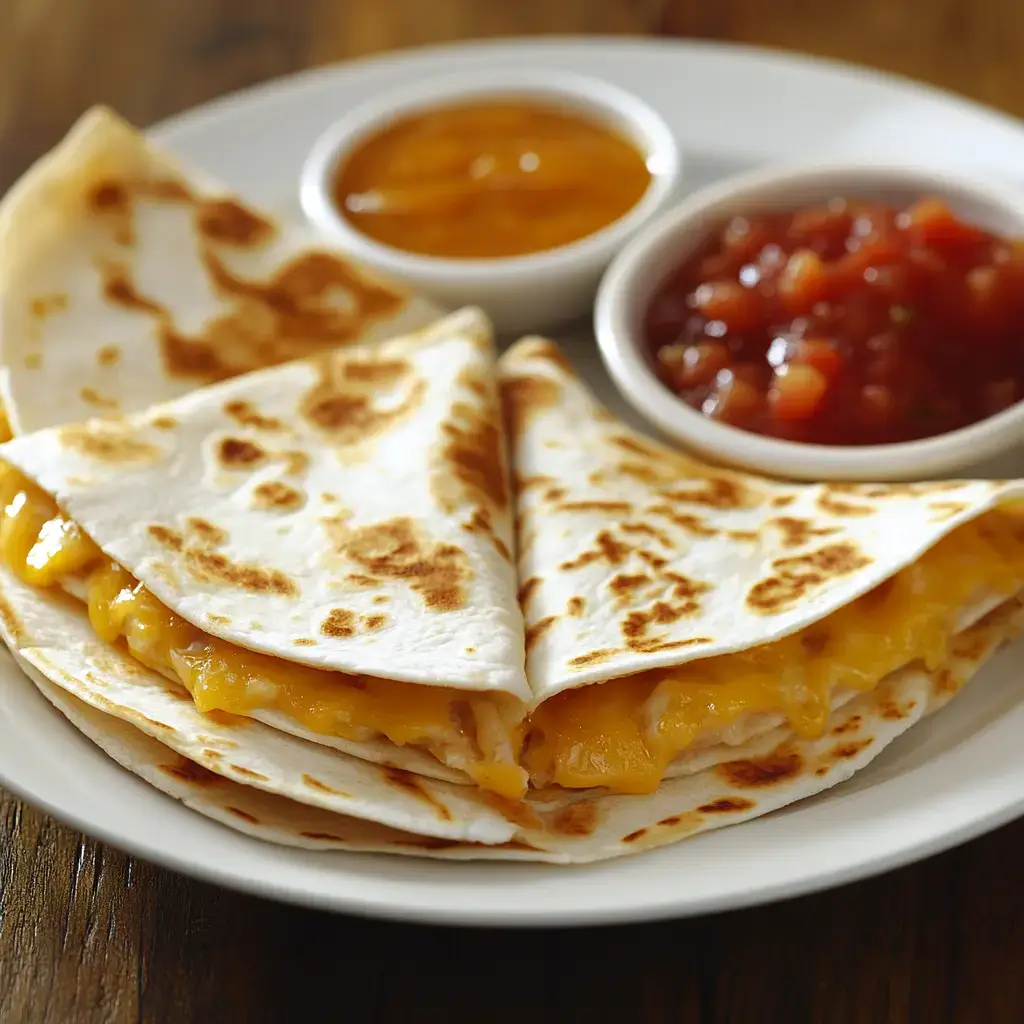

Cheese quesadillas are a staple in many households, offering a quick, satisfying, and delicious meal that can be whipped up in mere minutes. Paired with tangy salsa, these quesadillas transform from a simple snack to a delightful culinary experience. Whether you’re looking for a fast lunch, a savory snack, or a crowd-pleasing appetizer, cheese quesadillas with salsa are a versatile choice that never disappoints.
Ingredients for Cheese Quesadillas with Salsa
Before we dive into the cooking process, let’s gather the ingredients you’ll need to create these irresistible cheese quesadillas:
- 4 flour tortillas: Soft and pliable, perfect for holding all that cheesy goodness.
- 2 cups shredded cheese: Cheddar or Monterey Jack are ideal for their meltability and flavor.
- 1 cup salsa: Store-bought or homemade, salsa adds a zesty kick to your quesadillas.
- Cooking spray or a little oil: To ensure a crispy and golden-brown finish on your tortillas.
Step-by-Step Instructions for Perfect Cheese Quesadillas
Crafting the perfect cheese quesadillas is a simple process that requires minimal effort but yields maximum flavor. Follow these easy steps:
- Heat a Skillet: Start by heating a skillet over medium heat. This ensures even cooking for your quesadillas.
- Prepare the Skillet: Spray the skillet with cooking spray or add a little oil. This step is crucial for achieving a crisp and golden texture on the tortillas.
- Assemble the Quesadillas: Place one tortilla in the skillet. Sprinkle half of the shredded cheese evenly over the tortilla, then cover with another tortilla.
- Cook the Quesadillas: Allow the quesadilla to cook for 2-3 minutes. You’ll know it’s ready to flip when the bottom is golden brown and the cheese begins to melt.
- Flip and Finish Cooking: Carefully flip the quesadilla to cook the other side. Continue cooking until the cheese is fully melted and the tortilla is golden brown.
- Serve and Enjoy: Remove the quesadilla from the skillet, cut into wedges, and serve with a generous side of salsa.
Nutrition Facts
For those mindful of their dietary intake, here’s a quick overview of the nutritional content per serving of cheese quesadillas with salsa:
- Calories: 300
- Protein: 12g
- Carbs: 32g
- Fat: 15g
- Fiber: 2g
How to Serve Cheese Quesadillas with Salsa
Serving cheese quesadillas with salsa can be as simple or as elaborate as you desire, and the right accompaniments can elevate this dish from a quick meal to a delightful culinary experience. Here are some comprehensive serving suggestions to enhance your dining experience:
Classic Pairing
The most straightforward and traditional way to serve cheese quesadillas is with a side of salsa. Salsa, with its vibrant and zesty flavors, provides a perfect counterpoint to the rich, gooey cheese. You can choose from various types of salsa, such as pico de gallo, salsa verde, or a smoky chipotle salsa, depending on your taste preferences.
Pico de Gallo: A fresh salsa made from diced tomatoes, onions, cilantro, lime juice, and jalapeños, pico de gallo adds a crunchy texture and bright flavor that complements the quesadillas perfectly.
Salsa Verde: Made from tomatillos, green peppers, and cilantro, salsa verde offers a tangy and slightly tart flavor profile that can enhance the cheesy goodness of the quesadillas.
Smoky Chipotle Salsa: If you prefer a spicier and more complex flavor, a smoky chipotle salsa can add depth and heat, making each bite of quesadilla a flavor explosion.
Add Guacamole
For an extra layer of flavor, serve your cheese quesadillas with a dollop of guacamole. The creamy texture of ripe avocados, combined with lime juice, cilantro, and diced tomatoes, provides a refreshing contrast to the warm, cheesy quesadillas. Guacamole not only adds richness but also incorporates healthy fats into your meal.
Presentation Tip: Serve the guacamole in a small bowl garnished with cilantro leaves or diced tomatoes for a visually appealing touch. You could also sprinkle some crumbled queso fresco or feta cheese on top for added flavor and a pop of color.
Sour Cream Topping
A spoonful of sour cream is another classic accompaniment that adds a cool, tangy contrast to the warm, cheesy quesadillas. The creaminess of sour cream helps to balance the spices in the salsa and enhances the overall mouthfeel of the dish.
Flavor Variations: Consider mixing some lime juice, chopped chives, or even a hint of garlic powder into the sour cream to create a flavored topping that complements the quesadillas even further.
Fresh Salad
Pairing your quesadillas with a side salad is a fantastic way to introduce freshness and crunch to your meal. A simple salad made with mixed greens, diced tomatoes, and avocado can provide a refreshing counterpoint to the richness of the quesadillas.
Additional Options: You can elevate your salad by adding ingredients like black beans, corn, or grilled chicken for added protein. A light dressing made of lime juice, olive oil, and cilantro will tie the flavors together beautifully, creating a cohesive meal.
Creative Garnishes
To enhance the presentation of your cheese quesadillas, consider adding garnishes. Chopped fresh cilantro, sliced jalapeños, or even a sprinkle of chili flakes can add a pop of color and flavor. You might also serve the quesadillas on a colorful platter or cutting board, which adds an inviting touch to your dining table.
Beverage Pairings
Finally, think about what to drink alongside your cheese quesadillas. A classic choice is a cold cerveza, such as a light Mexican lager, which pairs well with the flavors of the dish. If you prefer non-alcoholic options, a refreshing agua fresca or a citrus-infused sparkling water can cleanse your palate beautifully between bites.
Conclusion
By thoughtfully considering the accompaniments and presentation of your cheese quesadillas, you can create a dining experience that is not only delicious but also visually appealing and satisfying. Whether you opt for classic salsa alone or elaborate with guacamole, sour cream, and a fresh salad, these suggestions will help you serve cheese quesadillas in a way that delights the senses and leaves a lasting impression on your guests.
Additional Tips for Making the Best Cheese Quesadillas
While the basic recipe for cheese quesadillas is straightforward, a few additional tips can help elevate your dish to new heights in terms of flavor, texture, and presentation. Below are some detailed suggestions to enhance your cheese quesadilla-making experience:
Cheese Selection
The choice of cheese can significantly impact the overall taste and texture of your quesadillas. While classic options like Cheddar and Monterey Jack are popular, don’t hesitate to explore a range of cheeses to find your perfect combination:
- Pepper Jack: This cheese not only melts beautifully but also brings a spicy kick to your quesadillas. The heat can balance out the richness of the other ingredients, making each bite exciting.
- Mozzarella: Known for its gooey texture, mozzarella can add a delightful stretch to your quesadilla. Combining it with a sharper cheese, like aged Cheddar, can create a pleasing contrast.
- Feta or Goat Cheese: For a tangy twist, consider crumbling some feta or goat cheese into your quesadilla. These cheeses provide a creamy texture and a burst of flavor that pairs well with fresh vegetables.
- Blend of Cheeses: Mixing different cheeses can enhance complexity. A combination of Cheddar, Monterey Jack, and a hint of Gruyère can yield a rich and varied flavor profile.
Tortilla Choice
While flour tortillas are the traditional choice for quesadillas due to their soft and pliable nature, feel free to experiment with different types to suit your dietary needs and taste preferences:
- Whole Wheat Tortillas: These provide a nuttier flavor and additional fiber, making your quesadilla a healthier option without compromising taste.
- Corn Tortillas: For a more authentic Mexican flavor, consider using corn tortillas. They have a distinct taste and are gluten-free, catering to those with dietary restrictions.
- Gluten-Free Options: Many brands now offer gluten-free tortillas made from rice, almond, or cassava flour. These can be a great alternative for those avoiding gluten while still enjoying a delicious quesadilla.
- Herbed or Flavored Tortillas: Some tortillas come infused with herbs or spices, such as spinach or sun-dried tomato. These can add an extra layer of flavor and make your quesadilla visually appealing.
Add Fillings
Customization is key when it comes to quesadillas. While cheese is the star of the dish, adding various fillings can enhance flavor, texture, and nutritional value:
- Protein Additions: Cooked chicken, beef, or shrimp can transform your cheese quesadilla into a hearty meal. Season them with taco spices or a simple marinade for added flavor.
- Vegetable Medley: Sautéed onions, bell peppers, or mushrooms can add sweetness and depth. Consider adding spinach or kale for a nutrient boost. Roasted vegetables, like zucchini or corn, can also bring a smoky flavor.
- Beans: Black beans or refried beans can introduce creaminess and fiber, making your quesadilla more filling and satisfying.
- Fresh Herbs: Adding fresh cilantro or parsley can brighten up the flavor, while a sprinkle of green onions can provide a nice crunch.
Crispy Finish
Achieving the perfect crispiness in your quesadillas is essential for textural contrast. Here are some tips to ensure a golden, crispy exterior:
- Butter Brushing: Before cooking, brush both sides of the tortillas with melted butter. This not only helps in achieving a beautiful golden color but also adds a rich flavor.
- Oil Alternatives: If you prefer a lighter option, use olive oil or avocado oil. These oils can impart their own unique flavors and are healthier alternatives to butter.
- Cooking Technique: Cook your quesadillas over medium heat rather than high heat to ensure an even cook. This prevents the outside from burning before the cheese has a chance to melt thoroughly.
- Pressing the Quesadilla: Use a spatula to gently press down on the quesadilla while it cooks. This ensures better contact with the pan and helps achieve that desirable crispiness.
- Finish in the Oven: For an even crispier result, consider finishing your quesadilla in a preheated oven for a few minutes after pan-frying. This allows the cheese to melt completely while crisping up the outside.
By incorporating these additional tips into your cheese quesadilla preparation, you can create a dish that is not only delicious but also tailored to your personal taste preferences. Enjoy experimenting with different combinations to find the perfect quesadilla for any occasion!
FAQs About Cheese Quesadillas
1. Can I make cheese quesadillas ahead of time?
Absolutely! Preparing cheese quesadillas ahead of time can be a real time-saver, especially for busy weeknights or when hosting gatherings. To ensure they retain their delicious crispiness, follow these steps:
- Preparation: Cook your quesadillas as you normally would, filling them with cheese and any additional ingredients you desire. Once cooked, allow them to cool slightly to prevent steam from making them soggy.
- Storage: Place the quesadillas in a single layer on a plate or cutting board. If you intend to stack them, place a piece of parchment paper between each quesadilla. Cover them with plastic wrap or aluminum foil to keep them fresh.
- Reheating: When you’re ready to serve, preheat your oven to 350°F (175°C). Arrange the quesadillas on a baking sheet, and heat them for about 5-10 minutes. This method not only warms the quesadillas through but also helps restore their crispy texture. For an even better result, consider using a toaster oven or an air fryer, which can enhance the crispiness.
2. Are cheese quesadillas vegetarian?
Yes, cheese quesadillas are inherently vegetarian, making them a great option for those following a meat-free diet. The basic ingredients—tortillas and cheese—are all plant-based. However, it’s essential to check the specifics of any additional ingredients you might incorporate:
- Tortillas: Most corn and flour tortillas are vegetarian, but some brands may contain lard (pork fat) or other animal-derived ingredients. Always read the label if you want to ensure the tortillas are strictly vegetarian.
- Salsa and Accompaniments: If you choose to serve your quesadillas with salsa, guacamole, or other dips, verify that these are also vegetarian-friendly. Many store-bought salsas are safe, but homemade versions allow you to control the ingredients fully.
- Customization: To enhance the nutritional value of your cheese quesadillas, consider adding veggies like spinach, bell peppers, or mushrooms. Not only do these additions make the dish more colorful and appealing, but they also contribute to a more balanced meal.
3. How can I make homemade salsa?
Making homemade salsa is a straightforward process that allows you to customize flavors to your liking. Here’s a simple recipe to get you started:
- Ingredients: Gather fresh ingredients, including:
- 2-3 ripe tomatoes, diced
- 1 small onion, finely chopped (red onions add a nice sweetness)
- 1/4 cup fresh cilantro, chopped
- Juice of 1 lime
- 1-2 jalapeños, seeded and minced (adjust according to your spice preference)
- Salt and pepper, to taste
- Preparation: In a medium bowl, combine the diced tomatoes, chopped onion, cilantro, lime juice, and minced jalapeños. Mix well to ensure even distribution of all ingredients.
- Taste and Adjust: Season with salt and pepper, then taste your salsa. Feel free to tweak the quantities of lime juice, jalapeños, or salt until it meets your desired flavor profile. For a smoother salsa, use a blender or food processor.
- Resting Time: Allow the salsa to sit for at least 30 minutes before serving. This resting period lets the flavors meld together beautifully, enhancing the overall taste.
4. Can I freeze leftover quesadillas?
Yes, freezing leftover quesadillas is a fantastic way to reduce food waste and have a quick meal option on hand for later. Here’s how to do it effectively:
- Cooling: After cooking, allow the quesadillas to cool completely. This step is crucial; if you wrap them while still warm, condensation will form inside the wrapping, leading to soggy quesadillas.
- Wrapping: Individually wrap each quesadilla in plastic wrap or aluminum foil. This helps prevent freezer burn and keeps them fresh.
- Storage: Place the wrapped quesadillas in an airtight container or a freezer bag. Be sure to label the container or bag with the date to keep track of how long they’ve been frozen. Generally, quesadillas can be stored in the freezer for up to 2-3 months.
- Reheating: When you’re ready to enjoy your frozen quesadillas, there are several reheating options:
- Oven: Preheat your oven to 375°F (190°C). Remove the plastic wrap and place the quesadilla on a baking sheet. Bake for about 10-15 minutes or until heated through and crispy.
- Skillet: Heat a non-stick skillet over medium heat. Place the quesadilla in the skillet, cover with a lid, and cook for about 5-7 minutes on each side until thoroughly heated.
- Microwave: For a quicker option, you can microwave the quesadilla. However, this will not yield the same crispy texture. Microwave on high for about 1-2 minutes, checking frequently.
By following these guidelines, you can enjoy delicious, homemade cheese quesadillas at your convenience, whether freshly made or reheated from the freezer!
Conclusion
Cheese quesadillas with salsa are a quick, delicious, and crowd-pleasing dish that suits any occasion. Whether you’re preparing a fast lunch, a comforting snack, or a sharable party treat, these cheesy delights never fail to impress. Their simplicity, combined with the endless topping and dip options, makes them a versatile favorite for both kids and adults alike.
Made with just a handful of ingredients, quesadillas are perfect for busy days when you need something satisfying and easy. Pair them with fresh salsa, creamy guacamole, or a dollop of sour cream to enhance their flavors and create a complete meal that everyone will love.
So, grab your tortillas, sprinkle on the cheese, and heat up your skillet. In no time, you’ll have a warm, golden-brown quesadilla filled with melty goodness. Dive in and enjoy the cheesy perfection of homemade quesadillas—happy cooking!
Print
Cheese Quesadillas with Salsa
Ingredients
Before we dive into the cooking process, let’s gather the ingredients you’ll need to create these irresistible cheese quesadillas:
- 4 flour tortillas: Soft and pliable, perfect for holding all that cheesy goodness.
- 2 cups shredded cheese: Cheddar or Monterey Jack are ideal for their meltability and flavor.
- 1 cup salsa: Store-bought or homemade, salsa adds a zesty kick to your quesadillas.
- Cooking spray or a little oil: To ensure a crispy and golden-brown finish on your tortillas.
Instructions
Crafting the perfect cheese quesadillas is a simple process that requires minimal effort but yields maximum flavor. Follow these easy steps:
- Heat a Skillet: Start by heating a skillet over medium heat. This ensures even cooking for your quesadillas.
- Prepare the Skillet: Spray the skillet with cooking spray or add a little oil. This step is crucial for achieving a crisp and golden texture on the tortillas.
- Assemble the Quesadillas: Place one tortilla in the skillet. Sprinkle half of the shredded cheese evenly over the tortilla, then cover with another tortilla.
- Cook the Quesadillas: Allow the quesadilla to cook for 2-3 minutes. You’ll know it’s ready to flip when the bottom is golden brown and the cheese begins to melt.
- Flip and Finish Cooking: Carefully flip the quesadilla to cook the other side. Continue cooking until the cheese is fully melted and the tortilla is golden brown.
- Serve and Enjoy: Remove the quesadilla from the skillet, cut into wedges, and serve with a generous side of salsa.
Nutrition
- Serving Size: 1 normal portion
- Calories: 300
- Fat: 15g
- Carbohydrates: 32g
- Fiber: 2g
- Protein: 12g