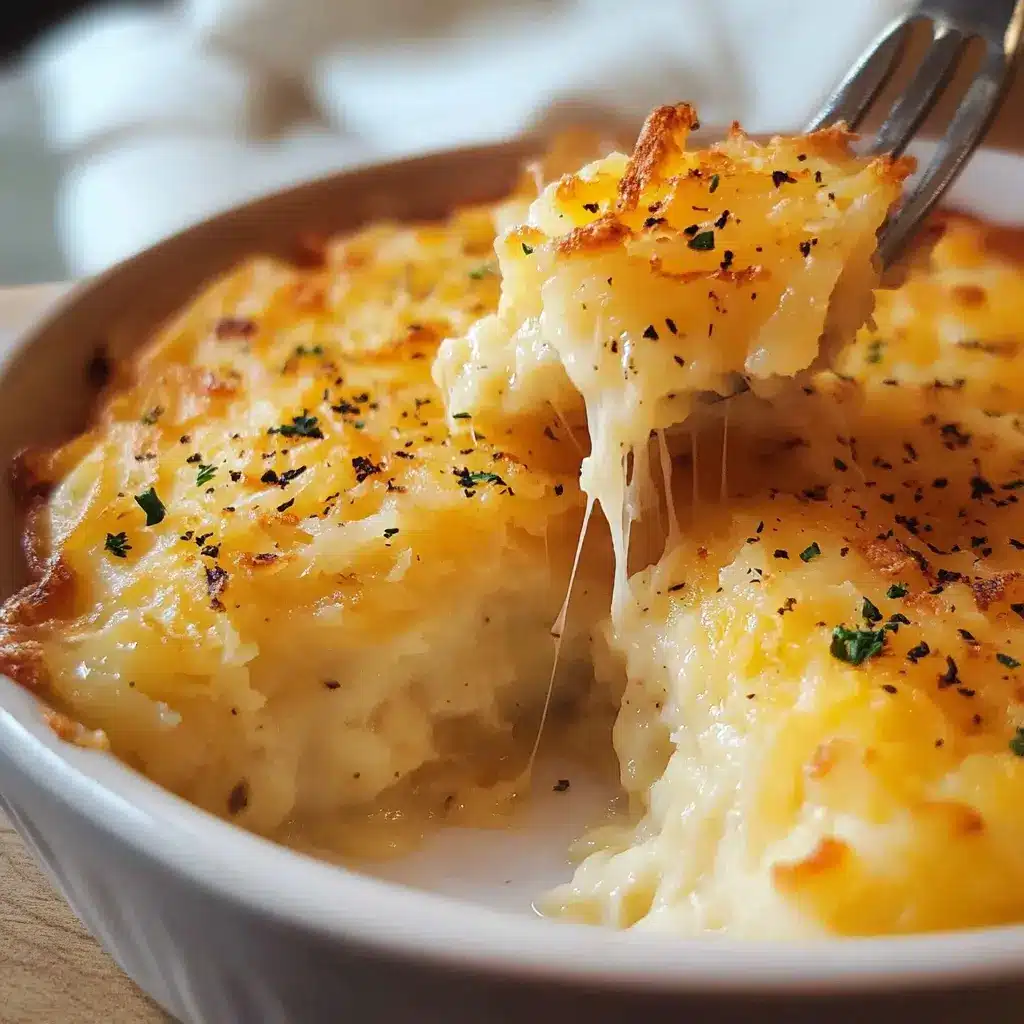

There are certain dishes that just scream comfort, warmth, and togetherness, and this Cheesy Hashbrown Casserole is firmly at the top of that list in my household. I remember the first time I made it for a family gathering – a slightly chilly Sunday afternoon potluck. I was a bit nervous, hoping it would live up to the hype surrounding similar potluck staples often called “funeral potatoes” or “party potatoes.” The moment I pulled that bubbly, golden-brown casserole from the oven, the aroma filled the kitchen, drawing everyone in. The verdict? An overwhelming success! My kids, usually picky eaters, devoured it. My husband declared it the “best potato dish ever,” and my extended family immediately asked for the recipe. Since then, it’s become a non-negotiable part of our holiday feasts (Thanksgiving and Easter wouldn’t be the same without it!), a go-to for potlucks, and even a comforting weeknight side dish when we need a little extra dose of cheesy goodness. It’s incredibly easy to throw together, relies on simple pantry staples, and the payoff in flavour and satisfaction is immense. It’s creamy, cheesy, slightly tangy from the sour cream, and has that satisfying texture from the hashbrowns – pure, unadulterated comfort food that brings smiles to everyone’s faces. This recipe isn’t just about feeding people; it’s about creating those warm, happy memories around the dinner table.
The Ultimate Cheesy Hashbrown Casserole Recipe
This recipe is designed for maximum flavour and minimal fuss, resulting in a consistently delicious and crowd-pleasing cheesy hashbrown casserole. It strikes the perfect balance between creamy, cheesy, and potato-y goodness, with a hint of onion flavour and a satisfyingly rich texture. While often known by other names like “Funeral Potatoes” (due to its popularity at post-funeral luncheons) or “Party Potatoes,” this version focuses on simple ingredients combined perfectly for that classic, irresistible taste. It’s versatile enough to serve as a side dish for holidays, potlucks, BBQs, or even as a hearty component of a brunch spread. Prepare to watch it disappear quickly!
**Ingredients You’ll Need for Cheesy Hashbrown Casserole**
Gathering your ingredients is the first step towards cheesy potato bliss. This recipe uses readily available items, many of which you might already have on hand. Precision isn’t absolutely critical here (a little extra cheese never hurt anyone!), but these amounts provide a great starting point for a perfectly balanced casserole.
- Frozen Shredded Hash Browns: 1 bag (30-32 ounces / approx. 900g), thawed. Using the shredded kind provides the classic texture. Thawing is crucial – we’ll discuss why later, but it prevents a watery casserole and ensures even cooking. You can thaw them overnight in the refrigerator or follow package directions for quicker thawing (often involving a microwave, but be careful not to cook them). Patting them dry after thawing is also recommended.
- Cream of Chicken Soup: 1 can (10.5 ounces / approx. 300g). This is the classic binder and provides creaminess and savoury flavour. Cream of Mushroom or Cream of Celery soup can be substituted based on preference or dietary needs. For a homemade touch, you could make a simple béchamel sauce with chicken broth.
- Sour Cream: 1 container (16 ounces / approx. 450g). Full-fat sour cream yields the richest flavour and creamiest texture. Light sour cream can work, but the result might be slightly less decadent. Greek yogurt (plain, full-fat) can be a substitute, offering a similar tang but a slightly different texture.
- Butter: 1/2 cup (1 stick / 113g), melted. This adds richness and flavour throughout the casserole. Some recipes also call for additional butter for the topping, which we’ll cover as an option.
- Onion: 1 small yellow or white onion, finely chopped (about 1/2 to 3/4 cup). Finely chopping ensures the onion flavour melds beautifully without large, raw chunks. You can also grate the onion on a box grater for a smoother texture or substitute with 1-2 teaspoons of onion powder if you prefer no onion pieces. Sautéing the onion in a little butter before adding it can deepen the flavour, but it’s an optional step.
- Shredded Cheddar Cheese: 2 cups (about 8 ounces / 225g), divided. Sharp cheddar provides a robust cheese flavour that stands up well to the other ingredients. Medium cheddar, Colby, or Colby Jack are also excellent choices. Using freshly shredded cheese is highly recommended – pre-shredded cheeses often contain anti-caking agents that can prevent smooth melting. Reserve about 1/2 cup for sprinkling on top during the last part of baking.
- Salt: 1 teaspoon (or to taste). Adjust based on the saltiness of your soup and personal preference. Remember cheese also adds saltiness.
- Black Pepper: 1/2 teaspoon (or to taste). Freshly ground black pepper offers the best flavour.
- Optional Topping:
- Cornflakes: 1.5 – 2 cups, slightly crushed. This is the most traditional topping, providing a sweet crunch.
- Melted Butter: 2-4 tablespoons (for mixing with the topping).
- Alternatives: Crushed Ritz crackers, Panko breadcrumbs, crushed potato chips, or French-fried onions also make delicious toppings. Some people prefer no topping at all, just extra cheese.
Step-by-Step Instructions for Perfect Hashbrown Casserole
Follow these simple steps to assemble and bake your cheesy hashbrown casserole. The process is straightforward and forgiving, making it a great recipe for cooks of all levels.
- Prepare Your Pan and Oven: Preheat your oven to 350°F (175°C). Generously grease a 9×13 inch baking dish (or a similar 3-quart casserole dish) with butter or non-stick cooking spray. This prevents the casserole from sticking and makes cleanup much easier.
- Thaw and Prepare Hash Browns (Crucial Step): Ensure your frozen hash browns are fully thawed. Place the thawed hash browns in a large bowl. If they seem particularly wet after thawing (especially if microwaved), gently pat them dry with paper towels. Excess moisture can lead to a watery casserole. Break up any large clumps.
- Mix the Creamy Base: In a separate medium-sized bowl, combine the can of cream of chicken soup, the container of sour cream, the melted butter, the finely chopped onion, 1.5 cups of the shredded cheddar cheese (reserving the remaining 1/2 cup for later), the salt, and the black pepper. Stir well until everything is thoroughly combined and smooth. This ensures the flavourings and binders are evenly distributed before adding the potatoes.
- Combine Wet and Dry Ingredients: Pour the creamy soup mixture over the thawed hash browns in the large bowl. Using a large spoon or spatula, gently fold the mixture together until the hash browns are evenly coated. Be careful not to overmix or mash the potatoes; you want to maintain their shredded texture.
- Transfer to Baking Dish: Spread the hash brown mixture evenly into the prepared 9×13 inch baking dish. Ensure the surface is relatively level for even cooking.
- First Bake (Cooking Through): Place the baking dish, uncovered, into the preheated oven. Bake for 45-55 minutes. The casserole should be heated through, bubbly around the edges, and the potatoes should be tender. Cooking times can vary slightly depending on your oven and the initial temperature of the ingredients.
- Prepare the Topping (If Using): While the casserole is baking, prepare your chosen topping. If using cornflakes or crushed crackers, place them in a small bowl. Pour the 2-4 tablespoons of melted butter over them and toss gently to coat. This helps the topping brown nicely and become crispy.
- Add Topping and Final Bake: After the initial 45-55 minutes of baking, carefully remove the casserole from the oven. Sprinkle the reserved 1/2 cup of shredded cheddar cheese evenly over the top. Then, sprinkle the prepared buttered topping (cornflakes, crackers, etc.) evenly over the cheese layer.
- Second Bake (Melting and Crisping): Return the casserole to the oven and bake for an additional 10-15 minutes, or until the cheese is melted and bubbly, and the topping is golden brown and crispy. Keep an eye on it during this stage to prevent the topping from burning.
- Rest Before Serving: Once baked, remove the casserole from the oven and let it rest for 10-15 minutes before serving. This allows the casserole to set slightly, making it easier to scoop and serve, and lets the flavours meld together beautifully. It will be extremely hot straight from the oven!
**Nutritional Information (Estimated)**
Please note that these values are estimates and can vary significantly based on the specific brands of ingredients used (especially soup, cheese, and sour cream), portion sizes, and any modifications made to the recipe.
- Servings: This recipe typically yields 8 to 10 generous side dish servings, or perhaps 6 main course servings.
- Calories per Serving (approximate): Depending on the exact ingredients and serving size (assuming 8 servings), each portion contains roughly 400-500 calories. This is a rich, comfort food dish, high in carbohydrates and fats due primarily to the potatoes, cheese, sour cream, and butter.
For a more precise nutritional breakdown, consider using an online recipe nutrition calculator and inputting your specific ingredients and quantities.
Preparation and Cook Time
Understanding the time commitment helps plan your meal prep effectively.
- Preparation Time: Approximately 15-20 minutes. This includes thawing time (if not done overnight), chopping the onion, melting the butter, shredding cheese (if not using pre-shredded), and mixing the ingredients.
- Cook Time: Approximately 60-70 minutes total (45-55 minutes initial bake + 10-15 minutes after adding topping).
- Resting Time: 10-15 minutes.
- Total Time: Roughly 1 hour 25 minutes to 1 hour 45 minutes from start to serving (excluding extended thawing time like overnight refrigeration).
How to Serve Your Delicious Cheesy Hashbrown Casserole
This versatile casserole can be served in numerous ways, fitting seamlessly into various meals and occasions. Here are some ideas:
- As a Classic Side Dish: This is its most common role. It pairs beautifully with:
- Holiday Meats: Roasted Turkey, Glazed Ham, Roast Beef, Lamb Chops.
- Weeknight Dinners: Grilled Chicken Breasts, Pork Chops, Meatloaf, Steak.
- BBQ and Potlucks: Pulled Pork, BBQ Ribs, Brisket, Fried Chicken.
- As a Main Course: For a comforting vegetarian meal or a lighter dinner:
- Serve larger portions alongside a fresh green salad with vinaigrette dressing.
- Pair with steamed or roasted vegetables like broccoli, green beans, asparagus, or Brussels sprouts.
- Accompany with a side of applesauce or a fruit salad for contrast.
- For Breakfast or Brunch: It makes a fantastic addition to a brunch spread:
- Serve alongside scrambled eggs, fried eggs, or a frittata.
- Offer with breakfast meats like bacon, sausage links, or ham steaks.
- Include it as part of a larger brunch buffet with pastries, fruit, and yogurt.
- Garnish Ideas: Elevate the presentation and add a touch of freshness:
- Sprinkle with freshly chopped parsley or chives just before serving.
- Add a dollop of extra sour cream or Greek yogurt on top of individual servings.
- Crumble crispy cooked bacon over the top for an extra layer of savoury flavour.
- A dash of paprika can add colour and a hint of smoky flavour.
Pro Tips for the Best Hashbrown Casserole Ever
Take your cheesy hashbrown casserole from great to absolutely unforgettable with these simple tips and tricks.
- The Thawing Imperative: Don’t skip thawing the hash browns! Frozen hash browns release a lot of water as they cook. If you add them frozen, this excess moisture can pool in the bottom of your dish, leading to a watery, sometimes mushy, casserole instead of a creamy one. Thawing allows you to pat away some of this moisture beforehand and ensures the potatoes cook evenly within the designated time. Overnight thawing in the fridge is ideal.
- Cheese Matters – Go Beyond Basic: While sharp cheddar is classic, experimenting with cheese can elevate your casserole. Try a blend! Mix sharp cheddar with Gruyère for nuttiness, Monterey Jack for extra meltiness, or Pepper Jack for a spicy kick. Using freshly grated cheese from a block is almost always superior to pre-shredded bags, as it melts smoother and tastes better without the added cellulose or anti-caking agents.
- Soup Swap & DIY: If you’re not a fan of canned cream soups or want to control the sodium, you can easily make a substitute. A simple homemade white sauce (béchamel) works wonders – melt 3 tablespoons of butter, whisk in 3 tablespoons of flour, then gradually whisk in 1.5 cups of warm milk or a combination of milk and chicken/vegetable broth until thickened. Season well with salt, pepper, onion powder, and garlic powder. Alternatively, Cream of Mushroom or Cream of Celery soup offers slightly different flavour profiles that also work well.
- Make-Ahead Magic for Stress-Free Meals: This casserole is incredibly make-ahead friendly. Assemble the entire casserole (without the topping) as directed in steps 1-5. Cover the dish tightly with plastic wrap or foil and refrigerate for up to 2 days. When ready to bake, remove it from the refrigerator about 30 minutes before baking to take the chill off (this helps it cook more evenly). Bake as directed, adding the topping for the last 10-15 minutes. This is a lifesaver for holidays or busy weeknights.
- Customize Your Casserole – Add Ins & Variations: Don’t be afraid to personalize your hashbrown casserole! Consider adding mix-ins for extra flavour and texture. Some popular additions include:
- Cooked Protein: Crumbled cooked bacon, diced ham, cooked sausage, or shredded chicken can turn it into a more substantial main dish.
- Vegetables: Sautéed mushrooms, bell peppers (diced), or steamed broccoli florets can add flavour and nutrients.
- Spice: Add a diced jalapeño (seeds removed for less heat) or a pinch of cayenne pepper to the sour cream mixture for a spicy kick.
- Herbs: Incorporate dried or fresh herbs like thyme, rosemary, or dill into the creamy mixture.
Frequently Asked Questions (FAQ) About Cheesy Hashbrown Casserole
Here are answers to some common questions about making this beloved dish:
- Q: Can I use fresh potatoes instead of frozen hashbrowns?
- A: Yes, you can, but it requires extra preparation. You’ll need about 2.5 – 3 pounds of russet or Yukon Gold potatoes. You can either:
- Parboil & Shred: Peel and boil the potatoes until just tender (you should be able to pierce them with a fork, but they shouldn’t be falling apart). Let them cool completely, then shred them using the large holes of a box grater.
- Shred Raw (with caution): Shredding raw potatoes can sometimes lead to a slightly different texture and may require a longer baking time. Ensure you squeeze out as much moisture as possible after shredding using cheesecloth or paper towels.
Using frozen hashbrowns is generally easier and provides the most consistent classic texture for this specific type of casserole.
- A: Yes, you can, but it requires extra preparation. You’ll need about 2.5 – 3 pounds of russet or Yukon Gold potatoes. You can either:
- Q: How can I make this cheesy hashbrown casserole gluten-free?
- A: It’s quite easy to adapt this recipe for a gluten-free diet. The main sources of gluten are typically the cream of chicken soup and the topping.
- Soup: Look for certified gluten-free cream of chicken/mushroom soup brands available in most supermarkets. Alternatively, make your own gluten-free cream sauce using a gluten-free flour blend or cornstarch as the thickener with broth and milk/cream.
- Topping: Use certified gluten-free cornflakes, gluten-free crackers (crushed), or opt for a topping of just cheese, or cheese and gluten-free Panko breadcrumbs. Always double-check the labels of all your ingredients (like sour cream or cheese) to ensure they are certified gluten-free if serving someone with celiac disease.
- A: It’s quite easy to adapt this recipe for a gluten-free diet. The main sources of gluten are typically the cream of chicken soup and the topping.
- Q: How do I store and reheat leftover hashbrown casserole?
- A: Leftovers are fantastic! Allow the casserole to cool completely, then cover the baking dish tightly with plastic wrap or foil, or transfer leftovers to an airtight container. Store in the refrigerator for up to 3-4 days.
- Reheating: For best results (especially to revive a crispy topping), reheat individual portions or the entire casserole (covered with foil to prevent over-browning) in a 350°F (175°C) oven until heated through, typically 20-30 minutes. Remove the foil for the last 5-10 minutes if you want to re-crisp the top. You can also reheat individual portions in the microwave, but the topping will likely lose its crispness.
- A: Leftovers are fantastic! Allow the casserole to cool completely, then cover the baking dish tightly with plastic wrap or foil, or transfer leftovers to an airtight container. Store in the refrigerator for up to 3-4 days.
- Q: Can I freeze cheesy hashbrown casserole?
- A: Yes, this casserole freezes reasonably well, although the texture of the potatoes and the creamy sauce might change slightly upon thawing (sour cream can sometimes separate a bit, but it usually incorporates back fine once heated). You can freeze it either baked or unbaked.
- Freezing Unbaked: Assemble the casserole completely (it’s often recommended to omit the topping until baking). Cover tightly with a layer of plastic wrap, followed by a layer of heavy-duty aluminum foil. Label with the date and baking instructions. Freeze for up to 3 months. Thaw overnight in the refrigerator before baking as directed (it might need a slightly longer baking time if still very cold). Add the topping during the last 15-20 minutes of baking.
- Freezing Baked: Let the baked casserole cool completely. Cover tightly as above, label, and freeze for up to 3 months. Thaw overnight in the refrigerator and reheat in a 350°F (175°C) oven, covered, until heated through (30+ minutes).
- A: Yes, this casserole freezes reasonably well, although the texture of the potatoes and the creamy sauce might change slightly upon thawing (sour cream can sometimes separate a bit, but it usually incorporates back fine once heated). You can freeze it either baked or unbaked.
- Q: Why did my hashbrown casserole turn out watery?
- A: This is a common issue, usually caused by excess moisture from the hash browns. Here are the primary culprits and solutions:
- Not Thawing Properly: Frozen hash browns release water as they cook. Always thaw them completely first.
- Not Draining/Patting Dry: Even after thawing, hash browns (especially if microwaved) can retain water. Gently pat them dry with paper towels before mixing them with the other ingredients.
- Using Low-Fat Ingredients: Sometimes, using light sour cream or reduced-fat soups can contribute to a slightly looser consistency, though the main cause is usually potato moisture.
- Underbaking: Ensure the casserole is baked long enough for the liquids to be absorbed and the mixture to set properly. It should be bubbly around the edges and visibly thickened.
- A: This is a common issue, usually caused by excess moisture from the hash browns. Here are the primary culprits and solutions:

Cheesy Hashbrown Casserole Recipe
Ingredients
- Frozen Shredded Hash Browns: 1 bag (30-32 ounces / approx. 900g), thawed. Using the shredded kind provides the classic texture. Thawing is crucial – we’ll discuss why later, but it prevents a watery casserole and ensures even cooking. You can thaw them overnight in the refrigerator or follow package directions for quicker thawing (often involving a microwave, but be careful not to cook them). Patting them dry after thawing is also recommended.
- Cream of Chicken Soup: 1 can (10.5 ounces / approx. 300g). This is the classic binder and provides creaminess and savoury flavour. Cream of Mushroom or Cream of Celery soup can be substituted based on preference or dietary needs. For a homemade touch, you could make a simple béchamel sauce with chicken broth.
- Sour Cream: 1 container (16 ounces / approx. 450g). Full-fat sour cream yields the richest flavour and creamiest texture. Light sour cream can work, but the result might be slightly less decadent. Greek yogurt (plain, full-fat) can be a substitute, offering a similar tang but a slightly different texture.
- Butter: 1/2 cup (1 stick / 113g), melted. This adds richness and flavour throughout the casserole. Some recipes also call for additional butter for the topping, which we’ll cover as an option.
- Onion: 1 small yellow or white onion, finely chopped (about 1/2 to 3/4 cup). Finely chopping ensures the onion flavour melds beautifully without large, raw chunks. You can also grate the onion on a box grater for a smoother texture or substitute with 1-2 teaspoons of onion powder if you prefer no onion pieces. Sautéing the onion in a little butter before adding it can deepen the flavour, but it’s an optional step.
- Shredded Cheddar Cheese: 2 cups (about 8 ounces / 225g), divided. Sharp cheddar provides a robust cheese flavour that stands up well to the other ingredients. Medium cheddar, Colby, or Colby Jack are also excellent choices. Using freshly shredded cheese is highly recommended – pre-shredded cheeses often contain anti-caking agents that can prevent smooth melting. Reserve about 1/2 cup for sprinkling on top during the last part of baking.
- Salt: 1 teaspoon (or to taste). Adjust based on the saltiness of your soup and personal preference. Remember cheese also adds saltiness.
- Black Pepper: 1/2 teaspoon (or to taste). Freshly ground black pepper offers the best flavour.
- Optional Topping:
- Cornflakes: 1.5 – 2 cups, slightly crushed. This is the most traditional topping, providing a sweet crunch.
- Melted Butter: 2-4 tablespoons (for mixing with the topping).
- Alternatives: Crushed Ritz crackers, Panko breadcrumbs, crushed potato chips, or French-fried onions also make delicious toppings. Some people prefer no topping at all, just extra cheese.
Instructions
- Prepare Your Pan and Oven: Preheat your oven to 350°F (175°C). Generously grease a 9×13 inch baking dish (or a similar 3-quart casserole dish) with butter or non-stick cooking spray. This prevents the casserole from sticking and makes cleanup much easier.
- Thaw and Prepare Hash Browns (Crucial Step): Ensure your frozen hash browns are fully thawed. Place the thawed hash browns in a large bowl. If they seem particularly wet after thawing (especially if microwaved), gently pat them dry with paper towels. Excess moisture can lead to a watery casserole. Break up any large clumps.
- Mix the Creamy Base: In a separate medium-sized bowl, combine the can of cream of chicken soup, the container of sour cream, the melted butter, the finely chopped onion, 1.5 cups of the shredded cheddar cheese (reserving the remaining 1/2 cup for later), the salt, and the black pepper. Stir well until everything is thoroughly combined and smooth. This ensures the flavourings and binders are evenly distributed before adding the potatoes.
- Combine Wet and Dry Ingredients: Pour the creamy soup mixture over the thawed hash browns in the large bowl. Using a large spoon or spatula, gently fold the mixture together until the hash browns are evenly coated. Be careful not to overmix or mash the potatoes; you want to maintain their shredded texture.
- Transfer to Baking Dish: Spread the hash brown mixture evenly into the prepared 9×13 inch baking dish. Ensure the surface is relatively level for even cooking.
- First Bake (Cooking Through): Place the baking dish, uncovered, into the preheated oven. Bake for 45-55 minutes. The casserole should be heated through, bubbly around the edges, and the potatoes should be tender. Cooking times can vary slightly depending on your oven and the initial temperature of the ingredients.
- Prepare the Topping (If Using): While the casserole is baking, prepare your chosen topping. If using cornflakes or crushed crackers, place them in a small bowl. Pour the 2-4 tablespoons of melted butter over them and toss gently to coat. This helps the topping brown nicely and become crispy.
- Add Topping and Final Bake: After the initial 45-55 minutes of baking, carefully remove the casserole from the oven. Sprinkle the reserved 1/2 cup of shredded cheddar cheese evenly over the top. Then, sprinkle the prepared buttered topping (cornflakes, crackers, etc.) evenly over the cheese layer.
- Second Bake (Melting and Crisping): Return the casserole to the oven and bake for an additional 10-15 minutes, or until the cheese is melted and bubbly, and the topping is golden brown and crispy. Keep an eye on it during this stage to prevent the topping from burning.
- Rest Before Serving: Once baked, remove the casserole from the oven and let it rest for 10-15 minutes before serving. This allows the casserole to set slightly, making it easier to scoop and serve, and lets the flavours meld together beautifully. It will be extremely hot straight from the oven!
Nutrition
- Serving Size: one normal portion
- Calories: 400-500