
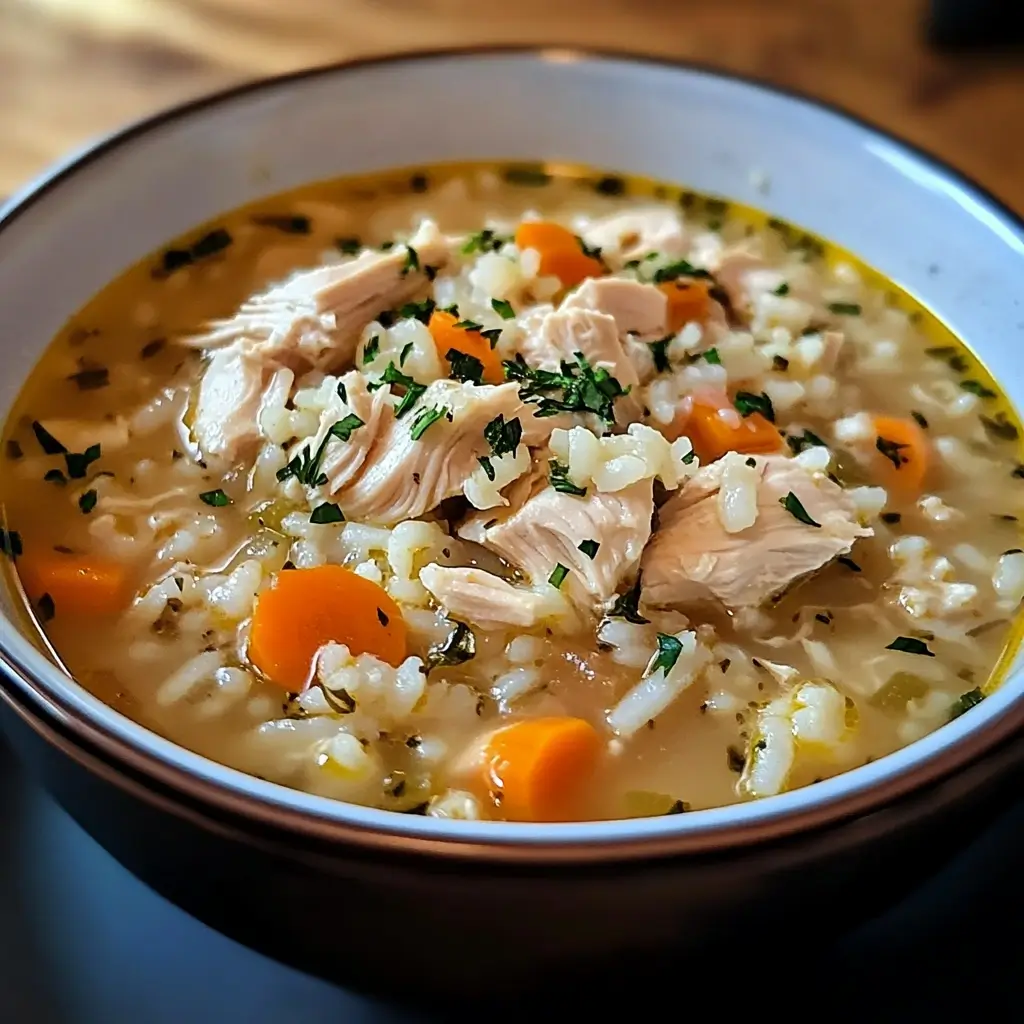

It’s funny how some of the simplest recipes become family staples, isn’t it? This Chicken and Rice Soup is exactly that in our house. It started as a quick, throw-together meal on a busy weeknight when the fridge was looking a little bare and the pantry was my best friend. I honestly didn’t expect much, but the aroma that filled the kitchen as it simmered was surprisingly comforting. And then came the taste – creamy, savory, and packed with just enough veggies to make it feel somewhat virtuous. The kids devoured it, even the picky eater who usually eyes anything green with suspicion. My husband, usually a meat-and-potatoes guy, went back for seconds. Since then, this soup has become a regular on our menu rotation. It’s perfect for chilly evenings, sick days when comfort food is mandatory, or just when you need a fuss-free, satisfying meal that practically cooks itself. If you’re looking for a recipe that’s easy, economical, and universally loved, you’ve absolutely landed in the right place. Prepare to be surprised by how much flavor and comfort can come from such humble ingredients!
Ingredients
This Chicken and Rice Soup recipe prides itself on its simplicity, relying on pantry staples and frozen convenience to create a comforting and flavorful meal. Let’s delve into each ingredient and understand why they are essential and how you can make the most of them in your soup.
Cream of Chicken Soup (4 cans): The cornerstone of this recipe, cream of chicken soup provides the creamy base and the foundational chicken flavor. It’s a fantastic shortcut, eliminating the need to make a roux or chicken stock from scratch. When selecting your cream of chicken soup, consider a few options. Classic condensed cream of chicken soup works perfectly and is readily available in most grocery stores. You can also opt for “family size” or “jumbo” cans if available to reduce the number of cans you need to open. For a slightly richer flavor, look for “golden mushroom” cream of chicken soup or even cream of chicken with herbs. If you are watching your sodium intake, many brands offer “lower sodium” versions of cream of chicken soup, which can be a good choice. Remember, the quality of your cream of chicken soup will directly impact the overall flavor of your soup, so choose a brand you trust and enjoy. If you are feeling adventurous and want to elevate the flavor profile slightly, you could even use two cans of cream of chicken and two cans of cream of mushroom soup for a richer, earthier depth. However, for the classic, comforting taste, sticking with cream of chicken is the way to go.
Milk (2 soup cans full): Milk is used to thin out the condensed cream of chicken soup, creating a soupier consistency and adding a touch of lightness. Using the soup cans to measure the milk is a clever trick that minimizes dishes and ensures the right ratio of soup to liquid. You can use a variety of milk types depending on your preference and dietary needs. Whole milk will provide the richest and creamiest result, enhancing the overall luxuriousness of the soup. 2% milk is a good compromise, offering a balance between richness and a slightly lighter feel. Skim milk or 1% milk can also be used for a lower-fat option, although the soup might be slightly less creamy. For those who are lactose intolerant or prefer non-dairy options, unsweetened almond milk, soy milk, or oat milk can be substituted. These plant-based milks will alter the flavor profile slightly, but they can still create a delicious and creamy soup. Avoid using sweetened milk alternatives as they might make the soup taste too sweet. You can also use chicken broth or vegetable broth instead of milk for a less creamy and more savory soup. Using broth will also reduce the calorie content and fat content compared to using milk. Experiment to find your preferred level of richness and flavor by adjusting the type of milk or broth you use.
Uncooked Rice (2 cups): Rice is the heart and soul of this soup, providing substance, texture, and a comforting carbohydrate element. The recipe calls for uncooked rice, which means you have some flexibility in the type of rice you choose. Long-grain white rice is a classic choice, cooking up fluffy and separate. It’s readily available and works perfectly in this soup. Medium-grain rice, like Arborio or sushi rice, will release more starch as it cooks, resulting in a slightly creamier soup. This can be desirable if you prefer a thicker consistency. Short-grain rice, such as glutinous rice, is generally not recommended as it becomes very sticky and can make the soup too thick and gluey. Brown rice, while nutritionally superior, will take significantly longer to cook than white rice. If you opt for brown rice, you will need to adjust the cooking time and potentially add more liquid to the soup to ensure the rice cooks through completely. Minute rice or instant rice is also an excellent option for this recipe, especially if you are short on time. Minute rice cooks incredibly quickly and can be added directly to the soup pot towards the end of cooking. Just be sure to follow the package instructions for the correct amount of liquid and cooking time for minute rice. Using minute rice will drastically reduce the overall preparation time of the soup. Consider your desired texture and cooking time when choosing your rice. For a classic, quick, and easy soup, long-grain white rice or minute rice are excellent choices.
California Style Frozen Vegetables (1 bag): Frozen vegetables are a lifesaver for busy cooks, offering convenience, nutrition, and affordability. California style frozen vegetables typically include a mix of broccoli florets, cauliflower florets, and carrot slices. This combination provides a nice variety of colors, textures, and flavors to the soup. Frozen vegetables are picked at their peak ripeness and flash-frozen, which means they retain their nutrients remarkably well. They are also pre-cut and ready to use, saving you valuable prep time. You can easily substitute other frozen vegetable mixes based on your preferences or what you have on hand. Mixed vegetables (peas, carrots, corn, green beans), broccoli and cheese blend, or even just frozen peas and carrots would work well in this soup. For a more vibrant color and flavor, consider adding a handful of frozen spinach or kale towards the end of cooking. If you prefer fresh vegetables, you can certainly use them. You will need to chop them into small, bite-sized pieces and sauté them lightly before adding them to the soup to ensure they cook through properly. When using frozen vegetables, there is no need to thaw them before adding them to the microwave or the soup. They can be cooked directly from frozen, making preparation even easier. The variety of vegetables in the California blend provides a good balance of flavors and nutrients to the soup, making it a more well-rounded and satisfying meal.
Garlic Powder (1 teaspoon): Garlic powder is a convenient and flavorful way to add a touch of garlicky goodness to the soup. It dissolves easily into the liquid and distributes its flavor evenly throughout the dish. Garlic powder provides a milder and sweeter garlic flavor compared to fresh garlic. If you prefer a stronger garlic flavor, you can increase the amount of garlic powder to taste. Alternatively, you can use fresh garlic. Sauté 1-2 cloves of minced garlic in a little butter or olive oil before adding the soup and milk to the pot. Sautéing the garlic will mellow its harshness and enhance its sweetness. Garlic granules are another option, offering a slightly coarser texture and a more intense garlic flavor than garlic powder. Experiment with different forms of garlic to find your preferred level of garlic flavor in the soup. Garlic powder is a quick and easy way to add a savory depth to the soup without any extra chopping or sautéing.
Salt and Pepper: These are the fundamental seasonings that enhance the flavor of all the other ingredients and bring the soup to life. Salt is crucial for balancing the flavors and bringing out the natural sweetness of the vegetables and the savory notes of the chicken soup. Start with a small amount of salt and add more to taste, as the cream of chicken soup and some frozen vegetables may already contain sodium. Black pepper adds a subtle warmth and a hint of spice. Freshly ground black pepper is always preferable for its brighter and more aromatic flavor. Taste the soup after all the ingredients are combined and adjust the salt and pepper to your liking. Seasoning is a personal preference, so don’t be afraid to experiment and find the perfect balance for your taste. You can also add other seasonings like onion powder, dried thyme, dried parsley, or a pinch of red pepper flakes to customize the flavor profile of the soup further.
By understanding the role of each ingredient and the variations you can make, you can create a Chicken and Rice Soup that is perfectly tailored to your taste and dietary needs, all while keeping the recipe wonderfully simple and convenient.
Instructions
This Chicken and Rice Soup is designed for ease and speed, making it perfect for weeknight meals. Follow these simple, step-by-step instructions to create a comforting and delicious soup in no time.
Step 1: Cook the Rice
The first step is to prepare the rice. The recipe gives you two options: using a rice cooker or minute rice.
Using a Rice Cooker: If you have a rice cooker, this is the most hands-off and foolproof method for cooking rice. Measure 2 cups of uncooked rice and follow the instructions for your specific rice cooker. Generally, for white rice, this involves rinsing the rice, adding the appropriate amount of water (usually a 1:1 or 1:2 rice to water ratio depending on the type of rice), and pressing the “cook” button. The rice cooker will automatically cook the rice perfectly and keep it warm until you are ready to use it. This allows you to focus on the other steps of the recipe while the rice cooks unattended. Using a rice cooker ensures perfectly cooked, fluffy rice every time, without any risk of burning or sticking to the bottom of the pot.
Using Minute Rice: For an even faster option, minute rice is incredibly convenient. Follow the package instructions for cooking minute rice. Typically, this involves boiling water or broth, adding the minute rice, stirring, covering, and removing from heat. The rice will cook in just a few minutes. Minute rice is pre-cooked and dehydrated, which is why it cooks so quickly. It’s a great option when you are really pressed for time and want to get dinner on the table as quickly as possible. While minute rice may not have the same texture as traditionally cooked rice, it works perfectly well in soup and is a fantastic time-saver.
Step 2: Microwave the Vegetables
While the rice is cooking, you can prepare the frozen vegetables. Place the bag of California style frozen vegetables in a microwave-safe dish. Add a tablespoon or two of water to the dish to help steam the vegetables. Cover the dish with a microwave-safe lid or plastic wrap (venting a corner to allow steam to escape). Microwave on high for 5-7 minutes, or until the vegetables are heated through and slightly softened but not mushy. Microwaving the vegetables separately before adding them to the soup ensures they are cooked properly and retain some of their texture and nutrients. It also prevents them from becoming waterlogged in the soup. The microwave is a quick and efficient way to cook frozen vegetables, making this recipe even faster to prepare.
Step 3: Heat the Soup and Milk
In a large pot, combine the four cans of cream of chicken soup and two soup cans full of milk. Stir well to combine the soup and milk, ensuring there are no lumps. Place the pot over medium heat on the stovetop. Heat the mixture, stirring occasionally, until it is heated through and simmering gently. Do not bring the soup to a full boil, as this can cause the milk to scorch or separate. Medium heat is ideal for gently heating the soup and milk while maintaining a smooth and creamy texture. Stirring regularly prevents the soup from sticking to the bottom of the pot and ensures even heating. Heating the soup and milk separately before adding the rice and vegetables allows you to control the consistency and temperature of the soup base.
Step 4: Chop the Vegetables
Once the vegetables are cooked in the microwave, carefully remove them from the microwave and let them cool slightly for a minute or two. Then, chop the vegetables into smaller, bite-sized pieces. Chopping the vegetables makes them easier to eat in the soup and ensures they distribute evenly throughout the dish. Smaller pieces also cook more quickly and incorporate better into the soup’s texture. You can chop the vegetables coarsely or finely, depending on your preference. If you prefer larger vegetable pieces, you can simply halve or quarter the larger florets. If you prefer a smoother soup with less chunky vegetables, you can chop them more finely.
Step 5: Combine and Simmer
Once the rice is cooked and the vegetables are chopped, add both the cooked rice and the chopped vegetables to the pot with the heated soup and milk mixture. Stir well to combine all the ingredients thoroughly. Add the garlic powder, salt, and pepper to taste. Start with the recommended amount of garlic powder and a pinch of salt and pepper, then taste and adjust the seasonings as needed. Return the pot to medium heat and continue to heat the soup until it is warm throughout and the flavors have melded together. This final heating step allows the flavors of the rice, vegetables, and seasonings to combine with the creamy soup base, creating a cohesive and flavorful dish. Simmer the soup gently for a few minutes to allow the flavors to develop further. Again, avoid bringing the soup to a boil.
Step 6: Serve and Garnish
Once the soup is heated through and the flavors are to your liking, it is ready to serve. Ladle the Chicken and Rice Soup into bowls. Garnish each bowl with shredded cheddar cheese. The melted cheddar cheese adds a creamy, cheesy richness and a touch of sharpness that complements the flavors of the soup beautifully. Serve the soup hot with rolls, bread, or crackers on the side for dipping and enjoying with the soup. These accompaniments provide a nice textural contrast to the creamy soup and make for a more satisfying meal.
Following these simple instructions will guide you to create a delicious and comforting Chicken and Rice Soup that is perfect for any occasion. The ease of preparation and the satisfying flavors make this recipe a true winner.
Nutrition Facts (Estimated)
Please note that the nutrition facts provided below are estimates and can vary depending on the specific brands and types of ingredients used, as well as serving sizes. This is intended as a general guide.
Serving Size: Approximately 1.5 cups of soup
Servings per Recipe: Approximately 6-8 servings (depending on serving size and appetite)
Estimated Nutrition Facts Per Serving:
- Calories: 250-350 calories
- Protein: 8-12 grams
- Fat: 12-18 grams
- Saturated Fat: 6-10 grams (depending on milk and soup type)
- Carbohydrates: 25-35 grams
- Fiber: 2-4 grams
- Sugar: 5-8 grams (primarily from soup and vegetables)
- Sodium: 800-1200 mg (can be lower with low-sodium soup and milk)
Key Nutritional Highlights:
- Moderate Calories: Chicken and Rice Soup provides a moderate amount of calories per serving, making it a satisfying meal without being overly heavy.
- Source of Protein: The cream of chicken soup and milk contribute protein to the soup, which is essential for satiety and muscle building.
- Carbohydrates for Energy: Rice provides carbohydrates, which are the body’s primary source of energy.
- Vitamins and Minerals: Frozen vegetables contribute essential vitamins and minerals, such as Vitamin C, Vitamin K, and potassium. The specific vitamins and minerals will vary depending on the vegetable mix.
- Comforting and Hydrating: Soup is naturally hydrating due to its high liquid content. It’s also a comforting and easily digestible meal, especially when feeling unwell.
Ways to Make it Healthier:
- Use Low-Sodium Soup and Milk: Opt for low-sodium or reduced-sodium cream of chicken soup and low-fat milk or unsweetened plant-based milk to reduce sodium and fat content.
- Add More Vegetables: Increase the amount of frozen vegetables or add extra vegetables like celery, onions, or mushrooms to boost the nutritional value and fiber content.
- Use Brown Rice: Substitute white rice with brown rice for a higher fiber and nutrient content. Be mindful of the longer cooking time required for brown rice.
- Control Cheese Garnish: Use a smaller amount of shredded cheddar cheese or choose a lower-fat cheese option to reduce fat and calorie intake.
- Homemade Soup Base: For a more wholesome and controlled version, consider making a homemade cream of chicken soup base using chicken broth, milk, and a roux (butter and flour). This allows you to control the ingredients and sodium content more precisely.
While Chicken and Rice Soup is not necessarily a “health food” in the strictest sense, it can be part of a balanced diet. It provides a combination of carbohydrates, protein, and vegetables in a comforting and easy-to-eat format. By making smart ingredient choices and portion control, you can enjoy this classic soup as a nourishing and satisfying meal.
Preparation Time
Chicken and Rice Soup is all about speed and convenience. Here’s a breakdown of the estimated preparation time:
Active Preparation Time:
- Vegetable Prep (Microwave and Chop): 5-10 minutes (including microwaving and chopping)
- Rice Cooking (Rice Cooker or Minute Rice): 2-5 minutes active time (mostly hands-off while cooking)
- Soup Mixing and Heating: 5 minutes
- Total Active Prep Time: Approximately 12-20 minutes
Cooking Time:
- Rice Cooking (Rice Cooker): 20-30 minutes (depending on rice type and cooker)
- Rice Cooking (Minute Rice): 5-10 minutes
- Soup Heating and Simmering: 10-15 minutes
- Total Cooking Time: Approximately 15-45 minutes (depending on rice choice)
Total Time from Start to Finish:
- Using Rice Cooker: Approximately 30-65 minutes
- Using Minute Rice: Approximately 20-35 minutes
Tips to Speed Up Preparation:
- Minute Rice: Using minute rice significantly reduces the overall cooking time.
- Pre-chopped Vegetables: Although the recipe calls for chopping microwaved vegetables, if you are extremely short on time and don’t mind slightly larger pieces, you can skip the chopping step or do a very quick, rough chop.
- Assemble While Rice Cooks: While the rice is cooking, you can simultaneously microwave the vegetables and prepare the soup base in the pot. This maximizes efficiency and reduces downtime.
- Pantry Staples: Keeping the ingredients (cream of chicken soup, milk, rice, frozen vegetables, garlic powder, salt, pepper) stocked in your pantry and freezer ensures you can whip up this soup whenever the craving strikes without a special trip to the grocery store.
- Make Ahead (Partially): You can cook the rice ahead of time and store it in the refrigerator. You can also microwave and chop the vegetables in advance. Then, when you are ready to make the soup, simply heat the soup base, and add the pre-cooked rice and vegetables.
Chicken and Rice Soup is truly a quick and easy meal to prepare, especially when using minute rice and frozen vegetables. It’s an ideal choice for busy weeknights, last-minute dinners, or when you need a comforting meal without spending hours in the kitchen. The minimal active preparation time allows you to multitask or relax while the soup cooks, making it a stress-free cooking experience.
How to Serve
Chicken and Rice Soup is a versatile and comforting dish that can be served in various ways to enhance the dining experience. Here are some ideas on how to serve this delicious soup:
- Classic Bowl of Soup: The most straightforward and comforting way to serve Chicken and Rice Soup is simply ladled into bowls. This allows the soup to be the star of the meal. Use appropriately sized soup bowls to ensure a satisfying portion.
- Garnished with Shredded Cheddar Cheese: As the recipe suggests, shredded cheddar cheese is a classic and delicious garnish. Sprinkle a generous amount of shredded cheddar cheese over each bowl of hot soup just before serving. The cheese will melt slightly and add a creamy, cheesy richness and a hint of sharpness that complements the soup perfectly.
- Accompanied by Bread, Rolls, or Crackers: Serve Chicken and Rice Soup with a side of bread, rolls, or crackers for dipping and enjoying alongside the soup.
- Crusty Bread: A slice of crusty bread, like sourdough or baguette, is perfect for soaking up the creamy soup.
- Soft Dinner Rolls: Warm, soft dinner rolls are a classic pairing with soup, offering a comforting and slightly sweet complement.
- Crackers: Saltine crackers, oyster crackers, or even cheese crackers provide a crunchy contrast to the creamy soup.
- With a Side Salad: For a more complete and balanced meal, serve Chicken and Rice Soup with a side salad.
- Simple Green Salad: A simple green salad with a light vinaigrette dressing provides a refreshing and light counterpoint to the creamy soup.
- Caesar Salad: A small Caesar salad adds a bit more richness and flavor complexity to the meal.
- Tomato and Cucumber Salad: A fresh tomato and cucumber salad offers a cool and hydrating side dish.
- Elevated Garnishes: Beyond cheddar cheese, you can explore other garnishes to enhance the flavor and presentation of the soup.
- Fresh Herbs: Sprinkle chopped fresh parsley, chives, or dill over the soup for a burst of freshness and herbaceous aroma.
- Green Onions: Thinly sliced green onions add a mild oniony bite and a pop of color.
- Sour Cream or Yogurt: A dollop of sour cream or plain yogurt adds a tangy creaminess and coolness to the soup.
- Hot Sauce: For those who like a little heat, a few drops of hot sauce can add a spicy kick.
- Crispy Fried Onions: A sprinkle of crispy fried onions provides a textural contrast and a savory onion flavor.
- As Part of a Soup and Sandwich Combo: Chicken and Rice Soup is a classic choice for a soup and sandwich lunch or light dinner. Pair it with:
- Grilled Cheese Sandwich: A classic grilled cheese sandwich is a perfect comforting pairing with chicken soup.
- Turkey or Ham Sandwich: A simple turkey or ham sandwich on whole wheat bread complements the soup nicely.
- Tuna Salad Sandwich: A tuna salad sandwich offers a different protein and flavor profile alongside the soup.
- For Different Occasions: Chicken and Rice Soup is suitable for various occasions.
- Weeknight Family Meal: It’s a quick, easy, and satisfying meal for busy weeknights.
- Comfort Food on a Chilly Day: The warm and creamy soup is perfect for cozying up on a cold day.
- Sick Day Comfort: Chicken soup is a classic remedy for colds and flu, offering hydration and easy-to-digest nutrients.
- Casual Gathering: It’s a great soup to serve at a casual lunch or dinner gathering with friends or family.
By considering these serving suggestions, you can elevate your Chicken and Rice Soup from a simple meal to a more enjoyable and satisfying dining experience. Experiment with different garnishes and accompaniments to find your favorite way to serve this classic comfort food.
Additional Tips for Perfect Chicken and Rice Soup
While this Chicken and Rice Soup recipe is incredibly simple, here are five additional tips to help you achieve soup perfection every time:
1. Enhance the Chicken Flavor: While cream of chicken soup provides a chicken base, you can boost the chicken flavor by adding cooked chicken to the soup. Shredded rotisserie chicken, leftover cooked chicken breast, or even canned chicken (drained) can be added to the soup during the final heating stage. Adding chicken not only intensifies the chicken flavor but also adds more protein to the soup, making it even more satisfying and substantial. About 1-2 cups of shredded or diced cooked chicken is a good amount to add to the recipe.
2. Customize Your Vegetables: Don’t be afraid to customize the vegetables to your liking or based on what you have available. While California style frozen vegetables are convenient, you can easily use other frozen vegetable mixes or fresh vegetables. Consider adding:
* Frozen Peas: Add a cup of frozen peas towards the end of cooking for sweetness and vibrant color.
* Frozen Corn: Frozen corn kernels add sweetness and a different texture.
* Chopped Carrots and Celery: Sauté diced carrots and celery with a little onion before adding the soup and milk for a more traditional soup flavor base.
* Mushrooms: Sauté sliced mushrooms for an earthy flavor and meaty texture.
* Spinach or Kale: Stir in fresh spinach or kale during the last few minutes of cooking until wilted for added nutrients and green goodness.
3. Adjust the Soup Consistency: The recipe uses two soup cans of milk to thin the cream of chicken soup. You can adjust the amount of milk to achieve your desired soup consistency. For a thicker soup, use slightly less milk or even use half milk and half heavy cream for extra richness. For a thinner soup, add more milk or use chicken broth instead of some or all of the milk. Chicken broth will also add a more savory flavor and reduce the creaminess. Start with the recommended amount of milk and then adjust as needed while the soup is heating to reach your preferred thickness.
4. Don’t Overcook the Rice: Whether you are using a rice cooker or minute rice, be careful not to overcook the rice. Overcooked rice can become mushy and detract from the texture of the soup. Follow the rice cooker instructions or minute rice package directions precisely. If using minute rice, add it towards the very end of cooking, just before serving, to prevent it from becoming overly soft. Perfectly cooked rice should be tender but still have a slight bite.
5. Make it Ahead and Reheat: Chicken and Rice Soup is a great make-ahead meal. You can prepare the soup completely and store it in the refrigerator for up to 3-4 days. The flavors often meld together and improve even more overnight. To reheat, gently warm the soup on the stovetop over medium-low heat, stirring occasionally, until heated through. You can also reheat individual portions in the microwave. If the soup has thickened upon refrigeration, you may need to add a little extra milk or broth when reheating to restore it to your desired consistency. Making it ahead is perfect for meal prepping or for those busy days when you want a delicious and comforting meal ready to go.
By incorporating these additional tips, you can take your Chicken and Rice Soup to the next level, customizing it to your taste preferences and ensuring consistently delicious results every time you make it.
FAQ Section: Ingredients
Here are some frequently asked questions about the ingredients used in this Chicken and Rice Soup recipe:
Q1: Can I use homemade cream of chicken soup instead of canned?
A: Yes, absolutely! Using homemade cream of chicken soup will elevate the flavor and control the ingredients even further. You can find many recipes online for homemade cream of chicken soup that typically involve making a roux (butter and flour), adding chicken broth, milk or cream, and seasonings. While it requires a bit more effort, homemade cream of chicken soup can result in a richer and more wholesome soup base. Just ensure your homemade version has a similar creamy consistency to canned soup for the best results in this recipe.
Q2: Can I substitute fresh vegetables for frozen vegetables?
A: Yes, you can definitely use fresh vegetables. For California style vegetables, you would use fresh broccoli, cauliflower, and carrots. You’ll need to wash, chop, and prepare them. To ensure they cook properly in the soup, it’s recommended to sauté them lightly in a pan with a bit of butter or olive oil before adding them to the soup pot. Sautéing helps to soften them and enhance their flavor. You can sauté them with a little onion and garlic for even more depth of flavor. Remember that fresh vegetables will take slightly longer to cook than frozen vegetables, so adjust cooking times accordingly.
Q3: What type of rice is best for this soup?
A: Long-grain white rice is a classic and reliable choice for Chicken and Rice Soup. It cooks up fluffy and separate and holds its texture well in the soup. Minute rice is the fastest option for convenience. Medium-grain rice, like Arborio, can also be used if you prefer a slightly creamier soup as it releases more starch. Brown rice can be used for a healthier option but requires significantly longer cooking time and may need more liquid. Avoid short-grain rice as it can become too sticky. Ultimately, the best type of rice depends on your preference for texture and cooking time.
Q4: Can I make this soup dairy-free or vegan?
A: Making this soup dairy-free is possible with some substitutions. Use plant-based milk alternatives like unsweetened almond milk, soy milk, or oat milk instead of cow’s milk. To make it vegan, you’ll need to replace the cream of chicken soup. Look for vegan cream of mushroom soup or create a vegan creamy base using blended cashews, vegetable broth, and seasonings. You can also add nutritional yeast for a cheesy flavor. Ensure your chosen vegan cream soup alternative provides a similar creamy consistency to the original cream of chicken soup.
Q5: Can I use chicken broth instead of milk?
A: Yes, you can use chicken broth instead of milk. Substituting chicken broth will result in a less creamy and more savory soup. The broth will thin out the cream of chicken soup and add a richer chicken flavor. Using chicken broth is a good option if you prefer a lighter soup or want to reduce the fat and calorie content. You can use all chicken broth or a combination of milk and chicken broth to achieve your desired balance of creaminess and savory flavor. Vegetable broth can also be used for a slightly different flavor profile.
Print
Chicken and Rice Soup Recipe
Ingredients
Cream of Chicken Soup (4 cans): The cornerstone of this recipe, cream of chicken soup provides the creamy base and the foundational chicken flavor. It’s a fantastic shortcut, eliminating the need to make a roux or chicken stock from scratch. When selecting your cream of chicken soup, consider a few options. Classic condensed cream of chicken soup works perfectly and is readily available in most grocery stores. You can also opt for “family size” or “jumbo” cans if available to reduce the number of cans you need to open. For a slightly richer flavor, look for “golden mushroom” cream of chicken soup or even cream of chicken with herbs. If you are watching your sodium intake, many brands offer “lower sodium” versions of cream of chicken soup, which can be a good choice. Remember, the quality of your cream of chicken soup will directly impact the overall flavor of your soup, so choose a brand you trust and enjoy. If you are feeling adventurous and want to elevate the flavor profile slightly, you could even use two cans of cream of chicken and two cans of cream of mushroom soup for a richer, earthier depth. However, for the classic, comforting taste, sticking with cream of chicken is the way to go.
Milk (2 soup cans full): Milk is used to thin out the condensed cream of chicken soup, creating a soupier consistency and adding a touch of lightness. Using the soup cans to measure the milk is a clever trick that minimizes dishes and ensures the right ratio of soup to liquid. You can use a variety of milk types depending on your preference and dietary needs. Whole milk will provide the richest and creamiest result, enhancing the overall luxuriousness of the soup. 2% milk is a good compromise, offering a balance between richness and a slightly lighter feel. Skim milk or 1% milk can also be used for a lower-fat option, although the soup might be slightly less creamy. For those who are lactose intolerant or prefer non-dairy options, unsweetened almond milk, soy milk, or oat milk can be substituted. These plant-based milks will alter the flavor profile slightly, but they can still create a delicious and creamy soup. Avoid using sweetened milk alternatives as they might make the soup taste too sweet. You can also use chicken broth or vegetable broth instead of milk for a less creamy and more savory soup. Using broth will also reduce the calorie content and fat content compared to using milk. Experiment to find your preferred level of richness and flavor by adjusting the type of milk or broth you use.
Uncooked Rice (2 cups): Rice is the heart and soul of this soup, providing substance, texture, and a comforting carbohydrate element. The recipe calls for uncooked rice, which means you have some flexibility in the type of rice you choose. Long-grain white rice is a classic choice, cooking up fluffy and separate. It’s readily available and works perfectly in this soup. Medium-grain rice, like Arborio or sushi rice, will release more starch as it cooks, resulting in a slightly creamier soup. This can be desirable if you prefer a thicker consistency. Short-grain rice, such as glutinous rice, is generally not recommended as it becomes very sticky and can make the soup too thick and gluey. Brown rice, while nutritionally superior, will take significantly longer to cook than white rice. If you opt for brown rice, you will need to adjust the cooking time and potentially add more liquid to the soup to ensure the rice cooks through completely. Minute rice or instant rice is also an excellent option for this recipe, especially if you are short on time. Minute rice cooks incredibly quickly and can be added directly to the soup pot towards the end of cooking. Just be sure to follow the package instructions for the correct amount of liquid and cooking time for minute rice. Using minute rice will drastically reduce the overall preparation time of the soup. Consider your desired texture and cooking time when choosing your rice. For a classic, quick, and easy soup, long-grain white rice or minute rice are excellent choices.
California Style Frozen Vegetables (1 bag): Frozen vegetables are a lifesaver for busy cooks, offering convenience, nutrition, and affordability. California style frozen vegetables typically include a mix of broccoli florets, cauliflower florets, and carrot slices. This combination provides a nice variety of colors, textures, and flavors to the soup. Frozen vegetables are picked at their peak ripeness and flash-frozen, which means they retain their nutrients remarkably well. They are also pre-cut and ready to use, saving you valuable prep time. You can easily substitute other frozen vegetable mixes based on your preferences or what you have on hand. Mixed vegetables (peas, carrots, corn, green beans), broccoli and cheese blend, or even just frozen peas and carrots would work well in this soup. For a more vibrant color and flavor, consider adding a handful of frozen spinach or kale towards the end of cooking. If you prefer fresh vegetables, you can certainly use them. You will need to chop them into small, bite-sized pieces and sauté them lightly before adding them to the soup to ensure they cook through properly. When using frozen vegetables, there is no need to thaw them before adding them to the microwave or the soup. They can be cooked directly from frozen, making preparation even easier. The variety of vegetables in the California blend provides a good balance of flavors and nutrients to the soup, making it a more well-rounded and satisfying meal.
Garlic Powder (1 teaspoon): Garlic powder is a convenient and flavorful way to add a touch of garlicky goodness to the soup. It dissolves easily into the liquid and distributes its flavor evenly throughout the dish. Garlic powder provides a milder and sweeter garlic flavor compared to fresh garlic. If you prefer a stronger garlic flavor, you can increase the amount of garlic powder to taste. Alternatively, you can use fresh garlic. Sauté 1-2 cloves of minced garlic in a little butter or olive oil before adding the soup and milk to the pot. Sautéing the garlic will mellow its harshness and enhance its sweetness. Garlic granules are another option, offering a slightly coarser texture and a more intense garlic flavor than garlic powder. Experiment with different forms of garlic to find your preferred level of garlic flavor in the soup. Garlic powder is a quick and easy way to add a savory depth to the soup without any extra chopping or sautéing.
Salt and Pepper: These are the fundamental seasonings that enhance the flavor of all the other ingredients and bring the soup to life. Salt is crucial for balancing the flavors and bringing out the natural sweetness of the vegetables and the savory notes of the chicken soup. Start with a small amount of salt and add more to taste, as the cream of chicken soup and some frozen vegetables may already contain sodium. Black pepper adds a subtle warmth and a hint of spice. Freshly ground black pepper is always preferable for its brighter and more aromatic flavor. Taste the soup after all the ingredients are combined and adjust the salt and pepper to your liking. Seasoning is a personal preference, so don’t be afraid to experiment and find the perfect balance for your taste. You can also add other seasonings like onion powder, dried thyme, dried parsley, or a pinch of red pepper flakes to customize the flavor profile of the soup further.
Instructions
Step 1: Cook the Rice
The first step is to prepare the rice. The recipe gives you two options: using a rice cooker or minute rice.
Using a Rice Cooker: If you have a rice cooker, this is the most hands-off and foolproof method for cooking rice. Measure 2 cups of uncooked rice and follow the instructions for your specific rice cooker. Generally, for white rice, this involves rinsing the rice, adding the appropriate amount of water (usually a 1:1 or 1:2 rice to water ratio depending on the type of rice), and pressing the “cook” button. The rice cooker will automatically cook the rice perfectly and keep it warm until you are ready to use it. This allows you to focus on the other steps of the recipe while the rice cooks unattended. Using a rice cooker ensures perfectly cooked, fluffy rice every time, without any risk of burning or sticking to the bottom of the pot.
Using Minute Rice: For an even faster option, minute rice is incredibly convenient. Follow the package instructions for cooking minute rice. Typically, this involves boiling water or broth, adding the minute rice, stirring, covering, and removing from heat. The rice will cook in just a few minutes. Minute rice is pre-cooked and dehydrated, which is why it cooks so quickly. It’s a great option when you are really pressed for time and want to get dinner on the table as quickly as possible. While minute rice may not have the same texture as traditionally cooked rice, it works perfectly well in soup and is a fantastic time-saver.
Step 2: Microwave the Vegetables
While the rice is cooking, you can prepare the frozen vegetables. Place the bag of California style frozen vegetables in a microwave-safe dish. Add a tablespoon or two of water to the dish to help steam the vegetables. Cover the dish with a microwave-safe lid or plastic wrap (venting a corner to allow steam to escape). Microwave on high for 5-7 minutes, or until the vegetables are heated through and slightly softened but not mushy. Microwaving the vegetables separately before adding them to the soup ensures they are cooked properly and retain some of their texture and nutrients. It also prevents them from becoming waterlogged in the soup. The microwave is a quick and efficient way to cook frozen vegetables, making this recipe even faster to prepare.
Step 3: Heat the Soup and Milk
In a large pot, combine the four cans of cream of chicken soup and two soup cans full of milk. Stir well to combine the soup and milk, ensuring there are no lumps. Place the pot over medium heat on the stovetop. Heat the mixture, stirring occasionally, until it is heated through and simmering gently. Do not bring the soup to a full boil, as this can cause the milk to scorch or separate. Medium heat is ideal for gently heating the soup and milk while maintaining a smooth and creamy texture. Stirring regularly prevents the soup from sticking to the bottom of the pot and ensures even heating. Heating the soup and milk separately before adding the rice and vegetables allows you to control the consistency and temperature of the soup base.
Step 4: Chop the Vegetables
Once the vegetables are cooked in the microwave, carefully remove them from the microwave and let them cool slightly for a minute or two. Then, chop the vegetables into smaller, bite-sized pieces. Chopping the vegetables makes them easier to eat in the soup and ensures they distribute evenly throughout the dish. Smaller pieces also cook more quickly and incorporate better into the soup’s texture. You can chop the vegetables coarsely or finely, depending on your preference. If you prefer larger vegetable pieces, you can simply halve or quarter the larger florets. If you prefer a smoother soup with less chunky vegetables, you can chop them more finely.
Step 5: Combine and Simmer
Once the rice is cooked and the vegetables are chopped, add both the cooked rice and the chopped vegetables to the pot with the heated soup and milk mixture. Stir well to combine all the ingredients thoroughly. Add the garlic powder, salt, and pepper to taste. Start with the recommended amount of garlic powder and a pinch of salt and pepper, then taste and adjust the seasonings as needed. Return the pot to medium heat and continue to heat the soup until it is warm throughout and the flavors have melded together. This final heating step allows the flavors of the rice, vegetables, and seasonings to combine with the creamy soup base, creating a cohesive and flavorful dish. Simmer the soup gently for a few minutes to allow the flavors to develop further. Again, avoid bringing the soup to a boil.
Step 6: Serve and Garnish
Once the soup is heated through and the flavors are to your liking, it is ready to serve. Ladle the Chicken and Rice Soup into bowls. Garnish each bowl with shredded cheddar cheese. The melted cheddar cheese adds a creamy, cheesy richness and a touch of sharpness that complements the flavors of the soup beautifully. Serve the soup hot with rolls, bread, or crackers on the side for dipping and enjoying with the soup. These accompaniments provide a nice textural contrast to the creamy soup and make for a more satisfying meal.
Nutrition
- Serving Size: One Normal Portion
- Calories: 250-350
- Sugar: 5-8 grams
- Sodium: 800-1200 mg
- Fat: 12-18 grams
- Saturated Fat: 6-10 grams
- Carbohydrates: 25-35 grams
- Fiber: 2-4 grams
- Protein: 8-12 grams