
Chicken Piccata. Just the name conjures images of bright, lemony flavors dancing on the palate, tender chicken bathed in a silky, caper-studded sauce, and a meal that feels both elegant and comforting. In our home, Chicken Piccata isn’t just a dish; it’s a weeknight staple that has effortlessly transitioned into a weekend treat. From the first time I nervously attempted it, guided by a tattered cookbook and a hopeful heart, to now, where I can practically make it with my eyes closed, Chicken Piccata has become a reliable crowd-pleaser. My kids, who can be notoriously picky eaters, devour it with gusto, even asking for seconds (and sometimes thirds!). My partner loves the sophisticated yet approachable flavors, and I appreciate how quickly it comes together, making it perfect for busy evenings or when unexpected guests arrive. It’s a dish that manages to be both light and satisfying, zesty and comforting, and endlessly adaptable. Whether you’re a seasoned home cook or just starting your culinary journey, Chicken Piccata is a recipe that promises delicious results and is sure to become a cherished part of your own kitchen repertoire. It’s more than just a meal; it’s an experience, a burst of sunshine on a plate that consistently brings smiles to our faces.
Ingredients
Creating the perfect Chicken Piccata hinges on the quality and balance of its simple, yet impactful, ingredients. Each component plays a crucial role in building the bright, savory, and utterly delightful flavor profile that defines this classic dish. Here’s a detailed breakdown of what you’ll need to gather to embark on your Chicken Piccata adventure:
- Chicken Breasts: The star of the show! You’ll need 4 boneless, skinless chicken breasts. Opt for breasts that are of uniform size to ensure even cooking. About 6-8 ounces each is ideal. The quality of your chicken directly impacts the final dish, so choose fresh, plump breasts. We’ll be butterflying and pounding them thin, so starting with thicker breasts is preferable.
- All-Purpose Flour: 1/2 cup of all-purpose flour is essential for dredging the chicken. This creates a light coating that helps the chicken brown beautifully and also slightly thickens the piccata sauce as it cooks. For a gluten-free option, you can substitute with a gluten-free all-purpose blend, rice flour, or even almond flour, though the texture might be slightly different.
- Salt and Black Pepper: Seasoning is key! You’ll need salt and freshly ground black pepper to taste. Don’t be shy with the seasoning – it’s crucial to flavor the chicken itself before it even hits the pan. Kosher salt is preferred by many chefs for its consistent grain size, but sea salt or table salt will also work. Freshly cracked black pepper provides a brighter, more aromatic flavor than pre-ground pepper.
- Olive Oil: 2 tablespoons of olive oil are used for sautéing the chicken. Extra virgin olive oil adds a richer flavor, but regular olive oil or even a neutral vegetable oil will work well. The oil helps to create a golden-brown crust on the chicken and prevents it from sticking to the pan.
- Butter: 4 tablespoons of unsalted butter, divided. Butter is fundamental to the richness and flavor of Piccata. We’ll use some for cooking the chicken and more to enrich the sauce. Unsalted butter gives you more control over the saltiness of the final dish.
- Dry White Wine (Optional but Recommended): 1/2 cup of dry white wine, such as Pinot Grigio, Sauvignon Blanc, or dry Vermouth. The white wine adds a layer of complexity and acidity to the sauce. As it reduces, it concentrates its flavors, creating a more nuanced and delicious Piccata. If you prefer to omit the wine, you can substitute with an equal amount of chicken broth.
- Chicken Broth: 1/2 cup of low-sodium chicken broth is the liquid base of the sauce. Low-sodium broth allows you to control the salt level better. High-quality chicken broth will enhance the overall flavor of the dish.
- Fresh Lemon Juice: 1/4 cup of freshly squeezed lemon juice. Lemon juice is the defining flavor of Piccata, providing its signature bright and tangy zest. Freshly squeezed lemon juice is essential for the best flavor; avoid bottled lemon juice if possible as it can taste artificial.
- Lemon Slices (for garnish, optional): Thin slices of lemon for garnish add visual appeal and reinforce the lemon flavor. These are primarily for presentation but can also be squeezed over the finished dish for an extra burst of citrus.
- Capers: 1/4 cup of capers, drained and rinsed. Capers are the salty, briny jewels of Piccata. They provide a crucial burst of salty, tangy flavor that complements the lemon beautifully. Be sure to drain and rinse them to remove excess salt and brine. Non-pareil capers are generally preferred for their smaller size and delicate flavor.
- Fresh Parsley: 1/4 cup of fresh parsley, chopped. Fresh parsley adds a vibrant, herbaceous freshness and a pop of green color to the finished dish. Flat-leaf parsley (Italian parsley) is preferred for its robust flavor, but curly parsley can also be used.
- Garlic (Optional but Recommended): 2 cloves of garlic, minced (optional). While not strictly traditional in all Piccata recipes, a touch of garlic adds a subtle savory depth that complements the lemon and capers beautifully. Minced garlic infuses its flavor into the sauce without overpowering the other delicate flavors.
This carefully curated list of ingredients ensures that you have everything you need to create a truly authentic and delicious Chicken Piccata experience. Having high-quality, fresh ingredients will elevate your dish from good to truly exceptional.
Instructions
Now that you have gathered all your ingredients, it’s time to embark on the culinary journey of making Chicken Piccata! Follow these detailed, step-by-step instructions to create a restaurant-quality dish in your own kitchen:
- Prepare the Chicken: Begin by preparing the chicken breasts. Place each chicken breast on a cutting board. To butterfly the chicken, use a sharp knife to slice horizontally through the center of the breast, starting from the thicker side and cutting almost all the way through, leaving a hinge on one side. Open it up like a book. Place the butterflied chicken breast between two sheets of plastic wrap or parchment paper. Using a meat mallet or the bottom of a heavy skillet, pound the chicken to an even thickness of about 1/4-inch. Pounding ensures even cooking and tenderizes the chicken, making it quick to cook and delightfully delicate. Repeat this process with all four chicken breasts.
- Season and Dredge the Chicken: In a shallow dish, spread out the all-purpose flour. Season both sides of each pounded chicken breast generously with salt and freshly ground black pepper. Ensure even seasoning for maximum flavor. Dredge each chicken breast in the flour, making sure to coat it evenly on both sides. Shake off any excess flour. The flour coating will help the chicken brown beautifully and contribute to thickening the sauce later.
- Sauté the Chicken: Heat 2 tablespoons of olive oil and 2 tablespoons of butter in a large skillet over medium-high heat. Use a skillet large enough to comfortably fit the chicken breasts in a single layer; if necessary, cook in batches to avoid overcrowding the pan, which can steam the chicken instead of searing it. Once the oil and butter are hot and shimmering (but not smoking), carefully place the floured chicken breasts in the hot skillet. Cook for about 2-3 minutes per side, or until the chicken is golden brown and cooked through. The internal temperature of the chicken should reach 165°F (74°C). Avoid overcooking, as this can make the chicken dry. Once cooked, remove the chicken from the skillet and set aside on a plate. Tent it loosely with foil to keep it warm while you prepare the sauce.
- Make the Piccata Sauce: In the same skillet, reduce the heat to medium. If using garlic, add the minced garlic to the skillet and sauté for about 30 seconds, or until fragrant. Be careful not to burn the garlic; burnt garlic will taste bitter. Pour in the dry white wine (if using) and chicken broth. Bring the mixture to a simmer, scraping up any browned bits from the bottom of the skillet. These browned bits, known as fond, are packed with flavor and will enhance the sauce. Let the sauce simmer for about 2-3 minutes, or until it has slightly reduced and thickened. This step allows the alcohol in the wine to evaporate and the flavors to meld.
- Finish the Sauce: Reduce the heat to low. Stir in the remaining 2 tablespoons of butter, fresh lemon juice, and drained capers. Stir until the butter is melted and the sauce is emulsified and slightly thickened. Taste the sauce and adjust seasoning with salt and pepper as needed. The sauce should be bright, lemony, and slightly salty from the capers.
- Combine Chicken and Sauce: Return the cooked chicken breasts to the skillet with the piccata sauce. Spoon the sauce over the chicken, ensuring each piece is well coated. Gently simmer for another 1-2 minutes to heat the chicken through and allow the flavors to meld together. Avoid boiling at this stage, as it can make the sauce separate.
- Garnish and Serve: Remove the skillet from the heat. Stir in the chopped fresh parsley. Garnish with lemon slices (if desired). Serve immediately while hot, spooning extra sauce over each serving. Chicken Piccata is best enjoyed fresh to appreciate its bright flavors and tender texture.
Following these detailed instructions will guide you to create a perfectly executed Chicken Piccata, bursting with lemony, caper-studded flavor and tender, golden-brown chicken. Enjoy the process and the delicious results!
Nutrition Facts (Per Serving)
Understanding the nutritional content of your meals can be helpful for making informed dietary choices. While the exact nutrition facts can vary slightly depending on ingredient quantities and specific brands, here is an approximate nutritional breakdown for one serving of Chicken Piccata (assuming a recipe serving 4):
Servings: 4
Serving Size: 1 Chicken Breast with Sauce (approximately)
Calories Per Serving: Approximately 450-550 calories
Approximate Breakdown (per serving):
- Protein: 40-50 grams
- Chicken breast is a lean protein source, making Chicken Piccata a relatively high-protein meal. Protein is essential for muscle building, satiety, and overall bodily functions.
- Fat: 25-35 grams
- This includes both healthy fats from olive oil and butter, and fats naturally present in chicken. The fat content contributes to the richness and flavor of the dish.
- Saturated Fat: 10-15 grams
- Saturated fat comes primarily from the butter. Moderation is key with saturated fats as part of a balanced diet.
- Cholesterol: 150-200 mg
- Cholesterol is present in chicken and butter.
- Carbohydrates: 10-15 grams
- Carbohydrates mainly come from the flour used for dredging and small amounts in wine and broth.
- Fiber: 1-2 grams
- Chicken Piccata is not a significant source of fiber.
- Sugar: 2-3 grams (naturally occurring)
- Minimal sugar content, primarily from natural sugars in lemon juice and wine.
- Sodium: 400-600 mg (can vary based on broth and caper salt content)
- Sodium content can be adjusted by using low-sodium broth and rinsing capers thoroughly.
Important Notes:
- These are estimates. Actual nutritional values can vary based on ingredient quantities, specific brands, and cooking methods.
- Serving size matters. Adjust portion sizes to manage calorie intake.
- Side dishes impact total nutrition. Consider the nutritional value of side dishes you serve with Chicken Piccata (e.g., pasta, vegetables, salads).
- Healthy fats: While Chicken Piccata contains fat, it includes healthier fats from olive oil and butter. Butter, in moderation, can be part of a balanced diet.
- Lean protein: Chicken breast provides a good source of lean protein.
For more precise nutritional information, you can use online nutrition calculators and input the specific ingredients and quantities you use in your recipe. Enjoy Chicken Piccata as part of a balanced and varied diet!
Preparation Time
One of the many appealing aspects of Chicken Piccata is its relatively quick preparation time, making it an excellent choice for both weeknight meals and more elaborate dinners. Here’s a breakdown of the estimated time you’ll need from start to finish:
Total Preparation Time: Approximately 25-30 minutes
Breakdown:
- Prep Time (Ingredients & Chicken): 15-20 minutes
- This includes:
- Gathering ingredients (2-3 minutes)
- Butterflying and pounding chicken breasts (5-7 minutes)
- Minced garlic and chopping parsley (3-5 minutes)
- Squeezing lemon juice (2-3 minutes)
- Draining and rinsing capers (1 minute)
- Measuring out other ingredients (1-2 minutes)
- This includes:
- Cook Time (Sautéing & Sauce): 10-15 minutes
- This includes:
- Sautéing chicken breasts (5-7 minutes)
- Making the piccata sauce (5-8 minutes)
- Simmering chicken in sauce (1-2 minutes)
- This includes:
Factors Affecting Time:
- Skill Level: Experienced cooks may be able to prep and cook the dish slightly faster.
- Kitchen Efficiency: Having organized ingredients and a well-equipped kitchen can speed up the process.
- Batch Size: Cooking larger batches might slightly increase cook time, especially if you need to sauté chicken in batches.
- Pounding Chicken: If you are new to pounding chicken, it might take a bit longer initially, but with practice, it becomes quicker.
Tips to Streamline Preparation:
- Read the recipe through completely before starting to understand all the steps.
- Mise en place: Prepare all your ingredients (chop vegetables, measure spices, etc.) before you start cooking. This significantly speeds up the cooking process.
- Use pre-minced garlic if you want to save a few minutes, though freshly minced garlic offers the best flavor.
- Have your skillet and utensils ready before you start cooking.
Chicken Piccata is a recipe that rewards efficiency. With a little organization and practice, you can easily have this flavorful and satisfying dish on the table in under 30 minutes, making it a perfect solution for busy weeknights without sacrificing flavor or quality.
How to Serve Chicken Piccata
Chicken Piccata is incredibly versatile and pairs beautifully with a variety of side dishes, allowing you to create a complete and satisfying meal. Here are some delicious serving suggestions to complement your Chicken Piccata:
Classic Pasta Pairings:
- Linguine or Spaghetti: These long, thin pasta shapes are traditional and excellent for twirling and soaking up the flavorful Piccata sauce. Toss the cooked pasta with a little olive oil and parsley before serving alongside the chicken.
- Angel Hair Pasta (Capellini): Its delicate strands are perfect for a lighter meal and readily embrace the lemony sauce.
- Tagliatelle or Fettuccine: Wider, ribbon-like pasta can also be used for a more substantial meal.
Grain-Based Sides:
- Rice Pilaf: A fluffy and flavorful rice pilaf provides a neutral base to balance the bright Piccata sauce. Consider adding lemon zest or herbs to the pilaf to complement the dish.
- Couscous: Quick-cooking and light, couscous is a great option for soaking up the sauce. Fluff it with a fork and add a drizzle of olive oil and some fresh herbs.
- Quinoa: For a healthier and protein-rich alternative, quinoa is an excellent choice. Its slightly nutty flavor pairs well with the lemon and capers.
Vegetable Accompaniments:
- Sautéed Asparagus: Asparagus spears, lightly sautéed with olive oil, garlic, and a squeeze of lemon, provide a fresh and vibrant green side dish.
- Green Beans Almondine: Crisp-tender green beans tossed with toasted almonds and butter offer a delightful textural contrast and nutty flavor.
- Broccoli or Broccolini: Steamed, roasted, or sautéed broccoli or broccolini, with a touch of garlic and lemon, complements the Piccata beautifully.
- Lemon Roasted Potatoes: Roasted potatoes with lemon wedges and herbs are a hearty and flavorful side that echoes the lemon theme of the main dish.
- Simple Green Salad: A refreshing green salad with a light vinaigrette provides a crisp and cleansing contrast to the richness of the Piccata sauce. Arugula or mixed greens work well.
Bread Options:
- Crusty Bread: A warm, crusty baguette or Italian bread is perfect for soaking up every last drop of the delicious Piccata sauce.
- Garlic Bread: Garlic bread adds a comforting and flavorful carbohydrate element to the meal.
Serving Suggestions for Presentation:
- Arrange Chicken Nicely: Place the Chicken Piccata on a serving platter or individual plates, artfully arranging the chicken breasts and spooning the sauce generously over them.
- Garnish Thoughtfully: Garnish with fresh parsley sprigs and lemon slices for visual appeal and an extra burst of fresh flavor.
- Serve Immediately: Chicken Piccata is best enjoyed hot and fresh, right after cooking.
By choosing from these serving suggestions, you can create a well-rounded and satisfying meal centered around your delicious Chicken Piccata, tailored to your preferences and dietary needs.
Additional Tips for Perfect Chicken Piccata
Elevate your Chicken Piccata from good to outstanding with these five essential tips, gleaned from years of cooking and perfecting this classic dish:
- Pound the Chicken Evenly and Thinly: This is arguably the most crucial step for tender and quick-cooking Chicken Piccata. Pounding the chicken breasts to an even 1/4-inch thickness ensures they cook uniformly and quickly without drying out. Use a meat mallet and pound gently but firmly, working from the center outwards. Even thickness means every part of the chicken cooks at the same rate, resulting in consistently juicy and perfectly cooked chicken.
- Don’t Overcrowd the Pan: When sautéing the chicken, avoid overcrowding the skillet. Overcrowding lowers the pan temperature, leading to steaming instead of searing, which prevents the chicken from browning properly and can make it tough. Cook the chicken in batches if necessary, ensuring each piece has enough space to brown beautifully. Proper searing is key to developing flavor and a desirable texture.
- Use Fresh Lemon Juice and Capers: The bright, tangy flavor of fresh lemon juice is indispensable to authentic Chicken Piccata. Bottled lemon juice often lacks the vibrancy and freshness needed for this dish. Similarly, good quality capers, drained and rinsed, are essential for their salty, briny pop. These two ingredients are the cornerstones of the Piccata flavor profile; using high-quality, fresh versions will make a noticeable difference.
- Control the Heat When Making the Sauce: When making the Piccata sauce, be mindful of the heat. After sautéing the garlic (if using) and adding the wine and broth, allow the sauce to simmer gently to reduce and thicken slightly. When you add the butter and lemon juice, reduce the heat to low and stir gently. High heat can cause the sauce to break or become too acidic. Gentle simmering and low heat ensure a smooth, emulsified, and perfectly balanced sauce.
- Season Generously at Each Stage: Flavor building is a layered process. Season the chicken generously with salt and pepper before dredging it in flour. Season the sauce after adding the lemon juice and capers, and adjust as needed. Taste and season at each step to ensure the final dish is perfectly balanced and flavorful. Don’t be afraid to use salt – it enhances all the other flavors in the dish and is crucial for a well-seasoned and delicious Chicken Piccata.
By incorporating these tips into your cooking process, you’ll be well on your way to creating Chicken Piccata that is not only delicious but also rivals that of your favorite Italian restaurant. These seemingly small details can make a significant difference in the final outcome of your dish.
Frequently Asked Questions (FAQ) about Chicken Piccata
Got questions about Chicken Piccata? You’re not alone! Here are five frequently asked questions to help you navigate any culinary curiosities and ensure Chicken Piccata success:
Q1: Can I make Chicken Piccata ahead of time?
A: While Chicken Piccata is best enjoyed fresh, you can prepare certain components in advance to save time. You can pound and dredge the chicken breasts up to a few hours ahead of time and store them in the refrigerator, covered. The sauce is best made fresh, but you can prepare it up to an hour ahead and gently reheat it before adding the chicken. However, avoid fully cooking and assembling the dish ahead of time, as the chicken can become less tender and the sauce may lose its bright, fresh flavor upon reheating.
Q2: Can I substitute chicken thighs for chicken breasts in Piccata?
A: Yes, you can use boneless, skinless chicken thighs as a substitute. Chicken thighs are more forgiving and tend to stay moist even if slightly overcooked. You will still want to pound them to an even thickness for quick cooking. Keep in mind that chicken thighs have a richer, more intense flavor than chicken breasts, which will slightly alter the overall taste profile of your Piccata. Cooking time may be slightly longer for thighs to ensure they are cooked through.
Q3: What if I don’t have white wine? Can I still make Chicken Piccata?
A: Absolutely! If you don’t have white wine, you can easily substitute it with an equal amount of low-sodium chicken broth or even a splash of dry vermouth. The white wine adds depth and acidity, but chicken broth will still provide the necessary liquid base for the sauce. Adding a tablespoon of extra lemon juice or a teaspoon of white wine vinegar to the broth can help mimic some of the acidity lost by omitting the wine.
Q4: Can I freeze leftover Chicken Piccata?
A: Freezing Chicken Piccata is not highly recommended as the sauce can sometimes separate and become grainy upon thawing, and the chicken texture may change. However, if you must freeze leftovers, store the chicken and sauce separately in airtight containers. When thawing, thaw in the refrigerator overnight. Reheat the sauce gently and separately from the chicken, and then combine them just before serving. The quality might not be as optimal as freshly made Piccata, but it can still be acceptable for a quick meal.
Q5: I don’t like capers. Can I make Chicken Piccata without them?
A: While capers are a traditional and key ingredient in Chicken Piccata, you can certainly make a version without them if you dislike their flavor or have an allergy. The dish will still be lemony and buttery, but it will lack the characteristic salty, briny pop that capers provide. If you want to replace the salty element, consider adding a pinch of finely chopped green olives or a dash of Worcestershire sauce to the sauce for a touch of savory depth. However, for a truly authentic Piccata experience, capers are highly recommended.
These FAQs address common questions and concerns about making Chicken Piccata, helping you to feel confident and well-informed as you prepare this delightful dish. Happy cooking!
Print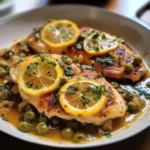
Chicken Piccata Recipe
Ingredients
- Chicken Breasts: The star of the show! You’ll need 4 boneless, skinless chicken breasts. Opt for breasts that are of uniform size to ensure even cooking. About 6-8 ounces each is ideal. The quality of your chicken directly impacts the final dish, so choose fresh, plump breasts. We’ll be butterflying and pounding them thin, so starting with thicker breasts is preferable.
- All-Purpose Flour: 1/2 cup of all-purpose flour is essential for dredging the chicken. This creates a light coating that helps the chicken brown beautifully and also slightly thickens the piccata sauce as it cooks. For a gluten-free option, you can substitute with a gluten-free all-purpose blend, rice flour, or even almond flour, though the texture might be slightly different.
- Salt and Black Pepper: Seasoning is key! You’ll need salt and freshly ground black pepper to taste. Don’t be shy with the seasoning – it’s crucial to flavor the chicken itself before it even hits the pan. Kosher salt is preferred by many chefs for its consistent grain size, but sea salt or table salt will also work. Freshly cracked black pepper provides a brighter, more aromatic flavor than pre-ground pepper.
- Olive Oil: 2 tablespoons of olive oil are used for sautéing the chicken. Extra virgin olive oil adds a richer flavor, but regular olive oil or even a neutral vegetable oil will work well. The oil helps to create a golden-brown crust on the chicken and prevents it from sticking to the pan.
- Butter: 4 tablespoons of unsalted butter, divided. Butter is fundamental to the richness and flavor of Piccata. We’ll use some for cooking the chicken and more to enrich the sauce. Unsalted butter gives you more control over the saltiness of the final dish.
- Dry White Wine (Optional but Recommended): 1/2 cup of dry white wine, such as Pinot Grigio, Sauvignon Blanc, or dry Vermouth. The white wine adds a layer of complexity and acidity to the sauce. As it reduces, it concentrates its flavors, creating a more nuanced and delicious Piccata. If you prefer to omit the wine, you can substitute with an equal amount of chicken broth.
- Chicken Broth: 1/2 cup of low-sodium chicken broth is the liquid base of the sauce. Low-sodium broth allows you to control the salt level better. High-quality chicken broth will enhance the overall flavor of the dish.
- Fresh Lemon Juice: 1/4 cup of freshly squeezed lemon juice. Lemon juice is the defining flavor of Piccata, providing its signature bright and tangy zest. Freshly squeezed lemon juice is essential for the best flavor; avoid bottled lemon juice if possible as it can taste artificial.
- Lemon Slices (for garnish, optional): Thin slices of lemon for garnish add visual appeal and reinforce the lemon flavor. These are primarily for presentation but can also be squeezed over the finished dish for an extra burst of citrus.
- Capers: 1/4 cup of capers, drained and rinsed. Capers are the salty, briny jewels of Piccata. They provide a crucial burst of salty, tangy flavor that complements the lemon beautifully. Be sure to drain and rinse them to remove excess salt and brine. Non-pareil capers are generally preferred for their smaller size and delicate flavor.
- Fresh Parsley: 1/4 cup of fresh parsley, chopped. Fresh parsley adds a vibrant, herbaceous freshness and a pop of green color to the finished dish. Flat-leaf parsley (Italian parsley) is preferred for its robust flavor, but curly parsley can also be used.
- Garlic (Optional but Recommended): 2 cloves of garlic, minced (optional). While not strictly traditional in all Piccata recipes, a touch of garlic adds a subtle savory depth that complements the lemon and capers beautifully. Minced garlic infuses its flavor into the sauce without overpowering the other delicate flavors.
Instructions
- Prepare the Chicken: Begin by preparing the chicken breasts. Place each chicken breast on a cutting board. To butterfly the chicken, use a sharp knife to slice horizontally through the center of the breast, starting from the thicker side and cutting almost all the way through, leaving a hinge on one side. Open it up like a book. Place the butterflied chicken breast between two sheets of plastic wrap or parchment paper. Using a meat mallet or the bottom of a heavy skillet, pound the chicken to an even thickness of about 1/4-inch. Pounding ensures even cooking and tenderizes the chicken, making it quick to cook and delightfully delicate. Repeat this process with all four chicken breasts.
- Season and Dredge the Chicken: In a shallow dish, spread out the all-purpose flour. Season both sides of each pounded chicken breast generously with salt and freshly ground black pepper. Ensure even seasoning for maximum flavor. Dredge each chicken breast in the flour, making sure to coat it evenly on both sides. Shake off any excess flour. The flour coating will help the chicken brown beautifully and contribute to thickening the sauce later.
- Sauté the Chicken: Heat 2 tablespoons of olive oil and 2 tablespoons of butter in a large skillet over medium-high heat. Use a skillet large enough to comfortably fit the chicken breasts in a single layer; if necessary, cook in batches to avoid overcrowding the pan, which can steam the chicken instead of searing it. Once the oil and butter are hot and shimmering (but not smoking), carefully place the floured chicken breasts in the hot skillet. Cook for about 2-3 minutes per side, or until the chicken is golden brown and cooked through. The internal temperature of the chicken should reach 165°F (74°C). Avoid overcooking, as this can make the chicken dry. Once cooked, remove the chicken from the skillet and set aside on a plate. Tent it loosely with foil to keep it warm while you prepare the sauce.
- Make the Piccata Sauce: In the same skillet, reduce the heat to medium. If using garlic, add the minced garlic to the skillet and sauté for about 30 seconds, or until fragrant. Be careful not to burn the garlic; burnt garlic will taste bitter. Pour in the dry white wine (if using) and chicken broth. Bring the mixture to a simmer, scraping up any browned bits from the bottom of the skillet. These browned bits, known as fond, are packed with flavor and will enhance the sauce. Let the sauce simmer for about 2-3 minutes, or until it has slightly reduced and thickened. This step allows the alcohol in the wine to evaporate and the flavors to meld.
- Finish the Sauce: Reduce the heat to low. Stir in the remaining 2 tablespoons of butter, fresh lemon juice, and drained capers. Stir until the butter is melted and the sauce is emulsified and slightly thickened. Taste the sauce and adjust seasoning with salt and pepper as needed. The sauce should be bright, lemony, and slightly salty from the capers.
- Combine Chicken and Sauce: Return the cooked chicken breasts to the skillet with the piccata sauce. Spoon the sauce over the chicken, ensuring each piece is well coated. Gently simmer for another 1-2 minutes to heat the chicken through and allow the flavors to meld together. Avoid boiling at this stage, as it can make the sauce separate.
- Garnish and Serve: Remove the skillet from the heat. Stir in the chopped fresh parsley. Garnish with lemon slices (if desired). Serve immediately while hot, spooning extra sauce over each serving. Chicken Piccata is best enjoyed fresh to appreciate its bright flavors and tender texture.
Nutrition
- Serving Size: one normal portion
- Calories: 450-550
- Sugar: 2-3 grams
- Sodium: 400-600 mg
- Fat: 25-35 grams
- Saturated Fat: 10-15 grams
- Carbohydrates: 10-15 grams
- Fiber: 1-2 grams
- Protein: 40-50 grams
- Cholesterol: 150-200 mg