
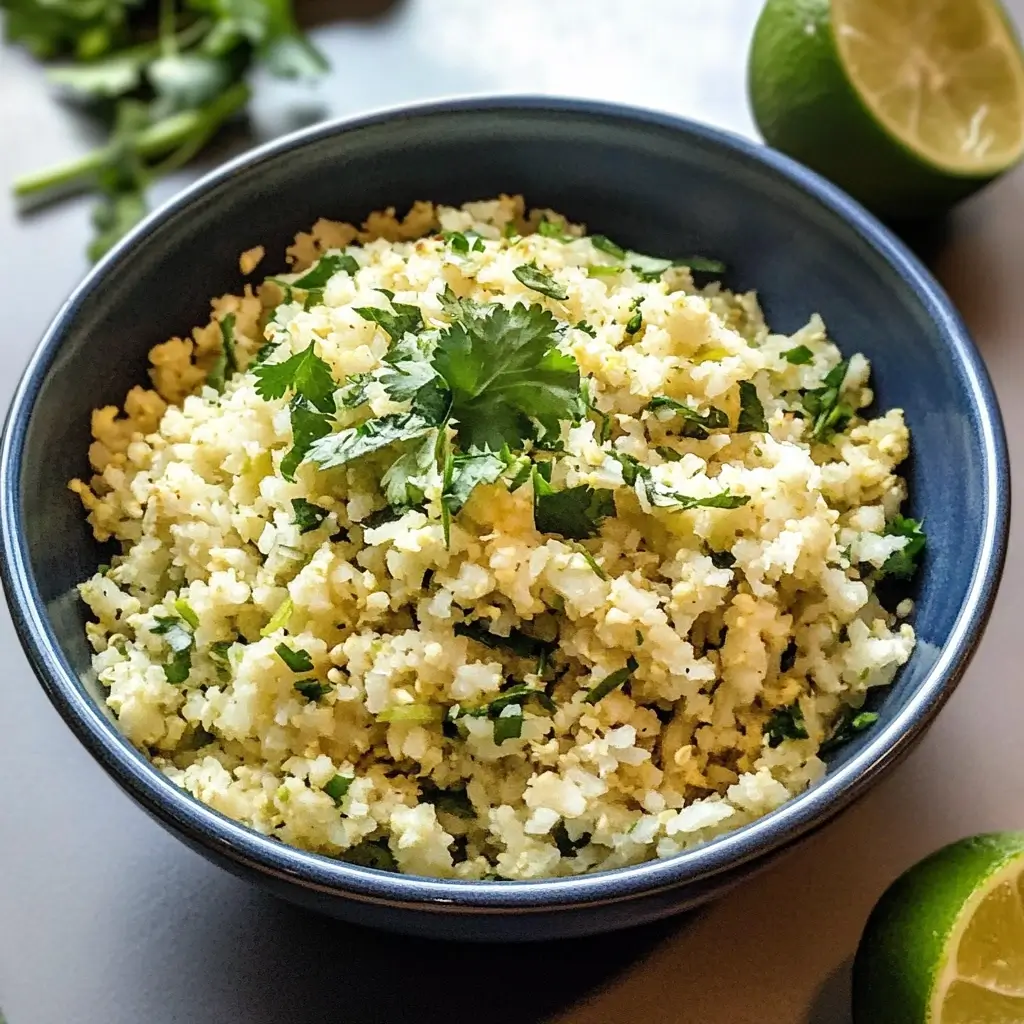

Cilantro Lime Cauliflower Rice is a revelation in our kitchen. For years, we were stuck in a rice rut – white rice, brown rice, maybe the occasional quinoa. Then, we discovered the magic of cauliflower rice, and it’s been a game-changer, especially this cilantro lime version. My family, initially skeptical of anything “healthy disguised as rice,” absolutely devoured it. Even my picky eaters, who usually eye vegetables with suspicion, were asking for seconds! The bright, zesty flavors of cilantro and lime transform humble cauliflower into a vibrant and delicious side dish that pairs perfectly with everything from tacos and grilled chicken to fish and vegetarian curries. It’s light, refreshing, and packed with flavor, making it a staple in our weekly meal rotation. If you’re looking for a healthy, flavorful, and easy-to-make alternative to traditional rice, you absolutely have to try this Cilantro Lime Cauliflower Rice. Trust me, it will become a new family favorite in your home too!
Ingredients
To create this vibrant and flavorful Cilantro Lime Cauliflower Rice, you’ll need a handful of fresh, high-quality ingredients. The beauty of this recipe lies in its simplicity, allowing each component to shine and contribute to the overall deliciousness. Let’s break down each ingredient and discuss why it’s essential and what role it plays in the final dish.
- 1 Large Head of Cauliflower: The star of the show, cauliflower forms the base of our “rice.” When processed correctly, it mimics the texture of rice remarkably well, providing a satisfying and healthy alternative. Choose a firm, white head of cauliflower, free from blemishes or brown spots. The size of the head will determine the yield, but a large head is generally sufficient for 4-6 servings. For optimal flavor and texture, fresh cauliflower is highly recommended. Frozen cauliflower rice can be used in a pinch, but it often retains more moisture, which can make the final dish slightly softer. If using frozen, ensure it’s thoroughly thawed and squeezed dry before cooking. The quality of your cauliflower directly impacts the final taste and texture, so selecting a good one is crucial.
- 2 Tablespoons Olive Oil (or Avocado Oil): Oil is essential for sautéing the cauliflower and preventing it from sticking to the pan. Olive oil is a classic choice, adding a subtle fruity flavor that complements the other ingredients. Avocado oil is another excellent option, known for its high smoke point and neutral taste, allowing the cilantro and lime to take center stage. You can also use coconut oil for a slightly different flavor profile, although it might be more noticeable. Using a good quality oil not only aids in cooking but also contributes to the overall healthfulness of the dish, adding healthy fats. Ensure you use enough oil to lightly coat the cauliflower rice as it cooks, preventing dryness and promoting even cooking.
- 1/2 Teaspoon Salt: Salt is a fundamental seasoning that enhances the flavors of all the other ingredients. It draws out the natural sweetness of the cauliflower and balances the acidity of the lime juice. Start with ½ teaspoon and adjust to taste at the end. Different types of salt can be used; kosher salt is a popular choice for cooking due to its coarse texture and consistent salinity. Sea salt is another great option, offering a slightly more complex flavor. Table salt can also be used, but be mindful of its finer texture and adjust the quantity accordingly if needed. Proper seasoning is key to preventing the cauliflower rice from tasting bland and ensuring a flavorful final product.
- 1/4 Teaspoon Black Pepper: Black pepper adds a subtle warmth and spice that complements the freshness of the cilantro and lime. Freshly ground black pepper is always preferable for its brighter and more aromatic flavor compared to pre-ground pepper. Adjust the amount of pepper to your preference. For a spicier kick, you can add a pinch of red pepper flakes or a dash of cayenne pepper. Pepper not only enhances the flavor profile but also adds a layer of complexity to the dish, preventing it from being overly one-dimensional.
- 1/2 Cup Fresh Cilantro, Chopped: Cilantro is the herb that defines this recipe. Its bright, citrusy, and slightly peppery flavor is essential for achieving the signature cilantro lime taste. Use fresh cilantro for the best flavor; dried cilantro is not a suitable substitute. Wash the cilantro thoroughly and chop it finely. Both the leaves and tender stems can be used, as the stems also contain a significant amount of flavor. If you are not a fan of cilantro, you could experiment with other fresh herbs like parsley or a combination of parsley and mint, although the flavor profile will be different. For those who love cilantro, don’t be shy with it – a generous half cup adds a vibrant freshness that is crucial to the success of this dish.
- Juice of 2 Limes (approximately 1/4 Cup): Lime juice provides the essential citrusy tang that balances the richness of the oil and the earthiness of the cauliflower. Freshly squeezed lime juice is far superior to bottled lime juice in terms of flavor and brightness. Roll the limes firmly on the countertop before juicing to release more juice. Two medium limes should yield approximately ¼ cup of juice, but lime sizes can vary, so it’s always best to juice them and measure. If you want a more intense lime flavor, you can add the zest of one lime along with the juice. Lime juice not only adds flavor but also helps to tenderize the cauliflower slightly and brightens the overall dish. The acidity of the lime also helps to preserve the vibrant green color of the cilantro.
- Optional: 1 Clove Garlic, Minced: While optional, minced garlic adds a subtle savory depth to the cauliflower rice. If you enjoy garlic, adding one clove, minced finely, can enhance the overall flavor complexity. Sauté the garlic briefly in the olive oil before adding the cauliflower rice to infuse the oil with its aroma and flavor. Garlic complements both the cilantro and lime beautifully without overpowering them. If you prefer a milder garlic flavor, you can use roasted garlic instead of raw minced garlic. For those who are sensitive to garlic, it can be easily omitted without significantly altering the core flavor profile of the cilantro lime cauliflower rice.
Instructions
Making Cilantro Lime Cauliflower Rice is surprisingly simple and quick. With just a few easy steps, you can transform a head of cauliflower into a flavorful and healthy side dish. Follow these detailed instructions to achieve perfectly cooked and delicious cauliflower rice every time.
- Prepare the Cauliflower: Begin by washing the head of cauliflower thoroughly under cold water. Remove the outer green leaves and trim the tough core at the base. Cut the cauliflower into florets, roughly the same size for even processing. Smaller florets are easier to rice. You can use a food processor, a box grater, or even a sharp knife to rice the cauliflower.
- Using a Food Processor: This is the quickest and most efficient method. Place the cauliflower florets in the food processor bowl and pulse in short bursts until the cauliflower is broken down into rice-sized pieces. Be careful not to over-process, or you’ll end up with cauliflower puree. Stop pulsing when the texture resembles coarse rice or couscous.
- Using a Box Grater: If you don’t have a food processor, a box grater works well. Use the largest holes on the grater and grate the cauliflower florets, holding them by the stem end. This method takes a bit more time and effort but yields a similar result.
- Using a Knife: For a more rustic texture, you can finely chop the cauliflower florets with a sharp knife. This method is the most time-consuming but gives you more control over the size and texture of the “rice.” Aim for small, rice-sized pieces.
- Sauté the Cauliflower Rice: Heat the olive oil (or avocado oil) in a large skillet or sauté pan over medium heat. If you are using garlic, add the minced garlic to the hot oil and sauté for about 30 seconds to 1 minute, until fragrant and lightly golden. Be careful not to burn the garlic, as it will become bitter. Add the riced cauliflower to the skillet. Season with salt and black pepper. Stir well to combine the cauliflower with the oil, garlic (if using), and seasonings. Cook the cauliflower rice, stirring occasionally, for about 5-7 minutes, or until it is tender-crisp and slightly softened. The cooking time may vary depending on the size of the cauliflower rice and the heat of your stove. You want the cauliflower to be cooked through but still retain a slight bite, not become mushy. Avoid overcooking. If you prefer a slightly softer cauliflower rice, you can cover the skillet with a lid for the last 2-3 minutes of cooking. This will steam the cauliflower slightly, making it more tender. However, be mindful not to over-steam, as it can become watery.
- Add Cilantro and Lime Juice: Once the cauliflower rice is cooked to your desired tenderness, remove the skillet from the heat. Immediately stir in the chopped fresh cilantro and lime juice. Toss everything together gently until the cilantro is evenly distributed and the cauliflower rice is coated with the lime juice. Taste the cauliflower rice and adjust the seasoning if needed. You may want to add a little more salt, pepper, or lime juice to taste. The flavors should be bright, fresh, and zesty.
- Serve Immediately: Cilantro Lime Cauliflower Rice is best served immediately while it’s warm and the flavors are at their peak. It can be served as a side dish or as a base for bowls and other dishes. Garnish with extra fresh cilantro sprigs or lime wedges for a beautiful presentation. If you are not serving it immediately, you can keep the cauliflower rice warm in a covered dish in a low oven (around 200°F or 95°C) for up to 30 minutes. However, keep in mind that the cilantro may wilt slightly if kept warm for too long. For the best flavor and texture, it is recommended to serve it fresh.
Nutrition Facts
Cilantro Lime Cauliflower Rice is not only delicious but also incredibly nutritious. It’s a low-carbohydrate, low-calorie alternative to traditional rice, making it a fantastic choice for those watching their calorie intake, following a low-carb diet, or simply looking to add more vegetables to their meals. Here’s a general overview of the nutrition facts per serving.
(Estimated Nutrition Facts per Serving – based on 6 servings per recipe)
- Serving Size: Approximately ¾ cup (about 100g)
- Calories: Approximately 50-60 calories
- Total Fat: 3-4g
- Saturated Fat: Less than 0.5g
- Monounsaturated Fat: 2-3g
- Polyunsaturated Fat: Less than 0.5g
- Cholesterol: 0mg
- Sodium: 150-200mg (depending on salt added)
- Total Carbohydrates: 5-6g
- Dietary Fiber: 2-3g
- Sugars: 2-3g (naturally occurring from cauliflower)
- Net Carbohydrates: 3-4g
- Protein: 1-2g
- Vitamin C: High (Cauliflower is an excellent source of Vitamin C)
- Vitamin K: Good source
- Folate (Vitamin B9): Good source
- Potassium: Moderate source
Important Notes on Nutrition Facts:
- These values are estimates and can vary slightly based on the exact size of the cauliflower head, the amount of oil used, and other ingredient variations.
- The calorie and carbohydrate counts are significantly lower than traditional rice. One cup of cooked white rice contains approximately 200 calories and 45 grams of carbohydrates.
- Cauliflower is packed with vitamins and minerals, making this dish a nutrient-dense side option. It’s a good source of antioxidants and fiber, which are beneficial for overall health.
- The healthy fats come primarily from the olive oil or avocado oil, which are known for their heart-healthy benefits.
- For the most accurate nutritional information, you can use online nutrition calculators or apps that allow you to input the specific ingredients and quantities used in your recipe.
This Cilantro Lime Cauliflower Rice is a guilt-free way to enjoy a rice-like dish while boosting your vegetable intake and reducing your carbohydrate consumption. It’s a win-win for both flavor and health!
Preparation Time
One of the great advantages of Cilantro Lime Cauliflower Rice is its quick preparation time. From start to finish, you can have this flavorful side dish ready in under 20 minutes, making it perfect for busy weeknights or when you need a healthy side in a hurry. Here’s a breakdown of the estimated time involved:
- Prep Time: 10 minutes
- This includes washing and trimming the cauliflower.
- Ricing the cauliflower using a food processor, box grater, or knife.
- Chopping the cilantro.
- Juicing the limes.
- Minced garlic (if using).
- Measuring out the oil, salt, and pepper.
- Cook Time: 5-7 minutes
- This is the time it takes to sauté the cauliflower rice in the skillet until tender-crisp. The exact cooking time will depend on the heat of your stove and the desired texture.
- Total Time: Approximately 15-17 minutes
Tips to Speed Up Preparation:
- Pre-Riced Cauliflower: To save even more time, you can purchase pre-riced cauliflower from the grocery store, either fresh or frozen. If using frozen, remember to thaw it and squeeze out excess moisture. This can cut your prep time down to just a few minutes.
- Food Processor: Using a food processor to rice the cauliflower is significantly faster than using a box grater or knife. If you have a food processor, it’s highly recommended for this recipe.
- Organize Ingredients: Having all your ingredients prepped and ready to go (mise en place) before you start cooking will streamline the process and make it even faster.
- Multi-tasking: While the cauliflower rice is sautéing, you can prepare other parts of your meal, set the table, or clean up as you go, making efficient use of your time in the kitchen.
With minimal prep and a short cooking time, Cilantro Lime Cauliflower Rice is an excellent choice for a quick, healthy, and flavorful side dish that fits into even the busiest schedules.
How to Serve Cilantro Lime Cauliflower Rice
Cilantro Lime Cauliflower Rice is incredibly versatile and can be served in countless ways. Its bright and refreshing flavor profile makes it a perfect accompaniment to a wide variety of dishes. Here are some delicious serving suggestions to inspire you:
- As a Side Dish:
- With Mexican Cuisine: It’s a natural pairing for tacos, burritos, enchiladas, fajitas, and quesadillas. Its light texture and zesty flavor complement the richness of Mexican dishes beautifully.
- Alongside Grilled or Roasted Meats: Serve it with grilled chicken, steak, fish, shrimp, or pork. The cauliflower rice provides a healthy and flavorful counterpoint to heavier proteins.
- With Seafood: It pairs exceptionally well with grilled, baked, or pan-seared fish like salmon, cod, tilapia, or mahi-mahi. The lime and cilantro enhance the delicate flavors of seafood.
- With Vegetarian and Vegan Dishes: Serve it alongside black beans, lentil stews, vegetable curries, tofu scrambles, or roasted vegetables. It adds a satisfying base to plant-based meals.
- With Eggs: Make a healthy and flavorful breakfast or brunch by serving it with scrambled eggs, fried eggs, or poached eggs. Top with avocado and salsa for a complete meal.
- As a Base for Bowls:
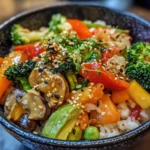
- Buddha Bowls: Create vibrant and nutritious Buddha bowls by layering Cilantro Lime Cauliflower Rice with roasted vegetables (like sweet potatoes, broccoli, or bell peppers), protein (like chickpeas, grilled chicken, or tofu), avocado, and a flavorful dressing (like tahini dressing or a spicy peanut sauce).
- Taco Bowls: Build delicious taco bowls with Cilantro Lime Cauliflower Rice as the base, topped with seasoned ground beef or chicken, black beans, corn, salsa, guacamole, sour cream or Greek yogurt, and shredded cheese.
- Poke Bowls: For a lighter and refreshing option, use it as the base for poke bowls with raw tuna or salmon, edamame, seaweed salad, avocado, and a soy-ginger dressing.
- Grain-Free Bowls: Create grain-free bowls by combining it with your favorite proteins, vegetables, and sauces. It’s a fantastic way to enjoy a satisfying and healthy meal without traditional grains.
- Other Creative Serving Ideas:
- Stuffing for Bell Peppers or Tomatoes: Use it as a flavorful and low-carb stuffing for bell peppers or tomatoes, baked or grilled.
- Inside Lettuce Wraps: Add it to lettuce wraps with ground meat or tofu, along with other fillings like carrots, cucumbers, and peanut sauce, for a light and refreshing meal.
- Mixed into Salads: Add cooled Cilantro Lime Cauliflower Rice to salads to add texture, flavor, and bulk. It works particularly well in Mexican-inspired salads or grain-free salads.
- As a Topping for Soups: Sprinkle a spoonful of Cilantro Lime Cauliflower Rice on top of creamy soups or black bean soup for added texture and flavor.
No matter how you choose to serve it, Cilantro Lime Cauliflower Rice is sure to elevate your meal with its vibrant flavors and healthy goodness. Get creative and explore different pairings to discover your favorite ways to enjoy this versatile dish!
Additional Tips for Perfect Cilantro Lime Cauliflower Rice
To ensure your Cilantro Lime Cauliflower Rice turns out perfectly every time, here are five helpful tips to keep in mind:
- Don’t Overcook the Cauliflower: The key to great cauliflower rice is to cook it until it’s tender-crisp, not mushy. Overcooking will result in a soggy and unpleasant texture. Keep a close eye on it while it’s sautéing and test for doneness by piercing it with a fork. It should be easily pierced but still have a slight bite. If you prefer a softer texture, you can cover the pan for the last minute or two of cooking, but be careful not to steam it for too long.
- Remove Excess Moisture: Cauliflower naturally contains a lot of moisture. If you’re using frozen cauliflower rice, thawing it and squeezing out as much excess water as possible is crucial to prevent a watery dish. Even with fresh cauliflower, some moisture can release during cooking. Cooking in a skillet with enough surface area allows the moisture to evaporate effectively. Avoid overcrowding the pan, which can trap steam and lead to soggy rice.
- Fresh Ingredients are Key: The flavor of this dish relies heavily on the freshness of the cilantro and lime. Use fresh cilantro and freshly squeezed lime juice for the best and brightest flavor. Dried cilantro is not a suitable substitute, and bottled lime juice often lacks the vibrant tang of fresh limes. If possible, use organic ingredients for optimal flavor and health benefits.
- Seasoning is Crucial: Don’t be shy with the salt, pepper, and lime juice. Proper seasoning is essential to bring out the flavors of the cauliflower, cilantro, and lime. Start with the recommended amounts and then taste and adjust as needed. Remember that salt enhances flavor, and lime juice adds brightness and acidity. Taste and adjust seasoning right before serving to ensure the flavors are perfectly balanced.
- Customize to Your Taste: This recipe is a fantastic base, but feel free to customize it to your preferences. Want more heat? Add a pinch of red pepper flakes or a minced jalapeño. Love garlic? Add an extra clove or two. Want a richer flavor? Sauté some finely diced onion or shallots along with the garlic. Experiment with different oils, herbs, and spices to create your own signature version of Cilantro Lime Cauliflower Rice. Consider adding a pinch of cumin or oregano for a slightly different flavor profile.
By following these tips, you’ll be well on your way to making perfect Cilantro Lime Cauliflower Rice that’s flavorful, healthy, and sure to impress!
Frequently Asked Questions (FAQ)
Here are some frequently asked questions about Cilantro Lime Cauliflower Rice to help you make the most of this recipe:
Q1: Can I use frozen cauliflower rice instead of fresh?
A: Yes, you can definitely use frozen cauliflower rice. It’s a convenient option and can save you prep time. However, frozen cauliflower rice tends to retain more moisture than fresh. Make sure to thaw it completely and squeeze out as much excess water as possible before cooking. You can thaw it in the refrigerator overnight or in the microwave according to package instructions. Squeezing out the water can be done using paper towels or a clean kitchen towel. This step is crucial to prevent the cauliflower rice from becoming soggy.
Q2: How long does Cilantro Lime Cauliflower Rice last in the refrigerator?
A: Cilantro Lime Cauliflower Rice is best enjoyed fresh, but leftovers can be stored in an airtight container in the refrigerator for up to 3-4 days. Keep in mind that the texture may soften slightly upon refrigeration, and the cilantro might wilt a bit over time. To reheat, you can microwave it gently or sauté it in a skillet with a little oil until heated through. Adding a squeeze of fresh lime juice when reheating can help to revive the flavors.
Q3: Can I make Cilantro Lime Cauliflower Rice ahead of time?
A: While it’s best served fresh, you can prepare the cauliflower rice base (up to step 2 of the instructions) a few hours ahead of time. Store the cooked cauliflower rice in an airtight container in the refrigerator. Just before serving, reheat it gently and then stir in the fresh cilantro and lime juice. Adding the cilantro and lime juice right before serving will ensure the freshest flavor and vibrant color. Avoid adding the cilantro and lime juice too far in advance, as the cilantro can wilt and the lime juice can lose some of its brightness.
Q4: I don’t like cilantro. What can I substitute?
A: If you’re not a fan of cilantro, you can substitute it with other fresh herbs, although the flavor profile will be different. Good alternatives include:
- Fresh Parsley: Parsley provides a fresh, slightly peppery flavor that can work well. Use flat-leaf parsley for the best flavor.
- A Combination of Parsley and Mint: This combination can add a refreshing and slightly sweet flavor.
- Fresh Basil: Basil will give the cauliflower rice a more Italian or Mediterranean flavor.
- Green Onions (Scallions): Finely chopped green onions can add a mild oniony and fresh flavor.
Keep in mind that substituting cilantro will change the dish from “Cilantro Lime” to a different flavor profile. If you’re looking for a similar bright and zesty flavor, parsley is the closest substitute.
Q5: Can I add other vegetables to this recipe?
A: Absolutely! Cilantro Lime Cauliflower Rice is a versatile base that can be enhanced with other vegetables. Some delicious additions include:
- Diced Bell Peppers: Red, yellow, or orange bell peppers add sweetness and color. Sauté them with the cauliflower rice or roast them beforehand for a deeper flavor.
- Corn Kernels: Fresh or frozen corn kernels add sweetness and a pleasant texture. Add them towards the end of the cooking time to warm through.
- Black Beans: Rinsed and drained black beans add protein and fiber, making it a more substantial side dish or even a light meal. Add them during the last few minutes of cooking to heat through.
- Diced Onions or Shallots: Sauté diced onions or shallots in the olive oil before adding the cauliflower rice for added flavor and depth.
- Chopped Tomatoes: Diced fresh tomatoes or cherry tomatoes, halved or quartered, can add juiciness and freshness. Add them at the end of cooking or as a topping.
Feel free to experiment with your favorite vegetables to create your own customized and nutrient-packed version of Cilantro Lime Cauliflower Rice!
Print
Cilantro Lime Cauliflower Rice Recipe
Ingredients
- 1 Large Head of Cauliflower: The star of the show, cauliflower forms the base of our “rice.” When processed correctly, it mimics the texture of rice remarkably well, providing a satisfying and healthy alternative. Choose a firm, white head of cauliflower, free from blemishes or brown spots. The size of the head will determine the yield, but a large head is generally sufficient for 4–6 servings. For optimal flavor and texture, fresh cauliflower is highly recommended. Frozen cauliflower rice can be used in a pinch, but it often retains more moisture, which can make the final dish slightly softer. If using frozen, ensure it’s thoroughly thawed and squeezed dry before cooking. The quality of your cauliflower directly impacts the final taste and texture, so selecting a good one is crucial.
- 2 Tablespoons Olive Oil (or Avocado Oil): Oil is essential for sautéing the cauliflower and preventing it from sticking to the pan. Olive oil is a classic choice, adding a subtle fruity flavor that complements the other ingredients. Avocado oil is another excellent option, known for its high smoke point and neutral taste, allowing the cilantro and lime to take center stage. You can also use coconut oil for a slightly different flavor profile, although it might be more noticeable. Using a good quality oil not only aids in cooking but also contributes to the overall healthfulness of the dish, adding healthy fats. Ensure you use enough oil to lightly coat the cauliflower rice as it cooks, preventing dryness and promoting even cooking.
- 1/2 Teaspoon Salt: Salt is a fundamental seasoning that enhances the flavors of all the other ingredients. It draws out the natural sweetness of the cauliflower and balances the acidity of the lime juice. Start with ½ teaspoon and adjust to taste at the end. Different types of salt can be used; kosher salt is a popular choice for cooking due to its coarse texture and consistent salinity. Sea salt is another great option, offering a slightly more complex flavor. Table salt can also be used, but be mindful of its finer texture and adjust the quantity accordingly if needed. Proper seasoning is key to preventing the cauliflower rice from tasting bland and ensuring a flavorful final product.
- 1/4 Teaspoon Black Pepper: Black pepper adds a subtle warmth and spice that complements the freshness of the cilantro and lime. Freshly ground black pepper is always preferable for its brighter and more aromatic flavor compared to pre-ground pepper. Adjust the amount of pepper to your preference. For a spicier kick, you can add a pinch of red pepper flakes or a dash of cayenne pepper. Pepper not only enhances the flavor profile but also adds a layer of complexity to the dish, preventing it from being overly one-dimensional.
- 1/2 Cup Fresh Cilantro, Chopped: Cilantro is the herb that defines this recipe. Its bright, citrusy, and slightly peppery flavor is essential for achieving the signature cilantro lime taste. Use fresh cilantro for the best flavor; dried cilantro is not a suitable substitute. Wash the cilantro thoroughly and chop it finely. Both the leaves and tender stems can be used, as the stems also contain a significant amount of flavor. If you are not a fan of cilantro, you could experiment with other fresh herbs like parsley or a combination of parsley and mint, although the flavor profile will be different. For those who love cilantro, don’t be shy with it – a generous half cup adds a vibrant freshness that is crucial to the success of this dish.
- Juice of 2 Limes (approximately 1/4 Cup): Lime juice provides the essential citrusy tang that balances the richness of the oil and the earthiness of the cauliflower. Freshly squeezed lime juice is far superior to bottled lime juice in terms of flavor and brightness. Roll the limes firmly on the countertop before juicing to release more juice. Two medium limes should yield approximately ¼ cup of juice, but lime sizes can vary, so it’s always best to juice them and measure. If you want a more intense lime flavor, you can add the zest of one lime along with the juice. Lime juice not only adds flavor but also helps to tenderize the cauliflower slightly and brightens the overall dish. The acidity of the lime also helps to preserve the vibrant green color of the cilantro.
- Optional: 1 Clove Garlic, Minced: While optional, minced garlic adds a subtle savory depth to the cauliflower rice. If you enjoy garlic, adding one clove, minced finely, can enhance the overall flavor complexity. Sauté the garlic briefly in the olive oil before adding the cauliflower rice to infuse the oil with its aroma and flavor. Garlic complements both the cilantro and lime beautifully without overpowering them. If you prefer a milder garlic flavor, you can use roasted garlic instead of raw minced garlic. For those who are sensitive to garlic, it can be easily omitted without significantly altering the core flavor profile of the cilantro lime cauliflower rice.
Instructions
- Prepare the Cauliflower: Begin by washing the head of cauliflower thoroughly under cold water. Remove the outer green leaves and trim the tough core at the base. Cut the cauliflower into florets, roughly the same size for even processing. Smaller florets are easier to rice. You can use a food processor, a box grater, or even a sharp knife to rice the cauliflower.
- Using a Food Processor: This is the quickest and most efficient method. Place the cauliflower florets in the food processor bowl and pulse in short bursts until the cauliflower is broken down into rice-sized pieces. Be careful not to over-process, or you’ll end up with cauliflower puree. Stop pulsing when the texture resembles coarse rice or couscous.Using a Box Grater: If you don’t have a food processor, a box grater works well. Use the largest holes on the grater and grate the cauliflower florets, holding them by the stem end. This method takes a bit more time and effort but yields a similar result.Using a Knife: For a more rustic texture, you can finely chop the cauliflower florets with a sharp knife. This method is the most time-consuming but gives you more control over the size and texture of the “rice.” Aim for small, rice-sized pieces.
Once you have riced the cauliflower, set it aside. If using frozen cauliflower rice, thaw it completely and squeeze out as much excess moisture as possible using paper towels or a clean kitchen towel. This step is crucial for preventing soggy cauliflower rice.
- Sauté the Cauliflower Rice: Heat the olive oil (or avocado oil) in a large skillet or sauté pan over medium heat. If you are using garlic, add the minced garlic to the hot oil and sauté for about 30 seconds to 1 minute, until fragrant and lightly golden. Be careful not to burn the garlic, as it will become bitter. Add the riced cauliflower to the skillet. Season with salt and black pepper. Stir well to combine the cauliflower with the oil, garlic (if using), and seasonings. Cook the cauliflower rice, stirring occasionally, for about 5-7 minutes, or until it is tender-crisp and slightly softened. The cooking time may vary depending on the size of the cauliflower rice and the heat of your stove. You want the cauliflower to be cooked through but still retain a slight bite, not become mushy. Avoid overcooking. If you prefer a slightly softer cauliflower rice, you can cover the skillet with a lid for the last 2-3 minutes of cooking. This will steam the cauliflower slightly, making it more tender. However, be mindful not to over-steam, as it can become watery.
- Add Cilantro and Lime Juice: Once the cauliflower rice is cooked to your desired tenderness, remove the skillet from the heat. Immediately stir in the chopped fresh cilantro and lime juice. Toss everything together gently until the cilantro is evenly distributed and the cauliflower rice is coated with the lime juice. Taste the cauliflower rice and adjust the seasoning if needed. You may want to add a little more salt, pepper, or lime juice to taste. The flavors should be bright, fresh, and zesty.
- Serve Immediately: Cilantro Lime Cauliflower Rice is best served immediately while it’s warm and the flavors are at their peak. It can be served as a side dish or as a base for bowls and other dishes. Garnish with extra fresh cilantro sprigs or lime wedges for a beautiful presentation. If you are not serving it immediately, you can keep the cauliflower rice warm in a covered dish in a low oven (around 200°F or 95°C) for up to 30 minutes. However, keep in mind that the cilantro may wilt slightly if kept warm for too long. For the best flavor and texture, it is recommended to serve it fresh.
Nutrition
- Serving Size: one normal portion
- Calories: 50-60
- Sugar: 2-3g
- Sodium: 150-200mg
- Fat: 3-4g
- Saturated Fat: 0.5g
- Carbohydrates: 5-6g
- Fiber: 2-3g
- Protein: 1-2g
- Cholesterol: 0 mg