
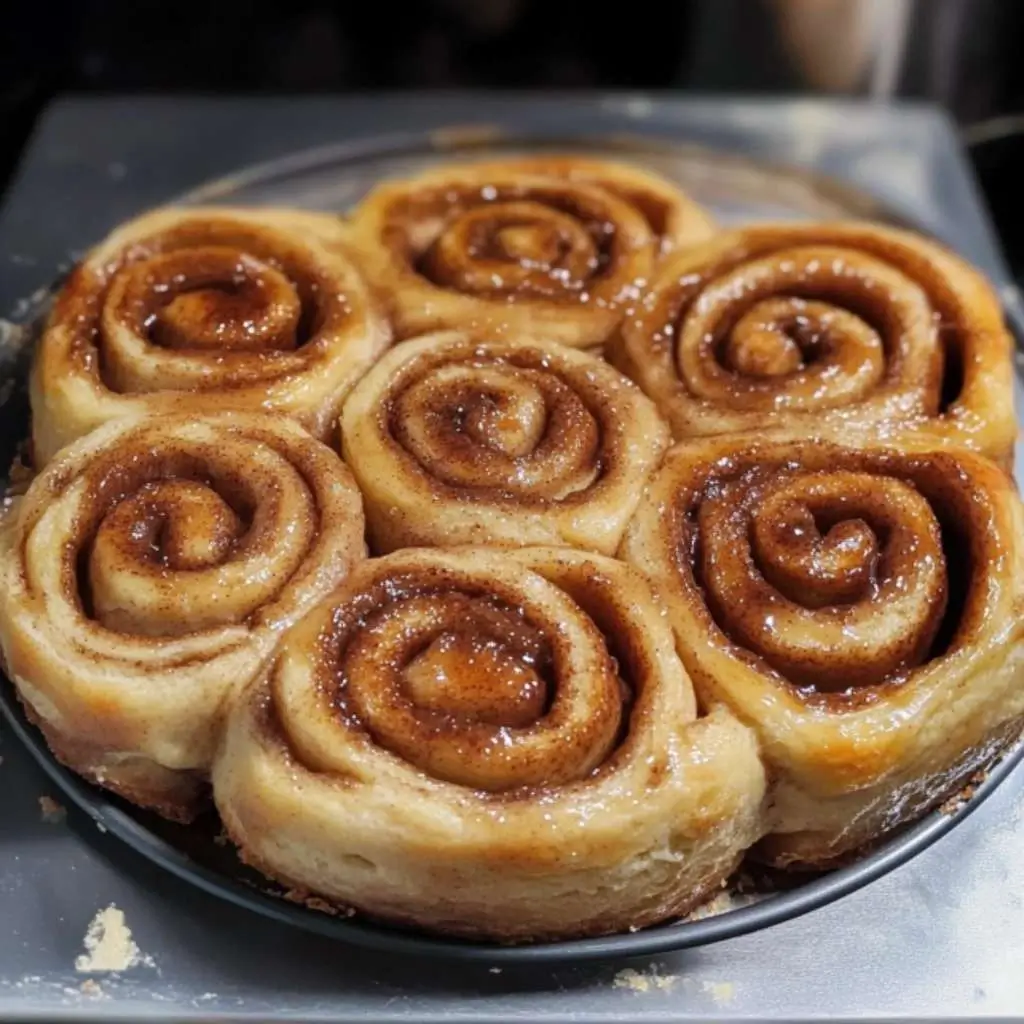

There’s something truly magical about the scent of cinnamon swirling through the kitchen, especially on a lazy weekend morning. It’s a smell that instantly evokes feelings of warmth, comfort, and pure indulgence. For my family, that aroma has become synonymous with my Cinnamon Roll Bread. Honestly, it’s become a bit of a legend in our house. From the moment the first whiff escapes the oven, everyone starts congregating, drawn in like moths to a flame. The kids abandon their screens, my partner emerges from their work cave, and even the dog seems to perk up a little extra, hoping for a stray crumb (spoiler alert: there are never any stray crumbs left!). What I love most about this recipe is how incredibly easy it is to make, despite its impressive, bakery-worthy results. It’s the perfect balance of soft, fluffy bread, gooey cinnamon filling, and decadent cream cheese frosting, all baked together into one glorious loaf. Forget individual cinnamon rolls; this bread is a communal experience, meant to be sliced and shared, enjoyed with steaming cups of coffee or mugs of hot chocolate. If you’re looking to create a little kitchen magic and fill your home with that irresistible cinnamon spice aroma, you absolutely must try this Cinnamon Roll Bread recipe. Trust me, your family (and anyone lucky enough to get a slice) will thank you.
Ingredients: The Building Blocks of Cinnamon Roll Bliss
To create this heavenly Cinnamon Roll Bread, you’ll need a few key ingredients, most of which you likely already have in your pantry and refrigerator. Let’s break down what you’ll need for both the dough and the irresistible cinnamon filling and frosting:
For the Sweet Dough:
- 1 cup (240ml) Warm Milk: Whole milk is recommended for richness, but 2% or even non-dairy milk alternatives like almond or oat milk can work. Ensure it’s warm to the touch (about 105-115°F or 40-46°C) to activate the yeast.
- 2 ¼ teaspoons (1 packet) Active Dry Yeast: This is the magic ingredient that makes the bread rise and become wonderfully fluffy. Make sure your yeast is fresh for the best results.
- ¼ cup (50g) Granulated Sugar: Adds sweetness to the dough and helps to feed the yeast.
- 1 teaspoon Salt: Balances the sweetness and enhances the flavors.
- ¼ cup (60g) Unsalted Butter, Melted: Adds richness and tenderness to the dough. You can also use vegetable oil or coconut oil for a slightly different texture.
- 1 Large Egg: Adds structure, richness, and color to the dough.
- 3 ½ – 4 cups (420-480g) All-Purpose Flour: The foundation of our bread. Start with 3 ½ cups and add more gradually until the dough is just slightly sticky but manageable. Bread flour can also be used for a chewier texture.
For the Cinnamon Filling:
- ½ cup (1 stick, 113g) Unsalted Butter, Softened: The key to a gooey and flavorful cinnamon swirl. Make sure it’s softened to room temperature for easy spreading.
- ¾ cup (150g) Packed Light Brown Sugar: Adds a deep molasses flavor that complements the cinnamon perfectly. Dark brown sugar can also be used for an even richer taste.
- 2 tablespoons Ground Cinnamon: The star of the show! Use high-quality cinnamon for the best flavor. You can also add a pinch of nutmeg or cardamom for extra warmth.
For the Cream Cheese Frosting:
- 4 ounces (113g) Cream Cheese, Softened: Full-fat cream cheese is recommended for the best flavor and texture. Make sure it’s softened to room temperature to avoid lumps in your frosting.
- ½ cup (1 stick, 113g) Unsalted Butter, Softened: Adds richness and helps create a smooth and spreadable frosting.
- 2 cups (240g) Powdered Sugar: Provides sweetness and structure to the frosting. Sift it before measuring to remove any lumps.
- 1 teaspoon Vanilla Extract: Enhances the flavors of the frosting and adds a touch of warmth.
- 2-4 tablespoons Milk or Heavy Cream: Used to adjust the consistency of the frosting. Start with 2 tablespoons and add more as needed to reach your desired thickness.
Optional Ingredients for Extra Flair:
- Chopped Nuts (Pecans, Walnuts): Add texture and nutty flavor to the filling or as a topping.
- Raisins or Dried Cranberries: For a touch of fruity sweetness in the filling.
- Caramel Sauce: Drizzle over the frosting for extra decadence.
- Maple Syrup: Add a hint to the frosting for a maple cream cheese variation.
Instructions: Baking Your Way to Cinnamon Roll Bread Perfection
Now that you have all your ingredients gathered, let’s get baking! Follow these step-by-step instructions to create your own delicious Cinnamon Roll Bread:
Step 1: Activate the Yeast
- In a large bowl or the bowl of a stand mixer, combine the warm milk, active dry yeast, and granulated sugar.
- Gently stir to combine and let it sit for 5-10 minutes. This allows the yeast to activate and become foamy, indicating it’s alive and ready to work its magic. You should see small bubbles forming on the surface.
Step 2: Combine Wet and Dry Ingredients
- Once the yeast mixture is foamy, add the melted butter, salt, and egg to the bowl. Whisk to combine the wet ingredients.
- Gradually add the flour, one cup at a time, mixing on low speed with a dough hook (if using a stand mixer) or with a wooden spoon (if mixing by hand).
- Continue adding flour until the dough comes together and pulls away from the sides of the bowl. It should be slightly sticky but manageable. You may not need to use all 4 cups of flour.
Step 3: Knead the Dough
- Turn the dough out onto a lightly floured surface.
- Knead the dough for 5-7 minutes, or until it becomes smooth, elastic, and no longer sticky. If using a stand mixer, knead with the dough hook on medium-low speed for about 5 minutes.
- To check if the dough is kneaded enough, perform the “windowpane test”: Stretch a small piece of dough between your fingers. If it stretches thin enough to see light through it without tearing, it’s ready.
Step 4: First Rise (Proofing)
- Lightly grease a large bowl with butter or oil.
- Place the kneaded dough in the greased bowl and turn it to coat all sides with the grease.
- Cover the bowl with plastic wrap or a clean kitchen towel.
- Let the dough rise in a warm place for 1-1.5 hours, or until it has doubled in size. The warmer the environment, the faster it will rise. A good place is in a slightly warmed oven (turned off!) or a sunny spot in your kitchen.
Step 5: Prepare the Filling and Assemble the Bread
- While the dough is rising, prepare the cinnamon filling by combining the softened butter, brown sugar, and ground cinnamon in a small bowl. Mix until well combined and creamy.
- Once the dough has doubled, gently punch it down to release the air.
- Turn the dough out onto a lightly floured surface and roll it into a large rectangle, approximately 12×18 inches (30×45 cm).
- Spread the softened cinnamon filling evenly over the entire surface of the dough rectangle, leaving a small border at one of the long edges for sealing.
- Starting from the long edge opposite the border, tightly roll up the dough rectangle into a log.
- Pinch the seam to seal the roll and prevent the filling from leaking out.
Step 6: Slice and Arrange in a Loaf Pan
- Using a sharp serrated knife or dental floss (for cleaner cuts), slice the dough log into 12-15 equal slices, about 1-1.5 inches thick.
- Grease a 9×13 inch (23×33 cm) baking pan or loaf pan.
- Arrange the cinnamon roll slices cut-side up in the prepared pan, slightly overlapping them if needed.
Step 7: Second Rise
- Cover the pan with plastic wrap or a clean kitchen towel.
- Let the cinnamon roll bread rise again in a warm place for 30-45 minutes, or until the rolls are puffy and have almost doubled in size.
Step 8: Bake to Golden Perfection
- Preheat your oven to 350°F (175°C).
- Bake the cinnamon roll bread for 25-30 minutes, or until it’s golden brown on top and cooked through. A toothpick inserted into the center should come out clean.
- If the top starts to brown too quickly, you can loosely tent the pan with aluminum foil for the last 10 minutes of baking.
Step 9: Make the Cream Cheese Frosting
- While the bread is baking, prepare the cream cheese frosting.
- In a large bowl, beat the softened cream cheese and butter together with an electric mixer until smooth and creamy.
- Gradually add the powdered sugar, one cup at a time, beating on low speed until combined.
- Stir in the vanilla extract.
- Add milk or heavy cream, one tablespoon at a time, until you reach your desired frosting consistency. You want it to be spreadable but not too runny.
Step 10: Frost and Serve
- Once the cinnamon roll bread is out of the oven, let it cool in the pan for about 10-15 minutes. This allows it to set slightly and makes frosting easier.
- Generously spread the cream cheese frosting evenly over the warm cinnamon roll bread.
- Slice and serve warm. Enjoy the incredible aroma and even more incredible taste!
Nutrition Facts: A Treat to Savor (in Moderation!)
While Cinnamon Roll Bread is undeniably delicious, it’s also important to be mindful of its nutritional content. Here’s an estimated breakdown per serving:
- Servings: Approximately 12-15 slices per loaf
- Calories per serving (estimated): 350-450 calories (This can vary depending on slice size and frosting amount)
Approximate Nutritional Breakdown per Serving (estimated):
- Fat: 15-20g (primarily from butter, cream cheese, and milk)
- Saturated Fat: 9-12g
- Cholesterol: 50-70mg
- Sodium: 200-250mg
- Carbohydrates: 50-60g (primarily from flour and sugar)
- Fiber: 1-2g
- Sugar: 25-35g (from granulated sugar, brown sugar, and powdered sugar)
- Protein: 5-7g
Important Note: These are estimations and can vary based on specific ingredient brands, measurements, and serving sizes. This treat is best enjoyed in moderation as part of a balanced diet.
Preparation Time: Plan Ahead for Baking Bliss
Making Cinnamon Roll Bread does require some time, primarily for the dough to rise. Here’s a breakdown of the time involved:
- Prep Time: 30-40 minutes (for mixing dough, preparing filling, and frosting)
- Rise Time (First Rise): 1-1.5 hours
- Rise Time (Second Rise): 30-45 minutes
- Bake Time: 25-30 minutes
- Cooling Time: 10-15 minutes
- Total Time: Approximately 2.5 – 3.5 hours
While it’s not a quick recipe, the active time is relatively short, and much of the time is hands-off while the dough is rising. The incredible flavor and aroma are well worth the wait! This is a great recipe to start in the morning for a delightful afternoon treat or to prepare the dough in advance for baking the next day.
How to Serve: Unleashing the Deliciousness
Cinnamon Roll Bread is incredibly versatile and can be enjoyed in various ways. Here are some serving suggestions to elevate your experience:
- Warm and Fresh: The absolute best way to enjoy Cinnamon Roll Bread is warm, straight from the oven, with a generous layer of cream cheese frosting. The warmth enhances the flavors and creates a melt-in-your-mouth texture.
- With Coffee or Tea: Pair a slice of warm Cinnamon Roll Bread with a steaming cup of coffee, latte, cappuccino, or your favorite tea. The rich flavors of coffee and tea complement the sweetness and spice of the bread perfectly, making it an ideal breakfast or brunch option.
- As a Dessert: Cinnamon Roll Bread makes a fantastic dessert. Serve it slightly warmed with a scoop of vanilla ice cream or a dollop of whipped cream for an extra indulgent treat.
- For Brunch or Special Occasions: This bread is a showstopper for brunch gatherings, holidays, or special occasions. It’s a crowd-pleaser that looks impressive and tastes even better.
- Make Ahead and Reheat: Cinnamon Roll Bread can be baked ahead of time and reheated. To reheat, wrap individual slices in foil and warm them in a low oven (around 300°F or 150°C) for 10-15 minutes, or until heated through. You can also microwave slices for a quicker reheat, but be careful not to overheat and dry them out.
- Leftover Delight: If you happen to have leftovers (though it’s rare!), store them in an airtight container at room temperature for a day or two, or in the refrigerator for up to a week. Leftover slices are delicious enjoyed cold or slightly warmed.
- Drizzled with Caramel or Chocolate Sauce: For an extra layer of flavor and decadence, drizzle warm Cinnamon Roll Bread with caramel sauce, chocolate sauce, or both!
- Toasted Slices: For a slightly different texture, try toasting slices of Cinnamon Roll Bread. The edges become slightly crispy, and the inside stays soft and gooey.
- With Fresh Fruit: Balance the sweetness of the bread by serving it alongside fresh berries, sliced bananas, or peaches. The fruit adds a refreshing contrast and visual appeal.
Additional Tips for Cinnamon Roll Bread Baking Success
To ensure your Cinnamon Roll Bread turns out perfectly every time, here are five helpful tips:
- Use Fresh Yeast: Expired yeast can lead to dough that doesn’t rise properly. Always check the expiration date on your yeast packet and store it in a cool, dry place. If you’re unsure about your yeast’s freshness, you can test it by mixing a teaspoon of yeast with a teaspoon of sugar and ¼ cup of warm water. If it doesn’t become foamy within 10 minutes, it’s likely no longer active.
- Don’t Overheat the Milk: Warm milk is essential for activating yeast, but milk that is too hot can kill the yeast. Aim for milk that is warm to the touch, between 105-115°F (40-46°C). If you don’t have a thermometer, you should be able to comfortably dip your finger in the milk and hold it there.
- Knead the Dough Properly: Kneading develops gluten, which gives the bread its structure and chewiness. Don’t skimp on the kneading time. If you’re kneading by hand, use a firm, rhythmic motion, pushing and folding the dough. If using a stand mixer, let the dough hook do the work. The windowpane test is a great indicator of properly kneaded dough.
- Let the Dough Rise in a Warm Place: Yeast thrives in warm environments. Find a warm spot in your kitchen for the dough to rise. A slightly warmed oven (turned off), a sunny windowsill, or even a microwave (turned off, with a cup of hot water inside) can create the perfect proofing environment. Avoid overly hot places, as this can also kill the yeast.
- Don’t Overbake: Overbaking can result in dry Cinnamon Roll Bread. Keep an eye on the bread while it’s baking and remove it from the oven as soon as it’s golden brown and a toothpick inserted into the center comes out clean. Carryover cooking will continue to bake the bread slightly even after it’s removed from the oven.
FAQ: Your Cinnamon Roll Bread Questions Answered
Got questions about making Cinnamon Roll Bread? Here are answers to some frequently asked questions:
Q1: Can I make the dough ahead of time?
A: Yes, you can! After the first rise, punch down the dough, wrap it tightly in plastic wrap, and store it in the refrigerator overnight (or up to 24 hours). When you’re ready to bake, remove the dough from the refrigerator and let it sit at room temperature for about 30-60 minutes to warm up slightly before rolling it out and proceeding with the recipe.
Q2: Can I freeze Cinnamon Roll Bread?
A: Absolutely! Cinnamon Roll Bread freezes beautifully. You have a couple of options:
- Freeze unbaked rolls: After slicing and arranging the rolls in the pan for the second rise, cover the pan tightly with plastic wrap and then foil. Freeze for up to 2-3 months. When ready to bake, thaw in the refrigerator overnight, then let them rise at room temperature for about 1-2 hours before baking as directed.
- Freeze baked bread: Bake the bread completely, let it cool completely, and then freeze it whole or in slices, tightly wrapped in plastic wrap and then foil. To thaw, let it sit at room temperature or thaw in the refrigerator. Reheat gently in the oven or microwave if desired. It’s best to frost after thawing if possible, but you can also freeze frosted bread.
Q3: Can I use different types of flour?
A: All-purpose flour is recommended for this recipe as it provides a good balance of structure and tenderness. However, you can substitute up to half of the all-purpose flour with bread flour for a slightly chewier texture. Whole wheat flour can also be used, but it will result in a denser, less fluffy bread. If using whole wheat flour, start with replacing only ¼ of the all-purpose flour and adjust as needed in future attempts.
Q4: My frosting is too thick/thin. How can I fix it?
A: If your frosting is too thick, add milk or heavy cream, one tablespoon at a time, until you reach your desired consistency. If it’s too thin, add more powdered sugar, one tablespoon at a time, until it thickens up. Make sure to beat well after each addition to ensure it’s evenly incorporated.
Q5: Can I add nuts or other fillings?
A: Yes, absolutely! Feel free to customize your Cinnamon Roll Bread with additions. Chopped pecans or walnuts are classic additions to the cinnamon filling. You can also add raisins, dried cranberries, chocolate chips, or even a layer of apple pie filling. Get creative and experiment with your favorite flavors! Just be mindful of adding too much filling, as it can make the rolls harder to roll up and bake evenly.
Print
Cinnamon Roll Bread Recipe
Ingredients
For the Sweet Dough:
- 1 cup (240ml) Warm Milk: Whole milk is recommended for richness, but 2% or even non-dairy milk alternatives like almond or oat milk can work. Ensure it’s warm to the touch (about 105-115°F or 40-46°C) to activate the yeast.
- 2 ¼ teaspoons (1 packet) Active Dry Yeast: This is the magic ingredient that makes the bread rise and become wonderfully fluffy. Make sure your yeast is fresh for the best results.
- ¼ cup (50g) Granulated Sugar: Adds sweetness to the dough and helps to feed the yeast.
- 1 teaspoon Salt: Balances the sweetness and enhances the flavors.
- ¼ cup (60g) Unsalted Butter, Melted: Adds richness and tenderness to the dough. You can also use vegetable oil or coconut oil for a slightly different texture.
- 1 Large Egg: Adds structure, richness, and color to the dough.
- 3 ½ – 4 cups (420-480g) All-Purpose Flour: The foundation of our bread. Start with 3 ½ cups and add more gradually until the dough is just slightly sticky but manageable. Bread flour can also be used for a chewier texture.
For the Cinnamon Filling:
- ½ cup (1 stick, 113g) Unsalted Butter, Softened: The key to a gooey and flavorful cinnamon swirl. Make sure it’s softened to room temperature for easy spreading.
- ¾ cup (150g) Packed Light Brown Sugar: Adds a deep molasses flavor that complements the cinnamon perfectly. Dark brown sugar can also be used for an even richer taste.
- 2 tablespoons Ground Cinnamon: The star of the show! Use high-quality cinnamon for the best flavor. You can also add a pinch of nutmeg or cardamom for extra warmth.
For the Cream Cheese Frosting:
- 4 ounces (113g) Cream Cheese, Softened: Full-fat cream cheese is recommended for the best flavor and texture. Make sure it’s softened to room temperature to avoid lumps in your frosting.
- ½ cup (1 stick, 113g) Unsalted Butter, Softened: Adds richness and helps create a smooth and spreadable frosting.
- 2 cups (240g) Powdered Sugar: Provides sweetness and structure to the frosting. Sift it before measuring to remove any lumps.
- 1 teaspoon Vanilla Extract: Enhances the flavors of the frosting and adds a touch of warmth.
- 2–4 tablespoons Milk or Heavy Cream: Used to adjust the consistency of the frosting. Start with 2 tablespoons and add more as needed to reach your desired thickness.
Instructions
Step 1: Activate the Yeast
- In a large bowl or the bowl of a stand mixer, combine the warm milk, active dry yeast, and granulated sugar.
- Gently stir to combine and let it sit for 5-10 minutes. This allows the yeast to activate and become foamy, indicating it’s alive and ready to work its magic. You should see small bubbles forming on the surface.
Step 2: Combine Wet and Dry Ingredients
- Once the yeast mixture is foamy, add the melted butter, salt, and egg to the bowl. Whisk to combine the wet ingredients.
- Gradually add the flour, one cup at a time, mixing on low speed with a dough hook (if using a stand mixer) or with a wooden spoon (if mixing by hand).
- Continue adding flour until the dough comes together and pulls away from the sides of the bowl. It should be slightly sticky but manageable. You may not need to use all 4 cups of flour.
Step 3: Knead the Dough
- Turn the dough out onto a lightly floured surface.
- Knead the dough for 5-7 minutes, or until it becomes smooth, elastic, and no longer sticky. If using a stand mixer, knead with the dough hook on medium-low speed for about 5 minutes.
- To check if the dough is kneaded enough, perform the “windowpane test”: Stretch a small piece of dough between your fingers. If it stretches thin enough to see light through it without tearing, it’s ready.
Step 4: First Rise (Proofing)
- Lightly grease a large bowl with butter or oil.
- Place the kneaded dough in the greased bowl and turn it to coat all sides with the grease.
- Cover the bowl with plastic wrap or a clean kitchen towel.
- Let the dough rise in a warm place for 1-1.5 hours, or until it has doubled in size. The warmer the environment, the faster it will rise. A good place is in a slightly warmed oven (turned off!) or a sunny spot in your kitchen.
Step 5: Prepare the Filling and Assemble the Bread
- While the dough is rising, prepare the cinnamon filling by combining the softened butter, brown sugar, and ground cinnamon in a small bowl. Mix until well combined and creamy.
- Once the dough has doubled, gently punch it down to release the air.
- Turn the dough out onto a lightly floured surface and roll it into a large rectangle, approximately 12×18 inches (30×45 cm).
- Spread the softened cinnamon filling evenly over the entire surface of the dough rectangle, leaving a small border at one of the long edges for sealing.
- Starting from the long edge opposite the border, tightly roll up the dough rectangle into a log.
- Pinch the seam to seal the roll and prevent the filling from leaking out.
Step 6: Slice and Arrange in a Loaf Pan
- Using a sharp serrated knife or dental floss (for cleaner cuts), slice the dough log into 12-15 equal slices, about 1-1.5 inches thick.
- Grease a 9×13 inch (23×33 cm) baking pan or loaf pan.
- Arrange the cinnamon roll slices cut-side up in the prepared pan, slightly overlapping them if needed.
Step 7: Second Rise
- Cover the pan with plastic wrap or a clean kitchen towel.
- Let the cinnamon roll bread rise again in a warm place for 30-45 minutes, or until the rolls are puffy and have almost doubled in size.
Step 8: Bake to Golden Perfection
- Preheat your oven to 350°F (175°C).
- Bake the cinnamon roll bread for 25-30 minutes, or until it’s golden brown on top and cooked through. A toothpick inserted into the center should come out clean.
- If the top starts to brown too quickly, you can loosely tent the pan with aluminum foil for the last 10 minutes of baking.
Step 9: Make the Cream Cheese Frosting
- While the bread is baking, prepare the cream cheese frosting.
- In a large bowl, beat the softened cream cheese and butter together with an electric mixer until smooth and creamy.
- Gradually add the powdered sugar, one cup at a time, beating on low speed until combined.
- Stir in the vanilla extract.
- Add milk or heavy cream, one tablespoon at a time, until you reach your desired frosting consistency. You want it to be spreadable but not too runny.
Step 10: Frost and Serve
- Once the cinnamon roll bread is out of the oven, let it cool in the pan for about 10-15 minutes. This allows it to set slightly and makes frosting easier.
- Generously spread the cream cheese frosting evenly over the warm cinnamon roll bread.
- Slice and serve warm. Enjoy the incredible aroma and even more incredible taste!
Nutrition
- Serving Size: One Normal Portion
- Calories: 350-450
- Sugar: 25-35g
- Sodium: 200-250mg
- Fat: 15-20g
- Saturated Fat: 9-12g
- Carbohydrates: 50-60g
- Fiber: 1-2g
- Protein: 5-7g
- Cholesterol: 50-70mg