

There are mornings, especially those grey, drizzly ones, when dragging myself out of bed feels like a Herculean task. Coffee helps, sure, but sometimes you need something more – something vibrant, something that jolts your senses awake and floods your body with pure, unadulterated goodness. That’s where my discovery, or rather, my family’s obsession, with this homemade Citrus Zinger Juice comes in. I remember the first time I made it; the kitchen filled with the sharp, clean scent of freshly cut oranges and lemons, undercut by the spicy, earthy aroma of ginger. My kids, usually suspicious of anything remotely ‘healthy’ and green (or in this case, vibrant orange!), were intrigued by the colour alone. The first sip was a revelation – an explosion of tangy citrus mellowed slightly by the sweet orange, followed by that unmistakable warm kick of ginger that travels down your throat and seems to energize you from the inside out. My husband, initially skeptical (“Another one of your juice concoctions?”), was instantly converted. Now, it’s a weekend staple, our go-to elixir when we feel a cold coming on, or simply when we crave a taste of liquid sunshine. It’s more than just a juice; it’s become a small ritual, a bright spot in our routine that leaves us feeling refreshed, revitalized, and genuinely good. Seeing my family gulp it down with smiles is perhaps the best review I could ask for. This isn’t just a recipe; it’s bottled vitality, and I’m thrilled to share exactly how you can bring this zesty powerhouse into your own kitchen. Prepare for a flavour experience that will awaken your taste buds and invigorate your day!
**The Ultimate Citrus Zinger Juice: A Burst of Sunshine and Spice**
Welcome to the definitive guide to creating the most vibrant, flavourful, and energizing Citrus Zinger Juice you’ve ever tasted. In a world saturated with sugary drinks and processed beverages, turning to nature’s bounty for refreshment and nourishment is a powerful choice. This recipe isn’t just about quenching thirst; it’s about harnessing the potent synergy of citrus fruits and fresh ginger to create a drink that benefits your body while delighting your palate.
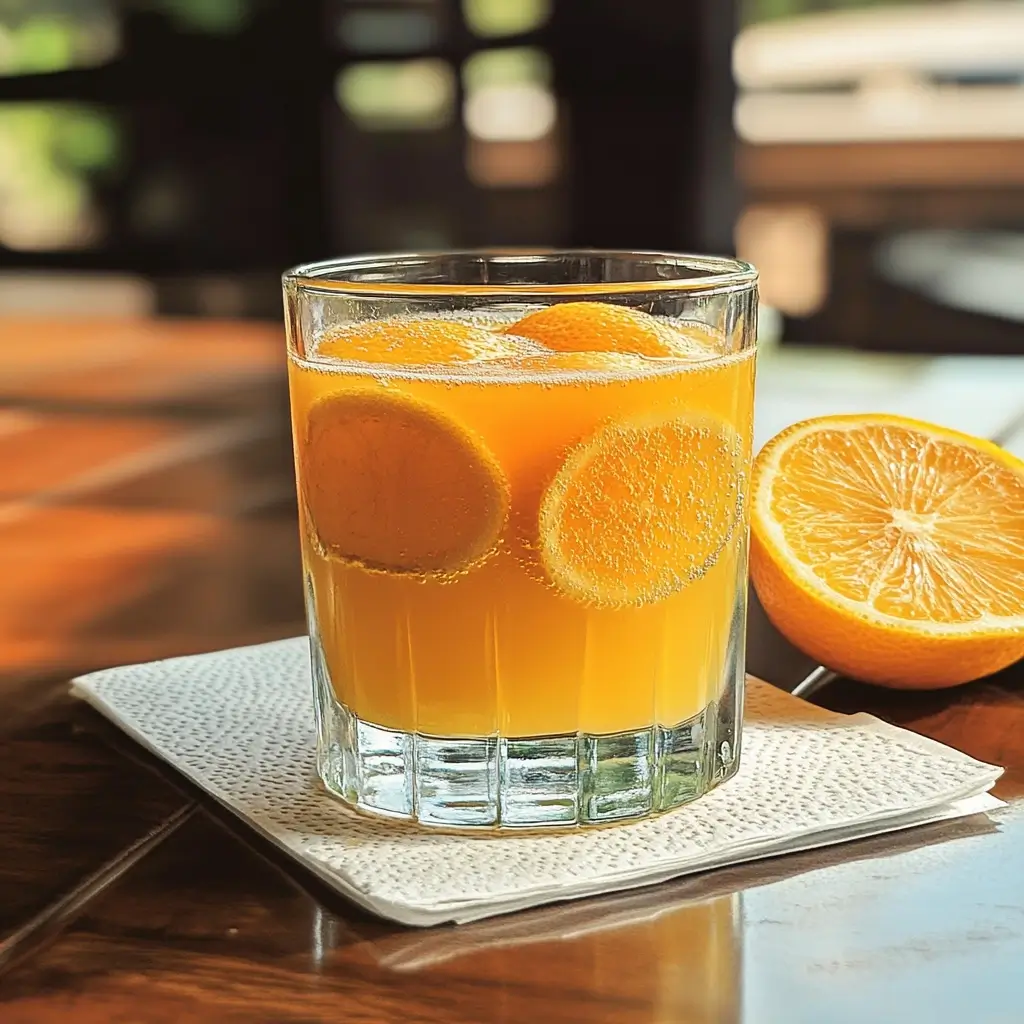
Imagine a glass filled with the radiant hue of a sunrise, promising a taste that’s both familiar and excitingly new. The foundation of sweet oranges, the tangy punch of grapefruit, the bright acidity of lemon and lime, all perfectly balanced and then elevated by the warm, spicy ‘zing’ of fresh ginger. This Citrus Zinger Juice is designed to be a wake-up call for your senses, an immune-boosting powerhouse, and a delicious way to hydrate and replenish. Whether you’re a seasoned juicing enthusiast or just beginning your journey into homemade healthy drinks, this recipe is accessible, adaptable, and incredibly rewarding. We’ll guide you through everything – from selecting the best ingredients to different preparation methods, serving suggestions, and answers to all your potential questions. Get ready to squeeze, blend, sip, and zing!
**Ingredients for the Perfect Citrus Zinger Juice**
The magic of this Citrus Zinger Juice lies in the quality and combination of its ingredients. Using fresh, ripe produce is key to achieving that vibrant flavour and maximizing the nutritional benefits. Here’s what you’ll need to create approximately two generous servings:
- Navel Oranges: 3 large, ripe, and heavy-for-their-size. These form the sweet base of our juice, providing volume, natural sugars, and a hefty dose of Vitamin C. Look for oranges with smooth, brightly coloured skin.
- Pink Grapefruit: 1 medium. Adds a layer of complexity with its signature tangy-sweet flavour and beautiful colour. It’s also packed with vitamins and antioxidants. Ensure it feels heavy and slightly yielding to pressure.
- Lemons: 1 medium. Essential for that bright, acidic counterpoint that cuts through the sweetness and adds a refreshing sharpness. Choose lemons that are firm and have a vibrant yellow hue.
- Limes: 1 medium. Limes contribute a distinct, zesty aroma and flavour profile that complements the other citrus fruits beautifully. Look for plump, green limes.
- Fresh Ginger Root: 1 to 2-inch piece (approximately 15-25 grams). This is the “zinger”! Adjust the amount based on your preference for spice. More ginger equals more zing. Look for firm ginger root with smooth skin, avoiding any pieces that look shriveled or mouldy. Peel it before using.
- Optional: Fresh Turmeric Root: ½-inch piece (approximately 5-7 grams) OR ¼ teaspoon ground turmeric. Adds an earthy note, a beautiful golden colour boost, and potent anti-inflammatory benefits that work synergistically with ginger. Peel fresh turmeric before use (be mindful, it stains!).
- Optional: Pinch of Cayenne Pepper: For an extra fiery kick and potential metabolism boost. Start with a tiny amount and adjust.
- Optional: Fresh Mint Sprigs: A few sprigs can be juiced along with the other ingredients or used as a garnish for added freshness.
Ingredient Quality Notes:
- Organic vs. Conventional: Whenever possible, opt for organic citrus fruits and ginger, especially since you might be juicing some of the peel (depending on your juicer type and preference, although generally peeling is recommended for citrus to avoid bitterness). If using conventional produce, be sure to wash everything thoroughly under running water, using a vegetable brush if available.
- Ripeness: Ripe fruits yield more juice and have a better flavour profile. Avoid citrus that feels overly soft, bruised, or has dull skin.
- Seasonality: While citrus fruits are widely available year-round, they are often at their peak during winter months, offering the best flavour and juiciness.
Choosing high-quality ingredients is the first, crucial step towards creating an exceptional Citrus Zinger Juice. The freshness directly translates into the taste and the vitality of the final drink.
**Step-by-Step Instructions: Making Your Citrus Zinger Juice**
Making this vibrant juice is straightforward, whether you have a dedicated juicer or a high-speed blender. Here are detailed instructions for both methods:
Preparation (Applies to Both Methods):
- Wash Thoroughly: Wash all the citrus fruits (oranges, grapefruit, lemon, lime), ginger, and turmeric (if using) under cold running water. Use a vegetable brush to scrub the skins gently, removing any dirt or residues.
- Peel the Citrus: While some powerful juicers can handle small amounts of citrus peel, it’s generally recommended to peel the oranges, grapefruit, lemon, and lime completely. The pith (the white part under the skin) can impart a bitter taste to the juice. Use a sharp knife or your fingers to remove the peel and as much of the white pith as possible.
- Chop the Citrus: Cut the peeled citrus fruits into chunks that are appropriately sized for the feed chute of your juicer or manageable for your blender. Removing any obvious large seeds is also a good idea, though most juicers handle them.
- Prepare the Ginger (and Turmeric): Wash the ginger root well. There’s usually no need to peel young ginger with thin skin, but if the skin is thick or tough, scrape it off using the edge of a spoon or a peeler. Cut the ginger (and fresh turmeric, if using) into smaller pieces (e.g., ½-inch chunks) to make it easier for your machine to process.
Method 1: Using a Juicer (Recommended for Smoothest Texture)
This method extracts the liquid directly from the fruits and ginger, leaving most of the pulp behind, resulting in a clear, smooth juice.
- Assemble Your Juicer: Set up your juicer according to the manufacturer’s instructions. Place a juice collection container under the spout and a pulp container where indicated.
- Start Juicing: Turn on your juicer. Begin feeding the prepared ingredients into the feed chute, alternating between the soft citrus fruits and the harder ginger (and turmeric, if using). This often helps the juicer process everything more efficiently. Follow your specific juicer’s guidelines – some require gentle pressure with the pusher, while others work best when ingredients are fed slowly.
- Process All Ingredients: Continue adding the orange, grapefruit, lemon, lime, and ginger pieces until everything has been juiced.
- Stir and Check: Once all ingredients are processed, turn off the juicer. Give the collected juice a good stir to combine all the flavours evenly.
- Optional Strain: If your juicer leaves some fine pulp and you prefer an exceptionally smooth juice, you can pour the collected juice through a fine-mesh sieve lined with cheesecloth or a nut milk bag into another container or pitcher. Gently press to extract all the liquid.
- Serve Immediately: Pour the fresh Citrus Zinger Juice into glasses. Serve immediately for the best flavour and maximum nutrient retention.
Method 2: Using a High-Speed Blender
This method is excellent if you don’t own a juicer. It involves blending the ingredients and then straining the mixture to separate the juice from the pulp. The result might be slightly thicker than machine-juiced versions.
- Load the Blender: Place the prepared chunks of orange, grapefruit, lemon, lime, ginger (and turmeric/cayenne, if using) into the jug of your high-speed blender. Adding the juicier citrus fruits first, near the blades, can help get things moving.
- Add Liquid (Optional but Recommended): Add about ¼ to ½ cup of cold water or coconut water to the blender. This helps the blades move freely and blend the ingredients into a smoother puree, making straining easier. Adjust the amount based on your blender’s power and the juiciness of your fruit.
- Blend Until Smooth: Secure the lid on the blender. Start blending on a low speed, gradually increasing to high. Blend for 30-60 seconds, or until the mixture is completely smooth and liquified. You shouldn’t see any large chunks remaining.
- Prepare for Straining: Place a fine-mesh sieve over a large bowl or pitcher. For an even finer strain, line the sieve with a double layer of cheesecloth or a nut milk bag. Ensure the setup is stable.
- Strain the Mixture: Carefully pour the blended mixture into the prepared sieve/nut milk bag. Allow the juice to drip through naturally for a minute or two.
- Extract Remaining Juice:
- Using a Sieve: Gently press down on the pulp in the sieve using the back of a spoon or a spatula to encourage more juice to flow through. Be careful not to press too hard, which might force unwanted pulp through the mesh.
- Using Cheesecloth/Nut Milk Bag: Gather the corners of the cheesecloth or the top of the nut milk bag and twist it closed. Gently but firmly squeeze the bag over the bowl/pitcher to extract as much juice as possible. Work in sections if needed.
- Discard Pulp: The fibrous pulp left in the sieve or bag can be discarded, composted, or potentially used in other recipes (like adding to muffins or dehydrating for spice blends, though citrus pulp can be bitter).
- Serve Immediately: Stir the strained juice well. Pour the vibrant Citrus Zinger Juice into glasses and serve immediately for optimal freshness and nutritional value.
Regardless of the method chosen, the key is to work with fresh ingredients and enjoy the juice as soon as possible after preparation.
**Nutrition Facts (Estimated)**
Understanding the nutritional profile of your homemade juice can further enhance your appreciation for its health benefits. Please note that these values are estimates and can vary based on the exact size and ripeness of the fruits, the amount of ginger used, and whether optional ingredients are added.
- Servings: This recipe yields approximately 2 servings.
- Serving Size: Roughly 10-12 ounces (300-350 ml) per serving.
- Calories per Serving: Approximately 150-200 kcal.
Key Nutritional Highlights (per serving, estimated):
- Vitamin C: Extremely High. Citrus fruits are renowned for their Vitamin C content, a powerful antioxidant crucial for immune function, skin health (collagen production), and protecting cells from damage. A single serving of this juice can easily meet or exceed your daily recommended intake.
- Potassium: Good Source. Citrus fruits contribute potassium, an important mineral for maintaining healthy blood pressure, fluid balance, and nerve function.
- Folate (Vitamin B9): Moderate Amount. Oranges, in particular, provide folate, vital for cell growth and metabolism.
- Antioxidants: Abundant. Beyond Vitamin C, this juice contains various flavonoids (like hesperidin in oranges) and carotenoids (like lycopene in pink grapefruit) which combat oxidative stress in the body.
- Anti-inflammatory Compounds: Significant. Ginger is packed with gingerols and shogaols, known for their potent anti-inflammatory and antioxidant effects, potentially aiding digestion and reducing nausea. Turmeric, if added, contributes curcumin, another powerful anti-inflammatory agent.
- Natural Sugars: Contains naturally occurring sugars (fructose) from the fruits, providing quick energy. Unlike added sugars in processed drinks, these come packaged with vitamins, minerals, and phytonutrients.
- Fiber: Low (especially if using a juicer or straining thoroughly after blending). The juicing/straining process removes most of the dietary fiber. If you desire more fiber, consider using the blender method and straining less thoroughly, or adding some of the pulp back into the juice (though this changes the texture).
Disclaimer: These nutritional facts are estimates provided for informational purposes only. For precise nutritional information, consult a registered dietitian or use a professional nutritional analysis tool with your specific ingredients. This juice is a healthy addition to a balanced diet but should not be considered a meal replacement on its own. Due to the natural fruit sugars, individuals monitoring their sugar intake (e.g., diabetics) should consume it in moderation and consider its place within their overall diet plan.
**Preparation Time**
Knowing how long this delicious juice takes to make helps you fit it into your busy schedule. Here’s a breakdown of the estimated time:
- Preparation Time (Washing, Peeling, Chopping): 10 – 15 minutes
- This involves gathering ingredients, thoroughly washing the produce, peeling the citrus fruits, and chopping everything into appropriate sizes for your juicer or blender. Peeling citrus carefully to remove pith can take a few extra minutes.
- Juicing/Blending & Straining Time: 5 – 10 minutes
- Juicer: Actual juicing time is usually quick, typically 3-5 minutes depending on the machine’s power and efficiency.
- Blender & Straining: Blending takes about 1 minute. Straining can take 4-8 minutes, depending on your method (sieve vs. nut milk bag) and how thoroughly you extract the juice.
- Cleanup Time (Variable): 5 – 10 minutes
- Cleaning a juicer or blender immediately after use is highly recommended and usually takes less time than letting residues dry. Juicers often have multiple parts requiring rinsing/scrubbing. Blenders are generally quicker to clean.
- Total Estimated Time: 20 – 35 minutes
Factors Influencing Time:
- Your Experience: If you’re new to juicing or peeling citrus, it might take slightly longer initially.
- Type of Equipment: Centrifugal juicers are often faster than masticating (slow) juicers. High-speed blenders are more efficient than standard ones.
- Batch Size: Doubling or tripling the recipe will increase the preparation and processing time accordingly.
Despite requiring a bit more effort than opening a carton, the freshness, flavour, and nutritional payoff of this homemade Citrus Zinger Juice make the ~30 minutes invested well worth it! It’s a perfect weekend morning project or can be streamlined on weekdays once you get the hang of it.
**How to Serve Your Citrus Zinger Juice**
Presenting and serving your freshly made Citrus Zinger Juice can enhance the overall experience. It’s not just about taste; it’s about engaging all the senses. Here are some ideas:
- Chill Factor:
- Serve Immediately and Chilled: This juice is best enjoyed cold. Pour it into chilled glasses right after making it.
- Over Ice: Serve in glasses filled with ice cubes for an extra refreshing, frosty experience, especially on warm days. Consider using large, slow-melting ice cubes or spheres to minimize dilution.
- Quick Chill: If your fruits weren’t refrigerated, you can chill the juice quickly by placing the pitcher in the freezer for 10-15 minutes (don’t forget about it!) or by shaking a portion with ice in a cocktail shaker before straining into a glass.
- Glassware Choice:
- Simple & Clear: Tall, clear glasses (like Collins or highball glasses) beautifully showcase the vibrant orange hue of the juice.
- Stemmed Glasses: For a slightly more elegant presentation, consider serving it in large wine glasses or stemless glasses.
- Mason Jars: Offer a rustic, casual charm, perfect for a relaxed brunch or afternoon refreshment.
- Garnishes for Flair:
- Citrus Wheel or Wedge: A thin slice or wedge of orange, lemon, or lime perched on the rim of the glass is a classic and attractive garnish. A twisted peel also looks elegant.
- Fresh Mint Sprig: Tuck a sprig of fresh mint into the glass. Its green colour contrasts beautifully with the orange juice, and the aroma adds another layer of freshness.
- Candied Ginger: A small piece of candied ginger on the rim or on a cocktail pick adds a sweet-spicy complement.
- Edible Flowers: For a special occasion, a few colourful edible flowers (like pansies or violas) floating on top look stunning.
- Spiced Rim (Optional): For an adult twist, you could rim the glass with a mixture of sugar (or salt) and a tiny pinch of cayenne or chili powder. Moisten the rim with a citrus wedge, then dip it onto a plate with the mixture.
- Serving Occasions:
- Morning Energizer: The perfect way to start your day with a burst of vitamins and energy.
- Afternoon Pick-Me-Up: Combat the afternoon slump with this refreshing and revitalizing drink instead of reaching for caffeine or sugar.
- Pre- or Post-Workout: Hydrate and replenish electrolytes and energy stores naturally.
- Brunch Beverage: A healthy and vibrant addition to any brunch spread, offering a non-alcoholic option with flair.
- Immune Booster: Serve it up when you or your family feel under the weather or during cold and flu season for extra Vitamin C and ginger power.
- Mocktail Base: Use it as a base for more complex non-alcoholic drinks by adding sparkling water, a dash of bitters, or other fruit purees.
Remember, presentation enhances enjoyment. Taking a moment to serve your Citrus Zinger Juice thoughtfully makes the healthy choice feel like a true treat.
**Additional Tips for the Best Citrus Zinger Experience**
Elevate your Citrus Zinger Juice from great to absolutely phenomenal with these five essential tips:
- Adjust Ginger Intensity: The “zing” is subjective! The recipe suggests a 1 to 2-inch piece of ginger, but this is highly adaptable. If you’re new to ginger juice or prefer a milder spice, start with a smaller amount (½ to 1 inch). If you love that fiery kick, feel free to add more. Taste the juice after making it; you can always blend in a tiny bit more ginger (or dilute slightly with water/orange juice if it’s too strong). Remember, ginger intensity can also vary depending on the freshness and type of ginger root.
- Maximize Juiciness – Room Temperature Fruit: While you want the final juice to be cold, citrus fruits tend to yield more juice when they are at room temperature rather than straight from the fridge. Before juicing, let your oranges, grapefruit, lemons, and limes sit on the counter for about 30 minutes. You can also gently roll them on the countertop, pressing down firmly with your palm, to help break down the internal membranes and release more liquid.
- Drink Immediately for Peak Nutrition: Fresh juice is a living food, and its nutritional value, particularly sensitive vitamins like Vitamin C and certain enzymes, begins to degrade relatively quickly upon exposure to air (oxidation) and light. For the absolute best flavour and maximum health benefits, consume your Citrus Zinger Juice within 15-20 minutes of making it. If you must store it, follow the storage guidelines in the FAQ section below, but prioritize immediate consumption whenever possible.
- Don’t Toss the Citrus Peels (If Organic): If you’ve used organic citrus fruits and have carefully peeled them, don’t throw away the peels! The zest (the coloured outer layer) is packed with aromatic oils. You can zest the fruits before peeling and juicing. Store the zest in an airtight container in the freezer. Use it to flavour baked goods, marinades, dressings, infused oils, or even homemade cleaning solutions. Avoid using the white pith, which is bitter.
- Experiment with Add-Ins: While this core recipe is fantastic, feel free to experiment! Consider adding other complementary ingredients during the juicing/blending process for different flavour profiles and nutritional boosts:
- Apple: A sweet apple (like Fuji or Gala) can mellow the tartness and add extra sweetness.
- Carrot: Adds earthy sweetness, beautiful colour, and a dose of Vitamin A (beta-carotene).
- Pineapple: Introduces tropical sweetness and bromelain, an enzyme that aids digestion.
- Celery: Adds hydration, minerals, and a subtle savoury note.
- Spinach or Kale: For a green boost (will change the colour!) – start small as strong greens can dominate the flavour.
Think of this recipe as a fantastic base. Once you’re comfortable with it, let your creativity flow and customize it to your taste and nutritional goals!
**Frequently Asked Questions (FAQ) about Citrus Zinger Juice**
Here are answers to some common questions you might have about making and enjoying this vibrant juice:
1. Can I make Citrus Zinger Juice without a juicer?
Absolutely! As detailed in the instructions (Method 2), you can easily make this juice using a high-speed blender. The process involves blending all the prepared ingredients (citrus chunks, ginger, etc.), possibly with a small amount of water or coconut water to facilitate blending, until completely smooth. Afterwards, you’ll need to strain the mixture through a fine-mesh sieve, cheesecloth, or a nut milk bag to separate the liquid juice from the solid pulp. While the texture might be slightly thicker than juice made with a centrifugal or masticating juicer (which are designed to extract maximum liquid and leave pulp behind), the blender method is highly effective, accessible, and yields a delicious, nutrient-rich juice.
2. How long does homemade Citrus Zinger Juice last in the fridge?
For optimal flavour and nutrient retention, it’s highly recommended to drink your Citrus Zinger Juice immediately after making it. However, if you need to store it, pour the juice into an airtight glass jar or bottle, filling it as close to the top as possible to minimize air exposure (which causes oxidation and nutrient degradation). Stored this way in the refrigerator, the juice should maintain decent quality for about 24 to 48 hours. Some very slow, high-quality masticating juicers might produce juice that lasts up to 72 hours, but generally, consuming within 1-2 days is best. You’ll notice the flavour may change slightly, and some separation might occur (just stir well before drinking). If it smells off or tastes fermented, discard it. Freezing is another option for longer storage (up to a month), but it can affect texture and potentially some nutrient levels upon thawing.
3. What are the main health benefits of this Citrus Zinger Juice?
This juice is a nutritional powerhouse! Its main benefits stem from its core ingredients:
- Immune Support: Loaded with Vitamin C from all the citrus fruits, which is crucial for a healthy immune system.
- Anti-inflammatory Effects: Ginger (and turmeric, if added) contains potent compounds like gingerols (and curcumin) known to combat inflammation throughout the body. This may help with conditions like arthritis, muscle soreness, and general well-being.
- Antioxidant Rich: Packed with various antioxidants (Vitamin C, flavonoids, carotenoids) that help protect your cells from damage caused by free radicals, potentially reducing the risk of chronic diseases.
- Digestive Aid: Ginger is well-known for its ability to soothe the digestive system, reduce nausea, and potentially aid digestion. Lemon juice can also stimulate digestive processes.
- Hydration & Energy: Provides natural hydration along with electrolytes like potassium and natural fruit sugars for a quick, healthy energy boost without the crash associated with processed sugary drinks.
- Skin Health: The high Vitamin C content supports collagen production, contributing to healthy, radiant skin.
4. Can I add other fruits or vegetables to this recipe?
Yes, definitely! This recipe serves as an excellent base for experimentation. Feel free to add other ingredients based on your taste preferences and desired nutritional benefits. Good additions include:
- Sweetness/Mellowing: Apples (Fuji, Gala), Pears.
- Earthy/Nutrient Boost: Carrots, Beets (use sparingly, strong flavour/colour), Celery.
- Tropical Notes: Pineapple, Mango (will make it thicker).
- Green Power: Spinach, Kale (start with small amounts), Cucumber.
- Herbal Freshness: Mint, Parsley.
- Extra Spice: A tiny pinch of cayenne pepper or black pepper (which enhances curcumin absorption from turmeric).
Start by adding small amounts of new ingredients to see how they affect the overall flavour balance before committing to larger quantities.
5. Is Citrus Zinger Juice good for weight loss?
Citrus Zinger Juice can be a supportive component of a weight loss plan, but it’s not a magic bullet on its own. Here’s why:
- Pros: It’s relatively low in calories compared to sugary sodas or creamy beverages. It’s hydrating, which is essential for metabolism. Ginger and cayenne (if added) may offer a slight temporary metabolism boost. It replaces less healthy drink choices and provides valuable nutrients that support overall health during weight loss.
- Cons: Juicing removes most of the fiber from the fruits. Fiber is crucial for satiety (feeling full), which helps control appetite. The juice still contains natural sugars (calories), so consuming large quantities without accounting for them could hinder weight loss.
Conclusion: Enjoy Citrus Zinger Juice in moderation as part of a balanced diet rich in whole foods (including fiber!) and combined with regular physical activity for sustainable weight management. It’s a healthy choice, but whole fruits are generally better for satiety due to their fiber content.
Citrus Zinger Juice Recipe
Ingredients
- Navel Oranges: 3 large, ripe, and heavy-for-their-size. These form the sweet base of our juice, providing volume, natural sugars, and a hefty dose of Vitamin C. Look for oranges with smooth, brightly coloured skin.
- Pink Grapefruit: 1 medium. Adds a layer of complexity with its signature tangy-sweet flavour and beautiful colour. It’s also packed with vitamins and antioxidants. Ensure it feels heavy and slightly yielding to pressure.
- Lemons: 1 medium. Essential for that bright, acidic counterpoint that cuts through the sweetness and adds a refreshing sharpness. Choose lemons that are firm and have a vibrant yellow hue.
- Limes: 1 medium. Limes contribute a distinct, zesty aroma and flavour profile that complements the other citrus fruits beautifully. Look for plump, green limes.
- Fresh Ginger Root: 1 to 2-inch piece (approximately 15-25 grams). This is the “zinger”! Adjust the amount based on your preference for spice. More ginger equals more zing. Look for firm ginger root with smooth skin, avoiding any pieces that look shriveled or mouldy. Peel it before using.
- Optional: Fresh Turmeric Root: ½-inch piece (approximately 5-7 grams) OR ¼ teaspoon ground turmeric. Adds an earthy note, a beautiful golden colour boost, and potent anti-inflammatory benefits that work synergistically with ginger. Peel fresh turmeric before use (be mindful, it stains!).
- Optional: Pinch of Cayenne Pepper: For an extra fiery kick and potential metabolism boost. Start with a tiny amount and adjust.
- Optional: Fresh Mint Sprigs: A few sprigs can be juiced along with the other ingredients or used as a garnish for added freshness.
Instructions
Preparation (Applies to Both Methods):
- Wash Thoroughly: Wash all the citrus fruits (oranges, grapefruit, lemon, lime), ginger, and turmeric (if using) under cold running water. Use a vegetable brush to scrub the skins gently, removing any dirt or residues.
- Peel the Citrus: While some powerful juicers can handle small amounts of citrus peel, it’s generally recommended to peel the oranges, grapefruit, lemon, and lime completely. The pith (the white part under the skin) can impart a bitter taste to the juice. Use a sharp knife or your fingers to remove the peel and as much of the white pith as possible.
- Chop the Citrus: Cut the peeled citrus fruits into chunks that are appropriately sized for the feed chute of your juicer or manageable for your blender. Removing any obvious large seeds is also a good idea, though most juicers handle them.
- Prepare the Ginger (and Turmeric): Wash the ginger root well. There’s usually no need to peel young ginger with thin skin, but if the skin is thick or tough, scrape it off using the edge of a spoon or a peeler. Cut the ginger (and fresh turmeric, if using) into smaller pieces (e.g., ½-inch chunks) to make it easier for your machine to process.
Method 1: Using a Juicer (Recommended for Smoothest Texture)
This method extracts the liquid directly from the fruits and ginger, leaving most of the pulp behind, resulting in a clear, smooth juice.
- Assemble Your Juicer: Set up your juicer according to the manufacturer’s instructions. Place a juice collection container under the spout and a pulp container where indicated.
- Start Juicing: Turn on your juicer. Begin feeding the prepared ingredients into the feed chute, alternating between the soft citrus fruits and the harder ginger (and turmeric, if using). This often helps the juicer process everything more efficiently. Follow your specific juicer’s guidelines – some require gentle pressure with the pusher, while others work best when ingredients are fed slowly.
- Process All Ingredients: Continue adding the orange, grapefruit, lemon, lime, and ginger pieces until everything has been juiced.
- Stir and Check: Once all ingredients are processed, turn off the juicer. Give the collected juice a good stir to combine all the flavours evenly.
- Optional Strain: If your juicer leaves some fine pulp and you prefer an exceptionally smooth juice, you can pour the collected juice through a fine-mesh sieve lined with cheesecloth or a nut milk bag into another container or pitcher. Gently press to extract all the liquid.
- Serve Immediately: Pour the fresh Citrus Zinger Juice into glasses. Serve immediately for the best flavour and maximum nutrient retention.
Method 2: Using a High-Speed Blender
This method is excellent if you don’t own a juicer. It involves blending the ingredients and then straining the mixture to separate the juice from the pulp. The result might be slightly thicker than machine-juiced versions.
- Load the Blender: Place the prepared chunks of orange, grapefruit, lemon, lime, ginger (and turmeric/cayenne, if using) into the jug of your high-speed blender. Adding the juicier citrus fruits first, near the blades, can help get things moving.
- Add Liquid (Optional but Recommended): Add about ¼ to ½ cup of cold water or coconut water to the blender. This helps the blades move freely and blend the ingredients into a smoother puree, making straining easier. Adjust the amount based on your blender’s power and the juiciness of your fruit.
- Blend Until Smooth: Secure the lid on the blender. Start blending on a low speed, gradually increasing to high. Blend for 30-60 seconds, or until the mixture is completely smooth and liquified. You shouldn’t see any large chunks remaining.
- Prepare for Straining: Place a fine-mesh sieve over a large bowl or pitcher. For an even finer strain, line the sieve with a double layer of cheesecloth or a nut milk bag. Ensure the setup is stable.
- Strain the Mixture: Carefully pour the blended mixture into the prepared sieve/nut milk bag. Allow the juice to drip through naturally for a minute or two.
- Extract Remaining Juice:
- Using a Sieve: Gently press down on the pulp in the sieve using the back of a spoon or a spatula to encourage more juice to flow through. Be careful not to press too hard, which might force unwanted pulp through the mesh.
- Using Cheesecloth/Nut Milk Bag: Gather the corners of the cheesecloth or the top of the nut milk bag and twist it closed. Gently but firmly squeeze the bag over the bowl/pitcher to extract as much juice as possible. Work in sections if needed.
- Discard Pulp: The fibrous pulp left in the sieve or bag can be discarded, composted, or potentially used in other recipes (like adding to muffins or dehydrating for spice blends, though citrus pulp can be bitter).
- Serve Immediately: Stir the strained juice well. Pour the vibrant Citrus Zinger Juice into glasses and serve immediately for optimal freshness and nutritional value.
Nutrition
- Serving Size: One Normal Portion
- Calories: 150-200