
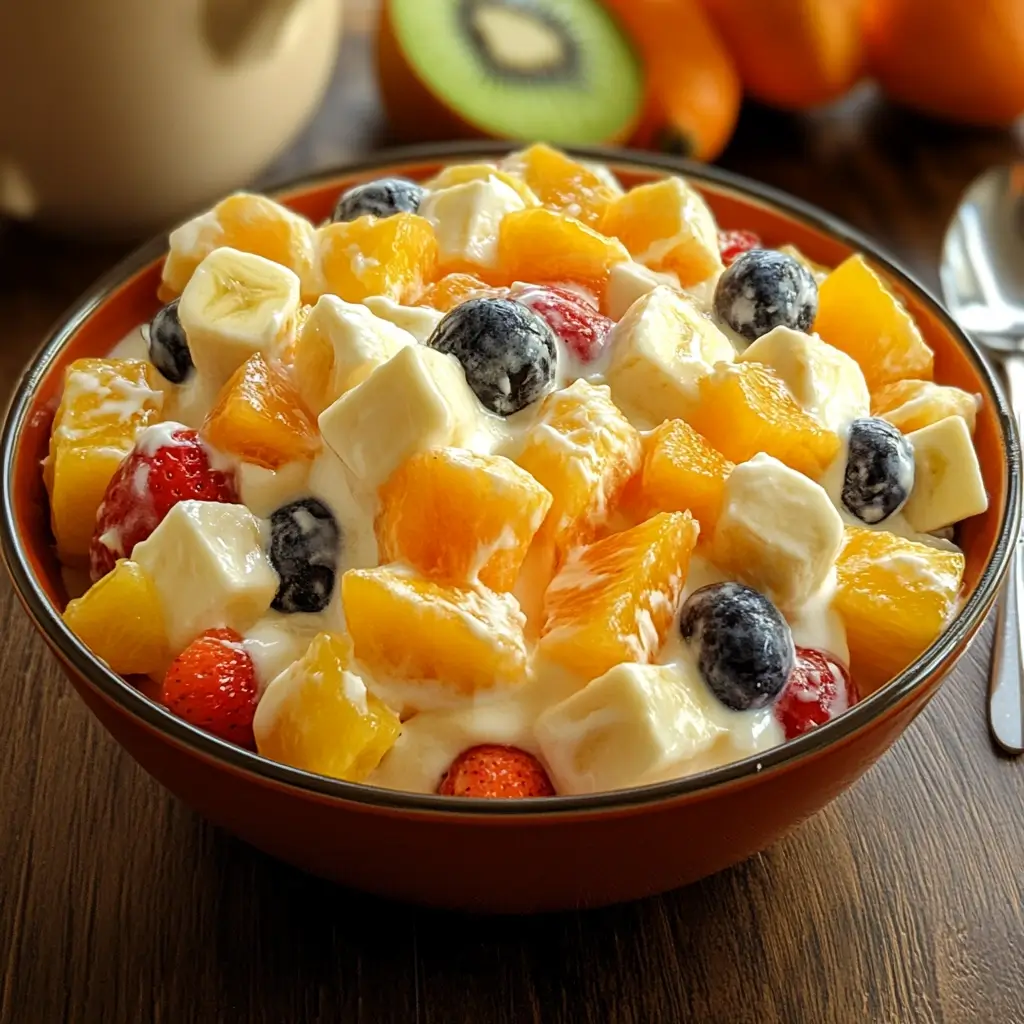

It’s funny how some of the simplest recipes can become the most cherished family traditions. For years, the Classic Sour Cream Fruit Salad has been a staple at our summer barbecues, holiday potlucks, and even just casual weeknight dinners. It’s that effortlessly delightful dish that manages to please everyone, from the pickiest eaters to the most adventurous palates. I remember the first time my grandmother brought this salad to a family gathering; the vibrant colors and creamy sweetness were an instant hit. Over time, I’ve tweaked her original recipe just slightly, adding a touch of vanilla for extra warmth and experimenting with different fruit combinations based on what’s in season. But the core of it remains the same – a refreshing, creamy, and utterly irresistible fruit salad that always disappears in minutes. This isn’t just a recipe; it’s a taste of sunshine, a burst of freshness, and a guaranteed crowd-pleaser that I’m thrilled to share with you.
Ingredients
Creating the perfect Classic Sour Cream Fruit Salad hinges on the quality and balance of its ingredients. This recipe is wonderfully adaptable, allowing you to tailor it to your seasonal fruit availability and personal preferences. Let’s delve into each component to understand why they are essential and explore some delightful variations you can consider.
- Fresh Fruits: The heart and soul of this salad are, undoubtedly, the fresh fruits. A medley of colors and textures is key to a truly appealing and flavorful dish. Aim for a variety that offers a balance of sweetness, tartness, and different mouthfeels.
- Berries: Berries are almost non-negotiable in a classic fruit salad. Their vibrant colors and juicy bursts of flavor are indispensable.
- Strawberries: Sweet and slightly tangy, strawberries bring a beautiful red hue and a familiar, beloved flavor. Choose ripe, firm strawberries for the best texture. For an extra touch, hull and slice them evenly so they are easy to eat.
- Blueberries: These little powerhouses are packed with antioxidants and offer a slightly tart and subtly sweet taste. Their deep blue color adds a lovely contrast to the salad. Look for plump, firm blueberries with a dusty bloom, indicating freshness.
- Raspberries: Delicate and intensely flavored, raspberries bring a touch of elegance and a more pronounced tartness than blueberries. Handle them gently as they are quite fragile.
- Blackberries: Larger and slightly more tart than raspberries, blackberries contribute a deep, rich flavor and a satisfying chewiness.
- Melons: Melons provide a refreshing sweetness and a wonderful juicy texture.
- Cantaloupe: Mildly sweet with a soft, slightly grainy texture, cantaloupe adds a classic melon flavor and a beautiful orange color. Choose a cantaloupe that is fragrant and feels heavy for its size.
- Honeydew Melon: Sweeter and crisper than cantaloupe, honeydew melon offers a refreshing green hue and a delicate sweetness. Look for a smooth, pale green rind that is slightly waxy and yields slightly to pressure at the blossom end.
- Watermelon (optional): While slightly less traditional in a classic sour cream fruit salad, watermelon can be a delightful addition, especially in the summer. Choose seedless watermelon for ease of eating and cut it into bite-sized cubes. Be mindful that watermelon is very watery, so you may want to add it closer to serving time to prevent the salad from becoming too liquidy.
- Stone Fruits (Seasonal): When in season, stone fruits like peaches, nectarines, and plums can add a wonderful dimension of flavor and texture.
- Peaches: Sweet and juicy with a slightly fuzzy skin, peaches offer a delightful summer flavor. Choose ripe but firm peaches that yield slightly to gentle pressure.
- Nectarines: Similar to peaches but with smooth skin, nectarines have a slightly tangier flavor. Select firm, brightly colored nectarines.
- Plums: Plums range in flavor from sweet to tart, depending on the variety. Their skin adds a beautiful color and a slight chewiness. Choose plums that are firm yet yield slightly to pressure.
- Citrus Fruits (Use Sparingly): While citrus can add brightness, use it sparingly as it can sometimes overpower the other fruits and make the salad too acidic.
- Mandarin Oranges/Clementines: Segments of mandarin oranges or clementines offer a sweet and slightly tangy citrus note. Canned mandarin oranges, well-drained, can be used for convenience, but fresh segments are always preferable for flavor and texture.
- Pineapple (Fresh or Canned): Pineapple adds a tropical sweetness and a slightly acidic tang. Fresh pineapple is ideal, but canned pineapple tidbits or chunks (packed in juice, not syrup, and well-drained) can be a convenient substitute. Be sure to drain canned pineapple thoroughly to avoid a watery salad.
- Other Fruits: Consider these additions for unique flavors and textures:
- Grapes (Seedless): Green or red grapes, halved or quartered, add a juicy sweetness and a satisfying pop.
- Kiwi: Kiwi provides a vibrant green color and a slightly tart, tropical flavor. Peel and slice or dice kiwi just before adding to the salad, as it can become mushy if left to sit for too long.
- Apples and Pears (Tossed in Lemon Juice): For a bit of crispness, consider adding diced apples or pears. Toss them immediately in a little lemon juice to prevent browning and to add a subtle tartness that complements the other fruits.
- Berries: Berries are almost non-negotiable in a classic fruit salad. Their vibrant colors and juicy bursts of flavor are indispensable.
- Sour Cream: The defining ingredient of this salad, sour cream provides the creamy base and a characteristic tangy flavor that balances the sweetness of the fruits.
- Full-Fat Sour Cream: For the richest flavor and creamiest texture, full-fat sour cream is recommended. Its higher fat content contributes to a luxurious mouthfeel and prevents the dressing from becoming too thin.
- Reduced-Fat or Fat-Free Sour Cream (Substitutions): If you are looking to reduce the fat content, you can use reduced-fat or fat-free sour cream. However, be aware that these options may result in a slightly less creamy and flavorful dressing. You might need to adjust the sweetness and tanginess accordingly.
- Sweetener: A touch of sweetness enhances the natural sugars in the fruits and balances the tanginess of the sour cream.
- Granulated Sugar: Classic and readily available, granulated sugar dissolves easily into the sour cream. The amount can be adjusted to your sweetness preference and the natural sweetness of your fruits.
- Powdered Sugar (Confectioners’ Sugar): Powdered sugar dissolves even more smoothly than granulated sugar and can create a slightly smoother dressing.
- Honey or Maple Syrup (Natural Options): For a more natural sweetener, you can use honey or maple syrup. These will add a subtle hint of their respective flavors to the salad. Start with a smaller amount as they are generally sweeter than granulated sugar.
- Vanilla Extract (Optional but Recommended): A splash of vanilla extract elevates the flavor profile, adding warmth and depth that complements both the fruits and the sour cream. Use pure vanilla extract for the best flavor.
- Lemon Juice (Optional): A squeeze of fresh lemon juice can brighten the flavors and prevent fruit from browning, especially if you are using apples or pears. It also adds a touch of acidity that balances the sweetness.
Ingredient Quantities (Approximate – Adjust to Taste and Fruit Availability):
- 4-5 cups mixed fresh fruits (berries, melon, stone fruits, etc.)
- 1 cup full-fat sour cream
- 2-3 tablespoons granulated sugar (or equivalent sweetener)
- 1 teaspoon vanilla extract (optional)
- 1 tablespoon lemon juice (optional, especially if using apples or pears)
Remember, the beauty of this recipe lies in its flexibility. Don’t be afraid to experiment with different fruit combinations and adjust the sweetness to your liking. Using high-quality, fresh ingredients will always yield the best results.
Instructions
Crafting this Classic Sour Cream Fruit Salad is remarkably simple and quick. Follow these step-by-step instructions to create a refreshing and delightful dish that’s perfect for any occasion.
- Prepare the Fruit: The first step is to thoroughly wash and prepare all your chosen fruits. This ensures cleanliness and makes them ready to be combined.
- Wash all fruits: Place all your fruits in a colander and rinse them gently under cool running water. This removes any dirt or residue.
- Prepare berries:
- Strawberries: Hull the strawberries (remove the green leafy top) and slice them into halves or quarters, depending on their size. Uniformly sized pieces are easier to eat and look more appealing.
- Blueberries, Raspberries, Blackberries: Gently sort through these berries, removing any stems or damaged berries. Larger blackberries can be halved if desired.
- Prepare melons:
- Cantaloupe and Honeydew: Cut the melons in half, scoop out the seeds, and then remove the rind. Cut the melon flesh into bite-sized cubes, about ½ to ¾ inch in size.
- Watermelon (if using): Remove the rind and cut the watermelon into bite-sized cubes. If using seeded watermelon, remove as many seeds as possible.
- Prepare stone fruits (if using):
- Peaches, Nectarines, Plums: Wash the fruits. You can peel peaches and nectarines if you prefer a smoother texture, but it’s not necessary. Cut the fruits in half, remove the pits, and then slice or dice them into bite-sized pieces.
- Prepare other fruits:
- Grapes: Wash and remove grapes from the stems. Halve or quarter larger grapes.
- Kiwi: Peel the kiwi fruit and slice it into rounds or dice it.
- Apples and Pears (if using): Wash, peel (optional), core, and dice apples or pears into bite-sized pieces. Immediately toss them with a tablespoon of lemon juice to prevent browning.
- Mandarin Oranges/Clementines: Peel and segment mandarin oranges or clementines. If using canned mandarin oranges, drain them thoroughly.
- Pineapple (if using): If using fresh pineapple, remove the rind, core, and cut into bite-sized chunks. If using canned pineapple, drain it well.
- Combine the Fruits: In a large mixing bowl, gently combine all the prepared fruits. Try to distribute the different colors and textures evenly for a visually appealing salad. If you are preparing the salad ahead of time, it’s best to add more delicate fruits like berries and kiwi closer to serving time to maintain their texture.
- Prepare the Sour Cream Dressing: In a separate, smaller bowl, whisk together the sour cream, sugar (or your chosen sweetener), and vanilla extract (if using). Whisk until the sugar is dissolved and the dressing is smooth and creamy. Taste the dressing and adjust the sweetness to your preference. If you like a tangier dressing, you can add a squeeze of lemon juice.
- Dress the Fruit Salad: Pour the sour cream dressing over the mixed fruit in the large bowl. Gently fold the dressing into the fruit, ensuring that all the fruit pieces are lightly coated. Be careful not to overmix, as this can make the fruit mushy. You want just enough dressing to coat the fruit without making it overly saturated.
- Chill the Salad (Recommended): For the best flavor and texture, cover the fruit salad with plastic wrap or transfer it to an airtight container and refrigerate for at least 30 minutes to an hour before serving. Chilling allows the flavors to meld together beautifully and the salad to become wonderfully refreshing. If you are making the salad further in advance, it is best to add more delicate fruits like berries and bananas closer to serving time to prevent them from becoming too soft. Melons and grapes hold up well to chilling.
- Serve and Enjoy: Once chilled, the Classic Sour Cream Fruit Salad is ready to serve. Give it a gentle stir before serving to redistribute the dressing if it has settled. Serve it cold as a refreshing side dish, dessert, or snack.
Tips for Success:
- Use Ripe but Firm Fruits: Overripe fruits can become mushy in the salad. Choose fruits that are ripe but still firm to ensure good texture.
- Don’t Overdress: Start with the recommended amount of dressing and add more if needed, but avoid overdressing the salad, as it can become too heavy and lose its refreshing quality.
- Chill Thoroughly: Chilling the salad is crucial for both flavor and texture. It allows the flavors to combine and the salad to become wonderfully refreshing.
- Add Delicate Fruits Last (If Making Ahead): If you are preparing the salad in advance, add delicate fruits like berries and kiwi closer to serving time to prevent them from becoming too soft.
- Adjust Sweetness to Taste: Taste the dressing and adjust the amount of sugar to your preference and the sweetness of your fruits.
Following these instructions will guide you to create a perfect Classic Sour Cream Fruit Salad that is both delicious and visually appealing. Enjoy the process and the refreshing results!
Nutrition Facts
(Approximate values, per serving. Nutritional content will vary based on specific fruits and sweetener used.)
Serving Size: Approximately 1 cup
Servings Per Recipe: 8-10 servings (depending on batch size and serving size)
Approximate Nutritional Values Per Serving:
- Calories: 150-200 calories
- Total Fat: 8-12g
- Saturated Fat: 5-8g
- Cholesterol: 25-35mg
- Sodium: 20-40mg
- Total Carbohydrates: 20-25g
- Dietary Fiber: 2-3g
- Sugars: 15-20g (naturally occurring from fruit and added sugar)
- Protein: 2-3g
Important Notes:
- These values are estimates and can vary significantly based on the specific types and quantities of fruits used, the type of sour cream (full-fat, reduced-fat, fat-free), and the amount and type of sweetener added.
- Using reduced-fat or fat-free sour cream will significantly reduce the fat and calorie content.
- Using natural sweeteners like honey or maple syrup may slightly alter the sugar content and glycemic index.
- This fruit salad is a good source of vitamins and fiber from the fruits.
- For more precise nutritional information, you can use online recipe analyzers or nutrition calculators, inputting the exact ingredients and quantities you use.
This fruit salad, while a delightful treat, should be enjoyed in moderation as part of a balanced diet, especially considering the added sugar and fat content from the sour cream.
Preparation Time
The beauty of the Classic Sour Cream Fruit Salad is its quick and easy preparation.
Total Time: Approximately 20-30 minutes (excluding chilling time)
Breakdown:
- Prep Time (Washing and Cutting Fruit): 15-20 minutes
- Dressing Preparation: 5 minutes
- Mixing and Assembling: 5 minutes
- Chilling Time: Minimum 30 minutes (ideally 1 hour or more for best flavor and texture)
Active Time: Approximately 20-30 minutes of active hands-on time is required to wash, cut, and mix the ingredients.
Inactive Time: The chilling time is inactive time where the salad sits in the refrigerator allowing the flavors to meld and the salad to become refreshingly cold.
Make-Ahead Time: You can prepare the fruit salad up to 4-6 hours in advance and store it in the refrigerator. However, for optimal texture, it is best to add more delicate fruits like berries and kiwi closer to serving time if making it more than 2-3 hours ahead. The dressing can be made a day in advance and stored separately in the refrigerator until ready to use.
This quick preparation time makes the Classic Sour Cream Fruit Salad an excellent choice for potlucks, barbecues, last-minute gatherings, or whenever you need a refreshing and healthy-ish dessert or side dish without spending hours in the kitchen.
How to Serve
The versatility of Classic Sour Cream Fruit Salad extends beyond just its ingredients to how you can serve and enjoy it. Here are some delightful serving suggestions:
- As a Refreshing Dessert:
- Simple and Classic: Serve chilled fruit salad in individual bowls or dessert cups as a light and refreshing dessert after a meal.
- Topped with Granola or Nuts: Add a sprinkle of granola, toasted nuts (like almonds, pecans, or walnuts), or shredded coconut for added texture and crunch.
- With a Dollop of Whipped Cream or Yogurt: Enhance the creamy element by topping each serving with a dollop of whipped cream, Greek yogurt, or coconut whipped cream for a dairy-free option.
- Alongside a Light Cake or Pastry: Pair the fruit salad with a slice of angel food cake, pound cake, or a light pastry for a more substantial dessert.
- As a Side Dish:
- Barbecues and Cookouts: A perfect side dish for grilled meats, burgers, hot dogs, or veggie burgers. Its coolness and freshness provide a lovely contrast to heavier barbecue fare.
- Potlucks and Picnics: Easy to transport and always a crowd-pleaser, making it ideal for potlucks and picnics. Keep it chilled in a cooler during transport.
- Brunch or Lunch: Serve alongside quiches, omelets, sandwiches, or wraps for a balanced and refreshing brunch or lunch.
- Holiday Gatherings: A colorful and lighter option amidst richer holiday dishes. It works well with Thanksgiving, Easter, or Christmas meals.
- As a Healthy Snack:
- Mid-afternoon Pick-me-up: Enjoy a bowl of fruit salad as a healthy and satisfying snack to combat afternoon slumps.
- Breakfast Side: Add a serving of fruit salad to your breakfast alongside yogurt, oatmeal, or toast for added vitamins and fiber.
- Post-Workout Refuel: The natural sugars in fruit provide a quick energy boost, making it a good post-workout snack.
- Presentation Ideas:
- Individual Dessert Cups or Parfaits: Layer fruit salad with granola and yogurt in clear glasses or dessert cups for an elegant parfait-style presentation.
- Fruit Salad Skewers: Thread chunks of fruit onto skewers and serve with a small bowl of sour cream dressing for dipping – fun for kids and parties!
- Hollowed-out Fruit Bowls: For a festive touch, serve the fruit salad in a hollowed-out watermelon, cantaloupe, or pineapple half.
- Garnish with Mint or Citrus Zest: Garnish servings with fresh mint leaves, a sprinkle of citrus zest (lemon, lime, or orange), or a dusting of powdered sugar for visual appeal.
- Seasonal Serving Variations:
- Summer: Emphasize summer fruits like berries, melons, peaches, and nectarines. Serve it ice-cold for maximum refreshment.
- Fall: Incorporate fall fruits like apples, pears, grapes, and cranberries. Add a hint of cinnamon or nutmeg to the dressing for a warmer flavor profile.
- Winter: Use winter fruits like citrus fruits (oranges, grapefruits, mandarins), kiwi, and apples. Consider adding pomegranate seeds for festive color.
- Spring: Focus on spring berries (strawberries, blueberries, raspberries) and early stone fruits. Garnish with edible flowers for a springtime touch.
No matter how you choose to serve it, Classic Sour Cream Fruit Salad is sure to be a delightful and refreshing addition to any meal or occasion. Its adaptability and universally appealing flavors make it a truly versatile dish.
Additional Tips
To elevate your Classic Sour Cream Fruit Salad from good to absolutely outstanding, consider these five additional tips:
- Fruit Ripeness is Key, but Don’t Go Too Ripe: Selecting fruits at their peak ripeness is crucial for flavor. However, avoid fruits that are overripe as they can become mushy and watery in the salad. Aim for fruits that are ripe, fragrant, and slightly firm to the touch. Overripe bananas, for example, will become too soft and can make the salad overly sweet and less appealing in texture. Fruits that are slightly underripe will hold their shape better and provide a pleasant bite.
- Don’t Dress the Salad Too Far in Advance (Especially Delicate Fruits): While the dressing can be made ahead of time, it’s best to dress the fruit salad shortly before serving, especially if you are using delicate fruits like berries, kiwi, or bananas. Dressing the salad too far in advance can cause the fruit to release its juices and become waterlogged, diluting the dressing and making the salad less flavorful and appealing in texture. For best results, prepare the fruit and dressing separately and combine them about 30-60 minutes before serving, chilling it briefly to allow the flavors to meld without compromising the fruit’s texture.
- Enhance the Dressing with Citrus Zest or Juice: To brighten the flavor of the sour cream dressing and add an extra layer of complexity, consider adding a touch of citrus zest or juice. Lemon zest or juice works particularly well, adding a refreshing zing that complements the sweetness of the fruit and the tanginess of the sour cream. Orange or lime zest are also delightful options, depending on the fruit combination you are using. Start with a small amount (e.g., ½ teaspoon of zest or 1 teaspoon of juice) and adjust to taste. This simple addition can elevate the dressing from ordinary to extraordinary.
- Vary the Sweetener for Different Flavor Profiles: While granulated sugar is classic, experimenting with different sweeteners can create unique flavor nuances in your fruit salad. Honey will add a subtle floral sweetness and a slightly thicker consistency to the dressing. Maple syrup provides a warmer, caramel-like sweetness. Powdered sugar dissolves more smoothly and can create a silkier dressing. For a sugar-free option, consider using a sugar substitute like stevia or erythritol, adjusting the amount to your desired sweetness. Each sweetener will impart a slightly different flavor profile, allowing you to tailor the salad to your preferences.
- Consider Adding a Pinch of Spice (Subtly!): For an unexpected twist, consider adding a very subtle pinch of spice to the dressing. A tiny pinch of ground cinnamon, nutmeg, or even ginger can add warmth and depth to the flavor profile, especially when using fall fruits like apples and pears. The key is to use spices sparingly – just enough to add a hint of complexity without overpowering the fresh fruit flavors. Start with a very small pinch (e.g., ⅛ teaspoon or less) and taste before adding more. This subtle spice can make your fruit salad stand out and offer a delightful surprise to the palate.
By incorporating these additional tips, you can further refine your Classic Sour Cream Fruit Salad and create a truly memorable and delicious dish every time.
FAQ Section
Here are some frequently asked questions about Classic Sour Cream Fruit Salad to help you make it perfectly every time:
Q1: Can I make this fruit salad ahead of time?
A: Yes, you can prepare the fruit salad ahead of time, but with a few considerations. You can wash and cut most of the fruits (melons, grapes, apples, pears tossed in lemon juice, stone fruits) up to a day in advance and store them separately in airtight containers in the refrigerator. The sour cream dressing can also be made a day ahead and stored in the refrigerator. However, it’s best to combine the fruit and dressing and add more delicate fruits like berries, kiwi, and bananas closer to serving time (within 1-2 hours) to maintain their texture and prevent them from becoming too soft. If you dress the entire salad too far in advance, the fruit may release juices and make the salad watery.
Q2: Can I use frozen fruit in this recipe?
A: While fresh fruit is highly recommended for the best flavor and texture, you can use frozen fruit in a pinch, but with some caveats. Frozen berries (strawberries, blueberries, raspberries) and peaches can work, but they will release more moisture as they thaw, potentially making the salad a bit watery. If using frozen fruit, thaw it slightly and drain off any excess liquid before adding it to the salad. Be aware that the texture of thawed frozen fruit will be softer than fresh fruit. Avoid using frozen bananas or melons as they tend to become very mushy when thawed. If using frozen fruit, it’s best to serve the salad immediately after mixing to minimize sogginess.
Q3: What are some good substitutions for sour cream?
A: If you’re looking for substitutions for sour cream, there are several options depending on your dietary needs and preferences:
- Greek Yogurt: Plain Greek yogurt is a popular and healthier alternative. It provides a similar tanginess and creaminess but with less fat and more protein. Full-fat Greek yogurt will be the closest in texture to sour cream.
- Plain Yogurt: Regular plain yogurt can also be used, but it is thinner than sour cream, so the dressing might be less thick. You can strain plain yogurt through cheesecloth for a thicker consistency.
- Crème Fraîche: Crème fraîche is richer and less tangy than sour cream, but it provides a luxurious creaminess.
- Vegan Sour Cream: There are many plant-based sour cream alternatives available made from cashews, soy, or other bases. These can be good options for vegan or dairy-free diets.
- Coconut Cream (Full-Fat): The thick cream from a can of full-fat coconut milk (refrigerated overnight and only using the solid cream) can provide a rich, dairy-free creaminess, but it will impart a coconut flavor.
When substituting, adjust the sweetness and tanginess of the dressing to your taste, as some substitutes may be less tangy or less sweet than sour cream.
Q4: How long will leftover fruit salad last in the refrigerator?
A: Leftover Classic Sour Cream Fruit Salad is best enjoyed within 1-2 days when stored in an airtight container in the refrigerator. After this time, the fruit may start to soften and release more juices, and the dressing may become thinner. While it may still be safe to eat for up to 3 days if properly refrigerated, the texture and flavor will be at their best within the first 24-48 hours. For optimal quality, try to consume it within the first day.
Q5: Can I add nuts or other crunchy toppings to this salad?
A: Absolutely! Adding nuts or other crunchy toppings can enhance the texture and flavor of the fruit salad. Good options include:
- Toasted Nuts: Sliced almonds, chopped pecans, walnuts, or macadamia nuts, lightly toasted, add a wonderful crunch and nutty flavor.
- Granola: A sprinkle of granola provides a sweet and crunchy element.
- Shredded Coconut (Toasted or Untoasted): Adds a tropical flavor and a slightly chewy texture.
- Seeds: Sunflower seeds, pumpkin seeds, or chia seeds can add a subtle crunch and nutritional boost.
It’s best to add crunchy toppings just before serving to prevent them from becoming soggy from the moisture in the fruit salad. You can offer toppings on the side so people can add them to their individual servings as desired.
These FAQs should cover common questions and help ensure your success in making and enjoying this delightful Classic Sour Cream Fruit Salad. Enjoy!
Print
Classic Sour Cream Fruit Salad Recipe
Ingredients
- Fresh Fruits: The heart and soul of this salad are, undoubtedly, the fresh fruits. A medley of colors and textures is key to a truly appealing and flavorful dish. Aim for a variety that offers a balance of sweetness, tartness, and different mouthfeels.
- Berries: Berries are almost non-negotiable in a classic fruit salad. Their vibrant colors and juicy bursts of flavor are indispensable.
- Strawberries: Sweet and slightly tangy, strawberries bring a beautiful red hue and a familiar, beloved flavor. Choose ripe, firm strawberries for the best texture. For an extra touch, hull and slice them evenly so they are easy to eat.
- Blueberries: These little powerhouses are packed with antioxidants and offer a slightly tart and subtly sweet taste. Their deep blue color adds a lovely contrast to the salad. Look for plump, firm blueberries with a dusty bloom, indicating freshness.
- Raspberries: Delicate and intensely flavored, raspberries bring a touch of elegance and a more pronounced tartness than blueberries. Handle them gently as they are quite fragile.
- Blackberries: Larger and slightly more tart than raspberries, blackberries contribute a deep, rich flavor and a satisfying chewiness.
- Melons: Melons provide a refreshing sweetness and a wonderful juicy texture.
- Cantaloupe: Mildly sweet with a soft, slightly grainy texture, cantaloupe adds a classic melon flavor and a beautiful orange color. Choose a cantaloupe that is fragrant and feels heavy for its size.
- Honeydew Melon: Sweeter and crisper than cantaloupe, honeydew melon offers a refreshing green hue and a delicate sweetness. Look for a smooth, pale green rind that is slightly waxy and yields slightly to pressure at the blossom end.
- Watermelon (optional): While slightly less traditional in a classic sour cream fruit salad, watermelon can be a delightful addition, especially in the summer. Choose seedless watermelon for ease of eating and cut it into bite-sized cubes. Be mindful that watermelon is very watery, so you may want to add it closer to serving time to prevent the salad from becoming too liquidy.
- Stone Fruits (Seasonal): When in season, stone fruits like peaches, nectarines, and plums can add a wonderful dimension of flavor and texture.
- Peaches: Sweet and juicy with a slightly fuzzy skin, peaches offer a delightful summer flavor. Choose ripe but firm peaches that yield slightly to gentle pressure.
- Nectarines: Similar to peaches but with smooth skin, nectarines have a slightly tangier flavor. Select firm, brightly colored nectarines.
- Plums: Plums range in flavor from sweet to tart, depending on the variety. Their skin adds a beautiful color and a slight chewiness. Choose plums that are firm yet yield slightly to pressure.
- Citrus Fruits (Use Sparingly): While citrus can add brightness, use it sparingly as it can sometimes overpower the other fruits and make the salad too acidic.
- Mandarin Oranges/Clementines: Segments of mandarin oranges or clementines offer a sweet and slightly tangy citrus note. Canned mandarin oranges, well-drained, can be used for convenience, but fresh segments are always preferable for flavor and texture.
- Pineapple (Fresh or Canned): Pineapple adds a tropical sweetness and a slightly acidic tang. Fresh pineapple is ideal, but canned pineapple tidbits or chunks (packed in juice, not syrup, and well-drained) can be a convenient substitute. Be sure to drain canned pineapple thoroughly to avoid a watery salad.
- Other Fruits: Consider these additions for unique flavors and textures:
- Grapes (Seedless): Green or red grapes, halved or quartered, add a juicy sweetness and a satisfying pop.
- Kiwi: Kiwi provides a vibrant green color and a slightly tart, tropical flavor. Peel and slice or dice kiwi just before adding to the salad, as it can become mushy if left to sit for too long.
- Apples and Pears (Tossed in Lemon Juice): For a bit of crispness, consider adding diced apples or pears. Toss them immediately in a little lemon juice to prevent browning and to add a subtle tartness that complements the other fruits.
- Berries: Berries are almost non-negotiable in a classic fruit salad. Their vibrant colors and juicy bursts of flavor are indispensable.
- Sour Cream: The defining ingredient of this salad, sour cream provides the creamy base and a characteristic tangy flavor that balances the sweetness of the fruits.
- Full-Fat Sour Cream: For the richest flavor and creamiest texture, full-fat sour cream is recommended. Its higher fat content contributes to a luxurious mouthfeel and prevents the dressing from becoming too thin.
- Reduced-Fat or Fat-Free Sour Cream (Substitutions): If you are looking to reduce the fat content, you can use reduced-fat or fat-free sour cream. However, be aware that these options may result in a slightly less creamy and flavorful dressing. You might need to adjust the sweetness and tanginess accordingly.
- Sweetener: A touch of sweetness enhances the natural sugars in the fruits and balances the tanginess of the sour cream.
- Granulated Sugar: Classic and readily available, granulated sugar dissolves easily into the sour cream. The amount can be adjusted to your sweetness preference and the natural sweetness of your fruits.
- Powdered Sugar (Confectioners’ Sugar): Powdered sugar dissolves even more smoothly than granulated sugar and can create a slightly smoother dressing.
- Honey or Maple Syrup (Natural Options): For a more natural sweetener, you can use honey or maple syrup. These will add a subtle hint of their respective flavors to the salad. Start with a smaller amount as they are generally sweeter than granulated sugar.
- Vanilla Extract (Optional but Recommended): A splash of vanilla extract elevates the flavor profile, adding warmth and depth that complements both the fruits and the sour cream. Use pure vanilla extract for the best flavor.
- Lemon Juice (Optional): A squeeze of fresh lemon juice can brighten the flavors and prevent fruit from browning, especially if you are using apples or pears. It also adds a touch of acidity that balances the sweetness.
Instructions
- Prepare the Fruit: The first step is to thoroughly wash and prepare all your chosen fruits. This ensures cleanliness and makes them ready to be combined.
- Wash all fruits: Place all your fruits in a colander and rinse them gently under cool running water. This removes any dirt or residue.
- Prepare berries:
- Strawberries: Hull the strawberries (remove the green leafy top) and slice them into halves or quarters, depending on their size. Uniformly sized pieces are easier to eat and look more appealing.
- Blueberries, Raspberries, Blackberries: Gently sort through these berries, removing any stems or damaged berries. Larger blackberries can be halved if desired.
- Prepare melons:
- Cantaloupe and Honeydew: Cut the melons in half, scoop out the seeds, and then remove the rind. Cut the melon flesh into bite-sized cubes, about ½ to ¾ inch in size.
- Watermelon (if using): Remove the rind and cut the watermelon into bite-sized cubes. If using seeded watermelon, remove as many seeds as possible.
- Prepare stone fruits (if using):
- Peaches, Nectarines, Plums: Wash the fruits. You can peel peaches and nectarines if you prefer a smoother texture, but it’s not necessary. Cut the fruits in half, remove the pits, and then slice or dice them into bite-sized pieces.
- Prepare other fruits:
- Grapes: Wash and remove grapes from the stems. Halve or quarter larger grapes.
- Kiwi: Peel the kiwi fruit and slice it into rounds or dice it.
- Apples and Pears (if using): Wash, peel (optional), core, and dice apples or pears into bite-sized pieces. Immediately toss them with a tablespoon of lemon juice to prevent browning.
- Mandarin Oranges/Clementines: Peel and segment mandarin oranges or clementines. If using canned mandarin oranges, drain them thoroughly.
- Pineapple (if using): If using fresh pineapple, remove the rind, core, and cut into bite-sized chunks. If using canned pineapple, drain it well.
- Combine the Fruits: In a large mixing bowl, gently combine all the prepared fruits. Try to distribute the different colors and textures evenly for a visually appealing salad. If you are preparing the salad ahead of time, it’s best to add more delicate fruits like berries and kiwi closer to serving time to maintain their texture.
- Prepare the Sour Cream Dressing: In a separate, smaller bowl, whisk together the sour cream, sugar (or your chosen sweetener), and vanilla extract (if using). Whisk until the sugar is dissolved and the dressing is smooth and creamy. Taste the dressing and adjust the sweetness to your preference. If you like a tangier dressing, you can add a squeeze of lemon juice.
- Dress the Fruit Salad: Pour the sour cream dressing over the mixed fruit in the large bowl. Gently fold the dressing into the fruit, ensuring that all the fruit pieces are lightly coated. Be careful not to overmix, as this can make the fruit mushy. You want just enough dressing to coat the fruit without making it overly saturated.
- Chill the Salad (Recommended): For the best flavor and texture, cover the fruit salad with plastic wrap or transfer it to an airtight container and refrigerate for at least 30 minutes to an hour before serving. Chilling allows the flavors to meld together beautifully and the salad to become wonderfully refreshing. If you are making the salad further in advance, it is best to add more delicate fruits like berries and bananas closer to serving time to prevent them from becoming too soft. Melons and grapes hold up well to chilling.
- Serve and Enjoy: Once chilled, the Classic Sour Cream Fruit Salad is ready to serve. Give it a gentle stir before serving to redistribute the dressing if it has settled. Serve it cold as a refreshing side dish, dessert, or snack.
Nutrition
- Serving Size: One Normal Portion
- Calories: 150-200
- Sugar: 15-20g
- Sodium: 20-40mg
- Fat: 8-12g
- Saturated Fat: 5-8g
- Carbohydrates: 20-25g
- Fiber: 2-3g
- Protein: 2-3g
- Cholesterol: 25-35mg