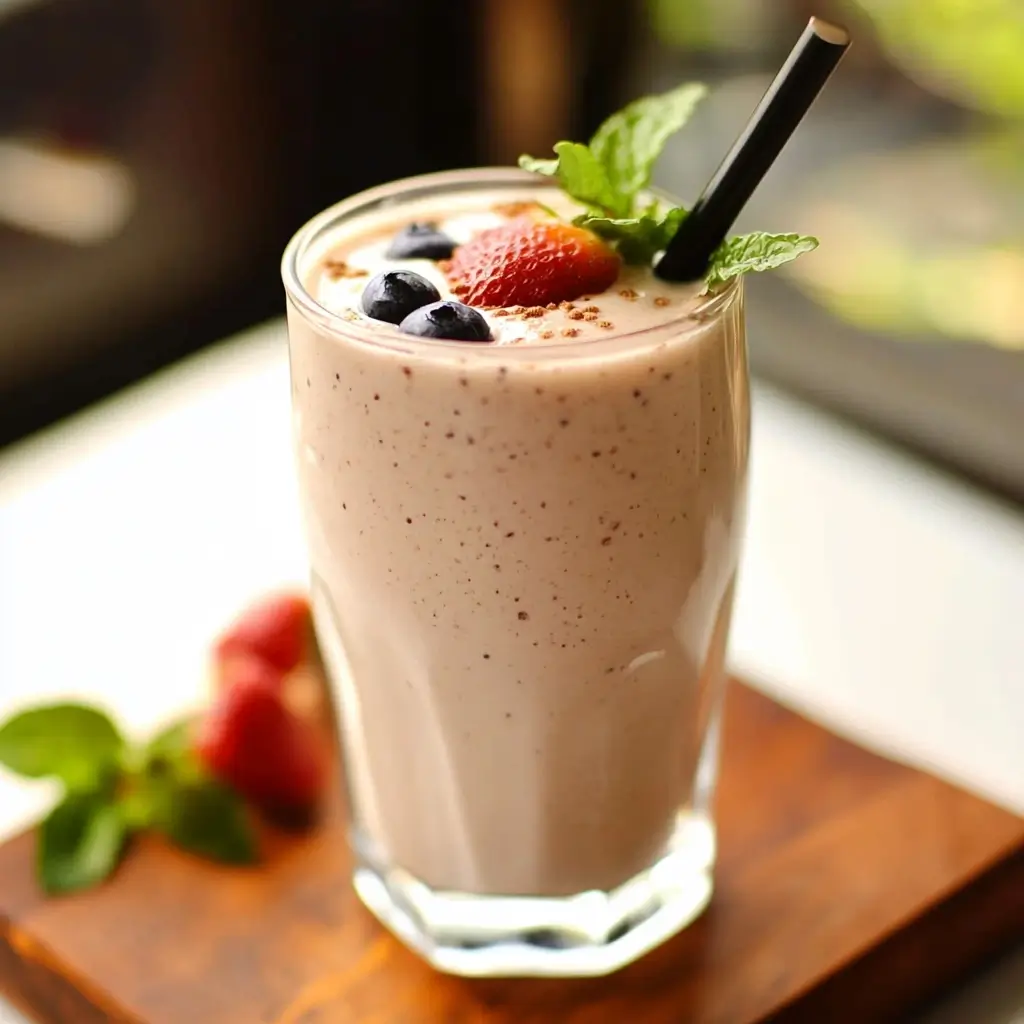
Honestly, when I first heard about putting cottage cheese in a smoothie, my eyebrows shot up. Cottage cheese? The stuff my grandma used to eat with canned peaches? It didn’t exactly scream “deliciously creamy beverage.” I pictured lumps, a weird tangy aftertaste – basically, a health trend I’d try once and never again. But I kept seeing high-protein smoothie recipes popping up, and cottage cheese was a recurring star ingredient. Curiosity (and a desire for a breakfast that would actually keep me full until lunch) finally won. I blended up my first batch, half-expecting disaster. Instead? Pure, creamy, dreamy delight! There were no lumps, no off-putting tang, just a thick, satisfying smoothie that tasted remarkably like a milkshake, but packed with protein. My kids, usually suspicious of anything overtly “healthy,” downed theirs without a second thought, asking for more. It’s become a genuine staple in our house now – the perfect post-workout refuel, a quick and easy breakfast, or even a healthier dessert alternative. If you’re skeptical like I was, I urge you to give this recipe a try. You might just find your new favorite smoothie.
Ingredients
This recipe makes one generous serving or two smaller servings. The beauty of smoothies lies in their flexibility, so feel free to adjust based on your preferences!
- Cottage Cheese: 1/2 cup (approx. 110-120g). Use full-fat (4%) for maximum creaminess, low-fat (1% or 2%) for a lighter option, or fat-free. Small curd tends to blend smoother, but any type works. Choose plain, unflavored cottage cheese.
- Frozen Fruit: 1 cup (approx. 140-150g). A mix of berries (strawberries, blueberries, raspberries) is classic and delicious. Mango chunks, pineapple pieces, or frozen peaches also work wonderfully. Using frozen fruit is key for a thick, cold smoothie without needing ice (which can water it down).
- Banana: 1/2 medium ripe banana (fresh or frozen). Adds natural sweetness and contributes significantly to the creamy texture. Frozen banana yields an even thicker, icier result.
- Liquid: 1/2 cup (120ml). Choose your favorite:
- Unsweetened Almond Milk (for a neutral, low-calorie base)
- Dairy Milk (whole, 2%, or skim – adds extra protein and calcium)
- Oat Milk (for extra creaminess, slightly sweet)
- Soy Milk (good source of plant-based protein)
- Coconut Water (for hydration and electrolytes, adds a subtle tropical flavor)
- Plain Water (if you prefer to let the other ingredients shine)
- Optional Sweetener: 1-2 teaspoons (adjust to taste). Depending on the ripeness of your banana and your personal preference, you might not need any. Options include:
- Maple Syrup
- Honey
- Agave Nectar
- A pitted Medjool date
- Stevia or other non-nutritive sweeteners (use according to package instructions)
- Optional Boosters (Choose one or two):
- 1 tablespoon Chia Seeds (adds fiber, omega-3s, thickens the smoothie)
- 1 tablespoon Ground Flaxseed (adds fiber and omega-3s)
- 1 tablespoon Hemp Seeds (adds protein and healthy fats)
- 1/4 cup Rolled Oats (adds fiber, makes it more filling – like drinking oatmeal!)
- 1 tablespoon Nut Butter (almond, peanut, cashew – adds flavour, healthy fats, and protein)
- 1 scoop Protein Powder (whey, casein, or plant-based – for an extra protein punch, adjust liquid accordingly)
- Small handful of Spinach or Kale (adds nutrients without significantly altering the taste, especially with strong fruit flavors)
- 1/4 teaspoon Vanilla Extract (enhances overall flavor)
- Pinch of Cinnamon or Cardamom (adds warmth)
Instructions
Making this high-protein cottage cheese smoothie is incredibly simple and takes just minutes! Follow these steps for a perfectly smooth and delicious result:
- Gather Your Equipment: You’ll need a blender. A high-speed blender (like a Vitamix or Blendtec) will yield the smoothest results, effortlessly breaking down the cottage cheese curds. However, a standard blender will also work; you might just need to blend for a bit longer or scrape down the sides once or twice.
- Load the Blender Correctly: This can make a difference in blending efficiency. Generally, it’s best to add liquids first, followed by softer ingredients, and finally the frozen items.
- Pour your chosen liquid (milk, water, etc.) into the blender jar.
- Add the cottage cheese.
- Add the fresh banana half (if using fresh).
- Add any optional boosters like seeds, nut butter, protein powder, or oats.
- Add the frozen fruit and frozen banana half (if using frozen) on top. This helps weigh down the other ingredients and gets the blending vortex started efficiently.
- Secure the Lid: Make sure the blender lid is firmly in place before starting. Nobody wants a smoothie explosion!
- Blend:
- Start the blender on a low speed for a few seconds to get things moving.
- Gradually increase the speed to high.
- Blend for 45-90 seconds, or until the smoothie is completely smooth and creamy. With a standard blender, this might take closer to 2 minutes. Listen to the blender – when the sound becomes consistent and smooth, and you don’t hear any large chunks hitting the blades, it’s likely ready.
- If the mixture is too thick and struggling to blend, add a splash more liquid (1-2 tablespoons at a time) and blend again.
- If using a standard blender, you may need to stop it once, scrape down the sides with a spatula to ensure everything is incorporated, and then blend again.
- Check Consistency: Stop the blender and check the texture. It should be thick, smooth, and pourable. If you prefer it thicker, you can add a few more pieces of frozen fruit or a couple of ice cubes (though frozen fruit is preferred for flavour) and blend again briefly. If you prefer it thinner, add a little more liquid and blend briefly.
- Taste and Adjust: Give your smoothie a quick taste. Need more sweetness? Blend in your chosen sweetener (start small). Want a stronger fruit flavour? Add a few more frozen berries. Prefer a hint of vanilla or spice? Now’s the time to add it and give it a final quick blend (just a few seconds).
- Serve Immediately: Pour the smoothie into a glass or bowl and enjoy right away for the best texture and temperature.
Nutrition Facts
- Servings: 1 large serving (approx. 16-20 oz) or 2 smaller servings (approx. 8-10 oz each)
- Calories per large serving (estimated): Approximately 350-450 calories.
Important Note: These nutritional values are estimates and can vary significantly based on the specific ingredients used (e.g., type of cottage cheese – full-fat vs. fat-free, type of milk, amount and type of sweetener, added boosters like nut butter or protein powder).
Breakdown of Nutritional Highlights (Approximate for a basic version with low-fat cottage cheese, almond milk, berries, banana, no sweetener/boosters):
- Protein: 20-30g (Primarily from cottage cheese, additional protein from milk or boosters) – Excellent source! Helps with satiety and muscle maintenance.
- Carbohydrates: 40-50g (Mainly from fruits and banana, provides energy)
- Fiber: 8-12g (From fruits, banana, and especially if adding seeds/oats) – Aids digestion and fullness.
- Fat: 5-15g (Depends heavily on cottage cheese fat content, milk choice, and any added nut butters or seeds) – Healthy fats contribute to satisfaction.
- Calcium: Good source, primarily from cottage cheese and dairy milk if used.
- Vitamins & Minerals: Rich in Vitamin C (from berries), Potassium (from banana), and various B vitamins.
For precise nutritional information, it’s recommended to use a recipe nutrition calculator and input your exact ingredients and quantities. This smoothie is generally considered a well-balanced, high-protein meal or snack option.
Preparation Time
- Total Time: 5 minutes
- Prep Time: 2-3 minutes (Gathering ingredients, measuring)
- Blending Time: 1-2 minutes
This cottage cheese smoothie is incredibly quick to make, making it an ideal choice for busy mornings or a fast post-workout recovery drink. The minimal prep and quick blending mean you can have a nutritious and delicious smoothie ready in under 5 minutes flat!
How to Serve
While you can simply pour it into a glass and drink it, presenting your cottage cheese smoothie thoughtfully can enhance the experience. Here are some serving suggestions:
- Classic Glass:
- Pour into a tall, chilled glass.
- Garnish with a few fresh berries or a slice of banana on the rim.
- Add a reusable straw for easy sipping.
- Smoothie Bowl:
- Make the smoothie slightly thicker (use less liquid or add more frozen fruit/banana).
- Pour into a wide, shallow bowl.
- Arrange toppings artfully over the surface. Great options include:
- Crunch: Granola (low-sugar), chopped nuts (almonds, walnuts, pecans), seeds (chia, hemp, pumpkin, sunflower), cacao nibs.
- Fruit: Sliced fresh banana, fresh berries, sliced kiwi, pomegranate seeds.
- Texture & Flavour: Shredded unsweetened coconut, a drizzle of honey or maple syrup, a swirl of nut butter, a sprinkle of cinnamon.
- On-the-Go:
- Pour into a shaker bottle or insulated travel mug with a secure lid. Perfect for commuting or taking to the gym.
- Layered Parfait:
- Alternate layers of the smoothie with layers of yogurt (Greek yogurt for extra protein) or chia pudding in a clear glass.
- Top with granola or fruit for a visually appealing and texturally interesting breakfast or dessert.
- Kid-Friendly:
- Serve in smaller cups with colourful straws.
- Let kids help choose or add toppings (within reason!).
- Freeze leftover smoothie mixture in popsicle molds for healthy frozen treats.
No matter how you serve it, this smoothie is best enjoyed fresh and cold!
Additional Tips
Maximize your cottage cheese smoothie experience with these helpful tips:
- Achieve Ultimate Creaminess: The key is a good blend! Ensure you blend long enough to completely obliterate any cottage cheese curds. Using full-fat cottage cheese (4% milkfat) and including a ripe banana (fresh or frozen) significantly boosts the creamy factor. A high-speed blender makes this effortless. If using a standard blender, patience and maybe an extra splash of liquid are your friends.
- Control the Sweetness: Taste before adding extra sweetener. Ripe bananas and sweet fruits like mango or strawberries often provide enough natural sweetness. If you do add sweetener, start with a small amount (e.g., 1 teaspoon maple syrup or half a date) and blend again, tasting as you go. Remember, you can always add more, but you can’t take it out!
- Master the Thickness: The ratio of frozen ingredients to liquid determines thickness.
- For a thicker, spoonable smoothie (like for bowls): Use mostly or all frozen fruit/banana, potentially reduce the liquid slightly, or add thickening boosters like chia seeds or oats (let chia sit for a few minutes to gel).
- For a thinner, drinkable smoothie: Use more liquid, incorporate some fresh (not frozen) fruit, or add a few ice cubes (though this can slightly dilute the flavor).
- Prep Ahead for Speed: While smoothies are best blended fresh, you can prep components to save time. Create “smoothie packs” by portioning your frozen fruit, banana chunks (if freezing), seeds, oats, and even protein powder into individual freezer-safe bags or containers. In the morning, just dump a pack into the blender, add the cottage cheese and liquid, and blend!
- Experiment with Flavors: Don’t be afraid to get creative beyond the basic berry blend! Try these combinations:
- Tropical Twist: Cottage cheese, frozen mango chunks, frozen pineapple, coconut water or coconut milk, optional lime zest.
- Peanut Butter Banana: Cottage cheese, frozen banana, peanut butter (or almond butter), milk of choice, optional cocoa powder for a chocolatey version.
- Green Power: Cottage cheese, frozen banana or mango (to mask veggie taste), spinach or kale, chia seeds, milk of choice.
- Peaches & Cream: Cottage cheese, frozen peaches, vanilla extract, milk of choice, pinch of cinnamon or cardamom.
- Chocolate Cherry: Cottage cheese, frozen dark sweet cherries, cocoa powder, milk of choice, optional almond extract.
FAQ (Frequently Asked Questions)
Here are answers to common questions about making and enjoying cottage cheese smoothies:
- Q: Can you actually taste the cottage cheese in the smoothie?
- A: Surprisingly, no! When blended thoroughly, especially with flavourful ingredients like berries and banana, the cottage cheese loses its distinct savoury tang and curd texture. Instead, it contributes a fantastic richness and creaminess, similar to Greek yogurt but often with more protein and a milder flavour profile. If you’re sensitive, ensure you blend it very well and use strong-flavored fruits.
- Q: Will the smoothie be lumpy if I use cottage cheese?
- A: Not if you blend it properly! A high-speed blender will make quick work of the curds, resulting in a perfectly smooth texture. With a standard blender, you might need to blend for a longer duration (60-120 seconds) and potentially scrape down the sides once. Adding the liquid first and blending until completely smooth before adding frozen ingredients can also help. Small curd cottage cheese might blend slightly easier than large curd, but both work.
- Q: Can I make this smoothie vegan or dairy-free?
- A: Unfortunately, the core ingredient is cottage cheese, which is dairy. There isn’t a direct vegan substitute that perfectly replicates the protein content and specific texture. However, you could achieve a similar creamy high-protein smoothie using vegan alternatives like:
- Silken Tofu: Blends very smoothly and adds plant-based protein, though the flavour is slightly different.
- Vegan Greek-style Yogurt: Many brands offer thick, high-protein options made from coconut, almond, soy, or cashew.
- Combining: A mix of vegan yogurt and a scoop of plant-based protein powder can also work well.
You would also need to use plant-based milk (almond, soy, oat) as your liquid.
- A: Unfortunately, the core ingredient is cottage cheese, which is dairy. There isn’t a direct vegan substitute that perfectly replicates the protein content and specific texture. However, you could achieve a similar creamy high-protein smoothie using vegan alternatives like:
- Q: How long does the cottage cheese smoothie last? Can I make it ahead?
- A: Smoothies are always best consumed immediately after blending for optimal texture, temperature, and nutrient retention. However, you can store leftovers in an airtight container (like a mason jar filled to the brim to minimize air exposure) in the refrigerator for up to 24 hours. It may separate slightly, so give it a good shake or stir before drinking. The texture might become less thick or icy over time. Freezing it in popsicle molds is another great way to preserve leftovers.
- Q: Is a cottage cheese smoothie actually healthy? What are the benefits?
- A: Yes, generally, a cottage cheese smoothie can be very healthy! Its main benefit is its high protein content, primarily from the cottage cheese. Protein promotes satiety (keeping you full longer), supports muscle repair and growth (great post-workout), and can aid in weight management. It also provides calcium for bone health. When made with fruits, it’s rich in vitamins, minerals, antioxidants, and fiber. Using boosters like chia or flax seeds adds omega-3 fatty acids and more fiber. The key is to be mindful of added sugars (use natural sweetness from fruit primarily) and high-fat additions if calorie control is a goal. Compared to many sugary breakfast options or typical milkshakes, it’s a significantly more nutritious choice.