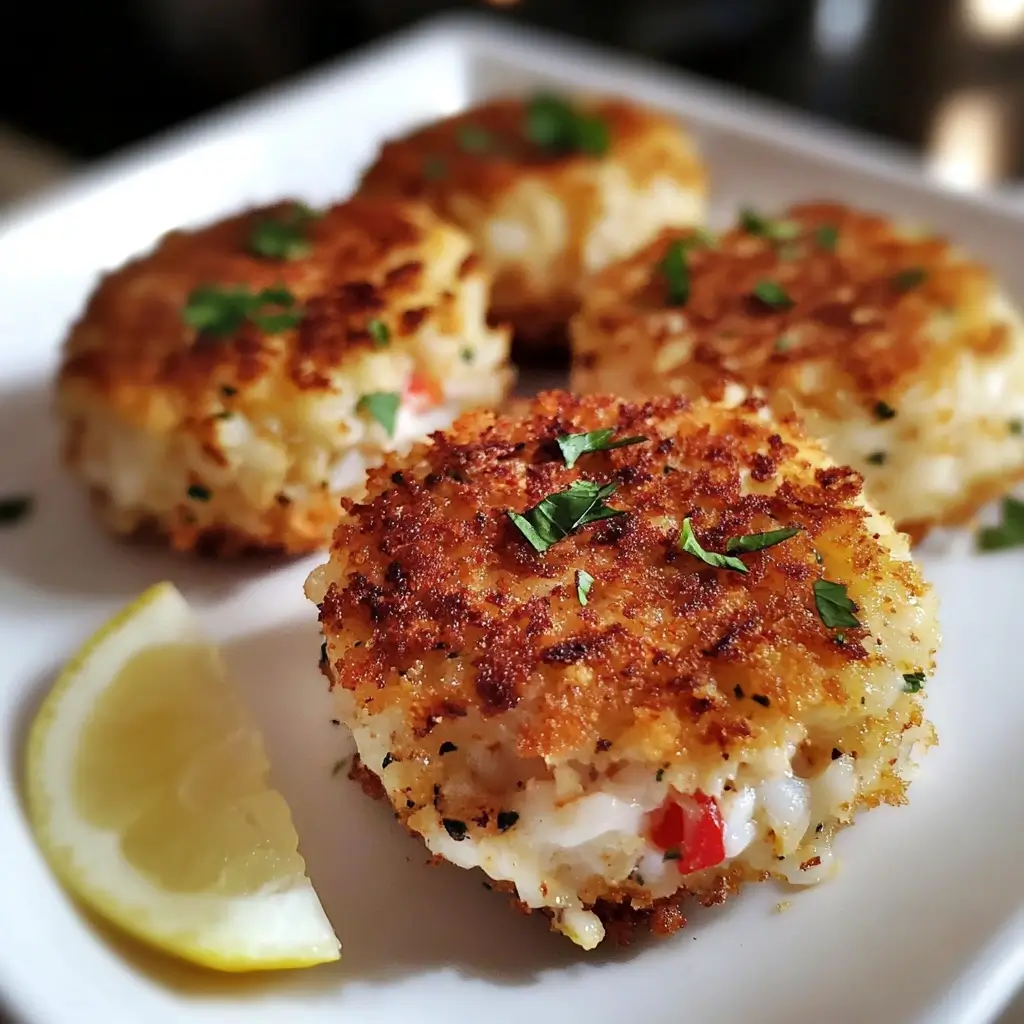
Crab cakes. Just the words conjure up images of sunny seaside lunches, elegant appetizers at dinner parties, and the pure, unadulterated joy of succulent crab meat. For years, I’ve been on a quest for the perfect crab cake – one that balances delicate crab flavor with a satisfying texture, isn’t overly greasy, and is achievable for the home cook. Let me tell you, this panko crab cake recipe is it. My family, notoriously picky eaters, devoured these with gusto. Even my youngest, who usually turns his nose up at anything remotely seafood-related, asked for seconds! The secret, I discovered, lies in the combination of sweet lump crab meat, just the right amount of binder, and the magic of panko breadcrumbs for that irresistible crispy crunch. Forget ordering overpriced, mediocre crab cakes at restaurants; with this recipe, you can create restaurant-quality crab cakes right in your own kitchen, impressing your family and friends with every delectable bite.
Ingredients
Creating exceptional crab cakes starts with selecting high-quality ingredients. Each component plays a crucial role in the final flavor and texture of your crab cakes. Here’s a breakdown of what you’ll need to make these delectable panko crab cakes:
- 1 pound Lump Crab Meat: This is the star of the show! Opt for lump crab meat, preferably from the blue crab. Lump meat provides the best texture and flavor. Make sure to pick through the crab meat carefully to remove any shells or cartilage. You can use fresh or pasteurized crab meat, but avoid imitation crab. Fresh is always ideal if available and in season, but high-quality pasteurized crab meat is a great and convenient alternative. Drain the crab meat well to prevent soggy crab cakes.
- ½ cup Panko Breadcrumbs: Panko breadcrumbs are the secret weapon to achieving that signature crispy exterior. Unlike regular breadcrumbs, panko is made from crustless white bread and processed into large, airy flakes. This unique texture allows for maximum crispiness when fried or baked. Do not substitute with regular breadcrumbs unless absolutely necessary, as the texture will be significantly different.
- ¼ cup Mayonnaise: Mayonnaise acts as a binder and adds moisture and richness to the crab cakes. Use a good quality mayonnaise; full-fat mayonnaise will provide the best flavor and texture. If you are looking for a slightly tangier flavor, you can use a flavored mayonnaise like lemon-dill or roasted garlic mayonnaise.
- 2 large Eggs, lightly beaten: Eggs are another crucial binder, holding the crab cakes together and providing structure. Lightly beating the eggs ensures they are evenly distributed throughout the crab mixture.
- 2 tablespoons Dijon Mustard: Dijon mustard adds a subtle tang and depth of flavor that complements the sweetness of the crab. Its slightly sharp and pungent notes balance the richness of the mayonnaise and crab. You can adjust the amount to your preference; for a milder flavor, start with 1 tablespoon.
- 1 tablespoon Worcestershire Sauce: Worcestershire sauce adds a savory umami depth that enhances the overall flavor profile of the crab cakes. Its complex flavor notes contribute a subtle richness without overpowering the delicate crab.
- 1 tablespoon Lemon Juice, fresh: Fresh lemon juice brightens the flavors of the crab cakes, adding a zesty and refreshing element. It cuts through the richness and adds a vital acidity that balances the other ingredients. Always use fresh lemon juice for the best flavor; bottled lemon juice can taste artificial.
- 1 tablespoon Old Bay Seasoning: Old Bay seasoning is a classic seafood spice blend that perfectly complements crab. It provides a balanced blend of savory, slightly spicy, and aromatic flavors. If you don’t have Old Bay, you can substitute with a mixture of paprika, celery salt, black pepper, and a pinch of cayenne pepper.
- ½ teaspoon Garlic Powder: Garlic powder adds a subtle savory note that enhances the overall flavor without being overpowering. It provides a gentle background flavor that complements the other seasonings.
- ¼ teaspoon Black Pepper, freshly ground: Freshly ground black pepper adds a subtle spice and depth of flavor. It’s important to use freshly ground pepper for the best flavor, as pre-ground pepper can lose its potency over time.
- ¼ teaspoon Salt, or to taste: Salt is essential for seasoning and bringing out the flavors of all the ingredients. Start with ¼ teaspoon and adjust to your taste. Remember that Old Bay seasoning also contains salt, so be mindful of not over-salting.
- 2 tablespoons Fresh Parsley, finely chopped (optional): Fresh parsley adds a touch of freshness and visual appeal to the crab cakes. It also contributes a subtle herbaceous flavor that complements the seafood. If you don’t have parsley, you can use other fresh herbs like chives or dill.
- Olive Oil or Butter, for cooking: You’ll need olive oil or butter for cooking the crab cakes. Olive oil is a healthier option, while butter adds richness and flavor. You can also use a combination of both for the best of both worlds.
Instructions
Now that you have gathered all your high-quality ingredients, it’s time to bring them together and create these mouthwatering panko crab cakes. Follow these step-by-step instructions for perfectly cooked, crispy, and flavorful crab cakes:
Step 1: Prepare the Crab Mixture
- Gently Flake the Crab Meat: In a large bowl, carefully place the lump crab meat. Using your fingers or a fork, gently flake the crab meat, being careful not to break it into small pieces. The goal is to keep the lumps intact as much as possible for a better texture in the final crab cakes. Check for any remaining shells or cartilage and remove them.
- Combine Wet Ingredients: In a separate medium bowl, whisk together the mayonnaise, lightly beaten eggs, Dijon mustard, Worcestershire sauce, and fresh lemon juice until well combined and smooth. This mixture will form the base of your crab cake binder and flavor.
- Add Dry Ingredients and Seasonings: To the wet ingredients, add the panko breadcrumbs, Old Bay seasoning, garlic powder, black pepper, and salt. If using, also add the finely chopped fresh parsley at this stage. Stir well to combine all the dry ingredients and seasonings into the wet mixture.
- Gently Fold in Crab Meat: Pour the wet ingredient mixture over the flaked crab meat in the large bowl. Using a rubber spatula or your hands, gently fold the wet ingredients into the crab meat until just combined. Be careful not to overmix, as this can break down the crab meat and result in tough crab cakes. You want the mixture to be just moistened and hold together loosely.
Step 2: Form the Crab Cakes
- Chill the Mixture (Optional but Recommended): For easier handling and shaping, cover the crab cake mixture with plastic wrap and refrigerate for at least 30 minutes, or up to 1 hour. Chilling helps the mixture firm up, making it less sticky and easier to form into patties. This step is particularly helpful if you find the mixture a bit too wet.
- Shape into Patties: Once chilled (or if you are proceeding immediately), gently divide the crab cake mixture into 6-8 equal portions, depending on your desired size. Using your hands, gently form each portion into a patty, about ¾-inch thick. You can make them round, oval, or any shape you prefer. Be gentle when shaping to avoid compacting the crab meat too much.
- Prepare for Cooking: Place the formed crab cakes on a plate or baking sheet lined with parchment paper. This will prevent them from sticking to the surface.
Step 3: Cook the Crab Cakes
You have several options for cooking your panko crab cakes, each offering slightly different results. Pan-frying provides the crispiest exterior, baking is a healthier option, and air frying offers a quick and crispy result.
Option 1: Pan-Frying (For Crispiest Crab Cakes)
- Heat Oil or Butter: Heat 1-2 tablespoons of olive oil or butter (or a combination of both) in a large skillet over medium heat. The skillet should be large enough to comfortably fit the crab cakes without overcrowding. Allow the oil or butter to heat up until it shimmers or the butter is melted and foamy.
- Cook Crab Cakes: Carefully place the crab cakes in the hot skillet, leaving some space between each patty. Cook for about 4-5 minutes per side, or until golden brown and crispy on the outside and heated through. Gently flip the crab cakes using a spatula to ensure even cooking on both sides.
- Drain Excess Oil: Once cooked, remove the crab cakes from the skillet and place them on a plate lined with paper towels to drain any excess oil. This helps maintain their crispiness.
Option 2: Baking (A Healthier Option)
- Preheat Oven: Preheat your oven to 375°F (190°C). Line a baking sheet with parchment paper or lightly grease it.
- Bake Crab Cakes: Place the formed crab cakes on the prepared baking sheet. Lightly brush the tops of the crab cakes with olive oil or melted butter for added crispness and flavor.
- Bake Until Golden: Bake for 15-20 minutes, or until the crab cakes are golden brown and heated through. You can flip them halfway through baking if desired for more even browning, but it’s not strictly necessary.
Option 3: Air Frying (Quick and Crispy)
- Preheat Air Fryer: Preheat your air fryer to 375°F (190°C). Lightly grease the air fryer basket with cooking spray.
- Air Fry Crab Cakes: Place the crab cakes in the air fryer basket in a single layer, ensuring they are not overcrowded. You may need to cook in batches depending on the size of your air fryer.
- Air Fry Until Golden: Air fry for 8-10 minutes, flipping halfway through, or until the crab cakes are golden brown and heated through. Air frying times may vary slightly depending on your air fryer model.
Step 4: Serve and Enjoy!
Once cooked to golden perfection, your panko crab cakes are ready to be served and enjoyed! Refer to the “How to Serve” section for delicious serving suggestions.
Nutrition Facts
Understanding the nutritional content of your food is important. Here’s an estimated nutrition breakdown for one serving of these panko crab cakes. Please note that these are estimates and can vary slightly based on specific ingredient brands and portion sizes.
Servings: Approximately 6-8 crab cakes (depending on size)
Serving Size: 1-2 crab cakes
Approximate Nutrition Facts per Serving (1 crab cake, assuming 8 servings):
- Calories: 200-250 calories
- Protein: 15-20 grams
- Fat: 10-15 grams
- Saturated Fat: 2-3 grams
- Cholesterol: 100-120 mg
- Sodium: 400-500 mg
- Carbohydrates: 10-15 grams
- Fiber: 1-2 grams
- Sugar: 1-2 grams
Key Nutritional Highlights:
- Good Source of Protein: Crab meat is a lean protein source, making these crab cakes a relatively protein-rich dish.
- Moderate in Fat: While they contain some fat, a significant portion comes from healthy fats found in mayonnaise and olive oil (if used for cooking).
- Source of Vitamins and Minerals: Crab meat is a good source of vitamins and minerals like Vitamin B12, selenium, and copper.
- Panko Breadcrumbs: Panko adds texture and crispiness with fewer calories and fat compared to regular breadcrumbs.
Important Note: These are estimations. For precise nutritional information, you can use online nutrition calculators and input the specific brands and quantities of ingredients you use. Keep in mind that cooking method (pan-frying, baking, air frying) can also slightly affect the final calorie and fat content.
Preparation Time
The beauty of this panko crab cake recipe is that it’s relatively quick and easy to prepare, making it perfect for both weeknight dinners and special occasions. Here’s a breakdown of the estimated time involved:
- Prep Time: 20-25 minutes (This includes picking through crab meat, mixing ingredients, and forming crab cakes). If you choose to chill the crab cake mixture, factor in an additional 30-60 minutes of chilling time. While chilling is optional, it does make shaping the crab cakes easier and can improve their texture.
- Cook Time:
- Pan-Frying: 12-16 minutes (4-5 minutes per side, plus heating the skillet).
- Baking: 15-20 minutes.
- Air Frying: 8-10 minutes.
- Total Time (Without Chilling): Approximately 32-41 minutes (Prep time + Cook time).
- Total Time (With Chilling): Approximately 1 hour 2-hour 41 minutes (Prep time + Chilling time + Cook time).
Time-Saving Tips:
- Use Pasteurized Crab Meat: Pasteurized crab meat is pre-cooked and readily available, saving you time compared to cooking fresh crab.
- Prepare Mixture Ahead of Time: You can prepare the crab cake mixture up to a day in advance and store it covered in the refrigerator. This is especially helpful if you are planning a dinner party. Just form and cook the crab cakes when you are ready to serve.
- Air Frying for Speed: If you are short on time and want crispy crab cakes, air frying is the quickest cooking method.
How to Serve
Panko crab cakes are incredibly versatile and can be served in a variety of ways, making them perfect for appetizers, main courses, or even elegant lunches. Here are some delicious serving suggestions:
As an Appetizer:
- Classic Crab Cake Appetizer: Serve individual crab cakes on small plates with a dollop of remoulade sauce, tartar sauce, or lemon aioli for dipping. Garnish with a lemon wedge and a sprig of parsley.
- Mini Crab Cake Bites: Make smaller, bite-sized crab cakes and serve them on crackers or toasted baguette slices with a flavorful topping like avocado crema or mango salsa.
- Crab Cake Sliders: Serve mini crab cakes on slider buns with lettuce, tomato, and your favorite sauce.
As a Main Course:
- Crab Cakes with Salad: Pair two or three crab cakes per person with a fresh and vibrant salad. Arugula salad with lemon vinaigrette, mixed greens salad with balsamic dressing, or a classic Caesar salad are all excellent choices.
- Crab Cakes with Roasted Vegetables: Serve crab cakes alongside roasted vegetables like asparagus, broccoli, Brussels sprouts, or roasted potatoes for a complete and balanced meal.
- Crab Cakes Benedict: Elevate brunch by serving crab cakes Benedict! Top toasted English muffins with crab cakes, poached eggs, and hollandaise sauce for a luxurious and decadent dish.
- Crab Cakes with Creamy Polenta or Grits: Creamy polenta or cheesy grits provide a comforting and flavorful base for crab cakes. The smooth texture of the polenta complements the crispy crab cakes beautifully.
- Crab Cake Sandwiches: Create a hearty lunch or dinner by serving crab cakes on toasted brioche buns or sourdough bread with your favorite toppings like lettuce, tomato, avocado, and a flavorful sauce.
Sauce Options:
- Remoulade Sauce: A classic creamy and tangy sauce made with mayonnaise, Dijon mustard, capers, pickles, and herbs.
- Tartar Sauce: A traditional seafood sauce made with mayonnaise, pickles, capers, and lemon juice.
- Lemon Aioli: A simple and bright sauce made with mayonnaise, garlic, and lemon juice.
- Spicy Aioli: Add a kick to your aioli by incorporating sriracha or chili garlic sauce.
- Cocktail Sauce: A classic seafood dipping sauce made with ketchup, horseradish, and lemon juice.
- Mango Salsa: A fresh and fruity salsa that provides a sweet and tangy contrast to the richness of the crab cakes.
- Avocado Crema: A creamy and refreshing sauce made with avocado, sour cream or Greek yogurt, lime juice, and cilantro.
Garnish Ideas:
- Lemon Wedges: Essential for squeezing fresh lemon juice over the crab cakes for added brightness.
- Fresh Parsley or Chives: Finely chopped fresh herbs add a pop of color and freshness.
- Microgreens or Sprouts: Delicate microgreens or sprouts add visual appeal and a subtle peppery flavor.
- Paprika: A sprinkle of paprika adds a touch of color and subtle smoky flavor.
Additional Tips for Perfect Panko Crab Cakes
To ensure your panko crab cakes are a resounding success, here are five essential tips to keep in mind:
- Use High-Quality Lump Crab Meat: The quality of your crab meat is paramount. Invest in good quality lump crab meat for the best flavor and texture. Avoid using claw meat or imitation crab if possible, as they will not deliver the same delicious results. Fresh or pasteurized lump crab meat is ideal.
- Don’t Overmix the Crab Mixture: Overmixing the crab cake mixture can result in tough and rubbery crab cakes. Gently fold the ingredients together until just combined. You want to maintain the integrity of the crab lumps for a tender and flavorful crab cake.
- Chill the Mixture for Easier Shaping: Chilling the crab cake mixture for at least 30 minutes before shaping makes it much easier to handle and form patties. The cold mixture is less sticky and holds its shape better, resulting in neater and more uniform crab cakes.
- Don’t Overcrowd the Pan/Baking Sheet/Air Fryer: When cooking the crab cakes, avoid overcrowding the pan, baking sheet, or air fryer basket. Overcrowding can lower the temperature and lead to steaming instead of browning and crisping. Cook in batches if necessary to ensure each crab cake cooks evenly and gets crispy.
- Adjust Seasonings to Your Taste: Taste the crab cake mixture before cooking and adjust the seasonings to your liking. You may want to add more Old Bay, lemon juice, or black pepper depending on your preference. Everyone’s palate is different, so feel free to customize the seasonings to create your perfect crab cake flavor profile.
FAQ Section: Your Crab Cake Questions Answered
Do you have questions about making panko crab cakes? Here are answers to some frequently asked questions to help you confidently create this delicious dish:
Q1: Can I use frozen crab meat for this recipe?
A: While fresh or pasteurized crab meat is ideal, you can use frozen crab meat if necessary. Ensure the frozen crab meat is fully thawed and thoroughly drained before using. Excess water in the crab meat can make the crab cakes soggy. Thaw the crab meat in the refrigerator overnight for best results.
Q2: Can I make crab cakes ahead of time?
A: Yes, you can prepare the crab cake mixture up to a day in advance. Store the mixture covered in the refrigerator. You can also form the crab cakes and store them, uncooked, on a parchment-lined baking sheet, covered with plastic wrap, in the refrigerator for a few hours before cooking. For the best texture and flavor, it’s recommended to cook them closer to serving time. Cooked crab cakes can also be reheated, but they are best enjoyed fresh.
Q3: Can I freeze cooked crab cakes?
A: Yes, cooked crab cakes can be frozen. Allow the cooked crab cakes to cool completely. Wrap each crab cake individually in plastic wrap and then place them in a freezer-safe bag or container. Freeze for up to 2-3 months. To reheat, thaw them in the refrigerator overnight and then reheat in the oven at 350°F (175°C) until heated through and crispy, or pan-fry them gently. Keep in mind that freezing and reheating may slightly alter the texture.
Q4: What can I substitute for panko breadcrumbs if I don’t have them?
A: While panko breadcrumbs are highly recommended for their superior crispiness, you can substitute them with regular breadcrumbs or crushed saltine crackers in a pinch. However, the texture will be different, and the crab cakes may not be as crispy. If using regular breadcrumbs, use dry breadcrumbs rather than fresh breadcrumbs. Crushed saltine crackers can provide a slightly different but still satisfying texture.
Q5: How do I prevent my crab cakes from falling apart?
A: Several factors can contribute to crab cakes falling apart. Ensure you are using enough binder ingredients (mayonnaise and eggs) and that you are not overmixing the mixture. Overmixing can break down the crab meat and weaken the structure. Chilling the mixture before shaping also helps them hold together better. When cooking, handle the crab cakes gently, especially when flipping them. Using a thin spatula and being patient will prevent them from breaking apart. If your mixture seems too wet, you can add a little more panko breadcrumbs to help absorb excess moisture.
Print
Crab Cake with Panko Recipe
Ingredients
- 1 pound Lump Crab Meat: This is the star of the show! Opt for lump crab meat, preferably from the blue crab. Lump meat provides the best texture and flavor. Make sure to pick through the crab meat carefully to remove any shells or cartilage. You can use fresh or pasteurized crab meat, but avoid imitation crab. Fresh is always ideal if available and in season, but high-quality pasteurized crab meat is a great and convenient alternative. Drain the crab meat well to prevent soggy crab cakes.
- ½ cup Panko Breadcrumbs: Panko breadcrumbs are the secret weapon to achieving that signature crispy exterior. Unlike regular breadcrumbs, panko is made from crustless white bread and processed into large, airy flakes. This unique texture allows for maximum crispiness when fried or baked. Do not substitute with regular breadcrumbs unless absolutely necessary, as the texture will be significantly different.
- ¼ cup Mayonnaise: Mayonnaise acts as a binder and adds moisture and richness to the crab cakes. Use a good quality mayonnaise; full-fat mayonnaise will provide the best flavor and texture. If you are looking for a slightly tangier flavor, you can use a flavored mayonnaise like lemon-dill or roasted garlic mayonnaise.
- 2 large Eggs, lightly beaten: Eggs are another crucial binder, holding the crab cakes together and providing structure. Lightly beating the eggs ensures they are evenly distributed throughout the crab mixture.
- 2 tablespoons Dijon Mustard: Dijon mustard adds a subtle tang and depth of flavor that complements the sweetness of the crab. Its slightly sharp and pungent notes balance the richness of the mayonnaise and crab. You can adjust the amount to your preference; for a milder flavor, start with 1 tablespoon.
- 1 tablespoon Worcestershire Sauce: Worcestershire sauce adds a savory umami depth that enhances the overall flavor profile of the crab cakes. Its complex flavor notes contribute a subtle richness without overpowering the delicate crab.
- 1 tablespoon Lemon Juice, fresh: Fresh lemon juice brightens the flavors of the crab cakes, adding a zesty and refreshing element. It cuts through the richness and adds a vital acidity that balances the other ingredients. Always use fresh lemon juice for the best flavor; bottled lemon juice can taste artificial.
- 1 tablespoon Old Bay Seasoning: Old Bay seasoning is a classic seafood spice blend that perfectly complements crab. It provides a balanced blend of savory, slightly spicy, and aromatic flavors. If you don’t have Old Bay, you can substitute with a mixture of paprika, celery salt, black pepper, and a pinch of cayenne pepper.
- ½ teaspoon Garlic Powder: Garlic powder adds a subtle savory note that enhances the overall flavor without being overpowering. It provides a gentle background flavor that complements the other seasonings.
- ¼ teaspoon Black Pepper, freshly ground: Freshly ground black pepper adds a subtle spice and depth of flavor. It’s important to use freshly ground pepper for the best flavor, as pre-ground pepper can lose its potency over time.
- ¼ teaspoon Salt, or to taste: Salt is essential for seasoning and bringing out the flavors of all the ingredients. Start with ¼ teaspoon and adjust to your taste. Remember that Old Bay seasoning also contains salt, so be mindful of not over-salting.
- 2 tablespoons Fresh Parsley, finely chopped (optional): Fresh parsley adds a touch of freshness and visual appeal to the crab cakes. It also contributes a subtle herbaceous flavor that complements the seafood. If you don’t have parsley, you can use other fresh herbs like chives or dill.
- Olive Oil or Butter, for cooking: You’ll need olive oil or butter for cooking the crab cakes. Olive oil is a healthier option, while butter adds richness and flavor. You can also use a combination of both for the best of both worlds.
Instructions
Step 1: Prepare the Crab Mixture
- Gently Flake the Crab Meat: In a large bowl, carefully place the lump crab meat. Using your fingers or a fork, gently flake the crab meat, being careful not to break it into small pieces. The goal is to keep the lumps intact as much as possible for a better texture in the final crab cakes. Check for any remaining shells or cartilage and remove them.
- Combine Wet Ingredients: In a separate medium bowl, whisk together the mayonnaise, lightly beaten eggs, Dijon mustard, Worcestershire sauce, and fresh lemon juice until well combined and smooth. This mixture will form the base of your crab cake binder and flavor.
- Add Dry Ingredients and Seasonings: To the wet ingredients, add the panko breadcrumbs, Old Bay seasoning, garlic powder, black pepper, and salt. If using, also add the finely chopped fresh parsley at this stage. Stir well to combine all the dry ingredients and seasonings into the wet mixture.
- Gently Fold in Crab Meat: Pour the wet ingredient mixture over the flaked crab meat in the large bowl. Using a rubber spatula or your hands, gently fold the wet ingredients into the crab meat until just combined. Be careful not to overmix, as this can break down the crab meat and result in tough crab cakes. You want the mixture to be just moistened and hold together loosely.
Step 2: Form the Crab Cakes
- Chill the Mixture (Optional but Recommended): For easier handling and shaping, cover the crab cake mixture with plastic wrap and refrigerate for at least 30 minutes, or up to 1 hour. Chilling helps the mixture firm up, making it less sticky and easier to form into patties. This step is particularly helpful if you find the mixture a bit too wet.
- Shape into Patties: Once chilled (or if you are proceeding immediately), gently divide the crab cake mixture into 6-8 equal portions, depending on your desired size. Using your hands, gently form each portion into a patty, about ¾-inch thick. You can make them round, oval, or any shape you prefer. Be gentle when shaping to avoid compacting the crab meat too much.
- Prepare for Cooking: Place the formed crab cakes on a plate or baking sheet lined with parchment paper. This will prevent them from sticking to the surface.
Step 3: Cook the Crab Cakes
You have several options for cooking your panko crab cakes, each offering slightly different results. Pan-frying provides the crispiest exterior, baking is a healthier option, and air frying offers a quick and crispy result.
Option 1: Pan-Frying (For Crispiest Crab Cakes)
- Heat Oil or Butter: Heat 1-2 tablespoons of olive oil or butter (or a combination of both) in a large skillet over medium heat. The skillet should be large enough to comfortably fit the crab cakes without overcrowding. Allow the oil or butter to heat up until it shimmers or the butter is melted and foamy.
- Cook Crab Cakes: Carefully place the crab cakes in the hot skillet, leaving some space between each patty. Cook for about 4-5 minutes per side, or until golden brown and crispy on the outside and heated through. Gently flip the crab cakes using a spatula to ensure even cooking on both sides.
- Drain Excess Oil: Once cooked, remove the crab cakes from the skillet and place them on a plate lined with paper towels to drain any excess oil. This helps maintain their crispiness.
Option 2: Baking (A Healthier Option)
- Preheat Oven: Preheat your oven to 375°F (190°C). Line a baking sheet with parchment paper or lightly grease it.
- Bake Crab Cakes: Place the formed crab cakes on the prepared baking sheet. Lightly brush the tops of the crab cakes with olive oil or melted butter for added crispness and flavor.
- Bake Until Golden: Bake for 15-20 minutes, or until the crab cakes are golden brown and heated through. You can flip them halfway through baking if desired for more even browning, but it’s not strictly necessary.
Option 3: Air Frying (Quick and Crispy)
- Preheat Air Fryer: Preheat your air fryer to 375°F (190°C). Lightly grease the air fryer basket with cooking spray.
- Air Fry Crab Cakes: Place the crab cakes in the air fryer basket in a single layer, ensuring they are not overcrowded. You may need to cook in batches depending on the size of your air fryer.
- Air Fry Until Golden: Air fry for 8-10 minutes, flipping halfway through, or until the crab cakes are golden brown and heated through. Air frying times may vary slightly depending on your air fryer model.
Step 4: Serve and Enjoy!
Once cooked to golden perfection, your panko crab cakes are ready to be served and enjoyed! Refer to the “How to Serve” section for delicious serving suggestions.
Nutrition
- Serving Size: one normal portion
- Calories: 200-250
- Sugar: 1-2 grams
- Sodium: 400-500 mg
- Fat: 10-15 grams
- Saturated Fat: 2-3 grams
- Carbohydrates: 10-15 grams
- Fiber: 1-2 grams
- Protein: 15-20 grams
- Cholesterol: 100-120 mg