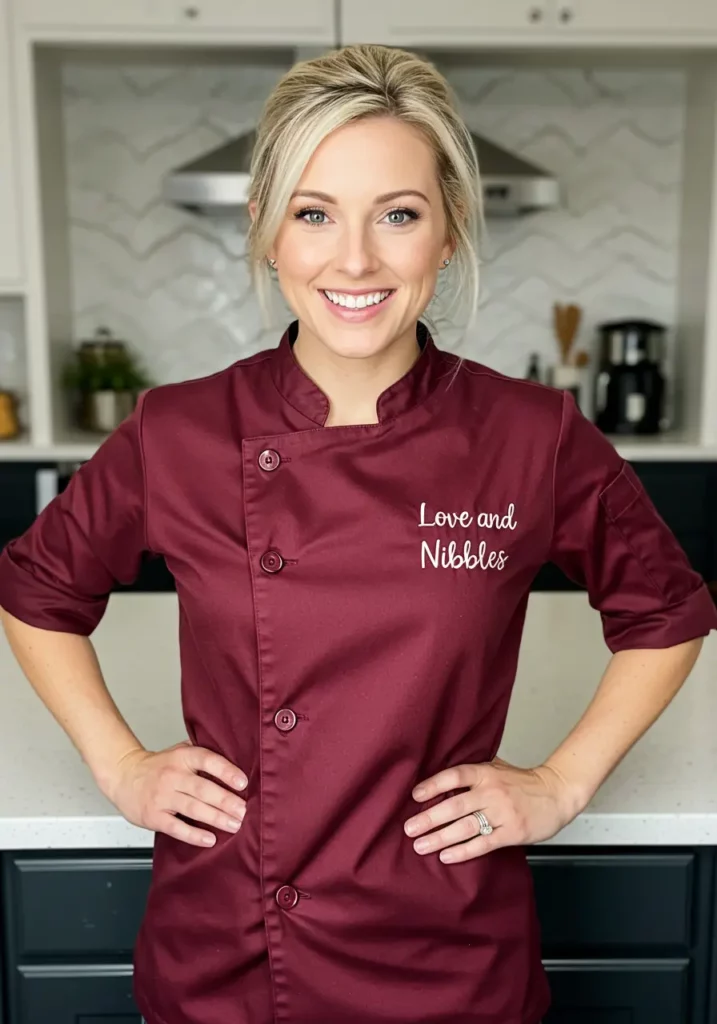
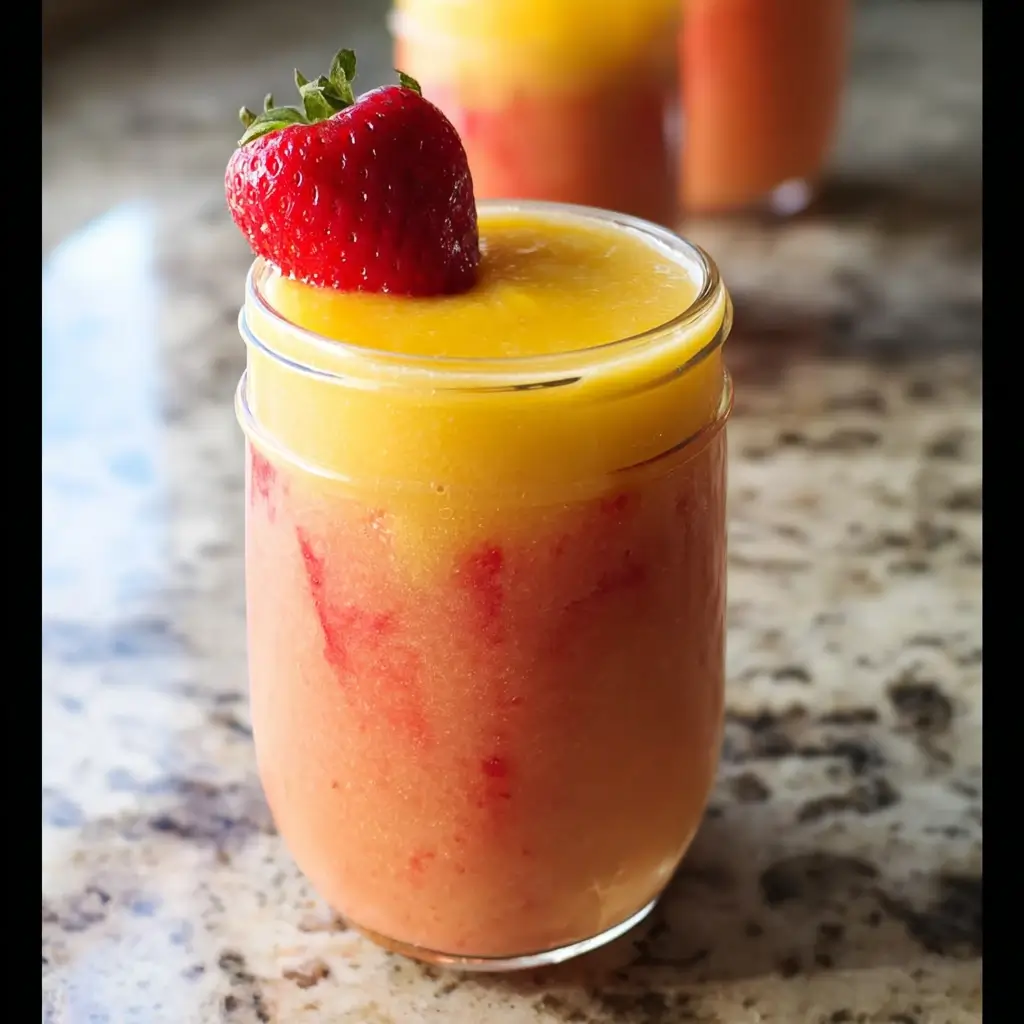

Of all the vibrant, healthy concoctions I blend up in my kitchen, this Strawberry Mango Smoothie holds a special place in my heart and on our weekly menu. In our house, mornings can be a whirlwind of finding lost socks, packing lunches, and a general rush to get out the door. This smoothie became my secret weapon. The first time I made it, the brilliant sunrise-orange and pink hues alone were enough to stop my kids in their tracks. The taste? It was an instant victory. The sweet, tropical notes of the mango perfectly balance the slightly tart, familiar flavor of strawberries, creating a combination that feels both indulgent and incredibly refreshing. It’s the one breakfast request I get that I never hesitate to say yes to, because I know it’s packed with goodness, takes less than five minutes to make, and leaves everyone with a smile. It’s more than just a drink; it’s our little glass of sunshine, a delicious and healthy way to start the day on the right foot, no matter how chaotic it gets.
The Ultimate Creamy Strawberry Mango Smoothie Recipe
This recipe is the perfect starting point. It’s balanced, creamy, and consistently delicious. Below, we’ll explore countless ways to customize it, but master this classic version first, and you’ll have a go-to healthy treat for life.
Yields: 2 large servings or 4 small servings
Prep time: 5 minutes
Cook time: 2 minutes
Ingredients:
- Frozen Strawberries: 1 ½ cups. Using frozen strawberries is key for a thick, frosty texture without watering the smoothie down with ice.
- Frozen Mango Chunks: 1 ½ cups. Again, frozen is best for that perfect creamy, ice-cream-like consistency.
- Greek Yogurt: ½ cup. Plain, unsweetened Greek yogurt adds a wonderful creaminess, a tangy flavor, and a significant boost of protein. You can use regular yogurt or a dairy-free alternative.
- Milk: ¾ to 1 cup. Start with ¾ cup and add more if needed to reach your desired consistency. Any milk works—dairy, almond, soy, oat, or coconut milk.
- Optional Sweetener: 1 tablespoon of honey or maple syrup. This is often unnecessary if your fruit is very ripe and sweet, but you can add it to taste.
- Optional Boost: 1 tablespoon of chia seeds or flax seeds for extra fiber and omega-3s.
Step-by-Step Instructions
Making this smoothie is incredibly simple, but the order in which you add the ingredients to your blender can make a big difference in how smoothly it blends.
- Add Liquids First: Pour your milk (starting with ¾ cup) and the Greek yogurt into the blender first. Placing the liquids at the bottom near the blades helps the blender get started and prevents the frozen fruit from getting stuck.
- Add Soft Ingredients: If you’re using any soft add-ins like fresh fruit (if substituting), chia seeds, or protein powder, add them now.
- Add Frozen Fruit: Add the frozen strawberries and frozen mango chunks on top of the liquids.
- Blend to Perfection: Secure the lid on your blender. Start blending on a low speed to break up the large chunks of fruit, then gradually increase the speed to high. Blend for about 45-60 seconds, or until the smoothie is completely smooth and creamy. If the smoothie is too thick and your blender is struggling, add the remaining ¼ cup of milk and blend again.
- Taste and Adjust: Once blended, give it a quick taste. If you prefer it sweeter, now is the time to add your honey or maple syrup and give it a final, quick blend to incorporate.
- Serve Immediately: Pour the smoothie into glasses and enjoy right away for the best texture and flavor.
Nutrition Facts
- Servings: 2 large (approximately 16 oz) servings
- Calories per serving: Approximately 285 kcal
Disclaimer: The nutritional information provided is an estimate and can vary significantly based on the specific ingredients used (e.g., type of milk, yogurt, and whether a sweetener is added). This estimate is based on unsweetened almond milk and plain, non-fat Greek yogurt with no added sweetener.
- Vitamin C: Exceptionally high, thanks to both strawberries and mangoes.
- Fiber: A good source, promoting digestive health.
- Protein: Significant amount from the Greek yogurt, making it a satisfying and filling drink.
- Potassium: Contributed by the mangoes and yogurt.
Preparation Time
One of the best parts about this recipe is how fast it is.
- Total Preparation Time: 5 Minutes
- Gathering Ingredients: 2 minutes
- Blending Time: 2-3 minutes
This makes it an ideal recipe for busy mornings, a quick post-workout refuel, or a healthy afternoon snack that won’t take you away from your day.
How to Serve Your Strawberry Mango Smoothie
Don’t just pour it in a glass! Presentation can elevate the experience from a simple drink to a beautiful, cafe-worthy creation. Here are some fantastic ways to serve your smoothie:
- The Classic Glass:
- Serve in a tall, chilled glass for an extra refreshing feel.
- Use a wide straw, preferably a reusable metal or glass one, which is perfect for thick smoothies.
- Garnish the rim of the glass with a fresh strawberry slice or a small wedge of mango.
- Sprinkle a few chia seeds or a sprig of fresh mint on top for a pop of color and texture.
- The Trendy Smoothie Bowl:
- Make the smoothie slightly thicker by using less milk (start with just ½ cup).
- Pour the thick smoothie into a wide, shallow bowl.
- This is where you can get creative! Arrange toppings in neat lines or artful piles on the surface. Fantastic topping ideas include:
- Fresh Fruit: Sliced strawberries, diced mango, bananas, or blueberries.
- Crunch: Granola, chopped nuts (almonds, walnuts), or seeds (pumpkin, sunflower).
- Texture & Flavor: Toasted coconut flakes, a drizzle of honey or nut butter, or a sprinkle of cacao nibs.
- Healthy Popsicles for All Ages:
- This is a perfect way to use up any leftover smoothie or to make a healthy frozen treat for a hot day.
- Simply pour the smoothie mixture into popsicle molds.
- Insert popsicle sticks and freeze for at least 4-6 hours, or until solid.
- This is a fantastic, guilt-free dessert that kids and adults will love.
- On-the-Go Fuel:
- Pour the smoothie into a reusable, insulated travel mug or bottle.
- This keeps it cold and fresh for your morning commute, a trip to the gym, or as a packed snack for later in the day.
Additional Tips for the Perfect Smoothie
These five tips will help you troubleshoot common issues and take your strawberry mango smoothie from great to absolutely spectacular.
1. Master the Creamy, Thick Texture
The number one goal for many smoothie lovers is achieving that thick, spoonable, ice-cream-like texture. The secret lies in the ratio of frozen ingredients to liquid.
- Always Use Frozen Fruit: This is non-negotiable for a thick smoothie. Using fresh fruit and adding ice will result in a more watery, icy texture as the ice melts. Frozen fruit creates a natural creaminess.
- Start with Less Liquid: You can always add more liquid, but you can’t take it out. Begin with the minimum amount of milk recommended in the recipe (¾ cup). Only add more, a tablespoon at a time, if your blender is struggling to process the ingredients.
- Add a Natural Thickener: A tablespoon or two of rolled oats, chia seeds, or a few extra chunks of frozen banana can add incredible thickness and body to your smoothie.
2. Meal Prep for Lightning-Fast Mornings
If even five minutes feels like too long on a hectic morning, smoothie packs are a game-changer.
- Create Smoothie Packs: Get out several zip-top freezer bags or reusable silicone bags. To each bag, add the measured amounts of frozen strawberries and frozen mango chunks. If you’re using them, you can also add your chia seeds, flax seeds, or oats directly to the bag.
- Label and Freeze: Label the bags with the date and “Strawberry Mango Smoothie.” Store them flat in your freezer.
- Blend in Seconds: When you’re ready for a smoothie, simply dump the contents of one bag into your blender, add your milk and yogurt, and blend away. This cuts prep time down to under a minute.
3. Boost the Nutritional Powerhouse
This smoothie is already healthy, but you can easily supercharge it with powerful, nutrient-dense additions that won’t drastically alter the delicious taste.
- Hidden Greens: Add a large handful of fresh spinach. It will slightly change the color, but its mild flavor is completely masked by the sweet fruit. It’s an effortless way to get in a serving of leafy greens.
- Healthy Fats and Fiber: A tablespoon of chia seeds, ground flaxseed, or hemp hearts will add a boost of omega-3 fatty acids, fiber, and protein, helping to keep you full and satisfied for longer.
- Protein Punch: For a post-workout recovery drink or a more filling meal replacement, add a scoop of your favorite protein powder. A plain or vanilla-flavored one works best to complement the fruit flavors. A tablespoon of almond butter also adds protein and a delicious nutty creaminess.
4. Get the Smoothest Blend (Blender Tips)
The quality of your blender matters, but so does your technique.
- The Power of a Good Blender: A high-powered blender (like a Vitamix or Blendtec) will pulverize frozen fruit and seeds into a silky-smooth consistency with ease.
- Working with a Standard Blender: If you don’t have a high-speed blender, you can still make a great smoothie. You may need to stop and scrape down the sides a few times. It can also help to let the frozen fruit sit out for 5 minutes before blending to soften slightly, making it easier for the motor to handle. Always remember the “liquids first” rule to give the blades a chance to get going.
- Don’t Over-Blend: Blend until everything is just combined and smooth. Over-blending can heat the smoothie from the friction of the blades, causing it to lose its frosty texture.
5. Make It Vegan and Dairy-Free with Ease
This recipe is incredibly easy to adapt for a vegan or dairy-free diet without sacrificing flavor or creaminess.
- Swap the Yogurt: Replace the Greek yogurt with a dairy-free alternative. Coconut-based yogurt is fantastic for an extra tropical flavor and supreme creaminess. Almond or soy-based yogurts also work beautifully.
- Choose a Plant-Based Milk: Use any plant-based milk you prefer. Unsweetened almond milk is a great low-calorie option. Oat milk will make the smoothie exceptionally creamy. Canned light coconut milk will give it a rich, decadent, piña colada-like vibe.
- Check Your Sweetener: If you’re adding a sweetener, ensure you use a vegan option like maple syrup, agave nectar, or date syrup instead of honey.
Frequently Asked Questions (FAQ)
Here are answers to some of the most common questions about making this Strawberry Mango Smoothie.
1. My smoothie is too thin and watery. How can I fix it?
This is a common issue, and it’s easily fixable! The most likely culprit is using too much liquid or not using frozen fruit. To fix a thin smoothie, add more frozen fruit (a handful of either strawberries or mangoes will do) or a natural thickener like a quarter of a frozen banana or a tablespoon of rolled oats. Blend again until it reaches your desired thickness. For next time, remember to start with less milk and use only frozen fruit.
2. Can I use fresh fruit instead of frozen?
You can, but it will dramatically change the final texture. If you use fresh strawberries and mangoes, your smoothie will be much thinner and won’t have the signature frosty, thick consistency. To compensate, you will need to add about 1 to 1 ½ cups of ice to the blender. Be aware that this can sometimes result in a slightly slushy or watered-down flavor compared to using frozen fruit, which makes the smoothie creamy without dilution.
3. Can I make this smoothie without yogurt?
Absolutely! The yogurt adds creaminess and protein, but it’s not essential. To make the smoothie without yogurt, you can substitute it with one of these options:
- Half a Frozen Banana: This is the best substitute for creaminess. It will add a slight banana flavor, which pairs wonderfully with strawberry and mango.
- ¼ cup of Rolled Oats: This will thicken the smoothie and add soluble fiber.
- ¼ Avocado: This adds incredible creaminess and healthy fats with a very neutral flavor.
- Dairy-Free Yogurt: As mentioned in the tips, a coconut or almond-based yogurt is a perfect 1-to-1 swap.
4. How can I store leftover smoothie?
Smoothies are always best enjoyed immediately after blending. However, if you have leftovers, you can store them. Pour the smoothie into an airtight container or a mason jar, filling it as close to the top as possible to minimize air exposure (which causes oxidation and separation). It will keep in the refrigerator for up to 24 hours. It will likely separate, so be sure to shake or stir it vigorously before drinking. The texture won’t be as thick and frosty as when it was fresh. The best way to store leftovers is to freeze them in popsicle molds!
5. Is this Strawberry Mango Smoothie healthy for weight loss?
Yes, this smoothie can be a fantastic part of a healthy weight loss plan when consumed thoughtfully. It’s packed with vitamins, minerals, and fiber from the fruit, which promotes fullness. The protein from the Greek yogurt also helps with satiety, keeping you from snacking on less healthy options later. To optimize it for weight loss, be mindful of:
- Portion Size: Stick to a reasonable serving size. This recipe makes two large servings, so consider having just one.
- Added Sugars: Avoid or minimize added sweeteners like honey and maple syrup. The natural sweetness from the fruit is often enough.
- Calorie-Dense Add-ins: Be conscious of high-calorie additions like nut butters or large amounts of seeds. While healthy, they add up quickly.
Overall, as a nutrient-dense, whole-food-based meal or snack, it’s a far better choice than processed breakfast foods or sugary drinks.
Creamy Strawberry Mango Smoothie Recipe
Ingredients
- Frozen Strawberries: 1 ½ cups. Using frozen strawberries is key for a thick, frosty texture without watering the smoothie down with ice.
- Frozen Mango Chunks: 1 ½ cups. Again, frozen is best for that perfect creamy, ice-cream-like consistency.
- Greek Yogurt: ½ cup. Plain, unsweetened Greek yogurt adds a wonderful creaminess, a tangy flavor, and a significant boost of protein. You can use regular yogurt or a dairy-free alternative.
- Milk: ¾ to 1 cup. Start with ¾ cup and add more if needed to reach your desired consistency. Any milk works—dairy, almond, soy, oat, or coconut milk.
- Optional Sweetener: 1 tablespoon of honey or maple syrup. This is often unnecessary if your fruit is very ripe and sweet, but you can add it to taste.
- Optional Boost: 1 tablespoon of chia seeds or flax seeds for extra fiber and omega-3s.
Instructions
- Add Liquids First: Pour your milk (starting with ¾ cup) and the Greek yogurt into the blender first. Placing the liquids at the bottom near the blades helps the blender get started and prevents the frozen fruit from getting stuck.
- Add Soft Ingredients: If you’re using any soft add-ins like fresh fruit (if substituting), chia seeds, or protein powder, add them now.
- Add Frozen Fruit: Add the frozen strawberries and frozen mango chunks on top of the liquids.
- Blend to Perfection: Secure the lid on your blender. Start blending on a low speed to break up the large chunks of fruit, then gradually increase the speed to high. Blend for about 45-60 seconds, or until the smoothie is completely smooth and creamy. If the smoothie is too thick and your blender is struggling, add the remaining ¼ cup of milk and blend again.
- Taste and Adjust: Once blended, give it a quick taste. If you prefer it sweeter, now is the time to add your honey or maple syrup and give it a final, quick blend to incorporate.
- Serve Immediately: Pour the smoothie into glasses and enjoy right away for the best texture and flavor.
Nutrition
- Serving Size: One Normal Portion
- Calories: 285