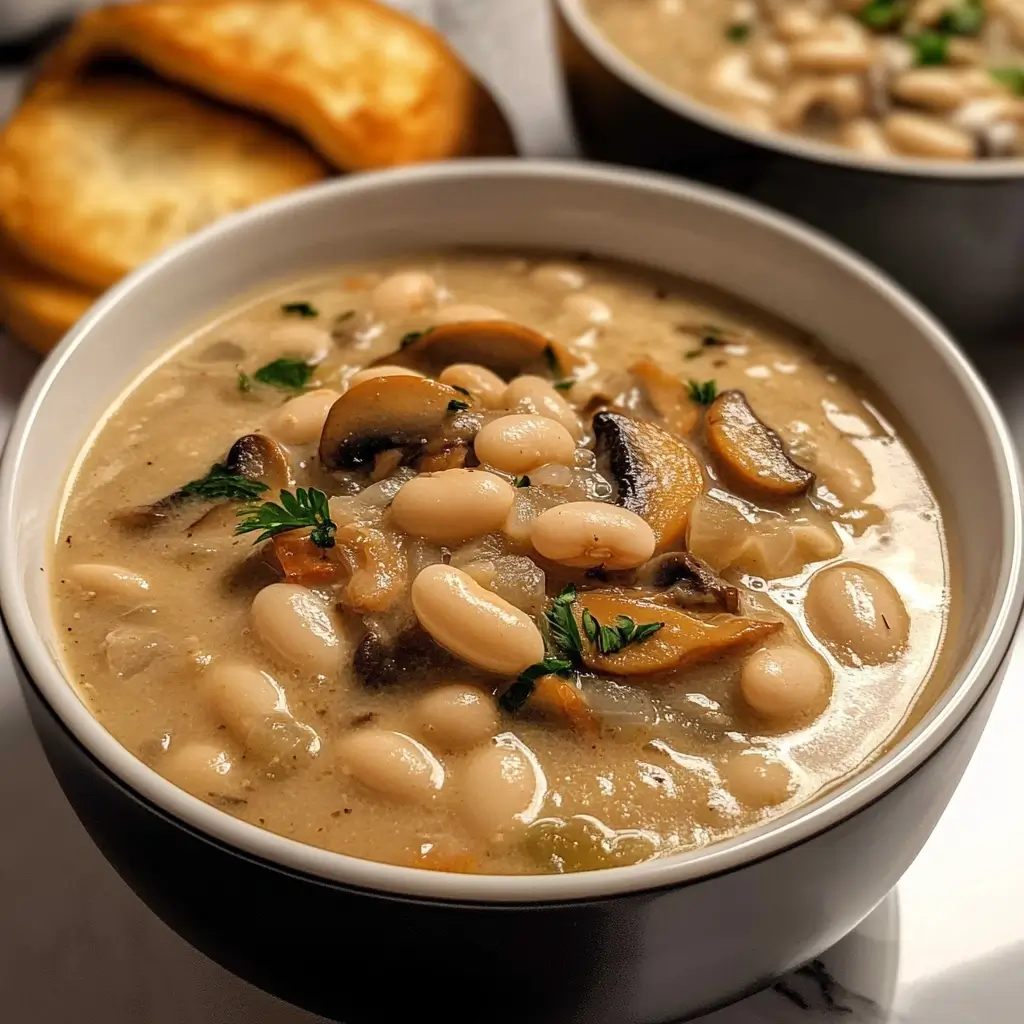

There’s something undeniably comforting about a warm bowl of soup, especially when the days grow shorter and the air turns crisp. In our home, soup season is practically a year-round affair, but there’s one recipe that consistently rises to the top of our favorites list: Creamy White Bean and Mushroom Soup. I first stumbled upon a basic version of this recipe years ago, and it has since become a beloved staple, evolving and adapting to our tastes. From my toddler, who happily slurps down spoonful after spoonful, to my soup-aficionado husband who declares it “restaurant quality,” this creamy concoction has won over even the pickiest eaters in our family. What I love most about it, beyond its incredible flavor, is its simplicity. It’s a dish that feels both wholesome and indulgent, packed with goodness yet incredibly easy to throw together, even on busy weeknights. The earthy mushrooms, the creamy white beans, the subtle hint of herbs – it all comes together in a symphony of flavors and textures that’s simply irresistible. This isn’t just soup; it’s a hug in a bowl, and I’m thrilled to share our family’s perfected version with you. Get ready to experience a soup that will not only warm you from the inside out but also become a cherished recipe in your own kitchen.
Ingredients
To create this delectable Creamy White Bean and Mushroom Soup, you will need a collection of fresh, high-quality ingredients. Each component plays a vital role in building the layers of flavor and achieving that perfect creamy texture. Let’s delve into each ingredient and understand its contribution to this culinary masterpiece:
- Olive Oil: 3 tablespoons. Extra virgin olive oil is highly recommended for its superior flavor and health benefits. It forms the base for sautéing the vegetables, adding a rich, fruity note to the soup’s foundation. You can use regular olive oil if preferred, or even avocado oil for a neutral flavor profile.
- Yellow Onion: 1 large, chopped. The onion provides a foundational aromatic base for the soup. Yellow onions are preferred for their balanced flavor – not too sharp and not too sweet – which caramelizes beautifully during sautéing, releasing depth and sweetness. Diced uniformly, they ensure even cooking and distribution throughout the soup.
- Carrots: 2 medium, chopped. Carrots contribute sweetness and a subtle earthy note to the soup, alongside a vibrant orange hue that adds visual appeal. They also provide a touch of texture. Like the onion, chopping them into uniform pieces ensures even cooking. You can also use baby carrots for convenience, roughly chopped.
- Celery: 2 stalks, chopped. Celery is an often-underestimated ingredient that provides a crucial aromatic layer to soups and stews. It adds a subtle herbaceousness and a slightly salty, savory undertone that balances the sweetness of the carrots and onions. It’s part of the classic mirepoix, the flavor foundation of many great dishes.
- Garlic: 4 cloves, minced. Garlic is a flavor powerhouse that brings a pungent and aromatic depth to the soup. Minced garlic releases its oils and flavors more readily than chopped or sliced garlic. Fresh garlic is always preferred for its robust flavor, but pre-minced garlic can be used for convenience, though the flavor may be slightly less intense.
- Mushrooms: 1 pound, sliced. Mushrooms are the star of this soup, providing an earthy, umami-rich flavor and a satisfyingly meaty texture. Cremini mushrooms (also known as baby bellas) are an excellent choice for their depth of flavor and availability. However, you can use a variety of mushrooms or a mix for a more complex flavor profile. Consider using:
- White Button Mushrooms: Milder in flavor, readily available, and affordable.
- Portobello Mushrooms: Larger and meatier, with a more intense flavor than cremini.
- Shiitake Mushrooms: Woodsy and earthy with a distinctive flavor, especially if you use dried shiitake and rehydrate them, using the soaking liquid for added depth.
- Oyster Mushrooms: Delicate and slightly sweet with a velvety texture.
- Wild Mushrooms: Foraged or gourmet mushrooms (like chanterelles, morels, or porcini) can elevate the soup to a truly special level, adding unique and intense flavors.
- Dried Thyme: 1 teaspoon. Dried thyme provides a warm, earthy, and slightly minty herb note that complements the mushrooms and white beans beautifully. Dried thyme is robust and holds its flavor well during cooking. You can substitute with fresh thyme if you prefer, using about 1 tablespoon of fresh leaves. Other herbs that work well include rosemary or sage, but thyme is classic for this soup.
- Dried Rosemary: ½ teaspoon. Rosemary adds a piney, fragrant, and slightly pungent note that pairs wonderfully with mushrooms and beans. Used in moderation, rosemary enhances the savory depth of the soup without overpowering other flavors. As with thyme, fresh rosemary can be used (about 1 ½ teaspoons of chopped fresh rosemary leaves).
- Vegetable Broth: 6 cups. Vegetable broth forms the liquid base of the soup and adds another layer of savory flavor. Low-sodium vegetable broth is recommended to control the salt level. High-quality vegetable broth will make a noticeable difference in the overall flavor. You can also use homemade vegetable broth for the best flavor. Chicken broth can be used for a non-vegetarian version.
- Canned White Beans: 2 (15-ounce) cans, drained and rinsed. White beans are the key to the creamy texture and provide a hearty, protein-rich element to the soup. Cannellini beans (white kidney beans) are an excellent choice for their creamy texture and mild flavor. Great Northern beans or navy beans can also be used. Draining and rinsing the beans removes excess sodium and any starchy liquid, which can sometimes affect the soup’s texture.
- Heavy Cream: ½ cup. Heavy cream adds richness and luxurious creaminess to the soup, elevating its texture and flavor profile. It creates a velvety smooth finish. For a lighter option, you can use half-and-half, but the soup will be less rich. For a vegan version, you can use full-fat coconut milk (the creamy part from the top of a chilled can) or cashew cream.
- Salt and Black Pepper: To taste. Salt and black pepper are essential seasonings that enhance all the other flavors in the soup. Seasoning throughout the cooking process, and especially at the end, is crucial for bringing out the best in each ingredient. Freshly ground black pepper is always preferred for its brighter flavor.
- Fresh Parsley: 2 tablespoons, chopped (for garnish, optional). Fresh parsley adds a bright, herbaceous, and slightly peppery note, providing a fresh finish and a pop of color when used as a garnish. It’s optional but highly recommended for enhancing the soup’s visual appeal and adding a final layer of flavor. Other fresh herbs like chives or dill could also be used.
Having these ingredients prepped and ready to go will make the cooking process smooth and enjoyable. Consider using pre-chopped vegetables to save time, especially on busy days, but remember that freshly chopped vegetables generally offer the best flavor and texture. Now that we have our ingredients, let’s move on to the step-by-step instructions to bring this Creamy White Bean and Mushroom Soup to life.
Instructions
Crafting this Creamy White Bean and Mushroom Soup is a straightforward and rewarding process. Follow these detailed instructions to create a soup that is both flavorful and comforting. Each step is designed to build layers of flavor and achieve the perfect creamy consistency:
- Sauté the Aromatics: Heat the olive oil in a large pot or Dutch oven over medium heat. Once the oil shimmers, add the chopped yellow onion, carrots, and celery. Sauté for 5-7 minutes, or until the onions become translucent and softened, and the carrots and celery begin to soften slightly. Stir occasionally to prevent sticking and ensure even cooking. This step is crucial for building the flavor base of the soup. Sautéing the vegetables releases their natural sugars and aromatic compounds, creating a deeper and more complex flavor profile. Don’t rush this step; allowing the vegetables to soften properly is key.
- Add Garlic and Herbs: Add the minced garlic, dried thyme, and dried rosemary to the pot. Sauté for another 1-2 minutes, or until the garlic is fragrant. Be careful not to burn the garlic, as it can become bitter. Stir constantly during this step to prevent burning and to distribute the garlic and herbs evenly among the vegetables. The heat will bloom the herbs, releasing their aromatic oils and infusing the vegetables with their fragrance. This fragrant base is essential for a flavorful soup.
- Sauté the Mushrooms: Add the sliced mushrooms to the pot. Increase the heat slightly to medium-high. Sauté the mushrooms for 8-10 minutes, or until they release their moisture and become browned and tender. Stir occasionally at first, then more frequently as the mushrooms release their liquid. Initially, the mushrooms will absorb the oil and then release their water. Allow this liquid to evaporate, and continue to sauté until the mushrooms start to brown. Browning the mushrooms is crucial for developing their rich, umami flavor. This process, known as the Maillard reaction, creates hundreds of flavor compounds that significantly enhance the soup’s taste. If using different types of mushrooms, add them in order of density, starting with firmer mushrooms like shiitake or portobello, and ending with more delicate mushrooms like oyster mushrooms.
- Deglaze the Pot (Optional but Recommended): If there are any browned bits stuck to the bottom of the pot (fond), pour in a splash of vegetable broth (about ¼ cup) and scrape the bottom of the pot with a wooden spoon or spatula to loosen these flavorful bits. This process, called deglazing, adds another layer of depth and richness to the soup. The browned bits are concentrated flavor, and deglazing ensures they are incorporated into the soup instead of being left behind.
- Add Broth and Beans: Pour in the remaining vegetable broth and add the drained and rinsed white beans to the pot. Bring the soup to a boil, then reduce the heat to low, cover, and simmer for 15-20 minutes. Simmering allows the flavors to meld together and the beans to soften further and slightly break down, contributing to the soup’s creamy texture. The longer simmering time will result in a more flavorful and cohesive soup.
- Blend for Creaminess (Partial or Full): Remove the pot from the heat. For a partially creamy soup with some texture, use an immersion blender to blend about half of the soup directly in the pot until smooth. For a completely smooth and creamy soup, carefully transfer the soup in batches to a regular blender (or use an immersion blender to blend the entire pot). If using a regular blender, be cautious when blending hot liquids. Remove the center piece from the blender lid to allow steam to escape, and cover the lid with a kitchen towel while blending to prevent splattering. Start blending on low speed and gradually increase to high speed until smooth. Blending the soup releases the starches from the beans and vegetables, creating a naturally creamy texture without relying solely on cream.
- Return to Pot and Add Cream: If you used a regular blender, return the blended soup to the pot. Stir in the heavy cream. Heat the soup gently over low heat until heated through, but do not boil after adding the cream, as it can curdle. Heating the soup gently ensures the cream is incorporated smoothly and adds its richness without separating.
- Season to Taste: Season the soup with salt and black pepper to taste. Start with a teaspoon of salt and a ½ teaspoon of black pepper, and then adjust according to your preference. Taste the soup and add more seasoning gradually, as salt and pepper enhance the flavors and balance the soup. Remember that the saltiness of the broth can vary, so taste and adjust seasoning at the end.
- Serve and Garnish: Ladle the Creamy White Bean and Mushroom Soup into bowls. Garnish with fresh chopped parsley, if desired. Serve hot, and enjoy! Garnishing adds a fresh element and visual appeal to the soup. Consider other garnishes like a drizzle of olive oil, a sprinkle of red pepper flakes for a touch of heat, or a dollop of crème fraîche or sour cream for extra richness (non-vegan version).
Following these detailed instructions will lead you to a wonderfully flavorful and creamy soup. The key is to sauté the vegetables and mushrooms properly to develop depth of flavor and to season generously to bring out all the nuances of the ingredients.
Nutrition Facts
(Estimated, per serving, assuming 6 servings per recipe. Nutritional values can vary based on specific ingredients and brands used.)
- Serving Size: Approximately 1.5 cups
- Calories: 350-400 kcal
- Protein: 15-20g
- Fat: 20-25g (primarily from olive oil, mushrooms, and cream)
- Saturated Fat: 8-12g (depending on cream and olive oil)
- Cholesterol: 50-70mg (from cream)
- Sodium: 400-600mg (depending on broth and beans, can be lower with low-sodium broth and rinsed beans)
- Carbohydrates: 30-40g
- Fiber: 8-10g
- Sugar: 5-8g (naturally occurring from vegetables and beans)
Nutritional Highlights:
- High in Protein: White beans and mushrooms are excellent sources of plant-based protein, making this soup a satisfying and filling meal.
- Rich in Fiber: The beans, vegetables, and mushrooms contribute a significant amount of dietary fiber, promoting digestive health and satiety.
- Good Source of Vitamins and Minerals: Mushrooms are a good source of B vitamins, selenium, and copper. Vegetables provide vitamins A, C, and K, among others.
- Healthy Fats: Olive oil provides heart-healthy monounsaturated fats.
- Lower Sodium Options: Using low-sodium vegetable broth and rinsing canned beans can significantly reduce the sodium content.
This soup is a nutritious and balanced meal, offering a good combination of protein, carbohydrates, healthy fats, and fiber. It’s a great option for a healthy lunch or dinner, especially during colder months. Remember to adjust portion sizes and ingredient choices to meet your individual dietary needs and preferences.
Preparation Time
The preparation time for this Creamy White Bean and Mushroom Soup is quite reasonable, making it a great option for both weeknight meals and weekend cooking.
- Prep Time: 20-25 minutes (chopping vegetables, slicing mushrooms, mincing garlic, measuring ingredients)
- Cook Time: 30-35 minutes (sautéing vegetables and mushrooms, simmering soup)
- Total Time: Approximately 50-60 minutes
This timeframe includes all steps from initial ingredient preparation to the soup being ready to serve. The active cooking time is relatively short, with most of the time spent sautéing and simmering, which requires minimal hands-on attention. You can further reduce the prep time by using pre-chopped vegetables or pre-sliced mushrooms, though freshly prepared ingredients generally yield the best flavor. This soup is efficient to make and delivers a flavorful and satisfying meal in under an hour.
How to Serve
Creamy White Bean and Mushroom Soup is versatile and can be served in numerous ways to create a complete and satisfying meal. Here are some serving suggestions to enhance your soup experience:
- With Crusty Bread:
- Sourdough Bread: The tangy flavor of sourdough complements the earthy soup beautifully.
- Baguette: Slices of baguette, toasted or fresh, are perfect for dipping and soaking up the creamy soup.
- Garlic Bread: For a richer option, serve with warm, buttery garlic bread.
- Alongside a Salad:
- Simple Green Salad: A light and refreshing green salad with a vinaigrette dressing provides a nice contrast to the richness of the soup.
- Arugula Salad with Lemon Vinaigrette: The peppery arugula and bright lemon dressing cut through the creaminess and add a vibrant element.
- Winter Salad with Roasted Vegetables: For a heartier meal, pair with a winter salad featuring roasted root vegetables, nuts, and a tangy dressing.
- As a Starter or Main Course:
- Starter: Serve in smaller portions as a sophisticated and flavorful starter for a dinner party.
- Main Course: Serve in larger bowls as a hearty and satisfying main course for lunch or dinner. Pair with bread and a side salad for a complete meal.
- Garnish Ideas:
- Fresh Herbs: Chopped parsley, chives, or dill sprinkled on top add freshness and visual appeal.
- Drizzle of Olive Oil: A swirl of extra virgin olive oil adds richness and enhances the flavor.
- Crème Fraîche or Sour Cream (non-vegan): A dollop adds extra creaminess and tang.
- Red Pepper Flakes: For a touch of heat, sprinkle with red pepper flakes.
- Crispy Croutons: Homemade or store-bought croutons add texture and crunch.
- Grated Parmesan Cheese (non-vegan): Adds a salty and savory finish.
- Serving Temperature:
- Serve Hot: This soup is best served hot to fully appreciate its warmth and creamy texture.
- Warm Bowls: Warming the bowls beforehand helps keep the soup hot for longer, especially on colder days.
By incorporating these serving suggestions, you can elevate your Creamy White Bean and Mushroom Soup from a simple dish to a delightful and well-rounded meal. Experiment with different pairings and garnishes to find your favorite way to enjoy this comforting soup.
Additional Tips for the Best Creamy White Bean and Mushroom Soup
To take your Creamy White Bean and Mushroom Soup from good to outstanding, consider these helpful tips:
- Don’t Skimp on Sautéing: Properly sautéing the vegetables and especially the mushrooms is crucial for developing deep, complex flavors. Allow the onions, carrots, and celery to soften and become fragrant before adding garlic and herbs. For the mushrooms, ensure they are browned and have released their moisture before moving to the next step. Rushing this process will result in a less flavorful soup. Patience during sautéing is key to unlocking the full potential of these ingredients. The browning process (Maillard reaction) creates hundreds of flavor compounds that are essential for a rich and savory soup.
- Use High-Quality Broth: The vegetable broth forms the liquid base of the soup and significantly impacts its overall flavor. Opt for a high-quality vegetable broth or, even better, homemade broth. Low-sodium broth is recommended to control the salt level, allowing you to season to taste. A flavorful broth will enhance all the other ingredients and contribute to a richer and more satisfying soup. Avoid overly salty or bland broths, as they can detract from the overall taste.
- Consider Roasting Some Mushrooms: For an even deeper and more intense mushroom flavor, consider roasting a portion of the mushrooms before adding them to the soup. Toss sliced mushrooms with a little olive oil, salt, and pepper, and roast at 400°F (200°C) for 20-25 minutes, or until browned and tender. Roasted mushrooms have a more concentrated, umami-rich flavor that will elevate the soup. You can roast about half of the mushrooms and sauté the other half for a combination of textures and flavor depths.
- Adjust Creaminess to Your Preference: The recipe calls for ½ cup of heavy cream, which creates a rich and creamy soup. However, you can adjust the amount of cream to your liking. For a lighter soup, use less cream or substitute with half-and-half. For a vegan creamy soup, use full-fat coconut milk (the thick cream from the top of a chilled can) or cashew cream. You can also achieve a creamier texture naturally by blending a larger portion of the soup or adding an extra can of white beans. Experiment to find your perfect level of creaminess.
- Make it Ahead and Freeze for Later: Creamy White Bean and Mushroom Soup is an excellent make-ahead dish. The flavors actually meld and deepen overnight, making it even tastier the next day. You can prepare the soup up to 2-3 days in advance and store it in the refrigerator. It also freezes beautifully. Allow the soup to cool completely, then transfer it to freezer-safe containers or bags. Freeze for up to 2-3 months. Thaw overnight in the refrigerator and reheat gently on the stovetop or in the microwave. Making a large batch and freezing portions is a great way to have a healthy and delicious meal ready whenever you need it.
By incorporating these additional tips, you can refine your technique and consistently create a truly exceptional Creamy White Bean and Mushroom Soup that is packed with flavor and perfectly creamy every time.
Frequently Asked Questions (FAQ)
Here are some frequently asked questions about Creamy White Bean and Mushroom Soup to help you troubleshoot and customize the recipe:
Q1: Can I make this soup vegan?
A: Yes, absolutely! To make this soup vegan, simply substitute the heavy cream with a plant-based alternative. Excellent vegan cream options include:
- Full-Fat Coconut Milk: Use the thick, creamy part from the top of a chilled can of full-fat coconut milk. It adds richness and a slight coconut flavor that can complement the earthy mushrooms.
- Cashew Cream: Soak raw cashews in hot water for 30 minutes, then blend with fresh water until smooth and creamy. Cashew cream is neutral in flavor and provides a luxurious creaminess.
- Vegan Creamer: Many store-bought vegan creamers, such as oat cream or soy cream, can also be used. Choose unsweetened and unflavored varieties.
- White Bean Puree: For a completely plant-based and naturally thickening option, you can reserve about a cup of the cooked white beans before blending the soup. Blend these reserved beans with a little vegetable broth until smooth and creamy, and then stir this puree into the soup instead of cream.
Ensure you are using vegetable broth to keep the entire recipe vegan. With these simple substitutions, you can enjoy a delicious and creamy vegan version of this soup.
Q2: Can I use different types of beans or mushrooms?
A: Yes, the beauty of this soup is its versatility! Feel free to experiment with different beans and mushrooms to create variations in flavor and texture.
- Beans:
- Great Northern Beans: A good substitute for cannellini beans, offering a similar creamy texture and mild flavor.
- Navy Beans: Smaller and denser than cannellini, they will still create a creamy soup but with a slightly different texture.
- Butter Beans (Lima Beans): Larger and more buttery in flavor, they can add a richer, more decadent element to the soup.
- Mushrooms:
- Portobello Mushrooms: For a meatier and more intense mushroom flavor.
- Shiitake Mushrooms: Dried shiitake mushrooms, rehydrated, and their soaking liquid used in the soup, will add a deep, umami-rich flavor. Fresh shiitake mushrooms are also excellent.
- Oyster Mushrooms: Delicate and slightly sweet, they add a unique texture and flavor.
- Wild Mushrooms (Mixed): A combination of wild mushrooms like chanterelles, morels, and porcini can elevate the soup to a gourmet level, offering complex and earthy flavors.
Feel free to mix and match different types of beans and mushrooms to find your favorite combinations and create your own signature version of this soup.
Q3: How do I make the soup thicker or thinner?
A: Adjusting the consistency of the soup is easy:
- To Thicken:
- Blend More Soup: Blend a larger portion of the soup for a smoother and thicker consistency.
- Add More Beans: Add an extra half can or full can of white beans to the soup before blending. The starches in the beans will naturally thicken the soup.
- Simmer Longer Uncovered: Simmering the soup uncovered for a longer period will allow some of the liquid to evaporate, thickening the soup naturally.
- Cornstarch Slurry (Optional): In a small bowl, whisk together 1-2 teaspoons of cornstarch with 2 tablespoons of cold water to create a slurry. Stir this slurry into the simmering soup and cook for a few minutes until thickened. Use this sparingly, as too much cornstarch can make the soup gluey.
- To Thin:
- Add More Broth: Simply add more vegetable broth to the soup until you reach your desired consistency. Add broth gradually and stir well to combine.
- Water (In a Pinch): If you don’t have extra broth, you can add water, but broth is preferred as it adds more flavor. You may need to adjust seasoning if you add water.
Start with small adjustments and taste as you go to achieve your perfect soup consistency.
Q4: Can I add other vegetables to this soup?
A: Absolutely! Feel free to add other vegetables to customize the soup and boost its nutritional value. Good additions include:
- Potatoes: Diced potatoes (such as Yukon Gold or Russet) added with the carrots and celery will make the soup heartier.
- Sweet Potatoes: Diced sweet potatoes will add sweetness and vibrant color.
- Kale or Spinach: Stir in chopped kale or spinach during the last 5-10 minutes of simmering for added greens and nutrients.
- Leeks: Sauté sliced leeks with the onions for a milder, slightly sweeter onion flavor.
- Fennel: Sauté diced fennel bulb with the onions for a subtle anise-like flavor.
When adding extra vegetables, consider their cooking time and add them at the appropriate stage to ensure they are cooked through but not overcooked. Root vegetables should be added with the carrots and celery, while leafy greens should be added towards the end of cooking.
Q5: How long does this soup last in the refrigerator and freezer?
A: Creamy White Bean and Mushroom Soup stores well in both the refrigerator and freezer:
- Refrigerator: Store leftover soup in an airtight container in the refrigerator for up to 3-4 days. Reheat gently on the stovetop or in the microwave until heated through.
- Freezer: For longer storage, freeze the soup.
- Cool Completely: Allow the soup to cool completely to room temperature before freezing.
- Freezer-Safe Containers or Bags: Transfer the soup to freezer-safe containers or freezer bags. Leave some headspace in containers as liquids expand when frozen. For bags, lay them flat to freeze for easier stacking and storage.
- Freeze for up to 2-3 Months: Frozen soup can maintain its quality for up to 2-3 months. Label containers or bags with the date and contents.
- Thaw and Reheat: Thaw frozen soup overnight in the refrigerator. Reheat gently on the stovetop or in the microwave until heated through. You may need to add a splash of broth or water during reheating if the soup has thickened slightly upon thawing.
Freezing is a great way to preserve leftovers or prepare the soup in advance for future meals.
I hope these FAQs are helpful! Enjoy making and customizing your own perfect bowl of Creamy White Bean and Mushroom Soup.
Print
Creamy White Bean and Mushroom Soup
Ingredients
- Olive Oil: 3 tablespoons. Extra virgin olive oil is highly recommended for its superior flavor and health benefits. It forms the base for sautéing the vegetables, adding a rich, fruity note to the soup’s foundation. You can use regular olive oil if preferred, or even avocado oil for a neutral flavor profile.
- Yellow Onion: 1 large, chopped. The onion provides a foundational aromatic base for the soup. Yellow onions are preferred for their balanced flavor – not too sharp and not too sweet – which caramelizes beautifully during sautéing, releasing depth and sweetness. Diced uniformly, they ensure even cooking and distribution throughout the soup.
- Carrots: 2 medium, chopped. Carrots contribute sweetness and a subtle earthy note to the soup, alongside a vibrant orange hue that adds visual appeal. They also provide a touch of texture. Like the onion, chopping them into uniform pieces ensures even cooking. You can also use baby carrots for convenience, roughly chopped.
- Celery: 2 stalks, chopped. Celery is an often-underestimated ingredient that provides a crucial aromatic layer to soups and stews. It adds a subtle herbaceousness and a slightly salty, savory undertone that balances the sweetness of the carrots and onions. It’s part of the classic mirepoix, the flavor foundation of many great dishes.
- Garlic: 4 cloves, minced. Garlic is a flavor powerhouse that brings a pungent and aromatic depth to the soup. Minced garlic releases its oils and flavors more readily than chopped or sliced garlic. Fresh garlic is always preferred for its robust flavor, but pre-minced garlic can be used for convenience, though the flavor may be slightly less intense.
- Mushrooms: 1 pound, sliced. Mushrooms are the star of this soup, providing an earthy, umami-rich flavor and a satisfyingly meaty texture. Cremini mushrooms (also known as baby bellas) are an excellent choice for their depth of flavor and availability. However, you can use a variety of mushrooms or a mix for a more complex flavor profile. Consider using:
- White Button Mushrooms: Milder in flavor, readily available, and affordable.
- Portobello Mushrooms: Larger and meatier, with a more intense flavor than cremini.
- Shiitake Mushrooms: Woodsy and earthy with a distinctive flavor, especially if you use dried shiitake and rehydrate them, using the soaking liquid for added depth.
- Oyster Mushrooms: Delicate and slightly sweet with a velvety texture.
- Wild Mushrooms: Foraged or gourmet mushrooms (like chanterelles, morels, or porcini) can elevate the soup to a truly special level, adding unique and intense flavors.
- Dried Thyme: 1 teaspoon. Dried thyme provides a warm, earthy, and slightly minty herb note that complements the mushrooms and white beans beautifully. Dried thyme is robust and holds its flavor well during cooking. You can substitute with fresh thyme if you prefer, using about 1 tablespoon of fresh leaves. Other herbs that work well include rosemary or sage, but thyme is classic for this soup.
- Dried Rosemary: ½ teaspoon. Rosemary adds a piney, fragrant, and slightly pungent note that pairs wonderfully with mushrooms and beans. Used in moderation, rosemary enhances the savory depth of the soup without overpowering other flavors. As with thyme, fresh rosemary can be used (about 1 ½ teaspoons of chopped fresh rosemary leaves).
- Vegetable Broth: 6 cups. Vegetable broth forms the liquid base of the soup and adds another layer of savory flavor. Low-sodium vegetable broth is recommended to control the salt level. High-quality vegetable broth will make a noticeable difference in the overall flavor. You can also use homemade vegetable broth for the best flavor. Chicken broth can be used for a non-vegetarian version.
- Canned White Beans: 2 (15-ounce) cans, drained and rinsed. White beans are the key to the creamy texture and provide a hearty, protein-rich element to the soup. Cannellini beans (white kidney beans) are an excellent choice for their creamy texture and mild flavor. Great Northern beans or navy beans can also be used. Draining and rinsing the beans removes excess sodium and any starchy liquid, which can sometimes affect the soup’s texture.
- Heavy Cream: ½ cup. Heavy cream adds richness and luxurious creaminess to the soup, elevating its texture and flavor profile. It creates a velvety smooth finish. For a lighter option, you can use half-and-half, but the soup will be less rich. For a vegan version, you can use full-fat coconut milk (the creamy part from the top of a chilled can) or cashew cream.
- Salt and Black Pepper: To taste. Salt and black pepper are essential seasonings that enhance all the other flavors in the soup. Seasoning throughout the cooking process, and especially at the end, is crucial for bringing out the best in each ingredient. Freshly ground black pepper is always preferred for its brighter flavor.
- Fresh Parsley: 2 tablespoons, chopped (for garnish, optional). Fresh parsley adds a bright, herbaceous, and slightly peppery note, providing a fresh finish and a pop of color when used as a garnish. It’s optional but highly recommended for enhancing the soup’s visual appeal and adding a final layer of flavor. Other fresh herbs like chives or dill could also be used.
Instructions
- Sauté the Aromatics: Heat the olive oil in a large pot or Dutch oven over medium heat. Once the oil shimmers, add the chopped yellow onion, carrots, and celery. Sauté for 5-7 minutes, or until the onions become translucent and softened, and the carrots and celery begin to soften slightly. Stir occasionally to prevent sticking and ensure even cooking. This step is crucial for building the flavor base of the soup. Sautéing the vegetables releases their natural sugars and aromatic compounds, creating a deeper and more complex flavor profile. Don’t rush this step; allowing the vegetables to soften properly is key.
- Add Garlic and Herbs: Add the minced garlic, dried thyme, and dried rosemary to the pot. Sauté for another 1-2 minutes, or until the garlic is fragrant. Be careful not to burn the garlic, as it can become bitter. Stir constantly during this step to prevent burning and to distribute the garlic and herbs evenly among the vegetables. The heat will bloom the herbs, releasing their aromatic oils and infusing the vegetables with their fragrance. This fragrant base is essential for a flavorful soup.
- Sauté the Mushrooms: Add the sliced mushrooms to the pot. Increase the heat slightly to medium-high. Sauté the mushrooms for 8-10 minutes, or until they release their moisture and become browned and tender. Stir occasionally at first, then more frequently as the mushrooms release their liquid. Initially, the mushrooms will absorb the oil and then release their water. Allow this liquid to evaporate, and continue to sauté until the mushrooms start to brown. Browning the mushrooms is crucial for developing their rich, umami flavor. This process, known as the Maillard reaction, creates hundreds of flavor compounds that significantly enhance the soup’s taste. If using different types of mushrooms, add them in order of density, starting with firmer mushrooms like shiitake or portobello, and ending with more delicate mushrooms like oyster mushrooms.
- Deglaze the Pot (Optional but Recommended): If there are any browned bits stuck to the bottom of the pot (fond), pour in a splash of vegetable broth (about ¼ cup) and scrape the bottom of the pot with a wooden spoon or spatula to loosen these flavorful bits. This process, called deglazing, adds another layer of depth and richness to the soup. The browned bits are concentrated flavor, and deglazing ensures they are incorporated into the soup instead of being left behind.
- Add Broth and Beans: Pour in the remaining vegetable broth and add the drained and rinsed white beans to the pot. Bring the soup to a boil, then reduce the heat to low, cover, and simmer for 15-20 minutes. Simmering allows the flavors to meld together and the beans to soften further and slightly break down, contributing to the soup’s creamy texture. The longer simmering time will result in a more flavorful and cohesive soup.
- Blend for Creaminess (Partial or Full): Remove the pot from the heat. For a partially creamy soup with some texture, use an immersion blender to blend about half of the soup directly in the pot until smooth. For a completely smooth and creamy soup, carefully transfer the soup in batches to a regular blender (or use an immersion blender to blend the entire pot). If using a regular blender, be cautious when blending hot liquids. Remove the center piece from the blender lid to allow steam to escape, and cover the lid with a kitchen towel while blending to prevent splattering. Start blending on low speed and gradually increase to high speed until smooth. Blending the soup releases the starches from the beans and vegetables, creating a naturally creamy texture without relying solely on cream.
- Return to Pot and Add Cream: If you used a regular blender, return the blended soup to the pot. Stir in the heavy cream. Heat the soup gently over low heat until heated through, but do not boil after adding the cream, as it can curdle. Heating the soup gently ensures the cream is incorporated smoothly and adds its richness without separating.
- Season to Taste: Season the soup with salt and black pepper to taste. Start with a teaspoon of salt and a ½ teaspoon of black pepper, and then adjust according to your preference. Taste the soup and add more seasoning gradually, as salt and pepper enhance the flavors and balance the soup. Remember that the saltiness of the broth can vary, so taste and adjust seasoning at the end.
- Serve and Garnish: Ladle the Creamy White Bean and Mushroom Soup into bowls. Garnish with fresh chopped parsley, if desired. Serve hot, and enjoy! Garnishing adds a fresh element and visual appeal to the soup. Consider other garnishes like a drizzle of olive oil, a sprinkle of red pepper flakes for a touch of heat, or a dollop of crème fraîche or sour cream for extra richness (non-vegan version).
Nutrition
- Serving Size: one normal portion
- Calories: 350-400
- Sugar: 5-8g
- Sodium: 400-600mg
- Fat: 20-25g
- Saturated Fat: 8-12g
- Carbohydrates: 30-40g
- Fiber: 8-10g
- Protein: 15-20g
- Cholesterol: 50-70mg