
Okay, let’s dive into crafting a deliciously detailed and SEO-friendly article for your Curried Vegetable Pot Pie. This is a recipe that has quickly become a treasured favorite in my household. The first time I made it, the aroma alone had my family peeking into the kitchen, intrigued by the warm, spicy notes mingling with the comforting scent of baking pastry. My usually picky eater, who tends to shy away from “too many vegetables,” devoured their portion and even asked for seconds – a true testament to its universal appeal. The combination of a creamy, fragrant curry packed with tender vegetables, all nestled under a golden, flaky crust, is pure comfort food bliss. It’s hearty enough for a chilly evening yet vibrant enough to enjoy year-round. The beauty of this dish lies in its adaptability and the way it transforms simple vegetables into something truly special. It’s a culinary hug in a bowl, and I’m thrilled to share how you can bring this delightful experience to your own table.
Unveiling the Star: Our Curried Vegetable Pot Pie
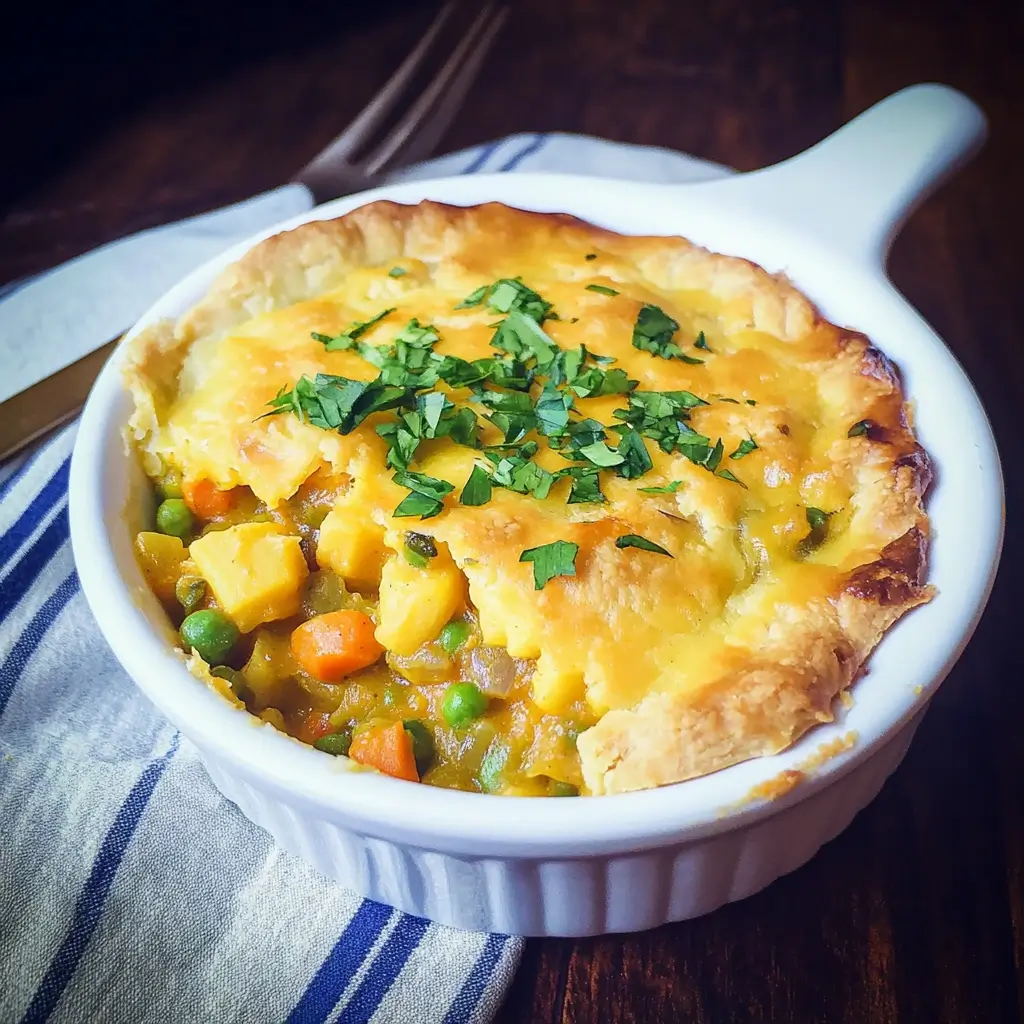
This Curried Vegetable Pot Pie isn’t just another savory pie; it’s a journey of flavors and textures. Imagine tender, sweet carrots, earthy potatoes, vibrant peas, and robust cauliflower florets all swimming in a luscious, mildly spiced coconut curry sauce. This rich, aromatic filling is then lovingly encased or topped with a buttery, flaky pastry crust that shatters invitingly with every bite. It’s the perfect marriage of British comfort food tradition and exotic Indian-inspired spices, creating a dish that is both familiar and excitingly new. Whether you’re a seasoned vegetarian, looking to incorporate more plant-based meals, or simply a lover of good food, this pot pie is designed to impress and satisfy. It’s a showstopper for guests but also simple enough for a rewarding weeknight dinner.
Ingredients for Your Culinary Masterpiece
To create this delightful Curried Vegetable Pot Pie, you’ll need a symphony of fresh vegetables, aromatic spices, and a lovely crust. We’ve broken down the ingredients for clarity.
For the Curried Vegetable Filling:
- Aromatics & Fat:
- 2 tablespoons coconut oil (or vegetable oil/unsalted butter)
- 1 large yellow onion, finely chopped (about 1.5 cups)
- 3 cloves garlic, minced
- 1-inch piece of fresh ginger, grated
- Vegetables (aim for about 6-7 cups total, chopped):
- 2 medium carrots, peeled and diced (about 1 cup)
- 2 medium potatoes (Yukon Gold or Russet), peeled and diced into ½-inch cubes (about 2 cups)
- 1 red or yellow bell pepper, cored, seeded, and diced (about 1 cup)
- 1 ½ cups cauliflower florets, cut into small, bite-sized pieces
- 1 cup frozen peas (no need to thaw)
- Optional additions: broccoli florets, sweet potato, mushrooms, green beans – adjust cooking time as needed.
- Spices & Seasoning:
- 2-3 tablespoons mild yellow curry powder (adjust to your spice preference)
- 1 teaspoon ground turmeric
- ½ teaspoon ground cumin
- ½ teaspoon ground coriander
- ¼ teaspoon cayenne pepper (optional, for a touch of heat)
- 1 teaspoon salt (or to taste)
- ½ teaspoon black pepper (or to taste)
- 1 tablespoon fresh lemon juice
- ¼ cup chopped fresh cilantro or parsley, for garnish (optional)
- Sauce Base:
- ¼ cup all-purpose flour (or cornstarch mixed with a little cold water for gluten-free)
- 2 cups vegetable broth
- 1 can (13.5 oz / 400ml) full-fat coconut milk
For the Pot Pie Crust:
- Option 1: Store-Bought (Quick & Easy)
- 1 sheet (approx. 10-14 oz) store-bought puff pastry, thawed according to package directions
- OR 1 box (2 crusts) refrigerated pie crusts
- Option 2: Homemade Shortcrust Pastry (for a more rustic feel)
- 1 ½ cups all-purpose flour
- ½ teaspoon salt
- ½ cup (1 stick) cold unsalted butter, cut into small cubes (or vegan butter substitute)
- 4-6 tablespoons ice water
- For Egg Wash (Optional, for a golden crust):
- 1 large egg, beaten with 1 tablespoon of water or milk
- (For vegan: brush with plant-based milk or a little olive oil)
Crafting Your Curried Vegetable Pot Pie: Step-by-Step Instructions
Follow these steps to create a pot pie that will warm hearts and delight taste buds.
1. Prepare the Homemade Crust (If Using):
- If making homemade shortcrust: In a large bowl, whisk together the flour and salt.
- Cut in the cold butter using a pastry blender or your fingertips until the mixture resembles coarse crumbs with some pea-sized butter pieces remaining.
- Gradually add the ice water, 1 tablespoon at a time, mixing lightly with a fork after each addition, until the dough just comes together. Be careful not to overmix.
- Form the dough into a disc, wrap it in plastic wrap, and refrigerate for at least 30 minutes. This allows the gluten to relax and the fat to chill, resulting in a flakier crust.
2. Prepare the Vegetables & Aromatics:
- Wash, peel, and chop all your vegetables (onion, garlic, ginger, carrots, potatoes, bell pepper, cauliflower) as specified in the ingredients list. Keeping them roughly uniform in size ensures even cooking.
3. Sauté the Aromatics and Build Flavor:
- Heat the coconut oil (or your chosen fat) in a large, deep skillet or Dutch oven over medium heat.
- Add the chopped onion and cook, stirring occasionally, until softened and translucent, about 5-7 minutes.
- Stir in the minced garlic and grated ginger and cook for another 1-2 minutes until fragrant. Be careful not to burn the garlic.
4. Add Spices and Harder Vegetables:
- Add the curry powder, turmeric, cumin, coriander, and cayenne pepper (if using) to the skillet. Stir constantly and cook for 1-2 minutes until the spices are toasted and very fragrant. This step is crucial for developing deep flavor.
- Add the diced carrots and potatoes to the skillet. Stir well to coat them with the spices and cook for 5-7 minutes, stirring occasionally, to give them a head start.
5. Create the Curry Sauce:
- Sprinkle the all-purpose flour over the vegetables and spices. Stir continuously for 1-2 minutes to cook out the raw flour taste. This will form a roux that thickens the sauce.
- Gradually pour in the vegetable broth, stirring constantly to prevent lumps from forming.
- Once the broth is incorporated, stir in the full-fat coconut milk. Bring the mixture to a gentle simmer.
6. Simmer the Filling:
- Once simmering, reduce the heat to low, cover the skillet or Dutch oven, and let the filling cook for 10-15 minutes, or until the potatoes and carrots are nearly tender when pierced with a fork. Stir occasionally to prevent sticking.
7. Add Remaining Vegetables and Season:
- Stir in the diced bell pepper and cauliflower florets. Cover and continue to simmer for another 5-7 minutes, or until these vegetables are tender-crisp. You don’t want them to become mushy.
- Stir in the frozen peas. They will cook through in a minute or two from the residual heat.
- Remove the filling from the heat. Stir in the salt, black pepper, and fresh lemon juice. Taste and adjust seasonings as needed. The filling should be vibrant and flavorful. If it’s too thick, add a splash more broth; if too thin, simmer uncovered for a few more minutes. Allow the filling to cool slightly, especially if using puff pastry, as a very hot filling can melt the pastry.
8. Assemble the Pot Pie:
- Preheat your oven to 400°F (200°C).
- Pour the curried vegetable filling into a 9-inch deep-dish pie plate or a similar-sized oven-safe baking dish (approx. 2-quart capacity). You can also use individual ramekins for single-serving pot pies (adjust baking time accordingly).
- If using store-bought puff pastry or pie crust: Gently unroll the pastry sheet. If it’s too small, you can gently roll it a bit larger on a lightly floured surface. Lay the pastry over the filling. Trim the edges, leaving about a 1-inch overhang. Crimp the edges decoratively against the rim of the pie dish or press with a fork.
- If using homemade shortcrust pastry: On a lightly floured surface, roll out your chilled dough into a circle about 11-12 inches in diameter (or large enough to cover your dish). Carefully transfer it over the filling. Trim and crimp the edges as described above.
- Cut a few slits or vents in the top crust to allow steam to escape during baking. This prevents the crust from puffing up too much and cracking unevenly.
- Optional Egg Wash: For a beautifully golden and shiny crust, lightly brush the top of the pastry with the beaten egg wash (or plant-based milk/oil for a vegan version).
9. Bake to Golden Perfection:
- Place the pot pie on a baking sheet (to catch any potential drips) and bake in the preheated oven for 25-35 minutes, or until the crust is golden brown and the filling is bubbly. If the crust starts to brown too quickly, you can loosely tent it with aluminum foil.
- For individual pot pies, baking time will likely be shorter, around 20-25 minutes.
10. Rest and Serve:
- Once baked, carefully remove the pot pie from the oven and let it rest for at least 10-15 minutes before slicing and serving. This allows the filling to set slightly and prevents it from being too molten.
- Garnish with fresh chopped cilantro or parsley before serving, if desired.
Nutritional Snapshot: What’s Inside?
Understanding the nutritional aspect of your meals is always beneficial. Please note these are estimates and can vary based on specific ingredients, brands, and portion sizes.
- Servings: This recipe typically yields 6 generous servings.
- Estimated Calories per Serving: Approximately 450-600 calories per serving. This can fluctuate significantly based on:
- The type and amount of crust used (puff pastry is generally higher in calories than shortcrust).
- The specific vegetables chosen.
- The use of full-fat coconut milk versus a lighter alternative (though full-fat is recommended for creaminess).
This pot pie is packed with vegetables, providing a good source of vitamins, minerals, and fiber. The coconut milk adds healthy fats, while the spices offer various antioxidant and anti-inflammatory benefits.
Time Investment: From Prep to Perfection
Good food often takes a little time, but the results are well worth the effort!
- Preparation Time: Approximately 35-45 minutes (includes chopping vegetables and preparing homemade crust if using). If using store-bought crust, prep time might be closer to 25-30 minutes.
- Cooking Time: Approximately 45-55 minutes (includes sautéing, simmering the filling, and baking).
- Total Time: Approximately 1 hour 20 minutes to 1 hour 40 minutes.
Serving Suggestions: Elevate Your Pot Pie Experience
This Curried Vegetable Pot Pie is a star on its own, but a few simple accompaniments can enhance the dining experience:
- Simply As Is: Honestly, it’s a complete meal in itself, hearty and satisfying.
- Fresh Green Salad:
- A light side salad with a tangy vinaigrette (lemon-based or balsamic) can provide a refreshing contrast to the richness of the pot pie.
- Think mixed greens, cucumber, and cherry tomatoes.
- Cooling Yogurt or Raita:
- A dollop of plain Greek yogurt, dairy-free yogurt, or a simple cucumber raita (yogurt mixed with grated cucumber, mint, and a pinch of cumin) can beautifully balance the warm curry spices.
- Chutney or Pickle:
- Mango chutney (sweet or spicy) adds a lovely fruity counterpoint.
- A spicy lime pickle or mixed vegetable pickle can offer an extra kick for those who love heat.
- Steamed Rice or Quinoa:
- If you want to stretch the meal further or love to soak up every last bit of sauce, serve a small portion of basmati rice or fluffy quinoa on the side.
- Crusty Bread:
- A piece of warm naan bread or a crusty baguette is perfect for mopping up any delicious sauce left on the plate.
- Beverage Pairings:
- A crisp lager or an IPA complements the curry spices well.
- For wine lovers, an off-dry Riesling, a Gewürztraminer, or a light, unoaked Chardonnay can be delightful.
- A refreshing mango lassi or a simple sparkling water with lime also works wonderfully.
Pro Tips for Pot Pie Prowess
Achieve pot pie perfection with these helpful tips:
- Don’t Overcrowd the Pan: When sautéing your vegetables, especially the initial aromatics and harder veggies, ensure they have enough space in the pan. Overcrowding will steam them instead of allowing them to develop color and deeper flavor. If necessary, cook in batches.
- Taste and Adjust Seasoning Religiously: The flavor of curry powders can vary greatly. Taste the filling at several stages, especially before it goes into the pie dish. Adjust salt, pepper, lemon juice, or even a pinch more curry powder to achieve your desired balance of flavors. A little acidity from lemon juice can really brighten the dish.
- Cool the Filling Slightly: If using puff pastry, allowing the hot filling to cool for at least 15-20 minutes before topping with the pastry is crucial. A very hot filling can start to melt the butter in the puff pastry, leading to a less flaky, potentially soggy bottom layer of the crust.
- Achieve that Golden Crust: For a beautifully browned and glossy crust, don’t skip the egg wash (egg beaten with a tablespoon of water or milk). For a vegan alternative, brush the pastry with plant-based milk (like almond or soy) or a light coating of olive oil. Remember to cut steam vents!
- Rest Before Slicing: As tempting as it is to dive right in, letting the pot pie rest for 10-15 minutes after it comes out of the oven is essential. This allows the molten filling to cool down and thicken slightly, making it easier to slice and serve neatly, and preventing a soupy explosion.
Frequently Asked Questions (FAQ)
Here are answers to some common questions you might have about this Curried Vegetable Pot Pie:
Q1: Can I make this Curried Vegetable Pot Pie vegan?
A: Absolutely! This recipe is easily adaptable for a vegan diet.
* Fat: Use coconut oil or a vegan butter substitute for sautéing.
* Crust: Ensure your store-bought puff pastry or pie crust is vegan (many are, but always check labels). If making homemade shortcrust, use a vegan butter block (like Miyoko’s Kitchen or Naturli) and ensure your ice water is just water.
* Wash: Instead of an egg wash, brush the pastry top with unsweetened plant-based milk (almond, soy, or oat work well) or a light drizzle of olive oil for a golden finish.
* The filling ingredients (vegetables, spices, vegetable broth, coconut milk) are naturally vegan-friendly.
Q2: Can I make this recipe gluten-free?
A: Yes, you can make a gluten-free version.
* Thickener: Instead of all-purpose flour for thickening the sauce, use 2 tablespoons of cornstarch mixed with 2-3 tablespoons of cold water to create a slurry. Add this slurry to the simmering sauce towards the end of cooking the vegetables, stirring until thickened. Alternatively, a gluten-free all-purpose flour blend can be used in place of regular flour.
* Crust: Use your favorite store-bought gluten-free pie crust or puff pastry. You can also find many recipes online for homemade gluten-free pastry using blends of rice flour, tapioca starch, and potato starch.
Q3: Can I prepare any parts of this pot pie ahead of time?
A: Yes, this is a great make-ahead friendly dish.
* Filling: The curried vegetable filling can be made 1-2 days in advance. Cool it completely, then store it in an airtight container in the refrigerator. When ready to bake, gently reheat the filling on the stovetop or in the microwave before pouring it into the pie dish and topping with pastry.
* Pastry: If making homemade pastry, the dough can be made up to 2 days ahead and kept well-wrapped in the refrigerator, or frozen for up to a month. Thaw in the refrigerator before rolling.
* Assembly: You can assemble the entire pot pie (filling in the dish, topped with uncooked crust) a few hours ahead, cover, and refrigerate. You might need to add a few extra minutes to the baking time if baking from chilled.
Q4: What other vegetables can I use or substitute?
A: This recipe is very forgiving and versatile! Feel free to use your favorite vegetables or what’s in season.
* Good substitutions/additions: Sweet potatoes (dice smaller as they cook faster than regular potatoes), butternut squash, mushrooms (sauté them separately first to remove excess moisture), green beans (add with bell peppers), zucchini (add towards the very end as it cooks quickly), spinach or kale (wilt into the sauce at the end).
* Consider cooking times: Harder root vegetables need more cooking time, while softer vegetables like zucchini or spinach need less. Adjust when you add them to the pot accordingly. Aim for a good mix of textures and colors.
Q5: How do I store and reheat leftovers?
A: Leftover Curried Vegetable Pot Pie stores and reheats beautifully.
* Storage: Allow the pot pie to cool completely. Cover it tightly with plastic wrap or aluminum foil, or transfer individual slices to an airtight container. Store in the refrigerator for up to 3-4 days.
* Reheating: The best way to reheat pot pie and maintain a crispy crust is in the oven. Preheat your oven to 350°F (175°C). Place the leftover pot pie (or slices) on a baking sheet, cover loosely with foil to prevent the crust from over-browning, and bake for 15-25 minutes, or until heated through. Remove the foil for the last 5 minutes to re-crisp the crust. Microwaving will work for the filling, but the crust will become soft.
Enjoy creating and devouring this wonderfully aromatic and satisfying Curried Vegetable Pot Pie! It’s a dish that’s sure to become a regular in your cooking rotation.
Print
Curried Vegetable Pot Pie Recipe
Ingredients
For the Curried Vegetable Filling:
- Aromatics & Fat:
- 2 tablespoons coconut oil (or vegetable oil/unsalted butter)
- 1 large yellow onion, finely chopped (about 1.5 cups)
- 3 cloves garlic, minced
- 1-inch piece of fresh ginger, grated
- Vegetables (aim for about 6-7 cups total, chopped):
- 2 medium carrots, peeled and diced (about 1 cup)
- 2 medium potatoes (Yukon Gold or Russet), peeled and diced into ½-inch cubes (about 2 cups)
- 1 red or yellow bell pepper, cored, seeded, and diced (about 1 cup)
- 1 ½ cups cauliflower florets, cut into small, bite-sized pieces
- 1 cup frozen peas (no need to thaw)
- Optional additions: broccoli florets, sweet potato, mushrooms, green beans – adjust cooking time as needed.
- Spices & Seasoning:
- 2–3 tablespoons mild yellow curry powder (adjust to your spice preference)
- 1 teaspoon ground turmeric
- ½ teaspoon ground cumin
- ½ teaspoon ground coriander
- ¼ teaspoon cayenne pepper (optional, for a touch of heat)
- 1 teaspoon salt (or to taste)
- ½ teaspoon black pepper (or to taste)
- 1 tablespoon fresh lemon juice
- ¼ cup chopped fresh cilantro or parsley, for garnish (optional)
- Sauce Base:
- ¼ cup all-purpose flour (or cornstarch mixed with a little cold water for gluten-free)
- 2 cups vegetable broth
- 1 can (13.5 oz / 400ml) full-fat coconut milk
For the Pot Pie Crust:
- Option 1: Store-Bought (Quick & Easy)
- 1 sheet (approx. 10-14 oz) store-bought puff pastry, thawed according to package directions
- OR 1 box (2 crusts) refrigerated pie crusts
- Option 2: Homemade Shortcrust Pastry (for a more rustic feel)
- 1 ½ cups all-purpose flour
- ½ teaspoon salt
- ½ cup (1 stick) cold unsalted butter, cut into small cubes (or vegan butter substitute)
- 4–6 tablespoons ice water
- For Egg Wash (Optional, for a golden crust):
- 1 large egg, beaten with 1 tablespoon of water or milk
- (For vegan: brush with plant-based milk or a little olive oil)
Instructions
1. Prepare the Homemade Crust (If Using):
- If making homemade shortcrust: In a large bowl, whisk together the flour and salt.
- Cut in the cold butter using a pastry blender or your fingertips until the mixture resembles coarse crumbs with some pea-sized butter pieces remaining.
- Gradually add the ice water, 1 tablespoon at a time, mixing lightly with a fork after each addition, until the dough just comes together. Be careful not to overmix.
- Form the dough into a disc, wrap it in plastic wrap, and refrigerate for at least 30 minutes. This allows the gluten to relax and the fat to chill, resulting in a flakier crust.
2. Prepare the Vegetables & Aromatics:
- Wash, peel, and chop all your vegetables (onion, garlic, ginger, carrots, potatoes, bell pepper, cauliflower) as specified in the ingredients list. Keeping them roughly uniform in size ensures even cooking.
3. Sauté the Aromatics and Build Flavor:
- Heat the coconut oil (or your chosen fat) in a large, deep skillet or Dutch oven over medium heat.
- Add the chopped onion and cook, stirring occasionally, until softened and translucent, about 5-7 minutes.
- Stir in the minced garlic and grated ginger and cook for another 1-2 minutes until fragrant. Be careful not to burn the garlic.
4. Add Spices and Harder Vegetables:
- Add the curry powder, turmeric, cumin, coriander, and cayenne pepper (if using) to the skillet. Stir constantly and cook for 1-2 minutes until the spices are toasted and very fragrant. This step is crucial for developing deep flavor.
- Add the diced carrots and potatoes to the skillet. Stir well to coat them with the spices and cook for 5-7 minutes, stirring occasionally, to give them a head start.
5. Create the Curry Sauce:
- Sprinkle the all-purpose flour over the vegetables and spices. Stir continuously for 1-2 minutes to cook out the raw flour taste. This will form a roux that thickens the sauce.
- Gradually pour in the vegetable broth, stirring constantly to prevent lumps from forming.
- Once the broth is incorporated, stir in the full-fat coconut milk. Bring the mixture to a gentle simmer.
6. Simmer the Filling:
- Once simmering, reduce the heat to low, cover the skillet or Dutch oven, and let the filling cook for 10-15 minutes, or until the potatoes and carrots are nearly tender when pierced with a fork. Stir occasionally to prevent sticking.
7. Add Remaining Vegetables and Season:
- Stir in the diced bell pepper and cauliflower florets. Cover and continue to simmer for another 5-7 minutes, or until these vegetables are tender-crisp. You don’t want them to become mushy.
- Stir in the frozen peas. They will cook through in a minute or two from the residual heat.
- Remove the filling from the heat. Stir in the salt, black pepper, and fresh lemon juice. Taste and adjust seasonings as needed. The filling should be vibrant and flavorful. If it’s too thick, add a splash more broth; if too thin, simmer uncovered for a few more minutes. Allow the filling to cool slightly, especially if using puff pastry, as a very hot filling can melt the pastry.
8. Assemble the Pot Pie:
- Preheat your oven to 400°F (200°C).
- Pour the curried vegetable filling into a 9-inch deep-dish pie plate or a similar-sized oven-safe baking dish (approx. 2-quart capacity). You can also use individual ramekins for single-serving pot pies (adjust baking time accordingly).
- If using store-bought puff pastry or pie crust: Gently unroll the pastry sheet. If it’s too small, you can gently roll it a bit larger on a lightly floured surface. Lay the pastry over the filling. Trim the edges, leaving about a 1-inch overhang. Crimp the edges decoratively against the rim of the pie dish or press with a fork.
- If using homemade shortcrust pastry: On a lightly floured surface, roll out your chilled dough into a circle about 11-12 inches in diameter (or large enough to cover your dish). Carefully transfer it over the filling. Trim and crimp the edges as described above.
- Cut a few slits or vents in the top crust to allow steam to escape during baking. This prevents the crust from puffing up too much and cracking unevenly.
- Optional Egg Wash: For a beautifully golden and shiny crust, lightly brush the top of the pastry with the beaten egg wash (or plant-based milk/oil for a vegan version).
9. Bake to Golden Perfection:
- Place the pot pie on a baking sheet (to catch any potential drips) and bake in the preheated oven for 25-35 minutes, or until the crust is golden brown and the filling is bubbly. If the crust starts to brown too quickly, you can loosely tent it with aluminum foil.
- For individual pot pies, baking time will likely be shorter, around 20-25 minutes.
10. Rest and Serve:
- Once baked, carefully remove the pot pie from the oven and let it rest for at least 10-15 minutes before slicing and serving. This allows the filling to set slightly and prevents it from being too molten.
- Garnish with fresh chopped cilantro or parsley before serving, if desired.
Nutrition
- Serving Size: One Normal Portion
- Calories: 450-600