
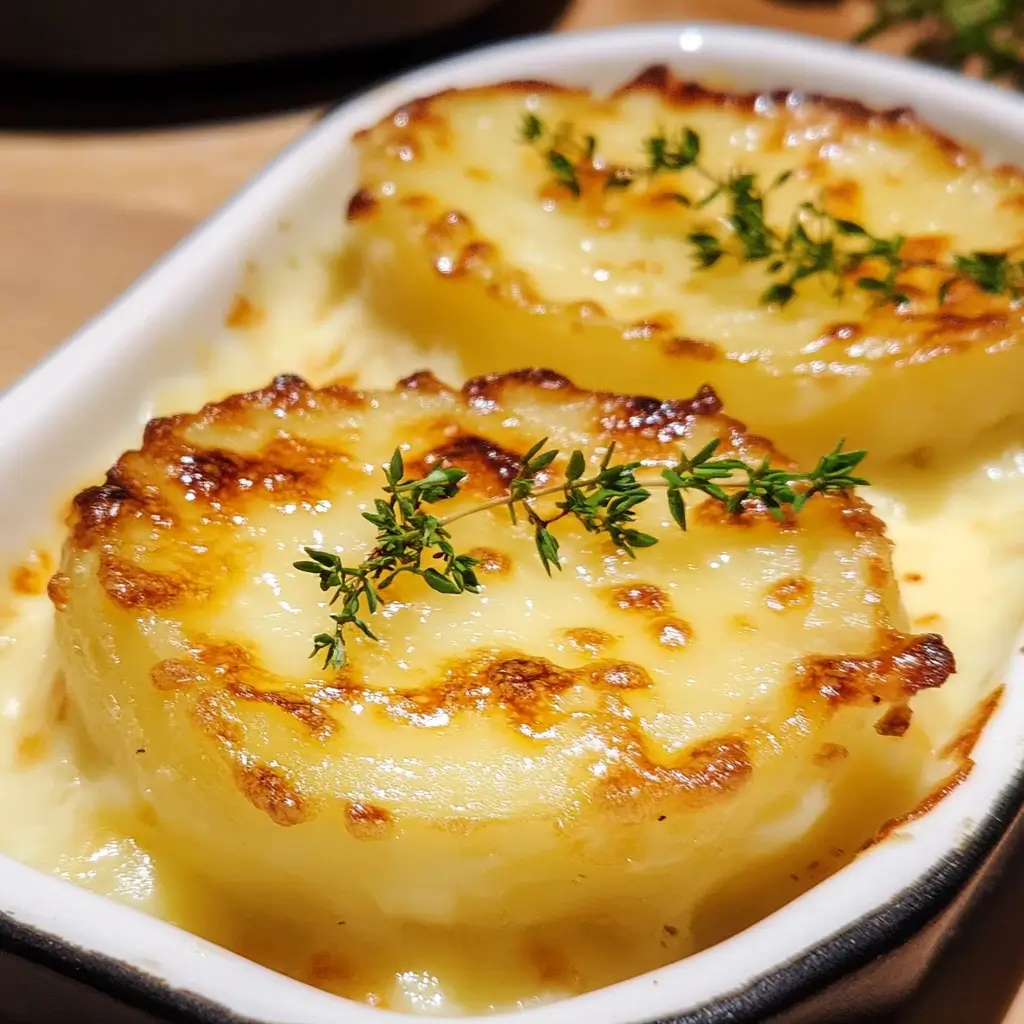
It’s funny how some dishes just have a way of making everyone at the table go quiet, in the best possible way. Dauphinoise potatoes, with their layers of thinly sliced spuds swimming in creamy, garlicky goodness, are definitely one of those dishes in our house. The first time I made these, I was a little intimidated – they sounded so fancy! But honestly, this homemade version is surprisingly easy to throw together, and the results are just phenomenal. My family devoured them, leaving barely a trace in the dish, and my usually picky eater actually asked for seconds (a true testament to their deliciousness!). If you’re looking for a side dish that’s guaranteed to impress and comfort in equal measure, look no further. This Easy Homemade Dauphinoise Potatoes recipe is a winner, and I can’t wait to share all the secrets to making it perfectly creamy and flavorful every single time.
Ingredients
To create this classic French comfort food, you’ll need a handful of simple, high-quality ingredients. The magic of Dauphinoise potatoes lies in the combination of creamy richness and subtle aromatics, so choosing the right components is key. Here’s what you’ll need to gather to embark on this culinary adventure:
- Potatoes: 1.5 kg (approximately 3.3 lbs) of floury potatoes, such as Maris Piper, Russet, or Yukon Gold. Floury potatoes are crucial for this recipe as they have a lower moisture content and higher starch content compared to waxy potatoes. This starch is released during cooking and helps to thicken the cream, creating that signature creamy texture. Avoid waxy potatoes like new potatoes or fingerling potatoes as they will not yield the desired creamy consistency and may become watery. It is essential to peel the potatoes and slice them very thinly, ideally around 1-2mm thick. A mandoline slicer can be incredibly helpful in achieving uniform thin slices quickly and safely, but a sharp knife and a steady hand will also work. Uniformly thin slices ensure even cooking and layering, which is vital for the final texture of the dish.
- Double Cream (Heavy Cream): 600 ml (approximately 2.5 cups) of double cream or heavy cream. The richness of double cream is fundamental to the luxuriousness of Dauphinoise potatoes. It provides the velvety texture and rich flavor that are hallmarks of this dish. Using single cream or milk is not recommended as they lack the fat content necessary to achieve the proper creaminess. The high fat content of double cream also helps to prevent the potatoes from drying out during baking and creates a beautiful golden crust on top. For an even richer flavor, you could consider using crème fraîche for a portion of the cream, which will add a slight tanginess that complements the richness.
- Whole Milk: 300 ml (approximately 1.25 cups) of whole milk. While double cream is the star, whole milk plays a supporting role in achieving the perfect consistency. It thins out the double cream just enough to allow it to penetrate between the potato slices and ensures that the dish is not overly heavy. Using whole milk, as opposed to semi-skimmed or skimmed milk, is important because the fat content in whole milk contributes to the overall creaminess and richness of the dish. The combination of double cream and whole milk is what creates the ideal balance of richness and pourable sauce.
- Garlic: 2-3 cloves of garlic, peeled. Garlic is the aromatic backbone of Dauphinoise potatoes, adding a subtle savory depth that complements the richness of the cream and potatoes. Fresh garlic is always preferred over pre-minced garlic for its brighter and more pungent flavor. The garlic should be finely minced or crushed. Some recipes call for rubbing the dish with a garlic clove before adding the potatoes, which imparts a more subtle garlic flavor. However, incorporating minced garlic directly into the cream mixture ensures a more pronounced and evenly distributed garlic taste throughout the dish. Adjust the amount of garlic to your preference; for a milder flavor, use 2 cloves, and for a more robust garlic taste, use 3 or even 4 cloves.
- Nutmeg: 1/4 teaspoon of freshly grated nutmeg. Nutmeg adds a warm, slightly sweet, and aromatic note that beautifully complements the creamy potatoes and garlic. Freshly grated nutmeg is always superior to pre-ground nutmeg as it has a much more vibrant and intense flavor. A microplane or fine grater is ideal for grating nutmeg. A little nutmeg goes a long way, so be careful not to overdo it, as it can become overpowering. The subtle hint of nutmeg enhances the overall flavor profile of the dish without being overtly noticeable.
- Bay Leaf: 1-2 bay leaves. Bay leaves infuse the cream mixture with a subtle, herbaceous aroma that adds complexity to the dish. Dried bay leaves are typically used and are readily available. Ensure that you remove the bay leaves before serving the Dauphinoise potatoes, as they are not meant to be eaten. The bay leaf subtly perfumes the cream as it simmers and bakes, contributing to the overall depth of flavor. Using 2 bay leaves will provide a slightly more pronounced bay leaf flavor, while 1 bay leaf offers a more delicate touch.
- Salt: To taste. Salt is essential for seasoning Dauphinoise potatoes and enhancing the flavors of all the other ingredients. Use good quality sea salt or kosher salt. Seasoning in layers is key – season the potato slices lightly as you layer them, and also season the cream mixture generously. Taste the cream mixture before pouring it over the potatoes and adjust the salt as needed. Remember that the potatoes will absorb some of the salt, so it’s better to slightly over-season the cream mixture than under-season it.
- Black Pepper: Freshly ground black pepper, to taste. Freshly ground black pepper adds a sharp, pungent note that balances the richness of the cream and complements the other flavors. Use freshly ground black pepper for the best flavor and aroma. Season generously, both in the cream mixture and between the layers of potatoes. White pepper can be used as a substitute for black pepper if you prefer a less visually noticeable seasoning, although black pepper offers a more robust flavor.
- Optional Cheese (for topping): 50g (approximately 1/2 cup) of grated Gruyère or Parmesan cheese (optional). While traditionally Dauphinoise potatoes do not include cheese, adding a layer of grated cheese on top can create a beautifully golden and crispy crust and add an extra layer of flavor. Gruyère cheese is a classic choice for its nutty and slightly sweet flavor that melts beautifully. Parmesan cheese provides a sharper, saltier flavor and a golden-brown crust. If you choose to use cheese, sprinkle it evenly over the top of the potatoes during the last 15-20 minutes of baking.
Having these ingredients prepared and ready to go will streamline the cooking process and ensure you have everything at hand to create a truly delectable dish of Easy Homemade Dauphinoise Potatoes. Remember, the quality of ingredients, especially the potatoes and cream, will significantly impact the final taste and texture, so choose the best you can find.
Instructions
Creating perfectly creamy and flavorful Dauphinoise Potatoes at home is a rewarding culinary experience. Follow these detailed, step-by-step instructions to ensure success every time:
Step 1: Preheat the Oven and Prepare the Baking Dish
- Preheat your oven to 180°C (350°F/Gas Mark 4). Preheating the oven to the correct temperature is crucial for even cooking. Ensure your oven is fully preheated before placing the potatoes inside. Using an oven thermometer can help to ensure accurate temperature.
- Lightly grease a baking dish. Choose a baking dish that is appropriately sized for the amount of potatoes – typically a 2-2.5 liter (approximately 8-10 cup) capacity dish, around 20x30cm (8×12 inches) or a similar sized round dish. A ceramic or glass baking dish works well. Greasing the dish prevents the potatoes from sticking to the bottom and makes serving and cleaning easier. You can use butter or cooking spray to grease the dish. For an extra layer of flavor, some chefs recommend rubbing the inside of the baking dish with a cut garlic clove before greasing.
Step 2: Prepare the Potatoes
- Peel the potatoes. Thoroughly peel all the potatoes, ensuring no skin remains. Peeling is essential for Dauphinoise potatoes as the skin would detract from the smooth, creamy texture.
- Thinly slice the potatoes. This is arguably the most important step for achieving the correct texture. The potatoes need to be sliced very thinly, ideally around 1-2mm thick. Use a mandoline slicer for consistent and quick slicing if you have one. If using a knife, take your time and aim for uniform slices. Thin slices ensure that the potatoes cook evenly and become tender and creamy in the baking time. Thicker slices may not cook through properly and can result in a tougher texture. As you slice the potatoes, place them in a bowl of cold water to prevent them from browning due to oxidation. This step is optional, but it helps to keep the potatoes looking their best and also removes some excess starch, which can contribute to a slightly less creamy sauce. If you do soak the potatoes, make sure to drain and thoroughly pat them dry with paper towels before layering them in the dish. Excess water will dilute the cream sauce and may make the potatoes watery.
Step 3: Infuse the Cream Mixture
- In a saucepan, combine the double cream, whole milk, minced garlic, nutmeg, and bay leaf. Use a medium-sized saucepan that is large enough to comfortably hold the cream and milk without boiling over.
- Season generously with salt and freshly ground black pepper. Don’t be shy with the seasoning at this stage. Taste the mixture and adjust the salt and pepper to your liking. Remember that the potatoes will absorb some of the seasoning as they cook. It’s better to slightly over-season the cream at this point, as you can always add more salt to the finished dish if needed, but it’s harder to remove excess salt.
- Heat the cream mixture over medium heat. Bring the mixture to a gentle simmer, stirring occasionally to prevent the cream from scorching on the bottom of the pan. Do not let it boil vigorously. Simmering gently allows the garlic, nutmeg, and bay leaf to infuse their flavors into the cream.
- Simmer for 5-7 minutes. Allow the cream mixture to simmer gently, stirring occasionally, for 5-7 minutes. This infuses the cream with the aromatic flavors of the garlic, nutmeg, and bay leaf, creating a more complex and flavorful sauce. The cream mixture will slightly thicken as it simmers.
- Remove from the heat and discard the bay leaf. Once the cream mixture has simmered and is fragrant, remove it from the heat. Use tongs or a slotted spoon to carefully remove and discard the bay leaf. The bay leaf has done its job of infusing flavor and is no longer needed.
Step 4: Layer the Potatoes and Cream
- Drain and thoroughly dry the potato slices if you soaked them. If you soaked the potato slices in water, drain them well in a colander and then spread them out on clean kitchen towels or paper towels. Pat them thoroughly dry to remove excess moisture. Dry potatoes will absorb the creamy sauce better and prevent the dish from becoming watery.
- Begin layering the potato slices in the prepared baking dish. Arrange a layer of potato slices in the bottom of the greased baking dish, slightly overlapping them. Aim for a neat and even layer.
- Season each layer lightly with salt and pepper. As you layer the potatoes, lightly season each layer with a pinch of salt and freshly ground black pepper. This ensures that the potatoes are seasoned throughout the dish and not just on the top.
- Pour a ladleful of the warm cream mixture over the potato layer. Spoon a ladleful of the warm cream mixture evenly over the layer of potatoes, ensuring that the cream seeps between the slices. The warm cream will start to cook the potatoes slightly and encourage them to soften.
- Repeat layering potatoes and cream until all potatoes and cream mixture are used. Continue layering the potato slices and pouring over the warm cream mixture, repeating the seasoning step with each potato layer, until all the potatoes and cream mixture are used up. The final layer should be potatoes topped with the remaining cream mixture. Try to distribute the cream evenly over the potatoes.
Step 5: Bake the Dauphinoise Potatoes
- Cover the baking dish with foil. Covering the dish with foil helps to trap steam and ensures that the potatoes cook through and become tender without browning too quickly on top. Make sure the foil is tightly sealed around the edges of the dish to prevent steam from escaping.
- Bake in the preheated oven for 1 hour. Bake the Dauphinoise potatoes in the preheated oven at 180°C (350°F/Gas Mark 4) for 1 hour, covered with foil. After 1 hour, the potatoes should be starting to become tender when pierced with a knife.
- Remove the foil and bake for a further 30-45 minutes, or until golden brown and the potatoes are very tender. Carefully remove the foil from the baking dish. Increase the oven temperature slightly to 190°C (375°F/Gas Mark 5) if you want a more pronounced golden-brown crust. Continue baking uncovered for another 30-45 minutes, or until the top is beautifully golden brown and bubbly, and the potatoes are very tender when pierced easily with a knife. The exact baking time may vary depending on your oven and the thickness of your potato slices. Check for doneness by inserting a knife into the center of the potatoes – it should slide in easily with no resistance. The cream sauce should have thickened and be bubbling around the edges.
Step 6: Rest and Serve
- Let the Dauphinoise potatoes rest for 10-15 minutes before serving. Once the potatoes are cooked through and golden brown, remove the baking dish from the oven. Allow the Dauphinoise potatoes to rest for 10-15 minutes before serving. Resting allows the sauce to thicken further and the flavors to meld together. It also makes the dish easier to serve as it will be less likely to fall apart.
Step 7: Optional Cheese Topping (If Using)
- If using cheese, sprinkle grated Gruyère or Parmesan cheese over the top of the potatoes for the last 15-20 minutes of baking. If you are adding cheese, remove the foil after 1 hour of baking. Sprinkle the grated cheese evenly over the top of the potatoes. Return the dish to the oven and bake uncovered for the remaining 15-20 minutes, or until the cheese is melted, golden brown, and bubbly. Keep an eye on the cheese to prevent it from burning.
Following these detailed instructions will guide you to create perfect Easy Homemade Dauphinoise Potatoes with a creamy, flavorful, and comforting texture that will impress everyone. Enjoy!
Nutrition Facts
(Per Serving – Estimated, based on 6 servings. Nutritional values can vary based on specific ingredients and portion sizes.)
- Servings: 6
- Calories per serving: Approximately 450-550 kcal
- Fat: 35-45g
- Saturated Fat: 20-28g
- Cholesterol: 100-130mg
- Sodium: 300-400mg (depending on salt added)
- Carbohydrates: 30-40g
- Fiber: 3-4g
- Sugar: 5-7g (naturally occurring in potatoes and milk)
- Protein: 8-10g
Note: These values are estimates and should be used as a general guide. For precise nutritional information, use a nutrition calculator with the specific brands and quantities of ingredients used. Dauphinoise potatoes are a rich and indulgent dish, primarily due to the high cream content. They are best enjoyed as an occasional treat as part of a balanced diet.
Preparation Time
- Prep Time: 25-30 minutes (includes peeling and slicing potatoes, preparing cream mixture)
- Cook Time: 1 hour 30 minutes – 1 hour 45 minutes (including baking covered and uncovered)
- Total Time: Approximately 1 hour 55 minutes – 2 hours 15 minutes
While the total time is around 2 hours, much of this is hands-off baking time. The active preparation time is relatively short, making this recipe manageable for a special occasion or weekend meal.
How to Serve
Dauphinoise Potatoes are incredibly versatile and can be served as a luxurious side dish or even a vegetarian main course. Here are some delightful ways to serve them:
- As a Side Dish:
- With Roast Meats: Dauphinoise Potatoes are a classic pairing with roast meats such as:
- Roast Chicken: The creamy potatoes perfectly complement the crispy skin and juicy meat of roast chicken.
- Roast Beef: The richness of Dauphinoise potatoes is a wonderful accompaniment to a succulent roast beef.
- Roast Lamb: The subtle garlic and cream in the potatoes enhance the flavor of roast lamb beautifully.
- Roast Pork: Dauphinoise potatoes provide a comforting and creamy contrast to roast pork.
- With Grilled or Pan-Seared Meats: They are also excellent with:
- Steak: A classic pairing, the creamy potatoes balance the richness of a good steak.
- Pork Chops: Dauphinoise potatoes elevate simple pork chops to a more special meal.
- Chicken Breast: Pan-seared or grilled chicken breast becomes more indulgent when served with these potatoes.
- With Fish: For a slightly lighter pairing, consider serving them with:
- Baked Salmon: The creamy potatoes provide a lovely contrast to flaky baked salmon.
- Pan-Fried White Fish: Delicate white fish like cod or haddock are complemented by the rich potatoes.
- With Roast Meats: Dauphinoise Potatoes are a classic pairing with roast meats such as:
- As a Vegetarian Main Course:
- Alongside Roasted Vegetables: Serve Dauphinoise Potatoes with a selection of roasted vegetables like:
- Asparagus: Roasted asparagus provides a fresh and slightly bitter counterpoint to the creamy potatoes.
- Broccoli: Roasted broccoli florets offer a textural and flavorful contrast.
- Carrots: Roasted carrots add sweetness and color to the plate.
- Green Beans: Roasted green beans provide a crisp and vibrant element.
- With a Green Salad: A simple green salad with a vinaigrette dressing provides a refreshing contrast to the richness of the Dauphinoise Potatoes. The acidity of the vinaigrette cuts through the creaminess.
- Topped with a Fried Egg: For a comforting and satisfying vegetarian meal, top a serving of Dauphinoise potatoes with a perfectly fried egg. The runny yolk adds extra richness.
- Alongside Roasted Vegetables: Serve Dauphinoise Potatoes with a selection of roasted vegetables like:
- For Special Occasions and Holidays:
- Christmas Dinner: Dauphinoise Potatoes are a luxurious and crowd-pleasing side dish for Christmas or other holiday feasts.
- Thanksgiving: They make a delightful alternative or addition to traditional Thanksgiving sides.
- Dinner Parties: Impress your guests by serving Dauphinoise potatoes as a sophisticated side dish at dinner parties.
- Serving Suggestions:
- Garnish: Garnish with fresh herbs like chopped parsley, thyme, or chives for added freshness and visual appeal.
- Warm Serving Dish: Keep the Dauphinoise potatoes warm in a serving dish or directly in the baking dish at the table.
- Portion Size: Serve generous portions as they are incredibly delicious and comforting, but be mindful of the richness of the dish.
No matter how you choose to serve them, Easy Homemade Dauphinoise Potatoes are guaranteed to be a hit. Their creamy texture and rich flavor make them a truly special and memorable dish.
Additional Tips for Perfect Dauphinoise Potatoes
To elevate your Dauphinoise Potatoes from delicious to absolutely perfect, consider these helpful tips:
- Potato Choice Matters: As mentioned earlier, using the right type of potato is crucial. Opt for floury potatoes like Maris Piper, Russet, or Yukon Gold. These potatoes have a higher starch content which helps to thicken the cream sauce and creates the desired creamy texture. Waxy potatoes will not break down in the same way and may result in a watery dish. Experimenting with different floury varieties can subtly alter the flavor and texture, so find your preferred type.
- Thin Slicing is Key: Uniformly thin potato slices, ideally 1-2mm thick, are essential for even cooking and the signature creamy texture. A mandoline slicer is your best friend for this task, ensuring consistent thickness and speed. If using a knife, take your time and aim for even slices. Thick slices will take longer to cook and may not become as tender and creamy within the baking time. Consistent thickness ensures that each layer cooks evenly and the cream permeates throughout.
- Don’t Rinse the Potatoes (Unless You Soak Them): Generally, it’s best not to rinse the potato slices after slicing unless you have soaked them in water to prevent browning. The starch released from the potatoes during cooking is what helps thicken the cream sauce and create that signature creamy texture. Rinsing away this starch can result in a less creamy dish. If you do soak the potatoes to prevent browning, remember to thoroughly dry them before layering to avoid a watery sauce.
- Gentle Simmering of the Cream: Simmering the cream mixture gently with the garlic, nutmeg, and bay leaf is crucial for infusing flavor without scalding the cream. Keep the heat at medium-low and stir occasionally to prevent sticking and scorching. Avoid boiling the cream vigorously, as this can alter its texture and potentially cause it to separate. The gentle simmering allows the aromatics to slowly release their flavors into the cream, creating a more nuanced and complex taste.
- Patience is a Virtue (Baking Time): Dauphinoise Potatoes require sufficient baking time to ensure the potatoes are fully cooked through and the cream sauce has thickened properly. Follow the recommended baking times as a guide, but always check for doneness by inserting a knife into the center of the potatoes. It should slide in easily with no resistance. If the potatoes are still firm, continue baking for longer, checking periodically. Rushing the baking process can result in undercooked potatoes and a watery sauce. Allowing the dish to bake fully ensures that the potatoes are tender, the cream is thick, and the flavors have melded together beautifully.
By keeping these tips in mind, you’ll be well on your way to consistently creating exceptional Dauphinoise Potatoes that are creamy, flavorful, and a true delight to serve and eat.
FAQ Section
Q1: Can I make Dauphinoise Potatoes ahead of time?
A: Yes, you can prepare Dauphinoise Potatoes ahead of time, making them a great option for entertaining. You can assemble the dish completely up to the point of baking, then cover it tightly with foil and store it in the refrigerator for up to 24 hours. When you’re ready to bake, remove it from the refrigerator about 30 minutes before baking to allow it to come to room temperature slightly. Then, bake as per the recipe instructions, you may need to add an extra 10-15 minutes to the baking time as the potatoes will be cold. Alternatively, you can fully bake the Dauphinoise Potatoes and then reheat them. To reheat, cover the dish with foil and bake at 160°C (320°F) for about 20-30 minutes, or until heated through. Be aware that reheating may slightly alter the texture, potentially making them a little less creamy than freshly baked.
Q2: Can I use different types of cream or milk?
A: For the best and most authentic Dauphinoise Potatoes, double cream (heavy cream) is highly recommended. Its high fat content is crucial for achieving the signature creamy texture and rich flavor. While you can substitute single cream or even milk in a pinch, the results will be less rich and creamy. If using single cream, you may need to reduce the amount of milk slightly to compensate for the lower fat content and still achieve a reasonably creamy sauce. Using skimmed or semi-skimmed milk is not recommended as they lack the fat needed for the dish to be truly successful. For a richer variation, you can substitute a portion of the double cream with crème fraîche, which adds a lovely tanginess.
Q3: Can I add cheese to Dauphinoise Potatoes?
A: Traditionally, Dauphinoise Potatoes do not include cheese. However, adding cheese is a popular variation that many people enjoy. If you want to add cheese, grated Gruyère or Parmesan cheese are excellent choices. Gruyère melts beautifully and adds a nutty, slightly sweet flavor, while Parmesan provides a sharper, saltier taste and a lovely golden-brown crust. Sprinkle about 50g (1/2 cup) of grated cheese evenly over the top of the potatoes during the last 15-20 minutes of baking, after removing the foil. This will create a delicious cheesy topping without compromising the classic Dauphinoise flavor.
Q4: My Dauphinoise Potatoes are watery, what did I do wrong?
A: There are a few reasons why your Dauphinoise Potatoes might be watery. Firstly, using waxy potatoes instead of floury potatoes can lead to a watery dish as waxy potatoes have a higher water content and lower starch content. Secondly, not drying the potato slices thoroughly after soaking them (if you chose to soak them) can introduce excess water into the dish. Thirdly, not simmering the cream mixture for long enough can result in a thinner sauce that doesn’t thicken properly during baking. Finally, underbaking the potatoes can also result in a watery sauce. Ensure you use floury potatoes, dry the slices well if soaked, simmer the cream mixture for the recommended time, and bake the potatoes until they are very tender and the sauce has thickened and is bubbling.
Q5: Can I add other flavorings to Dauphinoise Potatoes?
A: While the classic Dauphinoise Potato recipe is simple and delicious, you can certainly experiment with other flavorings to customize it to your taste. Consider adding:
- Onions or Shallots: Thinly sliced onions or shallots can be layered with the potatoes for added sweetness and depth of flavor. Sauté them lightly before layering to soften them and enhance their flavor.
- Herbs: In addition to bay leaf, you can add other herbs like fresh thyme sprigs, rosemary, or a pinch of dried herbs like herbes de Provence to the cream mixture for different aromatic profiles.
- Spices: A pinch of smoked paprika or a grating of lemon zest can add interesting flavor dimensions.
- Different Cheeses: Experiment with different types of cheese for the topping, such as Comté, Emmental, or a blend of cheeses for varied flavor and texture.
Remember to add any extra flavorings in moderation to complement, rather than overpower, the classic creamy potato and garlic flavors of Dauphinoise Potatoes. Start with small additions and adjust to your preference in future batches.
Print
Dauphinoise Potatoes Recipe
Ingredients
- Potatoes: 1.5 kg (approximately 3.3 lbs) of floury potatoes, such as Maris Piper, Russet, or Yukon Gold. Floury potatoes are crucial for this recipe as they have a lower moisture content and higher starch content compared to waxy potatoes. This starch is released during cooking and helps to thicken the cream, creating that signature creamy texture. Avoid waxy potatoes like new potatoes or fingerling potatoes as they will not yield the desired creamy consistency and may become watery. It is essential to peel the potatoes and slice them very thinly, ideally around 1-2mm thick. A mandoline slicer can be incredibly helpful in achieving uniform thin slices quickly and safely, but a sharp knife and a steady hand will also work. Uniformly thin slices ensure even cooking and layering, which is vital for the final texture of the dish.
- Double Cream (Heavy Cream): 600 ml (approximately 2.5 cups) of double cream or heavy cream. The richness of double cream is fundamental to the luxuriousness of Dauphinoise potatoes. It provides the velvety texture and rich flavor that are hallmarks of this dish. Using single cream or milk is not recommended as they lack the fat content necessary to achieve the proper creaminess. The high fat content of double cream also helps to prevent the potatoes from drying out during baking and creates a beautiful golden crust on top. For an even richer flavor, you could consider using crème fraîche for a portion of the cream, which will add a slight tanginess that complements the richness.
- Whole Milk: 300 ml (approximately 1.25 cups) of whole milk. While double cream is the star, whole milk plays a supporting role in achieving the perfect consistency. It thins out the double cream just enough to allow it to penetrate between the potato slices and ensures that the dish is not overly heavy. Using whole milk, as opposed to semi-skimmed or skimmed milk, is important because the fat content in whole milk contributes to the overall creaminess and richness of the dish. The combination of double cream and whole milk is what creates the ideal balance of richness and pourable sauce.
- Garlic: 2-3 cloves of garlic, peeled. Garlic is the aromatic backbone of Dauphinoise potatoes, adding a subtle savory depth that complements the richness of the cream and potatoes. Fresh garlic is always preferred over pre-minced garlic for its brighter and more pungent flavor. The garlic should be finely minced or crushed. Some recipes call for rubbing the dish with a garlic clove before adding the potatoes, which imparts a more subtle garlic flavor. However, incorporating minced garlic directly into the cream mixture ensures a more pronounced and evenly distributed garlic taste throughout the dish. Adjust the amount of garlic to your preference; for a milder flavor, use 2 cloves, and for a more robust garlic taste, use 3 or even 4 cloves.
- Nutmeg: 1/4 teaspoon of freshly grated nutmeg. Nutmeg adds a warm, slightly sweet, and aromatic note that beautifully complements the creamy potatoes and garlic. Freshly grated nutmeg is always superior to pre-ground nutmeg as it has a much more vibrant and intense flavor. A microplane or fine grater is ideal for grating nutmeg. A little nutmeg goes a long way, so be careful not to overdo it, as it can become overpowering. The subtle hint of nutmeg enhances the overall flavor profile of the dish without being overtly noticeable.
- Bay Leaf: 1-2 bay leaves. Bay leaves infuse the cream mixture with a subtle, herbaceous aroma that adds complexity to the dish. Dried bay leaves are typically used and are readily available. Ensure that you remove the bay leaves before serving the Dauphinoise potatoes, as they are not meant to be eaten. The bay leaf subtly perfumes the cream as it simmers and bakes, contributing to the overall depth of flavor. Using 2 bay leaves will provide a slightly more pronounced bay leaf flavor, while 1 bay leaf offers a more delicate touch.
- Salt: To taste. Salt is essential for seasoning Dauphinoise potatoes and enhancing the flavors of all the other ingredients. Use good quality sea salt or kosher salt. Seasoning in layers is key – season the potato slices lightly as you layer them, and also season the cream mixture generously. Taste the cream mixture before pouring it over the potatoes and adjust the salt as needed. Remember that the potatoes will absorb some of the salt, so it’s better to slightly over-season the cream mixture than under-season it.
- Black Pepper: Freshly ground black pepper, to taste. Freshly ground black pepper adds a sharp, pungent note that balances the richness of the cream and complements the other flavors. Use freshly ground black pepper for the best flavor and aroma. Season generously, both in the cream mixture and between the layers of potatoes. White pepper can be used as a substitute for black pepper if you prefer a less visually noticeable seasoning, although black pepper offers a more robust flavor.
- Optional Cheese (for topping): 50g (approximately 1/2 cup) of grated Gruyère or Parmesan cheese (optional). While traditionally Dauphinoise potatoes do not include cheese, adding a layer of grated cheese on top can create a beautifully golden and crispy crust and add an extra layer of flavor. Gruyère cheese is a classic choice for its nutty and slightly sweet flavor that melts beautifully. Parmesan cheese provides a sharper, saltier flavor and a golden-brown crust. If you choose to use cheese, sprinkle it evenly over the top of the potatoes during the last 15-20 minutes of baking.
Instructions
Step 1: Preheat the Oven and Prepare the Baking Dish
- Preheat your oven to 180°C (350°F/Gas Mark 4). Preheating the oven to the correct temperature is crucial for even cooking. Ensure your oven is fully preheated before placing the potatoes inside. Using an oven thermometer can help to ensure accurate temperature.
- Lightly grease a baking dish. Choose a baking dish that is appropriately sized for the amount of potatoes – typically a 2-2.5 liter (approximately 8-10 cup) capacity dish, around 20x30cm (8×12 inches) or a similar sized round dish. A ceramic or glass baking dish works well. Greasing the dish prevents the potatoes from sticking to the bottom and makes serving and cleaning easier. You can use butter or cooking spray to grease the dish. For an extra layer of flavor, some chefs recommend rubbing the inside of the baking dish with a cut garlic clove before greasing.
Step 2: Prepare the Potatoes
- Peel the potatoes. Thoroughly peel all the potatoes, ensuring no skin remains. Peeling is essential for Dauphinoise potatoes as the skin would detract from the smooth, creamy texture.
- Thinly slice the potatoes. This is arguably the most important step for achieving the correct texture. The potatoes need to be sliced very thinly, ideally around 1-2mm thick. Use a mandoline slicer for consistent and quick slicing if you have one. If using a knife, take your time and aim for uniform slices. Thin slices ensure that the potatoes cook evenly and become tender and creamy in the baking time. Thicker slices may not cook through properly and can result in a tougher texture. As you slice the potatoes, place them in a bowl of cold water to prevent them from browning due to oxidation. This step is optional, but it helps to keep the potatoes looking their best and also removes some excess starch, which can contribute to a slightly less creamy sauce. If you do soak the potatoes, make sure to drain and thoroughly pat them dry with paper towels before layering them in the dish. Excess water will dilute the cream sauce and may make the potatoes watery.
Step 3: Infuse the Cream Mixture
- In a saucepan, combine the double cream, whole milk, minced garlic, nutmeg, and bay leaf. Use a medium-sized saucepan that is large enough to comfortably hold the cream and milk without boiling over.
- Season generously with salt and freshly ground black pepper. Don’t be shy with the seasoning at this stage. Taste the mixture and adjust the salt and pepper to your liking. Remember that the potatoes will absorb some of the seasoning as they cook. It’s better to slightly over-season the cream at this point, as you can always add more salt to the finished dish if needed, but it’s harder to remove excess salt.
- Heat the cream mixture over medium heat. Bring the mixture to a gentle simmer, stirring occasionally to prevent the cream from scorching on the bottom of the pan. Do not let it boil vigorously. Simmering gently allows the garlic, nutmeg, and bay leaf to infuse their flavors into the cream.
- Simmer for 5-7 minutes. Allow the cream mixture to simmer gently, stirring occasionally, for 5-7 minutes. This infuses the cream with the aromatic flavors of the garlic, nutmeg, and bay leaf, creating a more complex and flavorful sauce. The cream mixture will slightly thicken as it simmers.
- Remove from the heat and discard the bay leaf. Once the cream mixture has simmered and is fragrant, remove it from the heat. Use tongs or a slotted spoon to carefully remove and discard the bay leaf. The bay leaf has done its job of infusing flavor and is no longer needed.
Step 4: Layer the Potatoes and Cream
- Drain and thoroughly dry the potato slices if you soaked them. If you soaked the potato slices in water, drain them well in a colander and then spread them out on clean kitchen towels or paper towels. Pat them thoroughly dry to remove excess moisture. Dry potatoes will absorb the creamy sauce better and prevent the dish from becoming watery.
- Begin layering the potato slices in the prepared baking dish. Arrange a layer of potato slices in the bottom of the greased baking dish, slightly overlapping them. Aim for a neat and even layer.
- Season each layer lightly with salt and pepper. As you layer the potatoes, lightly season each layer with a pinch of salt and freshly ground black pepper. This ensures that the potatoes are seasoned throughout the dish and not just on the top.
- Pour a ladleful of the warm cream mixture over the potato layer. Spoon a ladleful of the warm cream mixture evenly over the layer of potatoes, ensuring that the cream seeps between the slices. The warm cream will start to cook the potatoes slightly and encourage them to soften.
- Repeat layering potatoes and cream until all potatoes and cream mixture are used. Continue layering the potato slices and pouring over the warm cream mixture, repeating the seasoning step with each potato layer, until all the potatoes and cream mixture are used up. The final layer should be potatoes topped with the remaining cream mixture. Try to distribute the cream evenly over the potatoes.
Step 5: Bake the Dauphinoise Potatoes
- Cover the baking dish with foil. Covering the dish with foil helps to trap steam and ensures that the potatoes cook through and become tender without browning too quickly on top. Make sure the foil is tightly sealed around the edges of the dish to prevent steam from escaping.
- Bake in the preheated oven for 1 hour. Bake the Dauphinoise potatoes in the preheated oven at 180°C (350°F/Gas Mark 4) for 1 hour, covered with foil. After 1 hour, the potatoes should be starting to become tender when pierced with a knife.
- Remove the foil and bake for a further 30-45 minutes, or until golden brown and the potatoes are very tender. Carefully remove the foil from the baking dish. Increase the oven temperature slightly to 190°C (375°F/Gas Mark 5) if you want a more pronounced golden-brown crust. Continue baking uncovered for another 30-45 minutes, or until the top is beautifully golden brown and bubbly, and the potatoes are very tender when pierced easily with a knife. The exact baking time may vary depending on your oven and the thickness of your potato slices. Check for doneness by inserting a knife into the center of the potatoes – it should slide in easily with no resistance. The cream sauce should have thickened and be bubbling around the edges.
Step 6: Rest and Serve
- Let the Dauphinoise potatoes rest for 10-15 minutes before serving. Once the potatoes are cooked through and golden brown, remove the baking dish from the oven. Allow the Dauphinoise potatoes to rest for 10-15 minutes before serving. Resting allows the sauce to thicken further and the flavors to meld together. It also makes the dish easier to serve as it will be less likely to fall apart.
Step 7: Optional Cheese Topping (If Using)
- If using cheese, sprinkle grated Gruyère or Parmesan cheese over the top of the potatoes for the last 15-20 minutes of baking. If you are adding cheese, remove the foil after 1 hour of baking. Sprinkle the grated cheese evenly over the top of the potatoes. Return the dish to the oven and bake uncovered for the remaining 15-20 minutes, or until the cheese is melted, golden brown, and bubbly. Keep an eye on the cheese to prevent it from burning.
Nutrition
- Serving Size: One Normal Portion
- Calories: 450-550 kcal
- Sugar: 5-7g
- Sodium: 300-400mg
- Fat: 35-45g
- Saturated Fat: 20-28g
- Carbohydrates: 30-40g
- Fiber: 3-4g
- Protein: 8-10g
- Cholesterol: 100-130mg