
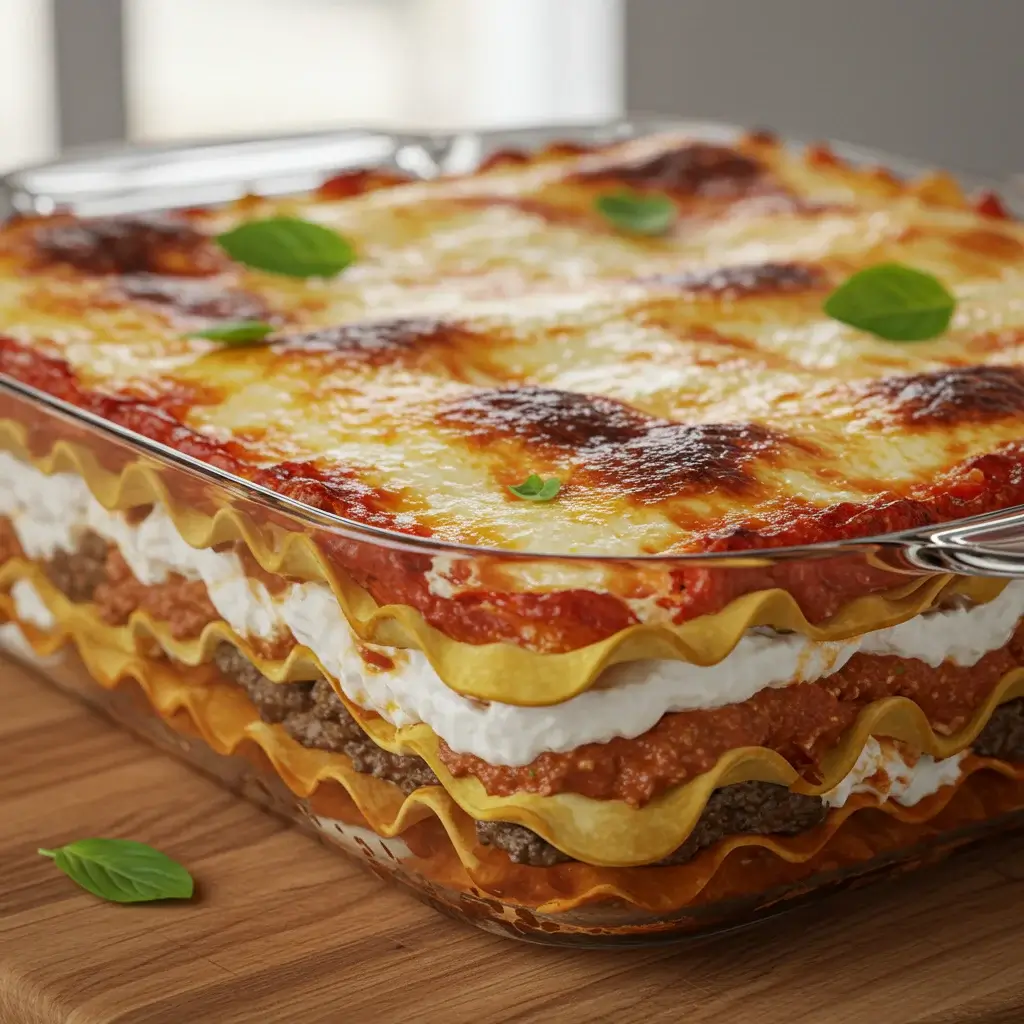

Lasagna, a classic Italian dish, is cherished worldwide for its rich flavors and comforting layers. This baked pasta dish brings together layers of tender noodles, savory meats, creamy cheeses, and luscious sauces, creating a symphony of taste and texture. Whether you’re preparing it for a family dinner, a special occasion, or simply to enjoy a hearty meal, mastering the art of lasagna can elevate your culinary repertoire. In this comprehensive guide, we will walk you through everything you need to know about making the perfect lasagna, from selecting the right ingredients to serving it like a pro.
Ingredients
Creating a mouthwatering lasagna begins with gathering the right ingredients. Here’s a list of essentials you’ll need to prepare a traditional lasagna:
- Lasagna Noodles: 12 sheets
- Ground Beef: 1 pound
- Italian Sausage: 1/2 pound
- Onion: 1 medium, finely chopped
- Garlic: 3 cloves, minced
- Tomato Sauce: 24 ounces
- Tomato Paste: 6 ounces
- Crushed Tomatoes: 15 ounces
- Water: 1/2 cup
- Sugar: 1 tablespoon
- Dried Basil Leaves: 1 1/2 teaspoons
- Fennel Seeds: 1/2 teaspoon
- Dried Oregano: 1 teaspoon
- Salt: 1 teaspoon
- Black Pepper: 1/4 teaspoon
- Ricotta Cheese: 15 ounces
- Egg: 1 large
- Fresh Parsley: 2 tablespoons, chopped
- Mozzarella Cheese: 1 pound, sliced
- Parmesan Cheese: 3/4 cup, grated
Instructions
Making lasagna might seem daunting, but by following these step-by-step instructions, you’ll be able to create a delicious dish that’s sure to impress.
Step 1: Prepare the Meat Sauce
- Cook the Meat: In a large skillet, cook the ground beef, Italian sausage, onion, and garlic over medium heat until well browned. Drain any excess fat.
- Add Tomato Products: Stir in the tomato sauce, tomato paste, crushed tomatoes, and water.
- Season the Sauce: Add sugar, basil, fennel seeds, oregano, salt, and black pepper. Simmer the mixture, uncovered, for about 30 minutes, stirring occasionally.
Step 2: Prepare the Cheese Mixture
- Mix Ricotta and Egg: In a mixing bowl, combine ricotta cheese, egg, and parsley. Mix until well blended. Set aside.
Step 3: Cook the Noodles
- Boil Noodles: Fill a large pot with lightly salted water and bring to a boil. Cook the lasagna noodles for 8 to 10 minutes or until al dente. Drain and rinse them with cold water.
Step 4: Assemble the Lasagna
- Preheat Oven: Preheat your oven to 375°F (190°C).
- Layer the Ingredients: In a 9×13 inch baking dish, spread 1 1/2 cups of meat sauce. Arrange 6 noodles lengthwise over the sauce. Spread half of the ricotta mixture over the noodles. Layer with a third of the mozzarella cheese slices. Spoon 1 1/2 cups of meat sauce over the mozzarella, and sprinkle with 1/4 cup Parmesan cheese.
- Repeat Layers: Repeat the layers once more, and top with remaining mozzarella and Parmesan cheese.
- Cover and Bake: Cover with foil (to prevent sticking, either spray foil with cooking spray, or make sure the foil does not touch the cheese). Bake in the preheated oven for 25 minutes.
- Uncover and Finish Baking: Remove the foil, and bake an additional 25 minutes. Allow the lasagna to cool for 15 minutes before serving.
Nutrition Facts
Understanding the nutritional content of lasagna can help you make informed dietary choices. Here’s a breakdown of the nutrition facts for a typical serving of lasagna (considering the recipe above serves 12):
- Calories: 450
- Total Fat: 25g
- Saturated Fat: 12g
- Cholesterol: 95mg
- Sodium: 800mg
- Total Carbohydrates: 30g
- Dietary Fiber: 3g
- Sugars: 7g
- Protein: 28g
- Vitamin A: 15% DV
- Vitamin C: 15% DV
- Calcium: 25% DV
- Iron: 20% DV
How to Serve
Serving lasagna can be as enjoyable as preparing it. The way you present this beloved dish can elevate the dining experience, making it not just a meal but a culinary event. Here are some detailed tips on how to beautifully serve your lasagna, ensuring it not only tastes delicious but looks appealing too.
1. Let It Rest
One of the most crucial steps after baking lasagna is allowing it to rest. After you take the lasagna out of the oven, resist the temptation to dive right in. Let it sit for at least 15 to 20 minutes. This resting period is essential as it allows the layers to set, preventing the cheese and sauce from oozing out when you cut into it. The lasagna will hold its shape better, resulting in neat squares that are visually pleasing and easier to serve. Additionally, this waiting time enhances the flavors as they meld together, making each bite more harmonious.
2. Use a Sharp Knife
When it comes to slicing lasagna, presentation is key. A sharp knife is your best friend here. Dull knives can crush the layers, leading to uneven and messy portions. Ensure your knife is clean and dry before making each cut; wiping it down between slices will help maintain the integrity of the layers and keep the edges tidy. For an added touch, consider using a serrated knife, which can glide through the crusty top layer without disturbing the filling beneath. For an even more refined presentation, you may also opt for a pizza cutter, which can create smooth, even slices with minimal effort.
3. Pair with Thoughtful Sides
Lasagna is a hearty dish, so serving it with complementary sides can enhance the overall dining experience. A fresh green salad is an excellent choice; consider incorporating a mix of leafy greens, colorful vegetables, and a zesty vinaigrette to add brightness and balance to the meal. The crispness of the salad contrasts beautifully with the rich, cheesy layers of lasagna. Alternatively, garlic bread serves as a delightful accompaniment, offering a crunchy texture and a flavorful kick. You might also consider serving sautéed vegetables or roasted seasonal vegetables for a nutritious and colorful side that adds both flavor and visual appeal to the plate.
4. Garnish for Visual Appeal
Garnishing your lasagna just before serving can significantly enhance its presentation. A sprinkle of fresh herbs like parsley or basil not only adds a vibrant pop of color but also infuses the dish with aromatic flavors. Finely chop the herbs and scatter them over the top of the lasagna or individual slices. For an extra touch of elegance, you might consider drizzling a bit of high-quality olive oil or balsamic glaze over the top, which can create beautiful visual contrast and add a layer of complexity to the flavor profile. Grated Parmesan cheese can also be a wonderful finishing touch, melting slightly into the warm layers and providing a savory, salty bite.
5. Serve with Style
The way you serve lasagna can also elevate the entire experience. Consider using a beautiful serving dish that complements the colors of the dish. A deep, ceramic or glass baking dish can showcase the layers of pasta, sauce, and cheese beautifully. For individual servings, consider using small cast-iron skillets or ramekins to create a rustic yet elegant presentation. When plating, use a large spatula or pie server to lift out each slice, allowing the layers to remain intact as you transfer them to plates. This attention to detail in serving can impress your guests and create a more enjoyable dining experience.
Conclusion
By following these tips for serving lasagna, you can enhance both the visual appeal and the overall enjoyment of this beloved dish. From allowing it to rest for optimal slicing to adding thoughtful garnishes and sides, each step plays a role in creating a memorable meal that your family and friends will rave about. Whether it’s a casual family dinner or a special occasion, the way you present your lasagna can turn a simple dish into a culinary masterpiece that delights the senses.
Additional Tips
Lasagna is a beloved dish, cherished for its comforting layers and rich flavors. To elevate your lasagna-making experience, consider these comprehensive tips that will not only enhance the taste but also add a personal touch to your creation.
Experiment with Cheeses
While mozzarella and Parmesan are classic choices, there’s a world of cheese varieties waiting to be explored.
- Provolone: This semi-hard cheese adds a slightly sharp flavor that can enhance the overall taste of your lasagna. It melts beautifully, creating a creamy texture that complements the other ingredients.
- Asiago: Known for its nutty and tangy profile, asiago can bring a depth of flavor. Consider using a blend of young asiago for a creamy melt and aged asiago for a more robust taste.
- Ricotta: Often used in lasagna, ricotta can be mixed with herbs, eggs, and a sprinkle of nutmeg to create a flavorful filling. This fluffy cheese provides a wonderful contrast to the denser layers of meat and sauce.
- Fontina or Gouda: For a rich and smoky flavor, try adding fontina or smoked gouda. These cheeses add a unique twist and can elevate the dish to gourmet status.
Meat Variations
While traditional lasagna often features layers of ground beef and sausage, there are numerous alternatives to explore:
- Ground Turkey or Chicken: These lean meats can provide a healthier option without sacrificing flavor. Season them well with your favorite spices and herbs to enhance their taste.
- Vegetarian Meat Substitutes: If you’re catering to a vegetarian crowd or simply looking to reduce meat consumption, consider using plant-based meat alternatives. Brands like Beyond Meat or Impossible Foods offer ground products that mimic the texture and flavor of traditional meat.
- Seafood: For a coastal twist, consider incorporating shrimp or crab meat. Pair with a white sauce and a sprinkle of lemon zest for a refreshing variation.
Herb Infusion
Fresh herbs can transform your lasagna from ordinary to extraordinary.
- Fresh Basil: This aromatic herb adds a burst of flavor and pairs beautifully with tomatoes. Layer fresh basil leaves between the noodles or sprinkle them on top before baking for a fragrant garnish.
- Oregano: Fresh oregano has a brighter, more vibrant taste than dried. Use it liberally in your meat sauce or cheese mixture for an authentic Italian flavor.
- Thyme and Rosemary: These herbs can add an earthy depth to your lasagna. Consider infusing your sauce with a sprig of fresh thyme or rosemary during cooking for a subtle yet enriching flavor.
Vegetable Additions
Incorporating vegetables into your lasagna not only increases its nutritional value but also adds layers of flavor and texture:
- Spinach: Fresh or sautéed spinach can be layered in for added nutrients. You can also mix it into the ricotta for a creamy, green filling.
- Zucchini: Thinly sliced zucchini can be used as a noodle substitute or layered in between for added moisture and a slight sweetness.
- Mushrooms: Whether you choose button, cremini, or portobello, mushrooms add an earthy flavor and meaty texture that complements the dish. Sauté them beforehand to intensify their flavor and reduce moisture.
- Roasted Red Peppers: For a touch of sweetness and color, roasted red peppers can be sliced and layered within the lasagna. They add a lovely depth and a hint of smokiness.
Freezing
Lasagna is an excellent make-ahead dish, perfect for busy weeknights or gatherings.
- Refrigeration: If you plan to bake your lasagna the next day, assemble it in advance and cover it tightly with plastic wrap or aluminum foil. Refrigerating allows the flavors to meld and intensify.
- Freezing: Lasagna can be frozen for up to three months. To freeze, assemble your lasagna but do not bake it. Instead, cover it tightly with plastic wrap and then with aluminum foil to prevent freezer burn. When you’re ready to enjoy it, bake it directly from the freezer. Remember to add an extra 30 minutes to the covered baking time to ensure it cooks evenly throughout.
By incorporating these tips into your lasagna-making process, you can create a dish that is not only delicious but also uniquely yours. Whether you’re experimenting with different cheeses, adding a variety of meats, infusing fresh herbs, or incorporating vegetables, each layer of your lasagna can be a delightful surprise. Plus, with the option to prepare it ahead of time, you can enjoy a home-cooked meal with less stress. Happy cooking!
FAQs
Can I make lasagna ahead of time?
Yes, lasagna can be made a day in advance. Assemble the lasagna, cover tightly with foil, and refrigerate. When ready to bake, add an additional 15 minutes to the baking time.
How do I store leftover lasagna?
Store leftover lasagna in an airtight container in the refrigerator for up to 3-4 days. For longer storage, freeze individual portions for up to three months.
Can I use no-boil noodles?
Yes, no-boil noodles are a convenient option. They absorb moisture from the sauce, so ensure your sauce is slightly more liquidy than usual.
How do I prevent the top layer from burning?
Cover the lasagna with foil for the first half of the baking time to prevent the cheese from burning. Remove the foil to allow the top to brown.
How can I make gluten-free lasagna?
Use gluten-free lasagna noodles and ensure that all other ingredients, such as sausages and sauces, are gluten-free.
Conclusion
Lasagna is a beloved dish that offers endless possibilities for customization. By following this guide, you’ll be able to create a lasagna that’s not only delicious but also visually appealing and nutritionally balanced. Whether you’re a lasagna newbie or a seasoned cook, this dish is sure to bring warmth and satisfaction to your dining table. So, roll up your sleeves and embark on a culinary journey to master the art of lasagna. Enjoy the process, savor the flavors, and share this delightful creation with family and friends. Buon appetito!
Print
Delicious Lasagna Recipe
Ingredients
- Lasagna Noodles: 12 sheets
- Ground Beef: 1 pound
- Italian Sausage: 1/2 pound
- Onion: 1 medium, finely chopped
- Garlic: 3 cloves, minced
- Tomato Sauce: 24 ounces
- Tomato Paste: 6 ounces
- Crushed Tomatoes: 15 ounces
- Water: 1/2 cup
- Sugar: 1 tablespoon
- Dried Basil Leaves: 1 1/2 teaspoons
- Fennel Seeds: 1/2 teaspoon
- Dried Oregano: 1 teaspoon
- Salt: 1 teaspoon
- Black Pepper: 1/4 teaspoon
- Ricotta Cheese: 15 ounces
- Egg: 1 large
- Fresh Parsley: 2 tablespoons, chopped
- Mozzarella Cheese: 1 pound, sliced
- Parmesan Cheese: 3/4 cup, grated
Instructions
Step 1: Prepare the Meat Sauce
- Cook the Meat: In a large skillet, cook the ground beef, Italian sausage, onion, and garlic over medium heat until well browned. Drain any excess fat.
- Add Tomato Products: Stir in the tomato sauce, tomato paste, crushed tomatoes, and water.
- Season the Sauce: Add sugar, basil, fennel seeds, oregano, salt, and black pepper. Simmer the mixture, uncovered, for about 30 minutes, stirring occasionally.
Step 2: Prepare the Cheese Mixture
- Mix Ricotta and Egg: In a mixing bowl, combine ricotta cheese, egg, and parsley. Mix until well blended. Set aside.
Step 3: Cook the Noodles
- Boil Noodles: Fill a large pot with lightly salted water and bring to a boil. Cook the lasagna noodles for 8 to 10 minutes or until al dente. Drain and rinse them with cold water.
Step 4: Assemble the Lasagna
- Preheat Oven: Preheat your oven to 375°F (190°C).
- Layer the Ingredients: In a 9×13 inch baking dish, spread 1 1/2 cups of meat sauce. Arrange 6 noodles lengthwise over the sauce. Spread half of the ricotta mixture over the noodles. Layer with a third of the mozzarella cheese slices. Spoon 1 1/2 cups of meat sauce over the mozzarella, and sprinkle with 1/4 cup Parmesan cheese.
- Repeat Layers: Repeat the layers once more, and top with remaining mozzarella and Parmesan cheese.
- Cover and Bake: Cover with foil (to prevent sticking, either spray foil with cooking spray, or make sure the foil does not touch the cheese). Bake in the preheated oven for 25 minutes.
- Uncover and Finish Baking: Remove the foil, and bake an additional 25 minutes. Allow the lasagna to cool for 15 minutes before serving.
Nutrition
- Serving Size: One Normal Portion
- Calories: 450
- Sugar: 7g
- Sodium: 800mg
- Fat: 25g
- Saturated Fat: 12g
- Carbohydrates: 30g
- Fiber: 3g
- Protein: 28g
- Cholesterol: 95mg