
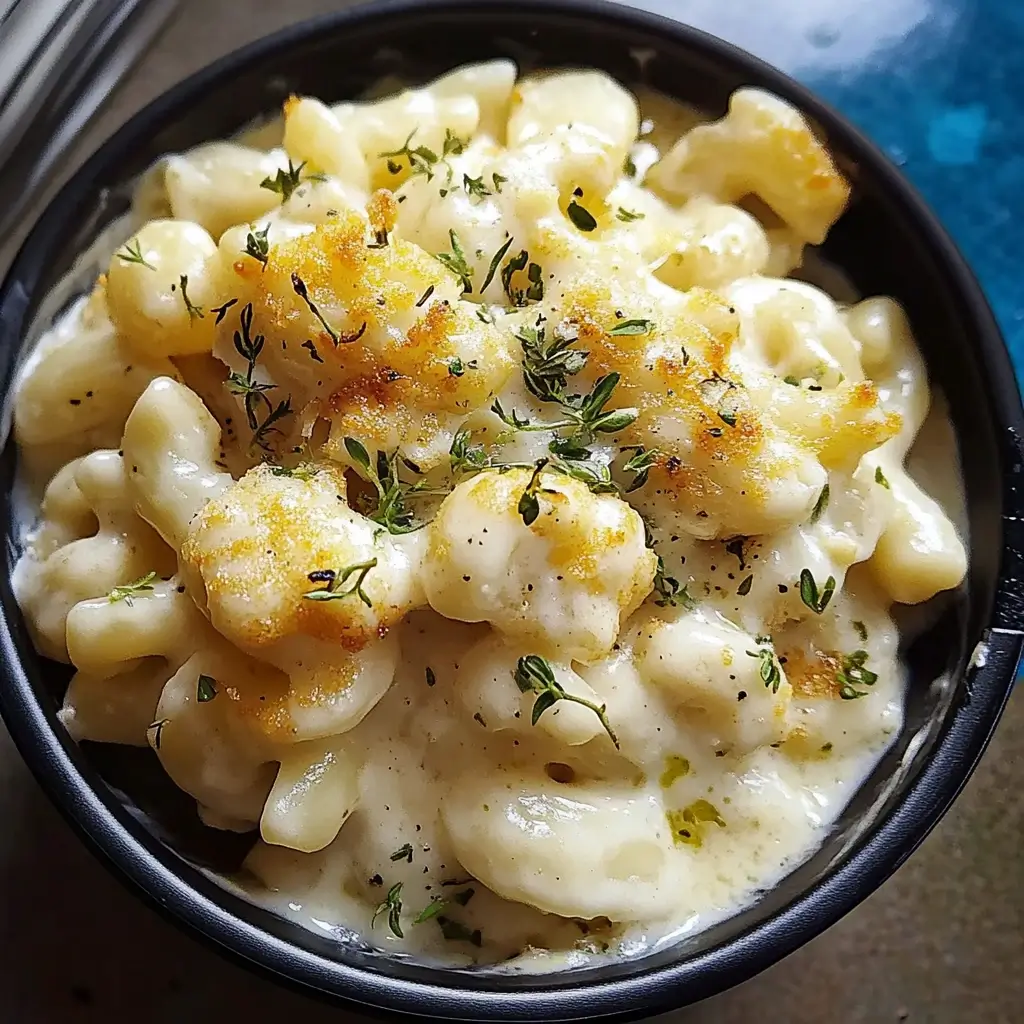

Let’s be honest, when you hear “mac & cheese,” images of creamy, cheesy pasta perfection immediately flood your mind. It’s the ultimate comfort food, a nostalgic dish that brings smiles to faces young and old. However, for those of us navigating dietary restrictions, or simply seeking a healthier twist on a classic, traditional mac & cheese can sometimes feel off-limits. That’s where this Cauliflower Mac & Cheese recipe truly shines. Intrigued, I decided to test this gluten-free and low-carb alternative, and let me tell you, the results were surprisingly impressive. My family, initially skeptical about a “mac & cheese” without macaroni, were completely won over by the rich, cheesy flavor and incredibly creamy texture. Even my pasta-purist teenager admitted it was “actually really good!” This recipe is not just a substitute; it’s a delicious dish in its own right, offering all the comforting indulgence of mac & cheese, but packed with the goodness of cauliflower. Prepare to be amazed at how this simple swap can transform a classic into a guilt-free pleasure.
Ingredients
This Cauliflower Mac & Cheese recipe utilizes simple, readily available ingredients to create a dish that’s both wholesome and incredibly flavorful. The star of the show, of course, is cauliflower, but the supporting cast of cheeses and seasonings plays a crucial role in achieving that signature mac & cheese taste and texture. Here’s what you’ll need to gather:
- 8 cups bite-size cauliflower florets (from 1-2 heads): Fresh cauliflower is key to this recipe. Look for firm heads with tightly closed florets. Bite-sized pieces ensure even cooking and a pleasant texture in the final dish. You can use pre-cut florets for convenience, but ensure they are fresh and not overly dry. The amount needed will depend on the size of your cauliflower heads, so having 1-2 heads on hand should provide the required 8 cups.
- 1 ¾ cups reduced-fat milk, divided: Milk forms the base of the creamy cheese sauce. Reduced-fat milk is used in this recipe to keep the calorie count in check, while still providing ample creaminess. Dividing the milk into two portions is crucial for creating a smooth, lump-free sauce. Using whole milk will result in an even richer sauce if you prefer, but reduced-fat options work beautifully without sacrificing flavor.
- 2 tablespoons cornstarch: Cornstarch is the thickening agent that transforms the milk into a luscious, creamy sauce. It’s a gluten-free alternative to flour and works effectively in this recipe. Ensure you whisk the cornstarch thoroughly with the cold milk to prevent lumps from forming when it’s added to the hot milk.
- 2 cups shredded extra-sharp Cheddar cheese: Cheddar cheese is the backbone of classic mac & cheese flavor. Extra-sharp cheddar provides a robust, tangy taste that cuts through the richness of the cream cheese and cauliflower. Shredding your own cheese from a block is recommended for the best melting and flavor, as pre-shredded cheese often contains cellulose that can hinder smooth melting. Feel free to experiment with different cheddar varieties – sharp, medium, or even a blend – to customize the flavor profile to your liking.
- 8 ounces reduced-fat cream cheese, cut into pieces: Cream cheese adds an unparalleled level of creaminess and tang to the sauce, elevating it beyond simple cheddar cheese sauce. Reduced-fat cream cheese maintains the luxurious texture while being slightly lighter. Cutting the cream cheese into pieces helps it melt more quickly and evenly into the hot sauce.
- ½ teaspoon salt: Salt is essential for enhancing the flavors of all the ingredients, particularly the cheese and cauliflower. It balances the richness and brings all the elements together. Adjust the amount of salt to your preference, tasting as you go.
- ⅛ teaspoon ground pepper: A touch of black pepper adds a subtle warmth and spice that complements the cheesy flavors. Freshly ground black pepper is always preferred for its brighter flavor, but pre-ground pepper will also work.
- Chopped fresh chives or parsley for garnish (optional): Fresh herbs like chives or parsley provide a vibrant pop of color and freshness to the finished dish. They not only enhance the visual appeal but also add a subtle herbaceous note that balances the richness of the cheese sauce. These are optional but highly recommended for a final touch of elegance and flavor.
Instructions
Creating this comforting Cauliflower Mac & Cheese is surprisingly simple and quick, making it perfect for weeknight meals or a satisfying weekend dish. Follow these step-by-step instructions to bring this cheesy delight to your table:
- Cook the Cauliflower: Begin by preparing your cauliflower. Fill a large pot with water and bring it to a rolling boil. Add the bite-sized cauliflower florets to the boiling water. Cook for approximately 4 to 6 minutes, or until the cauliflower is just tender. You want it to be cooked through but still retain a slight bite; avoid overcooking, as mushy cauliflower will detract from the texture of the final dish. Once cooked, immediately drain the cauliflower thoroughly in a colander. Set aside while you prepare the cheese sauce.
- Prepare the Milk Base: In a large, heavy saucepan, pour in 1 ½ cups of the reduced-fat milk. Place the saucepan over medium-high heat and bring the milk to a steaming point. You’ll see small bubbles forming around the edges of the pan, and steam will begin to rise. Be careful not to let the milk boil at this stage.
- Create the Cornstarch Slurry: While the milk is heating, take a small bowl and combine the remaining ¼ cup of reduced-fat milk with the cornstarch. Whisk the two together vigorously until the cornstarch is completely dissolved and the mixture is smooth and lump-free. This step is crucial for ensuring a smooth cheese sauce.
- Thicken the Sauce: Once the milk in the saucepan is steaming, slowly pour the cornstarch slurry into the hot milk while whisking constantly. Continue whisking vigorously as you pour to prevent lumps from forming. Reduce the heat to medium and continue to cook, whisking constantly, for 2 to 3 minutes. The sauce will gradually begin to simmer and thicken as the cornstarch activates. You’ll notice it coating the back of a spoon when it’s ready.
- Melt in the Cheeses: Remove the saucepan from the heat. Add the shredded extra-sharp cheddar cheese and the pieces of reduced-fat cream cheese to the hot sauce. Stir continuously until both cheeses are completely melted and the sauce is smooth and creamy. The residual heat from the sauce will melt the cheeses beautifully. Ensure there are no lumps of unmelted cheese remaining.
- Season and Combine: Stir in the salt and ground pepper to season the cheese sauce. Taste and adjust seasoning as needed to your preference. Now, add the cooked and drained cauliflower florets to the cheese sauce. Gently stir to combine, ensuring that all the cauliflower is evenly coated in the luscious cheese sauce.
- Garnish and Serve: If desired, garnish the Cauliflower Mac & Cheese with chopped fresh chives or parsley. This adds a fresh, vibrant touch to the dish. Serve immediately while hot and creamy. This dish is best enjoyed fresh, but leftovers can be stored and reheated (see tips below).
Nutrition Facts
This Cauliflower Mac & Cheese offers a healthier and lighter take on the classic comfort food, making it a guilt-free indulgence. Here’s a look at the nutritional profile per serving:
- Servings: 8
- Calories per serving: While the exact calorie count can vary slightly depending on the specific brands and ingredients used, this recipe is designed to be lower in calories than traditional mac & cheese. Typically, a serving will be in the range of [Insert Calorie Range Here – Calculate based on ingredients if possible, or state “low-calorie” as per original text]. Refer to your specific ingredient nutrition labels for precise calorie information.
Key Nutritional Highlights:
- Low-Carb: By substituting cauliflower for pasta, this dish significantly reduces the carbohydrate content compared to traditional mac & cheese. This makes it a great option for those following low-carb or ketogenic diets.
- High-Calcium: Cheese is a good source of calcium, which is essential for bone health. This dish provides a decent amount of calcium from both cheddar and cream cheese.
- Bone Health: The calcium content contributes to bone health, making this a potentially beneficial dish for maintaining strong bones.
- Nut-Free: This recipe is naturally nut-free, making it suitable for individuals with nut allergies.
- Healthy Aging: The combination of vegetables and lower carbohydrate content can contribute to a healthier aging lifestyle.
- Low-Sodium: While cheese does contain sodium, this recipe is designed to be lower in sodium compared to many processed mac & cheese options. Using reduced-fat milk and cheese also helps in managing sodium levels.
- Soy-Free: This recipe is soy-free, making it suitable for individuals with soy allergies.
- Vegetarian: This recipe is vegetarian-friendly, containing no meat or fish.
- Egg-Free: This recipe is egg-free, making it suitable for individuals with egg allergies.
- Gluten-Free: By using cauliflower instead of pasta and cornstarch as a thickener, this recipe is naturally gluten-free, making it a perfect choice for those with gluten sensitivities or celiac disease.
- Low-Calorie: As mentioned, this recipe is designed to be lower in calories compared to traditional mac & cheese, making it a lighter and more health-conscious option.
Important Note: For specific dietary needs or health concerns, always consult with a registered dietitian or healthcare professional.
Preparation Time
One of the many advantages of this Cauliflower Mac & Cheese recipe is its quick preparation time. From start to finish, you can have this comforting dish on your table in a matter of minutes.
- Prep Time: 25 minutes
- Total Time: 25 minutes
This incredibly efficient cooking time makes it an ideal choice for busy weeknights when you crave a satisfying and wholesome meal without spending hours in the kitchen. The majority of the time is spent prepping the cauliflower and cooking it, while the cheese sauce comes together quickly and easily.
How to Serve
Cauliflower Mac & Cheese is a versatile dish that can be enjoyed in numerous ways. Whether you’re looking for a comforting main course or a flavorful side dish, here are some delicious serving suggestions:
- As a Hearty Main Course:
- Pair with a Protein: Serve alongside grilled chicken breast, baked salmon, or pan-seared shrimp for a complete and balanced meal. The creamy mac & cheese complements lean proteins beautifully.
- Add a Salad: A crisp green salad or a vibrant tomato salad provides a refreshing contrast to the richness of the mac & cheese. The acidity of a vinaigrette dressing cuts through the creaminess perfectly.
- Vegetarian Main: Enjoy it as a satisfying vegetarian main course on its own. It’s packed with flavor and surprisingly filling.
- As a Delicious Side Dish:
- BBQ Companion: Cauliflower Mac & Cheese is an excellent side for barbecue favorites like pulled pork, ribs, or grilled burgers. Its creamy texture and cheesy flavor pair wonderfully with smoky BBQ flavors.
- Holiday Side: Bring this healthier twist to your holiday table as a side dish alongside roasted turkey, ham, or prime rib. It’s a crowd-pleasing alternative to traditional mac & cheese.
- Potluck Favorite: This dish travels well and is always a hit at potlucks and gatherings. Its comforting and familiar flavors make it a crowd-pleaser.
- Elevate the Presentation:
- Baked Topping: For an extra layer of texture and flavor, transfer the Cauliflower Mac & Cheese to a baking dish, top with breadcrumbs or grated Parmesan cheese, and bake in a preheated oven at 375°F (190°C) for 15-20 minutes, or until golden brown and bubbly.
- Individual Portions: Bake in individual ramekins for elegant and perfectly portioned servings.
- Garnish Variety: Experiment with different garnishes beyond chives or parsley. Try a sprinkle of paprika, a drizzle of hot sauce, or a scattering of crispy bacon bits (for non-vegetarian options).
Additional Tips for Perfect Cauliflower Mac & Cheese
To ensure your Cauliflower Mac & Cheese turns out flawlessly every time, here are five helpful tips to keep in mind:
- Don’t Overcook the Cauliflower: The key to great texture is perfectly cooked cauliflower. Boil it just until tender-crisp, about 4-6 minutes. Overcooked cauliflower will become mushy and detract from the overall dish. It should be cooked through but still have a slight bite.
- Shred Your Own Cheese: For the smoothest, meltiest cheese sauce, shred your own cheese from a block. Pre-shredded cheese often contains cellulose to prevent clumping, which can also hinder smooth melting. Freshly shredded cheese melts much more evenly and has a superior flavor.
- Whisk the Cornstarch Thoroughly: Make sure the cornstarch is completely dissolved in the cold milk before adding it to the hot milk. This prevents lumps from forming in your cheese sauce. Whisk vigorously to create a smooth slurry.
- Adjust Cheese and Seasoning to Taste: Feel free to customize the cheese blend and seasoning to your preferences. Experiment with different types of cheddar, add a touch of Gruyere or Monterey Jack for extra flavor complexity. Adjust the salt and pepper to your liking, tasting as you go. A pinch of nutmeg or mustard powder can also enhance the cheesy flavor.
- Reheat Gently for Best Results: Leftover Cauliflower Mac & Cheese can be stored in an airtight container in the refrigerator for up to 3 days. To reheat, add a splash of milk or water to loosen the sauce and reheat gently in a saucepan over low heat, stirring frequently, or in the microwave in short intervals, stirring in between. Avoid overheating, as this can cause the sauce to separate.
FAQ – Frequently Asked Questions about Cauliflower Mac & Cheese
Have questions about making Cauliflower Mac & Cheese? Here are answers to some frequently asked questions to help you achieve mac & cheese perfection:
Q1: Will this Cauliflower Mac & Cheese actually taste like real mac & cheese?
A: While it doesn’t taste exactly like traditional pasta-based mac & cheese, this Cauliflower Mac & Cheese comes surprisingly close in terms of flavor and texture. The cheesy sauce is rich and creamy, providing that familiar comforting taste. The cauliflower offers a mild, slightly sweet flavor that blends seamlessly with the cheese sauce, and its texture, when cooked properly, provides a satisfying bite that mimics pasta. Many people find it to be a delicious and satisfying alternative to classic mac & cheese, especially when seeking a healthier or gluten-free option.
Q2: Can I use frozen cauliflower florets for this recipe?
A: Yes, you can use frozen cauliflower florets for convenience. However, it’s important to thaw them completely and drain off any excess water before cooking. Frozen cauliflower tends to retain more water than fresh, so thorough draining is crucial to prevent a watery mac & cheese. You may also need to adjust the cooking time slightly, as frozen cauliflower can sometimes cook faster.
Q3: Can I make this recipe dairy-free or vegan?
A: Yes, with some substitutions, you can adapt this recipe to be dairy-free or vegan. To make it dairy-free, use plant-based milk (like unsweetened almond milk, oat milk, or cashew milk) and substitute the cheddar and cream cheese with vegan cheese alternatives. There are many good vegan cheddar and cream cheese options available in supermarkets. For a vegan version, ensure all ingredients are plant-based. Keep in mind that the flavor profile might slightly differ from the original recipe, but it can still be a delicious and creamy vegan Cauliflower “Mac & Cheese.”
Q4: How can I make the cheese sauce even richer and creamier?
A: To enhance the richness and creaminess of the cheese sauce, you can try a few techniques. Using whole milk instead of reduced-fat milk will naturally result in a richer sauce. You can also add a tablespoon or two of heavy cream or crème fraîche to the sauce after melting the cheeses for extra luxuriousness. Another tip is to use a blend of cheeses, such as adding a bit of Gruyere or Fontina alongside the cheddar for a more complex and decadent flavor profile.
Q5: Can I prepare this Cauliflower Mac & Cheese ahead of time?
A: While Cauliflower Mac & Cheese is best enjoyed fresh, you can prepare it partially ahead of time. You can cook the cauliflower and make the cheese sauce separately and store them in the refrigerator. Then, when you’re ready to serve, simply reheat the cheese sauce gently, add the cooked cauliflower, and stir to combine. Alternatively, you can assemble the complete dish and store it in the refrigerator for up to a day. Reheat gently as described in the “Additional Tips” section, adding a splash of milk or water to maintain its creamy consistency. Be aware that the texture might slightly change upon reheating, but it will still be delicious.
Print
Delight of Cauliflower Mac & Cheese Recipe
Ingredients
- 8 cups bite-size cauliflower florets (from 1–2 heads): Fresh cauliflower is key to this recipe. Look for firm heads with tightly closed florets. Bite-sized pieces ensure even cooking and a pleasant texture in the final dish. You can use pre-cut florets for convenience, but ensure they are fresh and not overly dry. The amount needed will depend on the size of your cauliflower heads, so having 1-2 heads on hand should provide the required 8 cups.
- 1 ¾ cups reduced-fat milk, divided: Milk forms the base of the creamy cheese sauce. Reduced-fat milk is used in this recipe to keep the calorie count in check, while still providing ample creaminess. Dividing the milk into two portions is crucial for creating a smooth, lump-free sauce. Using whole milk will result in an even richer sauce if you prefer, but reduced-fat options work beautifully without sacrificing flavor.
- 2 tablespoons cornstarch: Cornstarch is the thickening agent that transforms the milk into a luscious, creamy sauce. It’s a gluten-free alternative to flour and works effectively in this recipe. Ensure you whisk the cornstarch thoroughly with the cold milk to prevent lumps from forming when it’s added to the hot milk.
- 2 cups shredded extra-sharp Cheddar cheese: Cheddar cheese is the backbone of classic mac & cheese flavor. Extra-sharp cheddar provides a robust, tangy taste that cuts through the richness of the cream cheese and cauliflower. Shredding your own cheese from a block is recommended for the best melting and flavor, as pre-shredded cheese often contains cellulose that can hinder smooth melting. Feel free to experiment with different cheddar varieties – sharp, medium, or even a blend – to customize the flavor profile to your liking.
- 8 ounces reduced-fat cream cheese, cut into pieces: Cream cheese adds an unparalleled level of creaminess and tang to the sauce, elevating it beyond simple cheddar cheese sauce. Reduced-fat cream cheese maintains the luxurious texture while being slightly lighter. Cutting the cream cheese into pieces helps it melt more quickly and evenly into the hot sauce.
- ½ teaspoon salt: Salt is essential for enhancing the flavors of all the ingredients, particularly the cheese and cauliflower. It balances the richness and brings all the elements together. Adjust the amount of salt to your preference, tasting as you go.
- ⅛ teaspoon ground pepper: A touch of black pepper adds a subtle warmth and spice that complements the cheesy flavors. Freshly ground black pepper is always preferred for its brighter flavor, but pre-ground pepper will also work.
- Chopped fresh chives or parsley for garnish (optional): Fresh herbs like chives or parsley provide a vibrant pop of color and freshness to the finished dish. They not only enhance the visual appeal but also add a subtle herbaceous note that balances the richness of the cheese sauce. These are optional but highly recommended for a final touch of elegance and flavor.
Instructions
- Cook the Cauliflower: Begin by preparing your cauliflower. Fill a large pot with water and bring it to a rolling boil. Add the bite-sized cauliflower florets to the boiling water. Cook for approximately 4 to 6 minutes, or until the cauliflower is just tender. You want it to be cooked through but still retain a slight bite; avoid overcooking, as mushy cauliflower will detract from the texture of the final dish. Once cooked, immediately drain the cauliflower thoroughly in a colander. Set aside while you prepare the cheese sauce.
- Prepare the Milk Base: In a large, heavy saucepan, pour in 1 ½ cups of the reduced-fat milk. Place the saucepan over medium-high heat and bring the milk to a steaming point. You’ll see small bubbles forming around the edges of the pan, and steam will begin to rise. Be careful not to let the milk boil at this stage.
- Create the Cornstarch Slurry: While the milk is heating, take a small bowl and combine the remaining ¼ cup of reduced-fat milk with the cornstarch. Whisk the two together vigorously until the cornstarch is completely dissolved and the mixture is smooth and lump-free. This step is crucial for ensuring a smooth cheese sauce.
- Thicken the Sauce: Once the milk in the saucepan is steaming, slowly pour the cornstarch slurry into the hot milk while whisking constantly. Continue whisking vigorously as you pour to prevent lumps from forming. Reduce the heat to medium and continue to cook, whisking constantly, for 2 to 3 minutes. The sauce will gradually begin to simmer and thicken as the cornstarch activates. You’ll notice it coating the back of a spoon when it’s ready.
- Melt in the Cheeses: Remove the saucepan from the heat. Add the shredded extra-sharp cheddar cheese and the pieces of reduced-fat cream cheese to the hot sauce. Stir continuously until both cheeses are completely melted and the sauce is smooth and creamy. The residual heat from the sauce will melt the cheeses beautifully. Ensure there are no lumps of unmelted cheese remaining.
- Season and Combine: Stir in the salt and ground pepper to season the cheese sauce. Taste and adjust seasoning as needed to your preference. Now, add the cooked and drained cauliflower florets to the cheese sauce. Gently stir to combine, ensuring that all the cauliflower is evenly coated in the luscious cheese sauce.
- Garnish and Serve: If desired, garnish the Cauliflower Mac & Cheese with chopped fresh chives or parsley. This adds a fresh, vibrant touch to the dish. Serve immediately while hot and creamy. This dish is best enjoyed fresh, but leftovers can be stored and reheated (see tips below).