

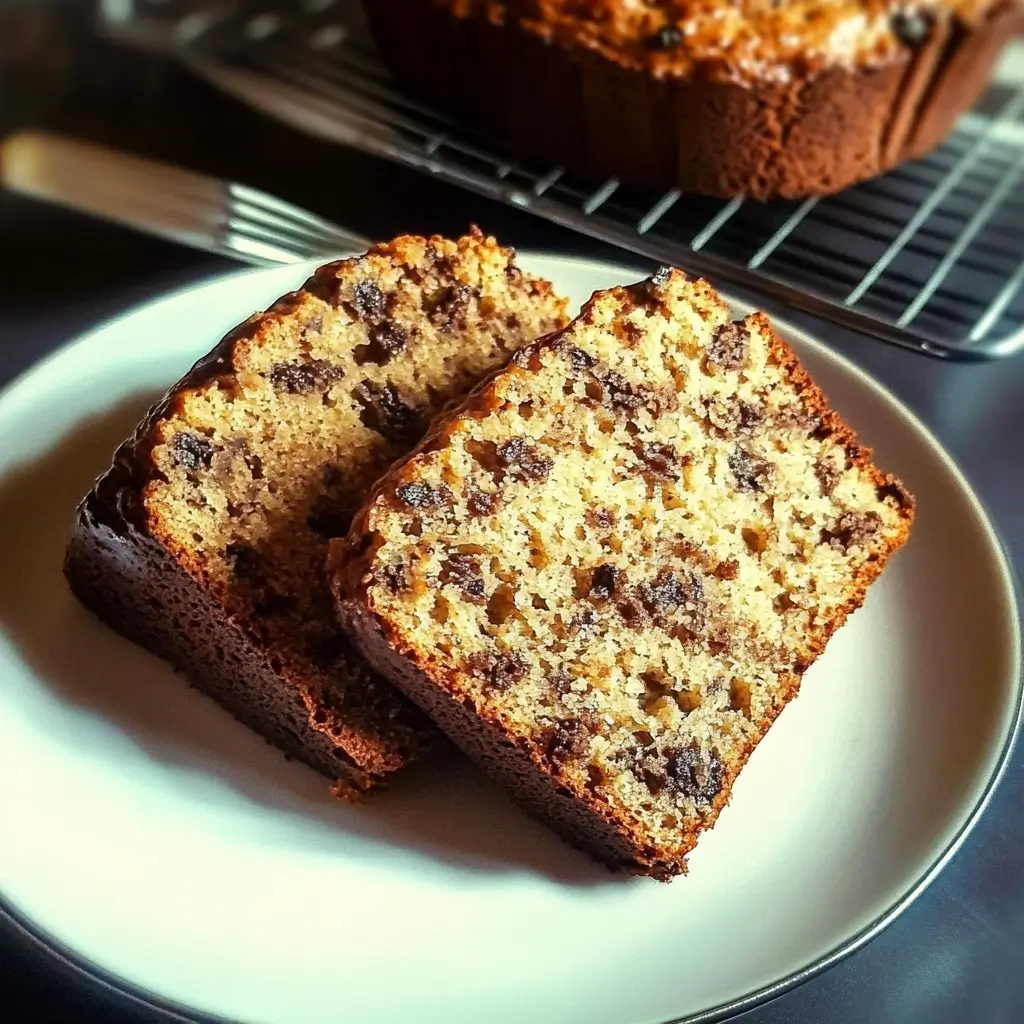
Baking has always been my love language, a way to fill my home with warmth and delicious aromas. But sometimes, the richness of traditional baking can feel a little… well, rich. That’s why I was thrilled to stumble upon this recipe for the “Easiest Fat-Free Moist Tea Loaf.” Intrigued by the promise of both “fat-free” and “moist,” I had to give it a try. Let me tell you, this recipe is a game-changer. From the moment the fragrant steam escaped my oven, I knew I was onto something special. The loaf emerged beautifully golden, and upon slicing, revealed a texture that was unbelievably moist and tender, defying all expectations for a fat-free bake. My family, initially skeptical (they are self-proclaimed butter enthusiasts!), devoured it. Gone in a day! It’s become a staple in our house – the perfect guilt-free treat for afternoon tea, a light dessert, or even a wholesome breakfast. This recipe is truly a testament to the fact that you can have your cake (or loaf!) and eat it too, without compromising on flavor or texture. Get ready to experience baking bliss with this incredibly easy and utterly delicious fat-free tea loaf!
Ingredients
This recipe relies on simple pantry staples and the magic of infused tea to create a loaf that’s bursting with flavor and moisture, all without a drop of added fat. Here’s what you’ll need to gather:
- Strong Brewed Tea (250ml/ 1 cup): The heart and soul of this loaf! Choose your favorite black tea for a classic flavor. Earl Grey adds a hint of bergamot, while English Breakfast provides a robust base. Experiment with different tea varieties to find your perfect flavor profile. Make sure the tea is strongly brewed and cooled completely before using. This is crucial for both flavor infusion and preventing the heat from cooking the dried fruit prematurely.
- Mixed Dried Fruit (250g / 2 cups): A medley of dried fruit is what gives this tea loaf its signature chewiness and natural sweetness. A classic mix usually includes raisins, sultanas, and currants. However, feel free to get creative! Consider adding:
- Chopped Dried Apricots: For a tangy sweetness.
- Dried Cranberries: For a burst of tartness and vibrant color.
- Chopped Dates or Figs: For a richer, caramel-like flavor and extra moisture.
- Candied Peel (Optional): For a traditional touch of citrusy bitterness.
Ensure your dried fruit is plump and moist. If it seems a little dry, you can plump it up by soaking it in a little extra brewed tea or warm water for about 15-20 minutes before using. Drain well before adding to the recipe.
- Caster Sugar (175g / ¾ cup): Caster sugar, also known as superfine sugar, dissolves easily and contributes to the loaf’s tender crumb. If you don’t have caster sugar, granulated sugar will work in a pinch, but you might want to mix it a little longer to ensure it dissolves properly. You can also adjust the sugar slightly to your taste, especially depending on the sweetness of your dried fruit.
- Self-Raising Flour (250g / 2 cups): Self-raising flour is essential for the loaf’s light and airy texture. It contains a raising agent, which helps the loaf rise beautifully without the need for additional baking powder. If you don’t have self-raising flour, you can easily make your own by combining plain (all-purpose) flour with baking powder. The general ratio is 1 cup of plain flour to 1 ½ teaspoons of baking powder. Make sure to sift the flour, whether self-raising or homemade, to ensure a light and lump-free batter.
- Mixed Spice (1 tsp): Mixed spice is a warm and fragrant blend of spices that perfectly complements the tea and dried fruit. It typically includes cinnamon, nutmeg, and allspice. You can also use pumpkin pie spice or apple pie spice as a substitute. If you don’t have mixed spice, you can create your own blend using equal parts cinnamon, nutmeg, and a pinch of ground cloves or ginger. The spices add depth and warmth to the loaf, making it even more comforting and delicious.
- Egg (1 Large): A single egg acts as a binder, adding structure and richness to the loaf. Use a large egg at room temperature for the best results. If you are looking for an egg substitute, you could try using ¼ cup of unsweetened applesauce or mashed ripe banana, although this may slightly alter the texture and flavor of the loaf.
Instructions
This recipe is wonderfully straightforward, making it perfect for even novice bakers. Follow these simple steps for tea loaf success:
- Steep the Dried Fruit: In a large bowl, combine the mixed dried fruit and the cooled, strong brewed tea. Ensure all the fruit is submerged in the tea. This crucial step allows the dried fruit to plump up and become incredibly moist and juicy, infusing them with the fragrant tea flavor. Cover the bowl with cling film or a plate and let it stand at room temperature for at least 2 hours, or ideally overnight. The longer the fruit soaks, the more flavorful and moist your loaf will be. If you’re short on time, a minimum of 2 hours is essential, but overnight soaking is highly recommended.
- Preheat the Oven and Prepare the Loaf Tin: Preheat your oven to 160°C (320°F), which is Gas Mark 3. Grease and line a 900g (2lb) loaf tin with baking parchment. Greasing ensures the loaf doesn’t stick, and lining with parchment makes it easy to lift the loaf out of the tin once baked. Leave an overhang of parchment on the long sides of the tin to act as handles for easy removal.
- Combine Dry Ingredients: In a separate large bowl, sift together the self-raising flour and mixed spice. Sifting is important as it aerates the flour, preventing lumps and ensuring a light and airy crumb. The mixed spice is added at this stage to evenly distribute its flavor throughout the dry ingredients.
- Add Sugar and Egg to the Fruit Mixture: To the bowl with the soaked dried fruit and tea, add the caster sugar and the egg. Mix well to combine all the ingredients. The sugar will start to dissolve into the tea and fruit mixture, and the egg will begin to emulsify.
- Combine Wet and Dry Ingredients: Gradually add the sifted flour and spice mixture to the wet ingredients, mixing until just combined. Be careful not to overmix the batter. Overmixing can develop the gluten in the flour, resulting in a tough loaf. Mix until the flour is just incorporated and there are no visible streaks of dry flour remaining. The batter will be quite thick and studded with plump, tea-soaked fruit.
- Pour into Loaf Tin and Bake: Pour the batter into the prepared loaf tin and spread it evenly. Bake in the preheated oven for 60-70 minutes, or until a skewer inserted into the center of the loaf comes out clean. The baking time may vary slightly depending on your oven, so it’s essential to check for doneness with a skewer. The loaf should be a deep golden brown color and feel springy to the touch.
- Cool and Serve: Once baked, remove the loaf from the oven and let it cool in the tin for about 10-15 minutes. This allows the loaf to firm up slightly, making it easier to handle. Then, using the parchment paper overhang, carefully lift the loaf out of the tin and place it on a wire rack to cool completely. Cooling completely is crucial before slicing, as it allows the loaf to fully set and prevents it from becoming crumbly.
Nutrition Facts (per serving, approximate)
Please note that these nutritional values are estimates and can vary slightly based on the specific ingredients used and serving sizes. This is based on cutting the loaf into 12 servings.
- Servings: 12
- Calories per serving: Approximately 220-250 kcal
- Fat: Less than 1g per serving (virtually fat-free!)
- Sugar: Approximately 30-35g per serving (natural sugars from fruit and added sugar)
- Fiber: Approximately 2-3g per serving
- Protein: Approximately 3-4g per serving
This tea loaf is a relatively low-calorie and low-fat treat compared to many other baked goods, making it a healthier indulgence. It also provides some fiber from the dried fruit. However, it’s important to be mindful of the sugar content, especially if you are watching your sugar intake.
Preparation Time
- Preparation: 20 minutes (excluding soaking time for dried fruit)
- Soaking Time: Minimum 2 hours, ideally overnight
- Baking Time: 60-70 minutes
- Cooling Time: At least 1 hour (or until completely cool)
- Total Time (excluding soaking): Approximately 2 hours and 30 minutes – 2 hours and 40 minutes
While the total time seems lengthy, most of it is hands-off soaking and baking time. The active preparation time is minimal, making this a surprisingly easy recipe to fit into your schedule. Planning ahead and soaking the fruit overnight will streamline the process.
How to Serve
This versatile tea loaf is delicious in so many ways! Here are some serving suggestions to inspire you:
- Classic Afternoon Tea:
- Slice the tea loaf and serve it with a pot of freshly brewed tea (of course!).
- Offer alongside clotted cream or whipped cream for a touch of indulgence.
- Pair with a selection of finger sandwiches and scones for a traditional afternoon tea spread.
- Breakfast or Brunch:
- Enjoy a slice of tea loaf toasted and lightly buttered (if you want to add a little fat back in!).
- Serve with a dollop of yogurt and fresh fruit for a healthier breakfast option.
- Accompany with a cup of coffee or a fruit smoothie for a satisfying morning meal.
- Dessert:
- Warm slices of tea loaf gently in the microwave or oven and serve with custard or ice cream for a comforting dessert.
- Drizzle with a simple glaze made from icing sugar and a little lemon juice for added sweetness and flavor.
- Serve alongside a fruit compote or poached pears for a more elegant dessert presentation.
- Snack:
- Enjoy a slice of tea loaf as a wholesome and satisfying afternoon snack.
- Pack a slice in your lunchbox for a tasty and convenient treat.
- It’s perfect for on-the-go snacking or as a pick-me-up between meals.
- With Cheese:
- Surprisingly, tea loaf pairs beautifully with certain cheeses! Try it with a mature cheddar or a creamy brie for a delightful sweet and savory combination.
- Serve alongside a cheese board for a unique and unexpected addition.
Additional Tips for Tea Loaf Perfection
- Don’t Skimp on Soaking Time: The soaking time is absolutely crucial for achieving a moist and flavorful tea loaf. Resist the urge to shorten it. Overnight soaking is truly the best for optimal results.
- Use Strong Tea: The flavor of the tea is a key component of this loaf. Use a strong brew to ensure the tea flavor is prominent and doesn’t get lost amongst the other ingredients.
- Cool Completely Before Slicing: Patience is key! Allow the tea loaf to cool completely before slicing. This allows the loaf to set properly and prevents it from crumbling when you cut it.
- Store Properly for Lasting Moistness: To keep your tea loaf moist, store it in an airtight container at room temperature for up to 3-4 days. For longer storage, you can wrap it tightly in cling film and freeze it for up to 2 months. Thaw completely at room temperature before serving.
- Experiment with Flavors: Once you’ve mastered the basic recipe, feel free to get creative! Try adding different spices like cardamom or ginger, or incorporate nuts like walnuts or pecans for added texture. You can also experiment with different types of tea, like chai tea for a spicier loaf or green tea for a lighter flavor.
FAQ Section: Your Tea Loaf Questions Answered
Q1: Can I use different types of dried fruit?
A: Absolutely! Feel free to customize the dried fruit mix to your liking. Raisins, sultanas, and currants are classic, but you can also add dried apricots, cranberries, dates, figs, or even candied peel. Just ensure the total quantity remains the same (250g / 2 cups).
Q2: Can I make this recipe gluten-free?
A: Yes, you can adapt this recipe to be gluten-free. Simply substitute the self-raising flour with a gluten-free self-raising flour blend. Ensure the blend is suitable for baking and contains a raising agent. You may also need to add a little xanthan gum (about ½ teaspoon) to improve the texture and binding in gluten-free baking.
Q3: Can I reduce the sugar content?
A: You can reduce the sugar slightly, but keep in mind that sugar contributes to both sweetness and moisture in baking. Reducing it too much might affect the texture and flavor. You could try reducing it by about 25-50g (¼ cup), but taste the batter before baking and adjust to your preference. You could also consider using a natural sweetener like stevia or erythritol, but these may also slightly alter the texture.
Q4: My tea loaf is dry. What did I do wrong?
A: A dry tea loaf is usually caused by overbaking or not soaking the dried fruit for long enough. Make sure you are not baking the loaf for longer than recommended and always check for doneness with a skewer. If the skewer comes out clean, the loaf is done, even if it doesn’t look completely set in the center. Also, ensure you are soaking the dried fruit for at least 2 hours, ideally overnight, to maximize moisture.
Q5: Can I add nuts to this recipe?
A: Yes, you can definitely add nuts! Chopped walnuts, pecans, or almonds would be delicious additions. Add about 50-75g (½ – ¾ cup) of chopped nuts to the batter along with the dry ingredients. Nuts will add extra flavor, texture, and a slight crunch to the tea loaf.
Enjoy baking and savoring this incredibly easy, fat-free, and wonderfully moist tea loaf! It’s a recipe that’s sure to become a beloved favorite in your home, just as it has in mine.
Print
Easiest Fat Free Moist Tea Loaf Recipe
Ingredients
- Strong Brewed Tea (250ml/ 1 cup): The heart and soul of this loaf! Choose your favorite black tea for a classic flavor. Earl Grey adds a hint of bergamot, while English Breakfast provides a robust base. Experiment with different tea varieties to find your perfect flavor profile. Make sure the tea is strongly brewed and cooled completely before using. This is crucial for both flavor infusion and preventing the heat from cooking the dried fruit prematurely.
- Mixed Dried Fruit (250g / 2 cups): A medley of dried fruit is what gives this tea loaf its signature chewiness and natural sweetness. A classic mix usually includes raisins, sultanas, and currants. However, feel free to get creative! Consider adding:
- Chopped Dried Apricots: For a tangy sweetness.
- Dried Cranberries: For a burst of tartness and vibrant color.
- Chopped Dates or Figs: For a richer, caramel-like flavor and extra moisture.
- Candied Peel (Optional): For a traditional touch of citrusy bitterness.
Ensure your dried fruit is plump and moist. If it seems a little dry, you can plump it up by soaking it in a little extra brewed tea or warm water for about 15-20 minutes before using. Drain well before adding to the recipe.
- Caster Sugar (175g / ¾ cup): Caster sugar, also known as superfine sugar, dissolves easily and contributes to the loaf’s tender crumb. If you don’t have caster sugar, granulated sugar will work in a pinch, but you might want to mix it a little longer to ensure it dissolves properly. You can also adjust the sugar slightly to your taste, especially depending on the sweetness of your dried fruit.
- Self-Raising Flour (250g / 2 cups): Self-raising flour is essential for the loaf’s light and airy texture. It contains a raising agent, which helps the loaf rise beautifully without the need for additional baking powder. If you don’t have self-raising flour, you can easily make your own by combining plain (all-purpose) flour with baking powder. The general ratio is 1 cup of plain flour to 1 ½ teaspoons of baking powder. Make sure to sift the flour, whether self-raising or homemade, to ensure a light and lump-free batter.
- Mixed Spice (1 tsp): Mixed spice is a warm and fragrant blend of spices that perfectly complements the tea and dried fruit. It typically includes cinnamon, nutmeg, and allspice. You can also use pumpkin pie spice or apple pie spice as a substitute. If you don’t have mixed spice, you can create your own blend using equal parts cinnamon, nutmeg, and a pinch of ground cloves or ginger. The spices add depth and warmth to the loaf, making it even more comforting and delicious.
- Egg (1 Large): A single egg acts as a binder, adding structure and richness to the loaf. Use a large egg at room temperature for the best results. If you are looking for an egg substitute, you could try using ¼ cup of unsweetened applesauce or mashed ripe banana, although this may slightly alter the texture and flavor of the loaf.
Instructions
- Steep the Dried Fruit: In a large bowl, combine the mixed dried fruit and the cooled, strong brewed tea. Ensure all the fruit is submerged in the tea. This crucial step allows the dried fruit to plump up and become incredibly moist and juicy, infusing them with the fragrant tea flavor. Cover the bowl with cling film or a plate and let it stand at room temperature for at least 2 hours, or ideally overnight. The longer the fruit soaks, the more flavorful and moist your loaf will be. If you’re short on time, a minimum of 2 hours is essential, but overnight soaking is highly recommended.
- Preheat the Oven and Prepare the Loaf Tin: Preheat your oven to 160°C (320°F), which is Gas Mark 3. Grease and line a 900g (2lb) loaf tin with baking parchment. Greasing ensures the loaf doesn’t stick, and lining with parchment makes it easy to lift the loaf out of the tin once baked. Leave an overhang of parchment on the long sides of the tin to act as handles for easy removal.
- Combine Dry Ingredients: In a separate large bowl, sift together the self-raising flour and mixed spice. Sifting is important as it aerates the flour, preventing lumps and ensuring a light and airy crumb. The mixed spice is added at this stage to evenly distribute its flavor throughout the dry ingredients.
- Add Sugar and Egg to the Fruit Mixture: To the bowl with the soaked dried fruit and tea, add the caster sugar and the egg. Mix well to combine all the ingredients. The sugar will start to dissolve into the tea and fruit mixture, and the egg will begin to emulsify.
- Combine Wet and Dry Ingredients: Gradually add the sifted flour and spice mixture to the wet ingredients, mixing until just combined. Be careful not to overmix the batter. Overmixing can develop the gluten in the flour, resulting in a tough loaf. Mix until the flour is just incorporated and there are no visible streaks of dry flour remaining. The batter will be quite thick and studded with plump, tea-soaked fruit.
- Pour into Loaf Tin and Bake: Pour the batter into the prepared loaf tin and spread it evenly. Bake in the preheated oven for 60-70 minutes, or until a skewer inserted into the center of the loaf comes out clean. The baking time may vary slightly depending on your oven, so it’s essential to check for doneness with a skewer. The loaf should be a deep golden brown color and feel springy to the touch.
- Cool and Serve: Once baked, remove the loaf from the oven and let it cool in the tin for about 10-15 minutes. This allows the loaf to firm up slightly, making it easier to handle. Then, using the parchment paper overhang, carefully lift the loaf out of the tin and place it on a wire rack to cool completely. Cooling completely is crucial before slicing, as it allows the loaf to fully set and prevents it from becoming crumbly.
Nutrition
- Serving Size: one normal portion
- Calories: 220-250
- Sugar: 30-35g
- Fat: Less than 1g
- Fiber: 2-3g
- Protein: 3-4g