
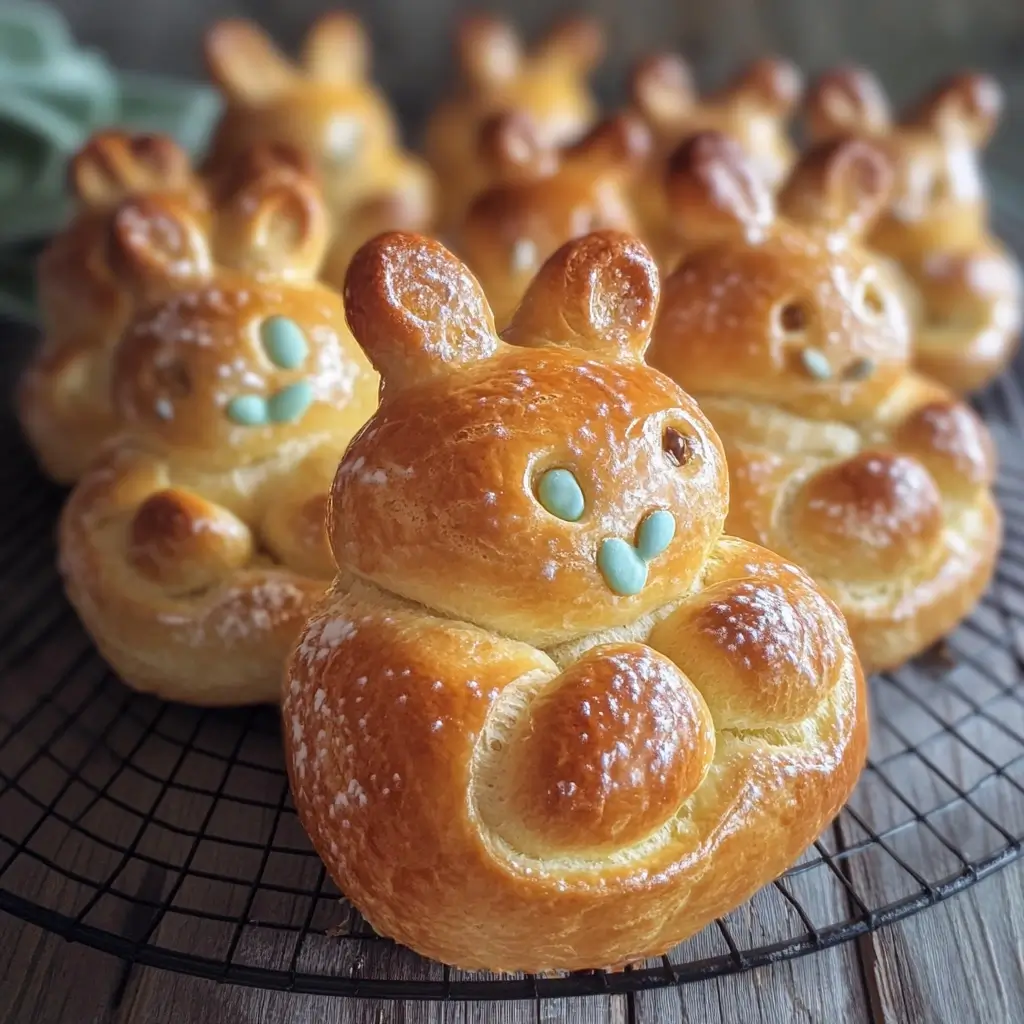

Easter mornings in our home are always filled with the sweet scent of baking and the excited chatter of children. This year, we decided to try something new – Easter Brioche Bread Bunnies, courtesy of Rosemary Molloy’s delightful recipe. Let me tell you, these weren’t just cute; they were incredibly delicious! The soft, pillowy texture of the brioche, subtly sweet and kissed with lemon zest, was simply irresistible. Even my pickiest eater devoured two! The process of making them was just as enjoyable as the eating. The kids loved helping shape the dough into bunnies, their little fingers carefully rolling and pinching to create ears and tails. The anticipation as we waited for them to rise, and then the golden-brown perfection emerging from the oven – it was pure magic. If you’re looking for a fun, festive, and utterly delicious treat to make this Easter, look no further than these adorable Brioche Bread Bunnies. They are guaranteed to be a hit with everyone, young and old, and will fill your home with the warmth and joy of homemade goodness.
Ingredients
Crafting these charming Easter Brioche Bread Bunnies starts with selecting the right ingredients. Each component plays a crucial role in achieving that signature soft, slightly sweet, and aromatic brioche texture. Let’s delve into each ingredient and understand its importance:
- 2 ½ cups All-Purpose Flour: The foundation of our bunnies, all-purpose flour provides the structure. It’s crucial to use the correct amount. Too much flour can result in dry, dense bunnies, while too little can make the dough too sticky and difficult to handle. For best results, use the “spoon and level” method when measuring your flour. Gently spoon the flour into your measuring cup and level it off with a straight edge, avoiding packing it down. This ensures accurate measurement and consistent results every time you bake. While all-purpose flour is ideal for this recipe, you can also experiment with bread flour for a slightly chewier texture, although the difference will be subtle in these delicate bunnies.
- ¼ teaspoon Salt: Salt is a seemingly small ingredient, but it plays a vital role in balancing the sweetness and enhancing the overall flavor of the brioche. It also helps to control the yeast activity and strengthen the gluten structure, contributing to a more elastic and workable dough. Don’t be tempted to skip the salt, as it’s essential for a well-rounded flavor profile in your baked goods.
- 2 ½ tablespoons Granulated Sugar: Sugar not only adds sweetness but also feeds the yeast, contributing to the rise and lightness of the brioche. Granulated sugar is preferred for its clean sweetness and consistent dissolving properties. The amount in this recipe is perfectly balanced to provide a subtle sweetness without overpowering the other flavors. You can slightly adjust the sugar if you prefer a sweeter or less sweet bunny, but keep in mind that sugar also influences the texture and browning of the bread.
- 1 Lemon Zest: Lemon zest is the secret ingredient that elevates these bunnies from simply sweet to wonderfully aromatic and refreshing. The bright, citrusy notes of lemon zest cut through the richness of the brioche, adding a delightful complexity and fragrance. Make sure to zest only the yellow part of the lemon peel, avoiding the bitter white pith underneath. Freshly zested lemon is always best for its vibrant aroma and flavor.
- 1 ½ teaspoons Active Dry Yeast: Yeast is the magic ingredient that makes these bunnies rise and become light and airy. Active dry yeast needs to be activated before being added to the dough. While this recipe directly adds it to the dry ingredients, ensure your yeast is fresh and active. You can test your yeast by dissolving a teaspoon of yeast and a teaspoon of sugar in ¼ cup of warm water. If it becomes foamy in 5-10 minutes, it’s active and ready to use. If not, it’s best to use fresh yeast.
- 1 Large Egg (Room Temperature): Eggs contribute richness, moisture, and structure to the brioche dough. Using a room temperature egg is crucial because it emulsifies more easily into the dough, creating a smoother and more homogenous mixture. Room temperature eggs also contribute to better gluten development and a lighter, fluffier final product. Take your egg out of the refrigerator about 30-45 minutes before you start baking to allow it to reach room temperature naturally.
- 2 tablespoons Butter (Softened/Salted): Butter is the key ingredient that gives brioche its signature richness, tenderness, and melt-in-your-mouth texture. Softened butter is essential for proper incorporation into the dough. It should be soft enough to easily press with your finger but not melted. Salted butter is specified in the recipe, but you can also use unsalted butter and add a pinch more salt to the dry ingredients. The fat in butter tenderizes the dough, inhibits gluten development to some extent (resulting in a softer crumb), and adds that characteristic buttery flavor we all love in brioche.
- 1 teaspoon Vanilla Extract: Vanilla extract enhances the overall flavor profile, adding a touch of warmth and depth to the sweet brioche. Use pure vanilla extract for the best flavor. Imitation vanilla can have a slightly artificial taste. A teaspoon is just the right amount to complement the lemon and buttery notes without overpowering them.
- ½ cup + ½ tablespoon Milk (Room Temperature, Whole Milk Recommended): Milk provides moisture, richness, and helps to activate the yeast. Room temperature milk is important for yeast activity and for better dough consistency. Whole milk is recommended for its higher fat content, which contributes to a richer and more flavorful brioche. However, you can use 2% milk if you prefer, although the final texture might be slightly less rich. Just like the egg, take your milk out of the refrigerator 30-45 minutes before starting to bake.
For Egg Wash:
- 1 Egg: The egg wash is brushed onto the bunnies before baking to give them a beautiful golden-brown, glossy crust.
- 1 tablespoon Water: Water is added to the egg to thin it slightly, making it easier to brush and creating a smoother, more even glaze.
Optional Decorations:
- 2 tablespoons Nonpareils (if desired): Nonpareils, or sprinkles, are a fun and festive way to decorate your Easter bunnies, especially if you’re baking with kids. They add a touch of color and whimsy. You can use any color nonpareils or even other types of sprinkles. Alternatively, you can use coarse sugar for a simpler, elegant look.
Instructions
Creating these adorable Easter Brioche Bread Bunnies is a rewarding process, step by step transforming simple ingredients into charming and delicious treats. Let’s break down each stage of the baking journey:
Step 1: Combining the Dry and Wet Ingredients
Begin by grabbing a large mixing bowl or the bowl of your stand mixer. If you’re using a stand mixer, attach the whisk attachment. First, we’ll combine all the dry ingredients. Carefully measure and add the 2 ½ cups of all-purpose flour, ¼ teaspoon of salt, 2 ½ tablespoons of granulated sugar, and the zest of one lemon to the bowl. Whisk these dry ingredients together thoroughly. This ensures that the salt and sugar are evenly distributed throughout the flour, which is important for consistent flavor and yeast activation. Next, add the 1 ½ teaspoons of active dry yeast to the dry ingredients and gently mix it in. Creating a well in the center of the dry ingredients is the next crucial step. This well will serve as a receptacle for the wet ingredients, allowing for a more gradual and controlled incorporation. Now, into this well, add the 1 large room temperature egg, 2 tablespoons of softened salted butter, 1 teaspoon of vanilla extract, and ½ cup plus ½ tablespoon of room temperature milk.
Using a fork, gently mix the wet ingredients within the well, gradually incorporating the dry ingredients from the sides. Continue mixing until the dough is almost combined, forming a shaggy mass. At this stage, don’t worry if it looks a bit messy; we’ll refine the dough in the next step.
Step 2: Kneading the Dough
Now it’s time to develop the gluten in the dough through kneading. If you’re using a stand mixer, switch to the dough hook attachment. Set the mixer to speed 2 (or low speed) and knead the dough for 7 minutes. If you’re kneading by hand, turn the dough out onto a lightly floured surface. Knead for approximately 10 minutes. As you knead, you’ll notice the dough transforming from a shaggy mass into a smooth and elastic dough. Brioche dough is known for being slightly sticky, and this recipe is no exception. Don’t be tempted to add too much extra flour, as this can make the bunnies dry. A slightly sticky dough is actually desirable for a soft and tender brioche. After kneading, the dough should be smooth, elastic, and slightly tacky to the touch. The “windowpane test” can help you determine if the gluten is sufficiently developed. Take a small piece of dough and gently stretch it thin. If you can stretch it into a translucent membrane without it tearing, the gluten is well-developed.
Step 3: First Rise (Chilling)
Form the kneaded dough into a smooth ball. Lightly flour a clean, flat surface and place the dough ball on it. Wrap the dough tightly in plastic wrap. This prevents the dough from drying out and forming a skin. Refrigerate the wrapped dough for 40 minutes. This chilling period is crucial for several reasons. First, it slows down yeast activity, allowing flavors to develop more fully. Second, it firms up the butter in the dough, making it easier to handle and shape later on. Finally, it relaxes the gluten, resulting in a more tender final product.
Step 4: Shaping the Bunnies
After chilling, remove the dough from the refrigerator. Lightly flour your work surface again. Now comes the fun part – shaping the bunnies! The recipe suggests making 7 medium-sized bunnies. To ensure consistent sizes, you can use a kitchen scale. Each bunny body will require approximately 1 ¼ ounces (38 grams) of dough, each head ½ ounce (14 grams), each pair of ears ⅓ ounce (10 grams), and each tail a tiny 2 grams. However, these weights are just guidelines. Feel free to adjust the sizes to your preference.
Shaping the Bunny Body:
- Take a piece of dough (about 1 ¼ ounces / 38 grams).
- Roll it into a long rope, approximately 10 inches (25 cm) long.
- Starting from the left, roll up the rope tightly towards the right, creating a spiral shape.
- Leave a small piece of the rope sticking out at the bottom to form the front foot of the bunny. Gently curve this piece upwards slightly.
Shaping the Bunny Head:
- Take a piece of dough (½ ounce/14 grams).
- Roll it into a smooth ball.
- Attach the head to the top of the bunny body, slightly overlapping and pressing gently to secure it.
Shaping the Bunny Ears:
- Take a piece of dough (⅓ ounce / 10 grams).
- Shape it into a small oval with a slightly pointed top.
- Using a sharp knife or bench scraper, slice down the middle of the oval about ¾ of the way, being careful not to cut all the way through. This creates two ear shapes.
- Gently shape the two pieces into pointed ears, pulling them slightly apart and upwards.
- Attach the ears to the top of the bunny head, positioning them symmetrically and pressing gently to secure them.
Shaping the Bunny Tail:
- Take a tiny piece of dough (2 grams).
- Roll it into a small, round ball.
- Attach the tail to the back of the bunny body, pressing gently to secure it.
Step 5: Second Rise (Proofing)
Line a cookie sheet or two with parchment paper. Place the shaped bunnies on the prepared baking sheet(s), leaving some space between them to allow for expansion during the second rise. Cover the baking sheet(s) loosely with plastic wrap or a clean tea towel. Place the bunnies in a warm, draft-free area to rise for approximately 1-2 hours, or until they have doubled in bulk. The rising time will depend on the warmth of your environment. A slightly warm oven (turned off) or a warm spot in your kitchen can help speed up the process. This second rise, also known as proofing, is crucial for achieving a light and airy texture in the final baked bunnies.
Step 6: Baking
Preheat your oven to 350°F (180°C). While the oven is preheating, prepare the egg wash. In a small bowl, whisk together 1 egg and 1 tablespoon of water until well combined. Once the bunnies have doubled in bulk, gently brush them all over with the egg wash using a pastry brush. Be careful not to deflate them. If desired, sprinkle the bunnies with nonpareils or coarse sugar for decoration.
Bake the bunnies for approximately 20-25 minutes, or until they are golden brown and sound hollow when tapped on the bottom. Baking time may vary depending on the size of your bunnies and your oven. It’s a good idea to check for doneness after 15 minutes. If they are browning too quickly, you can loosely tent them with foil. To ensure even baking, you can rotate the baking sheet(s) halfway through the baking time.
Step 7: Cooling and Enjoying
Once baked, immediately remove the bunnies from the oven and transfer them to a wire rack to cool completely. Cooling on a wire rack prevents the bottoms from becoming soggy. Allow the bunnies to cool completely before serving. This allows the internal structure to set and prevents them from being doughy. These Easter Brioche Bread Bunnies are best enjoyed fresh on the day they are baked, but they can also be stored in an airtight container at room temperature for up to 2 days. If you wish to reheat them, you can warm them gently in a low oven or microwave for a few seconds.
Nutrition Facts
- Servings: 7 bunnies
- Calories per serving: Approximately 260 kcal
Please note that these are approximate values and can vary depending on ingredient brands, portion sizes, and any substitutions you may make. These calorie estimations are based on the ingredients and quantities listed in the recipe. For a more precise nutritional breakdown, you can use online nutritional calculators that allow you to input specific ingredients and amounts.
Preparation Time
- Prep Time: 20 minutes
- Cook Time: 20 minutes
- Chilling & Rising Time: 2 hours
- Total Time: 2 hours 40 minutes
This total time reflects the active preparation and baking time, as well as the necessary chilling and rising periods for the dough. While the active hands-on time is relatively short (40 minutes), remember to factor in the passive time for chilling and rising when planning your baking schedule.
How to Serve
These delightful Easter Brioche Bread Bunnies are incredibly versatile and can be enjoyed in various ways. Here are some serving suggestions to spark your culinary creativity:
- Easter Brunch Centerpiece: Arrange the bunnies on a platter as a charming centerpiece for your Easter brunch table. Surround them with colorful Easter eggs, fresh fruits, and spring flowers for a festive presentation.
- Breakfast Treat: Serve them warm for breakfast with a pat of butter, a drizzle of honey, or a dollop of your favorite jam or fruit preserves. Their subtle sweetness makes them a perfect morning indulgence.
- Dessert Delight: Enjoy them as a light and satisfying dessert after your Easter dinner. Pair them with fresh berries, whipped cream, or a scoop of vanilla ice cream for a more decadent treat.
- Snack Time Fun: These bunnies make a wonderful afternoon snack, especially for children. Pack them in lunchboxes, serve them with a glass of milk, or enjoy them as a sweet treat any time of day.
- Tea Time Accompaniment: Serve them alongside a cup of tea or coffee for a delightful afternoon tea break. Their delicate flavor pairs beautifully with both black tea and herbal infusions.
- Dipped in Chocolate: For an extra special treat, dip the cooled bunnies in melted chocolate (milk, dark, or white) and sprinkle with more nonpareils or chopped nuts.
- Savory Twist (Less Sugar): While traditionally sweet, you can slightly reduce the sugar in the dough and serve them with savory accompaniments like cream cheese, smoked salmon, or even as mini sandwiches filled with ham and cheese.
- Gift Giving: These bunnies are perfect for gifting! Wrap them individually in cellophane bags tied with colorful ribbons and share them with friends, family, or neighbors as Easter treats.
Additional Tips for Perfect Brioche Bunnies
To ensure your Easter Brioche Bread Bunnies turn out perfectly every time, consider these helpful tips:
- Use Room Temperature Ingredients: As emphasized throughout the recipe, using room temperature ingredients, especially the egg and milk, is crucial for proper emulsification and yeast activity. Room temperature ingredients combine more smoothly, resulting in a better dough consistency and a lighter, fluffier final product. Take your egg and milk out of the refrigerator 30-45 minutes before you begin baking to allow them to reach room temperature naturally.
- Don’t Over-Knead or Under-Knead: Kneading is essential for developing the gluten in the dough, which provides structure and elasticity. However, both over-kneading and under-kneading can negatively impact the texture of your brioche. Knead for the recommended time (7 minutes in a stand mixer or 10 minutes by hand) until the dough is smooth and elastic. The windowpane test is a good indicator of proper gluten development.
- Ensure a Warm, Draft-Free Rising Environment: Yeast thrives in warm environments. For the dough to rise properly, it needs a warm, draft-free place. A slightly warm oven (turned off), a sunny spot in your kitchen, or even a proofing box can provide the ideal conditions. Avoid placing the dough in a cold or drafty area, as this will significantly slow down the rising process.
- Don’t Over-Proof: While allowing the dough to double in bulk during the second rise is essential, be careful not to over-proof it. Over-proofed dough can collapse during baking and result in dense, flat bunnies. Keep an eye on the dough during the second rise. It’s ready to bake when it has doubled in size and is slightly puffy and soft to the touch. Gently poke the dough; if the indentation slowly springs back, it’s perfectly proofed. If it deflates easily, it’s likely over-proofed.
- Bake to Golden Perfection: Bake the bunnies until they are a beautiful golden brown color. This indicates that they are fully cooked through and have developed a delicious crust. Use a toothpick or cake tester to check for doneness. Insert it into the center of a bunny; if it comes out clean, the bunnies are done. If the tops are browning too quickly, you can loosely tent them with foil to prevent over-browning while ensuring the inside cooks through.
Frequently Asked Questions (FAQ) – Ingredients
Q1: Can I use bread flour instead of all-purpose flour?
A: Yes, you can substitute bread flour for all-purpose flour in this recipe. Bread flour has a higher protein content, which will result in slightly chewier bunnies. The difference will be subtle, but if you prefer a slightly more substantial texture, bread flour is a good option. For a classic, tender brioche bunny, all-purpose flour is typically preferred.
Q2: Can I use unsalted butter instead of salted butter?
A: Yes, you can use unsalted butter. If you choose to use unsalted butter, simply add an extra pinch of salt (about ⅛ teaspoon) to the dry ingredients to compensate for the salt that would have been in the salted butter. Using salted butter is convenient and provides a balanced flavor, but unsalted butter gives you more control over the salt content, especially if you are watching your sodium intake.
Q3: Can I use margarine or oil instead of butter?
A: While you can technically substitute margarine or oil for butter, it’s not recommended for brioche. Butter is a key ingredient that contributes to the signature richness, flavor, and tender texture of brioche. Margarine and oil will alter the flavor and texture, resulting in a less authentic brioche. For the best results, stick with butter.
Q4: Can I use instant yeast instead of active dry yeast?
A: Yes, you can use instant yeast (also known as rapid rise yeast) as a direct substitute for active dry yeast in this recipe. The main difference is that instant yeast doesn’t need to be activated in water before being added to the dry ingredients. You can simply add the instant yeast directly to the dry ingredients along with the other ingredients. The rising times should be similar for both types of yeast.
Q5: Can I use milk alternatives like almond milk or soy milk?
A: Yes, you can use milk alternatives like almond milk, soy milk, or oat milk in this recipe. While whole milk is recommended for its richness and fat content, milk alternatives will still work and provide the necessary moisture. Keep in mind that using milk alternatives may slightly alter the flavor and texture of the final bunnies. For the richest flavor and texture, whole milk is still the best choice, but milk alternatives are suitable for those with dietary restrictions or preferences.
Print
Easter Brioche Bread Bunnies Recipe
Ingredients
- 2 ½ cups All-Purpose Flour: The foundation of our bunnies, all-purpose flour provides the structure. It’s crucial to use the correct amount. Too much flour can result in dry, dense bunnies, while too little can make the dough too sticky and difficult to handle. For best results, use the “spoon and level” method when measuring your flour. Gently spoon the flour into your measuring cup and level it off with a straight edge, avoiding packing it down. This ensures accurate measurement and consistent results every time you bake. While all-purpose flour is ideal for this recipe, you can also experiment with bread flour for a slightly chewier texture, although the difference will be subtle in these delicate bunnies.
- ¼ teaspoon Salt: Salt is a seemingly small ingredient, but it plays a vital role in balancing the sweetness and enhancing the overall flavor of the brioche. It also helps to control the yeast activity and strengthen the gluten structure, contributing to a more elastic and workable dough. Don’t be tempted to skip the salt, as it’s essential for a well-rounded flavor profile in your baked goods.
- 2 ½ tablespoons Granulated Sugar: Sugar not only adds sweetness but also feeds the yeast, contributing to the rise and lightness of the brioche. Granulated sugar is preferred for its clean sweetness and consistent dissolving properties. The amount in this recipe is perfectly balanced to provide a subtle sweetness without overpowering the other flavors. You can slightly adjust the sugar if you prefer a sweeter or less sweet bunny, but keep in mind that sugar also influences the texture and browning of the bread.
- 1 Lemon Zest: Lemon zest is the secret ingredient that elevates these bunnies from simply sweet to wonderfully aromatic and refreshing. The bright, citrusy notes of lemon zest cut through the richness of the brioche, adding a delightful complexity and fragrance. Make sure to zest only the yellow part of the lemon peel, avoiding the bitter white pith underneath. Freshly zested lemon is always best for its vibrant aroma and flavor.
- 1 ½ teaspoons Active Dry Yeast: Yeast is the magic ingredient that makes these bunnies rise and become light and airy. Active dry yeast needs to be activated before being added to the dough. While this recipe directly adds it to the dry ingredients, ensure your yeast is fresh and active. You can test your yeast by dissolving a teaspoon of yeast and a teaspoon of sugar in ¼ cup of warm water. If it becomes foamy in 5-10 minutes, it’s active and ready to use. If not, it’s best to use fresh yeast.
- 1 Large Egg (Room Temperature): Eggs contribute richness, moisture, and structure to the brioche dough. Using a room temperature egg is crucial because it emulsifies more easily into the dough, creating a smoother and more homogenous mixture. Room temperature eggs also contribute to better gluten development and a lighter, fluffier final product. Take your egg out of the refrigerator about 30-45 minutes before you start baking to allow it to reach room temperature naturally.
- 2 tablespoons Butter (Softened/Salted): Butter is the key ingredient that gives brioche its signature richness, tenderness, and melt-in-your-mouth texture. Softened butter is essential for proper incorporation into the dough. It should be soft enough to easily press with your finger but not melted. Salted butter is specified in the recipe, but you can also use unsalted butter and add a pinch more salt to the dry ingredients. The fat in butter tenderizes the dough, inhibits gluten development to some extent (resulting in a softer crumb), and adds that characteristic buttery flavor we all love in brioche.
- 1 teaspoon Vanilla Extract: Vanilla extract enhances the overall flavor profile, adding a touch of warmth and depth to the sweet brioche. Use pure vanilla extract for the best flavor. Imitation vanilla can have a slightly artificial taste. A teaspoon is just the right amount to complement the lemon and buttery notes without overpowering them.
- ½ cup + ½ tablespoon Milk (Room Temperature, Whole Milk Recommended): Milk provides moisture, richness, and helps to activate the yeast. Room temperature milk is important for yeast activity and for better dough consistency. Whole milk is recommended for its higher fat content, which contributes to a richer and more flavorful brioche. However, you can use 2% milk if you prefer, although the final texture might be slightly less rich. Just like the egg, take your milk out of the refrigerator 30-45 minutes before starting to bake.
For Egg Wash:
- 1 Egg: The egg wash is brushed onto the bunnies before baking to give them a beautiful golden-brown, glossy crust.
- 1 tablespoon Water: Water is added to the egg to thin it slightly, making it easier to brush and creating a smoother, more even glaze.
Optional Decorations:
- 2 tablespoons Nonpareils (if desired): Nonpareils, or sprinkles, are a fun and festive way to decorate your Easter bunnies, especially if you’re baking with kids. They add a touch of color and whimsy. You can use any color nonpareils or even other types of sprinkles. Alternatively, you can use coarse sugar for a simpler, elegant look.
Instructions
Step 1: Combining the Dry and Wet Ingredients
Begin by grabbing a large mixing bowl or the bowl of your stand mixer. If you’re using a stand mixer, attach the whisk attachment. First, we’ll combine all the dry ingredients. Carefully measure and add the 2 ½ cups of all-purpose flour, ¼ teaspoon of salt, 2 ½ tablespoons of granulated sugar, and the zest of one lemon to the bowl. Whisk these dry ingredients together thoroughly. This ensures that the salt and sugar are evenly distributed throughout the flour, which is important for consistent flavor and yeast activation. Next, add the 1 ½ teaspoons of active dry yeast to the dry ingredients and gently mix it in. Creating a well in the center of the dry ingredients is the next crucial step. This well will serve as a receptacle for the wet ingredients, allowing for a more gradual and controlled incorporation. Now, into this well, add the 1 large room temperature egg, 2 tablespoons of softened salted butter, 1 teaspoon of vanilla extract, and ½ cup plus ½ tablespoon of room temperature milk.
Using a fork, gently mix the wet ingredients within the well, gradually incorporating the dry ingredients from the sides. Continue mixing until the dough is almost combined, forming a shaggy mass. At this stage, don’t worry if it looks a bit messy; we’ll refine the dough in the next step.
Step 2: Kneading the Dough
Now it’s time to develop the gluten in the dough through kneading. If you’re using a stand mixer, switch to the dough hook attachment. Set the mixer to speed 2 (or low speed) and knead the dough for 7 minutes. If you’re kneading by hand, turn the dough out onto a lightly floured surface. Knead for approximately 10 minutes. As you knead, you’ll notice the dough transforming from a shaggy mass into a smooth and elastic dough. Brioche dough is known for being slightly sticky, and this recipe is no exception. Don’t be tempted to add too much extra flour, as this can make the bunnies dry. A slightly sticky dough is actually desirable for a soft and tender brioche. After kneading, the dough should be smooth, elastic, and slightly tacky to the touch. The “windowpane test” can help you determine if the gluten is sufficiently developed. Take a small piece of dough and gently stretch it thin. If you can stretch it into a translucent membrane without it tearing, the gluten is well-developed.
Step 3: First Rise (Chilling)
Form the kneaded dough into a smooth ball. Lightly flour a clean, flat surface and place the dough ball on it. Wrap the dough tightly in plastic wrap. This prevents the dough from drying out and forming a skin. Refrigerate the wrapped dough for 40 minutes. This chilling period is crucial for several reasons. First, it slows down yeast activity, allowing flavors to develop more fully. Second, it firms up the butter in the dough, making it easier to handle and shape later on. Finally, it relaxes the gluten, resulting in a more tender final product.
Step 4: Shaping the Bunnies
After chilling, remove the dough from the refrigerator. Lightly flour your work surface again. Now comes the fun part – shaping the bunnies! The recipe suggests making 7 medium-sized bunnies. To ensure consistent sizes, you can use a kitchen scale. Each bunny body will require approximately 1 ¼ ounces (38 grams) of dough, each head ½ ounce (14 grams), each pair of ears ⅓ ounce (10 grams), and each tail a tiny 2 grams. However, these weights are just guidelines. Feel free to adjust the sizes to your preference.
Shaping the Bunny Body:
- Take a piece of dough (about 1 ¼ ounces / 38 grams).
- Roll it into a long rope, approximately 10 inches (25 cm) long.
- Starting from the left, roll up the rope tightly towards the right, creating a spiral shape.
- Leave a small piece of the rope sticking out at the bottom to form the front foot of the bunny. Gently curve this piece upwards slightly.
Shaping the Bunny Head:
- Take a piece of dough (½ ounce/14 grams).
- Roll it into a smooth ball.
- Attach the head to the top of the bunny body, slightly overlapping and pressing gently to secure it.
Shaping the Bunny Ears:
- Take a piece of dough (⅓ ounce / 10 grams).
- Shape it into a small oval with a slightly pointed top.
- Using a sharp knife or bench scraper, slice down the middle of the oval about ¾ of the way, being careful not to cut all the way through. This creates two ear shapes.
- Gently shape the two pieces into pointed ears, pulling them slightly apart and upwards.
- Attach the ears to the top of the bunny head, positioning them symmetrically and pressing gently to secure them.
Shaping the Bunny Tail:
- Take a tiny piece of dough (2 grams).
- Roll it into a small, round ball.
- Attach the tail to the back of the bunny body, pressing gently to secure it.
Step 5: Second Rise (Proofing)
Line a cookie sheet or two with parchment paper. Place the shaped bunnies on the prepared baking sheet(s), leaving some space between them to allow for expansion during the second rise. Cover the baking sheet(s) loosely with plastic wrap or a clean tea towel. Place the bunnies in a warm, draft-free area to rise for approximately 1-2 hours, or until they have doubled in bulk. The rising time will depend on the warmth of your environment. A slightly warm oven (turned off) or a warm spot in your kitchen can help speed up the process. This second rise, also known as proofing, is crucial for achieving a light and airy texture in the final baked bunnies.
Step 6: Baking
Preheat your oven to 350°F (180°C). While the oven is preheating, prepare the egg wash. In a small bowl, whisk together 1 egg and 1 tablespoon of water until well combined. Once the bunnies have doubled in bulk, gently brush them all over with the egg wash using a pastry brush. Be careful not to deflate them. If desired, sprinkle the bunnies with nonpareils or coarse sugar for decoration.
Bake the bunnies for approximately 20-25 minutes, or until they are golden brown and sound hollow when tapped on the bottom. Baking time may vary depending on the size of your bunnies and your oven. It’s a good idea to check for doneness after 15 minutes. If they are browning too quickly, you can loosely tent them with foil. To ensure even baking, you can rotate the baking sheet(s) halfway through the baking time.
Step 7: Cooling and Enjoying
Once baked, immediately remove the bunnies from the oven and transfer them to a wire rack to cool completely. Cooling on a wire rack prevents the bottoms from becoming soggy. Allow the bunnies to cool completely before serving. This allows the internal structure to set and prevents them from being doughy. These Easter Brioche Bread Bunnies are best enjoyed fresh on the day they are baked, but they can also be stored in an airtight container at room temperature for up to 2 days. If you wish to reheat them, you can warm them gently in a low oven or microwave for a few seconds.
Nutrition
- Serving Size: One Normal Portion
- Calories: 260 kcal