
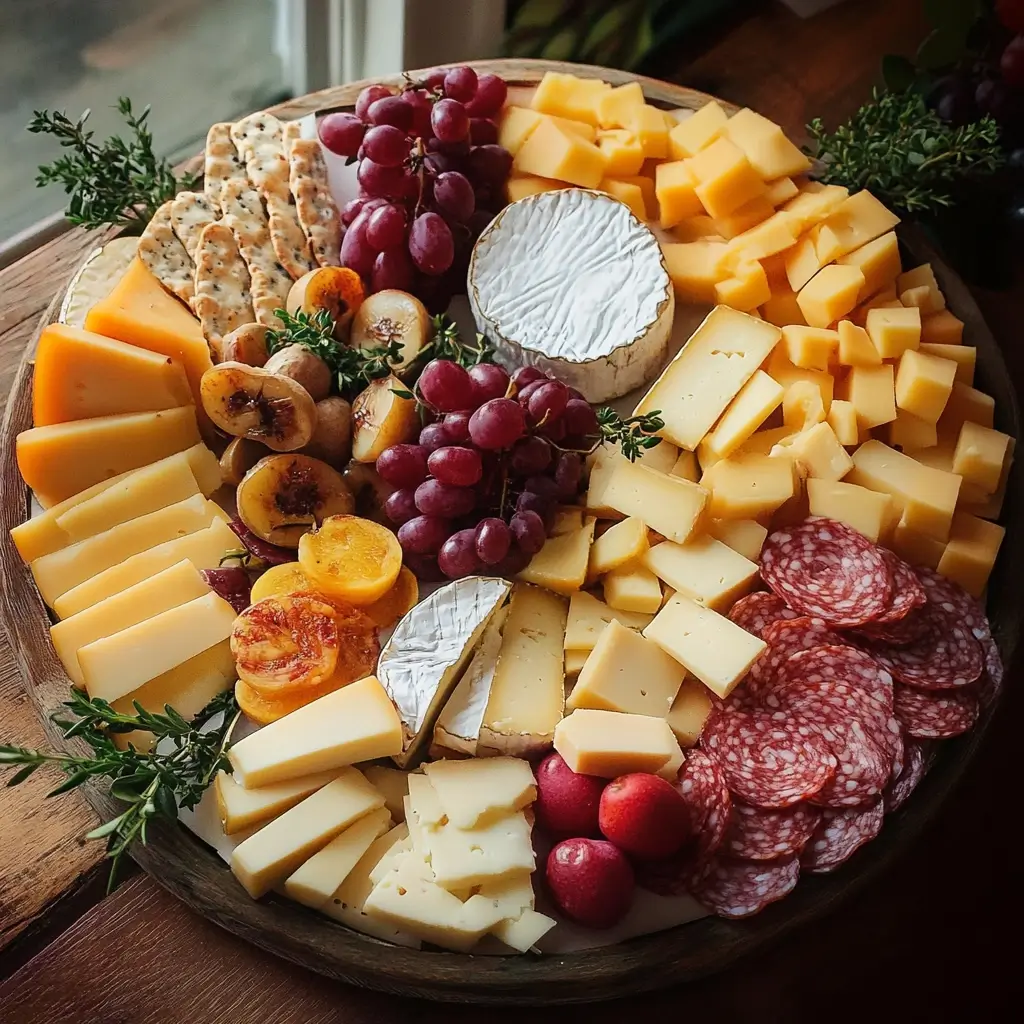

Easter at our home is always a vibrant affair, filled with the joyous chatter of family, the delightful aroma of roasting lamb, and a table laden with springtime treats. But amidst all the hustle and bustle, there’s one element that consistently draws gasps of admiration and sets a tone of relaxed elegance right from the start – a beautifully curated cheese platter. This year, I decided to elevate our usual spread with a cheese board designed specifically for Easter, incorporating fresh, seasonal flavors and a touch of springtime whimsy. The result? An absolute triumph! From my youngest niece who declared the brie “like eating clouds,” to my father, a self-proclaimed cheese connoisseur, who meticulously sampled each offering with a satisfied nod, the cheese platter was a resounding success. It wasn’t just delicious; it was an experience, a conversation starter, and a stunning centerpiece that perfectly captured the spirit of Easter. This recipe isn’t just about throwing cheese on a board; it’s about crafting a culinary landscape that celebrates the season and delights every palate. Let me share the secrets to creating your own unforgettable Easter cheese platter, guaranteed to impress your guests and become a cherished tradition for years to come.
Ingredients: The Building Blocks of Flavor and Texture
Creating a truly exceptional cheese platter is akin to composing a culinary masterpiece. Each ingredient plays a vital role, contributing to the overall symphony of flavors, textures, and visual appeal. Let’s delve into the essential components, ensuring you have everything you need to construct a cheese board that will captivate your Easter gathering.
The Star Attraction: A Curated Selection of Cheeses
The cheese itself is, undeniably, the heart and soul of your platter. Variety is key here. Aim for a selection that offers a range of textures, flavors, and milk types to cater to diverse preferences and create a more interesting tasting experience. For an Easter-themed platter, consider these categories and specific cheese suggestions:
- Brie (Soft & Creamy): This classic French cheese is a crowd-pleaser for a reason. Its buttery, rich flavor and incredibly smooth texture make it a delightful starting point. For Easter, consider a brie en croute (baked brie in pastry) for an extra touch of elegance or a brie with herbs and flowers for a springtime flair. Look for a double or triple cream brie for extra indulgence.
- Cheddar (Firm & Familiar): A good cheddar provides a comforting and recognizable element. Choose a sharp or extra-sharp cheddar for a bolder flavor that cuts through the richness of other cheeses. Consider an aged white cheddar for a more sophisticated profile or a cheddar infused with flavors like applewood smoked for added complexity. A visually appealing block of cheddar adds structure to the platter.
- Gouda (Semi-Hard & Nutty): Gouda, with its smooth, slightly nutty flavor, offers a wonderful middle ground. An aged Gouda, with its crystalline texture and caramel notes, brings depth and complexity. Alternatively, a smoked Gouda can introduce a savory dimension that complements other elements on the board. Baby Gouda wheels are charming and easy to portion.
- Blue Cheese (Bold & Tangy): For those who appreciate a more adventurous flavor, a blue cheese is a must. Consider a creamy Gorgonzola Dolce from Italy for a milder blue, or a Roquefort from France for a sharper, more pungent experience. A Stilton from England offers a rich, crumbly texture and complex blue cheese notes. Blue cheese adds a necessary contrast and excitement to the platter.
- Goat Cheese (Tangy & Fresh): Goat cheese introduces a bright, tangy flavor that perfectly embodies the freshness of spring. A soft, fresh goat cheese log is versatile and can be rolled in herbs, nuts, or dried cranberries for added visual appeal and flavor complexity. Alternatively, a firmer, aged goat cheese offers a more intense, earthy profile. Consider a Valencay (pyramid-shaped) for visual interest.
- Optional Cheeses to Consider for Variety:
- Havarti: Mild, creamy, and versatile, a good option for those who prefer less assertive cheeses.
- Gruyere: Nutty, slightly sweet, and complex, perfect for adding depth of flavor.
- Manchego: A Spanish sheep’s milk cheese with a firm texture and nutty, slightly tangy flavor.
- Pecorino Romano: A sharp, salty Italian sheep’s milk cheese, adds a strong, savory element.
Quantity: Aim for approximately 2-3 ounces of cheese per person as an appetizer. If the cheese platter is intended to be a more substantial part of the meal, increase this to 4-5 ounces per person.
The Supporting Cast: Crackers, Breads, and Vessels
Crackers and breads serve as the vehicles for enjoying your cheeses. Just like with cheeses, variety is key here to provide different textures and flavor profiles that complement the cheeses without overpowering them.
- Neutral Crackers: Water crackers, plain baguette slices, and table crackers are essential for allowing the cheese flavors to shine through. These act as a blank canvas.
- Flavored Crackers: Consider including some crackers with subtle flavors like rosemary, olive oil, or black pepper to add a touch of interest. Avoid overly flavored crackers that might clash with the cheeses.
- Breadsticks and Grissini: These add a different texture and visual element. Breadsticks can be plain or flavored, and grissini (thin, crispy breadsticks) offer a delicate crunch.
- Baguette Slices (Toasted or Fresh): A sliced baguette, toasted or served fresh, provides a heartier option and is excellent with softer cheeses like brie and goat cheese. Consider grilling or brushing with olive oil and herbs before toasting.
- Fruit and Nut Breads (Optional): For a sweeter touch, slices of fig and walnut bread, or cranberry and pecan bread can be included, particularly if serving stronger cheeses like blue cheese.
Quantity: Provide a generous amount of crackers and breads, ensuring there’s plenty for everyone to enjoy with their cheese selections.
Sweet and Savory Companions: Fruits, Nuts, and Accoutrements
These accompaniments are crucial for adding balance, contrast, and visual appeal to your cheese platter. They cleanse the palate, enhance flavors, and offer textural variety.
- Fresh Fruits:
- Grapes: Red and green grapes offer sweetness and juicy texture.
- Figs: Fresh figs (if in season) or dried figs bring a unique sweetness and slightly chewy texture.
- Berries: Strawberries, raspberries, and blueberries add vibrant color and fresh, tart notes that complement many cheeses, especially brie and goat cheese. For Easter, consider pastel-colored berries.
- Apples and Pears: Sliced apples and pears (such as Honeycrisp or Bosc) provide a crisp texture and subtle sweetness. Brush with lemon juice to prevent browning.
- Stone Fruits (Seasonal): Peaches, nectarines, or plums, if in season, can add a summery touch and pair well with softer cheeses.
- Dried Fruits:
- Apricots: Dried apricots offer a chewy texture and concentrated sweetness.
- Cranberries: Dried cranberries add a tart-sweet element and vibrant color.
- Dates: Medjool dates are particularly delicious, offering a caramel-like sweetness and soft texture.
- Nuts:
- Walnuts: Walnuts provide a rich, earthy flavor that pairs well with blue cheese and cheddar.
- Almonds: Almonds offer a mild, slightly sweet flavor and satisfying crunch. Consider roasted or Marcona almonds.
- Pecans: Pecans bring a buttery, sweet flavor that complements brie and Gouda.
- Pistachios: Pistachios add vibrant green color and a slightly sweet, nutty flavor.
- Sweet Accoutrements:
- Honey: A drizzle of honey adds sweetness and pairs beautifully with blue cheese, goat cheese, and brie. Consider a local wildflower honey or a truffle-infused honey for extra sophistication.
- Jams and Preserves: Fig jam, apricot jam, or cherry preserves offer concentrated fruit flavor and sweetness. Pair fig jam with goat cheese, apricot jam with brie, and cherry preserves with cheddar.
- Fruit Chutneys: Mango chutney or apple chutney can add a more complex sweet-savory element.
- Savory Accoutrements:
- Olives: Mixed olives, Kalamata olives, or Castelvetrano olives offer a salty, briny counterpoint to the richness of the cheese.
- Pickles and Cornichons: Pickled vegetables like cornichons (tiny French pickles) or gherkins add acidity and crunch that cut through the richness of cheese and cleanse the palate.
- Cured Meats (Optional): While not strictly vegetarian, thinly sliced prosciutto, salami, or chorizo can add a savory dimension for meat-eaters. For a vegetarian platter, omit these or offer vegetarian charcuterie alternatives.
- Roasted Red Peppers or Artichoke Hearts: These add a savory, slightly sweet, and tender element.
- Mustards: Dijon mustard or whole-grain mustard can offer a spicy, tangy kick.
Quantity: Provide a generous selection of accompaniments, ensuring a balance of sweet and savory, and enough variety to complement each cheese type.
Instructions: Assembling Your Easter Cheese Platter Masterpiece
Creating a visually stunning and delicious cheese platter is easier than you might think. Follow these step-by-step instructions to assemble your Easter centerpiece:
- Cheese Preparation: Remove cheeses from the refrigerator at least 30-60 minutes before serving to allow them to come to room temperature. This is crucial for optimal flavor and texture. While the cheeses are warming, prepare your cutting board or platter and gather all your ingredients.
- Platter Base Selection: Choose a beautiful platter or cutting board as your base. Wooden boards, slate boards, marble platters, or even large ceramic plates work well. Consider the size of your gathering and the amount of cheese and accompaniments you plan to include when selecting your platter. For a larger gathering, you might use multiple smaller platters to create a visually abundant spread.
- Cheese Placement: The Anchors of Your Platter: Begin by placing your cheeses on the platter. Arrange them strategically, spacing them out to create visual interest and allow room for accompaniments. Consider placing larger, firmer cheeses like cheddar and Gouda as anchors, and then arranging softer cheeses like brie and goat cheese around them. Think about varying shapes and heights. For example, a wedge of cheddar, a round of brie, and a log of goat cheese offer visual diversity. If using multiple platters, distribute the cheese types across them for variety on each board.
- Crackers and Breads: Surrounding the Stars: Arrange crackers and breads around the cheeses. Group similar items together. Place neutral crackers near bolder cheeses and flavored crackers near milder cheeses. Consider placing some crackers directly on the platter and others in small baskets or bowls alongside the platter for easier access and visual variation. Fan out some crackers or arrange them in stacks for visual appeal. If using baguette slices, consider toasting some and leaving others fresh for textural contrast.
- Fruits and Nuts: Filling the Gaps with Color and Texture: Begin filling in the gaps between cheeses and crackers with fruits and nuts. Group similar fruits together, creating small mounds or rows. Arrange grapes in clusters, slice apples and pears thinly and fan them out, and scatter berries for pops of color. Place nuts in small bowls or scatter them artfully around the platter. Think about color contrast – placing vibrant berries next to a pale cheese, for example. Use fruits and nuts to create visual pathways and draw the eye across the platter.
- Sweet and Savory Accoutrements: Adding the Finishing Touches: Place small bowls of jams, preserves, honey, and mustards strategically around the platter. Drizzle honey over brie or goat cheese just before serving for an elegant touch. Arrange olives, pickles, and cured meats (if using) in small groups or bowls to add savory elements and contrasting textures. Cornichons can be scattered for a delicate, whimsical touch. Consider using small spoons or cheese knives with each bowl of spreadable accompaniment.
- Garnishes: Elevating the Visual Appeal: For an extra touch of elegance and springtime flair, garnish your platter with fresh herbs like rosemary, thyme, or edible flowers. Small sprigs of rosemary or thyme can be tucked between cheeses or crackers. Edible flowers, like pansies or violets, can be scattered for a beautiful Easter touch. A light drizzle of balsamic glaze over aged cheddar or Parmesan can add a sophisticated visual and flavor element.
- Final Check and Presentation: Take a step back and assess your platter. Ensure it is visually balanced, with a good mix of colors, textures, and heights. Make sure all elements are easily accessible to guests. Provide cheese knives and spreaders for each cheese type, and small spoons or forks for accompaniments. Consider adding small cheese markers or labels if you have a particularly diverse selection to help guests identify each cheese. Place your completed cheese platter in a prominent location where guests can easily access and enjoy it.
Nutrition Facts (Estimated)
(Disclaimer: Nutritional information is an estimate and can vary significantly based on specific cheese choices, accompaniments, and serving sizes. This is intended as a general guideline only.)
- Serving Size: Appetizer portion (approximately 1-2 ounces of cheese, plus accompaniments).
- Calories per Serving (Estimated): 250-450 calories (depending on cheese types and quantity of accompaniments).
Approximate Macronutrient Breakdown (per serving, estimated and highly variable):
- Fat: 15-30 grams (primarily from cheese and nuts)
- Protein: 10-20 grams (primarily from cheese)
- Carbohydrates: 10-30 grams (primarily from crackers, fruits, and jams)
Important Notes:
- Cheese platters can be a source of healthy fats and protein, particularly from cheese and nuts.
- The calorie and fat content can vary significantly depending on the types of cheese chosen (e.g., brie and blue cheese are typically higher in fat than cheddar or Gouda).
- Crackers, breads, jams, and dried fruits contribute carbohydrates and calories.
- Portion control is key, especially if you are watching your calorie intake. Enjoy in moderation as part of a balanced Easter meal.
Preparation Time
- Active Preparation Time: 30-45 minutes (including cheese cutting, fruit slicing, and platter assembly).
- Total Time (including cheese warming): 1 hour – 1 hour 15 minutes.
Tips for Time Management:
- Shop Ahead: Purchase your cheeses and accompaniments 1-2 days in advance.
- Pre-Cut Cheeses (Partially): Some cheeses, like cheddar or Gouda, can be pre-cut into blocks or wedges the day before and stored in airtight containers in the refrigerator. Softer cheeses are best cut closer to serving time.
- Wash and Prep Fruits: Wash and dry fruits ahead of time. Berries can be washed and stored in the refrigerator. Apples and pears can be sliced shortly before serving to prevent browning (or tossed with lemon juice).
- Assemble in Stages: You can arrange the cheeses and crackers on the platter a few hours ahead of time and cover loosely with plastic wrap. Add fruits and other fresh accompaniments closer to serving time to maintain their freshness and visual appeal.
How to Serve Your Easter Cheese Platter
- Serve at Room Temperature: Ensure cheeses are served at room temperature for optimal flavor and texture. Remove them from the refrigerator 30-60 minutes before serving.
- Timing: Present the cheese platter as an appetizer before your Easter meal, or as part of a brunch or afternoon gathering. It’s a perfect way to welcome guests and encourage mingling.
- Provide Cheese Knives and Spreaders: Offer a dedicated cheese knife for each cheese type to prevent flavor mixing. Include small spreaders for soft cheeses, jams, and honey.
- Offer Small Plates and Napkins: Provide guests with small plates and napkins for easy serving and enjoyment.
- Drink Pairings:
- Wine: Offer a selection of wines that complement cheese. White wines like Sauvignon Blanc or Pinot Grigio pair well with goat cheese and brie. Rosé wines are versatile and pair nicely with a variety of cheeses. Light-bodied red wines like Pinot Noir can complement milder cheeses like Gouda and cheddar. For bolder blue cheeses, consider a richer red wine like Port or a dessert wine like Sauternes.
- Beer: Light ales and IPAs can pair well with cheddar and Gouda. Stouts and porters can complement richer cheeses like blue cheese and aged Gouda.
- Non-Alcoholic: Sparkling cider, grape juice, iced tea, or flavored sparkling water are refreshing non-alcoholic options.
- Bread Basket: Consider offering a separate bread basket with a variety of bread types alongside the cheese platter for guests who prefer bread over crackers.
- Dessert Transition: A cheese platter can also serve as a delightful transition from savory courses to dessert, offering a lighter and more sophisticated option than heavy desserts.
- Easter Theme Touches: Incorporate Easter-themed decorations around the platter, such as pastel-colored napkins, small Easter eggs scattered around (non-edible, for decoration only), or spring flowers.
Additional Tips for Cheese Platter Perfection
- Tip 1: Embrace Seasonal Flavors: For an Easter-themed platter, highlight springtime flavors. Incorporate seasonal fruits like strawberries, raspberries, and early stone fruits. Use fresh herbs like chives, dill, and parsley. Consider goat cheese with honey and lavender for a floral touch.
- Tip 2: Consider Dietary Needs: Be mindful of your guests’ dietary restrictions. Offer gluten-free crackers or vegetables for dipping for gluten-sensitive guests. Clearly label cheeses and accompaniments that are vegetarian or vegan. Provide nut-free options if you know guests have nut allergies. A simple cheese platter can be adapted to be inclusive for everyone.
- Tip 3: Don’t Overcrowd the Platter: While abundance is visually appealing, avoid overcrowding the platter. Leave some space between items so guests can easily see and access everything. If you have a large gathering, use multiple platters or replenish items as needed. Overcrowding can make it difficult for guests to navigate and can diminish the visual appeal.
- Tip 4: Prepare Some Components Ahead: Save time by preparing some elements in advance. Wash and slice fruits, portion out nuts, and arrange crackers on a separate tray. Cheeses can be cut into larger portions and stored in airtight containers. Assemble the final platter closer to serving time for optimal freshness.
- Tip 5: Offer Cheese Markers or Labels: If you have a diverse cheese selection, consider using small cheese markers or labels to identify each cheese type for your guests. This is especially helpful if you are serving less common cheeses. You can use small chalkboard labels, wooden picks with handwritten names, or pre-printed cheese markers.
FAQ: Your Cheese Platter Questions Answered
- Q1: How much cheese should I buy per person for a cheese platter appetizer? A: As a general guideline, plan for approximately 1-2 ounces of cheese per person if the cheese platter is served as an appetizer before a meal. If it’s intended to be a more substantial part of the meal or a main course, increase this to 4-5 ounces per person. Consider the number of guests, the duration of the event, and whether other appetizers are being served. It’s always better to have slightly more than not enough, especially if guests are cheese enthusiasts!
- Q2: How do I store leftover cheese from a cheese platter? A: Proper storage is key to keeping leftover cheese fresh. Wrap each cheese type separately in cheese paper, parchment paper, or plastic wrap. Store different cheese types in separate airtight containers to prevent flavor transfer and moisture loss. Hard cheeses like cheddar and Gouda will last longer in the refrigerator (up to 2-3 weeks) than soft cheeses like brie and goat cheese (up to 1 week). Blue cheeses should also be wrapped tightly and stored separately due to their strong aroma. Discard any cheese that shows signs of spoilage, such as mold (beyond the natural mold of blue cheese), off-odors, or changes in texture.
- Q3: Can I assemble a cheese platter the day before Easter? A: You can prepare some components of a cheese platter the day before, but full assembly is best done closer to serving time for optimal freshness, especially for soft cheeses and fruits. You can pre-cut firmer cheeses like cheddar and Gouda and store them in airtight containers. Crackers and nuts can be arranged on a separate tray. Wash and prep fruits in advance, but slice apples and pears just before serving or toss them with lemon juice to prevent browning. Assemble the cheeses and crackers on the platter a few hours before serving and cover loosely with plastic wrap. Add fresh fruits, soft cheeses, and other delicate accompaniments closer to serving time to maintain their quality and visual appeal.
- Q4: What are some good cheese and wine pairings for an Easter cheese platter? A: Here are some classic cheese and wine pairings for your Easter platter:
- Brie: Sauvignon Blanc, Chardonnay (unoaked), Rosé, Pinot Noir (light-bodied).
- Cheddar: Cabernet Sauvignon, Merlot, Pinot Noir, IPA (India Pale Ale).
- Gouda: Riesling (off-dry), Pinot Grigio, Merlot, Brown Ale.
- Blue Cheese: Port wine, Sauternes, Riesling (sweet), Stout.
- Goat Cheese: Sauvignon Blanc, Pinot Grigio, Rosé, Sparkling Wine.
- Q5: How can I make my cheese platter more visually appealing and Easter-themed?A: Enhance the visual appeal of your Easter cheese platter with these tips:
- Color Contrast: Use a variety of colorful cheeses, fruits, and accompaniments to create visual interest. Incorporate pastel colors for an Easter theme – pastel-colored berries, edible flowers, or pastel-colored serving dishes.
- Texture Variety: Include items with different textures – creamy cheeses, crunchy crackers, smooth fruits, and crisp nuts.
- Height and Dimension: Use different heights and shapes when arranging your platter. Stack crackers, place cheeses on small risers or bowls, and use tall breadsticks to add dimension.
- Garnishes: Garnish with fresh herbs, edible flowers, and a drizzle of honey or balsamic glaze for an elegant touch.
- Easter Decorations: Incorporate subtle Easter-themed decorations around the platter, such as pastel-colored napkins, small decorative Easter eggs (non-edible), spring flowers, or bunny-shaped cheese cutters (for a whimsical touch). Arrange everything artfully and thoughtfully to create a beautiful and inviting centerpiece for your Easter celebration.

Easter Cheese Platter
Ingredients
- Brie (Soft & Creamy): This classic French cheese is a crowd-pleaser for a reason. Its buttery, rich flavor and incredibly smooth texture make it a delightful starting point. For Easter, consider a brie en croute (baked brie in pastry) for an extra touch of elegance or a brie with herbs and flowers for a springtime flair. Look for a double or triple cream brie for extra indulgence.
- Cheddar (Firm & Familiar): A good cheddar provides a comforting and recognizable element. Choose a sharp or extra-sharp cheddar for a bolder flavor that cuts through the richness of other cheeses. Consider an aged white cheddar for a more sophisticated profile or a cheddar infused with flavors like applewood smoked for added complexity. A visually appealing block of cheddar adds structure to the platter.
- Gouda (Semi-Hard & Nutty): Gouda, with its smooth, slightly nutty flavor, offers a wonderful middle ground. An aged Gouda, with its crystalline texture and caramel notes, brings depth and complexity. Alternatively, a smoked Gouda can introduce a savory dimension that complements other elements on the board. Baby Gouda wheels are charming and easy to portion.
- Blue Cheese (Bold & Tangy): For those who appreciate a more adventurous flavor, a blue cheese is a must. Consider a creamy Gorgonzola Dolce from Italy for a milder blue, or a Roquefort from France for a sharper, more pungent experience. A Stilton from England offers a rich, crumbly texture and complex blue cheese notes. Blue cheese adds a necessary contrast and excitement to the platter.
- Goat Cheese (Tangy & Fresh): Goat cheese introduces a bright, tangy flavor that perfectly embodies the freshness of spring. A soft, fresh goat cheese log is versatile and can be rolled in herbs, nuts, or dried cranberries for added visual appeal and flavor complexity. Alternatively, a firmer, aged goat cheese offers a more intense, earthy profile. Consider a Valencay (pyramid-shaped) for visual interest.
- Optional Cheeses to Consider for Variety:
- Havarti: Mild, creamy, and versatile, a good option for those who prefer less assertive cheeses.
- Gruyere: Nutty, slightly sweet, and complex, perfect for adding depth of flavor.
- Manchego: A Spanish sheep’s milk cheese with a firm texture and nutty, slightly tangy flavor.
- Pecorino Romano: A sharp, salty Italian sheep’s milk cheese, adds a strong, savory element.
Quantity: Aim for approximately 2-3 ounces of cheese per person as an appetizer. If the cheese platter is intended to be a more substantial part of the meal, increase this to 4-5 ounces per person.
The Supporting Cast: Crackers, Breads, and Vessels
Crackers and breads serve as the vehicles for enjoying your cheeses. Just like with cheeses, variety is key here to provide different textures and flavor profiles that complement the cheeses without overpowering them.
- Neutral Crackers: Water crackers, plain baguette slices, and table crackers are essential for allowing the cheese flavors to shine through. These act as a blank canvas.
- Flavored Crackers: Consider including some crackers with subtle flavors like rosemary, olive oil, or black pepper to add a touch of interest. Avoid overly flavored crackers that might clash with the cheeses.
- Breadsticks and Grissini: These add a different texture and visual element. Breadsticks can be plain or flavored, and grissini (thin, crispy breadsticks) offer a delicate crunch.
- Baguette Slices (Toasted or Fresh): A sliced baguette, toasted or served fresh, provides a heartier option and is excellent with softer cheeses like brie and goat cheese. Consider grilling or brushing with olive oil and herbs before toasting.
- Fruit and Nut Breads (Optional): For a sweeter touch, slices of fig and walnut bread, or cranberry and pecan bread can be included, particularly if serving stronger cheeses like blue cheese.
Quantity: Provide a generous amount of crackers and breads, ensuring there’s plenty for everyone to enjoy with their cheese selections.
Sweet and Savory Companions: Fruits, Nuts, and Accoutrements
These accompaniments are crucial for adding balance, contrast, and visual appeal to your cheese platter. They cleanse the palate, enhance flavors, and offer textural variety.
- Fresh Fruits:
- Grapes: Red and green grapes offer sweetness and juicy texture.
- Figs: Fresh figs (if in season) or dried figs bring a unique sweetness and slightly chewy texture.
- Berries: Strawberries, raspberries, and blueberries add vibrant color and fresh, tart notes that complement many cheeses, especially brie and goat cheese. For Easter, consider pastel-colored berries.
- Apples and Pears: Sliced apples and pears (such as Honeycrisp or Bosc) provide a crisp texture and subtle sweetness. Brush with lemon juice to prevent browning.
- Stone Fruits (Seasonal): Peaches, nectarines, or plums, if in season, can add a summery touch and pair well with softer cheeses.
- Dried Fruits:
- Apricots: Dried apricots offer a chewy texture and concentrated sweetness.
- Cranberries: Dried cranberries add a tart-sweet element and vibrant color.
- Dates: Medjool dates are particularly delicious, offering a caramel-like sweetness and soft texture.
- Nuts:
- Walnuts: Walnuts provide a rich, earthy flavor that pairs well with blue cheese and cheddar.
- Almonds: Almonds offer a mild, slightly sweet flavor and satisfying crunch. Consider roasted or Marcona almonds.
- Pecans: Pecans bring a buttery, sweet flavor that complements brie and Gouda.
- Pistachios: Pistachios add vibrant green color and a slightly sweet, nutty flavor.
- Sweet Accoutrements:
- Honey: A drizzle of honey adds sweetness and pairs beautifully with blue cheese, goat cheese, and brie. Consider a local wildflower honey or a truffle-infused honey for extra sophistication.
- Jams and Preserves: Fig jam, apricot jam, or cherry preserves offer concentrated fruit flavor and sweetness. Pair fig jam with goat cheese, apricot jam with brie, and cherry preserves with cheddar.
- Fruit Chutneys: Mango chutney or apple chutney can add a more complex sweet-savory element.
- Savory Accoutrements:
- Olives: Mixed olives, Kalamata olives, or Castelvetrano olives offer a salty, briny counterpoint to the richness of the cheese.
- Pickles and Cornichons: Pickled vegetables like cornichons (tiny French pickles) or gherkins add acidity and crunch that cut through the richness of cheese and cleanse the palate.
- Cured Meats (Optional): While not strictly vegetarian, thinly sliced prosciutto, salami, or chorizo can add a savory dimension for meat-eaters. For a vegetarian platter, omit these or offer vegetarian charcuterie alternatives.
- Roasted Red Peppers or Artichoke Hearts: These add a savory, slightly sweet, and tender element.
- Mustards: Dijon mustard or whole-grain mustard can offer a spicy, tangy kick.
Instructions
- Cheese Preparation: Remove cheeses from the refrigerator at least 30-60 minutes before serving to allow them to come to room temperature. This is crucial for optimal flavor and texture. While the cheeses are warming, prepare your cutting board or platter and gather all your ingredients.
- Platter Base Selection: Choose a beautiful platter or cutting board as your base. Wooden boards, slate boards, marble platters, or even large ceramic plates work well. Consider the size of your gathering and the amount of cheese and accompaniments you plan to include when selecting your platter. For a larger gathering, you might use multiple smaller platters to create a visually abundant spread.
- Cheese Placement: The Anchors of Your Platter: Begin by placing your cheeses on the platter. Arrange them strategically, spacing them out to create visual interest and allow room for accompaniments. Consider placing larger, firmer cheeses like cheddar and Gouda as anchors, and then arranging softer cheeses like brie and goat cheese around them. Think about varying shapes and heights. For example, a wedge of cheddar, a round of brie, and a log of goat cheese offer visual diversity. If using multiple platters, distribute the cheese types across them for variety on each board.
- Crackers and Breads: Surrounding the Stars: Arrange crackers and breads around the cheeses. Group similar items together. Place neutral crackers near bolder cheeses and flavored crackers near milder cheeses. Consider placing some crackers directly on the platter and others in small baskets or bowls alongside the platter for easier access and visual variation. Fan out some crackers or arrange them in stacks for visual appeal. If using baguette slices, consider toasting some and leaving others fresh for textural contrast.
- Fruits and Nuts: Filling the Gaps with Color and Texture: Begin filling in the gaps between cheeses and crackers with fruits and nuts. Group similar fruits together, creating small mounds or rows. Arrange grapes in clusters, slice apples and pears thinly and fan them out, and scatter berries for pops of color. Place nuts in small bowls or scatter them artfully around the platter. Think about color contrast – placing vibrant berries next to a pale cheese, for example. Use fruits and nuts to create visual pathways and draw the eye across the platter.
- Sweet and Savory Accoutrements: Adding the Finishing Touches: Place small bowls of jams, preserves, honey, and mustards strategically around the platter. Drizzle honey over brie or goat cheese just before serving for an elegant touch. Arrange olives, pickles, and cured meats (if using) in small groups or bowls to add savory elements and contrasting textures. Cornichons can be scattered for a delicate, whimsical touch. Consider using small spoons or cheese knives with each bowl of spreadable accompaniment.
- Garnishes: Elevating the Visual Appeal: For an extra touch of elegance and springtime flair, garnish your platter with fresh herbs like rosemary, thyme, or edible flowers. Small sprigs of rosemary or thyme can be tucked between cheeses or crackers. Edible flowers, like pansies or violets, can be scattered for a beautiful Easter touch. A light drizzle of balsamic glaze over aged cheddar or Parmesan can add a sophisticated visual and flavor element.
- Final Check and Presentation: Take a step back and assess your platter. Ensure it is visually balanced, with a good mix of colors, textures, and heights. Make sure all elements are easily accessible to guests. Provide cheese knives and spreaders for each cheese type, and small spoons or forks for accompaniments. Consider adding small cheese markers or labels if you have a particularly diverse selection to help guests identify each cheese. Place your completed cheese platter in a prominent location where guests can easily access and enjoy it.
Nutrition
- Serving Size: One Normal Portion
- Calories: 250-450
- Fat: 15-30 grams
- Carbohydrates: 10-30 grams
- Protein: 10-20 grams